Best Green Tea Extract for Weight Loss: How to Choose the Right Supplement
Shopping for a green tea extract supplement sounds simple until you actually start reading product labels.
One bottle claims to contain 98% green tea extract. Another highlights 50% EGCG. Some advertise “maximum strength,” while others emphasize being decaffeinated or third-party tested. Premium prices often promise premium quality, yet the ingredient panels can look almost identical.
It’s no surprise that many people end up asking the same question.
Which is the Best Green Tea Extract for Weight Loss?
The answer is rarely about choosing the most expensive product or the one with the biggest marketing claims. Instead, it comes down to understanding what separates a high-quality supplement from one that simply looks impressive on the label.
This article focuses on how to evaluate green tea extract supplements intelligently. You’ll learn what ingredient labels actually tell you, why standardized extracts matter, how to compare EGCG content, when caffeine becomes an important consideration, and which quality indicators deserve your attention before making a purchase.
Rather than recommending specific brands, the goal is to help you become an informed buyer who can confidently evaluate almost any green tea extract supplement.
Quick Answer
The Best Green Tea Extract for Weight Loss is typically a standardized supplement that clearly lists its EGCG or catechin content, uses high-quality ingredients, provides transparent labeling, undergoes third-party testing when possible, and contains minimal unnecessary fillers. A trustworthy supplement should prioritize quality and transparency over flashy marketing claims.
Why Is Choosing the Right Green Tea Extract More Important Than Choosing a Popular Brand?
Many shoppers assume that a well-known brand automatically offers a better supplement.
That isn’t always true.
Two products may look nearly identical from the outside while containing very different formulations inside.
Marketing Can Be Misleading
Supplement packaging is designed to attract attention.
You’ll often see phrases like:
- Maximum strength
- Premium formula
- Advanced metabolism support
- Extra potency
- Clinical quality
Although these phrases sound impressive, they do not necessarily indicate superior ingredient quality.
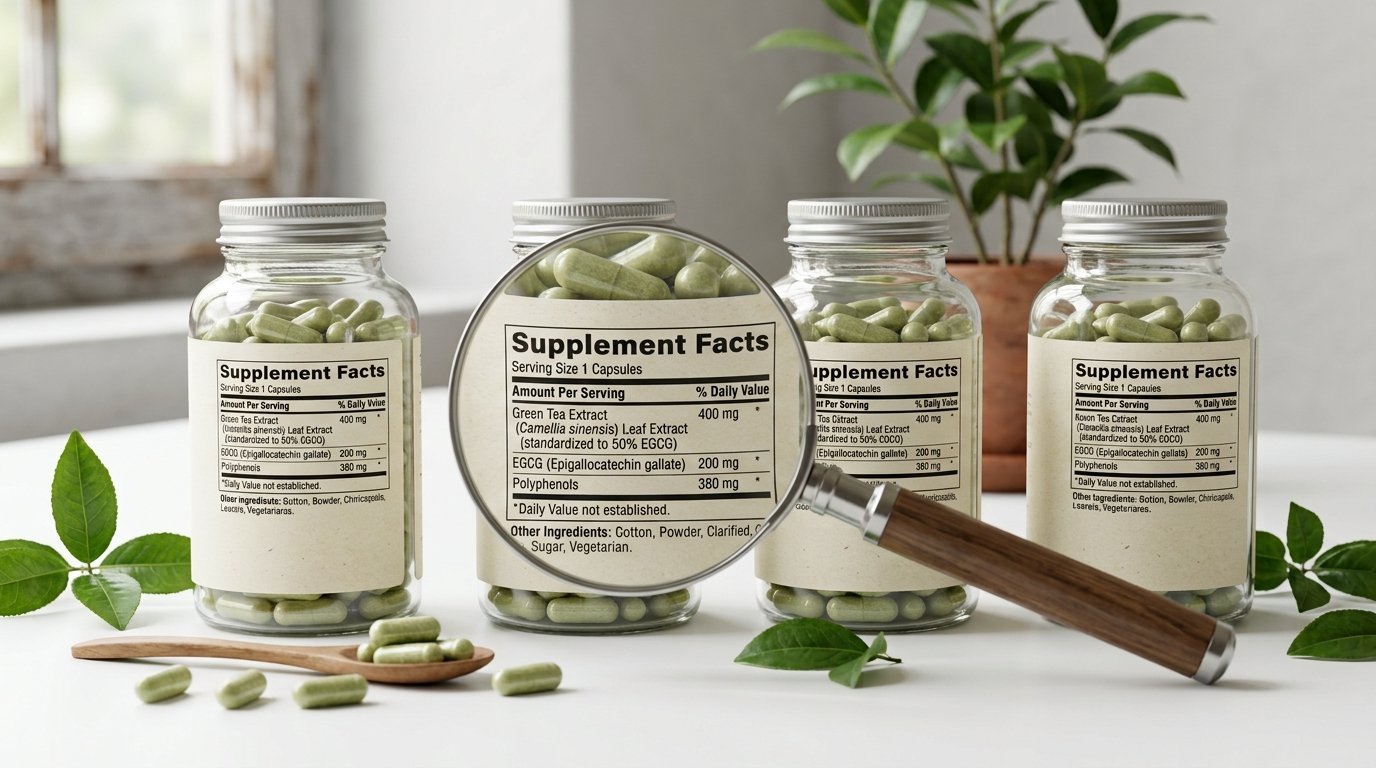
The real story is found on the Supplement Facts panel and ingredient list.
The Label Tells You More Than the Front of the Bottle
The front label introduces the product.
The ingredient panel explains what you’re actually buying.
A quality supplement should clearly identify:
- Amount of green tea extract
- Standardization information
- EGCG or catechin content
- Additional ingredients
- Serving form
Learning to read these details allows you to compare products much more accurately.
Quality Matters More Than Marketing
Green tea extract is only one ingredient.
How that ingredient is sourced, processed, standardized, and manufactured can influence the overall quality of the finished supplement.
People exploring the broader role of Green Tea Extract for Weight Loss often find that ingredient quality becomes just as important as understanding the extract itself.
What Should You Look for in a Green Tea Extract Supplement?
Instead of asking, “Which brand is best?”, start by asking, “What characteristics define a high-quality supplement?”
That shift in thinking usually leads to better purchasing decisions.
Look for Standardized Green Tea Extract
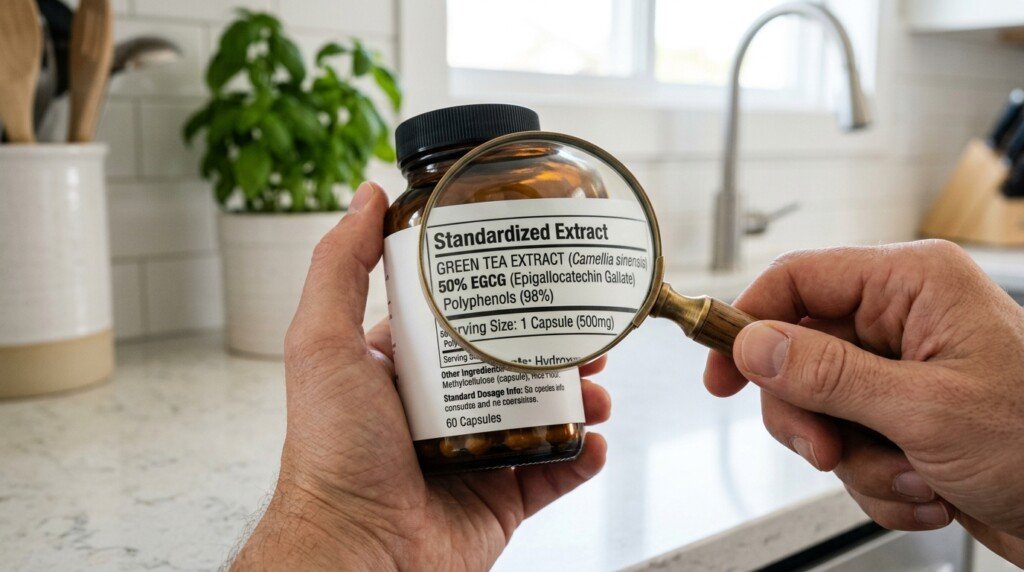
One of the first things to check is whether the extract is standardized.
Standardization means the manufacturer aims to provide a consistent amount of specific compounds within each batch.
This makes the product more predictable than supplements that simply list “green tea extract” without further details.
Clear Ingredient Transparency Matters
High-quality products usually provide transparent labeling.
Look for information such as:
- Standardized extract
- EGCG content
- Catechin percentage
- Green tea leaf source
The more information a manufacturer provides, the easier it becomes to evaluate the product objectively.
Fewer Unnecessary Ingredients Are Often Better
Some supplements contain long lists of fillers, artificial colors, sweeteners, or proprietary blends that provide little useful information.
A cleaner ingredient list often reflects greater transparency.
This does not automatically make a product better, but it makes evaluation much easier.
Why Does EGCG Standardization Matter?
EGCG is one of the most recognized compounds naturally found in green tea extract.
For this reason, many manufacturers prominently advertise it.
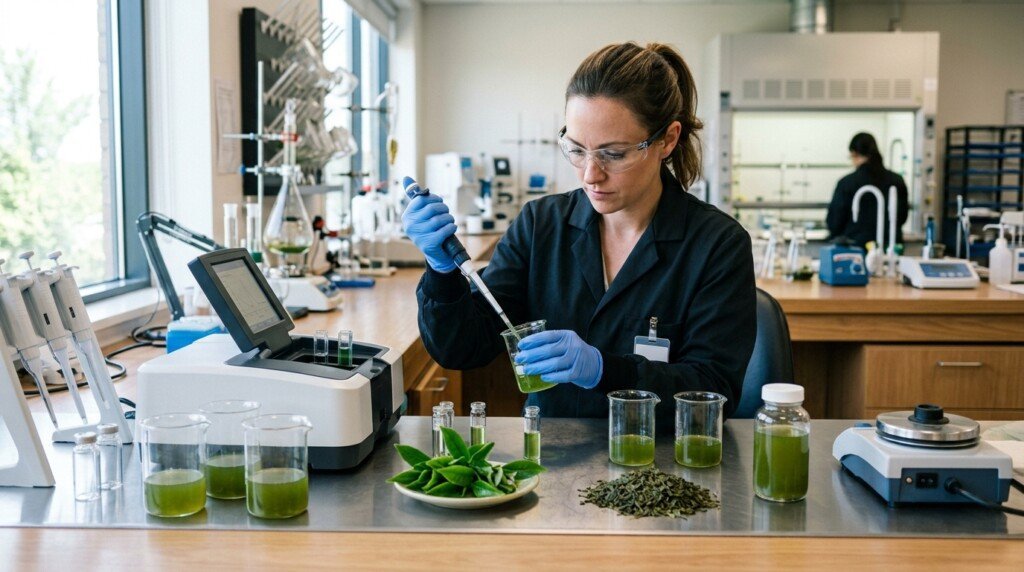
Standardization Creates Consistency
Natural ingredients vary.
Weather, soil conditions, harvesting methods, and manufacturing processes can all influence the final composition of plant extracts.
Standardization helps reduce this variability.
Instead of every batch containing unpredictable levels of active compounds, manufacturers attempt to maintain greater consistency.
Not Every Product Lists EGCG
Some products simply state:
“Green Tea Extract”
Others provide much more detail.
Examples include listing:
- EGCG percentage
- Total catechins
- Standardized polyphenols
The additional information gives consumers greater confidence about what the product contains.
More Is Not Always Better
One common mistake is assuming the highest EGCG percentage automatically represents the highest-quality supplement.
Quality depends on multiple factors, including:
- Manufacturing standards
- Ingredient purity
- Label transparency
- Overall formulation
EGCG is important, but it is only one piece of the evaluation process.
Readers interested in understanding why EGCG receives so much scientific attention may also appreciate Green Tea Extract Active Compounds, which explains the role of EGCG, catechins, caffeine, and other naturally occurring plant compounds.
Should You Choose a Caffeinated or Decaffeinated Green Tea Extract?
One of the first choices many buyers encounter is whether to purchase a supplement that contains naturally occurring caffeine or a decaffeinated version.
Neither option is universally better.
The right choice depends on personal preferences and individual needs.
Naturally Occurring Caffeine
Traditional green tea extract naturally contains caffeine.
Some people prefer this because it reflects the plant’s original composition.
Others appreciate the mild stimulating effects associated with naturally occurring caffeine.
Decaffeinated Extracts
Manufacturers also produce decaffeinated green tea extract.
During processing, most of the caffeine is removed while many beneficial plant compounds remain.
These products may appeal to individuals who:
- Limit caffeine intake
- Prefer evening supplementation
- Are sensitive to stimulants
- Want green tea compounds without additional caffeine
Read the Label Carefully
Do not assume every green tea extract contains the same amount of caffeine.
Some products clearly list caffeine content.
Others specify that the extract is decaffeinated.
Checking the label helps avoid surprises and ensures the supplement matches your preferences.
Which Ingredients Should You Avoid in a Green Tea Extract Supplement?
Knowing what to look for is only half the equation.
Knowing what to avoid can save you from buying products that offer more marketing than value.
A supplement with an impressive front label can still contain unnecessary ingredients or lack the transparency needed to make an informed decision.
Be Careful With Proprietary Blends
One of the biggest warning signs on a supplement label is a proprietary blend.
Manufacturers using proprietary blends often list a group of ingredients without revealing how much of each ingredient is included.
This makes it impossible to know:
- The amount of green tea extract
- The EGCG content
- The catechin concentration
- The proportion of supporting ingredients
Transparent labeling gives consumers much more useful information.
Watch for Excessive Fillers
Not every inactive ingredient is harmful.
Capsules require certain excipients to maintain stability and manufacturing quality.
However, extremely long ingredient lists filled with unnecessary additives may make evaluating a product more difficult.
Examples include:
- Artificial colors
- Artificial sweeteners
- Excessive binders
- Unnecessary flavoring agents
A simpler ingredient list often reflects greater transparency.
Avoid Unrealistic Marketing Claims
Supplements should never promise impossible outcomes.
Be cautious if labels advertise claims such as:
- Instant fat burning
- Guaranteed weight loss
- Rapid body transformation
- Miracle metabolism booster
These statements are designed to attract attention rather than reflect realistic expectations.
How Can You Tell if a Supplement Is Actually Trustworthy?
A quality supplement is usually transparent long before you open the bottle.
Manufacturers that prioritize quality often provide more information instead of less.
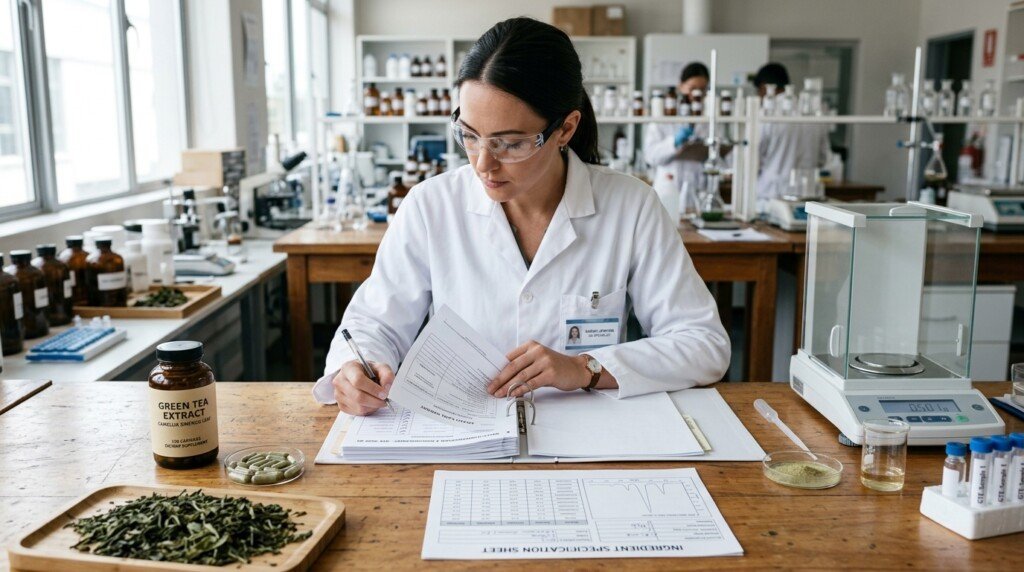
Look for Third-Party Testing
Independent testing helps verify that a supplement contains what the label claims.
Although third-party testing is not legally required for every product, many reputable manufacturers voluntarily use independent laboratories to assess:
- Ingredient identity
- Purity
- Manufacturing consistency
- Product quality
This added level of transparency can increase consumer confidence.
Manufacturing Standards Matter
Many reputable supplement companies manufacture products in facilities that follow recognized quality standards.
Although certifications vary by region, transparent manufacturing practices generally indicate greater attention to product consistency.
Clear Labels Reflect Consumer Confidence
Trustworthy companies usually provide detailed product information, including:
- Standardized extract details
- Ingredient amounts
- Supplement Facts panel
- Complete ingredient list
- Manufacturer information
Companies willing to explain their products openly often inspire greater confidence than those relying primarily on marketing slogans.
Are More Expensive Green Tea Extract Supplements Always Better?
Price often influences purchasing decisions.
Many people naturally assume that higher-priced supplements must also be higher quality.
That assumption is not always correct.
Premium Pricing Does Not Guarantee Premium Quality
A supplement may cost more because of:
- Brand recognition
- Packaging
- Marketing
- Retail placement
These factors do not necessarily reflect better ingredients.
Compare Value Instead of Price
Instead of asking which bottle costs the most, compare:
- Standardized extract information
- EGCG transparency
- Ingredient quality
- Third-party testing
- Manufacturing standards
These factors often provide more meaningful information than price alone.
The Cheapest Option May Also Have Limitations
Extremely inexpensive supplements sometimes provide less information about:
- Ingredient sourcing
- Standardization
- Purity
- Manufacturing quality
Price alone should never determine your decision.
Instead, evaluate the complete product.
People comparing multiple products may also benefit from reviewing Best Weight Loss Supplements or other Supplements for Weight Loss to better understand how ingredient quality varies across different supplement categories.
What Should You Double-Check Before Buying?
Before adding any supplement to your shopping cart, spend a few minutes reviewing the label carefully.
A thoughtful purchase usually starts with informed reading rather than persuasive advertising.
Review the Supplement Facts Panel
Look for information about:
- Standardized green tea extract
- EGCG or catechin content
- Caffeine content
- Serving form
These details provide a clearer picture of the product’s composition.
Read the Full Ingredient List
Do not stop after reading the front label.
The ingredient panel often reveals whether the supplement contains:
- Unnecessary fillers
- Proprietary blends
- Artificial additives
- Additional ingredients
Transparency should always be viewed as a positive sign.
Think Beyond Marketing
The Best Green Tea Extract for Weight Loss is not necessarily the bottle with the boldest packaging or the most aggressive advertising.
Instead, it is the product that combines ingredient transparency, quality manufacturing, standardized extracts, and honest labeling.
Future articles will explore how green tea extract is commonly used, when people typically take it, and important safety considerations to help readers make informed decisions.
Choosing Smart Is Better Than Choosing Popular
Finding the Best Green Tea Extract for Weight Loss is less about identifying one perfect brand and more about understanding what separates high-quality supplements from heavily marketed ones.
Looking beyond promotional claims and focusing on standardized extracts, EGCG transparency, clean ingredient labels, manufacturing quality, and third-party testing gives you a much stronger foundation for making an informed purchase.
When you understand how to evaluate supplement labels, you become less dependent on advertising and more confident in your own decisions. That approach not only helps you choose a better green tea extract but also improves how you assess other nutritional supplements in the future.
Key Takeaways
| Topic | Key Point |
|---|---|
| Standardized extract | Choose products that clearly state standardized green tea extract and active compound information. |
| EGCG | Transparent EGCG or catechin content helps compare supplement quality. |
| Caffeine | Decide between naturally caffeinated or decaffeinated extracts based on personal preferences. |
| Ingredient label | Avoid proprietary blends and prioritize products with simple, transparent ingredient lists. |
| Quality indicators | Third-party testing and reputable manufacturing practices increase confidence in a supplement. |
| Buying decision | Compare ingredient quality and transparency instead of relying on price or marketing claims. |
Frequently Asked Questions
1. Which green tea extract is best?
The Best Green Tea Extract for Weight Loss is typically a standardized supplement that clearly lists its EGCG or catechin content, uses transparent labeling, and is manufactured according to recognized quality standards.
2. What EGCG percentage should I look for?
Rather than focusing only on the highest percentage, look for products that clearly disclose standardized EGCG content along with complete ingredient transparency. A clearly labeled standardized extract is generally more useful than vague marketing claims.
3. Should I choose a caffeine-free green tea extract?
If you are sensitive to caffeine or prefer to avoid stimulants, a decaffeinated green tea extract may be a suitable option. If you want the extract in its more natural form, a product with naturally occurring caffeine may better match your preferences.
4. What ingredients should I avoid?
Avoid supplements that rely on proprietary blends, contain excessive unnecessary fillers, or make unrealistic weight-loss claims without providing clear ingredient information.
5. Are expensive supplements always better?
No. Higher prices often reflect branding and marketing rather than ingredient quality. Comparing standardized extracts, transparency, and manufacturing practices is a more reliable way to evaluate a supplement.
Conclusion
Choosing the Best Green Tea Extract for Weight Loss is not about chasing the highest price tag or the boldest marketing promise. The most reliable approach is to focus on what the label actually tells you. Standardized extracts, clearly disclosed EGCG or catechin content, transparent ingredient lists, third-party testing, and reputable manufacturing practices are all stronger indicators of quality than promotional language.
By learning how to evaluate these details, you can make purchasing decisions based on evidence and transparency rather than advertising. Whether you’re comparing your first green tea extract or narrowing down several options, understanding what defines a high-quality supplement gives you the confidence to choose a product that aligns with your goals and expectations.
Disclaimer:
This post may contain affiliate links. If you purchase through them, we may earn a small commission at no extra cost to you. Also, this content is for informational purposes only and does not substitute professional medical advice.