
Creatine Side Effects: What You Should Know Before Taking It
Type “creatine side effects” into any search engine, and you’ll quickly find conflicting opinions. Some articles describe creatine as one of the safest sports supplements ever studied, while others raise concerns about kidney damage, dehydration, stomach problems, or long-term health risks.
So, what should you actually believe?
Understanding Creatine Side Effects starts with separating evidence from myths. Creatine has been available for decades and has been examined in hundreds of scientific studies involving athletes, recreational exercisers, older adults, and healthy individuals. Despite this large body of research, misconceptions continue to circulate, often based on outdated information or isolated personal experiences rather than high-quality scientific evidence.
That doesn’t mean creatine is completely free of side effects. Like any supplement, it may affect different people in different ways. Some users experience mild digestive discomfort, while others notice no issues at all. In rare situations, creatine may not be appropriate because of an underlying medical condition or individual health concern.
The good news is that most reported Creatine Side Effects are mild, temporary, and manageable for healthy adults. Knowing which concerns are supported by research and which are not can help you make informed decisions instead of relying on internet myths.
This article reviews what current scientific evidence says about creatine safety, explains the most commonly reported side effects, and highlights situations where medical guidance may be appropriate before taking creatine.
Quick Answer
Creatine Side Effects are generally mild for healthy adults. Research consistently shows that creatine is one of the most extensively studied dietary supplements available. Some people may experience temporary digestive discomfort or mild bloating, but current evidence does not support many common myths, including claims that creatine routinely damages healthy kidneys or causes dangerous dehydration.
Is Creatine Safe?
Before discussing possible side effects, it’s important to answer the question most people ask first.
Is creatine actually safe?
Based on decades of scientific research, the answer for most healthy adults is yes.
Creatine has become one of the most thoroughly investigated sports nutrition supplements in the world. Researchers have examined its effects across different age groups, fitness levels, and training programs, making it one of the few supplements supported by a substantial body of long-term evidence.

Years of Research Support Its Safety
Unlike many supplements that remain poorly studied, creatine has been evaluated for decades.
Researchers have investigated creatine in:
- Athletes
- Recreational exercisers
- Older adults
- Men and women
- Various resistance training programs
Across these populations, serious health concerns have remained uncommon among healthy individuals.
This extensive research is one reason many sports nutrition organizations continue to recognize creatine as an appropriate supplement for healthy adults participating in regular exercise.
Safety Depends on Individual Health
Although creatine has an excellent safety profile, no supplement is appropriate for everyone.
A person’s existing medical conditions, medications, and overall health should always be considered before beginning supplementation.
Someone managing a chronic illness may require medical guidance even if a healthy adult experiences no problems using the same supplement.
This is why general safety recommendations should never replace personalized medical advice.
Evidence Is More Reliable Than Online Rumors
The internet often amplifies isolated stories while ignoring larger scientific findings.
One person describing an unpleasant experience does not automatically mean the supplement is unsafe for everyone.
Scientific research evaluates thousands of participants across carefully controlled studies, providing a much stronger foundation for understanding supplement safety.
Looking at the overall body of evidence gives a more balanced picture than relying solely on anecdotal reports.
People comparing different products may also benefit from understanding how product quality varies among Best Creatine Supplements, since reputable manufacturing standards contribute to overall supplement safety.
What Are the Most Common Side Effects?
Although creatine is considered safe for most healthy adults, some individuals do report mild side effects.
Fortunately, these reactions are usually temporary and far less serious than many people expect.
Understanding what commonly occurs helps prevent unnecessary worry.

Mild Digestive Discomfort
Some users experience temporary digestive symptoms, particularly when beginning creatine.
These may include:
- Mild stomach discomfort
- Occasional nausea
- Temporary stomach upset
- Digestive irritation
These symptoms are generally short-lived and do not occur in everyone.
Many people use creatine without experiencing any digestive issues at all.
Mild Bloating
Another commonly discussed concern is bloating.
People sometimes describe feeling slightly fuller during the early stages of creatine use.
It’s important to distinguish this from unhealthy swelling or digestive bloating.
As discussed separately in Does Creatine Cause Water Retention?, much of the early change associated with creatine involves water stored inside muscle cells rather than fluid collecting beneath the skin.
Because that topic deserves a detailed explanation, this article focuses only on bloating as a commonly reported experience rather than exploring the underlying mechanisms in depth.
Individual Responses Differ
No supplement affects every person in exactly the same way.
Several factors influence individual responses, including:
- Overall health
- Digestive sensitivity
- Physical activity level
- Existing medical conditions
One person may notice mild stomach discomfort during the first few days, while another experiences no noticeable effects.
Variation between individuals is normal and should be expected.
Most Side Effects Are Temporary
Perhaps the most reassuring finding from scientific research is that commonly reported side effects are usually mild.
Many people who experience temporary digestive symptoms find that these improve without developing into long-term concerns.
This pattern differs significantly from supplements associated with more serious safety risks.
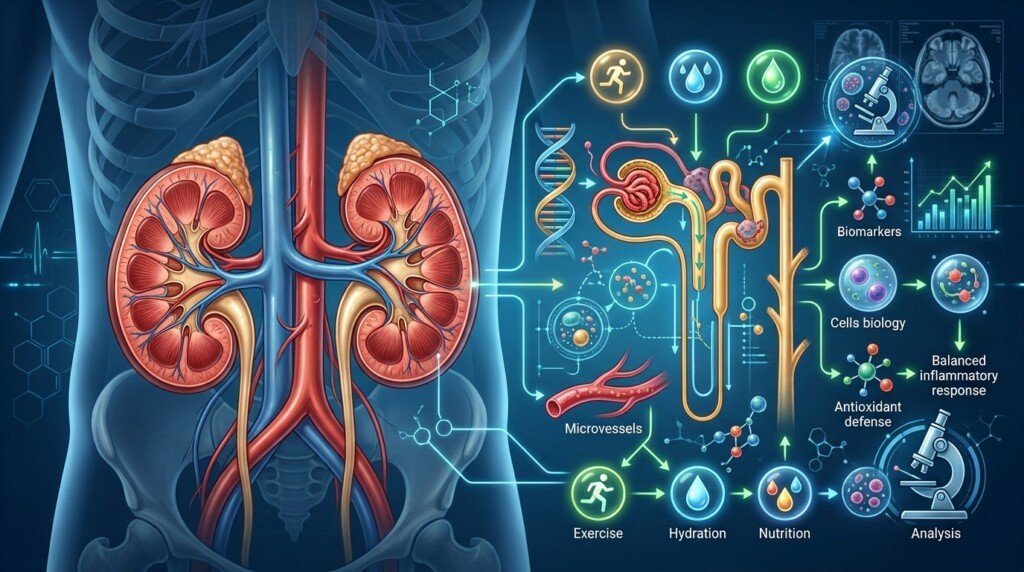
Does Creatine Harm Your Kidneys?
Few supplement myths have persisted as long as the claim that creatine damages healthy kidneys.
Despite decades of research, this misconception continues to appear online.
Understanding where this concern originated helps explain why it remains so widespread.
Why the Kidney Myth Started
Creatine supplementation can increase blood creatinine levels.
Creatinine is a normal waste product produced when creatine is broken down inside the body.
Healthcare professionals sometimes measure creatinine as part of routine kidney function testing.
Because creatinine levels may increase after creatine supplementation, some people mistakenly assume this automatically indicates kidney damage.
However, these are not the same thing.
An increase in creatinine does not necessarily mean the kidneys have been harmed.
It simply reflects the body’s normal metabolism of creatine.
What Research Shows
Current scientific evidence has not demonstrated that creatine damages healthy kidneys in people without existing kidney disease.
Numerous clinical studies have evaluated kidney-related markers in healthy participants using creatine, and researchers have generally not observed evidence of kidney injury attributable to creatine itself.
This distinction is important because internet myths often ignore the difference between healthy individuals and those with pre-existing medical conditions.
Existing Kidney Disease Requires Medical Guidance
Although research supports creatine safety for most healthy adults, the situation changes for individuals with known kidney disease or impaired kidney function.
In these cases, supplementation should only occur under the guidance of a qualified healthcare professional.
Medical supervision allows existing health conditions to be considered alongside any supplement decisions.
This recommendation reflects good medical practice rather than evidence that creatine routinely causes kidney damage.
Looking at the Complete Safety Picture
Kidney health represents only one part of overall supplement safety.
Responsible supplement use also involves:
- Choosing reputable products
- Maintaining healthy lifestyle habits
- Understanding personal medical history
- Discussing concerns with healthcare professionals when appropriate
People considering creatine as part of a broader nutrition strategy may also compare it with other Supplements for Weight Loss, recognizing that different supplements have different safety profiles and intended purposes.
Can Creatine Cause Dehydration?
One of the oldest claims surrounding creatine is that it causes dehydration. For years, athletes were warned that taking creatine could increase the risk of dehydration, especially during intense exercise or hot weather.
Fortunately, modern research paints a much clearer picture.
Current evidence does not support the idea that creatine routinely causes dehydration in healthy individuals. In fact, because creatine increases water stored inside muscle cells, researchers have questioned whether this long-standing belief was ever accurate.
Understanding where this myth came from helps explain why it continues to circulate despite decades of scientific investigation.

Why People Thought Creatine Caused Dehydration
Early concerns were largely based on a simple assumption.
If creatine pulls water into muscle cells, some believed there would be less water available for the rest of the body.
Although this idea sounded reasonable, later research failed to demonstrate that healthy adults using creatine became chronically dehydrated simply because they were taking the supplement.
The body regulates fluid balance through highly sophisticated mechanisms involving the kidneys, hormones, and electrolyte control.
Moving additional water into muscle cells does not automatically leave the rest of the body dehydrated.
Exercise Still Increases Fluid Needs
While creatine itself is not considered a cause of dehydration, exercise certainly can be.
During strenuous physical activity, the body loses water through sweating.
The amount varies depending on:
- Exercise intensity
- Workout duration
- Environmental temperature
- Humidity
- Individual sweat rate
These factors influence hydration requirements regardless of whether someone takes creatine.
Maintaining adequate fluid intake remains important for everyone who exercises regularly.
Research Does Not Support the Myth
Multiple studies involving athletes and physically active adults have not found convincing evidence that creatine supplementation increases dehydration risk under normal conditions.
Researchers have even suggested that improved intracellular hydration may support normal muscle function during exercise.
Although creatine should never replace proper hydration habits, current scientific evidence does not classify dehydration as one of its expected side effects in healthy individuals.
Who Should Avoid Creatine?
Although creatine is considered safe for most healthy adults, that does not mean it is appropriate for everyone.
Some situations require additional caution.
People With Existing Kidney Disease
Individuals diagnosed with kidney disease should never assume that research conducted on healthy adults automatically applies to them.
Because kidney function is already compromised, supplementation decisions should be made together with a qualified healthcare professional.
Medical supervision allows existing health conditions to be evaluated appropriately.
People With Certain Medical Conditions
Anyone living with a chronic medical condition should discuss supplement use with their healthcare provider before beginning creatine.
Examples may include people managing:
- Kidney disorders
- Certain metabolic conditions
- Complex medical illnesses requiring ongoing treatment
The purpose of this discussion is not because creatine is known to be dangerous, but because personalized medical advice is always preferable when underlying health conditions are present.
Pregnant or Breastfeeding Individuals
Research involving pregnancy and breastfeeding remains relatively limited compared with studies involving healthy adults.
For this reason, healthcare professionals are generally the best source of guidance before beginning any dietary supplement during these stages of life.
People Taking Multiple Supplements
Many fitness enthusiasts combine several products together.
Although creatine itself has a strong safety profile, combining numerous supplements may increase the likelihood of digestive discomfort or unnecessary ingredient overlap.
Reviewing your complete supplement routine helps ensure products complement one another appropriately.
When Should You Stop Taking Creatine?
Most healthy adults who tolerate creatine well have no medical reason to stop solely because they begin supplementation.
However, there are situations where stopping and reassessing may be appropriate.
Persistent Digestive Problems
Occasional mild digestive discomfort can occur in some individuals.
If symptoms become persistent, worsen over time, or significantly interfere with daily life, discontinuing creatine temporarily and discussing the issue with a healthcare professional is a sensible approach.
Unexpected Symptoms
Not every health concern that develops while taking creatine is caused by creatine.
However, any new or unexplained symptoms deserve attention.
Rather than assuming a supplement is responsible, it is often better to seek appropriate medical evaluation.
Healthcare professionals can determine whether symptoms are related to supplementation or another underlying condition.
Personal Preference
Some people simply decide creatine no longer aligns with their fitness goals.
Unlike certain medications, creatine is not something that must be continued indefinitely.
Individuals may choose to stop for personal reasons without expecting serious withdrawal effects.
When Should You Speak With a Healthcare Professional?
Most healthy adults never experience significant problems while using creatine.
Nevertheless, professional medical advice is valuable in certain situations.
Before Starting Creatine
Consider speaking with a healthcare professional if you:
- Have kidney disease
- Live with chronic medical conditions
- Take prescription medications
- Have questions about whether creatine is appropriate for your health
A personalized discussion is always more reliable than relying on general internet advice.
If Symptoms Continue
Mild digestive discomfort may improve naturally.
However, persistent symptoms should never be ignored simply because they are listed as possible supplement side effects.
Professional evaluation helps identify whether another medical issue requires attention.
If You Have Existing Health Concerns
Supplements should never replace appropriate medical care.
If you have concerns about your health, laboratory results, or ongoing medical treatment, your healthcare provider can help determine whether creatine fits safely within your overall care plan.
Key Takeaways
| Topic | Key Point |
|---|---|
| Overall safety | Creatine is one of the most extensively researched dietary supplements and is generally considered safe for healthy adults. |
| Common side effects | Mild digestive discomfort and temporary bloating are the most commonly reported issues. |
| Kidney health | Current evidence does not support the claim that creatine damages healthy kidneys. |
| Dehydration | Research does not show that creatine routinely causes dehydration in healthy individuals. |
| Medical conditions | Individuals with kidney disease or other chronic illnesses should seek medical advice before supplementation. |
| When to stop | Persistent symptoms or new health concerns should prompt medical evaluation. |
| Professional guidance | Personalized advice is important whenever existing medical conditions or medications are involved. |

Frequently Asked Questions
1. Is creatine safe for most healthy adults?
Yes. Current scientific evidence consistently shows that creatine is generally safe for healthy adults when used appropriately. It is one of the most thoroughly researched supplements in sports nutrition.
2. What are the most common Creatine Side Effects?
The most commonly reported Creatine Side Effects include mild digestive discomfort and temporary bloating. Many people experience no noticeable side effects at all.
3. Does creatine damage healthy kidneys?
No. Current research does not support the claim that creatine harms healthy kidneys. People with existing kidney disease, however, should consult a healthcare professional before using it.
4. Can creatine cause dehydration?
Research has not shown that creatine routinely causes dehydration in healthy individuals. Regular hydration remains important because of exercise, not because creatine itself is dehydrating.
5. When should I talk to a healthcare professional before taking creatine?
You should seek medical advice if you have kidney disease, other chronic medical conditions, take prescription medications, are pregnant or breastfeeding, or develop persistent symptoms after starting creatine.
Conclusion
Understanding Creatine Side Effects requires looking beyond common myths and focusing on what decades of scientific research actually show. For most healthy adults, creatine has an excellent safety profile, with the majority of reported side effects being mild, temporary, and manageable. Concerns such as kidney damage and dehydration continue to circulate online, yet current evidence does not support these claims in healthy individuals. Instead, creatine remains one of the most extensively studied supplements available for people who participate in regular physical activity.
Like any dietary supplement, creatine is not appropriate for every situation. Individuals with existing medical conditions, especially kidney disease, or those taking prescription medications should seek personalized medical advice before beginning supplementation. Making informed decisions based on reliable evidence rather than internet misconceptions allows you to weigh both the benefits and potential risks with confidence, helping you decide whether creatine fits safely into your overall health and fitness plan.
Disclaimer:
This post may contain affiliate links. If you purchase through them, we may earn a small commission at no extra cost to you. Also, this content is for informational purposes only and does not substitute professional medical advice.