

Why Does Your Weight Fluctuate Every Day? 10 Common Reasons Explained
You step on the scale one morning and feel encouraged because you’ve lost a pound. The next day, that pound is back, even though you followed the same eating plan and completed your workout. It’s frustrating, confusing, and often makes people wonder whether they’re doing something wrong.
The truth is that Daily Weight Fluctuations are completely normal. Your body weight is constantly changing throughout the day and from one day to the next for reasons that often have nothing to do with gaining or losing body fat.
Water retention, sodium intake, glycogen storage, digestion, hydration, exercise, hormones, sleep, stress, and even the timing of your last bowel movement can all influence what the scale shows. In many cases, these changes can add or subtract several pounds temporarily without reflecting any meaningful change in body fat.
Unfortunately, many people judge their progress based on a single weigh-in. When the number increases unexpectedly, they assume they’ve gained fat or that their weight loss plan has stopped working. This misunderstanding often leads to unnecessary diet changes, excessive exercise, or giving up altogether.
Learning how to interpret normal weight changes helps you focus on long-term progress instead of becoming discouraged by short-term fluctuations. The scale is one useful tool, but it should never be the only measure of success.
In this article, you’ll learn why Daily Weight Fluctuations happen, how much variation is considered normal, how water retention and sodium affect body weight, why exercise sometimes causes temporary increases on the scale, when to weigh yourself for the most accurate results, and when unexpected weight changes should be discussed with a healthcare professional.
Why Does Your Weight Fluctuate Every Day?
Your body is constantly changing.
Every meal you eat, every glass of water you drink, every workout you complete, and even every night’s sleep influences your body weight in some way.
Because of these normal biological processes, the number on the scale rarely stays exactly the same from one day to the next.
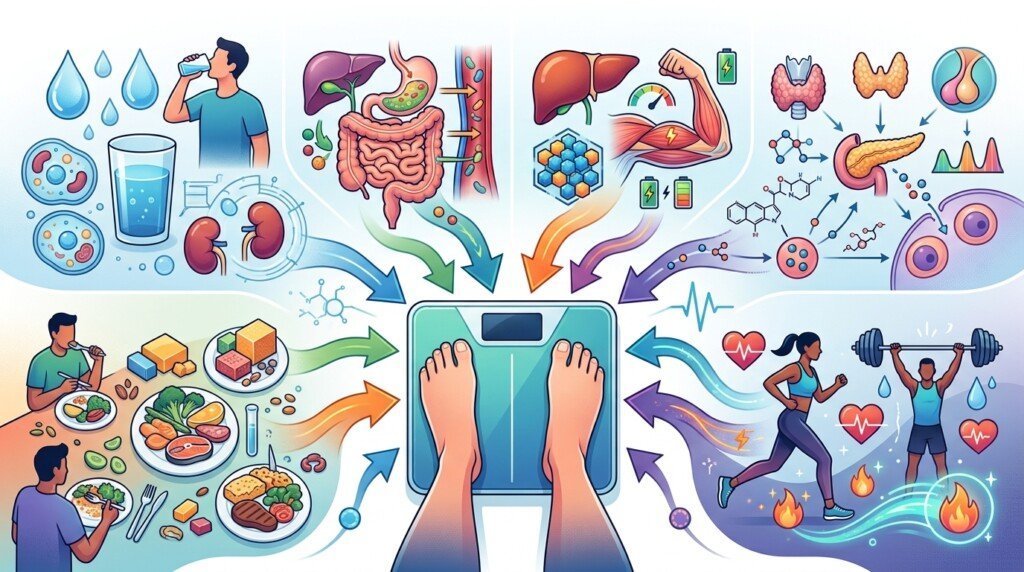
Body Weight Is More Than Body Fat
When you step on a scale, it measures everything in your body, including:
- Body fat
- Lean muscle
- Water
- Food in your digestive system
- Glycogen stores
- Bone mass
- Organs
Since all of these components naturally change throughout the day, your total weight changes as well.
Fat Gain Does Not Happen Overnight
Many people panic after seeing the scale increase by two or three pounds overnight.
In reality, gaining that much body fat in one day would usually require consuming thousands of calories above your body’s energy needs.
Most sudden increases are caused by temporary water retention or digestion rather than actual fat gain.
Daily Changes Reflect Normal Body Function
Your body constantly regulates:
- Hydration
- Electrolytes
- Digestion
- Hormones
- Glycogen storage
- Inflammation
These natural adjustments create small fluctuations that are completely expected.
Looking at Trends Is More Helpful
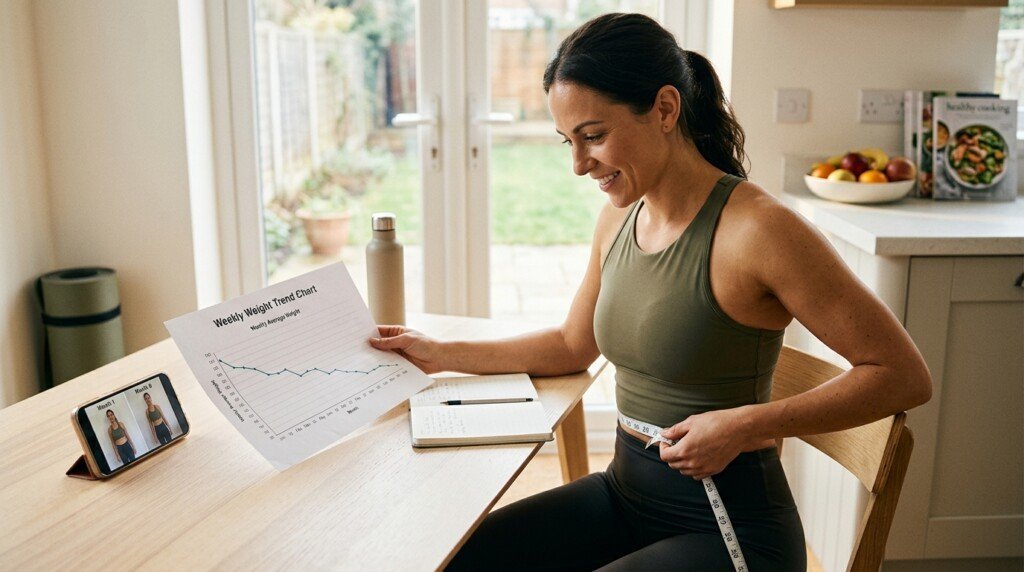
Rather than focusing on one weigh-in, monitor your weight over several weeks.
Weekly averages provide a much more reliable picture than individual daily measurements.
Understanding this long-term perspective helps reduce unnecessary concern during periods that resemble a Weight Loss Plateau, even when your overall progress remains positive.
How Much Daily Weight Fluctuation Is Normal?
One of the most reassuring facts about body weight is that small daily changes are completely normal.
For most healthy adults, body weight can naturally fluctuate by one to several pounds over the course of a day depending on food, fluids, activity, and other lifestyle factors.
These changes do not necessarily represent gains or losses in body fat.
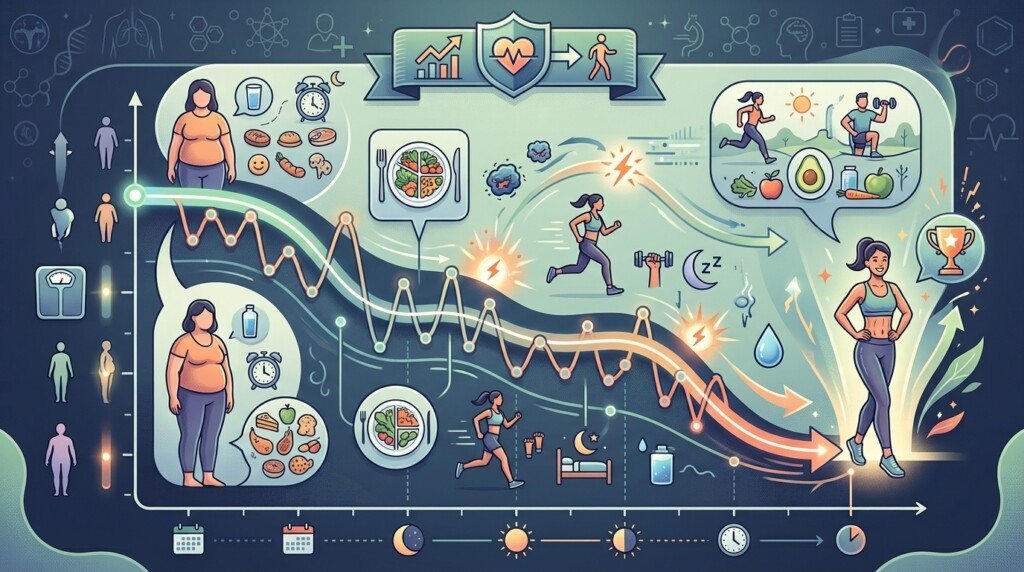
Water Is the Biggest Contributor
Your body contains a large amount of water.
Even small changes in hydration can noticeably influence scale weight.
Examples include:
- Drinking more water
- Sweating during exercise
- Hot weather
- Eating salty foods
- Traveling
These shifts often explain temporary increases or decreases.
Food Has Weight
Every meal adds temporary weight.
Until food is fully digested and eliminated, it contributes to the number you see on the scale.
This is perfectly normal and should not be confused with fat gain.
Digestion Changes Throughout the Day
The timing of:
- Meals
- Snacks
- Bowel movements
- Hydration
all influence daily weight.
Someone who weighs themselves before breakfast may see a different number than they would after dinner.
Hormones Also Influence Weight
Hormonal changes naturally affect fluid balance.
Many people experience temporary water retention because of:
- Stress
- Sleep changes
- The menstrual cycle
- Exercise recovery
These effects are usually temporary.
Can Water Retention Cause Sudden Weight Changes?
Absolutely.
Water retention is one of the most common explanations for unexpected increases on the scale.
Unlike body fat, water weight can change rapidly over hours or days.
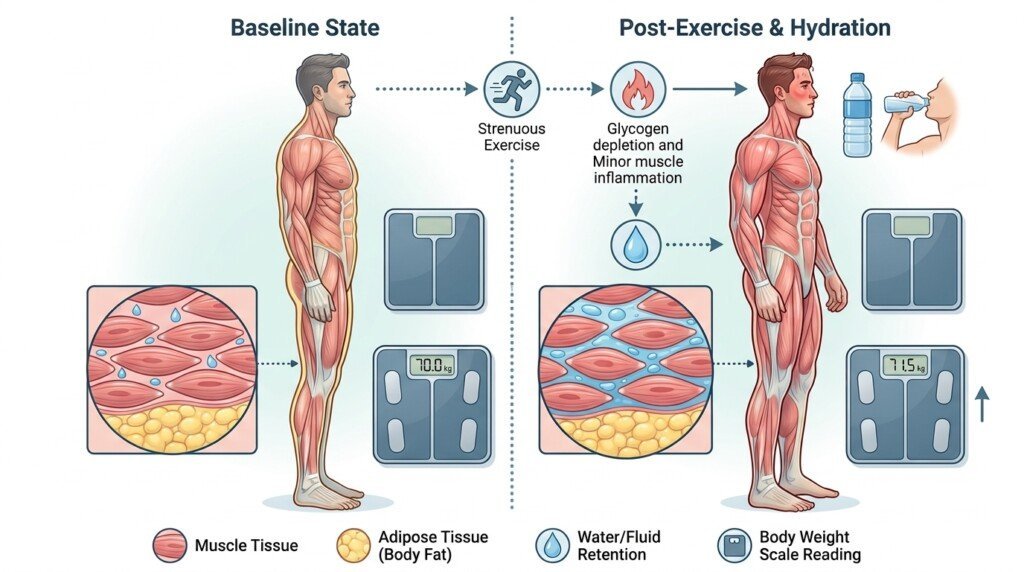
Glycogen Stores Hold Water
Your body stores carbohydrates as glycogen.
Every gram of glycogen is stored with several grams of water.
This means increasing carbohydrate intake may temporarily increase body weight without increasing body fat.
Exercise Recovery Increases Water Retention
Strength training creates tiny amounts of muscle damage that your body repairs during recovery.
As part of this process, muscles temporarily retain more water.
This often causes:
- Slight weight increases
- Temporary muscle swelling
- Improved recovery
Rather than indicating fat gain, this usually reflects healthy adaptation.
Inflammation Can Influence Weight
Your immune system responds to exercise, minor injuries, illness, and recovery by temporarily increasing fluid retention.
This process helps healing but may temporarily affect scale weight.
Hydration Works Both Ways
Ironically, dehydration can sometimes increase water retention because your body attempts to conserve available fluids.
Drinking enough water consistently supports healthier fluid balance over time.
Water Weight Is Temporary
Unlike body fat, water retention usually changes quickly.
Once hydration, sodium balance, and recovery normalize, body weight often returns to its previous trend.
Does Salt Make the Scale Go Up?
Yes, but not because it creates body fat overnight.
Salt, or sodium, affects how much water your body temporarily holds.
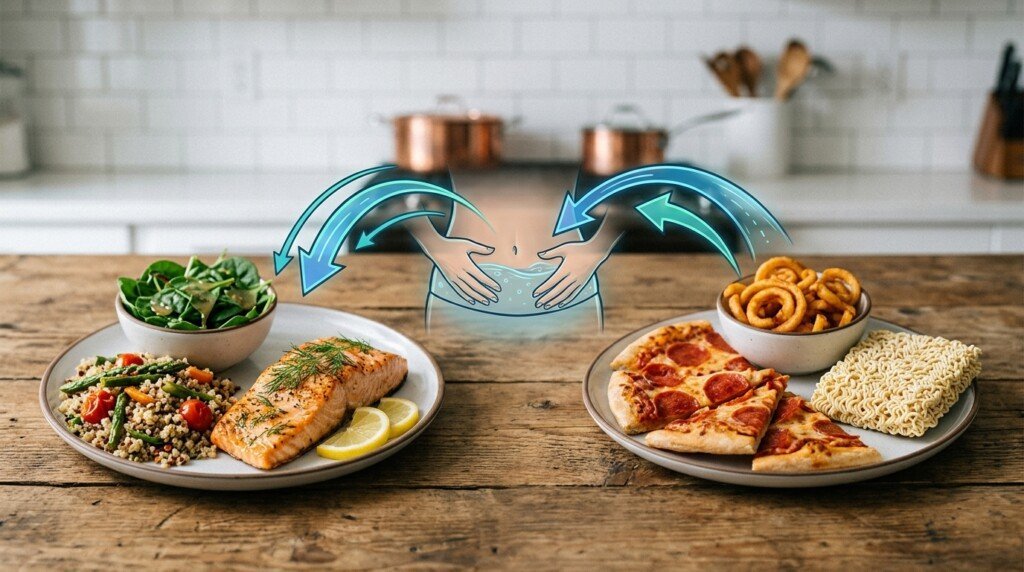
Sodium Influences Fluid Balance
Sodium helps regulate fluid inside and outside your body’s cells.
After eating a particularly salty meal, your body may temporarily retain extra water.
This additional water increases body weight until normal balance is restored.
Restaurant Meals Often Contain More Sodium
Many restaurant and processed foods contain significantly more sodium than home-cooked meals.
After eating out, it is common to notice:
- Puffiness
- Mild swelling
- Higher scale weight
These effects usually improve over the next few days.
Drinking Water Helps
Maintaining good hydration supports normal fluid regulation.
Although it may seem counterintuitive, drinking adequate water often helps your body restore normal fluid balance more efficiently.
One Salty Meal Does Not Cause Fat Gain
A temporary increase after a salty dinner rarely represents body fat.
Instead, it usually reflects short-term water retention.
Avoid making drastic changes to your eating plan based on one weigh-in.
Continue following your normal healthy routine and allow your body time to rebalance.
Can Exercise Affect Your Weight the Next Day?
Many people are surprised when the scale increases after a challenging workout.
It seems unfair. You exercised, burned calories, and followed your nutrition plan, yet your weight is slightly higher the following morning.
Fortunately, this is completely normal.
Exercise often causes temporary changes in body weight that have nothing to do with gaining body fat.

Strength Training Can Increase Water Retention
Resistance training creates tiny microscopic tears in muscle fibers.
Your body repairs these fibers through a natural recovery process that includes temporary water retention around the muscles.
This additional fluid helps:
- Repair muscle tissue
- Reduce inflammation
- Support recovery
- Build lean muscle
As a result, the scale may increase slightly for a day or two after an intense workout.
New Exercise Routines Can Cause Bigger Changes
If you’ve recently started exercising or increased your workout intensity, temporary water retention may become even more noticeable.
Your body is adapting to the new physical demands.
This adjustment period is healthy and usually short-lived.
Muscle Glycogen Also Increases
After exercise, your muscles replenish glycogen stores.
Because glycogen is stored with water, this process can temporarily increase body weight.
This is actually a positive sign that your muscles are recovering properly.
Exercise Supports Long-Term Fat Loss
Although workouts may temporarily increase scale weight, regular physical activity remains one of the most effective ways to improve body composition.
Exercise helps:
- Preserve lean muscle
- Increase daily energy expenditure
- Improve fitness
- Support long-term fat loss
Do not judge the success of a workout based on the following morning’s weigh-in.
What Is the Best Time to Weigh Yourself?
If you want the most consistent results, weighing yourself under the same conditions each time is far more important than weighing yourself more often.
Consistency reduces the effect of normal daily fluctuations.

Weigh Yourself First Thing in the Morning
For most people, the best time to weigh themselves is:
- After waking up
- After using the bathroom
- Before eating or drinking
- Wearing similar clothing or no clothing
This creates the most reliable comparisons over time.
Use the Same Scale
Different scales may produce slightly different readings.
Whenever possible:
- Use the same scale
- Place it on a hard, level surface
- Position it in the same location
Consistency improves accuracy.
Avoid Weighing Yourself Multiple Times Per Day
Body weight naturally changes throughout the day because of:
- Meals
- Fluids
- Physical activity
- Digestion
Weighing yourself repeatedly often creates unnecessary stress without providing useful information.
Focus on Weekly Trends
Instead of reacting to individual numbers, calculate your average weight over the course of a week.
Weekly averages provide a much clearer picture of your true progress than daily fluctuations.
If your average weight continues moving downward over time, your plan is likely working even if individual days vary.
Combine the Scale With Other Measurements
The scale is only one tool.
Also monitor:
- Waist circumference
- Progress photos
- Clothing fit
- Energy levels
- Strength improvements
Someone who is Losing Inches but Not Weight is often making excellent progress despite stable scale readings.
When Should Weight Fluctuations Be a Concern?
Most Daily Weight Fluctuations are completely normal and do not indicate a problem.
However, there are situations where unexpected weight changes deserve closer attention.
Sudden Large Changes Without Explanation
If your weight changes dramatically over a short period without any obvious explanation such as travel, exercise, increased sodium intake, or hydration changes, it may be appropriate to discuss the situation with a healthcare professional.
Persistent Swelling
Temporary puffiness after a salty meal is common.
However, ongoing swelling in the legs, feet, hands, or face should not be ignored.
Persistent fluid retention deserves medical evaluation.
Weight Changes With Other Symptoms
If unexpected weight changes occur alongside symptoms such as:
- Severe fatigue
- Shortness of breath
- Persistent swelling
- Ongoing digestive problems
- Unexplained illness
seek medical advice promptly.
Progress Has Truly Stopped
If your:
- Weekly average weight
- Waist measurements
- Progress photos
- Clothing fit
have remained unchanged for several weeks despite consistent healthy habits, you may have reached a genuine plateau rather than experiencing normal fluctuations.
In that situation, reviewing the strategies discussed in Why Did My Weight Loss Stop and How Long Does a Weight Loss Plateau Last can help you determine whether adjustments to your routine are appropriate.
Avoid Reacting to One Number
Perhaps the biggest mistake people make is changing their entire nutrition plan after seeing one unexpected weigh-in.
One number rarely tells the full story.
Consistent habits always matter more than temporary fluctuations.
Frequently Asked Questions
1. Are daily weight fluctuations normal?
Yes. Daily weight fluctuations are completely normal and are usually caused by changes in water balance, digestion, sodium intake, exercise recovery, and hydration rather than body fat.
2. How much can body weight fluctuate in one day?
Many healthy adults experience fluctuations of one to several pounds throughout the day depending on food intake, fluids, physical activity, and normal body processes.
3. Why does my weight increase after exercise?
Exercise can temporarily increase body weight because muscles retain additional water during recovery and glycogen stores are replenished after physical activity.
4. Does eating salty food cause fat gain?
No. Salty foods often increase temporary water retention, which can raise scale weight for a short time. This does not mean you have gained body fat overnight.
5. Should I weigh myself every day?
Daily weigh-ins can be helpful if you focus on weekly averages rather than individual numbers. Weigh yourself under the same conditions each morning for the most consistent results.
Final Thoughts
Understanding Daily Weight Fluctuations can completely change the way you view your weight loss journey. The number on the scale reflects much more than body fat. Water retention, glycogen storage, digestion, hydration, sodium intake, exercise recovery, hormones, and everyday biological processes all influence your body weight from one day to the next.
Rather than reacting to every small increase, focus on long-term trends. Weigh yourself consistently, track your weekly average, and combine the scale with other progress markers such as waist measurements, progress photos, clothing fit, and improvements in strength and fitness. These indicators provide a far more complete picture of your progress than a single daily measurement.
Remember that successful weight management is built through consistent habits, not perfect scale readings. By understanding what causes normal fluctuations and evaluating your progress over weeks instead of days, you can stay focused on meaningful, sustainable results while avoiding unnecessary frustration.
Disclaimer:
This post may contain affiliate links. If you purchase through them, we may earn a small commission at no extra cost to you. Also, this content is for informational purposes only and does not substitute professional medical advice.
Ready to Start Your Journey?
Use our free 7-in-1 Weight Loss Toolkit to calculate your numbers and build your plan in minutes.
Open Free Tools →