Powerful Choices in the Ultimate Fitness Equipment Guide for Faster Fat Loss
Choosing the right equipment can completely transform the way you train, burn fat, and build strength. A well structured fitness equipment guide helps you understand which tools actually deliver results instead of wasting time and money on machines that offer little value. From simple dumbbells and resistance bands to advanced training machines and high performance athletic tools, the right equipment allows you to train more efficiently and stay consistent with your workouts. In this guide, you will learn how to choose the best equipment for fat loss, muscle growth, and home workouts while building a training setup that supports long term fitness success.
Why the Right Equipment Changes Everything
Walking into a gym for the first time can feel overwhelming. Rows of machines, racks of weights, cables, bands, and unfamiliar equipment can make it difficult to know where to start. Even people building a home gym often face the same confusion. The internet is full of recommendations, but not every piece of equipment delivers real results.
That is exactly why a structured fitness equipment guide is important. The right equipment does not just make workouts easier. It determines how efficiently your body burns fat, builds strength, and improves endurance. With the correct tools, your training becomes more focused and far more productive.
Many people assume weight loss or muscle building depends purely on willpower. In reality, the environment you create around your workouts plays a major role. Equipment that matches your goals helps you stay consistent, reduces the chance of injury, and keeps training interesting over time.
This guide breaks down the most effective types of equipment for different goals such as fat loss, muscle development, and athletic performance. Instead of listing random tools, we will examine how each category fits into a structured training approach so you can build a smarter workout environment.
The Evolution of Modern Fitness Equipment
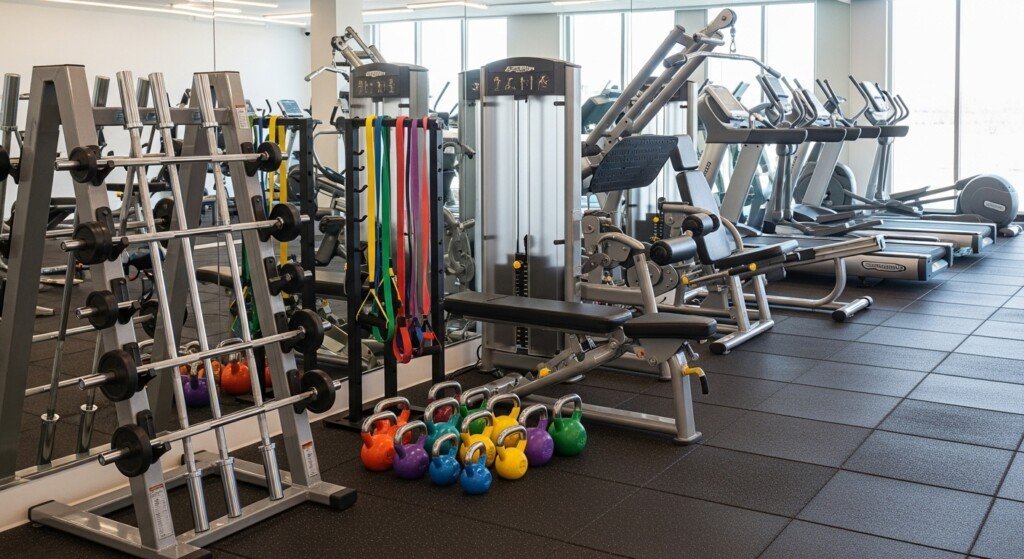
Fitness equipment has evolved dramatically over the past few decades. Early gyms focused mainly on basic barbells, benches, and simple resistance machines. While these tools still form the foundation of strength training, modern equipment now includes advanced technology, compact home solutions, and specialized tools designed for specific fitness outcomes.
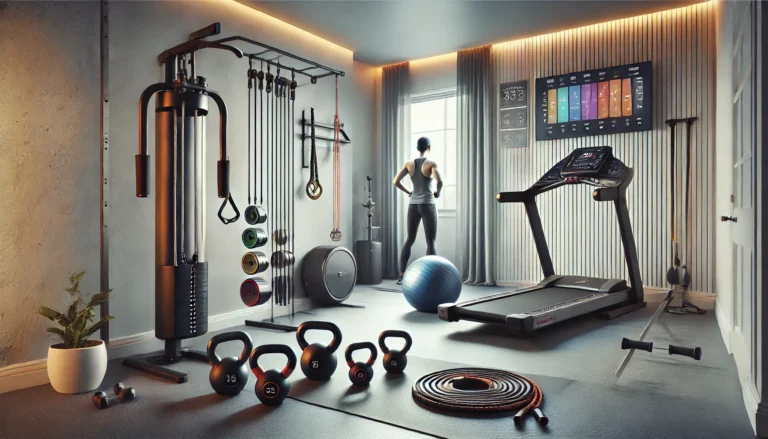
One major shift has been the rise of home gyms. Busy lifestyles have pushed many people to build workout spaces at home rather than relying entirely on commercial gyms. If you are planning your own setup, understanding the best gym equipment for home workout can help you create a balanced training environment without filling your entire house with bulky machines.
Home gyms also encourage consistency. When equipment is easily accessible, people are more likely to train regularly. Even a small setup with adjustable weights and resistance tools can deliver excellent results when used correctly.
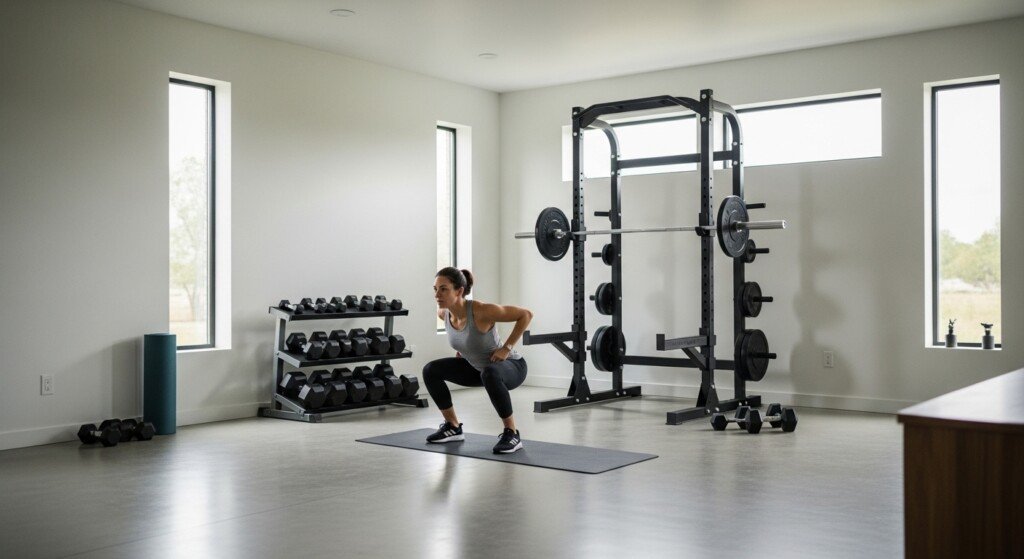
Why Equipment Selection Matters for Fat Loss
Fat loss is often misunderstood. Many people believe cardio machines alone are enough to burn fat. While cardiovascular exercise is important, resistance training equipment is equally critical for long term fat loss.
Strength training increases muscle mass, and muscle tissue burns more calories even at rest. This means your metabolism becomes more efficient over time. A well designed training environment includes tools that allow both resistance training and metabolic conditioning.
Some equipment is particularly effective for this purpose. If fat loss is your primary goal, learning about the best gym equipment for weight loss will help you choose tools that elevate heart rate while also challenging your muscles.
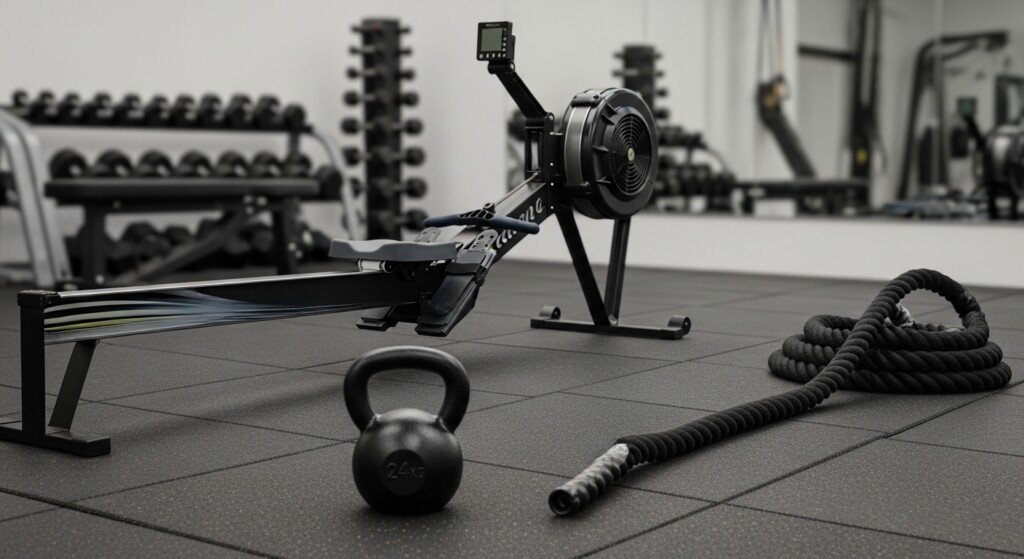
Examples include kettlebells, resistance bands, rowing machines, and compound lifting equipment. These tools activate multiple muscle groups simultaneously, which leads to higher calorie expenditure and improved conditioning.
Building Lean Muscle While Burning Fat
One of the biggest misconceptions in fitness is that you must choose between building muscle and losing fat. In reality, the right equipment allows you to achieve both simultaneously.
Machines and free weights that target large muscle groups can increase metabolic demand while strengthening the body. Squats, presses, pulls, and deadlifts engage multiple muscles at once, making them highly efficient exercises.
Many people explore specialized training systems designed specifically for this purpose. Understanding the best gym machines lean muscle fat loss can help you select equipment that supports both strength development and metabolic conditioning.
Machines such as cable systems, functional trainers, and plate loaded equipment allow controlled resistance while still enabling compound movements. These tools make it easier for beginners to learn proper form while still challenging experienced lifters.
Technology Is Changing the Fitness Landscape
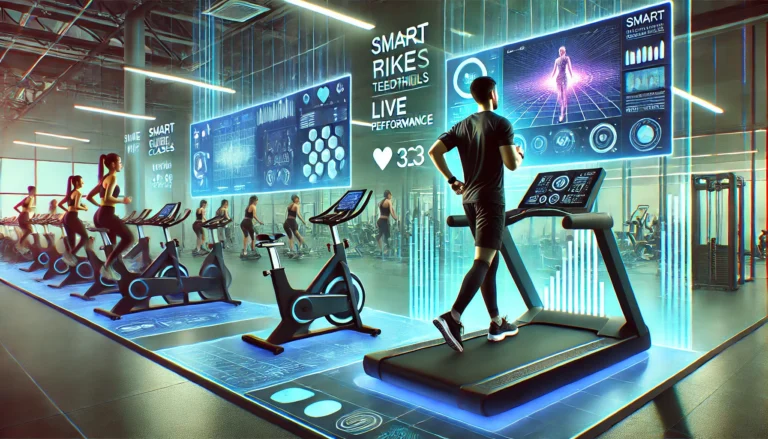
Another major transformation in the fitness industry is the integration of technology. Smart training systems now track performance, monitor heart rate, and guide workouts through interactive displays.
For example, many modern machines adjust resistance automatically based on your strength levels. Some systems provide real time coaching and progress tracking through connected apps. This technology can improve motivation and provide valuable insights into training patterns.
Exploring high tech gym equipment reveals how artificial intelligence and digital tracking are shaping the future of fitness. From smart treadmills to connected strength machines, these innovations help individuals monitor progress with greater accuracy than ever before.
Technology is especially helpful for beginners who need guidance during workouts. Structured feedback helps users maintain proper form and gradually increase intensity without risking injury.
The Value of Simplicity in Training Equipment
While modern technology offers exciting possibilities, simple equipment often delivers the most reliable results. Many professional athletes and experienced trainers still rely heavily on basic tools such as barbells, kettlebells, and resistance bands.
The reason is simple. Basic equipment encourages functional movement patterns that mimic real world activities. Instead of isolating a single muscle, these tools train multiple muscle groups together.
Interestingly, some of the most effective tools are rarely used by beginners. Learning about underrated gym machines can reveal equipment that quietly delivers excellent results but often gets overlooked in crowded gyms.
Examples include sleds, landmine attachments, and rowing ergometers. These tools build strength, endurance, and coordination while reducing stress on the joints.
Training Like an Athlete
Athletes train differently from casual gym users. Their programs focus on power, coordination, and explosive movement rather than simple muscle isolation.
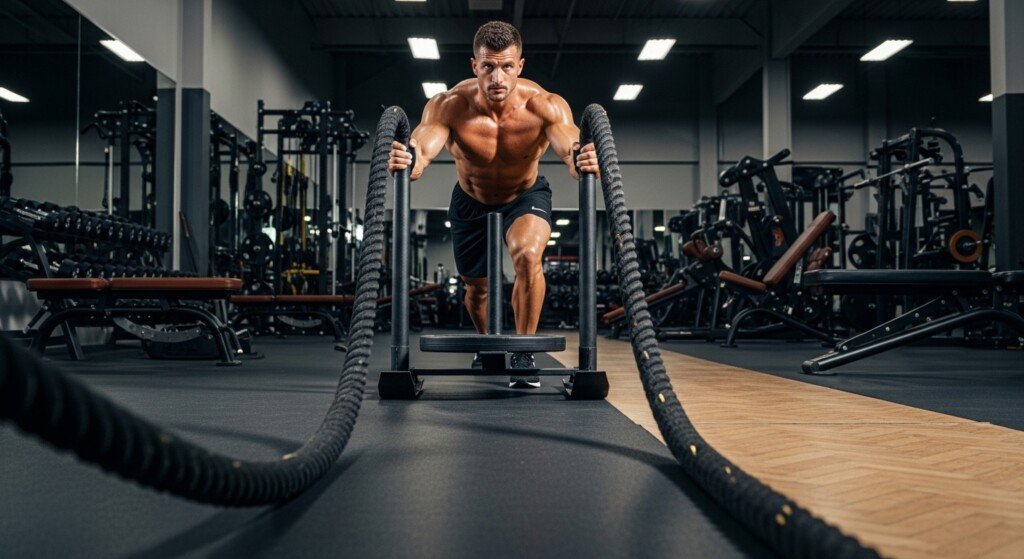
Certain tools are specifically designed to support these training methods. Equipment such as battle ropes, plyometric boxes, weighted sleds, and agility ladders improves speed and performance across multiple sports.
Understanding gym equipment for athletes provides insight into how professional training environments are structured. These tools emphasize movement quality, reaction time, and full body power.
Even if you are not a competitive athlete, incorporating these tools into your workouts can dramatically improve overall fitness. Training that combines strength, agility, and endurance builds a more capable body than traditional machine based routines alone.
The Importance of Budget Friendly Options
One of the biggest barriers to starting a fitness journey is cost. High end equipment can be expensive, especially when building a home gym. Fortunately, effective training does not require a massive financial investment.
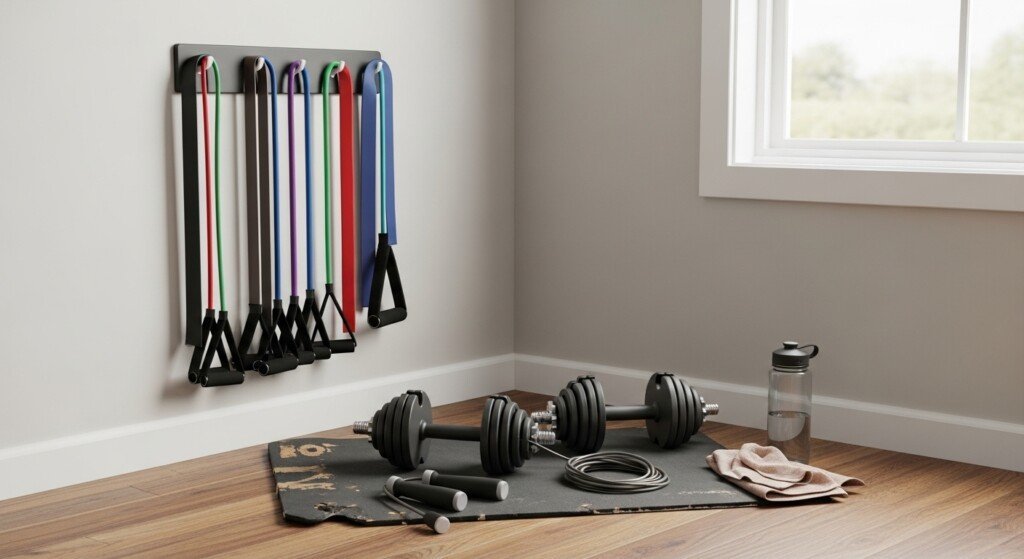
Many affordable tools deliver outstanding results. Adjustable dumbbells, resistance bands, jump ropes, and compact kettlebells can form the foundation of a highly effective training system.
If you are starting from scratch, exploring budget friendly gym equipment will help you prioritize tools that provide maximum versatility without draining your wallet.
A smart strategy is to begin with versatile equipment that supports multiple exercises. As your training experience grows, you can gradually expand your setup with more specialized tools.
Choosing the Right Equipment for Your Goals
Before purchasing equipment or designing a workout space, it is important to identify your primary fitness goal. Different tools serve different purposes, and selecting the right combination creates a more balanced training program.
For example:
Weight loss programs benefit from equipment that combines strength and cardio.
Muscle building requires progressive resistance and heavier loads.
Athletic training focuses on explosive movement and agility.
Home gym setups must prioritize versatility and space efficiency.
The rest of this guide will explore each equipment category in detail so you can design a system that matches your goals, space, and budget.
The Core Strength Tools Every Fitness Setup Needs
While machines and advanced systems play a role in training, the backbone of most effective workouts comes from foundational strength equipment. These tools allow progressive overload, which is the gradual increase of resistance over time. Progressive overload is essential for both fat loss and muscle development because it forces the body to adapt and become stronger.
Three categories dominate strength training environments across the world. Kettlebells, barbells, and dumbbells. Each has unique advantages and limitations, and understanding how they work together can dramatically improve your training efficiency.
Before investing in expensive machines or complicated systems, mastering these fundamental tools should be your priority.
Kettlebells vs Barbells for Fat Burning Efficiency
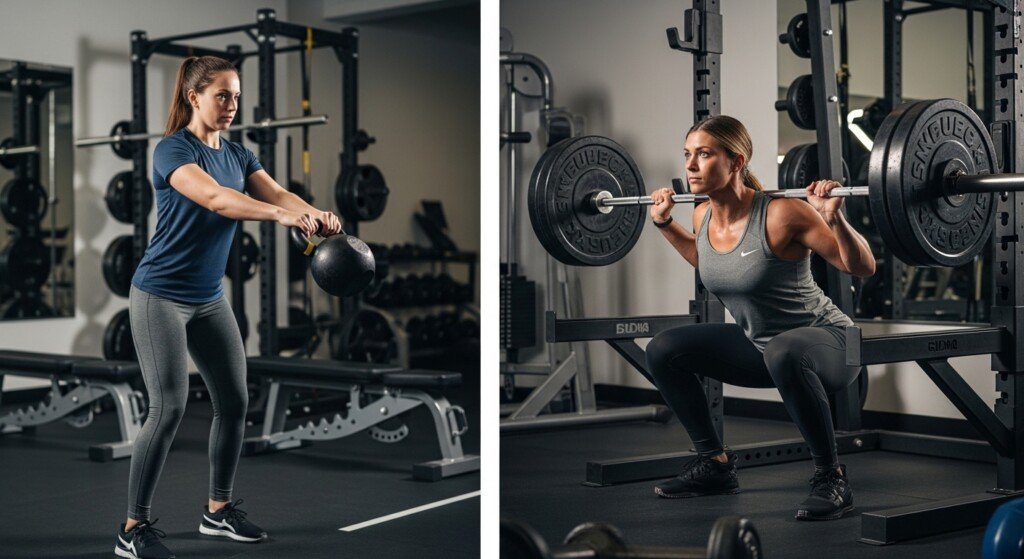
One of the most common debates in strength training revolves around kettlebells and barbells. Both tools are extremely effective, but they serve slightly different purposes depending on how they are used.
Exploring kettlebells vs barbells fat burning reveals an important insight about training intensity and metabolic demand.
Barbells are traditionally associated with heavy compound lifts such as squats, deadlifts, and bench presses. These exercises allow lifters to move large amounts of weight, which stimulates muscle growth and strength development. Because larger muscles burn more calories, barbell training indirectly contributes to fat loss over time.
Kettlebells, on the other hand, are particularly effective for dynamic movements. Exercises like kettlebell swings, snatches, and cleans combine strength and cardiovascular conditioning in a single motion. This combination elevates heart rate quickly and keeps the body under constant tension, making kettlebell workouts extremely efficient for metabolic conditioning.
Both tools are powerful. The best approach is not choosing one over the other but learning how they complement each other within a balanced training program.
Why Resistance Bands Are More Powerful Than They Look
Resistance bands are often underestimated. Many people see them as beginner tools or rehabilitation equipment. In reality, bands can provide surprisingly intense resistance when used correctly.
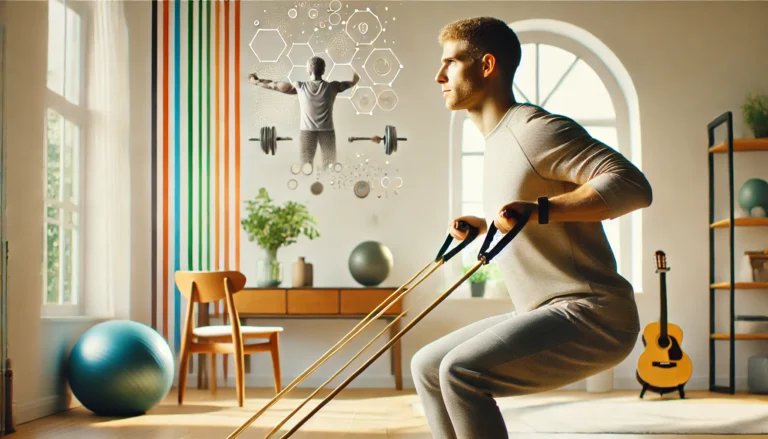
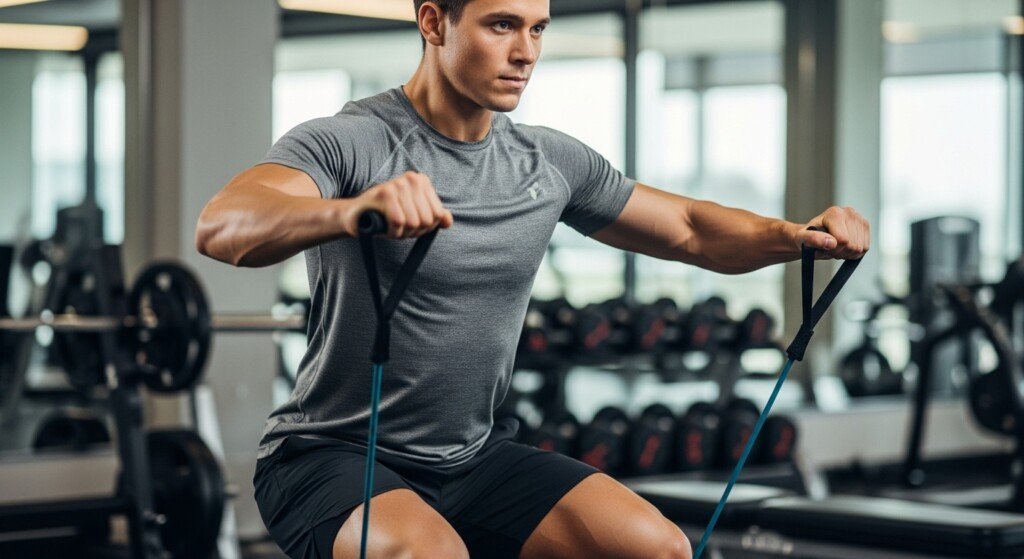
Learning about resistance bands for strength training shows how versatile these simple tools can be. Unlike traditional weights, resistance bands create variable resistance. The tension increases as the band stretches, forcing muscles to work harder at the top of each movement.
This type of resistance offers several advantages.
Bands are portable and easy to store, making them ideal for home gyms or travel workouts.
They reduce stress on joints because resistance builds gradually rather than relying on gravity.
They allow creative movement patterns that are difficult to replicate with traditional weights.
Exercises such as band rows, band squats, and band presses can build impressive strength when performed consistently. Many professional athletes also use resistance bands to improve mobility and activation before heavy training sessions.
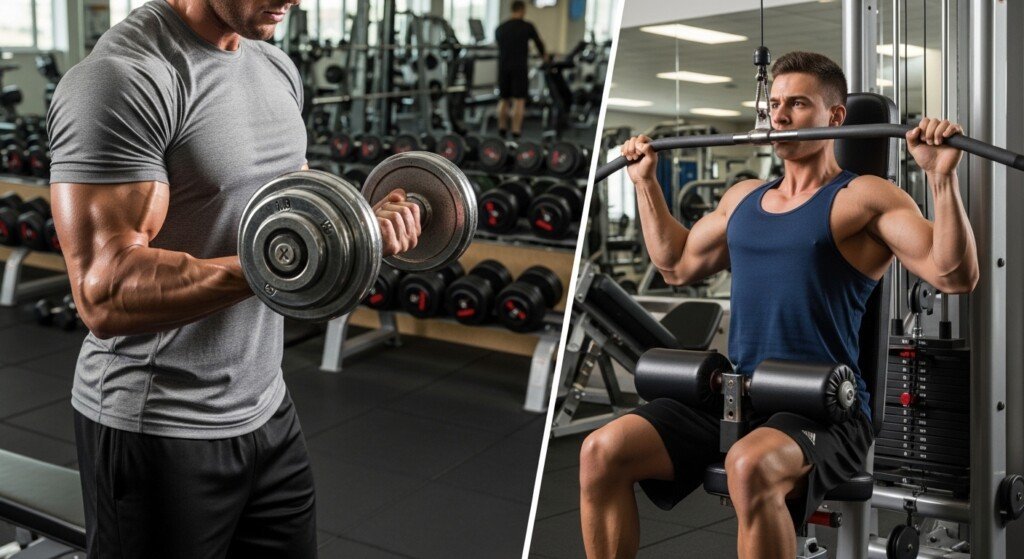
Dumbbells vs Machines for Muscle Growth
Another important decision many people face is whether to rely primarily on free weights or gym machines. Both have benefits, but the choice often depends on experience level and training goals.
Examining dumbbells vs machines muscle growth helps clarify how each approach contributes to strength development.
Dumbbells encourage stabilization. Because each arm or leg moves independently, your body must recruit additional muscles to control the weight. This creates a more natural movement pattern and often leads to better overall muscle activation.
Machines provide a fixed path of motion. This can be beneficial for beginners who are still learning proper technique. Machines also allow heavier isolation training without requiring as much stabilization from surrounding muscles.
For most people, combining both approaches works best. Free weights develop coordination and functional strength, while machines allow targeted muscle work and safer heavy lifting in certain exercises.
Understanding the Role of Compound Movements
Many people waste time in the gym performing exercises that isolate very small muscle groups. While isolation training has its place, compound movements should always form the foundation of your workouts.
Compound exercises engage multiple joints and muscle groups simultaneously. This dramatically increases training efficiency and calorie expenditure.
Examples include:
Squats
Deadlifts
Pull ups
Rows
Bench presses
Overhead presses
Equipment that supports these movements should always be prioritized when building a training environment.
Compound movements also stimulate hormonal responses that support muscle growth and fat metabolism. Because they challenge the entire body, they produce greater training adaptations compared to smaller isolation exercises.
Why Functional Strength Matters
Functional strength refers to the ability to perform real world movements effectively. Instead of training muscles in isolation, functional training emphasizes patterns such as pushing, pulling, squatting, and rotating.
Many of the best training tools encourage these natural movements. Kettlebells, resistance bands, and dumbbells all promote functional strength because they allow freedom of motion.
Machines sometimes restrict this freedom by forcing the body into fixed positions. While this can be useful for targeted muscle work, relying solely on machines may limit overall movement development.
A well balanced training system combines both functional tools and controlled machines to achieve the best results.
Creating a Balanced Strength Training System
To design an effective training environment, think in terms of movement patterns rather than individual exercises.
Your equipment should allow the following categories of movement:
Lower body pushing such as squats
Lower body pulling such as deadlifts
Upper body pushing such as presses
Upper body pulling such as rows
Rotational and core movements
Explosive or conditioning movements
When your equipment supports all of these categories, you can create hundreds of different workouts without needing a massive collection of machines.
Even a simple setup with adjustable dumbbells, resistance bands, and one barbell can provide nearly unlimited training variety.
Avoiding Common Equipment Mistakes
Many beginners make the mistake of purchasing equipment based on trends rather than training needs. Expensive machines often promise quick results but end up gathering dust after the novelty fades.
Before investing in equipment, ask yourself three questions.
Does this tool support multiple exercises?
Will it challenge large muscle groups?
Can it progress as my strength improves?
If the answer to these questions is yes, the equipment will likely remain useful long term.
Another mistake is focusing exclusively on upper body training. Balanced programs require equal attention to lower body and core movements. Equipment that supports squats, hinges, and full body exercises should always be prioritized.
Strength Equipment for Small Spaces
Many people assume they cannot build a home gym because they lack space. Fortunately, modern equipment design has made compact training setups extremely practical.
Foldable benches, adjustable dumbbells, resistance bands, and compact kettlebells require very little storage space while still providing full body training capability.
With careful planning, even a small apartment can support a highly effective workout routine.
Space efficiency is one reason why functional training tools have become so popular. They offer incredible versatility without requiring large machines or complicated installations.
Building Consistency Through Simplicity
One of the most overlooked aspects of fitness success is simplicity. The more complicated a workout environment becomes, the harder it is to stay consistent.
Simple equipment encourages frequent training because it removes barriers. When your tools are easy to access and understand, you are more likely to use them regularly.
Consistency ultimately determines progress. The most advanced equipment in the world cannot replace a regular training habit built over time.
By focusing on foundational strength tools first, you create a reliable training system that can grow with you as your fitness improves.
Specialized Machines That Accelerate Fat Loss
While free weights provide the foundation for strength training, specialized machines can add valuable variety and efficiency to your workouts. Many machines are designed to isolate specific movement patterns or increase metabolic demand in ways that traditional weights cannot always replicate.
Machines are particularly useful for beginners who are still learning proper exercise technique. Because they guide the movement path, machines reduce the risk of improper form and allow users to focus on muscle activation.
Some machines also combine resistance and cardiovascular conditioning. These tools are extremely effective when included in high intensity circuits or metabolic training routines.
Understanding the best gym machines lean muscle fat loss helps identify equipment that allows both resistance training and sustained calorie burn. Machines such as cable systems, rowing machines, and functional trainers fall into this category because they activate multiple muscle groups simultaneously.
When used correctly, these machines help increase heart rate while still providing progressive resistance, which supports long term fat loss and muscle development.
The Role of Cable Machines in Functional Strength
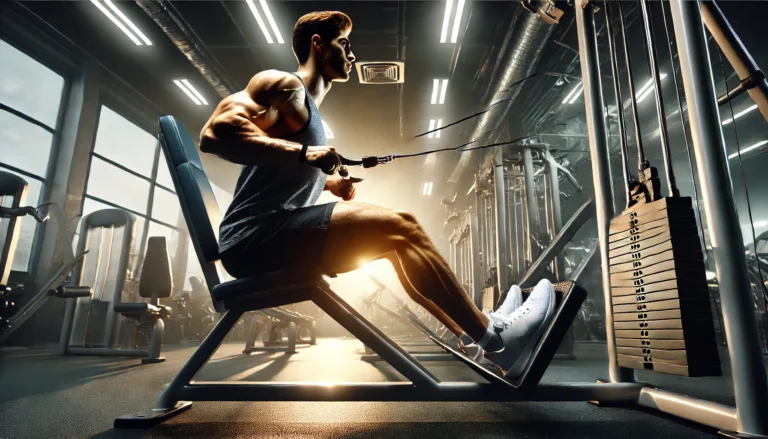
Cable machines are among the most versatile pieces of equipment found in gyms. Unlike traditional machines that lock the body into a fixed motion, cable systems allow free movement across multiple angles.
This flexibility allows users to train pushing, pulling, rotational, and stabilization movements in ways that mimic real life activity. Exercises such as cable rows, face pulls, cable presses, and rotational core movements are difficult to replicate with other tools.
Another advantage of cable systems is constant tension. Because the cable provides resistance throughout the entire range of motion, muscles remain engaged from start to finish.
Cable machines are particularly helpful for building balanced strength. They allow each side of the body to work independently, reducing strength imbalances that often occur when using fixed machines.
For individuals building a home gym, compact cable systems are becoming increasingly popular because they offer enormous exercise variety without requiring a large footprint.
Training Tools Used by Professional Athletes
Athletes train differently from casual gym users. Their workouts emphasize explosive power, speed, coordination, and injury prevention.
Understanding gym equipment for athletes reveals how professional training facilities are designed to improve performance rather than simply build muscle.
Some of the most common tools used in athletic training environments include:
Plyometric boxes for explosive jumping drills
Battle ropes for high intensity conditioning
Weighted sleds for strength and sprint training
Medicine balls for rotational power
Agility ladders for footwork and coordination
These tools train the body as an integrated system rather than isolating individual muscles. This approach develops athletic qualities such as speed, reaction time, and stability.
Even individuals who are not competitive athletes can benefit from incorporating these tools into their training routines. Functional conditioning exercises improve overall fitness while keeping workouts dynamic and engaging.
Why Athletic Equipment Improves Fat Loss Training
Athletic training tools are not just for sports performance. Many of them are extremely effective for fat loss as well.
Exercises using sled pushes, battle ropes, or medicine ball throws require high levels of muscular effort combined with cardiovascular demand. This combination dramatically increases calorie expenditure.
Unlike steady state cardio, these explosive movements also stimulate muscle fibers that contribute to strength development. As a result, the body continues burning calories long after the workout has finished.
High intensity circuits that combine athletic tools with traditional strength training create powerful metabolic conditioning sessions.
For individuals who find traditional cardio machines boring, athletic equipment can make workouts far more enjoyable while still producing excellent fat loss results.
The Importance of Upper Body Pulling Movements
Many training programs focus heavily on pushing exercises such as bench presses and shoulder presses. However, pulling movements are equally important for maintaining muscular balance and healthy posture.
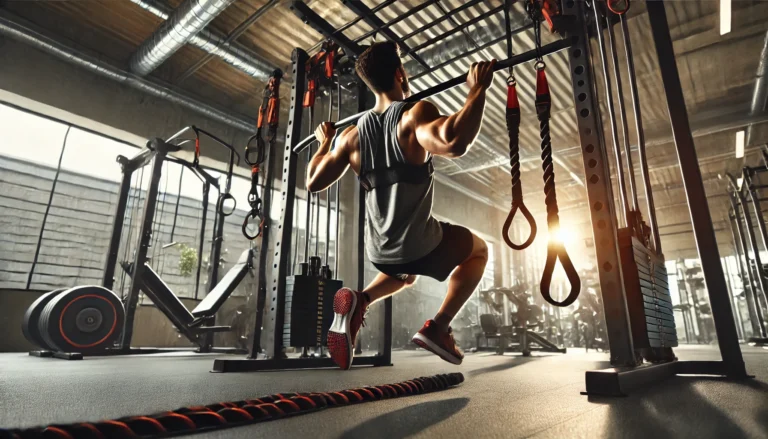
Exercises such as rows, pull ups, and lat pulldowns strengthen the muscles of the back and improve shoulder stability.
One exercise that often appears in strength programs is the upright row. Although simple in appearance, this movement requires proper technique to avoid unnecessary shoulder strain.
Understanding the mechanics of the upright row helps lifters perform the exercise safely while maximizing its benefits. The movement targets the upper trapezius, deltoids, and upper back muscles, which contribute to shoulder strength and posture.
When performed with controlled technique and moderate resistance, upright rows can be an effective addition to upper body training routines.
Common Mistakes When Using Gym Machines
While machines provide structure and safety, they can also encourage bad habits if used incorrectly.
One common mistake is selecting resistance that is too heavy. When this happens, users rely on momentum rather than controlled movement, which reduces muscle engagement and increases injury risk.
Another mistake is neglecting full range of motion. Many individuals shorten their movements when using machines, which prevents muscles from working through their complete functional range.
Proper machine use requires controlled tempo and attention to muscle activation. Slower repetitions with good form are far more effective than rushed movements performed with excessive weight.
Machines should complement free weight training rather than replace it entirely. Combining both approaches creates a balanced program that develops strength, stability, and endurance.
Why Workout Variety Improves Long Term Results
The human body adapts quickly to repeated stimuli. When the same exercises are performed repeatedly without variation, progress eventually slows down.
Introducing different equipment into your training routine helps maintain challenge and engagement. Changing training tools also stimulates muscles in new ways, encouraging continued adaptation.
For example, alternating between kettlebell swings, sled pushes, rowing machine intervals, and resistance band circuits can dramatically increase training variety while still targeting similar muscle groups.
Variety also helps reduce boredom, which is one of the most common reasons people abandon their fitness routines.
When workouts remain engaging and challenging, consistency becomes much easier to maintain.
Designing a Balanced Weekly Equipment Rotation
A well structured training schedule should rotate equipment types throughout the week. This approach ensures different muscle groups and energy systems receive adequate stimulation.
For example, a balanced weekly structure might include:
Strength focused sessions using barbells or dumbbells
Metabolic conditioning sessions using kettlebells or sleds
Mobility and stabilization sessions using resistance bands
Athletic conditioning using battle ropes or plyometric tools
Rotating equipment prevents overuse injuries while maintaining training intensity.
It also allows individuals to develop multiple fitness qualities simultaneously, including strength, endurance, coordination, and flexibility.
The Role of Recovery Equipment
Recovery is an often overlooked component of fitness. Training places stress on the body, and proper recovery ensures muscles rebuild stronger than before.
Foam rollers, massage guns, mobility bands, and stretching equipment can all support recovery and injury prevention.
These tools help release muscle tension, improve blood flow, and maintain joint mobility. Incorporating recovery work into your routine reduces the risk of chronic soreness and improves long term performance.
Although recovery tools may not seem as exciting as strength equipment, they play a critical role in maintaining consistent training habits.
The Future of Fitness Equipment
The fitness industry continues evolving rapidly. New training technologies, digital coaching platforms, and compact home gym solutions are emerging every year.
Future equipment will likely become even more personalized. Smart systems may automatically adjust resistance, analyze movement patterns, and provide real time feedback to optimize workouts.
At the same time, foundational tools such as barbells, kettlebells, and resistance bands will likely remain essential. Their simplicity and effectiveness have stood the test of time.
The best approach is combining proven traditional equipment with modern innovations that support training efficiency and motivation.
How to Build a Complete Home Gym Without Wasting Money
Creating a home gym can be one of the smartest investments for long term health. However, many people make the mistake of purchasing equipment randomly instead of building a system that supports their training goals.
The most effective home gyms are built around versatility. Each piece of equipment should allow multiple exercises and support progressive overload as strength improves.
Many beginners immediately look for expensive machines, but a well designed setup often starts with foundational tools. Learning about the best gym equipment for home workout helps prioritize equipment that provides the most value without filling your entire living space.
The first priority should always be equipment that supports compound movements. Squats, presses, rows, and deadlifts train the largest muscle groups in the body and produce the greatest training results.
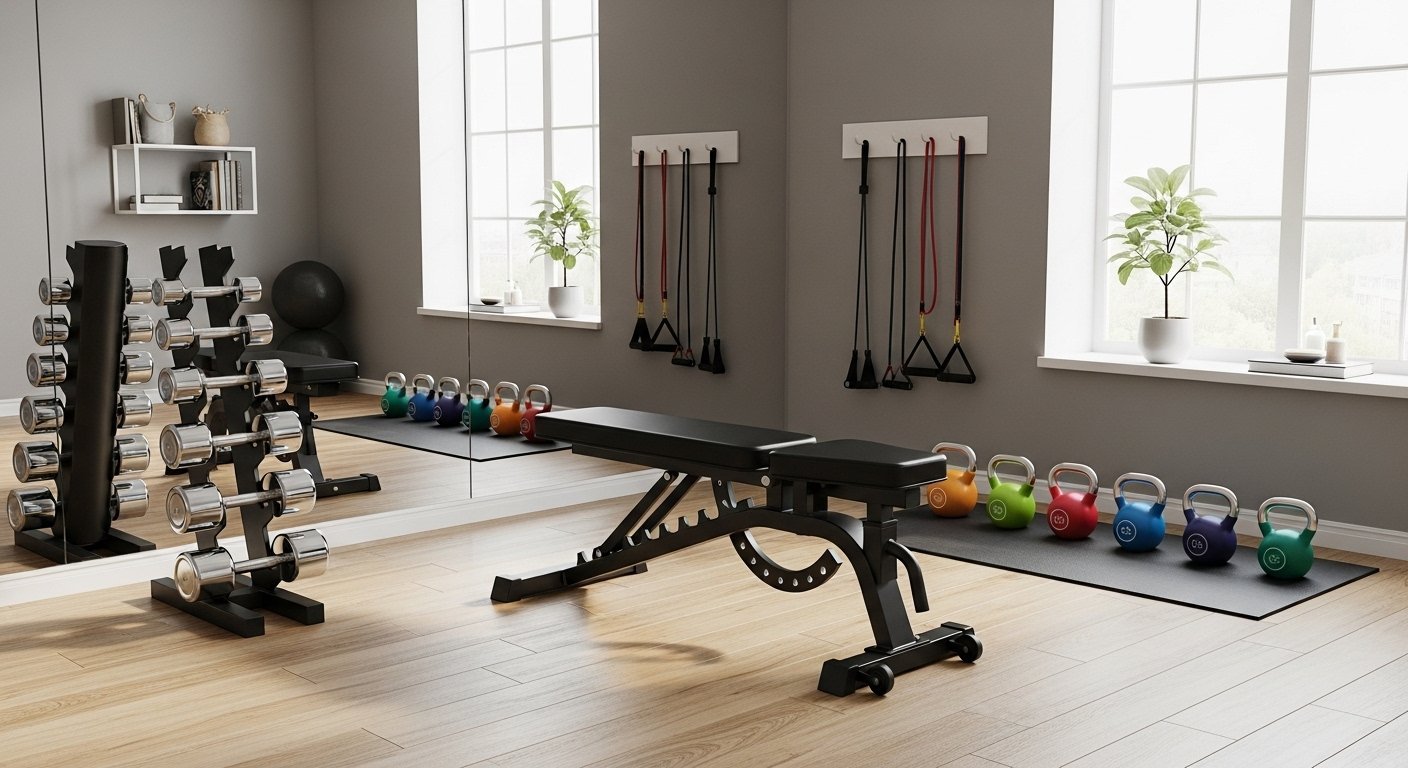
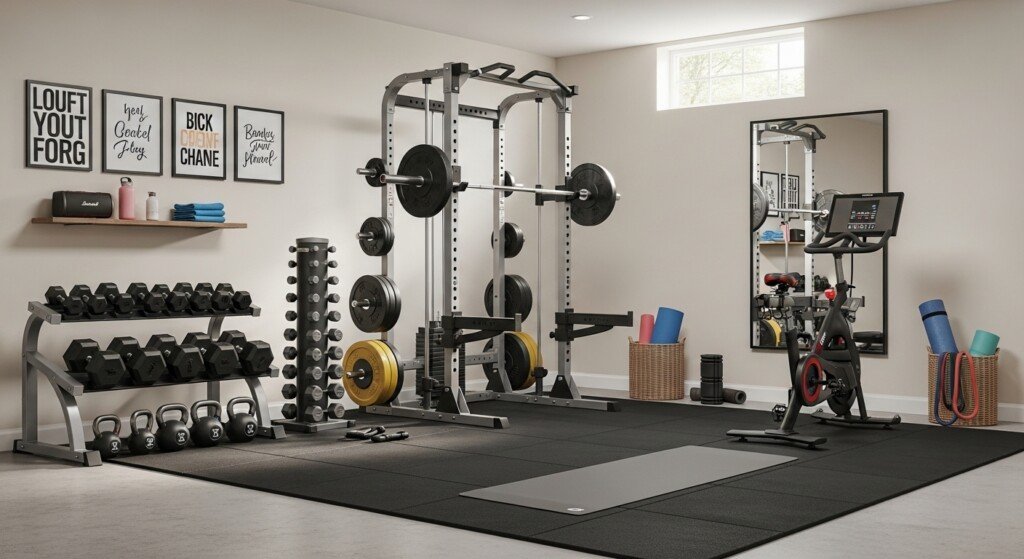
A simple home gym might begin with:
Adjustable dumbbells
A sturdy workout bench
Resistance bands
A kettlebell or two
A pull up bar
This minimal setup allows dozens of exercises that train every major muscle group. As strength and experience increase, additional tools can gradually expand the training environment.
Equipment That Delivers Maximum Weight Loss Results
For individuals focused primarily on fat loss, equipment selection should emphasize metabolic training. Tools that combine strength and cardiovascular effort will produce faster results than isolated movements.
Exploring the best gym equipment for weight loss highlights tools that elevate heart rate while engaging large muscle groups.
Some of the most effective options include:
Rowing machines that combine upper and lower body effort
Kettlebells for explosive full body movements
Resistance bands for circuit training
Battle ropes for high intensity intervals
Weighted sleds for powerful conditioning drills
These tools allow workouts that maintain elevated heart rates while still building strength. This dual effect increases calorie burn both during and after training sessions.
Fat loss programs become far more effective when equipment supports high intensity movement patterns rather than slow isolation exercises.
Combining Strength and Conditioning Equipment
Many people separate strength training and cardio into completely different workouts. While this approach works, combining both elements often produces faster fitness improvements.
For example, a single workout might include:
Barbell squats for strength
Kettlebell swings for metabolic conditioning
Resistance band rows for upper body stability
Battle rope intervals for cardiovascular endurance
This type of training challenges multiple energy systems within the same session. As a result, workouts remain efficient while improving strength, endurance, and coordination simultaneously.
The key is choosing equipment that allows smooth transitions between exercises. Versatile tools such as kettlebells, resistance bands, and dumbbells are particularly useful for circuit style training.
How Budget Equipment Can Still Deliver Elite Results
Many people assume professional level fitness requires expensive equipment. In reality, some of the most effective training tools are also the most affordable.
Looking into budget friendly gym equipment reveals how small investments can produce powerful training opportunities.
Examples include:
Jump ropes for cardiovascular conditioning
Resistance bands for strength and mobility
Adjustable dumbbells for full body resistance training
Ab wheels for core stability
Sandbags for functional strength exercises
These tools are compact, portable, and extremely versatile. When combined creatively, they can produce workouts that rival those performed in large commercial gyms.
The most important factor is not the cost of equipment but how consistently it is used.
Choosing Equipment Based on Training Experience
Beginners and experienced lifters often require different types of equipment.
Beginners benefit from tools that support safe movement patterns and gradual strength progression. Machines and guided equipment can help build confidence while reducing the risk of improper form.
Intermediate and advanced lifters often shift toward free weights and functional tools. These allow greater movement freedom and require more stabilization from supporting muscles.
Understanding where you currently stand in your fitness journey helps guide equipment decisions. Purchasing tools that match your current ability level ensures workouts remain productive rather than overwhelming.
Creating a Progressive Equipment Strategy
A smart approach to building a training environment is adding equipment gradually.
Start with foundational tools that allow basic compound movements. As your strength increases, you can introduce specialized equipment that expands exercise variety.
For example:
Stage 1: Dumbbells, resistance bands, pull up bar
Stage 2: Kettlebells, adjustable bench
Stage 3: Barbell and squat rack
Stage 4: Cable machine or functional trainer
Stage 5: Athletic conditioning tools such as sleds or battle ropes
This progressive approach prevents unnecessary spending while ensuring each purchase contributes to a more complete training system.
How to Avoid Equipment Overload
One of the biggest mistakes in home gym design is buying too many specialized machines. Large machines often take up space but offer limited exercise variety.
Instead of collecting equipment, focus on movement capabilities. Ask yourself whether a tool allows you to perform multiple exercises that support different muscle groups.
Equipment that supports compound movements should always take priority over single purpose machines.
Keeping your training environment simple also improves consistency. When workouts are easy to set up, you are far more likely to train regularly.
Designing Your Ideal Training Environment
The environment surrounding your workouts plays an important psychological role in training consistency.
Lighting, flooring, and equipment arrangement all influence motivation and comfort. Even small changes such as rubber flooring or organized storage racks can make workouts feel more professional and inviting.
Consider creating zones within your workout space. A strength area for weights, a conditioning space for explosive exercises, and a recovery corner for stretching and mobility work.
When the environment supports your routine, training becomes a natural part of daily life rather than a chore.
The Long Term Value of Smart Equipment Choices
Fitness equipment is not just a purchase. It is an investment in long term health.
Choosing versatile tools ensures your training system can evolve with your goals. As your strength, endurance, and experience increase, the same equipment can support more advanced workouts.
This adaptability is what separates effective equipment from short lived fitness trends.
The goal is not to collect machines but to create a training environment that encourages consistent progress year after year.
Final Thoughts: Building Your Ultimate Fitness Equipment System
Creating a structured training environment can transform the way you approach fitness. Instead of relying on random workouts, the right equipment allows you to build a system that supports strength development, fat loss, and overall health.
A well designed training setup combines foundational strength tools, functional conditioning equipment, and recovery resources. This balance allows you to challenge your body in multiple ways while preventing burnout or injury.
Following a structured fitness equipment guide ensures each piece of equipment serves a clear purpose within your overall training strategy.
Whether you train at home or in a gym, the most important principle remains the same. Consistency always beats complexity.
Choose versatile equipment, train regularly, and focus on gradual progress. Over time, these simple principles produce remarkable results.
FAQ
1. What equipment is best for a home gym?
The best home gym equipment includes adjustable dumbbells, resistance bands, kettlebells, and a workout bench. These tools support full body workouts without requiring large space.
2. What gym equipment burns the most fat?
Rowing machines, kettlebells, battle ropes, and sled pushes are some of the most effective tools for fat loss because they combine strength training with cardiovascular effort.
3. Are free weights better than machines?
Free weights build functional strength and activate stabilizing muscles, while machines help beginners learn proper movement patterns. Combining both provides balanced results.
4. What is the most versatile piece of gym equipment?
Adjustable dumbbells are considered one of the most versatile tools because they allow hundreds of exercises for upper body, lower body, and core training.
5. Can you build muscle with home gym equipment?
Yes. With progressive resistance using tools like dumbbells, kettlebells, resistance bands, and barbells, you can build muscle effectively at home.
Disclaimer:
This post may contain affiliate links. If you purchase through them, we may earn a small commission at no extra cost to you. Also, this content is for informational purposes only and does not substitute professional medical advice.