The Ketogenic Diet and Fat Adaptation: How They’re Connected
The ketogenic diet and fat adaptation are closely connected, but they are not the same thing. A ketogenic diet is an eating pattern designed to keep carbohydrate intake very low, while fat adaptation describes the physiological changes that occur as the body becomes increasingly capable of relying on fat and ketones for fuel.
That distinction is important because entering ketosis does not necessarily mean every aspect of metabolic adaptation is complete. The body begins changing its fuel use when carbohydrate availability drops, but different tissues adapt at different rates and to different degrees.
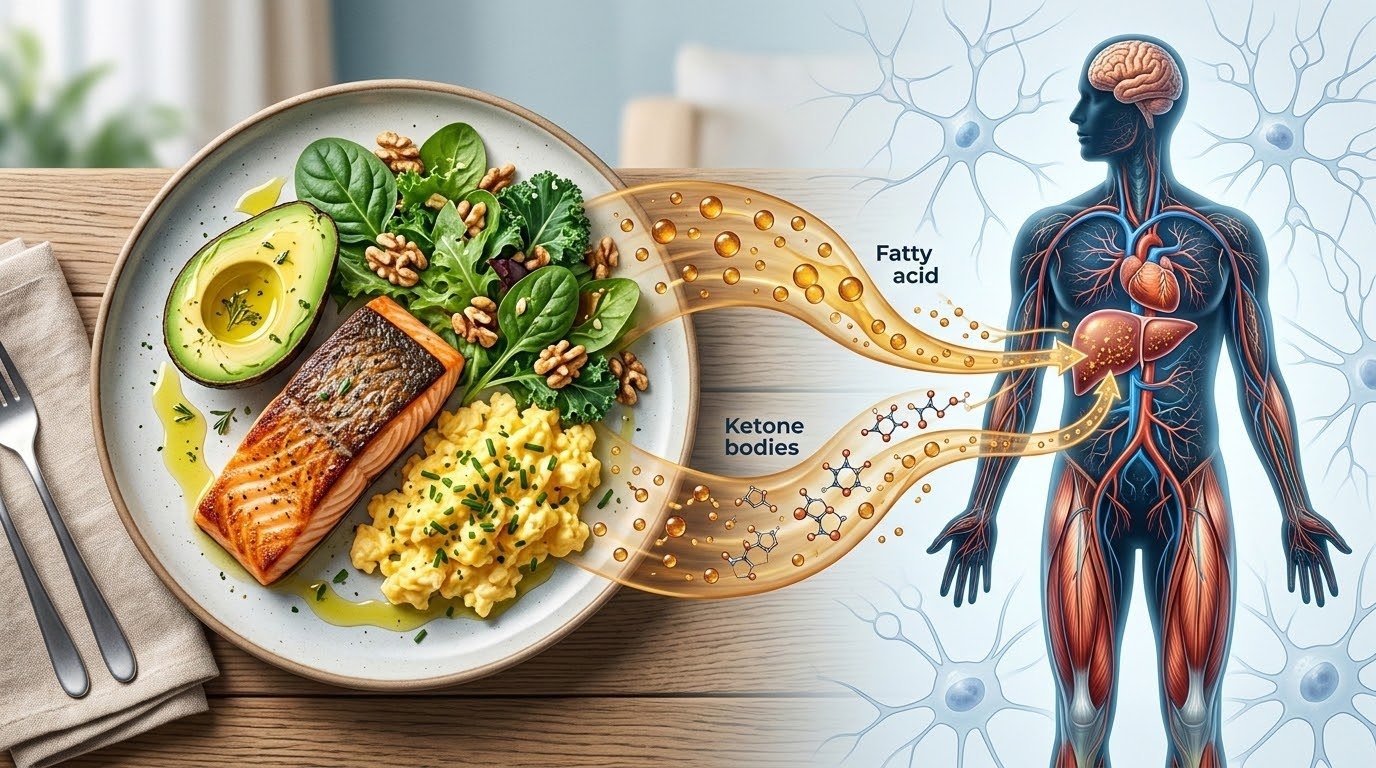
A ketogenic diet creates the conditions for this transition by restricting the amount of carbohydrate available for immediate energy production. As glycogen availability falls and insulin generally decreases, fatty acids become more available as a fuel source. The liver can then convert fatty acids into ketone bodies, which provide an alternative fuel for several tissues, including the brain.
The process is not simply about eating more fat. It is about changing the body’s overall fuel environment.
What are the main principles of the ketogenic diet?
A ketogenic diet is built around one central nutritional principle: carbohydrate intake is kept low enough to encourage nutritional ketosis.
Most ketogenic diets are high in fat, relatively moderate in protein, and very low in carbohydrates. There is no single universally accepted macronutrient formula for every version of the diet. The classic therapeutic ketogenic diet can be much more restrictive than the versions commonly used for general nutrition or weight management. (PubMed Central (PMC))
The reason carbohydrate restriction matters so much is that carbohydrate availability influences several metabolic pathways. When carbohydrate intake is substantially reduced, the body has less dietary glucose available and begins relying more heavily on stored fuels.
This is where the connection with fat adaptation begins.
The body does not immediately abandon glucose and start running entirely on fat. Instead, it gradually changes how it obtains and uses energy. Stored glycogen becomes less dominant, fatty acid availability increases, and ketone production rises.
That transition is the metabolic foundation behind the phrase “fat-adapted.”
What foods are typically allowed on a ketogenic diet?
A ketogenic diet generally emphasizes foods that provide substantial fat and protein while keeping carbohydrate intake low.
Common choices include eggs, fish, meat, poultry, full-fat dairy products when tolerated, avocados, olives, nuts, seeds, olive oil, and other oils. Non-starchy vegetables such as leafy greens, broccoli, cauliflower, zucchini, mushrooms, peppers, and asparagus can also fit comfortably into many ketogenic approaches.
The important point is that “keto” does not simply mean eating bacon, butter, and cheese all day.
Food quality still matters.
A ketogenic pattern can be built around minimally processed foods, vegetables, fish, nuts, seeds, olive oil, and other nutrient-dense choices. It can also become heavily dependent on processed meats, refined keto products, artificial sweeteners, and packaged foods marketed as low-carb.
Those two versions may both meet a carbohydrate target, but they are not nutritionally identical.
Carbohydrate-containing foods are also not automatically excluded because they are unhealthy. The restriction is primarily about maintaining a sufficiently low carbohydrate intake to support ketosis. That means foods such as bread, rice, pasta, most grains, sugar, many sweets, and larger portions of starchy vegetables are usually limited.
Fruit can also require portion awareness because many fruits contain enough carbohydrate to make strict ketosis more difficult. However, the exact food choices depend on how restrictive the particular ketogenic diet is.
This is one reason there is no single universal ketogenic food list.
The stricter the carbohydrate target, the more carefully total carbohydrate intake has to be managed.
What are the common side effects of starting keto?
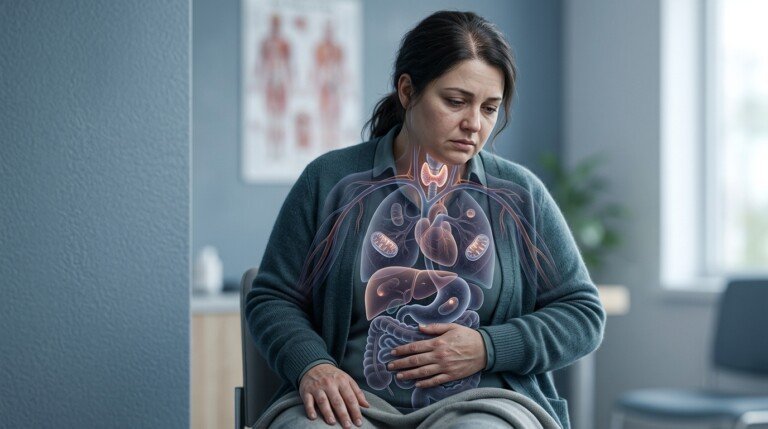
The transition into a ketogenic diet can feel different from ordinary dietary changes because carbohydrate availability changes relatively quickly while the body’s fuel systems are still adapting.
Some people experience fatigue, headache, irritability, dizziness, constipation, nausea, muscle cramps, or changes in exercise performance during the early phase. Not everyone experiences these effects, and their severity varies considerably.
The underlying reason is straightforward. The body is being asked to reduce its reliance on a familiar fuel source before its alternative fuel systems have fully adjusted.
Research examining the early stages of ketogenic diets has found that metabolic adaptation is not instantaneous. During the initial period, glucose utilization changes while ketone availability and utilization are also developing. (PubMed Central (PMC))
Fluid and electrolyte changes can also contribute to how someone feels during the transition. A major reduction in carbohydrate intake can alter glycogen stores, and glycogen is associated with stored water. As those stores change, fluid balance can change as well.
This is why feeling unusual during the first few days does not necessarily mean the diet is failing.
At the same time, it is a mistake to assume every unpleasant symptom is simply something that must be tolerated because the body is “detoxing.” Persistent, severe, or concerning symptoms deserve proper attention.
A ketogenic diet can also be inappropriate for some people, particularly those with certain medical conditions or those taking medications affected by carbohydrate intake, blood glucose, or fluid balance. People with diabetes who use glucose-lowering medication should discuss major dietary changes with their healthcare professional rather than making abrupt changes independently.
The early transition is therefore better understood as an adaptation period, not a detox.
What are the macronutrient ratios on a ketogenic diet?
The macronutrient ratio is what separates a ketogenic diet from many ordinary low-carbohydrate diets.
A typical ketogenic pattern keeps carbohydrates very low while allocating a large proportion of calories to fat. Protein is usually moderate rather than extremely high.
However, there is no single ratio that applies to every ketogenic diet.
The classic therapeutic ketogenic diet used in clinical settings can provide around 80% to 90% of energy from fat, with relatively small amounts of protein and carbohydrate. More flexible ketogenic diets used outside therapeutic settings may use substantially different proportions.
That difference matters.
A person eating 70% of calories from fat, 25% from protein, and 5% from carbohydrates is following a very different nutritional pattern from someone following a classic 4:1 therapeutic ketogenic protocol.
Both may be described as ketogenic, but the metabolic and clinical context is different.

What are typical percentage ranges for fat, protein, and carbs on keto?
For many general ketogenic diets, fat provides the majority of calories, carbohydrates remain very low, and protein fills the remaining portion.
A commonly used general pattern is roughly 60% to 80% of calories from fat, 15% to 30% from protein, and around 5% to 10% from carbohydrates, although exact targets vary according to the specific diet and individual needs.
The classic therapeutic ketogenic diet is much more extreme. It traditionally uses a fat-to-combined-protein-and-carbohydrate ratio of 3:1 or 4:1 by weight, producing approximately 80% to 90% of energy from fat. (PubMed Central (PMC))
Those numbers should not be treated as a universal prescription.
Someone following a ketogenic diet for general nutrition does not automatically need the same macronutrient ratio used in a therapeutic epilepsy protocol.
The actual carbohydrate threshold required to maintain ketosis also varies between people. Body size, physical activity, energy intake, protein intake, previous diet, metabolic health, and individual physiology can all influence the response.
This is why two people can eat diets that look similar on paper and experience different ketone levels.
There is also an important point about protein.
More protein is not automatically better for a ketogenic diet. Protein is essential for maintaining muscle, supporting tissue repair, producing enzymes and hormones, and performing many other functions. However, some amino acids can contribute to glucose production through gluconeogenesis.
That does not mean protein automatically “kicks you out of ketosis.” It means that extremely high protein intake can affect the metabolic environment differently from a moderate-protein ketogenic diet.
The goal is not to minimize every macronutrient except fat.
The goal is to create a dietary pattern that is sufficiently low in carbohydrate to support the intended metabolic state while still providing appropriate nutrition.
How does keto’s macronutrient breakdown differ from a standard low-carb diet?
The easiest distinction is the degree of carbohydrate restriction.
“Low-carb” is a broad category. A person can follow a low-carbohydrate diet while eating substantially more carbohydrate than someone following a ketogenic diet.
For example, reducing sugary drinks, desserts, refined grains, and large portions of starch may produce a lower-carbohydrate diet without producing sustained ketosis.
A ketogenic diet is more restrictive because its carbohydrate level is intentionally kept low enough to encourage ketone production.
This difference changes the body’s fuel environment.
On a moderate low-carbohydrate diet, glucose from food can still provide a substantial portion of daily energy. The liver and muscles continue to have meaningful glycogen availability, and ketone production may remain relatively modest.
On a ketogenic diet, carbohydrate availability becomes low enough that the body has to rely more heavily on stored fat and increase hepatic ketogenesis.
That does not mean a low-carb diet is inferior.
It simply means it is metabolically different.
A person does not need to enter ketosis to benefit from reducing highly processed carbohydrates or improving overall dietary quality. Ketosis is a specific metabolic state, not a universal measure of dietary success.
What happens if you don’t maintain the correct ratios?
If carbohydrate intake rises substantially, ketosis can decrease or disappear.
That does not mean something dangerous has happened. It simply means the body has more carbohydrate available and therefore has less reason to produce large amounts of ketones.
The same principle applies to dietary consistency.
Someone might follow a very low-carbohydrate diet for several days, eat a large amount of carbohydrate on the weekend, and then return to low carbohydrate intake on Monday. Their metabolic state can shift back and forth rather than remaining consistently ketogenic.
Protein intake can also influence the picture.
The body has mechanisms for maintaining blood glucose even when dietary carbohydrate is low. Amino acids can contribute to gluconeogenesis, and glycerol from fat metabolism can also contribute to glucose production. These processes are normal and necessary.
This is why there is no single magic ratio that guarantees a specific ketone concentration in every person.
The metabolic response depends on the complete nutritional and physiological context.
How does the ketogenic diet actually lead to fat adaptation?
This is where the connection between the ketogenic diet and fat adaptation becomes most interesting.
The ketogenic diet does not make someone fat-adapted simply because the diet contains a lot of fat.
Instead, the very low carbohydrate intake changes the body’s fuel availability.
When dietary carbohydrate falls substantially, insulin generally decreases and the body becomes more reliant on stored energy. Fatty acids are released from adipose tissue and transported to tissues that can use them.
At the same time, the liver takes up fatty acids and converts some of their breakdown products into ketone bodies.
Those ketones enter the bloodstream and become available to tissues throughout the body.
As this environment continues, metabolic systems adjust. The body becomes increasingly capable of using fatty acids and ketones as important energy sources.
That is the adaptation.
Why is glucose depletion necessary before the body switches to burning fat?
The phrase “glucose depletion” can be misleading if it sounds as though the body must completely run out of glucose.
It does not.
The body maintains blood glucose because certain tissues still require it, and the liver can produce glucose when dietary carbohydrate is insufficient.
What changes is the amount of readily available carbohydrate and the body’s priority for using it.
Carbohydrate is stored mainly as glycogen in the liver and muscles. When carbohydrate intake falls sharply, these stores become less dominant as an energy source. At the same time, the hormonal environment changes in a direction that favors greater fat mobilization.
This creates an opening for fat metabolism to become much more prominent.
The liver begins increasing ketone production because fatty acid breakdown produces more acetyl-CoA than can be processed through the usual pathways under the altered metabolic conditions. The resulting ketone bodies include beta-hydroxybutyrate, acetoacetate, and acetone.
The brain is particularly important here.
Fatty acids themselves do not simply cross into the brain in the same way glucose does. Ketone bodies provide a water-soluble alternative that can be transported to the brain and used for energy.
The result is not a complete replacement of glucose.
The body continues producing glucose through endogenous pathways.
Instead, the proportion of energy supplied by different fuels changes.
This is why the ketogenic diet is often described as creating a fasting-like metabolic environment. It reduces dietary carbohydrate enough to encourage the body to rely more heavily on stored fat and ketone production.
A recent review describes this process as a shift involving reduced glucose availability, increased fatty acid oxidation, and hepatic ketogenesis. (PubMed Central (PMC))
The critical point is that fat adaptation begins with fuel scarcity, not simply fat abundance.
Eating a large amount of dietary fat while continuing to consume enough carbohydrate to suppress ketosis is not the same metabolic situation.
Is ketosis the same thing as being fat-adapted, or a separate stage?
Ketosis and fat adaptation are closely related, but they should not be treated as identical.
Ketosis is a metabolic state.
Fat adaptation is a broader physiological adjustment.
When carbohydrate intake becomes sufficiently low, the liver increases ketone production. Once circulating ketones rise to a nutritional ketosis range, the body is using ketones more significantly as an alternative fuel.
That can happen relatively quickly.
But producing ketones does not prove that every tissue has fully adapted to using fat and ketones efficiently.
This distinction is especially relevant to exercise.
Research has found that ketogenic diets can substantially increase fat oxidation, with some metabolic changes appearing within days and others continuing with longer adaptation. (PubMed Central (PMC))
Imagine a car switching from one fuel system to another.
The first sign that the new system is operating is not the same as proving that every component has reached maximum efficiency.
Ketosis is similar.
The presence of ketones tells you that ketogenesis is occurring.
It does not tell you exactly how efficiently your muscles are using fatty acids, how your exercise performance has changed, or whether the broader metabolic adaptation is complete.
This is why someone can enter ketosis without necessarily experiencing the full benefits or sensations they associate with being “fat-adapted.”
It also explains why people sometimes feel different during the first few days of a ketogenic diet. The metabolic system is changing before every part of the adaptation has settled.
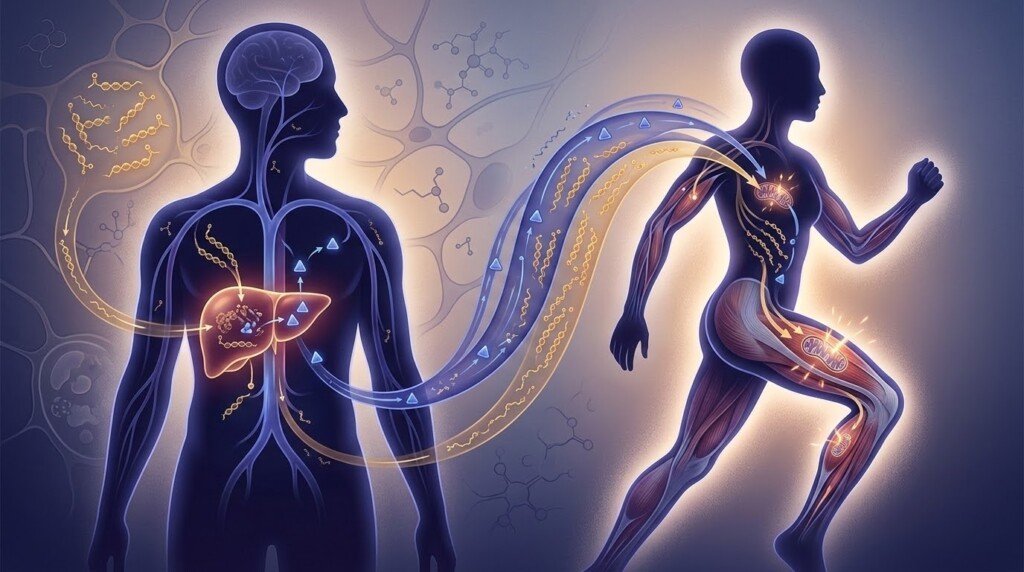
The process involves multiple tissues and pathways, not one single switch.
How does the ketogenic diet change the body’s fuel priorities?
The most important change is the relative priority given to carbohydrate and fat.
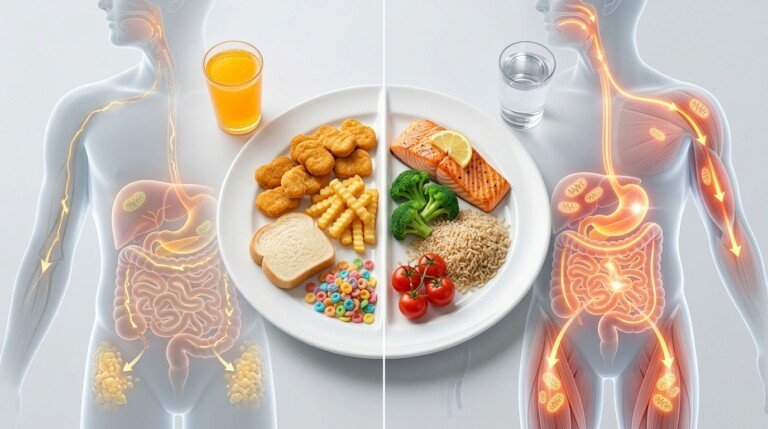
Under a carbohydrate-rich dietary pattern, glucose availability is generally higher, glycogen stores are more readily replenished, and carbohydrate oxidation contributes substantially to energy production.
When carbohydrate intake becomes very low, that environment changes.
Insulin generally falls. Lipolysis becomes more active. Fatty acids become more available. The liver increases ketone production. Tissues become more accustomed to using fatty acids and ketones.
This does not mean carbohydrate metabolism disappears.
It means the metabolic hierarchy changes.
During lower-intensity activity, the body can rely heavily on fat. During high-intensity activity, carbohydrate remains valuable because it can provide energy at a faster rate.
This is one reason ketogenic diets can produce impressive increases in fat oxidation without automatically producing better performance in every form of exercise.
Fat is an enormous energy reserve, but it is not the fastest fuel.
The body is constantly balancing fuel availability with energy demand.
That balance explains why fat adaptation can be useful in one situation and less useful in another.
Why does the ketogenic diet create conditions for fat adaptation more effectively than ordinary eating?
The answer comes down to consistency and carbohydrate availability.
An ordinary diet may provide enough carbohydrate throughout the day to keep glucose and glycogen relatively prominent as fuels. Even if that diet contains healthy fats, the body does not have the same metabolic pressure to increase ketone production and dramatically increase reliance on fat.
The ketogenic diet deliberately changes that environment.
Carbohydrate becomes scarce enough that the body must make greater use of stored and dietary fat.
The liver becomes a central player because it converts fatty acid-derived acetyl-CoA into ketone bodies.
Skeletal muscle also adapts by increasing its capacity to oxidize fat.
The brain gradually increases its use of ketones when carbohydrate availability remains low.
These changes work together.
That is why the ketogenic diet can be viewed as a nutritional signal. The signal is not simply “eat fat.”
The signal is closer to:
Carbohydrate availability is consistently low, so increase reliance on alternative fuels.
That is the physiological message the body responds to.
Does eating more dietary fat automatically speed up fat adaptation?
No.
This is one of the easiest mistakes to make when trying to understand ketogenic nutrition.
Fat adaptation is not caused by simply increasing fat intake.
If carbohydrate intake remains high enough, the body can continue relying heavily on glucose and glycogen even when dietary fat intake is substantial.
A ketogenic diet therefore changes both sides of the equation.
It increases the relative contribution of fat while sharply reducing carbohydrate availability.
The result is a metabolic environment that encourages greater fat oxidation and ketone production.
There is another important distinction between dietary fat and stored body fat.
When you eat dietary fat, that fat becomes available to the body as an energy source. If energy intake exceeds energy needs, some of that energy can still be stored.
Being in ketosis does not override energy balance.
Similarly, becoming fat-adapted does not mean the body can no longer store fat.
The adaptation changes fuel use.
It does not suspend the laws of energy metabolism.
Can you be in ketosis without being fully fat-adapted?
Yes.
This is probably the most useful distinction to remember from the entire article.
Ketone production can rise relatively early after carbohydrate restriction. Broader adaptations in fuel utilization can continue afterward.
A person may therefore be producing ketones while still experiencing changes in exercise tolerance, energy patterns, appetite, and fuel utilization.
This is why the terms “ketogenic” and “fat-adapted” should not be used as interchangeable labels.
A ketogenic diet is the dietary strategy.
Ketosis is the metabolic state.
Fat adaptation is the physiological adjustment.
They are connected, but they describe different parts of the process.
For a broader explanation of what fat adaptation itself means, the fat adaptation pillar provides the foundation for understanding the concept without narrowing it to one particular diet.
What happens when the ketogenic diet is stopped?
The adaptation is not permanent.
If carbohydrate intake rises substantially again, glucose and glycogen become more prominent fuels. Ketone production decreases, and the body gradually shifts its fuel priorities.
This is normal.
Metabolism is responsive rather than fixed.
Someone who has spent several weeks following a ketogenic diet may continue to show elevated fat oxidation for a period after carbohydrate is reintroduced, but the overall fuel balance moves toward greater carbohydrate use. Research in keto-adapted athletes has observed that carbohydrate reintroduction lowers fat oxidation, although some adaptation can persist temporarily.
This is another reason not to think of fat adaptation as a permanent metabolic identity.
It is a response to an environment.
Change the environment and the body adjusts again.
Frequently Asked Questions
1. What is the ketogenic diet?
The ketogenic diet is a very low-carbohydrate, high-fat eating pattern that is designed to increase ketone production and encourage nutritional ketosis. Most versions also provide moderate protein, although exact macronutrient ratios vary considerably between ketogenic diets.
2. Does keto make you fat-adapted?
A sufficiently low-carbohydrate ketogenic diet can create the conditions that promote fat adaptation. As carbohydrate availability decreases, the body increases fat oxidation and ketone production, and tissues gradually adjust to greater use of fat-derived fuels. However, ketosis can occur before the broader adaptation is complete.
3. Is ketosis the same as fat adaptation?
No. Ketosis is a metabolic state in which ketone production is elevated. Fat adaptation describes the wider physiological adjustment toward greater reliance on fat and ketones. They are closely connected, but they are not identical.
4. Does eating more fat make fat adaptation happen faster?
Not by itself. The key factor is sufficiently low carbohydrate availability. Simply adding more dietary fat while consuming enough carbohydrate to maintain a glucose-dominant fuel environment does not create the same conditions for ketosis and fat adaptation.
5. Do you have to stay on keto permanently to remain fat-adapted?
No. The body continually adjusts to changes in fuel availability. Increasing carbohydrate intake can reduce ketone production and shift fuel use toward carbohydrate again. Fat adaptation is a physiological response, not a permanent state.
Disclaimer:
This post may contain affiliate links. If you purchase through them, we may earn a small commission at no extra cost to you. Also, this content is for informational purposes only and does not substitute professional medical advice.
Fuel Your Body Right
Use our free Nutrition Toolkit to find your protein target, fasting window, and net carbs in minutes.
Open Free Tools →