Best Time to Take Fiber Supplements

There is one question that almost everyone asks before adding fiber to their routine.

“What is the Best Time to Take Fiber Supplements?”

Search online, and you’ll find completely different answers. Some recommend taking fiber first thing in the morning. Others insist it’s better before meals, while some people prefer taking it before bed.

The truth is much simpler.

There isn’t one universal time that works for everyone. The Best Time to Take Fiber Supplements depends on your daily schedule, eating habits, health goals, and whether you’re taking medications that require careful timing.

Rather than chasing the “perfect” hour on the clock, it’s more helpful to understand how different times of day fit different lifestyles. Once you know the advantages of each option, choosing a routine becomes much easier.

In this article, we’ll look at the most common times people take fiber supplements, explain when each option makes sense, and help you decide which schedule is most practical for you.

Quick Answer

The Best Time to Take Fiber Supplements is the time you can take them consistently every day while following the product instructions. Many people choose morning, around meals, or another regular part of their routine. If you take medications, spacing fiber appropriately from them is also important.


Why Does Timing Matter When Taking Fiber Supplements?

Unlike many supplements that can be taken almost any time, fiber becomes part of your eating routine.

That means timing isn’t about finding a magical window.

Instead, it’s about building a habit you’ll actually follow for months or years.

Consistency Usually Matters More Than the Clock

Many people spend too much time worrying about whether 8 a.m. is better than 8 p.m.

In reality, taking fiber consistently is usually far more important than taking it at an exact hour.

If your routine changes every day, the best timing is the one you can realistically maintain.

A supplement that fits naturally into your schedule is much easier to remember than one that requires major changes to your day.

Your Lifestyle Should Guide the Timing

Think about your typical day.

Do you always eat breakfast?

Do you skip lunch?

Do you work night shifts?

Are your evenings busy with family?

Your answers matter far more than following someone else’s schedule.

The ideal routine is one that works with your lifestyle rather than against it.


Is Morning or Evening the Best Time to Take Fiber Supplements?

This is probably the most debated timing question.

Morning and evening both have advantages.

Neither is automatically better.

Taking Fiber in the Morning

Many people like starting their day with fiber because morning routines tend to be predictable.

Breakfast, coffee, preparing lunch, or filling a water bottle can all become natural reminders.

Morning may work well for people who:

  • Eat breakfast every day
  • Follow a structured morning routine
  • Prefer completing supplements early
  • Want one less thing to remember later

The biggest advantage isn’t the morning itself.

It’s the consistency that often comes with it.

Taking Fiber in the Evening

Evening routines are equally consistent for many people.

Some individuals have unpredictable mornings but fairly structured evenings.

Dinner preparation, relaxing after work, or cleaning the kitchen can provide natural reminders.

Evening may suit people who:

  • Rush through mornings
  • Work rotating shifts
  • Have regular dinner routines
  • Prefer fewer morning responsibilities

Again, consistency matters more than whether it’s morning or night.

Which One Is Better?

If both fit your schedule equally well, there is no universal winner.

Choose the time that’s easiest to repeat every day.

The best routine is the one you don’t have to constantly think about.


Should You Take Fiber Before Meals or After Meals?

Another common question focuses on meals rather than the time of day.

Should fiber come before eating?

With food?

Or afterward?

The answer depends largely on the supplement you’re using and your daily routine.

Before Meals

Some manufacturers recommend taking certain fiber supplements before meals.

If your product provides this instruction, follow the directions on its label.

Rather than trying to improve the schedule yourself, it’s generally best to use the supplement as intended.

With Meals

Many people naturally include fiber alongside breakfast, lunch, or dinner because it’s easy to remember.

Pairing fiber with an existing habit often improves consistency.

Instead of creating another task, it becomes part of the meal routine.

After Meals

Some people simply find it easier to remember supplements after eating.

If your product allows flexibility, this can also become an effective routine.

The most important factor remains following the manufacturer’s instructions.


Does Your Daily Schedule Matter More Than the Exact Time?

Absolutely.

Many articles focus entirely on clocks.

Real life works differently.

Daily habits usually determine whether someone continues using a supplement long term.

Build Fiber Around Existing Habits

Instead of creating a brand-new routine, connect fiber to something you already do.

Examples include:

  • Preparing breakfast
  • Making a smoothie
  • Packing lunch
  • Washing dinner dishes
  • Filling your reusable water bottle

Habit stacking often produces better consistency than setting reminders you’ll eventually ignore.

Travel and Busy Workdays

People who travel frequently or have unpredictable work schedules often benefit from choosing a flexible routine instead of a rigid one.

If every day looks different, look for the one habit that stays the same.

That habit becomes the best reminder.


Is There a Wrong Time to Take Fiber Supplements?

Generally speaking, there isn’t a universally “bad” time.

However, certain situations deserve extra attention.

When You’re Likely to Forget

The worst timing is usually the one that’s difficult to maintain.

If you’re constantly missing doses because your schedule changes, consider choosing another part of the day.

Consistency almost always beats perfection.

When You’re Rushing

Trying to squeeze supplements into the busiest part of your day often leads to skipped servings.

Choosing a calmer moment usually creates a more sustainable habit.

When Product Instructions Differ

Not every fiber supplement works exactly the same way.

Some products include specific timing recommendations.

Always prioritize the directions provided with your particular supplement.

If you’re still deciding which fiber product fits your lifestyle, How to Choose a Fiber Supplement explains the differences between ingredients and formats that can influence your daily routine.


Can You Take Fiber Supplements Before Bed?

Nighttime is another popular option, especially for people whose mornings are rushed.

But is bedtime actually the Best Time to Take Fiber Supplements?

For many people, it can be. The deciding factor isn’t the hour on the clock but whether taking fiber before bed fits naturally into your routine and follows the product’s instructions.

A Bedtime Routine Can Improve Consistency

Evening habits are often more predictable than daytime schedules.

If you already have a routine that includes brushing your teeth, preparing clothes for the next day, or filling a water bottle, adding a fiber supplement can feel effortless.

A consistent bedtime routine often makes it easier to remember supplements than relying on a busy morning.

Always Leave Time Before Sleeping

If you’re taking fiber before bed, avoid making it the very last thing you do before lying down.

Give yourself enough time to:

  • Prepare the supplement properly
  • Drink adequate water
  • Finish your evening routine comfortably

A rushed bedtime routine often leads to skipped supplements.

Bedtime Isn’t Better for Everyone

Some people simply prefer mornings.

Others work overnight shifts.

Some eat dinner late.

There is no evidence that bedtime is automatically superior for everyone.

Choose the timing that best matches your lifestyle.


Is There a Best Time to Take Fiber Supplements for Constipation?

Many people searching for fiber timing are specifically thinking about regular bowel habits.

However, there isn’t one universally recommended time of day that works for everyone.

Instead, consistency remains the key factor.

Regular Timing Supports Regular Habits

Taking fiber around the same time each day helps establish a routine.

Whether that’s with breakfast, lunch, dinner, or another daily habit matters less than doing it consistently.

Daily habits are generally easier for your body to adapt to than constantly changing schedules.

Follow the Instructions on Your Product

Some fiber supplements provide timing recommendations.

Others allow more flexibility.

Always prioritize the instructions supplied by the manufacturer rather than following advice intended for a different product.


Does Timing Matter if You’re Taking Fiber for Weight Loss?

People often ask whether taking fiber before meals or at another specific time helps with weight management.

The reality is that there isn’t one universally accepted “best” timing that works for everyone.

What matters most is using the supplement consistently according to its directions while maintaining healthy eating habits.

Timing alone is unlikely to determine your overall results.

If you’re exploring fiber as part of a broader wellness plan, Best Fiber Supplement for Weight Loss compares the most common fiber ingredients people consider for that purpose.


How Should You Time Fiber Supplements Around Medications?

This is one situation where timing deserves extra attention.

Because fiber can interact with the absorption of certain medications, many healthcare professionals recommend separating fiber supplements from medications.

Why Spacing Matters

Some fiber ingredients may reduce or delay how certain medicines are absorbed.

Spacing them apart helps lower the chance of unwanted interactions.

The appropriate interval depends on:

  • The medication
  • The type of fiber
  • Individual medical advice

Follow Professional Guidance

If you take:

  • Prescription medications
  • Over-the-counter medicines
  • Vitamins
  • Mineral supplements

follow the directions provided by your healthcare professional or pharmacist regarding timing.

Never assume every medication follows the same schedule.


How Can You Choose the Best Daily Fiber Schedule?

Instead of searching for a perfect hour, build a schedule that’s realistic.

The easier it is to repeat, the more likely you’ll continue using it.

Morning Routine Example

Many people successfully include fiber alongside:

  • Breakfast
  • Preparing coffee
  • Filling a reusable water bottle

This works well for individuals with predictable mornings.

Lunch Routine Example

If mornings are hectic, lunchtime may provide a quieter opportunity.

Taking fiber during a consistent lunch break can be easier than trying to remember it later.

Evening Routine Example

Dinner preparation, cleaning the kitchen, or relaxing after work often creates another reliable reminder.

For many people, evenings become the easiest time to maintain long-term consistency.


What’s the Biggest Mistake People Make When Choosing a Time?

Ironically, the biggest mistake isn’t choosing morning instead of evening.

It’s constantly changing the schedule.

Some people take fiber:

  • Morning on Monday
  • Afternoon on Tuesday
  • Late evening on Wednesday

Eventually they forget altogether.

A simple routine followed every day is almost always more effective than chasing the “perfect” timing.


Key Takeaways

TopicKey Point
Morning vs eveningNeither is universally better. Choose the time that fits your routine.
Before or after mealsFollow your product’s instructions and build a consistent habit.
Before bedBedtime can work well if it fits your schedule and allows adequate water intake.
ConstipationConsistent daily timing is generally more important than a specific hour.
Weight managementTiming alone is unlikely to determine results. Consistency matters more.
MedicationsSpace fiber from medications when advised by your healthcare provider or pharmacist.
Daily routineThe best schedule is one you can realistically maintain every day.

Frequently Asked Questions

1. What is the Best Time to Take Fiber Supplements?

The Best Time to Take Fiber Supplements is the time you can follow consistently every day while also following the product’s instructions and any guidance related to medications.

2. Is it better to take fiber in the morning or at night?

Neither option is universally better. Morning works well for people with structured mornings, while evening may suit those with more consistent nighttime routines.

3. Should I take fiber before or after meals?

That depends on your specific supplement. Always follow the manufacturer’s instructions, as timing recommendations may differ between products.

4. Can I take fiber supplements before bed?

Yes. Many people successfully take fiber before bed if it fits their routine, they drink enough water, and they follow the product directions.

5. Should fiber supplements be taken with medications?

Some medications should be taken at a different time from fiber supplements. Follow the advice of your healthcare provider or pharmacist for your specific medicines.


Conclusion

Finding the Best Time to Take Fiber Supplements isn’t about choosing a universally perfect hour. It’s about creating a routine that fits naturally into your daily life and is easy to maintain over the long term. Whether you prefer mornings, mealtimes, evenings, or before bed, consistency is what helps establish a sustainable habit.

Remember that timing should also reflect your individual circumstances. If you’re taking medications, follow professional guidance on spacing them from fiber supplements. If your schedule changes from day to day, anchor your supplement to a habit that rarely changes instead of focusing on the clock. A practical routine that you can follow every day will almost always be more valuable than searching for the “ideal” time.


Disclaimer:

This post may contain affiliate links. If you purchase through them, we may earn a small commission at no extra cost to you. Also, this content is for informational purposes only and does not substitute professional medical advice.

How to Take Fiber Supplements: Dosage, Timing, Water, and Common Mistakes

Adding a fiber supplement to your daily routine seems simple. Scoop, stir, drink, and you’re done.

In reality, many people quit using fiber supplements within the first few weeks, not because the product doesn’t work, but because they start with unrealistic expectations or make avoidable mistakes. Some take too much on the first day. Others forget to drink enough water. Many switch products repeatedly before giving their body enough time to adjust.

Understanding How to Take Fiber Supplements correctly helps you avoid these common problems and build a routine that’s easy to maintain.

The good news is that taking a fiber supplement isn’t complicated. A few practical habits, such as choosing the right serving size, staying hydrated, taking it consistently, and following the product instructions, can make a significant difference in your overall experience.

This guide walks through everything beginners should know, from determining an appropriate amount of fiber to understanding when to take it, whether it should be taken with meals, why water matters so much, and the everyday mistakes that prevent people from getting the most from their supplement.

Quick Answer

Knowing How to Take Fiber Supplements starts with following the serving instructions on the product label, increasing your fiber intake gradually, drinking plenty of water, choosing a consistent time each day, and making fiber part of your regular routine. Consistency is generally more important than finding the “perfect” time of day.


Why Is It Important to Take Fiber Supplements Correctly?

Fiber supplements are designed to support your daily fiber intake, but the way you use them can influence your overall experience.

Unlike many vitamins, fiber interacts directly with water and food inside the digestive system.

That means simple habits, such as hydration and consistency, play an important role.

Small Habits Make a Big Difference

Many people assume supplements work automatically.

In reality, everyday habits often determine whether someone has a positive experience.

Examples include:

  • Following the serving instructions
  • Drinking enough fluids
  • Using the supplement consistently
  • Choosing a routine that’s easy to maintain

These practical habits are often more important than switching between different products.

Every Fiber Supplement Is Different

Not all fiber supplements contain the same ingredient.

Some include:

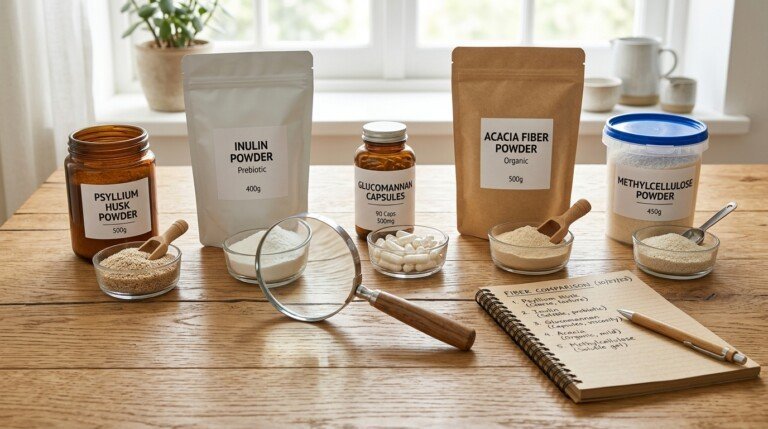
  • Psyllium husk
  • Inulin
  • Glucomannan
  • Acacia fiber
  • Methylcellulose

Because these ingredients behave differently, it’s always worth understanding the Types of Fiber Supplements before starting a new product.


How Much Fiber Should You Take?

One of the first questions beginners ask is how much fiber they actually need.

The answer depends on two different things:

  • Your total daily fiber intake.
  • The serving recommendations for your chosen supplement.

These are not always the same.

Know Your Daily Fiber Goal

Health organizations recommend that adults consume adequate dietary fiber every day through a combination of whole foods and, when appropriate, supplements.

Many people, however, consume far less than recommended because modern diets often rely heavily on processed foods.

A fiber supplement helps bridge that gap rather than replacing naturally fiber-rich foods.

Follow the Product Instructions

Every supplement has its own serving recommendations.

Instead of copying someone else’s routine, always read the manufacturer’s directions carefully.

Pay attention to:

  • Serving size
  • Fiber content
  • Mixing instructions
  • Product-specific recommendations

These details vary from one supplement to another.

Increase Fiber Gradually

One of the most common beginner mistakes is trying to dramatically increase fiber intake overnight.

A gradual increase gives your body time to adjust and often creates a much more comfortable experience.

Think of fiber intake as a long-term habit rather than a quick change.


When Should You Take Fiber?

Many people search for the “perfect” time to take a fiber supplement.

Morning.

Afternoon.

Evening.

Before meals.

After meals.

The truth is that there isn’t one universally correct answer.

Consistency Matters More Than the Clock

The best time is usually the time you’ll remember every day.

Building fiber into an existing routine makes long-term consistency much easier.

For example, some people naturally remember supplements while preparing breakfast.

Others find lunchtime or dinner more convenient.

The exact time is usually less important than taking it regularly.

Build Fiber Into an Existing Habit

Instead of creating a completely new routine, connect your supplement to something you already do every day.

Examples include:

  • Preparing breakfast
  • Making a smoothie
  • Packing lunch
  • Cleaning the kitchen after dinner

Habit stacking often improves long-term consistency.

Different Products May Offer Different Instructions

Some manufacturers recommend taking their supplement at specific times.

Always follow the directions provided on the product you purchase, as preparation methods and formulations can vary.


Should You Take Fiber With Food?

Another common question involves meals.

Should fiber supplements be taken before eating, during meals, or afterward?

The answer depends largely on the product and your personal routine.

Many People Prefer Taking Fiber With Meals

Taking fiber alongside meals often feels natural because it becomes part of an established eating habit.

This approach also reduces the likelihood of forgetting the supplement.

Consistency almost always beats perfection.

Some People Prefer Between Meals

Others find that taking fiber between meals fits their schedule better.

There is no universal rule that applies to every supplement or every individual.

Instead, choose the routine that allows you to use the product consistently while following the manufacturer’s directions.

Whole Foods Should Still Come First

Supplements increase total fiber intake, but they should never replace naturally fiber-rich foods such as:

  • Fruits
  • Vegetables
  • Beans
  • Lentils
  • Whole grains
  • Seeds

Building meals around these foods remains the best foundation for long-term nutrition.

Many of these naturally filling foods are highlighted in Foods That Keep You Full Longer, making them an excellent complement to fiber supplementation.


Why Should You Drink Plenty of Water With Fiber?

If there is one habit that deserves special attention, it’s hydration.

Water and fiber work together.

Without enough fluid, fiber cannot perform as intended.

Fiber Depends on Water

Many fiber ingredients absorb water as they move through the digestive system.

This interaction is one of the defining characteristics of dietary fiber.

Because of this, drinking adequate fluids becomes an essential part of using fiber supplements properly.

Make Hydration Part of Your Routine

Simple habits help improve consistency.

Examples include:

  • Filling a water bottle each morning
  • Drinking water alongside your supplement
  • Keeping water nearby throughout the day
  • Monitoring daily fluid intake

These habits benefit overall health while supporting fiber supplementation.

Hydration Supports More Than Fiber

Staying hydrated contributes to:

  • Healthy energy levels
  • Physical performance
  • Temperature regulation
  • General well-being

Pairing adequate hydration with appropriate fiber intake creates a healthier daily routine than focusing on supplements alone.


How Can You Reduce Gas When Starting Fiber Supplements?

One of the biggest reasons people stop taking fiber supplements is that they expect their body to adjust immediately.

In reality, increasing fiber intake changes how food moves through the digestive system and how gut bacteria process certain fibers. Giving your body time to adapt is one of the easiest ways to create a better experience.

The goal isn’t to eliminate every digestive change overnight. It’s to introduce fiber in a way that feels sustainable.

Increase Your Fiber Intake Slowly

Starting with a large amount of fiber on the first day is one of the most common mistakes beginners make.

Instead, gradually increasing your intake allows your digestive system to adapt over time.

A slow, steady approach is generally easier to maintain than making dramatic changes all at once.

Don’t Forget Daily Hydration

Fiber and water work together.

Many fibers absorb water as they move through the digestive system, making adequate hydration an important part of your routine.

Developing the habit of drinking water consistently throughout the day supports your overall fiber intake.

Give Your Body Time to Adjust

Your digestive system may need several days or even longer to adapt to a higher fiber intake.

Many people stop taking their supplement too quickly because they expect immediate perfection.

Building healthy habits requires patience.

Consistency almost always produces better long-term results than constantly switching between different products.


What Are the Most Common Mistakes People Make With Fiber Supplements?

Most disappointing experiences with fiber supplements have less to do with the product itself and more to do with how it’s used.

Fortunately, these mistakes are easy to avoid once you recognize them.

Taking Too Much Too Soon

Excitement often leads people to believe that more fiber will produce better results.

Unfortunately, dramatically increasing fiber intake overnight rarely creates the experience people hope for.

Gradual changes are usually far more effective.

Ignoring the Product Instructions

Each manufacturer provides instructions specific to its product.

These directions often include:

  • Serving preparation
  • Mixing instructions
  • Recommended serving size
  • Storage guidance

Following those instructions helps ensure you’re using the product as intended.

Replacing Healthy Foods With Supplements

Fiber supplements are designed to supplement your diet, not replace it.

Whole foods such as:

  • Fruits
  • Vegetables
  • Whole grains
  • Beans
  • Lentils
  • Nuts
  • Seeds

remain the foundation of a healthy eating pattern.

Supplements simply help fill nutritional gaps when needed.

Switching Products Too Frequently

Some people try one supplement for only a few days before purchasing another.

Constantly changing products makes it difficult to establish a consistent routine.

Instead of chasing the newest product, focus on building a habit you can maintain.

If you’re still deciding which ingredient best fits your goals, How to Choose a Fiber Supplement can help you compare products more effectively before making a purchase.


What Daily Habits Help You Get the Most From Fiber Supplements?

Successful supplement routines are built on consistency rather than complexity.

Simple habits repeated every day often matter far more than finding the “perfect” supplement.

Keep Your Supplement Visible

People are more likely to remember supplements they can see.

Many users keep their fiber supplement:

  • Near the coffee maker
  • Beside a reusable water bottle
  • Inside the pantry
  • Next to breakfast items

Visual reminders make habits easier to maintain.

Pair Fiber With an Existing Routine

Attaching your supplement to an activity you already perform every day reduces the chance of forgetting it.

Examples include:

  • Preparing breakfast
  • Making a smoothie
  • Packing lunch
  • Cleaning up after dinner

This technique creates consistency without requiring additional reminders.

Prioritize Whole Foods Every Day

Fiber supplements work best alongside naturally fiber-rich foods.

Aim to regularly include foods such as:

  • Oats
  • Apples
  • Berries
  • Beans
  • Lentils
  • Vegetables
  • Whole grains

Supplements should enhance your overall nutrition, not replace it.


How Do You Know If Your Fiber Routine Is Working?

Many people expect dramatic changes within a day or two.

In reality, building a healthy fiber routine is about consistency rather than quick results.

Instead of looking for overnight changes, focus on whether you’ve successfully established sustainable daily habits.

You’re Taking It Consistently

One of the biggest indicators of success is simply sticking with your routine.

If taking your fiber supplement has become part of your day without feeling like a chore, you’re already building a strong foundation.

You’re Drinking Enough Water

Hydration becomes second nature for many people once fiber supplementation becomes routine.

Keeping a water bottle nearby and drinking regularly throughout the day supports both your supplement routine and your overall health.

Your Diet Is Becoming More Fiber Rich

The best fiber routines extend beyond supplements.

Many people naturally begin eating more:

  • Fruits
  • Vegetables
  • Whole grains
  • Legumes

as they become more aware of their daily fiber intake.

This combination of whole foods and supplements creates a more balanced long-term approach.


Key Takeaways

TopicKey Point
Start graduallyIncrease fiber intake slowly instead of making sudden changes.
Follow directionsAlways use the serving instructions provided on the product label.
TimingConsistency matters more than choosing a specific time of day.
MealsFiber can often be incorporated into your regular meal routine depending on the product directions.
HydrationDrinking enough water is an essential part of using fiber supplements properly.
Avoid mistakesDon’t replace whole foods, ignore instructions, or switch products too quickly.
Build habitsDaily consistency is more valuable than finding the “perfect” supplement routine.

Frequently Asked Questions

1. How to Take Fiber Supplements correctly?

How to Take Fiber Supplements begins with following the product directions, increasing your fiber intake gradually, drinking enough water, and taking the supplement consistently as part of your daily routine.

2. Should I take fiber supplements every day?

Many fiber supplements are intended for regular daily use, but you should always follow the manufacturer’s instructions and ensure your total fiber intake fits your individual dietary needs.

3. Can I take fiber supplements with meals?

Many people include fiber supplements with meals because it helps create a consistent habit. However, always follow the directions provided on your specific product.

4. Why is drinking water important with fiber supplements?

Many fiber ingredients absorb water, making adequate hydration an important part of using fiber supplements properly and supporting a comfortable daily routine.

5. What is the biggest mistake beginners make?

The most common mistake is increasing fiber intake too quickly instead of allowing the body to adjust gradually while maintaining good hydration and consistency.


Conclusion

Understanding How to Take Fiber Supplements is less about finding the perfect schedule and more about building a routine you can maintain every day. Following the product instructions, increasing fiber intake gradually, drinking enough water, and pairing your supplement with an existing daily habit all contribute to a smoother and more consistent experience. These simple practices help you get the most from your supplement without overcomplicating your routine.

Remember that fiber supplements are designed to complement a balanced diet, not replace naturally fiber-rich foods. By combining consistent supplementation with fruits, vegetables, whole grains, legumes, and healthy hydration habits, you create a practical approach that supports your long-term nutrition goals. Small daily actions, repeated over time, often have a much greater impact than searching for shortcuts or constantly changing products.


Disclaimer:

This post may contain affiliate links. If you purchase through them, we may earn a small commission at no extra cost to you. Also, this content is for informational purposes only and does not substitute professional medical advice.

How to Choose the Best Fiber Supplement for Your Needs

Walk into any pharmacy or browse an online supplement store, and you’ll quickly notice one thing. There isn’t just one fiber supplement. There are dozens.

Some contain psyllium husk. Others promote inulin, acacia fiber, wheat dextrin, methylcellulose, or blends of several ingredients. Powders, capsules, gummies, and drink mixes all promise similar results, making it surprisingly difficult to know which product deserves a place in your daily routine.

This is exactly why understanding How to Choose a Fiber Supplement matters.

The right choice is rarely the product with the flashiest packaging or the highest review count. Instead, it’s the supplement whose ingredients, quality standards, and formulation match your specific health goal.

Many people buy a fiber supplement without ever reading the ingredient list. They compare brands instead of fibers, flavors instead of functionality, or marketing slogans instead of manufacturing quality. Unfortunately, that often leads to buying products that don’t actually fit their needs.

This guide takes a different approach.

Instead of recommending a single product, you’ll learn how to evaluate fiber supplements like a nutrition professional. By the end, you’ll know exactly what to look for, which ingredients serve different purposes, how certifications improve product quality, and how to compare labels with confidence.

Quick Answer

Knowing How to Choose a Fiber Supplement starts with identifying your health goal, understanding the fiber ingredient, comparing soluble and insoluble fibers, checking third-party quality certifications, reading ingredient labels carefully, and selecting a format that fits your daily routine. The best supplement is the one that matches your needs rather than the one with the biggest marketing campaign.


Why Does Choosing the Right Fiber Supplement Matter?

Two products may both say “fiber supplement” on the front of the package.

That doesn’t mean they work the same way.

The ingredient inside determines far more than the brand name printed outside.

Every Fiber Behaves Differently

Some fibers absorb large amounts of water.

Others primarily support beneficial gut bacteria.

Some dissolve completely, while others remain largely unchanged as they move through the digestive tract.

Understanding these differences helps you avoid choosing products based solely on advertising.

This becomes much easier after understanding the different Types of Fiber Supplements, since ingredient selection is the foundation of a smart purchase.

Better Decisions Begin With Better Questions

Instead of asking:

“What’s the best fiber supplement?”

Ask:

  • What ingredient does it contain?
  • Why was that ingredient selected?
  • Does it match my health goal?
  • Is the label transparent?
  • Is the manufacturer reputable?

Those questions usually lead to much better purchasing decisions.


What Should You Look for When Choosing a Fiber Supplement?

Most people compare price first.

A smarter approach is to compare quality before cost.

An inexpensive supplement isn’t a bargain if it doesn’t contain the ingredient you’re actually looking for.

Start With the Active Fiber Ingredient

The first thing to examine is the fiber itself.

Common ingredients include:

  • Psyllium husk
  • Inulin
  • Acacia fiber
  • Glucomannan
  • Wheat dextrin
  • Methylcellulose
  • Calcium polycarbophil

The ingredient tells you far more than the product name ever will.

Look for Transparent Labels

High-quality manufacturers clearly identify:

  • Fiber source
  • Total fiber content
  • Complete ingredient list
  • Serving format

Transparency reflects confidence in the product.

Vague proprietary blends make it difficult to know exactly what you’re purchasing.

Fewer Ingredients Can Sometimes Be Better

Many supplements contain long lists of added ingredients.

While some additions are useful, others exist primarily for taste, texture, or marketing appeal.

A cleaner ingredient list often makes comparing products much easier.


Which Ingredient Is Best?

This is one of the most frequently searched questions online.

The answer depends entirely on your objective.

There isn’t a single ingredient that’s superior in every situation.

Psyllium Husk

Psyllium remains one of the best-known fiber ingredients.

It absorbs water effectively and appears in countless fiber products around the world.

Its long history of use makes it one of the most recognizable fiber sources available today.

Inulin

Inulin is commonly selected by people interested in prebiotic fiber.

It occurs naturally in foods such as chicory root, onions, garlic, and asparagus.

Many nutrition products include inulin because of its ability to support beneficial gut bacteria.

Glucomannan

Glucomannan has become increasingly popular in products marketed for appetite management because of its remarkable ability to absorb water.

It is commonly included in weight management formulations.

If that is your primary goal, comparing the Best Fiber Supplement for Weight Loss can help you understand how glucomannan compares with other fiber ingredients.

Acacia Fiber

Acacia fiber dissolves smoothly and mixes easily into beverages.

Its mild taste has made it popular among manufacturers creating drink powders.

No Ingredient Fits Every Goal

The best ingredient depends on whether you’re looking to support:

  • Appetite management
  • Gut health
  • General fiber intake
  • Heart health
  • Blood sugar balance

Matching the ingredient to your goal is far more effective than chasing the newest supplement trend.


Which Certifications Matter When Buying Fiber Supplements?

Quality varies considerably between manufacturers.

Fortunately, several certifications can provide additional confidence when evaluating supplements.

Third-Party Testing

Independent testing helps verify that products contain the ingredients listed on the label.

This additional level of quality control provides reassurance for consumers.

Good Manufacturing Practices (GMP)

GMP certification indicates that products are manufactured according to recognized quality standards.

Although this doesn’t guarantee effectiveness, it demonstrates that manufacturing processes follow established procedures.

NSF and USP Certifications

Some manufacturers voluntarily pursue certifications such as:

  • NSF
  • USP

These organizations evaluate products against specific quality standards.

Seeing recognized certifications often indicates a stronger commitment to manufacturing quality.

Country of Manufacturing

Reputable companies usually provide clear information regarding where their products are manufactured.

Transparency regarding sourcing and production often reflects greater confidence in product quality.


Which Fiber Matches Your Goal?

One of the biggest mistakes shoppers make is choosing fiber before deciding what they actually want the supplement to accomplish.

Instead, reverse the process.

Start with your goal.

Then identify the ingredient that best aligns with it.

General Daily Fiber Intake

If your diet simply lacks enough fiber, many different fiber ingredients may help increase overall intake.

The emphasis should be on consistency rather than finding a perfect ingredient.

Appetite Support

People focused on appetite management often look toward gel-forming soluble fibers because of their ability to promote fullness.

This is why psyllium and glucomannan frequently appear in weight management products.

Gut Microbiome Support

Individuals interested in gut bacteria often compare prebiotic fibers such as inulin with other fermentable fibers.

Your health goal should always determine your ingredient choice rather than advertising claims.


Powder vs Capsules: Which Fiber Supplement Format Is Better?

One of the first decisions you’ll make when shopping for fiber supplements isn’t the ingredient.

It’s the format.

Should you choose a powder that mixes into water, or would capsules fit your routine better?

The answer depends less on effectiveness and more on convenience, consistency, and personal preference.

Fiber Powders

Powder remains the most common fiber supplement format.

Many people prefer it because it can be mixed into:

  • Water
  • Smoothies
  • Yogurt
  • Oatmeal
  • Protein shakes

Powders also allow manufacturers to include larger amounts of fiber in a single serving.

This makes them a popular choice for individuals who regularly consume fiber supplements.

Fiber Capsules

Capsules appeal to people who value convenience.

They’re easy to carry, require no mixing, and fit well into busy schedules.

For travelers or office workers, capsules often provide a practical solution when preparing drinks isn’t convenient.

Which Format Should You Choose?

Rather than asking which format is better, ask which one you’ll actually use consistently.

The most effective supplement is rarely the most expensive or the newest.

It’s the one that naturally fits your daily routine.

Consistency always matters more than convenience alone.


How Can You Read a Fiber Supplement Label Like an Expert?

Most consumers spend more time looking at the front of the package than the nutrition panel.

Ironically, the front often contains the least useful information.

The ingredient label tells you far more about product quality than marketing slogans ever will.

Start With the Ingredient List

The first ingredient listed is usually the primary fiber source.

Look specifically for names such as:

  • Psyllium husk
  • Inulin
  • Acacia fiber
  • Glucomannan
  • Methylcellulose
  • Wheat dextrin
  • Calcium polycarbophil

If the ingredient isn’t clearly identified, consider another product.

Check Total Dietary Fiber

Products can differ significantly in the amount of dietary fiber they provide.

Comparing total fiber content allows you to evaluate products more fairly instead of relying on packaging claims.

Watch for Unnecessary Additives

Some supplements include:

  • Artificial colors
  • Artificial sweeteners
  • Excessive flavoring
  • Fillers
  • Preservatives

While these ingredients are not always problematic, a cleaner label often makes it easier to understand exactly what you’re purchasing.

Ignore Marketing Buzzwords

Terms like:

  • Premium
  • Advanced
  • Maximum strength
  • Ultimate formula
  • Professional grade

have no standardized scientific definition.

Instead, evaluate the product based on:

  • Ingredient quality
  • Fiber source
  • Manufacturing standards
  • Label transparency

Those factors provide much more useful information.


What Buying Mistakes Should You Avoid?

Even experienced shoppers sometimes choose supplements based on marketing instead of evidence.

Avoiding a few common mistakes can save both money and disappointment.

Choosing the Brand Instead of the Ingredient

Many buyers recognize brand names but never examine the ingredient list.

Two products from different companies may contain identical fiber sources, while products from the same brand may use completely different formulations.

The ingredient should always come first.

Assuming More Ingredients Mean Better Quality

Long ingredient lists often appear impressive.

However, a supplement containing six fiber sources isn’t automatically superior to one containing a single high-quality ingredient.

Simplicity often makes products easier to evaluate.

Ignoring Product Transparency

Trustworthy manufacturers typically provide:

  • Complete ingredient disclosure
  • Manufacturing information
  • Certification details
  • Clear labeling

Companies that openly share product information generally inspire greater confidence.

Buying Based Only on Reviews

Customer reviews can provide helpful insights about taste or texture.

However, reviews should never replace evaluating:

  • Ingredients
  • Product quality
  • Certifications
  • Your own health goals

The supplement that works well for someone else may not be the best match for you.


What Questions Should You Ask Before Buying a Fiber Supplement?

A few simple questions can dramatically improve your purchasing decisions.

Instead of focusing on advertising, focus on whether the supplement genuinely matches your needs.

Ask yourself:

  • What health goal am I trying to support?
  • Which fiber ingredient matches that goal?
  • Is the ingredient clearly identified?
  • Does the manufacturer provide transparent labeling?
  • Has the product been independently tested?
  • Will this format fit naturally into my routine?
  • Can I realistically use this product consistently?

Answering these questions often eliminates many unsuitable options before you even compare prices.


Key Takeaways

TopicKey Point
Start with your goalChoose a fiber supplement based on your specific health objective, not marketing claims.
Compare ingredientsPsyllium, inulin, glucomannan, acacia fiber, and other ingredients each have different characteristics.
Quality mattersLook for transparent labels, third-party testing, and recognized manufacturing certifications.
Powder vs capsulesThe best format is the one you’ll use consistently.
Read labels carefullyFocus on the fiber source, total dietary fiber, and unnecessary additives.
Avoid common mistakesDon’t choose products based only on brand popularity, long ingredient lists, or customer reviews.

Frequently Asked Questions

1. How to Choose a Fiber Supplement?

How to Choose a Fiber Supplement begins with identifying your health goal, comparing fiber ingredients, checking quality certifications, reading the ingredient label carefully, and selecting a format that fits your lifestyle.

2. Is psyllium better than inulin?

Neither is universally better. Psyllium and inulin have different characteristics, and the better choice depends on your individual health goals and the type of fiber you are looking for.

3. Should I choose powder or capsules?

Both formats can be effective. Powders often provide larger amounts of fiber and mix into foods or drinks, while capsules offer greater convenience for people with busy schedules.

4. What should I look for on a fiber supplement label?

Look for the primary fiber ingredient, total dietary fiber content, transparent labeling, minimal unnecessary additives, and recognized quality certifications whenever possible.

5. Do expensive fiber supplements work better?

Not necessarily. Price alone does not determine quality. The ingredient, manufacturing standards, product transparency, and suitability for your goals are much more important than cost.


Conclusion

Understanding How to Choose a Fiber Supplement is about making informed decisions rather than following marketing trends. By starting with your health goal, comparing ingredients instead of brand names, checking for quality certifications, and reading labels carefully, you can confidently narrow your options to products that genuinely meet your needs. Small details, such as whether a supplement contains psyllium, inulin, or another type of fiber, often matter far more than eye-catching packaging or promotional claims.

The best fiber supplement is ultimately the one that aligns with your lifestyle and supports long-term consistency. Whether you prefer powders or capsules, prioritize products with transparent ingredient lists, reputable manufacturing practices, and a format you’ll actually use every day. Approaching fiber supplements with this mindset helps you make smarter purchasing decisions and build a routine that supports your long-term health goals.


Disclaimer:

This post may contain affiliate links. If you purchase through them, we may earn a small commission at no extra cost to you. Also, this content is for informational purposes only and does not substitute professional medical advice.

Best Fiber Supplement for Weight Loss: What Actually Works?

If you’ve searched for ways to lose weight, you’ve probably come across fiber supplements promising to curb cravings, reduce calorie intake, and help the pounds come off more easily. Some products highlight psyllium husk, others focus on glucomannan or inulin, while many claim to be the ultimate appetite suppressant.

With so many options available, it’s natural to wonder which one actually delivers meaningful results.

The truth is that the Best Fiber Supplement for Weight Loss is not necessarily the one with the biggest marketing budget or the longest ingredient list. The most effective option is the one that supports healthy eating habits, promotes fullness, and fits naturally into a sustainable weight management plan.

Fiber supplements are not fat burners. They do not melt body fat overnight or replace a healthy diet. Instead, certain types of fiber can make it easier to stay in a calorie deficit by increasing satiety and helping control hunger between meals.

In this article, we’ll examine what the research says about fiber and weight management, compare the most popular fiber ingredients, and explain which supplements may provide the greatest support for long-term weight loss success.

Quick Answer

The Best Fiber Supplement for Weight Loss is generally one that promotes fullness and supports appetite control. Soluble fibers, particularly psyllium husk and glucomannan, have been widely studied because they absorb water and create a gel-like consistency that may help people feel satisfied for longer. However, no fiber supplement works without healthy eating habits and a consistent calorie deficit.


Does Fiber Help Weight Loss?

One of the biggest misconceptions about fiber is that it directly burns fat.

It doesn’t.

Instead, fiber influences several behaviors that make weight loss easier to maintain over time.

Rather than increasing the number of calories you burn, fiber often helps reduce the number of calories you consume naturally.

Fiber Helps You Feel Full

Certain soluble fibers absorb water after eating.

As they expand, they increase the volume of food inside the stomach, which may create a stronger feeling of fullness.

When people stay satisfied for longer, they’re often less likely to snack unnecessarily between meals.

This is one reason fiber frequently appears on lists of the Best Appetite Suppressant options for natural weight management.

Fiber Encourages Better Eating Habits

High-fiber meals often include foods such as:

  • Vegetables
  • Beans
  • Oats
  • Fruits
  • Whole grains

These foods are naturally filling while providing fewer calories than many highly processed alternatives.

Fiber supplements cannot replace these foods, but they can complement an overall eating pattern that supports weight loss.

Weight Loss Still Depends on Energy Balance

Regardless of the supplement you choose, body fat is lost only when you consistently consume fewer calories than your body uses.

Fiber makes this process easier for many people because it helps manage hunger rather than increasing fat burning.

Understanding how a Calorie Deficit works is just as important as choosing the right supplement.


Which Fiber Suppresses Appetite Most Effectively?

When evaluating the Best Fiber Supplement for Weight Loss, appetite control is often the most important factor.

Different fibers behave differently inside the digestive system.

Some dissolve quickly, while others absorb large amounts of water and remain in the stomach longer.

These physical differences influence how filling each fiber feels.

Psyllium Husk

Psyllium husk is one of the most widely studied soluble fibers.

Its ability to absorb water and form a thick gel contributes to prolonged feelings of fullness after meals.

Because of this property, psyllium remains one of the most popular ingredients in fiber supplements marketed for weight management.

Glucomannan

Glucomannan comes from the konjac root.

It has an exceptional ability to absorb water, expanding significantly after mixing with liquid.

This characteristic has made it another popular choice for appetite management and portion control.

Beta-Glucan

Beta-glucan is naturally found in oats and barley.

Like other soluble fibers, it forms a gel that slows stomach emptying and contributes to satiety.

Many people increase beta-glucan intake simply by eating more oatmeal and whole oats.

Acacia Fiber

Acacia fiber dissolves easily and blends smoothly into beverages.

Although it is often discussed for digestive wellness, some people also include it in weight management routines because it contributes to total daily fiber intake.


Which Fiber Keeps You Full the Longest?

Feeling satisfied after meals is one of the biggest challenges during weight loss.

People rarely abandon their diet because healthy foods don’t work.

More often, they stop because persistent hunger becomes difficult to ignore.

This is where certain soluble fibers may offer valuable support.

Gel-Forming Fibers Usually Feel More Filling

Fibers that absorb water and create a thicker consistency generally remain in the stomach longer than fibers that dissolve without forming a gel.

This slower stomach emptying contributes to prolonged satiety.

Among commonly available ingredients, psyllium and glucomannan are two of the best-known gel-forming fibers.

Meal Quality Still Matters

Fiber works best when paired with meals that already contain:

  • Lean protein
  • Healthy fats
  • Vegetables
  • Whole grains

This combination creates much greater satisfaction than relying on fiber supplements alone.

Many naturally filling foods are already covered in Foods That Keep You Full Longer, making them excellent partners for fiber supplementation.

Consistency Beats Occasional Use

Feeling full for one afternoon is not the goal.

Long-term appetite management comes from consistently choosing meals and habits that reduce unnecessary hunger day after day.

Fiber supplements become much more effective when used as one component of an overall nutrition strategy.


Is Psyllium the Best Choice?

Psyllium is often considered the benchmark when discussing the Best Fiber Supplement for Weight Loss.

Its popularity isn’t simply the result of marketing.

It has been widely researched and remains one of the most commonly recommended soluble fiber ingredients.

Psyllium Combines Several Helpful Characteristics

Compared with many other fibers, psyllium:

  • Absorbs significant amounts of water
  • Forms a thick gel
  • Supports prolonged fullness
  • Blends well into many weight management plans

These characteristics explain why it appears in so many fiber supplement products.

Other Fibers Also Have Value

Although psyllium receives considerable attention, it is not automatically the right choice for everyone.

Other ingredients, including:

  • Glucomannan
  • Beta-glucan
  • Acacia fiber
  • Inulin

may also contribute to healthy weight management depending on individual preferences and dietary patterns.

Comparing ingredients rather than simply choosing the most popular brand usually leads to better decisions.

There Is No Universal Winner

The “best” fiber supplement depends on several factors, including eating habits, personal preferences, and consistency.

No supplement can overcome poor nutrition or replace sustainable lifestyle habits.

Instead, fiber should support healthy eating rather than compensate for unhealthy choices.


Does Fiber Reduce Calorie Intake?

When discussing the Best Fiber Supplement for Weight Loss, one of the most important questions is whether fiber actually helps people eat fewer calories.

The answer is yes, but not because fiber contains magical fat-burning properties.

Instead, fiber influences appetite, meal satisfaction, and eating behavior. These effects often make it easier to consume fewer calories naturally without constantly feeling deprived.

Fiber Helps You Feel Satisfied With Less Food

Certain soluble fibers absorb water and expand after eating.

As the stomach stretches, signals are sent to the brain that contribute to feelings of fullness.

When meals leave you satisfied for longer, you may naturally delay your next snack or reduce portion sizes without consciously trying to eat less.

This is one reason fiber is frequently included among the most effective Natural Appetite Suppressants for healthy weight management.

Fiber Can Reduce Mindless Snacking

Many extra calories come from eating between meals rather than during meals themselves.

If you’re constantly hungry, reaching for chips, cookies, or sugary drinks becomes much more tempting.

By extending satiety, fiber may help reduce unnecessary snacking, making it easier to stay consistent with your eating plan.

Lower Calorie Intake Happens Naturally

Rather than forcing yourself to eat less through willpower alone, fiber may create an environment where eating slightly fewer calories feels more comfortable.

That small daily difference can become meaningful over weeks and months when combined with healthy habits.


Does Fiber Improve Gut Health for Weight Loss?

Scientists are increasingly interested in the connection between gut health and body weight.

Although research continues to evolve, there is growing evidence that the microorganisms living in our digestive system influence appetite regulation, metabolism, and energy balance.

This has made gut health an important part of conversations about sustainable weight management.

A Healthy Gut Supports Healthy Eating Habits

Certain fibers act as prebiotics, providing nourishment for beneficial gut bacteria.

A healthier gut microbiome has been associated with several processes involved in maintaining a healthy weight, including:

  • Appetite regulation
  • Energy metabolism
  • Food processing
  • Hormonal signaling

Fiber does not directly cause fat loss through gut bacteria, but supporting a healthy microbiome may contribute to a healthier metabolic environment.

Fiber Works Alongside Other Healthy Habits

Gut health is influenced by much more than supplements alone.

Factors such as:

  • Eating a diverse diet
  • Sleeping well
  • Managing stress
  • Exercising regularly

also affect the balance of beneficial bacteria.

For people interested in this relationship, Gut Health and Weight Loss explains how these two areas interact in greater detail.

Weight Loss Is Still Multifactorial

Improving gut health alone will not produce significant fat loss.

Instead, it should be viewed as one supportive factor within a broader lifestyle that includes nutritious eating and a sustainable calorie deficit.


Who Benefits Most From the Best Fiber Supplement for Weight Loss?

Fiber supplements are not essential for everyone.

Many people already consume adequate fiber through fruits, vegetables, legumes, oats, and whole grains.

However, certain individuals may find fiber supplements especially helpful while working toward their weight management goals.

People Who Struggle With Hunger

Some individuals find it difficult to stay satisfied between meals.

Persistent hunger often leads to:

  • Frequent snacking
  • Larger portions
  • Late-night eating
  • Difficulty maintaining a calorie deficit

Fiber supplements that promote fullness may help make healthy eating patterns easier to maintain.

Busy Adults With Low Fiber Intake

Modern eating habits often rely on convenience foods that contain very little dietary fiber.

For people who consistently consume processed meals, increasing fiber intake through supplementation may help bridge nutritional gaps while healthier eating habits develop.

People Transitioning to Healthier Diets

Changing eating habits overnight can feel overwhelming.

Fiber supplements may provide additional satiety during the transition from highly processed foods to meals centered around whole foods.

Over time, naturally fiber-rich foods should become the primary source of dietary fiber.

Who May Not Need Fiber Supplements?

If your daily meals already include generous amounts of:

  • Vegetables
  • Fruits
  • Beans
  • Lentils
  • Whole grains
  • Seeds

you may already consume enough fiber without supplementation.

In these situations, adding more fiber supplements may offer little additional benefit for weight management.


What Really Makes the Best Fiber Supplement for Weight Loss?

Choosing the Best Fiber Supplement for Weight Loss is about much more than picking the most popular product on the shelf.

Instead of chasing bold marketing claims, focus on ingredients that support healthy eating habits over the long term.

Look Beyond Marketing

Many supplements advertise rapid weight loss.

In reality, no fiber supplement can replace:

  • Balanced nutrition
  • Regular exercise
  • Consistent sleep
  • Long-term healthy habits

Products that promise dramatic fat loss without lifestyle changes should be approached with caution.

Focus on Sustainable Appetite Control

The most valuable fiber supplement is one that helps you:

  • Stay full longer
  • Control cravings
  • Reduce unnecessary snacking
  • Maintain healthier portions

These small advantages often produce better long-term results than relying on short-term dieting strategies.

Build Healthy Habits Around Fiber

Think of fiber as a supportive tool rather than the entire solution.

Combining fiber-rich meals, appropriate supplementation when needed, adequate protein, regular movement, and a realistic calorie deficit creates a far stronger foundation for lasting weight management than any supplement alone.


Key Takeaways

TopicKey Point
Weight lossFiber supports weight loss by helping control hunger rather than burning fat.
Appetite suppressionPsyllium and glucomannan are among the best-known fibers for promoting fullness.
SatietyGel-forming soluble fibers generally keep people satisfied longer after meals.
Calorie intakeGreater fullness may naturally reduce daily calorie intake and unnecessary snacking.
Gut healthPrebiotic fibers support a healthier gut microbiome, which may contribute to healthy weight management.
Best candidatesPeople with low fiber intake or persistent hunger often benefit the most from fiber supplementation.
Long-term successFiber works best when combined with a calorie deficit and healthy lifestyle habits.

Frequently Asked Questions

1. What is the Best Fiber Supplement for Weight Loss?

The Best Fiber Supplement for Weight Loss is generally one that helps increase fullness and supports appetite control. Psyllium husk and glucomannan are among the most widely recognized options because they form gel-like substances that may help reduce hunger.

2. Does fiber burn body fat?

No. Fiber does not directly burn fat. Instead, it supports weight loss by helping people feel fuller, manage cravings, and naturally consume fewer calories.

3. Which fiber keeps you full the longest?

Gel-forming soluble fibers such as psyllium husk and glucomannan are commonly associated with longer-lasting feelings of fullness because they absorb water and expand in the stomach.

4. Can fiber supplements replace healthy eating?

No. Fiber supplements are designed to complement a balanced diet, not replace nutritious meals. Long-term weight loss still depends on healthy eating habits and maintaining a calorie deficit.

5. Who should consider a fiber supplement for weight loss?

People who struggle with hunger, frequently snack between meals, or consume too little dietary fiber may find fiber supplements helpful as part of a structured weight management plan.


Conclusion

Finding the Best Fiber Supplement for Weight Loss is less about choosing the most heavily advertised product and more about understanding how different fibers support healthy eating habits. Soluble fibers such as psyllium husk and glucomannan have earned considerable attention because they promote fullness, help control appetite, and may naturally reduce calorie intake. These qualities can make maintaining a calorie deficit more manageable without relying on restrictive dieting or constant hunger.

However, even the best fiber supplement is only one part of a successful weight loss strategy. Sustainable results come from combining appetite-supporting foods, regular physical activity, quality sleep, stress management, and consistent healthy choices over time. When used alongside these habits, the right fiber supplement can become a valuable tool that supports long-term weight management rather than offering a temporary shortcut.


Disclaimer:

This post may contain affiliate links. If you purchase through them, we may earn a small commission at no extra cost to you. Also, this content is for informational purposes only and does not substitute professional medical advice.

Fiber Supplements: Benefits, Types, Uses, and How to Choose the Right One

Walk through the health aisle of almost any pharmacy or grocery store, and you’ll find an entire shelf dedicated to fiber supplements. Powders, capsules, gummies, chewable tablets, and flavored drink mixes all promise to support digestive health, improve regularity, or even help with weight management.

With so many choices, it’s natural to wonder whether you actually need one.

The reality is that many people struggle to consume enough fiber through food alone. Busy schedules, highly processed diets, and low fruit and vegetable intake often leave adults well below the recommended daily fiber intake. This growing gap is one reason Fiber Supplements have become increasingly popular.

However, not every product works the same way, and choosing the wrong one can leave you disappointed. Different fiber supplements contain different ingredients, offer different benefits, and are designed for different health goals.

This comprehensive guide explains everything you need to know about Fiber Supplements, including how they work, the different types available, who may benefit from them, and how to choose one that fits your lifestyle. You’ll also find links to more detailed articles covering specific fiber supplement topics so you can continue learning based on your individual needs.

Quick Answer

Fiber Supplements are products that provide dietary fiber in a convenient form when it is difficult to get enough fiber through everyday foods. They may support digestive health, appetite control, heart health, blood sugar management, and overall wellness when used alongside a balanced diet. The best fiber supplement depends on your health goals, dietary preferences, and the specific type of fiber it contains.


What Are Fiber Supplements?

Fiber supplements are products designed to increase your daily fiber intake without requiring major changes to your meals.

They are not intended to replace fruits, vegetables, legumes, whole grains, or other naturally fiber-rich foods. Instead, they help fill nutritional gaps when your regular diet does not provide enough fiber.

Most fiber supplements come from plant-based ingredients that have been processed into convenient forms such as powders, capsules, chewable tablets, gummies, or drink mixes.

Although they all provide fiber, the ingredients can differ considerably.

Some products focus primarily on soluble fiber, while others contain insoluble fiber or blends of multiple fiber sources.

Understanding these differences helps explain why one supplement may be more appropriate than another depending on your goals.

Why Do So Many People Need More Fiber?

Despite growing awareness of healthy eating, many adults still consume significantly less fiber than recommended.

Several modern lifestyle habits contribute to this problem:

  • Highly processed convenience foods
  • Low vegetable intake
  • Limited fruit consumption
  • Busy work schedules
  • Frequent restaurant meals
  • Refined grains replacing whole grains

As a result, fiber intake often falls short even among people trying to eat healthier.

A dietary fiber supplement offers one practical way to bridge that gap while working toward a more balanced eating pattern.

Fiber Supplements Are Part of a Bigger Picture

Although supplements can be helpful, they work best when viewed as part of an overall healthy lifestyle.

Improving digestive wellness usually involves multiple habits working together, including:

  • Eating more whole foods
  • Drinking adequate water
  • Staying physically active
  • Getting enough sleep
  • Managing stress

Many people also notice that improving overall Gut Health and Weight Loss habits naturally encourages healthier eating patterns and better long-term wellness.

Fiber supplements should support these lifestyle changes rather than replace them.


How Do Fiber Supplements Work?

Understanding how fiber supplements work makes it easier to choose the right product and develop realistic expectations.

Unlike vitamins or minerals that are absorbed directly into the bloodstream, fiber travels through the digestive tract while performing several important functions along the way.

The exact effects depend on the type of fiber present.

Supporting Healthy Digestion

Fiber helps add bulk to the foods moving through your digestive system.

As food travels through the intestines, fiber interacts with water and digestive contents, supporting normal digestive function.

Different fiber types behave differently, but together they contribute to maintaining overall digestive health.

Helping You Feel Fuller

One reason fiber supplements receive attention in weight management discussions is their ability to promote fullness.

Some forms of soluble fiber absorb water and create a thicker consistency inside the digestive tract.

This slower movement of food may help some people feel satisfied for longer after meals.

Feeling fuller does not automatically lead to weight loss, but it may make it easier for some individuals to manage hunger while following balanced eating habits.

People interested in naturally increasing fullness may also enjoy adding more Foods That Keep You Full Longer to their meals alongside adequate dietary fiber.

Supporting Overall Wellness

Research continues to explore the broader role of dietary fiber in long-term health.

Adequate fiber intake has been associated with support for:

  • Digestive health
  • Heart health
  • Healthy cholesterol levels
  • Blood sugar management
  • A diverse gut microbiome

These potential benefits explain why nutrition guidelines consistently encourage higher fiber intake through food first and supplements when appropriate.

Not Every Fiber Works the Same Way

Many consumers assume all fiber supplements provide identical results.

In reality, each ingredient has unique characteristics.

Some fibers dissolve easily in water.

Others remain largely intact.

Some ferment readily within the gut.

Others pass through with relatively little fermentation.

Understanding these differences becomes important when selecting a product for your individual goals.


What Are the Different Types of Fiber Supplements?

One of the biggest mistakes shoppers make is choosing a supplement based only on brand recognition.

The ingredient list often matters much more than the product name.

Each type of fiber has different properties that influence how it behaves within the digestive system.

Soluble Fiber Supplements

Soluble fiber dissolves in water and forms a gel-like consistency.

This category includes several well-known ingredients commonly found in dietary fiber supplements.

Examples include:

  • Psyllium
  • Partially hydrolyzed guar gum
  • Beta-glucan
  • Inulin
  • Acacia fiber

Because soluble fiber interacts readily with water, it is frequently selected for products intended to support digestive health and appetite management.

Several future articles within this fiber supplement series will compare these ingredients individually.

Insoluble Fiber Supplements

Unlike soluble fiber, insoluble fiber does not dissolve in water.

Instead, it contributes bulk as food moves through the digestive tract.

Common examples include:

  • Wheat bran
  • Cellulose
  • Some plant fibers

Many products combine insoluble and soluble fibers to provide a broader range of benefits.

Prebiotic Fiber Supplements

Some fibers also function as prebiotics.

Rather than nourishing the body directly, prebiotic fibers help nourish beneficial bacteria living within the digestive tract.

Popular prebiotic fibers include:

  • Inulin
  • Fructooligosaccharides (FOS)
  • Galactooligosaccharides (GOS)

Because growing interest surrounds the gut microbiome, prebiotic fiber supplements continue to receive increasing attention from researchers.

Fiber Blends

Many modern supplements combine several fiber sources into one product.

These blends attempt to provide multiple characteristics rather than relying on a single ingredient.

While convenient, comparing the actual ingredients remains more important than focusing solely on marketing claims.

Future supporting articles throughout this pillar will examine individual fiber types in much greater detail, helping you understand which ingredients may best fit specific health goals.


What Are the Benefits of Fiber Supplements?

People purchase fiber supplements for many different reasons.

Some are primarily interested in digestive wellness.

Others hope to support heart health, appetite control, or overall nutrition.

Although individual results vary, adequate fiber intake offers several well-recognized benefits.

Helping Fill Nutritional Gaps

Perhaps the greatest advantage of fiber supplements is their convenience.

For people who regularly fall short of recommended fiber intake, supplements provide a practical way to increase total dietary fiber while gradually improving overall eating habits.

Supporting Digestive Wellness

Healthy digestion depends on many factors, and adequate fiber remains one of the most important.

Although fiber supplements should never replace a balanced diet, they can complement healthy eating patterns by contributing additional dietary fiber.

Encouraging Better Appetite Control

Many people report feeling more satisfied after meals that contain adequate fiber.

This may make healthy eating patterns easier to maintain over time.

Pairing higher-fiber meals with nutritious choices like Healthy Snacks for Weight Loss can also support better food choices throughout the day.

Supporting Heart and Metabolic Health

Research continues to associate adequate fiber intake with support for:

  • Healthy cholesterol levels
  • Blood sugar balance
  • Cardiovascular wellness
  • Overall metabolic health

These broader benefits explain why fiber remains a consistent recommendation within dietary guidelines around the world.

Complementing Healthy Lifestyle Habits

Fiber supplements work best alongside healthy habits rather than replacing them.

Individuals looking for additional appetite support sometimes also compare fiber with other options such as the Best Appetite Suppressant, allowing them to choose approaches that best fit their personal goals.


Are Fiber Supplements Good for Weight Loss?

Fiber supplements are often marketed as weight-loss aids, but it’s important to understand what they can and cannot do.

They are not fat-burning products, nor do they directly cause weight loss.

Instead, they may support healthy weight management by making it easier for some people to follow a balanced eating plan.

When combined with nutritious meals, regular physical activity, and consistent habits, fiber supplements can become one useful piece of a sustainable lifestyle.

Fiber Helps Support Fullness

One of fiber’s best-known qualities is its ability to help people feel satisfied after eating.

Certain types of fiber absorb water and increase the volume of food in the digestive system, which may help reduce the urge to snack between meals.

Feeling full for longer does not automatically lead to weight loss, but it may help some people make healthier food choices throughout the day.

Many individuals find that combining fiber-rich meals with naturally filling foods creates a more satisfying eating pattern than relying on highly processed snacks.

Fiber Is Not a Replacement for Healthy Eating

Some advertisements create the impression that a fiber supplement alone can transform your weight.

That simply isn’t realistic.

Fiber works best alongside:

  • Whole grains
  • Fruits
  • Vegetables
  • Legumes
  • Lean protein
  • Regular exercise

The supplement fills nutritional gaps, but it cannot replace a balanced diet.

Sustainable Habits Matter Most

Long-term weight management comes from habits that are realistic enough to maintain for years rather than weeks.

Fiber supplements may help support those habits, but lasting progress still depends on consistency.

Future supporting articles in this cluster will explore specific fiber supplements that are commonly discussed for appetite management and healthy weight control.


Are Fiber Supplements Safe?

For most healthy adults, fiber supplements are generally considered safe when used appropriately.

However, choosing a quality product and understanding your own health needs remain important.

Like any dietary supplement, fiber products should be viewed as part of an overall nutrition strategy rather than a substitute for healthy eating.

Most Healthy Adults Can Use Fiber Supplements

Many people use fiber supplements for years without difficulty.

Because fiber is already a natural component of plant foods, supplements simply provide additional dietary fiber in a convenient form.

The key is selecting a product that matches your goals rather than assuming every supplement works the same way.

Quality Matters

Not all supplements are manufactured to the same standards.

When comparing products, consider factors such as:

  • Ingredient transparency
  • Third-party testing
  • Manufacturer reputation
  • Clear labeling
  • Minimal unnecessary additives

These qualities often provide a better indication of product reliability than marketing claims alone.

Medical Conditions Require Individual Advice

Although fiber supplements are appropriate for many healthy adults, individuals with existing digestive disorders or chronic medical conditions should consult their healthcare provider before beginning supplementation.

Professional guidance is especially valuable when underlying health concerns are already being managed.

Detailed discussions about precautions, medical considerations, and potential side effects will be covered in dedicated supporting articles rather than within this pillar overview.


Who Should Take Fiber Supplements?

Fiber supplements are not necessary for everyone.

Many people can meet their daily fiber needs by consistently eating a balanced diet rich in plant foods.

Others may find supplements helpful when lifestyle or dietary habits make adequate fiber intake difficult.

Adults Who Consistently Eat Too Little Fiber

One of the most common reasons people consider supplementation is simply not getting enough fiber through food.

Busy schedules, convenience foods, and limited fruit and vegetable intake often contribute to this nutritional gap.

For these individuals, a dietary fiber supplement may help increase total fiber intake while healthier eating habits develop.

People Looking to Support Overall Wellness

Fiber contributes to many aspects of health beyond digestion.

Individuals interested in supporting:

  • Heart health
  • Healthy blood sugar
  • Appetite management
  • Gut microbiome diversity
  • General wellness

may also consider fiber supplementation after evaluating their overall diet.

Individuals Who Prefer Convenience

Preparing fiber-rich meals every day is not always easy.

Although whole foods remain the preferred source of fiber, supplements offer a convenient option for people with demanding schedules.

Convenience should complement healthy eating rather than replace it.

Not Everyone Needs a Supplement

If your daily meals already contain plenty of:

  • Fruits
  • Vegetables
  • Whole grains
  • Beans
  • Lentils
  • Nuts
  • Seeds

you may already be meeting your fiber needs without supplementation.

The goal should always be to evaluate your diet first before assuming a supplement is necessary.


How Do You Choose the Right Fiber Supplement?

Standing in front of dozens of fiber products can feel overwhelming.

Instead of choosing based on advertising, focus on your individual health goals and the ingredient list.

Start With Your Goal

Different people purchase fiber supplements for different reasons.

Ask yourself what you hope to accomplish.

Are you looking to support:

  • Digestive wellness?
  • Appetite control?
  • Heart health?
  • Overall fiber intake?

Your answer helps narrow the available options.

Read the Ingredient List

The ingredient matters far more than the front of the package.

Pay attention to the specific fiber source rather than marketing phrases like “advanced formula” or “maximum strength.”

Understanding whether a product contains psyllium, inulin, acacia fiber, methylcellulose, wheat dextrin, or another ingredient allows you to make a much more informed decision.

Each of these fiber sources will be explored individually throughout the supporting articles linked from this pillar.

Consider Product Format

Fiber supplements are available in many convenient forms.

These include:

  • Powders
  • Capsules
  • Gummies
  • Chewable tablets
  • Drink mixes

The best option is often the one that fits naturally into your daily routine.

Consistency is usually more important than choosing the most expensive product.

Avoid Choosing Based Only on Marketing

Many products use bold advertising claims.

Instead of focusing on promotional language, compare:

  • Fiber source
  • Ingredient quality
  • Independent testing
  • Brand transparency
  • Product reputation

Making decisions based on objective information usually leads to better long-term satisfaction.


Key Takeaways

TopicKey Point
What they areFiber supplements help increase daily fiber intake when diet alone falls short.
TypesSoluble, insoluble, prebiotic, and blended fiber supplements each offer different characteristics.
BenefitsThey may support digestive health, appetite control, heart health, and overall wellness.
Weight managementFiber supplements support healthy habits but are not weight-loss products by themselves.
SafetyMost healthy adults can use fiber supplements appropriately, but medical advice is important for certain health conditions.
Choosing a productSelect a supplement based on your health goals, ingredient type, and product quality rather than marketing claims.

Frequently Asked Questions

1. What are Fiber Supplements?

Fiber Supplements are products that provide dietary fiber in powders, capsules, gummies, or other convenient forms to help increase overall fiber intake when diet alone is not enough.

2. Are Fiber Supplements better than getting fiber from food?

Whole foods remain the best source of dietary fiber because they also provide vitamins, minerals, antioxidants, and other beneficial nutrients. Fiber supplements are designed to complement, not replace, a balanced diet.

3. Can Fiber Supplements help with weight management?

They may support appetite control and healthy eating habits by helping some people feel fuller after meals, but they are not a substitute for balanced nutrition and regular physical activity.

4. Who should consider Fiber Supplements?

Adults who consistently consume too little fiber, have busy lifestyles, or want additional support for overall digestive and heart health may consider fiber supplements after evaluating their diet.

5. How do I choose the best Fiber Supplement?

Choose a product based on your health goals, the type of fiber it contains, ingredient quality, and the manufacturer’s reputation instead of relying only on advertising claims.


Conclusion

Fiber Supplements can be a practical way to increase daily fiber intake when your diet does not consistently provide enough through whole foods. They come in several forms, including soluble, insoluble, prebiotic, and blended fibers, each offering unique characteristics that support different health goals. While supplements may contribute to digestive wellness, appetite control, heart health, and overall nutrition, they work best as part of a balanced lifestyle built around nutritious meals, regular physical activity, and healthy daily habits.

As this pillar article has shown, choosing the right fiber supplement involves much more than selecting the most popular brand. Understanding the ingredients, identifying your personal health goals, and evaluating product quality all play an important role in making an informed decision. In the supporting articles throughout this Fiber Supplements cluster, you’ll explore individual fiber types, compare popular products, examine specific health benefits, and gain practical guidance to help you choose the option that best fits your lifestyle and long-term wellness goals.


Disclaimer:

This post may contain affiliate links. If you purchase through them, we may earn a small commission at no extra cost to you. Also, this content is for informational purposes only and does not substitute professional medical advice.

Exit mobile version