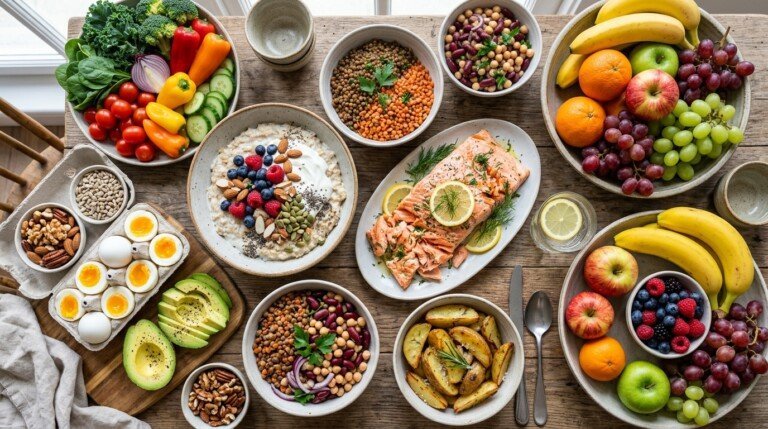
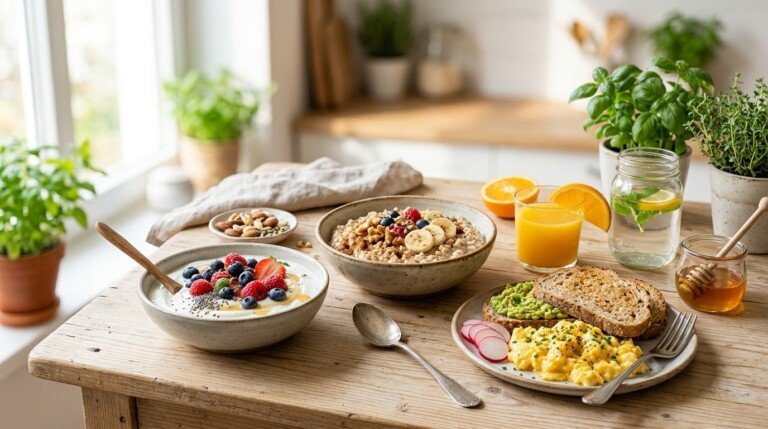
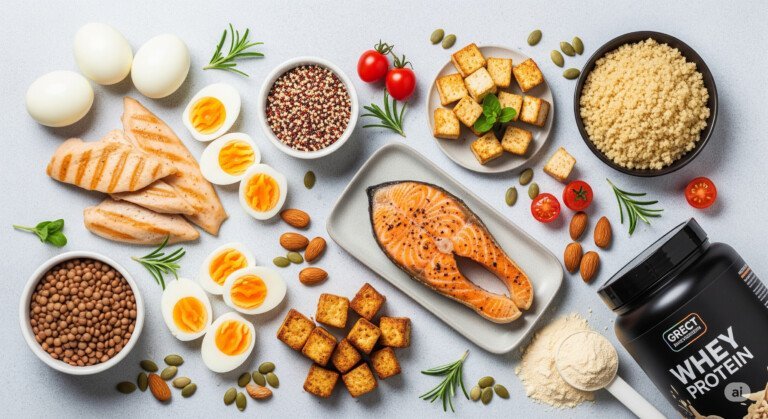
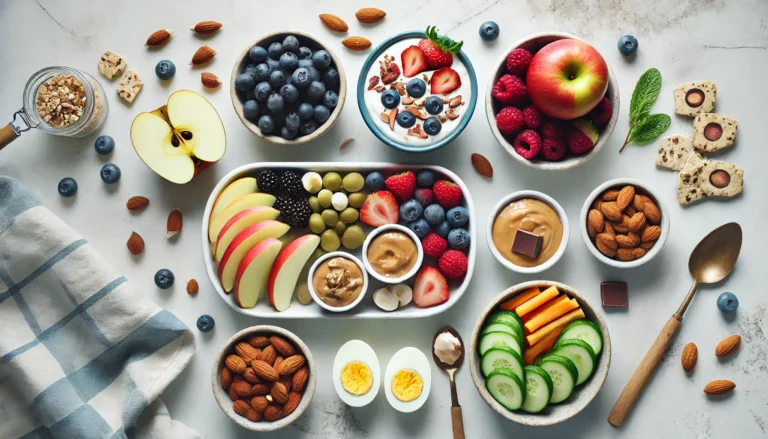
What Is the Best Breakfast for Weight Loss?

The best breakfast for weight loss is not necessarily the breakfast with the fewest calories.

That idea surprises many people.

For years, weight-loss advice focused heavily on eating less. Smaller portions, fewer calories, and skipping meals were often presented as the fastest path to weight loss. While calorie balance certainly matters, most people eventually discover a frustrating reality.

A breakfast that leaves you hungry by 10 a.m. rarely helps you eat less throughout the day.

In fact, many weight-loss struggles begin long before lunch.

You’ve probably experienced it yourself.

You start the morning with good intentions. Maybe you grab a muffin because it’s convenient. Maybe you drink a flavored coffee and call it breakfast. Perhaps you skip breakfast entirely because you’re trying to reduce calories.

Everything seems fine at first.

Then hunger arrives.

By mid-morning, you’re thinking about food. By lunchtime, you’re starving. Suddenly, healthy choices become harder to make, portion sizes increase, and cravings seem impossible to ignore.

This is why breakfast continues to be one of the most debated meals in nutrition.

It’s not because breakfast possesses magical fat-burning properties.

It’s because the foods you choose in the morning can influence hunger, energy, and eating behavior for the rest of the day.

The goal isn’t simply eating breakfast.

The goal is eating a breakfast that works for you rather than against you.


Why Do Some People Feel Hungry Again an Hour After Breakfast?

Have you ever eaten what seemed like a substantial breakfast only to find yourself searching for snacks shortly afterward?

At first glance, this doesn’t make much sense.

After all, you already ate.

Shouldn’t hunger disappear?

The answer depends largely on what you ate.

Many traditional breakfast foods are built around refined carbohydrates and added sugars. Breakfast cereals, pastries, muffins, sweetened coffee drinks, and flavored breakfast bars often provide calories without delivering much lasting satisfaction.

These foods digest relatively quickly.

As a result, hunger often returns sooner than expected.

Compare that with a breakfast containing protein, fiber, and healthy fats.

The difference can be dramatic.

Instead of feeling hungry an hour later, many people remain satisfied until lunch.

This is one reason nutrition experts frequently focus on food quality rather than calories alone.

A 400-calorie breakfast can leave you starving.

Another 400-calorie breakfast can leave you comfortably full for hours.

The calorie number may be identical.

The experience is completely different.


Does Breakfast Really Matter for Weight Loss?

This question has fueled countless debates.

Some experts argue breakfast is essential.

Others believe it can be skipped entirely.

The truth is far less dramatic.

Breakfast itself does not determine whether you lose weight.

Many people successfully lose weight while eating breakfast every day.

Many others successfully lose weight while skipping it.

This tells us something important.

Weight loss is influenced by overall lifestyle habits rather than a single meal.

However, breakfast can still play an important role.

For many people, a balanced breakfast helps create structure. It reduces extreme hunger later in the day and supports better food choices.

Imagine arriving at lunch mildly hungry versus arriving at lunch absolutely starving.

Those situations often lead to very different decisions.

People who feel excessively hungry tend to eat faster, consume larger portions, and make more impulsive food choices.

A satisfying breakfast may help prevent that cycle.

At the same time, breakfast isn’t mandatory.

Some people genuinely prefer eating later in the day and experience no negative effects from doing so.

The key is understanding how your body responds rather than blindly following nutrition trends.


What Makes a Breakfast Actually Support Weight Loss?

Many breakfast foods are marketed as healthy.

Unfortunately, marketing and nutrition aren’t always the same thing.

A breakfast can appear healthy while doing very little to support appetite control.

The breakfasts that consistently support weight-loss goals usually share several characteristics.

They Contain Enough Protein

Protein is one of the most satisfying nutrients available.

It helps people feel fuller for longer and often reduces the urge to snack between meals.

They Include Fiber

Fiber slows digestion and contributes to fullness.

Many fiber-rich foods also provide important vitamins and minerals.

They Focus on Whole Foods

Whole foods generally provide more nutrition and satisfaction than heavily processed alternatives.

They Help Stabilize Energy

Balanced meals often support steadier energy levels compared to highly sugary breakfasts.

Notice that none of these characteristics involve extreme restriction.

The best breakfasts are not necessarily the smallest breakfasts.

They’re the breakfasts that keep hunger under control.


Why Does Protein Seem to Be the Star of Every Weight-Loss Breakfast?

If you read enough nutrition articles, you start noticing a pattern.

Protein appears everywhere.

There’s a reason for that.

Protein consistently performs well when researchers examine satiety, which is simply the feeling of fullness after eating.

Many people discover this firsthand.

Consider two different breakfasts.

Breakfast one consists of a sugary pastry and coffee.

Breakfast two includes eggs, Greek yogurt, and fruit.

Both meals provide energy.

Yet most people report feeling satisfied much longer after the protein-rich option.

This matters because weight loss isn’t only about eating less.

It’s also about making healthy eating feel sustainable.

Constant hunger is exhausting.

Protein helps reduce that problem.

It may not eliminate hunger entirely, but it often makes healthy eating significantly easier.

Protein also plays an important role in maintaining muscle while losing weight.

When people lose weight, the goal is ideally to reduce body fat while preserving lean tissue.

Adequate protein intake supports that process.

This is why protein remains one of the most valuable tools in any weight-loss breakfast strategy.


What Are the Best Protein-Rich Breakfasts for Weight Loss?

The good news is that high-protein breakfasts don’t require complicated recipes or expensive ingredients.

In many cases, simple foods work exceptionally well.

Eggs remain one of the most popular choices because they are versatile, affordable, and easy to prepare. Whether scrambled, boiled, poached, or made into an omelet, eggs provide a solid protein foundation for the day.

Greek yogurt is another excellent option. Compared to traditional yogurt, it typically contains more protein and can be combined with berries, nuts, or seeds for additional nutrition and flavor.

Cottage cheese is often overlooked but deserves more attention. It provides substantial protein while pairing well with fruit, vegetables, or whole-grain crackers.

Protein smoothies can also work well, particularly for busy mornings. The key is focusing on nutrient-dense ingredients rather than turning the smoothie into a dessert disguised as breakfast.

Even leftovers can become effective breakfast foods.

Many people assume breakfast must include traditional breakfast items. In reality, leftover chicken, fish, or lean meat may provide more protein than many common breakfast options.

The specific food matters less than the overall nutritional balance.

The goal is simple:

Start the day feeling satisfied rather than hungry.


Why Is Fiber Almost as Important as Protein?

Protein receives most of the attention.

Fiber deserves nearly as much.

One reason fiber is so valuable is that it adds volume to meals without dramatically increasing calories.

Foods rich in fiber often require more chewing, digest more slowly, and contribute to feelings of fullness.

This combination can be extremely helpful for weight management.

Oats are a perfect example.

Many people find a bowl of oatmeal significantly more satisfying than highly processed breakfast cereals.

The same principle applies to fruits, vegetables, chia seeds, flaxseeds, and whole grains.

Fiber also supports digestive health, which indirectly influences overall well-being.

When protein and fiber appear together in the same meal, breakfast becomes much more effective at managing hunger.

This is why combinations such as Greek yogurt with berries, oatmeal with protein, or eggs with vegetables often perform so well.

They provide multiple layers of satiety rather than relying on a single nutrient.


What Are the Best High-Fiber Breakfasts for Weight Loss?

Fiber often plays a supporting role in weight-loss discussions, but its impact can be surprisingly powerful.

Many people focus exclusively on protein while overlooking the benefits of fiber-rich foods. The reality is that the most satisfying breakfasts usually contain both.

Think about how different you feel after eating a bowl of sugary cereal compared to a bowl of oatmeal topped with berries and chia seeds.

Both may contain similar calories.

Yet the second option often provides a completely different experience.

That’s because fiber slows digestion and helps create a greater feeling of fullness.

Oatmeal Remains Popular for a Reason

Oats have been a breakfast staple for decades.

Unlike many highly processed cereals, oats provide fiber, nutrients, and lasting satisfaction. They also work well with a wide variety of ingredients, including fruit, nuts, seeds, and protein sources.

The biggest mistake people make with oatmeal is turning it into dessert by loading it with excessive sugar.

When prepared thoughtfully, oatmeal can become one of the most effective breakfasts for appetite control.

Fruit Can Make Breakfast More Filling

Fruit sometimes gets unfair criticism in weight-loss discussions.

While fruit contains natural sugars, it also provides fiber, water, vitamins, and antioxidants.

Berries, apples, pears, and oranges are particularly useful additions to breakfast because they contribute volume and satisfaction without adding excessive calories.

Seeds Offer More Than People Realize

Chia seeds and flaxseeds may be small, but they can have a significant impact on breakfast quality.

They provide fiber and healthy fats while helping create meals that feel more substantial.

Adding a spoonful of seeds to yogurt, oatmeal, or smoothies is a simple way to increase satiety without dramatically changing the meal.


Are You Making These Breakfast Mistakes Without Realizing It?

Many people believe they’re eating healthy breakfasts.

Unfortunately, several common habits can quietly work against weight-loss goals.

Mistake #1: Choosing Convenience Over Nutrition

Busy mornings often lead people toward packaged foods that are quick but not particularly satisfying.

Breakfast pastries, sugary cereals, and breakfast bars may save time, but they frequently leave people hungry again soon afterward.

Convenience matters.

However, convenience should not come at the expense of nutrition.

Mistake #2: Drinking Most of Your Calories

Coffee drinks can become surprisingly calorie-dense.

A flavored coffee loaded with syrups, cream, and whipped toppings may contain more calories than an actual meal.

The bigger problem is that liquid calories often provide less satiety than solid food.

Many people finish these drinks and remain hungry shortly afterward.

Mistake #3: Skipping Protein Entirely

A breakfast built almost entirely around carbohydrates often struggles to provide lasting fullness.

This doesn’t mean carbohydrates are bad.

It simply means balance matters.

Adding protein can dramatically improve how satisfying a meal feels.

Mistake #4: Eating Too Little

Ironically, some people become so focused on reducing calories that they create new problems.

A tiny breakfast may seem helpful initially.

Yet extreme restriction often increases hunger later in the day, making overeating more likely.

Mistake #5: Copying Someone Else’s Breakfast

Nutrition is personal.

The breakfast that works perfectly for one individual may leave another person hungry or unsatisfied.

Experimentation is often necessary.


What Does a Great Weight-Loss Breakfast Actually Look Like?

There is no single perfect breakfast.

Anyone claiming otherwise is probably oversimplifying nutrition.

However, certain patterns consistently appear among effective breakfast choices.

Option 1: The Classic High-Protein Breakfast

  • Eggs
  • Whole-grain toast
  • Fruit

This combination provides protein, fiber, and balanced energy.

Option 2: Greek Yogurt Breakfast Bowl

  • Greek yogurt
  • Mixed berries
  • Chia seeds
  • Nuts

This option works well for people who want something quick and satisfying.

Option 3: Protein Oatmeal

  • Oats
  • Protein source
  • Cinnamon
  • Fruit

This combination often provides excellent satiety while remaining affordable.

Option 4: Smoothie Breakfast

  • Protein powder
  • Fruit
  • Greens
  • Seeds

Smoothies can be effective when they prioritize nutrition rather than sugar.

Option 5: Cottage Cheese Bowl

  • Cottage cheese
  • Berries
  • Nuts

Simple, fast, and surprisingly filling.

The common theme across all of these options is balance.

None rely on extreme restriction.

None promise miracle results.

They simply provide nutrients that help manage hunger effectively.


What If You Barely Have Time for Breakfast?

This is one of the most common concerns.

People understand the importance of healthy eating.

They simply don’t have an extra hour every morning.

Fortunately, breakfast doesn’t need to be complicated.

Preparation Beats Motivation

One of the easiest ways to improve breakfast habits is preparing ahead of time.

When healthy options are already available, good decisions become much easier.

Overnight Oats

Overnight oats require only a few minutes of preparation the night before.

The next morning, breakfast is already waiting.

Hard-Boiled Eggs

A batch of eggs prepared in advance can provide several days of convenient breakfasts.

Greek Yogurt and Fruit

This combination takes less than two minutes to assemble.

Protein Smoothies

Smoothies work particularly well for people who struggle to eat immediately after waking.

Don’t Chase Perfection

Many people abandon healthy breakfast habits because they believe every meal must be elaborate.

It doesn’t.

Consistency usually matters far more than complexity.


Can Breakfast Help You Stay on Track for the Entire Day?

In many cases, yes.

Breakfast acts like the first domino.

When the first decision of the day is positive, subsequent decisions often become easier.

A satisfying breakfast may reduce cravings.

It may improve energy.

It may help prevent the extreme hunger that leads to overeating later.

This doesn’t mean breakfast is magical.

It simply means that starting the day with nutritious foods can create momentum.

For readers following the 30/30/30 Rule for Weight Loss, breakfast becomes especially important because protein intake forms the foundation of the entire routine.

Likewise, building breakfast habits that support sustainable weight loss can often provide greater long-term benefits than chasing the latest nutrition trend.

If healthy eating between meals remains a challenge, exploring healthy snacks for weight loss may help bridge the gap between breakfast and lunch. Similarly, understanding which high protein foods that burn fat support fullness can make breakfast planning much easier. Those looking to improve nutrition on a budget may also benefit from learning about cheap foods for weight loss that provide both value and satiety.


Frequently Asked Questions

1. What is the best breakfast for weight loss?

The best breakfast for weight loss typically includes protein, fiber, and whole foods that help control hunger and support healthy eating throughout the day.

2. Is skipping breakfast bad for weight loss?

Not necessarily. Some people do well without breakfast, while others find it helps control hunger and improve food choices later in the day.

3. Are eggs good for weight loss?

Yes. Eggs are rich in protein and often help people feel satisfied longer than many processed breakfast foods.

4. Is oatmeal good for weight loss?

Oatmeal provides fiber and can be an excellent breakfast choice when combined with protein and nutrient-dense toppings.

5. What should I avoid eating for breakfast?

Highly processed foods that contain large amounts of added sugar may increase hunger and cravings later in the day.

6. How much protein should breakfast contain?

Individual needs vary, but many people benefit from including a meaningful protein source at breakfast.

7. What’s the best breakfast for busy mornings?

Greek yogurt, overnight oats, hard-boiled eggs, protein smoothies, and cottage cheese are all convenient options that require minimal preparation.


Final Thoughts

The search for the best breakfast for weight loss often leads people toward complicated meal plans and trendy nutrition advice.

The reality is much simpler.

A successful weight-loss breakfast doesn’t need to be expensive, time-consuming, or Instagram-worthy.

It needs to help you stay satisfied.

It needs to provide nutrients your body actually needs.

And it needs to fit your lifestyle well enough that you can repeat it consistently.

For most people, that means prioritizing protein, fiber, and whole foods while minimizing highly processed options that leave them hungry shortly afterward.

Because when breakfast helps control hunger instead of creating it, healthy eating throughout the rest of the day often becomes much easier.


Disclaimer:

This post may contain affiliate links. If you purchase through them, we may earn a small commission at no extra cost to you. Also, this content is for informational purposes only and does not substitute professional medical advice.

15 Powerful High-Protein Foods That Burn Fat Naturally

High-Protein Foods That Burn Fat are the ultimate secret to losing weight without starving yourself. When most people hear the word ‘diet,’ they imagine tiny salad bowls, endless restrictions, and constant hunger. But the truth is, eating the right high-protein foods can help you feel full, boost metabolism, and burn fat effectively.

That’s where protein comes in.

I remember when I first tried to cut weight years ago, I made the classic mistake: I slashed my calories way too low. Sure, I lost a few pounds quickly, but I was tired, irritable, and constantly hungry. Worse, I lost muscle along with fat — which made my metabolism slow down, and the weight came right back.

The game-changer happened when I shifted my focus to high-protein meals. Suddenly, I didn’t feel like I was “dieting” anymore. A breakfast of eggs and Greek yogurt kept me satisfied for half the day. Adding lean chicken or lentils to lunch gave me steady energy without the afternoon crash. I wasn’t fighting cravings constantly, and my body started looking leaner because I was preserving muscle while burning fat.

And I’m not alone — countless studies confirm what I personally experienced: protein is the single most powerful nutrient for fat loss. If you want to understand how protein fits into calorie balance, metabolism, and long-term fat reduction, this ultimate weight loss guide breaks down the full system behind sustainable results. It’s not some quick-fix fad; it’s backed by decades of research on metabolism, hormones, and appetite regulation.

In this article, we’ll break down why protein is such a fat-burning powerhouse and then explore 15 of the best high-protein foods that can help you lose fat, stay energized, and actually enjoy your meals in the process. Whether you’re a meat-lover, pescatarian, vegetarian, or fully plant-based, you’ll find options here that fit your lifestyle.


Why Protein Helps Burn Fat

Most people understand that protein builds muscle, but few realize how it influences every stage of fat loss. Let’s dig deeper into why it’s so powerful.

1. Protein Has the Highest Thermic Effect of Food (TEF)

Think of food as fuel — but some fuels make your engine work harder than others. When you eat fat, only about 0–3% of those calories are burned off through digestion. Carbs are a little better, with 5–10% burned during digestion. But protein? It skyrockets up to 20–30%.

That means if you eat 100 calories of protein, up to 30 calories are burned automatically during digestion and absorption. In comparison, 100 calories of fat may only cost your body 3 calories to process.

👉 Translation: protein-rich foods give you a built-in calorie-burning boost every time you eat them. You don’t get that advantage with fats or carbs.

2. Protein Controls Appetite and Cravings

One of the hardest parts about losing weight isn’t just reducing calories — it’s controlling hunger. A low-protein diet often leaves people constantly reaching for snacks because they don’t feel satisfied.

Here’s where protein changes the game:

  • It reduces ghrelin, the hormone that triggers hunger.
  • It increases satiety hormones like GLP-1, peptide YY, and CCK, which send signals to your brain that you’re full.
  • Studies show that people who eat a high-protein breakfast consume up to 400 fewer calories throughout the day compared to those who eat a carb-heavy breakfast.

This is why having a protein-rich meal early in the day (like eggs or Greek yogurt) can literally set the tone for fat loss by helping you stay satisfied longer and reducing cravings later.

3. Protein Protects Lean Muscle While You Lose Fat

Here’s a mistake a lot of dieters make: they lose weight on the scale, but a big chunk of it is muscle, not just fat. That’s a problem because muscle is metabolically active — the more muscle you have, the more calories you burn, even while sitting on the couch.

When you combine high protein intake with strength training for fat loss, your body holds onto lean muscle while burning stored fat more efficiently. This keeps your metabolism strong, prevents that “skinny-fat” look, and helps you achieve a leaner, toned body instead of just being lighter.

In fact, research shows that people on high-protein diets lose more fat and preserve more muscle compared to people on low-protein diets with the same calories.

4. Protein Supports Blood Sugar and Energy Levels

Another hidden benefit: protein slows down digestion and helps stabilize blood sugar. This prevents the classic “spike and crash” that happens after eating high-carb meals. Stable energy means fewer cravings for sugary snacks and less late-night bingeing — two of the biggest fat-loss killers.


15 Best High-Protein Foods That Burn Fat

1. Eggs

Protein per large egg: ~6 grams

Eggs are often called the “perfect protein” because they contain all nine essential amino acids your body needs for building muscle and burning fat. What makes eggs especially powerful is their balance of protein and healthy fats, which work together to keep you feeling satisfied for hours.

One study published in the International Journal of Obesity found that people who ate eggs for breakfast lost 65% more weight than those who ate the same calories from bagels. That’s because eggs keep blood sugar steady and prevent mid-morning crashes that lead to snacking.

How to include them: Scramble them with spinach for a nutrient-dense breakfast, boil a dozen at the start of the week for grab-and-go snacks, or make avocado-egg toast for a protein-packed twist.

2. Greek Yogurt

Protein per 1 cup (non-fat): 20–23 grams

Greek yogurt is a fat-loss gem because it combines high protein with probiotics that support gut health. Why does gut health matter for weight loss? Because an unbalanced gut microbiome can trigger cravings, inflammation, and slower metabolism.

A study from Nutrition Reviews found that people who consumed probiotic-rich foods like Greek yogurt experienced reduced belly fat and improved insulin sensitivity. On top of that, its creamy texture makes it feel indulgent without the sugar overload of regular yogurt.

How to include it: Make a high-protein parfait with berries and chia seeds, blend into smoothies, or use it as a sour cream substitute on tacos.

3. Chicken Breast

Protein per 3 oz (cooked): ~26 grams

Chicken breast is the go-to for anyone serious about fat loss. It’s nearly pure protein, low in calories, and versatile enough to fit into almost any recipe. Because it’s so lean, your body expends extra energy digesting it while giving you the amino acids needed to protect muscle mass.

This is why professional athletes and fitness enthusiasts rely on chicken during “cutting phases.” More muscle + less fat = faster metabolism.

How to include it: Grill in bulk and use throughout the week for salads, burrito bowls, or stir-fries. Pair with fibrous veggies for the ultimate fat-burning combo.

4. Turkey Breast

Protein per 3 oz (cooked): ~25 grams

Turkey breast is like chicken’s leaner cousin, but with its own benefits. It’s high in protein, low in fat, and also contains tryptophan — an amino acid that boosts serotonin, which can help with mood regulation and reduce stress-related eating.

In fact, a study in Appetite Journal suggested that serotonin-boosting foods like turkey may help curb cravings for high-sugar snacks, which is often the downfall of fat-loss diets.

How to include it: Try sliced turkey in whole-grain wraps, ground turkey in chili, or roast turkey breast with herbs for a holiday-style meal any time of year.

5. Salmon

Protein per 3 oz (cooked): ~22 grams

Salmon is a superstar because it combines protein with omega-3 fatty acids. These healthy fats do more than protect your heart — they may help reduce inflammation that leads to stubborn belly fat. Omega-3s also improve insulin sensitivity, which makes your body more efficient at using carbs for energy instead of storing them as fat.

A study in Obesity Reviews found that people who ate fatty fish like salmon experienced greater fat loss compared to those who didn’t.

How to include it: Bake with lemon and garlic, make salmon burgers, or flake into salads.

6. Tuna

Protein per 3 oz (canned in water): ~20 grams

If you want pure protein with almost no fat or carbs, tuna is unbeatable. It’s cheap, convenient, and portable — making it a favorite among bodybuilders during fat-cutting phases.

The best part? Because it’s so lean, it provides the amino acids your body needs to maintain muscle while staying in a calorie deficit.

How to include it: Mix canned tuna with Greek yogurt and mustard for a healthy tuna salad, add to wraps, or top whole-grain crackers for a quick snack.

7. Cottage Cheese

Protein per 1 cup (low-fat): ~28 grams

Cottage cheese doesn’t get the love it deserves. It’s loaded with casein protein, which digests slowly and helps keep you full overnight. That makes it a perfect evening snack for people who struggle with late-night cravings.

It’s also high in calcium, which some research suggests may help the body metabolize fat more efficiently.

How to include it: Top with pineapple chunks for a sweet-and-savory snack, mix with herbs for a savory dip, or use as a high-protein base for pancakes.

8. Lentils

Protein per 1 cup (cooked): ~18 grams

Lentils are a plant-based powerhouse: high in protein, fiber, and essential minerals. What makes them excellent for fat burning is the fiber-protein combo — they slow digestion, regulate blood sugar, and keep you full for hours.

For vegetarians or vegans, lentils are an easy way to hit protein goals without turning to processed meat alternatives.

How to include it: Add to soups, toss into salads, or cook into curries. Red lentils cook faster and break down easily, while green or black lentils hold their shape for hearty dishes.

9. Quinoa

Protein per 1 cup (cooked): ~8 grams

Quinoa isn’t just another grain — it’s a complete plant-based protein, meaning it contains all nine essential amino acids (rare for a plant food). While its protein count per cup isn’t as high as meat or fish, quinoa’s unique power comes from the combination of protein, fiber, and slow-digesting carbs.

This combo makes quinoa an excellent fat-burning food: it stabilizes blood sugar, reduces cravings, and provides steady energy for workouts. Unlike white rice or pasta, quinoa won’t leave you with a crash that makes you overeat later.

How to include it: Use it as a base for grain bowls, mix with lentils or beans for a higher-protein vegetarian meal, or substitute for rice in stir-fries.

10. Almonds

Protein per 1 oz (23 almonds): ~6 grams

Almonds might not look like a protein powerhouse at first glance, but research has consistently shown that eating nuts like almonds can help with fat loss — even though they’re calorie-dense. That’s because almonds contain protein, fiber, and healthy fats that keep hunger at bay and prevent overeating.

A study published in the International Journal of Obesity found that people who included almonds in their diet lost 62% more weight than those on a carb-heavy snack plan.

How to include it: Grab a handful as a mid-day snack, sprinkle chopped almonds on oatmeal, or use almond butter as a spread.

11. Pumpkin Seeds (Pepitas)

Protein per 1 oz (¼ cup): ~9 grams

Pumpkin seeds are a surprisingly rich source of protein and minerals like magnesium, zinc, and iron — all of which play a role in metabolism and fat loss. Their balance of protein + healthy fats makes them a great appetite-controlling snack.

Pumpkin seeds also contain tryptophan (like turkey), which may help regulate mood and sleep — important factors for weight management. Poor sleep is strongly linked to overeating and slower fat loss.

How to include it: Snack on them roasted, sprinkle on salads, blend into smoothies, or use as a crunchy topping for yogurt.

12. Tofu

Protein per ½ cup (firm): ~10 grams

Tofu is one of the most versatile plant-based proteins, made from soybeans. It’s a complete protein, low in calories, and absorbs flavors from spices and marinades easily — making it an excellent fat-loss staple for vegans and vegetarians.

Research has shown that soy protein can be just as effective as animal protein in supporting muscle maintenance and fat loss. Plus, it contains isoflavones, plant compounds that may support hormonal balance, especially in women.

How to include it: Grill tofu cubes with spices, stir-fry with veggies, or bake for a crispy snack.

13. Edamame

Protein per 1 cup (cooked): ~17 grams

Edamame (young soybeans) is one of the best snacks for fat loss — high in protein, fiber, and antioxidants. Because it’s rich in both plant protein and slow-digesting carbs, edamame keeps you full and energized.

One study from the Journal of Nutrition found that soy protein (like edamame) can help reduce abdominal fat when combined with a calorie-controlled diet.

How to include it: Steam edamame pods and sprinkle with sea salt, toss into salads, or blend into a protein-rich dip.

14. Whey Protein Powder

Protein per scoop (30g): ~20–25 grams

When it comes to convenience and fat loss, nothing beats whey protein powder. Whey is digested quickly, boosts muscle repair, and has been shown in countless studies to aid fat loss by controlling hunger and preserving lean muscle.

One review from The American Journal of Clinical Nutrition found that people who used whey protein lost more fat and retained more muscle compared to other protein sources during weight loss.

How to include it: Blend into smoothies, mix into oatmeal, or bake into protein pancakes.

15. Black Beans

Protein per 1 cup (cooked): ~15 grams

Black beans are often overlooked, but they’re an incredible combination of protein, fiber, and complex carbs. This trio makes them filling and excellent for blood sugar control, which directly helps with fat loss.

Beans also contain resistant starch, which acts like fiber and helps improve gut health — a growing area of research tied to metabolism and weight management.

How to include it: Add to tacos, soups, or use as the base for a black bean burger.


How to Build Fat-Burning Meals with High-Protein Foods

Eating more protein is powerful — but it works even better when you structure it into your daily meals the right way. Here’s how to turn the 15 foods we listed into a fat-burning lifestyle:

1. Focus on Protein at Every Meal

Most people eat a carb-heavy breakfast (cereal, toast, bagels) and wonder why they’re hungry an hour later. The trick is simple: make protein the star of every meal.

  • Breakfast: Eggs, Greek yogurt, or a whey protein shake.
  • Lunch: Chicken breast, turkey, or lentils paired with veggies.
  • Dinner: Salmon, tuna, tofu, or quinoa-based bowls.
  • Snacks: Almonds, pumpkin seeds, cottage cheese, or edamame.

This approach keeps your metabolism active all day and prevents hunger-driven snacking.

2. Combine Protein with Fiber

Protein helps burn fat, but when paired with fiber, it becomes even more powerful. Fiber slows digestion, regulates blood sugar, and makes protein meals more filling.

Example combos:

  • Chicken + broccoli + quinoa
  • Salmon + leafy greens + avocado
  • Lentils + spinach + pumpkin seeds

👉 Rule of thumb: build meals with 1 protein source + 1 high-fiber carb + 1 veggie.

3. Use Protein for Appetite Control

If cravings hit mid-afternoon or late at night, a quick protein snack is your best defense. Unlike cookies or chips, protein-rich snacks blunt hunger and reduce the chance of overeating later.

  • Cottage cheese before bed curbs late-night hunger.
  • Almonds or edamame mid-day prevent sugar crashes.
  • A scoop of whey protein in water works as a “rescue snack” when cravings strike.

4. Plan Ahead with Batch Cooking

One of the biggest reasons diets fail is convenience — or lack of it. If you don’t have quick, high-protein options ready, you’re more likely to grab something processed.

  • Batch cook chicken or turkey at the start of the week.
  • Keep boiled eggs in the fridge.
  • Stock Greek yogurt cups for easy snacks.
  • Have canned tuna or beans in the pantry.

Meal prep ensures you never get stuck without a fat-burning option.

5. A Sample High-Protein, Fat-Burning Day

Here’s what a balanced day of fat-burning meals might look like (around 120–130g protein total):

  • Breakfast (30g protein):
    3 scrambled eggs + Greek yogurt with blueberries.
  • Snack (15g protein):
    Edamame sprinkled with sea salt.
  • Lunch (35g protein):
    Grilled chicken breast, quinoa, and roasted broccoli.
  • Snack (20g protein):
    Whey protein shake + handful of almonds.
  • Dinner (30g protein):
    Baked salmon with spinach salad and pumpkin seeds.

This setup keeps protein consistent, appetite low, and metabolism active all day.


Common Mistakes to Avoid with High-Protein Fat-Burning Foods

Even though protein is powerful for fat loss, there are a few mistakes people make that can sabotage results:

1. Relying Only on Protein Powders

Protein shakes are convenient, but relying on them too heavily means you miss out on the vitamins, minerals, and fiber found in whole foods. Powders should supplement your diet, not replace real meals.

2. Overeating “Healthy” Protein Snacks

Nuts, seeds, and nut butters are great protein sources, but they’re calorie-dense which is why following a smart portion control strategy prevents accidental overeating. A handful of almonds is great; half a jar of almond butter isn’t. Portion control matters.

3. Skipping Vegetables and Fiber

Protein alone won’t give you the best results. Without fiber, you risk constipation, poor digestion, and blood sugar spikes. Pair your protein with greens, beans, and whole grains for balanced fat loss.

4. Ignoring Hydration

Protein metabolism produces nitrogen waste, which your kidneys flush out. If you increase protein without drinking enough water, you may feel sluggish or bloated. Always hydrate well on a high-protein diet.

5. Eating Too Little Protein Overall

Many people think they’re eating enough protein but actually fall short. For fat loss, aim for 0.7–1 gram of protein per pound of body weight daily. Example: if you weigh 160 pounds, target 110–160g protein per day.


Conclusion

Losing fat doesn’t have to mean cutting calories to the extreme or giving up foods you enjoy. By focusing on protein-rich, nutrient-dense foods, you make the process easier, more sustainable, and far more effective.

From eggs and Greek yogurt to salmon, lentils, and whey protein, you now have a roadmap of 15 powerful foods that help burn fat naturally. Combine them with fiber, healthy fats, and smart meal planning, and you’ll notice the difference not just in your waistline — but in your energy, strength, and confidence.

👉 Next Step: If you struggle to hit your daily protein target, consider adding a high-quality whey protein or organic plant-based protein to your meals. These supplements are convenient, affordable, and can make the difference between spinning your wheels and finally seeing results.

Start today by choosing just one or two foods from this list to add to your next meal — and watch how much easier fat loss becomes when you let protein do the heavy lifting.


Frequently Asked Questions

1. What protein burns the most fat?

Animal proteins like chicken breast, turkey, and fish have the highest protein-to-calorie ratio. But plant proteins like lentils, tofu, and edamame are excellent too — especially when combined.

2. How much protein should I eat to lose weight?

Most experts recommend 25–30% of your daily calories from protein or around 0.7–1g per pound of body weight. This range maximizes fat loss while preserving muscle.

3. Can vegetarians or vegans lose fat on a high-protein diet?

Absolutely. Plant-based sources like lentils, quinoa, tofu, edamame, beans, and seeds provide plenty of protein when eaten in variety. Supplementing with plant-based protein powders can help fill gaps.

4. Is too much protein bad for your kidneys?

In healthy individuals, there’s no evidence that high-protein diets damage kidneys. The concern mainly applies to those with pre-existing kidney disease. For most people, a higher protein intake is safe and beneficial for fat loss.

5. When is the best time to eat protein for fat burning?

Spreading protein evenly across the day works best — aim for 20–30g per meal. Having protein at breakfast and before bed has extra benefits for appetite control and muscle preservation.


Disclaimer:

This post may contain affiliate links. If you purchase through them, we may earn a small commission at no extra cost to you. Also, this content is for informational purposes only and does not substitute professional medical advice.

What Does Cottage Cheese Taste Like? 2 Best Brands to Try

What does cottage cheese taste like? If you’ve ever wondered about this creamy dairy delight, you’re not alone. Cottage cheese offers a unique flavor profile mildly tangy, slightly sweet, and incredibly versatile, making it a favorite in both savory and sweet dishes.

In this guide, we’ll explore the tastes and nutrition of two top cottage cheese brands, Knudsen and Good Culture. Whether you’re a newcomer or a cottage cheese enthusiast, this post will help you understand what makes these brands stand out in flavor and health benefits.


Discover the Best Brands: Knudsen & Good Culture Cottage Cheese

Have you ever stood in the dairy aisle, staring at the cottage cheese section, wondering if it’s worth adding to your shopping cart? You’re not alone. Whether you’re new to cottage cheese or you’ve had it on your plate for years, understanding its flavor, texture, and nutritional benefits can make all the difference in your meal planning.

In this guide, we’ll explore two of the top cottage cheese brands Knudsen and Good Culture highlighting their distinct flavors and nutritional profiles. If you’ve been curious about what cottage cheese tastes like, or what makes these brands stand out, you’re in the right place. This post will help you make an informed decision, whether you’re looking for a healthier option or simply want to discover which cottage cheese best fits your taste preferences.


What Does Cottage Cheese Taste Like?

Cottage cheese taste can be a bit of an enigma for many people. It’s not quite like any other dairy product, with a unique flavor profile that varies depending on the fat content and processing method. In general, cottage cheese has a mild, slightly tangy flavor, with a smooth, creamy texture that can also have small curds, offering a bit of a bite.

Cottage Cheese Taste – Mild, Tangy, and Creamy

The cottage cheese taste is often described as tangy, but the level of tanginess can vary. The lower the fat content, the more pronounced the tangy notes tend to be. Full-fat versions, on the other hand, have a richer, creamier flavor, which is often described as more neutral and milder in taste. If you’re new to cottage cheese, starting with a full-fat version like Knudsen or Good Culture might make it easier to appreciate, especially when paired with sweet or savory toppings.

Texture and Consistency

Cottage cheese comes in different textures, depending on how much it’s been drained. The curds can range from small to large, and the liquid (whey) may vary. The larger the curds, the more “bite” you’ll get with each spoonful. The consistency can also be smoother if it’s been blended or whipped.

As you venture into the world of cottage cheese, the texture might surprise you. Some brands, like Good Culture, offer a more velvety texture, while others, like Knudsen, have more pronounced curds.


Cottage Cheese Nutrition Basics

When choosing cottage cheese, the nutritional profile is key. This simple dairy product can pack a powerful punch in terms of protein, calcium, and probiotics.

Nutritional Breakdown of Cottage Cheese

In terms of basic nutrition, here’s a quick overview of what you’ll typically find in cottage cheese:

  • Protein: A great source of protein, making it ideal for muscle repair and a satisfying snack.
  • Carbs: Low in carbs, making it a favorite for people on low-carb or keto diets.
  • Fat: The fat content varies. Full-fat options provide more calories, while low-fat or fat-free versions keep things lighter.
  • Calories: Depending on the fat content, cottage cheese is relatively low in calories, making it an easy snack choice without guilt.

Knudsen Cottage Cheese Nutrition vs. Good Culture

  • Knudsen Cottage Cheese: Knudsen’s version is made with whole milk or 2% milk, offering a rich, creamy texture and a smooth, mild taste. It typically contains about 120 calories per half-cup serving, with 4-5 grams of fat and 10-12 grams of protein.
  • Good Culture Cottage Cheese: Known for its probiotic-rich formula, Good Culture offers organic cottage cheese made from high-quality ingredients. It’s a bit higher in protein (about 14-15 grams per serving) and contains live and active cultures that promote gut health.

Knudsen Cottage Cheese

A History of Quality and Flavor

Knudsen Cottage Cheese has been around for over 100 years, providing consumers with high-quality, flavorful dairy products. Its creamy texture and mild taste have made it a staple in households across America. What sets Knudsen apart is its careful process of making cottage cheese from fresh milk, resulting in a rich flavor that pairs well with both savory and sweet dishes.

Taste and Texture of Knudsen Cottage Cheese

Knudsen Cottage Cheese is known for its smooth consistency with small, delicate curds. The full-fat version has a silky, cream-like texture that melts in your mouth, while the 2% version still maintains that delightful richness. The flavor is subtle, slightly sweet, and not as tangy as some other brands, making it an approachable option for first-timers.

Knudsen Cottage Cheese Nutrition Facts

Serving SizeCaloriesProteinFatCarbs
½ cup12012g5g4g

Good Culture Cottage Cheese Nutrition

Organic, Probiotic-Powered Good Culture

Good Culture Cottage Cheese brings something special to the table. With a commitment to organic ingredients and a focus on gut health through probiotics, Good Culture offers a more health-conscious take on cottage cheese. It’s the perfect choice for those looking to combine nutrition with flavor.

Why Choose Good Culture?

Good Culture cottage cheese is unique because it’s packed with probiotics that can support digestive health. Additionally, the high protein content makes it an excellent option for those on a high-protein diet or looking to fuel up post-workout. The texture of Good Culture is smooth and velvety, with a richer consistency compared to traditional cottage cheese. You’ll notice that it’s a bit tangier than some other brands, but this adds to its refreshing, creamy flavor.

Good Culture Cottage Cheese Nutrition Facts

Serving SizeCaloriesProteinFatCarbs
½ cup11014g5g4g

Best Cottage Cheese Brands

When it comes to choosing the best cottage cheese, there’s a lot of variety. Based on expert recommendations and user reviews, two brands stand out for their flavor and nutritional benefits:

  1. Knudsen Cottage Cheese: Known for its creamy texture and subtle, sweet taste, Knudsen is a go-to for many. It’s versatile, affordable, and perfect for both sweet and savory dishes.
  2. Good Culture Cottage Cheese: This brand stands out for its organic ingredients and the inclusion of probiotics. If gut health and protein intake are your priorities, Good Culture is a fantastic option.

How to Enjoy Cottage Cheese

There’s no wrong way to enjoy cottage cheese, but how you serve it can dramatically change its taste and appeal. Whether you’re a cottage cheese novice or a seasoned fan, there are a variety of ways to enhance its flavor to suit your preferences.

Savory or Sweet?

For those new to cottage cheese, it’s great to try both savory and sweet options. Pairing cottage cheese with:

  • Fresh Fruit: A drizzle of honey and berries can transform the taste, creating a delicious, creamy, and tangy snack.
  • Veggies: For savory lovers, try mixing in cucumbers, tomatoes, or even a dash of sea salt and pepper.
  • Nuts and Seeds: For added crunch and nutrition, sprinkle a few chopped almonds or chia seeds on top.

For Beginners

If you’re hesitant about the cottage cheese taste, starting with a sweeter topping might be the easiest way in. You can also try mixing it with yogurt or a bit of granola to mask the tanginess, making it an enjoyable snack even for those not initially fond of it.


Conclusion

Cottage cheese can be both nutritious and delicious when chosen wisely. Whether you opt for the creamy Knudsen cottage cheese or the probiotic-packed Good Culture, both brands bring something special to your table. If you’ve been wondering what does cottage cheese taste like, now you know it’s a versatile, tangy dairy with a creamy texture, perfect for both savory and sweet dishes. So next time you’re looking for a healthy snack or a protein-packed addition to your meals, reach for a tub of cottage cheese!


FAQ

1. What does cottage cheese taste like?

Cottage cheese has a mild, tangy flavor, with a smooth and creamy texture. The taste varies depending on the fat content, with full-fat versions being milder and creamier.

2. Is Knudsen cottage cheese healthy?

Yes! Knudsen cottage cheese is a good source of protein, calcium, and essential vitamins. It’s a nutritious option for a healthy snack or meal addition.

3. Good Culture cottage cheese nutrition facts?

Good Culture is packed with probiotics, offering around 14 grams of protein and 110 calories per ½ cup serving. It’s made with organic ingredients for an extra health boost.

4. How to make cottage cheese taste better?

Add fresh fruits, veggies, nuts, or spices to enhance the flavor. You can also try mixing it with yogurt or honey for a sweeter version.

5. Which tastes better — Knudsen or Good Culture?

The taste depends on personal preference. Knudsen is milder and creamier, while Good Culture has a tangier, probiotic-rich flavor that’s great for health-conscious individuals.

Disclaimer:

This post may contain affiliate links. If you purchase through them, we may earn a small commission at no extra cost to you. Also, this content is for informational purposes only and does not substitute professional medical advice.

6 Healthy Snacks for Weight Loss That Actually Work

Snacking doesn’t have to derail your weight loss goals. In fact, the right snacks can actually help you burn fat, curb cravings, and keep your energy levels steady throughout the day. In this guide, we’ll explore delicious, guilt-free snacks that are not only satisfying but also support your fat-loss journey as part of a complete weight loss guide built on smart nutrition and consistency. Plus, I’ll share some of my favorite products and supplements to make snacking even easier.

This comprehensive guide includes options we covered like mixed nuts, Greek yogurt with berries, apple slices with nut butter, dark chocolate with almonds, hummus with veggies, and hard‑boiled eggs making it a perfect match for your needs.


1. Greek Yogurt with Berries

Greek yogurt with berries is a simple yet powerful combination that offers a wide range of health benefits, making it a popular choice for those looking to improve their diet, support weight loss, or simply enjoy a nutritious snack. This pairing is not only delicious but also backed by science, as it combines the protein-rich goodness of Greek yogurt with the antioxidant-packed benefits of berries. Let’s dive deeper into why this duo is so effective and how it can support your health goals.

The Power of Greek Yogurt

Greek yogurt is a staple in many healthy diets, and for good reason. It is made by straining regular yogurt to remove excess whey, resulting in a thicker, creamier texture and a higher concentration of protein. Here’s why Greek yogurt stands out:

  1. High Protein Content: Greek yogurt is an excellent source of protein, with a single serving providing around 15–20 grams. Protein is essential for maintaining and repairing muscle tissue, especially after exercise. It also helps keep you feeling full, which can prevent overeating and support weight management.
  2. Probiotics for Gut Health: Greek yogurt contains live cultures, or probiotics, which are beneficial bacteria that support a healthy gut. A balanced gut microbiome is linked to improved digestion, better nutrient absorption, and even a stronger immune system.
  3. Low in Sugar (When Unsweetened): Plain Greek yogurt is naturally low in sugar, making it a healthier option compared to flavored yogurts that often contain added sugars. This makes it a great choice for those looking to reduce their sugar intake. Learn more about the benefits of probiotics from Healthline
  4. Rich in Nutrients: Greek yogurt is a good source of calcium, which is important for bone health, as well as vitamins like B12, which supports energy production and brain function.

The Nutritional Benefits of Berries

Berries, such as strawberries, blueberries, raspberries, and blackberries, are often referred to as superfoods due to their impressive nutrient profile. Here’s what makes them so beneficial:

  1. High in Fiber: Berries are an excellent source of dietary fiber, which aids in digestion and helps regulate blood sugar levels. Fiber also contributes to a feeling of fullness, making it easier to manage your appetite and avoid overeating.

  2. Packed with Antioxidants: Berries are rich in antioxidants like vitamin C, anthocyanins, and quercetin. These compounds help combat oxidative stress and inflammation in the body, reducing the risk of chronic diseases such as heart disease, diabetes, and certain cancers.

  3. Low in Calories: Despite their sweet taste, berries are low in calories, making them a guilt-free addition to your diet. They add natural sweetness and flavor to Greek yogurt without significantly increasing calorie intake.

  4. Vitamins and Minerals: Berries provide essential nutrients like vitamin C, which supports the immune system, and manganese, which plays a role in bone health and metabolism.

Why Greek Yogurt and Berries Work So Well Together

When combined, Greek yogurt and berries create a balanced and nutrient-dense snack or meal that supports various health goals. Here’s why this pairing is so effective:

  1. Satiety and Weight Management: The high protein content of Greek yogurt, combined with the fiber in berries, helps keep you feeling full and satisfied. This can reduce the likelihood of snacking on unhealthy foods and support weight loss efforts.

  2. Stable Blood Sugar Levels: The protein in Greek yogurt and the fiber in berries work together to slow the absorption of sugars, preventing blood sugar spikes and crashes. This helps maintain steady energy levels and reduces cravings.

  3. Nutrient Density: This combination provides a wide range of essential nutrients, including protein, fiber, vitamins, and minerals, without excess calories. This ensures your body gets the nutrients it needs to function optimally, even if you’re in a calorie deficit.

  4. Convenience and Versatility: Greek yogurt with berries is quick and easy to prepare, making it a practical option for busy individuals. You can also customize it with additional toppings like nuts, seeds, or a drizzle of honey for extra flavor and nutrients.

Pro Tip: If you’re on the go, try a portable yogurt cup. These single-serving options are perfect for busy lifestyles.

Supplement Suggestion:probiotic supplement can enhance gut health and improve digestion.


2. Apple Slices with Almond Butter

Apple slices with almond butter are a simple yet nutrient-packed snack that combines the natural sweetness of crisp apples with the creamy richness of almond butter. This wholesome pairing is not only delicious but also backed by science, making it an excellent choice for those looking to maintain steady energy levels, support weight management, and enjoy a healthy treat. Let’s dive into the science behind this perfect snack and explore why it’s a go-to option for health-conscious individuals.

The Nutritional Benefits of Apples

Apples are one of the most widely consumed fruits, and their nutritional profile makes them a standout choice for a healthy diet. Here’s why apples are so beneficial:

  1. Rich in Dietary Fiber: Apples are an excellent source of soluble fiber, particularly pectin, which helps slow digestion and keeps you feeling full for longer. This makes them a great option for curbing hunger and supporting weight management.

  2. Low Glycemic Index: Apples have a low glycemic index (GI), meaning they release sugar into the bloodstream slowly. This helps prevent blood sugar spikes and crashes, making them an ideal snack for maintaining steady energy levels throughout the day.

  3. Packed with Antioxidants: Apples are rich in antioxidants like quercetin and vitamin C, which help combat oxidative stress and inflammation in the body. These compounds are linked to a reduced risk of chronic diseases, such as heart disease and diabetes.

  4. Hydrating and Crunchy: With their high water content, apples help keep you hydrated, while their natural crunch adds a satisfying texture to your snack.

The Nutritional Benefits of Almond Butter

Almond butter is a nutrient-dense spread made from ground almonds, offering a wealth of health benefits. Here’s why almond butter is a fantastic addition to apple slices:

  1. Healthy Fats: Almond butter is rich in monounsaturated fats, the same heart-healthy fats found in olive oil. These fats help reduce bad cholesterol (LDL) levels while supporting good cholesterol (HDL), promoting cardiovascular health.

  2. Protein Content: Almond butter provides a modest amount of protein, which helps keep you full and supports muscle repair and growth. This makes it a great option for curbing hunger between meals.

  3. Vitamins and Minerals: Almond butter is a good source of vitamin E, an antioxidant that protects cells from damage, and magnesium, which supports muscle and nerve function, blood sugar control, and bone health.

  4. Blood Sugar Stabilization: The combination of healthy fats, protein, and fiber in almond butter helps slow the absorption of sugars from the apple, preventing blood sugar spikes and promoting sustained energy.

Why Apple Slices and Almond Butter Make the Perfect Snack

When paired together, apple slices and almond butter create a balanced snack that offers a mix of macronutrients and micronutrients. Here’s why this combination is so effective:

  1. Fiber + Healthy Fats + Protein: The fiber in apples, combined with the healthy fats and protein in almond butter, creates a satisfying snack that keeps you full and energized. This trio of nutrients works together to stabilize blood sugar levels and prevent cravings.

  2. Low Glycemic Impact: The natural sugars in apples are balanced by the fats and protein in almond butter, resulting in a snack that has a minimal impact on blood sugar levels. This makes it a great option for people with diabetes or those looking to manage their energy levels.

  3. Nutrient Density: This snack provides a wide range of essential nutrients, including fiber, healthy fats, protein, vitamins, and minerals, without being overly calorie-dense. It’s a great way to fuel your body with high-quality nutrients.

  4. Convenience and Versatility: Apple slices with almond butter are quick and easy to prepare, making them a practical option for busy lifestyles. You can also customize the snack by adding toppings like chia seeds, cinnamon, or dark chocolate chips for extra flavor and nutrition.

Pro Tip: If you’re looking for a convenient option, try pre-packaged almond butter cups. They’re perfect for portion control.

Supplement Suggestion:fiber supplement can help you stay full longer and support digestion.


3. Veggie Sticks with Hummus

Veggie sticks with hummus are a classic snack combination that is both delicious and incredibly nutritious. This pairing brings together the crisp freshness of vegetables with the creamy richness of hummus, creating a satisfying and balanced snack. Let’s explore the science behind why this combination is so effective for supporting health, weight management, and overall well-being.

The Benefits of Veggie Sticks

Vegetables like carrots, celery, bell peppers, and cucumbers are the foundation of this snack. They are low in calories but packed with essential nutrients, making them an ideal choice for anyone looking to eat healthier. Here’s why veggie sticks are so beneficial:

  1. High in Fiber: Vegetables are an excellent source of dietary fiber, which aids in digestion, promotes a feeling of fullness, and helps regulate blood sugar levels. Fiber also supports gut health by feeding beneficial gut bacteria.

  2. Low in Calories: Veggie sticks are naturally low in calories, making them a guilt-free snack option. You can enjoy a large volume of vegetables without consuming too many calories, which is great for weight management.

  3. Rich in Vitamins and Minerals: Vegetables are packed with essential nutrients like vitamin A (from carrots), vitamin C (from bell peppers), and potassium (from celery). These nutrients support immune function, skin health, and overall vitality.

  4. Hydration: Many vegetables, such as cucumbers and celery, have high water content, which helps keep you hydrated and contributes to a feeling of fullness.

  5. Antioxidants: Vegetables like bell peppers and carrots are rich in antioxidants, which help combat oxidative stress and inflammation in the body. This can reduce the risk of chronic diseases and support overall health.

The Benefits of Hummus

Hummus is a creamy spread made from blended chickpeas, tahini (sesame seed paste), olive oil, lemon juice, and garlic. It’s a nutrient-dense food that adds protein, healthy fats, and flavor to veggie sticks. Here’s why hummus is a great addition:

  1. Plant-Based Protein: Chickpeas, the main ingredient in hummus, are a good source of plant-based protein. Protein helps keep you full, supports muscle repair, and stabilizes blood sugar levels.

  2. Healthy Fats: Hummus contains healthy fats from olive oil and tahini. These monounsaturated and polyunsaturated fats support heart health, reduce inflammation, and help your body absorb fat-soluble vitamins (like vitamin A from carrots).

  3. Fiber-Rich: Chickpeas are also high in fiber, which complements the fiber in veggie sticks to promote digestive health and satiety.

  4. Vitamins and Minerals: Hummus provides essential nutrients like ironmagnesium, and B vitamins, which support energy production, bone health, and overall well-being.

  5. Low Glycemic Index: Hummus has a low glycemic index, meaning it releases energy slowly and helps prevent blood sugar spikes. This makes it a great option for maintaining steady energy levels.

Why Veggie Sticks and Hummus Work So Well Together

When paired, veggie sticks and hummus create a balanced snack that combines the best of both worlds. Here’s why this combination is so effective:

  1. Fiber + Protein + Healthy Fats: The fiber in vegetables, combined with the protein and healthy fats in hummus, creates a satisfying snack that keeps you full and energized. This trio of nutrients works together to stabilize blood sugar levels and prevent cravings.

  2. Low-Calorie and Nutrient-Dense: Veggie sticks with hummus are low in calories but high in essential nutrients, making them a great option for weight management and overall health.

  3. Versatility: You can customize this snack with a variety of vegetables and hummus flavors. Try adding zucchini, cherry tomatoes, or snap peas for variety, or experiment with roasted red pepper or garlic hummus for extra flavor.

  4. Convenience: Veggie sticks and hummus are easy to prepare and portable, making them a practical snack for busy lifestyles. They’re perfect for packing in lunchboxes or enjoying as an afternoon pick-me-up.

Pro Tip: If you’re short on time, try pre-cut veggie packs. They’re a convenient way to snack healthy.

Supplement Suggestion:greens powder can help you boost your veggie intake effortlessly.


4. Hard-Boiled Eggs

Hard-boiled eggs are a simple, convenient, and nutrient-dense snack that has stood the test of time as a go-to option for those looking to support weight loss, maintain muscle mass, and stay energized throughout the day. Packed with high-quality protein, healthy fats, and essential vitamins and minerals, hard-boiled eggs are a powerhouse of nutrition. Let’s dive into the science behind why this humble snack is so effective for fat loss, muscle maintenance, and overall health.

If you’re looking for more high protein snack ideas that support fat burning and muscle preservation, explore our full breakdown of protein-focused foods.

The Nutritional Benefits of Hard-Boiled Eggs

Eggs are often referred to as nature’s multivitamin because they are incredibly nutrient-dense. Here’s why hard-boiled eggs are such a healthy choice:

  1. High-Quality Protein: Eggs are one of the best sources of complete protein, meaning they contain all nine essential amino acids your body needs. A single hard-boiled egg provides about 6–7 grams of protein, which helps keep you full, supports muscle repair, and aids in fat loss by boosting metabolism.

  2. Healthy Fats: Eggs contain healthy fats, including monounsaturated and polyunsaturated fats, as well as a small amount of omega-3 fatty acids (especially in pasture-raised or omega-3-enriched eggs). These fats support heart health, brain function, and hormone production.

  3. Low in Calories: Despite their rich nutrient profile, hard-boiled eggs are relatively low in calories, with one large egg containing only about 70–80 calories. This makes them an ideal snack for those looking to lose weight without sacrificing nutrition.

  4. Rich in Vitamins and Minerals: Eggs are packed with essential nutrients, including:

    • Vitamin B12: Supports energy production and nervous system health.

    • Vitamin D: Promotes bone health and immune function.

    • Choline: Essential for brain health and liver function.

    • Selenium: Acts as an antioxidant and supports thyroid health.

  5. Satiety: The combination of protein and healthy fats in eggs helps keep you feeling full and satisfied, reducing the likelihood of overeating or reaching for unhealthy snacks.

Why Hard-Boiled Eggs Are Ideal for Fat Loss and Muscle Maintenance

Hard-boiled eggs are a perfect snack for anyone looking to lose fat while maintaining muscle mass. Here’s why:

  1. Protein for Muscle Maintenance: Protein is essential for repairing and building muscle tissue, especially if you’re active or engaging in strength training. The high-quality protein in eggs helps preserve lean muscle mass, even when you’re in a calorie deficit.

  2. Thermic Effect of Food: Protein has a higher thermic effect compared to fats and carbohydrates, meaning your body burns more calories digesting it. This can slightly boost your metabolism, aiding in fat loss over time.

  3. Low-Calorie and Nutrient-Dense: Hard-boiled eggs provide a lot of nutrition without a lot of calories, making them a great option for weight management. They’re filling, satisfying, and packed with essential nutrients.

  4. Convenience: Hard-boiled eggs are portable, easy to prepare in advance, and require no refrigeration for short periods, making them a practical snack for busy lifestyles.

Pro Tip: If you’re always on the go, try pre-peeled hard-boiled eggs. They’re a convenient, protein-packed snack.

Supplement Suggestion:protein powder can help you meet your daily protein needs if eggs aren’t your thing.


5. Dark Chocolate and Nuts

Dark chocolate and nuts are a match made in snack heaven, combining the rich, indulgent flavor of dark chocolate with the satisfying crunch and nutrition of nuts. This pairing is not only delicious but also backed by science, making it an excellent choice for those looking to satisfy sweet cravings, support fat burning, and boost overall health. Let’s explore the science behind why this combination is so effective and how it can benefit your body.

The Benefits of Dark Chocolate

Dark chocolate, especially varieties with 70% cocoa or higher, is more than just a treat it’s a nutrient-dense food with numerous health benefits. Here’s why dark chocolate stands out:

  1. Rich in Antioxidants: Dark chocolate is packed with antioxidants like flavonoids and polyphenols, which help combat oxidative stress and inflammation in the body. These compounds are linked to a reduced risk of chronic diseases, such as heart disease and diabetes.

  2. Supports Heart Health: The flavonoids in dark chocolate can improve blood flow, lower blood pressure, and reduce the risk of heart disease by improving cholesterol levels and preventing plaque buildup in arteries.

  3. Satisfies Sweet Cravings: Dark chocolate has a rich, intense flavor that can satisfy sweet cravings with a smaller portion compared to milk chocolate. This makes it a great option for those looking to reduce sugar intake.

  4. Low Glycemic Impact: Dark chocolate has a lower glycemic index than milk chocolate, meaning it causes a slower, more gradual rise in blood sugar levels. This helps prevent energy crashes and keeps cravings at bay.

  5. Mood Booster: Dark chocolate contains compounds like theobromine and small amounts of caffeine, which can enhance mood and provide a gentle energy boost.

The Benefits of Nuts

Nuts, such as almonds, walnuts, pistachios, and cashews, are nutrient-dense powerhouses that provide a wealth of health benefits. Here’s why nuts are a fantastic addition to dark chocolate:

  1. Healthy Fats: Nuts are rich in monounsaturated and polyunsaturated fats, which support heart health, reduce inflammation, and help your body absorb fat-soluble vitamins.

  2. Protein and Fiber: Nuts provide a good amount of plant-based protein and dietary fiber, both of which help keep you full and satisfied. This makes them a great option for curbing hunger and supporting weight management.

  3. Vitamins and Minerals: Nuts are packed with essential nutrients like vitamin Emagnesium, and selenium, which support immune function, bone health, and antioxidant defense.

  4. Blood Sugar Stabilization: The combination of healthy fats, protein, and fiber in nuts helps slow the absorption of sugars, preventing blood sugar spikes and promoting sustained energy.

  5. Versatility: Nuts come in a variety of flavors and textures, making them a versatile addition to any snack. They pair perfectly with dark chocolate for a balanced and satisfying treat.

Why Dark Chocolate and Nuts Work So Well Together

When paired, dark chocolate and nuts create a balanced snack that combines the best of both worlds. Here’s why this combination is so effective:

  1. Antioxidants + Healthy Fats: The antioxidants in dark chocolate and the healthy fats in nuts work together to support heart health, reduce inflammation, and protect against oxidative stress.

  2. Satiety and Satisfaction: The protein and fiber in nuts, combined with the rich flavor of dark chocolate, create a satisfying snack that keeps you full and curbs cravings.

  3. Low Glycemic Impact: The healthy fats and fiber in nuts help slow the absorption of sugars from the dark chocolate, preventing blood sugar spikes and crashes.

  4. Nutrient Density: This snack provides a wide range of essential nutrients, including antioxidants, healthy fats, protein, and fiber, without being overly calorie-dense.

  5. Convenience and Portability: Dark chocolate and nuts are easy to pack and carry, making them a practical snack for busy lifestyles. They’re perfect for on-the-go energy or a mid-afternoon pick-me-up.

Pro Tip: If portion control is a challenge, try pre-portioned nut packs. They’re perfect for on-the-go snacking.

Supplement Suggestion:craving control supplement can help reduce sugar cravings and keep you on track.


6. Bonus Tips for Smart Snacking

  1. Plan Ahead: Keep healthy snacks on hand to avoid reaching for junk food.
  2. Stay Hydrated: Sometimes thirst is mistaken for hunger. Drink water before snacking.
  3. Practice Portion Control for weight loss: Use small bowls or containers to avoid overeating and stay aligned with your calorie goals.

Product Recommendations

  1. Portable Yogurt Cups: Perfect for on-the-go protein.
  2. Pre-Packaged Almond Butter Cups: Convenient and portion-controlled.
  3. Pre-Cut Veggie Packs: Easy way to snack on veggies.
  4. Pre-Peeled Hard-Boiled Eggs: Protein-packed and convenient.
  5. Pre-Portioned Nut Packs: Great for portion control.

Conclusion

Snacking doesn’t have to be a guilty pleasure. With these delicious, fat-burning snacks, you can satisfy your cravings, stay energized, and support your weight loss goals. Remember, the key is choosing nutrient-dense options that keep you full and fueled. Happy snacking!


FAQ

1. What makes a snack “weight-loss friendly”?

A weight-loss friendly snack is nutrient-dense but not calorie-dense. That means it offers a high amount of protein, fiber, healthy fats, and essential vitamins or minerals in relatively few calories. These snacks help keep you full, energized, and satisfied all while supporting your metabolism and curbing unnecessary cravings.

2. How often should I snack if I’m trying to lose weight?

Snacking 1–2 times per day between meals is ideal for most people. Focus on nutrient-rich snacks that bridge the gap between meals and prevent you from feeling overly hungry, which can lead to overeating. Timing matters too late-night snacking or snacking out of boredom should be avoided for best results.

3. Is it okay to eat snacks like nuts or dark chocolate daily?

Yes, in moderation. Nuts and dark chocolate are both nutrient-packed and satisfying, but they’re also calorie-dense. Stick to small servings like a small handful of nuts or one to two squares of 70%+ dark chocolate to enjoy the benefits without overdoing the calories.

4. Can healthy snacks really reduce cravings and hunger?

Absolutely. Snacks that include protein, fiber, and healthy fats are known to increase satiety hormones and stabilize blood sugar levels. This combination helps reduce sugar cravings, keeps hunger in check, and makes it easier to stay on track with your weight-loss goals.

5. What’s the best snack before a workout if I’m trying to lose fat?

A good pre-workout snack should combine fast-digesting carbs with a bit of lean protein for sustained energy. Try options like Greek yogurt with berries, a banana with almond butter, or a boiled egg with a few whole-grain crackers to fuel your session and support fat burning.

6. Are store-bought snack options okay for weight loss?

Yes, but always read the label. Many packaged snacks are marketed as “healthy” but can be loaded with added sugars, sodium, or artificial ingredients. Look for items with short, clean ingredient lists, and avoid anything with hidden calories or unfamiliar additives.

7. Can I snack at night and still lose weight?

It depends on what and how much you’re eating. If you’re truly hungry, a light, high-protein snack like Greek yogurt or a boiled egg can help you sleep better and prevent late-night bingeing. But eating out of habit, boredom, or stress at night can hinder your progress so tune in to your body’s real needs.


Disclaimer

Some of the links in this post are affiliate links, which means I may earn a small commission if you purchase through them. This comes at no extra cost to you and helps support the creation of free, valuable content like this. Thank you for your support.

Exit mobile version