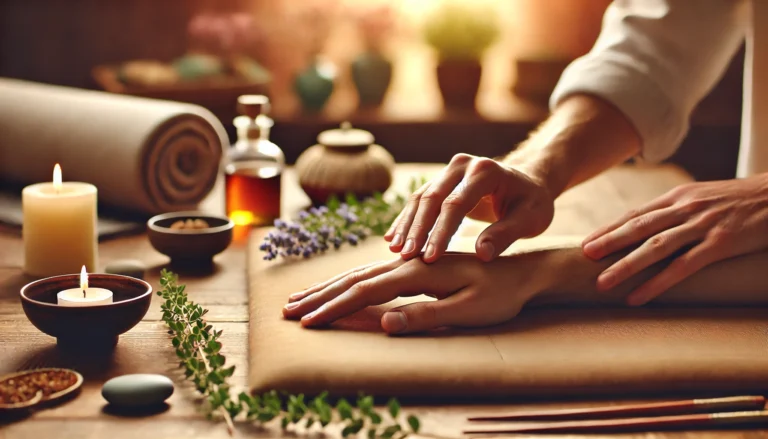
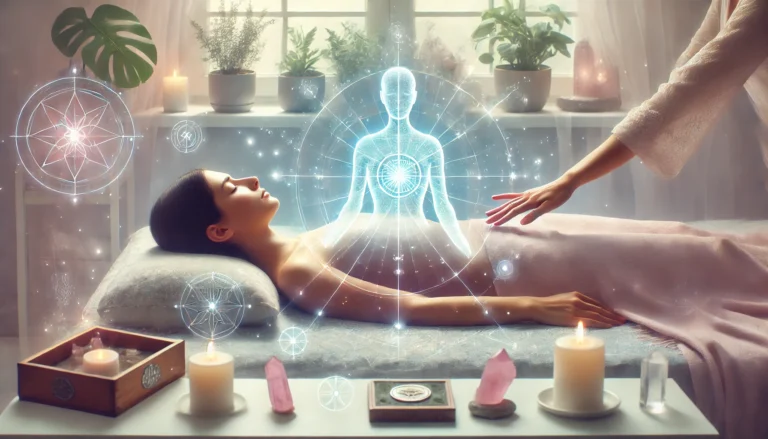
Essential Oils Uses: Natural Remedies for Stress Relief, Skin Care, and More

Essential oils uses extend far beyond pleasant scents they offer natural remedies for stress relief, skin health, focus, and more. In this article, you’ll explore how to use essential oils daily to support your body, mind, and overall well-being, using safe and effective methods rooted in nature.

What Are Essential Oils?

Essential oils are highly concentrated extracts from plants that capture their natural fragrance and healing properties. They are used in a variety of therapeutic applications and are commonly found in skincare products, diffusers, and massage oils. Each essential oil has its own unique properties, with some oils known for their relaxing qualities, while others are energizing or help improve focus.

Essential oils are commonly used in aromatherapy, a practice that uses the scents and properties of these oils to enhance mental and physical health. These oils can be inhaled, applied topically (when diluted), or even consumed in some cases (with caution and under the guidance of a professional) scientific overview of aromatherapy and essential oils.

Top Essential Oils and Their Uses

1. Lavender Essential Oil Uses

Lavender essential oil is one of the most versatile oils, known for its calming and soothing properties. Lavender oil uses include:

  • Promoting better sleep: Add a few drops of lavender to your pillow or diffuse it in your bedroom to improve sleep quality.
  • Reducing stress and anxiety: Lavender has natural calming effects, making it perfect for reducing feelings of stress or tension.
  • Soothing skin irritations: Lavender oil is often used to treat minor burns, bug bites, and acne due to its antibacterial and anti-inflammatory properties.

Lavender essential oil is a must-have in your wellness routine for its calming and healing effects.

2. Peppermint Essential Oil Uses

Peppermint essential oil has a refreshing, energizing scent and offers a variety of therapeutic benefits. Peppermint oil uses include:

  • Relieving headaches: Applying diluted peppermint oil to your temples can help relieve headache symptoms.
  • Soothing digestive issues: Peppermint oil can help ease bloating, indigestion, and nausea when ingested in small amounts or applied topically to the stomach area.
  • Boosting mental clarity and energy: Diffusing peppermint oil can help improve focus, reduce mental fatigue, and enhance alertness.

Peppermint essential oil is a go-to oil for both mental clarity and digestive support.

3. Eucalyptus Essential Oil Uses

Eucalyptus oil is widely known for its respiratory benefits. Eucalyptus essential oil uses include:

  • Clearing congestion: Eucalyptus oil helps open up the airways, making it a popular choice for treating colds, flu, and sinus infections.
  • Relieving muscle pain: Due to its anti-inflammatory and analgesic properties, eucalyptus oil is great for soothing sore muscles and joint pain.
  • Purifying the air: Eucalyptus oil has natural antimicrobial properties and can help purify the air, making it perfect for diffusing in the home.

Incorporating eucalyptus oil into your routine can help promote clear breathing and alleviate pain.

4. Tea Tree Essential Oil Uses

Tea tree essential oil is widely recognized for its antiseptic and antibacterial properties, making it a powerful oil for skincare. Tea tree oil uses include:

  • Treating acne: Tea tree oil can reduce acne-causing bacteria and help prevent breakouts when applied to the skin (diluted with a carrier oil).
  • Healing wounds and cuts: Tea tree oil can speed up the healing process of minor cuts, burns, and abrasions due to its antimicrobial properties.
  • Fighting fungal infections: Tea tree oil can be applied to treat fungal infections like athlete’s foot or nail fungus.

Tea tree oil is an essential addition to any skincare regimen due to its ability to fight bacteria and fungi naturally.

5. Lemon Essential Oil Uses

Lemon essential oil has a fresh, zesty scent and offers a wide range of benefits for both physical and emotional health. Lemon oil uses include:

  • Detoxifying the body: Lemon oil can support the body’s natural detoxification processes by stimulating the lymphatic system and boosting digestion.
  • Boosting mood and energy: Lemon oil is uplifting and energizing, helping to improve mood and mental clarity when diffused.
  • Cleaning and purifying: Lemon oil can be used as a natural disinfectant and surface cleaner, due to its antibacterial properties.

Lemon essential oil is a great tool for improving mood, detoxing, and keeping your environment clean.

6. Frankincense Essential Oil Uses

Frankincense essential oil has been used for centuries due to its powerful healing properties. Frankincense oil uses include:

  • Promoting relaxation: Frankincense is known for its ability to reduce stress, promote deep breathing, and calm the mind.
  • Supporting skin health: It is used in skincare to reduce the appearance of scars, stretch marks, and fine lines due to its regenerative properties.
  • Enhancing meditation: Frankincense has a grounding effect and is often used in spiritual practices, particularly meditation, to promote a sense of peace and focus.

Frankincense is perfect for promoting mental peace, rejuvenating the skin, and enhancing spiritual practices.

7. Rosemary Essential Oil Uses

Rosemary essential oil is known for its ability to improve memory and promote mental clarity. Rosemary oil uses include:

  • Enhancing cognitive function: Rosemary oil has been shown to improve focus, concentration, and memory retention when inhaled.
  • Stimulating hair growth: When massaged into the scalp, rosemary oil can help stimulate hair growth and prevent hair thinning.
  • Alleviating muscle pain: Like eucalyptus, rosemary oil has pain-relieving properties and can be used to soothe sore muscles or joint pain.

Rosemary essential oil is great for mental clarity, hair growth, and easing physical tension.

How Essential Oils Uses Safely

When using essential oils, it’s important to follow safety guidelines:

  • Dilute before use: Always dilute essential oils with a carrier oil (such as coconut, jojoba, or almond oil) before applying them to the skin to avoid irritation.
  • Inhalation: Use essential oils in a diffuser or steam inhalation to reap their benefits without direct contact with the skin.
  • Avoid ingestion: Only ingest essential oils if recommended by a healthcare professional. Some oils can be toxic when consumed in large quantities.
  • Patch test: Always perform a patch test before using an essential oil to check for allergic reactions.

By following these guidelines, you can enjoy the therapeutic benefits of essential oils safely.

FAQ

1. What is the safest way to apply essential oils on skin?

Always dilute essential oils with a carrier oil like jojoba or coconut oil before applying them topically. This reduces the risk of irritation and makes the oil easier to absorb.

2. Can I ingest essential oils for health benefits?

Some essential oils can be ingested, but only under the guidance of a certified healthcare provider. Not all oils are safe for internal use.

3. Which essential oil is best for anxiety and stress?

Lavender essential oil is widely used for its calming and relaxing properties. It’s one of the best options for reducing stress and improving sleep.

4. How often can I use essential oils in a diffuser?

You can diffuse essential oils daily, but it’s best to run the diffuser for 30–60 minutes at a time, then take a break to avoid overexposure.

5. Are essential oils safe for children and pets?

Some oils are safe, but many essential oils (like eucalyptus and peppermint) should be avoided for young children and pets. Always check safety guidelines first.

Disclaimer:

This post may contain affiliate links. If you purchase through them, we may earn a small commission at no extra cost to you. Also, this content is for informational purposes only and does not substitute professional medical advice.

Holistic Health

Embarking on a wellness journey is essential for individuals seeking to enhance their overall holistic health. This journey encompasses a commitment to improving one’s physical, mental, and emotional well-being, creating a more balanced lifestyle.


The Importance of a Wellness Journey

Embarking on a wellness journey is essential for individuals seeking to enhance their overall holistic health. This journey encompasses a commitment to improving one’s physical, mental, and emotional well-being, creating a more balanced lifestyle. Holistic health recognizes the interconnectedness of these aspects, advocating for an integrated approach that fosters lasting wellness.

One of the primary benefits of focusing on holistic health is the enhancement of physical health. Engaging in regular physical activities, maintaining a nutritious diet, and ensuring adequate rest can lead to improved bodily functions, increased energy levels, and a lower risk of chronic diseases. Additionally, the physical aspect of wellness positively affects mental health, as regular exercise has been shown to elevate mood and reduce stress, anxiety, and depression.

Moreover, a wellness journey encourages individuals to prioritize mental well-being. Practices such as mindfulness, meditation, and yoga play a vital role in cultivating a resilient mind. These techniques help individuals develop coping mechanisms for life’s challenges, enhancing emotional intelligence and overall mental clarity. Furthermore, the emphasis on emotional health fosters stronger relationships, which are crucial for a fulfilling life.

Support from community and peers is another critical element during this journey. Being part of a wellness-focused community provides encouragement, motivation, and valuable resources. Sharing experiences and learning from others can lead to personal growth and inspire commitment to lifelong wellness practices. It underlines the essential idea that wellness is not simply a goal to achieve but a continuous journey that evolves over time.

In conclusion, embracing a wellness journey impacts every facet of life, fostering a holistic approach to health that emphasizes the significance of balance and integration. By viewing wellness as an ongoing process, individuals can cultivate a healthier, more fulfilling life.


Mindful Breathing and Its Benefits

Mindful breathing is an essential practice that focuses on the awareness of one’s breath, promoting a state of calmness and mental clarity. This technique can significantly reduce stress levels and enhance overall well-being. By paying attention to each inhale and exhale, individuals can foster a stronger connection between mind and body, which is pivotal in the pursuit of holistic health.

Engaging in mindful breathing exercises can be incredibly beneficial. One common technique is diaphragmatic breathing, where one breathes deeply into the lower lungs by engaging the diaphragm. This method not only improves lung capacity, but it also activates the body’s relaxation response. To practice, find a comfortable position, close your eyes, and inhale deeply through the nose for a count of four, holding the breath for another four counts, and then exhaling slowly through the mouth for six counts. Repeating this cycle can help alleviate anxiety and promote a serene mental state.

Another effective exercise is the 4-7-8 breathing technique. This method involves inhaling through the nose for four seconds, holding the breath for seven seconds, and exhaling for eight seconds. This practice not only calms the nervous system but also encourages better sleep and aids in stress management. Adding such exercises to a daily routine can seamlessly integrate the practice of mindful breathing into one’s lifestyle.

To gain the maximum benefits from breathing exercises, it is advisable to set aside a specific time each day, whether during morning meditation or a quiet dinner break. Engaging in mindful breathing for just a few minutes can create a momentary escape from the pressures of life. Ultimately, by nurturing the practice of mindful breathing, individuals can enhance their focus, improve respiratory health, and cultivate a more balanced and fulfilling life.


Exploring Aromatherapy and Its Healing Properties

Aromatherapy is a holistic healing practice that utilizes the natural properties of essential oils to enhance physical, emotional, and spiritual well-being. Each essential oil possesses unique therapeutic qualities, derived from the plant’s leaves, flowers, bark, or roots. For instance, lavender essential oil is well-known for its calming effects, often employed to relieve stress and promote better sleep. Similarly, uplifting scents like citrus oils, such as sweet orange or bergamot, are charged with invigorating properties that can elevate mood and reduce feelings of anxiety.

The power of scent to influence human emotions has been recognized for centuries. Research indicates that certain aromas can trigger specific brain responses, which evoke emotions and memories. Consequently, incorporating essential oils into daily routines can create a supportive environment for mental clarity and relaxation. Peppermint oil, for example, can enhance focus and concentration, making it an excellent choice for students or professionals engaged in mentally demanding tasks.

To embrace the benefits of aromatherapy, individuals can utilize various methods of application. One of the most popular ways is through the use of diffusers, which disperse essential oil particles into the air, allowing for inhalation. This practice not only fills the space with delightful scents but also harnesses the therapeutic effects of the oils. Topical application is another effective avenue; essential oils can be mixed with carrier oils such as coconut or jojoba oil and gently massaged onto the skin. This not only provides a fragrant experience but also enables deeper absorption of the oils’ healing attributes.

>Including aromatherapy in self-care routines can further enhance its positive influence. Whether through a calming bath infused with essential oils or a mindful meditation session accompanied by soothing scents, the integration of these natural fragrances can create a holistic wellness journey. From enhancing mood to supporting physical well-being, the use of therapeutic essential oils in everyday life presents a simple yet profound way to center oneself and embrace a healthier lifestyle.


Holistic Healing Techniques: From Crystals to Yoga

Holistic healing techniques encompass a variety of practices that aim to restore balance and well-being by addressing the mind, body, and spirit. Among these methods, crystal healing stands out due to its use of naturally occurring gemstones known for their energetic properties. Practitioners believe that different crystals can resonate with specific chakras or energy centers in the body, potentially aiding in emotional healing, pain relief, and overall wellness. Commonly utilized crystals include amethyst for stress reduction and rose quartz for promoting self-love.

Another significant aspect of holistic health is naturopathy, which focuses on using natural remedies and lifestyle changes to improve health. Naturopathy emphasizes treating the root cause of ailments rather than merely alleviating symptoms. Techniques may include dietary adjustments, herbal medicine, and physical therapies that support the body’s innate ability to heal itself. This approach encourages individuals to embrace a healthier lifestyle as part of their wellness journey.

Pranic healing is an energy-based practice that facilitates physical and emotional healing by manipulating the body’s energy field. Practitioners utilize specific techniques to cleanse and balance energy, promoting optimal health and well-being. Through breathwork and visualization, one is encouraged to harness positive energy while releasing stagnant or negative energy, facilitating a holistic approach to healing.

Acupressure, a traditional Chinese medicine technique, utilizes pressure on specific points along the body’s meridians to promote healing and relieve stress. This technique is believed to enhance the flow of chi, or vital energy, helping to address various health concerns and improve overall well-being.

Finally, yoga combines physical postures, breathing exercises, and meditation to harmonize the body and mind. Regular practice is associated with numerous benefits, including increased flexibility, stress reduction, and enhanced mental clarity. Together, these techniques offer a comprehensive approach to holistic health, encouraging individuals to explore the interconnectedness of their well-being and find the practices that resonate most with them.


FAQ

1. What are the core principles of holistic health?

Holistic health focuses on treating the whole person body, mind, and spirit rather than just symptoms. It emphasizes balance, natural remedies, and lifestyle practices that support long-term wellness.

2. How does mindful breathing reduce stress?

Mindful breathing activates your parasympathetic nervous system, helping to slow your heart rate, lower blood pressure, and reduce stress hormones like cortisol.

3. Can aromatherapy really improve mood and sleep?

Yes, studies show that essential oils like lavender and bergamot can support relaxation, improve mood, and promote deeper sleep when used consistently.

4. Are holistic healing techniques scientifically backed?

Many are. Practices like yoga, meditation, and breathwork have strong scientific backing, while others like crystal healing are more spiritual or anecdotal in nature.

5. How do I start a holistic wellness routine at home?

Begin with small habits like daily breathing exercises, diffusing essential oils, or practicing yoga. Over time, build a routine that includes emotional self-care, proper nutrition, and movement.

Disclaimer:

This post may contain affiliate links. If you purchase through them, we may earn a small commission at no extra cost to you. Also, this content is for informational purposes only and does not substitute professional medical advice.


The Healing Power of Acupressure and Traditional Healing Practices

The Healing Power of Acupressure lies in its ability to activate the body’s natural healing mechanisms through gentle, targeted pressure. Acupressure and traditional healing practices have been used for centuries to promote physical, emotional, and spiritual well-being. Rooted in ancient wisdom, these techniques offer natural, non-invasive ways to address a variety of health concerns. Whether you’re looking to relieve pain, reduce stress, or boost your overall vitality, acupressure and traditional healing methods can be powerful tools in your wellness toolkit. Let’s explore how these practices work, their benefits, and how you can incorporate them into your daily life.


1. What is Acupressure? A Natural Approach to Pain Management

Acupressure is an ancient healing technique that has been used for thousands of years to help balance the body’s energy and promote physical well-being. By applying pressure to specific points on the body, known as acupoints, acupressure stimulates the body’s natural healing abilities and encourages the flow of Qi (life energy). Rooted in Traditional Chinese Medicine (TCM), acupressure works by unblocking energy pathways, known as meridians, that can become obstructed due to stress, injury, or illness.

This non-invasive practice involves using the fingers, palms, or elbows to apply pressure to certain areas of the body, which can help relieve pain, reduce tension, and improve energy flow. If you’re looking for natural ways to relieve pain, manage stress, or enhance your overall health, acupressure is a safe, effective, and accessible option.

References:

  • “Enhance your acupressure practice with an acupressure mat like the ProsourceFit Acupressure Mat and Pillow Set for targeted relief.”

Supplement suggestions:

  • “Support your body’s healing process with an herbal supplement like Traditional Medicinals Organic Ginger Tea to reduce inflammation.”

Recommended Course:

  • “Learn the basics of acupressure with the Acupressure for Beginners Course on Udemy.”

2. The Benefits of Acupressure

  1. Pain Relief: Acupressure is widely used for alleviating various types of pain, including headaches, back pain, neck pain, and joint discomfort. By targeting specific acupoints, acupressure can help to release tension , increase circulation, and reduce pain naturally.

  2. Reduces Stress and Anxiety: Acupressure has a calming effect on the nervous system, helping to reduce stress, anxiety, and promote relaxation. It’s an excellent method for managing daily stressors and promoting emotional wellness.

  3. Improves Energy Flow: By stimulating acupoints along the body’s meridians, acupressure helps to balance the flow of Qi, leading to improved overall energy levels and vitality. It’s a great practice for revitalizing your body and mind.

  4. Enhances Sleep Quality: Regular acupressure sessions can promote better sleep by relaxing the body and calming the mind. For those who struggle with insomnia or poor sleep quality, acupressure offers a natural, drug-free solution.

References:

  • “Try the Zyllion Shiatsu Back and Neck Massager for targeted acupressure relief at home.”

Supplement suggestions:

  • “Promote relaxation with a natural sleep aid like Olly Sleep Gummies.”

Recommended Course:

  • “Explore the Acupressure for Stress Relief Course on Mindbodygreen to learn techniques for calming the mind and body.”

3. Traditional Healing Practices: Ancient Wisdom for Modern Wellness

For thousands of years, traditional healing practices such as Ayurveda, herbal medicine, and energy healing have been used to promote holistic health and well-being. These time-tested methods focus on treating the root causes of imbalances within the body, rather than just alleviating symptoms. By addressing the mind, body, and spirit as interconnected, traditional healing practices offer a comprehensive approach to achieving wellness.

Today, many people are turning back to these ancient techniques as a natural alternative to modern medicine, seeking ways to boost immunity, improve digestion, and enhance energy levels. Whether you’re looking to manage stress, prevent illness, or restore balance, traditional healing methods provide safe, effective, and natural solutions.

Lorem ipsum dolor sit amet, consectetur adipiscing elit. Ut elit tellus, luctus nec ullamcorper mattis, pulvinar dapibus leo.

Key Traditional Healing Practices

  • Ayurveda: This ancient Indian system of medicine focuses on balancing the body’s doshas (energetic forces) to maintain health. Through personalized diets, herbs, lifestyle changes, and detoxifying treatments, Ayurveda seeks to restore harmony and optimize vitality.

  • Herbal Medicine: Herbal remedies have been used worldwide to treat a variety of ailments, from common colds to chronic conditions. By harnessing the power of plants, herbal medicine promotes healing, supports immunity, and can enhance overall wellness.

  • Energy Healing: Practices like Reiki and Qi Gong focus on balancing the body’s energy flow to promote emotional and physical health. These techniques clear blockages in the body’s energy channels (meridians) and restore the free flow of Qi (life energy), leading to improved vitality and inner peace.

References:

  • “Discover the power of Ayurveda with the AYURVEDIC LIVING COURSE on The Ayurvedic Institute.”

Supplement suggestions:

  • “Support your immune system with an herbal supplement like Gaia Herbs Echinacea Goldenseal.”

Recommended Course:

  • “Learn about herbal medicine with the Herbalism for Beginners Course on Herbal Academy.”

4. Combining Acupressure and Traditional Healing for Holistic Health

When it comes to achieving holistic health, combining acupressure with other traditional healing practices can significantly amplify their benefits. By integrating multiple methods such as Ayurvedic massage, herbal remedies, and energy healing, you can create a powerful synergy that promotes deep relaxation, supports detoxification, and enhances overall well-being. Each practice complements the other, addressing different aspects of health for a more balanced and effective approach.

How Acupressure Enhances Traditional Healing Practices

  • Acupressure and Ayurvedic Massage: Combining acupressure with Ayurvedic massage can deepen relaxation and improve circulation. While Ayurvedic massage uses specific oils and techniques to balance the body’s energies, acupressure targets specific acupoints to stimulate energy flow, helping to clear blockages and restore balance. Together, these practices promote detoxification, reduce stress, and support overall vitality.

  • Acupressure and Herbal Remedies: Pairing acupressure with herbal remedies can enhance the therapeutic effects of both. While acupressure stimulates the body’s natural healing energy, herbal remedies work internally to support health, such as boosting immunity or improving digestion. Together, they create a holistic approach that treats both the symptoms and the root causes of health imbalances.

  • Acupressure and Energy Healing: Acupressure can also be combined with energy healing practices like Reiki or Qi Gong. By focusing on balancing the body’s energy flow through acupressure and energy healing, you promote emotional and physical healing, improve circulation, and restore inner peace. The energy work helps to clear any blockages that acupressure might uncover, promoting a deeper sense of well-being.

References:

  • “Enhance your self-care routine with an Ayurvedic oil like Banyan Botanicals Daily Massage Oil.”

Supplement suggestions:

  • “Support detoxification with a liver-cleansing supplement like Milk Thistle by Pure Encapsulations.”

Recommended Course:

  • “Explore the Holistic Healing Practices Course on Gaia to learn how to combine acupressure, Ayurveda, and more.”

5. Acupressure for Common Ailments: A Natural Remedy

Acupressure is an ancient healing technique that uses targeted pressure on specific points of the body, known as acupoints, to relieve various ailments. By stimulating these points, acupressure helps balance the flow of Qi (life energy) throughout the body, promoting natural healing and wellness. If you’re looking for natural remedies for everyday health concerns, acupressure offers a simple, effective, and non-invasive solution to address a wide range of common ailments.

How Acupressure Helps with Common Ailments

  • Headaches: One of the most common uses of acupressure is to relieve headaches. To alleviate tension headaches, apply pressure to the “Union Valley” point, located between the thumb and index finger. This acupoint is believed to help reduce pain and tension in the head and neck, providing relief from headaches and migraines.

  • Digestive Issues: If you suffer from digestive discomfort such as bloating, indigestion, or constipation, acupressure can help. Stimulating the “Sea of Energy” point, located just below the navel, can help improve digestion by promoting the flow of energy and calming the digestive system. This simple technique can be particularly helpful after meals to support healthy digestion.

  • Fatigue: If you’re feeling tired or low on energy, acupressure can help you boost your vitality. Pressing the “Three Mile Point” on the lower leg, located about four finger widths below the knee, helps stimulate energy flow and increase stamina. This point is known for its ability to combat fatigue and enhance physical energy.

References:

  • “Use the Acupressure Pillow for Neck and Shoulder Pain to relieve tension and discomfort.”

Supplement suggestions:

  • “Support digestive health with a probiotic supplement like Garden of Life Dr. Formulated Probiotics.”

Recommended Course:

  • “Learn how to treat common ailments with the Acupressure for Everyday Health Course on Udemy.”

6. How to Incorporate Acupressure and Traditional Healing into Your Routine

ncorporating acupressure and traditional healing practices into your daily routine is simple and effective for improving overall wellness. Here are a few tips to get started:

  1. Practice Acupressure: Spend 5-10 minutes each morning practicing acupressure on key points like the “Third Eye” or “Sea of Energy” to improve focus and digestion.

  2. Use Herbal Teas or Supplements: Integrate herbal teas like ginger or peppermint, or supplements like turmeric, to support digestion, reduce stress, and boost immunity.

  3. Explore Traditional Healing: Consider adding Ayurveda or Reiki to your routine to enhance your wellness with personalized treatments and energy healing.

Tip: Consistency is key. Regular practice will help you experience lasting health benefits.

References:

  • “Start your day with a calming herbal tea like Yogi Tea Stress Relief.”

Supplement suggestions:

  • “Boost your energy levels with an adaptogenic herb like [Ashwagandha by Organic India.”

Recommended Course:

  • “Join the Introduction to Traditional Healing Course on Mindbodygreen to explore various holistic practices.”

Conclusion

Acupressure and traditional healing practices offer natural, effective ways to enhance your physical, emotional, and spiritual well-being. Whether you’re looking to relieve pain, reduce stress, or boost your overall vitality, these ancient techniques can help you achieve balance and harmony in your life. By incorporating acupressure, herbal remedies, and other traditional healing methods into your routine, you can unlock your body’s natural healing potential.


Call to Action:

“Ready to explore the healing power of acupressure and traditional practices? Check out our top-rated tools, supplements, and courses here and start your journey to holistic wellness today!”


FAQ

1. Is acupressure safe for everyone?

Yes, acupressure is generally safe for most people. However, if you are pregnant or have a medical condition (such as cancer, heart disease, or a blood clotting disorder), it’s important to consult with a healthcare provider before starting acupressure to ensure it’s safe for your specific health needs.

2. How long does it take to see results from acupressure?

Some people may feel immediate relief from acupressure, while others may need to practice consistently over a few weeks to notice significant improvements. The results depend on the condition being treated and the frequency of practice. Regular acupressure can help provide long-term benefits for pain management, stress relief, and overall wellness.

3. Can I combine acupressure with other treatments?

Absolutely! Acupressure can complement other treatments such as massage, acupuncture, herbal medicine, or Reiki. When combined with other therapies, acupressure can enhance the overall effectiveness and support your body’s healing process. It’s always best to consult with your healthcare provider to create a holistic wellness plan.

4. What are the best acupressure points for stress relief?

To relieve stress, try applying pressure to these effective acupressure points:
The “Third Eye” Point (between the eyebrows) helps calm the mind and reduce anxiety.
The “Inner Gate” Point (on the wrist) is excellent for relieving tension and promoting relaxation.
These points are easy to access and can help you relax quickly during stressful situations.

5. Do I need special training to practice acupressure?

No, you don’t need special training to practice basic acupressure techniques at home. Simple acupressure methods can be learned and applied with minimal guidance. However, if you want to deepen your knowledge and explore more advanced techniques, taking a course or working with a certified acupressure practitioner can enhance your practice and effectiveness.


Disclaimer

This article is for informational purposes only and is not intended to replace professional medical advice, diagnosis, or treatment. Always consult with a healthcare provider before starting any new fitness, supplement, or wellness routine, especially if you have pre-existing health conditions. Some links in this article are affiliate links, which means we may earn a small commission if you purchase through them at no extra cost to you. This helps support our work and allows us to continue providing valuable content. Thank you for your support!

Reiki Healing for Energy Balance and Holistic Restoration

Are you seeking a natural, non-invasive way to restore your energy and improve your overall well-being? Reiki Healing for Energy Balance offers a gentle, yet powerful approach to achieving wellness by focusing on the body’s energy system.


1. What is Reiki? A Natural Path to Energy Healing

If you’re seeking a natural path to energy healing, Reiki may be the perfect solution. Reiki is a gentle, non-invasive energy healing technique that involves the laying on of hands or hovering just above the body to channel healing energy. This technique was developed in Japan by Mikao Usui in the early 20th century and is based on the belief that energy flows through all living things. When this energy becomes unbalanced or blocked, it can lead to physical or emotional issues.

References:

  • “Learn more about Reiki with the book The Reiki Manual by Penelope Quest.”

Supplement suggestions:

  • “Support relaxation with a calming herbal tea like Traditional Medicinals Organic Chamomile Tea.”

Recommended Course:

  • “Start your Reiki journey with the Reiki Level 1 Certification Course on Udemy.”

2. The Rise of Reiki: A Growing Trend in Holistic Health and Wellness

Reiki is experiencing a surge in popularity as more people turn to holistic, non-invasive approaches for their health and wellness. Whether you’re dealing with stress, emotional challenges, or seeking general well-being, Reiki offers a gentle yet effective way to promote healing. Today, Reiki for emotional balance and physical health is offered in a variety of settings, making it more accessible than ever.

Where Can You Find Reiki?

  • Wellness Clinics: Many integrative health centers have embraced Reiki as a part of their holistic approach to healing. These clinics combine traditional medicine with alternative therapies like Reiki to promote overall well-being.

  • Hospitals: Surprisingly, Reiki in hospitals is becoming more common. It is often used to support patients who are undergoing surgery, chemotherapy, or cancer treatments, helping them manage stress, anxiety, and pain during their recovery process.

  • Private Practices: Many Reiki practitioners now offer individual sessions in private studios, spas, or even virtually, making it easier to receive treatment from the comfort of your home. Whether you’re looking for a one-on-one session or a group healing experience, you can find a variety of options available.

References:

  • “Find a certified Reiki practitioner with the International Association of Reiki Professionals Directory.”

Supplement suggestions:

  • “Promote relaxation with a magnesium supplement like Natural Vitality Calm.”

Recommended Course:

  • “Explore the Reiki for Beginners Course on Mindbodygreen to learn the basics of energy healing.”

3. Benefits of Reiki for Modern Living

  1. Promotes Relaxation: Reiki is known for its deeply calming effects, reducing stress and anxiety. The gentle nature of the treatment allows the body to relax deeply, which can help promote emotional wellness and provide relief from the pressures of daily life.

  2. Emotional Healing: If you’re dealing with emotional imbalances such as grief, anger, or fear, Reiki can help release these blocked emotions and restore emotional harmony. By promoting emotional healing through energy flow, Reiki helps you feel more centered and at peace.

  3. Physical Healing: Reiki can help accelerate the body’s natural healing process by supporting the immune system and improving energy circulation. It is often used to complement other treatments for pain relief, chronic conditions, or recovery from illness.

  4. Holistic Well-Being: Reiki is a holistic practice that nurtures the mind, body, and spirit. It works on all levels physical, emotional, mental, and spiritual helping you achieve a balanced and healthier life.

If you’re searching for a gentle and non-invasive way to restore balance and promote healing, Reiki is an excellent choice. It provides a nurturing, safe, and effective method to support your overall wellness and emotional well-being.

References:

  • “Try the Reiki Energy Healing Music Playlist on Spotify to enhance your Reiki practice.”

Supplement suggestions:

  • “Support emotional balance with an adaptogenic herb like Ashwagandha by Organic India.”

Recommended Course:

  • “Learn about the benefits of Reiki with the Reiki for Stress Relief Course on Udemy.”

4. How Reiki Healing for Energy Balance Works

Reiki is an energy healing practice that balances the body’s energy fields to promote natural healing. While it’s rooted in spiritual principles, scientific studies suggest Reiki may have measurable effects on the body. Research has shown that Reiki can help: Reiki reduces cortisol levels and anxiety in cardiac patients

  1. Reduce Stress Hormones: Reiki induces relaxation, lowering stress hormones like cortisol.
  2. Improve Heart Rate Variability: Reiki can improve heart rate variability, promoting emotional regulation and resilience.
  3. Promote Relaxation: Reiki helps calm the nervous system, encouraging healing and reducing anxiety.

Reiki works by restoring balance to the body’s energy centers, helping it heal naturally. Whether you’re seeking stress relief, emotional healing, or overall wellness, Reiki is a gentle, non-invasive solution.

References:

  • “Read about the science of energy healing in the book The Energy Healing Experiments by Gary Schwartz.”

Supplement suggestions:

  • “Support relaxation with a stress-relief supplement like Olly Goodbye Stress Gummies.”

Recommended Course:

  • “Explore the Science of Energy Healing Course on Mindbodygreen to learn more about the research behind Reiki.”

5. How to Incorporate Reiki into Your Life: A Simple Guide for Everyday Healing

Incorporating Reiki healing into your daily life is easier than you might think. Whether you’re receiving sessions from a practitioner or practicing self-Reiki, there are simple and effective ways to bring Reiki into your routine. Here are some tips to help you get started:

1. Find a Certified Reiki Practitioner

If you’re new to Reiki, it’s helpful to begin by seeking guidance from a certified Reiki practitioner. Look for someone with positive reviews and proper training in your area or online. Reiki sessions with a professional can give you insight into the practice and help you understand how energy healing works.

2. Learn Self-Reiki

A great way to practice Reiki daily is by learning self-Reiki. You can start by taking a Reiki Level 1 course, which will teach you how to channel energy to yourself. This can be especially helpful for managing daily stress, promoting relaxation, and supporting emotional health. Once you’re trained, you can practice Reiki on yourself anytime you need healing or balance.

3. Create a Calm and Sacred Space

A peaceful environment is key to any healing practice. Designate a quiet area at home for your Reiki practice or meditation. Whether it’s a cozy corner with soft lighting or a dedicated room, a calm space will help you focus, relax, and connect with the energy around you. Consider adding calming elements like candles, crystals, or soft music to enhance your experience.

4. Combine Reiki with Other Wellness Practices

For enhanced benefits, consider pairing Reiki with other healing practices like yoga, meditation, or aromatherapy. Yoga helps to align the body’s energy flow, while meditation deepens your relaxation and focus. Aromatherapy, with the use of essential oils, can complement Reiki by helping to calm your mind and emotions. Combining these practices creates a more holistic approach to emotional and physical wellness.

5. Make Reiki Part of Your Routine

Once you’re familiar with the basics, integrate Reiki into your daily routine. You can perform short self-Reiki sessions in the morning to start your day with a sense of calm or use it in the evening to relax before bed. By regularly practicing Reiki, you’ll strengthen your ability to channel healing energy, making it a natural part of your self-care regimen.

6. Stay Open to the Energy

Reiki works best when you remain open to the process and trust that the energy will flow where it’s most needed. Don’t stress about whether you’re doing it “right.” Reiki isn’t about perfection; it’s about allowing yourself to be a channel for healing energy and trusting the process.

References:

  • “Try the Reiki Self-Healing Guide by Diane Stein to learn self-Reiki techniques.”

Supplement suggestions:

  • “Support your energy levels with a plant-based protein powder like Garden of Life Sport Organic Plant-Based Protein.”

Recommended Course:

  • “Join the Reiki Self-Healing Course on Udemy to learn how to practice Reiki on yourself.”

Conclusion

Reiki healing offers a gentle yet powerful way to restore balance and promote overall well-being. By incorporating Reiki into your life, you can reduce stress, alleviate pain, and enhance your physical, emotional, and spiritual health. Whether you’re new to Reiki or looking to deepen your practice, this ancient healing art provides a holistic path to wellness that aligns perfectly with modern living.


Call to Action:

“Ready to experience the benefits of Reiki? Explore our top-rated books, courses, and tools here and start your journey to energy balance and wellness today!”


FAQ

1. Is Reiki safe for everyone?

Yes, Reiki is safe and non-invasive, making it suitable for people of all ages and health conditions.

2. How long does it take to feel the effects of Reiki?

Some people feel immediate relaxation, while others notice gradual improvements over multiple sessions.

3. Can I practice Reiki on myself?

Absolutely! Learning self-Reiki is a great way to incorporate energy healing into your daily routine.

4. Do I need special training to receive Reiki?

No, anyone can receive Reiki from a certified practitioner. However, training can help you practice self-Reiki or become a practitioner.

5. Can Reiki replace conventional medical treatment?

Reiki is a complementary therapy and should not replace medical treatment. Always consult your healthcare provider for medical concerns.


Disclaimer

This article is for informational purposes only and is not intended to replace professional medical advice, diagnosis, or treatment. Always consult with a healthcare provider before starting any new wellness or healing practice, especially if you have pre-existing health conditions. Some links in this article are affiliate links, which means we may earn a small commission if you purchase through them at no extra cost to you. This helps support our work and allows us to continue providing valuable content. Thank you for your support!

Pranic Healing for Emotional Wellness: A Holistic Approach to Inner Balance

Pranic Healing for emotional wellness is more than just an energy technique it’s a powerful path to inner peace in a world that rarely slows down. With emotional stress, anxiety, and negativity affecting so many of us, this ancient healing system offers a gentle yet effective way to cleanse emotional blockages and restore balance. Rooted in the natural energy flow of the body, Pranic Healing helps release trapped emotions, reduce mental clutter, and cultivate a deeper sense of calm. If you’re seeking a holistic solution for emotional healing without medications or invasive methods, Pranic Healing might be the transformative support your soul has been searching for.


1. What is Pranic Healing? A Path to Emotional Balance

Pranic Healing is a no-touch energy healing system developed by Master Choa Kok Sui, a spiritual teacher and energy healer. It is based on the belief that the body has an inherent ability to heal itself when its energy system is balanced and free from blockages. The practice works by cleansing, energizing, and balancing the body’s energy centers (chakras) and energy fields (aura) to promote physical, emotional, and mental health.

The term “Pranic” comes from the word “prana,” which refers to life energy or vital force that flows through all living things. This energy is essential for sustaining life and maintaining health. When the body’s energy is flowing freely and is in balance, the body’s systems can function optimally. However, stress, negative emotions, injuries, or illness can disrupt the natural flow of energy, leading to physical or emotional distress.

Pranic Healing helps to clear these disruptions and restore harmony, thus supporting the body’s natural healing abilities.

References:

  • “Learn more about Pranic Healing with the book Pranic Healing: Your Hands Can Heal You by Master Choa Kok Sui.”

Supplement suggestions:

  • “Support your emotional wellness with a calming herbal supplement like Gaia Herbs Calm A.S.A.P.”

Recommended Course:

  • “Start your journey with the Basic Pranic Healing Course on the Pranic Healing Global Website.”

2. How Pranic Healing Works for Emotional Wellness

Are you looking for a natural and non-invasive way to restore emotional balance? Pranic Healing for emotional wellness could be the answer you’ve been searching for. By focusing on the energy within the body, this powerful technique helps release negative emotions and replace them with fresh, positive energy.

When emotions like anger, sadness, or fear are trapped in the energy field, they can cause emotional and physical distress. Pranic Healing
for stress relief
clears these negative energy blocks from the aura and chakras, leaving you with a sense of peace and emotional clarity. It’s a holistic approach that helps you reconnect with your inner self, creating space for healing and emotional growth.

Whether you’re struggling with past trauma or simply feeling overwhelmed by life’s stresses, energy healing for emotional balance can guide you on your journey to emotional wellness. How to heal from emotional trauma with energy healing is a question many ask, and the answer lies in the power of Pranic Healing to address deep-rooted emotional wounds.

Pranic Healing isn’t just about releasing negative energy it’s about replacing it with positivity. By incorporating this practice into your wellness routine, you can experience lasting emotional healing. Imagine being able to overcome emotional baggage and step forward with a renewed sense of inner peace and strength.

As a wellness practitioner, you can also integrate Pranic Healing into your practice to help clients achieve better emotional wellness and balance. Whether you’re new to energy healing or looking to deepen your understanding, Pranic Healing offers a safe, effective, and transformative way to help you and your clients achieve emotional harmony.

Are you ready to let go of old emotional patterns and embrace a more balanced life? Pranic Healing might be the key to unlocking the emotional wellness you deserve.

References:

  • “Enhance your practice with a set of Pranic Healing Crystals to amplify energy cleansing.”

Supplement suggestions:

  • “Promote emotional balance with an adaptogenic herb like Ashwagandha by Organic India.”

Recommended Course:

  • “Deepen your understanding with the Advanced Pranic Healing Course on the Pranic Healing Global Website.”

3. Benefits of Pranic Healing for Emotional Health

Are you looking for natural ways to boost your emotional health? Pranic Healing for emotional wellness offers a wide range of benefits that help you achieve emotional balance and a sense of inner peace. By working on the energy centers (chakras) and aura, Pranic Healing clears negative energy and promotes positive emotional well-being. Here’s how this transformative practice can benefit your emotional health:

  1. Stress Relief: One of the key benefits of Pranic Healing for emotional health is its ability to alleviate stress and anxiety. By clearing energy blockages that contribute to stress, it helps you feel more relaxed and at ease.

  2. Emotional Release: We often carry trapped emotions like grief, anger, and fear. These emotions can affect our mental and physical health. Pranic Healing therapy for emotional release targets these negative energy patterns, allowing you to let go of past pain and heal emotionally.

  3. Inner Peace: Emotional stability is essential for overall well-being. Pranic Healing for emotional balance helps calm the mind, reduce emotional turmoil, and promote a sense of inner peace. It encourages mental clarity and emotional resilience, so you can stay grounded during difficult times.

  4. Improved Relationships: Negative energy not only affects us personally but can also impact our relationships. Energy healing for improved relationships works by clearing energy patterns that cause misunderstandings, conflicts, or emotional distance, leading to healthier and more harmonious connections.

If you’re seeking natural ways to improve your emotional health and restore your emotional equilibrium, Pranic Healing for emotional wellness is a powerful tool to consider. Whether you’re struggling with stress, emotional trauma, or simply looking to improve your well-being, Pranic Healing can support your journey toward emotional healing and vitality.

References:

  • “Create a calming space for healing with an essential oil diffuser like the URPOWER Essential Oil Diffuser.”

Supplement suggestions:

  • “Support relaxation with a magnesium supplement like Natural Vitality Calm.”

Recommended Course:

  • “Explore the Pranic Healing for Emotional Wellness Course on Udemy to learn specific techniques for emotional healing.”

4. Pranic Healing Techniques for Emotional Wellness

Are you looking for simple and effective ways to support your emotional wellness? Pranic Healing for emotional balance offers easy techniques that you can practice at home to promote emotional health and well-being. These techniques focus on clearing negative energy and balancing your energy centers to help release emotional stress. Here are some Pranic Healing techniques to get started:

  1. Energy Cleansing: One of the foundational practices in Pranic Healing is energy cleansing. Simply sweep your hands around your aura to remove negative energy and clear any blockages that may be contributing to emotional distress. This helps you feel lighter and more at ease.

  2. Chakra Balancing: Chakra balancing is an important aspect of emotional healing. To practice this technique, visualize bright, positive energy flowing into your chakras. As you breathe deeply, imagine each energy center being filled with healing energy, promoting emotional stability and inner peace.

  3. Emotional Release Meditation: A powerful way to release trapped emotions is through emotional release meditation. Focus on specific emotions like anger, fear, or sadness while breathing deeply and consciously letting go of those feelings. This meditation helps free emotional blockages, allowing you to feel more centered and emotionally balanced.

  4. If you’re wondering how to start practicing Pranic Healing, these techniques are a great introduction to enhancing your emotional wellness. By incorporating these practices into your routine, you’ll be on your way to emotional healing and overall well-being.

References:

  • “Use a guided meditation app like Insight Timer to support your Pranic Healing practice.”

Supplement suggestions:

  • “Enhance your meditation practice with a calming tea like Traditional Medicinals Organic Chamomile Tea.”

Recommended Course:

  • “Learn step-by-step techniques with the [ranic Healing Self-Healing Course on the Pranic Healing Global Website.”

5. Combining Pranic Healing with Other Wellness Practices

Are you looking for a holistic approach to emotional wellness? Combining Pranic Healing for emotional balance with other wellness practices can significantly enhance its benefits, creating a powerful synergy that promotes deep healing and emotional stability. By integrating Pranic Healing with these complementary therapies, you can experience a more balanced and harmonious life. Here’s how you can combine Pranic Healing with other practices for optimal emotional wellness:

  1. Yoga: Yoga is a fantastic companion to Pranic Healing. The physical movements in yoga help balance the chakras and improve energy flow throughout the body. By practicing yoga for emotional wellness, you can support the energy work done in Pranic Healing and promote emotional and physical balance.

  2. Meditation: Meditation is a key practice in both emotional healing and spiritual growth. Pranic Healing meditation techniques deepen your relaxation, helping you release trapped emotions and stress. By incorporating meditation into your routine, you can enhance your emotional release process and create a deeper sense of inner peace.

  3. Aromatherapy: Essential oils have long been known for their therapeutic benefits, especially for emotional healing. By using aromatherapy for emotional wellness, you can complement Pranic Healing’s energy-clearing techniques. The calming scents of essential oils can help soothe the mind, release emotional blockages, and promote relaxation.

If you’re searching for a comprehensive and effective way to support your emotional wellness, combining Pranic Healing with yoga, meditation, and aromatherapy offers a well-rounded and powerful approach to healing. These practices, when used together, create a holistic pathway to emotional balance, healing, and overall well-being.

References:

  • “Try the Gaiam Yoga Mat for a comfortable surface to practice yoga and meditation.”

Supplement suggestions:

  • “Support your energy levels with a plant-based protein powder like Garden of Life Sport Organic Plant-Based Protein.”

Recommended Course:

  • “Explore the Holistic Wellness Practices Course on Mindbodygreen to learn how to integrate Pranic Healing with other modalities.”

Conclusion

Pranic Healing is a powerful and accessible way to support emotional wellness. By clearing negative energy, balancing the chakras, and promoting inner peace, this ancient practice can help you heal emotional wounds, reduce stress, and cultivate a sense of calm. Whether you’re new to energy healing or looking to deepen your practice, Pranic Healing offers tools and techniques to transform your emotional health.


Call to Action:

“Ready to experience the transformative power of Pranic Healing? Explore our top-rated books, courses, and tools here and start your journey to emotional wellness today!”


FAQ

1. Is Pranic Healing safe for everyone?

Yes, Pranic Healing is safe and non-invasive. However, if you have severe emotional or mental health concerns, consult a healthcare professional.

2. How long does it take to see results from Pranic Healing?

Some people feel immediate relief, while others may notice gradual improvements over a few sessions.

3. Can I practice Pranic Healing on myself?

Absolutely! Pranic Healing includes self-healing techniques that you can practice at home.

4. Do I need special training to practice Pranic Healing?

While basic techniques can be learned quickly, taking a course can help you master advanced methods.

5. Can Pranic Healing help with relationships?

Yes, by clearing negative energy patterns, Pranic Healing can improve communication and emotional connection in relationships.


Disclaimer

This article is for informational purposes only and is not intended to replace professional medical advice, diagnosis, or treatment. Always consult with a healthcare provider before starting any new wellness or healing practice, especially if you have pre-existing health conditions. Some links in this article are affiliate links, which means we may earn a small commission if you purchase through them at no extra cost to you. This helps support our work and allows us to continue providing valuable content. Thank you for your support!

Naturopathy

1. What is Naturopathy? A Natural Path to Healing

Naturopathy is a branch of alternative medicine that blends modern scientific knowledge with traditional healing practices. Naturopathic doctors (NDs) aim to treat the whole person, considering not just physical symptoms but also lifestyle, emotional well-being, and environmental factors that may contribute to illness. Their treatment methods prioritize natural therapies and lifestyle changes, which may include:

  • Herbal Medicine: The use of plants and plant extracts to promote healing.
  • Nutrition and Diet: Focus on a balanced diet to support health and prevent disease.
  • Homeopathy: The use of diluted substances to stimulate the body’s healing processes.
  • Physical Therapies: Such as hydrotherapy, massage, or acupuncture.
  • Mind-Body Techniques: Practices like meditation, yoga, and stress management to promote mental and emotional health.

References:

  • “Learn more about naturopathy with the book The Naturopathic Way by Christopher Vasey.”

Supplement suggestions:

  • “Support your immune system with an herbal supplement like Gaia Herbs Echinacea Goldenseal.”

Recommended Course:

  • “Start your journey with the Introduction to Naturopathy Course on Udemy.”

2. Why Wellness Clinics are Gaining Popularity

The rise of wellness clinics can be attributed to a growing awareness of holistic health and a desire for more personalized care. Traditional healthcare systems often focus on treating symptoms rather than addressing the root causes of health issues. Wellness clinics, on the other hand, take a more comprehensive approach, helping patients improve their overall quality of life by focusing on the body, mind, and environment.

Here are a few reasons why people are increasingly turning to wellness clinics:

  • Natural Healing: Many individuals are seeking natural treatments that don’t involve pharmaceuticals or invasive procedures.
  • Prevention Focus: Wellness clinics emphasize prevention and proactive health measures, helping patients avoid chronic diseases before they develop.
  • Personalized Care: Patients receive individualized treatment plans that cater to their unique health needs and goals.
  • Stress Relief: With increasing levels of stress in modern life, people are turning to wellness clinics for effective stress management and relaxation therapies.

References:

  • “Find a naturopathic doctor near you with the American Association of Naturopathic Physicians Directory.”

Supplement suggestions:

  • “Promote gut health with a probiotic supplement like [arden of Life Dr. Formulated Probiotics.”

Recommended Course:

  • “Explore the Holistic Wellness Practices Course on Mindbodygreen to learn about integrative health approaches.”

3. Key Benefits of Naturopathy and Wellness Clinics:

  • Personalized Care
    Naturopathy emphasizes individual care, recognizing that every person is unique. Naturopathic doctors take the time to understand your health history, lifestyle, and specific needs, crafting a customized wellness plan that works best for you. This holistic, patient-centered approach helps address the underlying causes of health issues, not just the symptoms.

  • Natural and Non-Invasive Treatments
    The therapies used in naturopathy tend to be gentle, non-invasive, and natural. This is especially appealing for individuals seeking alternative treatments to pharmaceutical drugs or those looking for ways to minimize side effects. Naturopathic treatments can complement conventional medical care or be used as a stand-alone option, depending on the individual’s preferences and health concerns.

  • Focus on Preventative Care
    One of the main goals of naturopathy is preventing illness before it occurs. By focusing on overall wellness, lifestyle improvements, and maintaining balance in the body, naturopathy helps individuals stay healthy long-term. Many naturopathic clinics emphasize nutrition, exercise, and stress management to prevent chronic diseases like heart disease, diabetes, and obesity.

  • Mind-Body Connection
    Naturopathic and wellness clinics understand the deep connection between mental and physical health. Many health issues, such as chronic pain, digestive problems, or skin conditions, can be exacerbated or triggered by stress, anxiety, or emotional imbalances. Naturopathy offers therapies that support mental well-being, like meditation, yoga, and mindfulness practices, which can help reduce stress and promote emotional healing.

  • Holistic Approach to Chronic Conditions
    For those dealing with chronic conditions that have not responded well to conventional treatments, naturopathy offers alternative therapies that can provide relief and improve quality of life. Conditions such as chronic fatigue, autoimmune disorders, digestive issues, and hormonal imbalances can benefit from a more comprehensive, natural approach to healing.

References:

  • “Try the Thorne Research Basic Detox Nutrients to support your body’s natural detoxification processes.”

Supplement suggestions:

  • “Support stress relief with an adaptogenic herb like Ashwagandha by Organic India.”

Recommended Course:

  • “Learn about the benefits of naturopathy with the Naturopathic Medicine Course on Udemy.”

4. Popular Services Offered at Naturopathy and Wellness Clinics:

  • Nutritional Counseling: A naturopathic doctor will often provide dietary advice to help with weight management, improve digestion, or manage chronic conditions.
  • Herbal Medicine: Custom herbal remedies that help support specific body systems, like the immune system, digestive system, or nervous system.
  • Acupuncture: A traditional Chinese medicine practice that uses tiny needles to promote energy flow and healing in the body.
  • Massage Therapy: Therapeutic massages that improve circulation, relieve tension, and promote relaxation.
  • Chiropractic Care: Spinal adjustments and musculoskeletal therapies that support the nervous system and help relieve pain. Hydrotherapy shows moderate evidence in relieving fibromyalgia pain and improving quality of life
  • Stress Management: Techniques like meditation, deep breathing, or mindfulness training to help manage stress and improve emotional health.

References:

  • “Explore IV therapy options with the Reviv Global IV Therapy Services.”

Supplement suggestions:

  • “Support detoxification with a liver-cleansing supplement like Milk Thistle by Pure Encapsulations.”

Recommended Course:

  • “Learn about functional medicine with the Functional Medicine for Beginners Course on Udemy.”

5. How to Choose the Right Wellness Clinic: Key Considerations for Your Health Journey

Choosing the right wellness clinic is an important decision that can significantly impact your overall health and well-being. With so many options available, it’s essential to consider a few critical factors to ensure that the clinic aligns with your needs, values, and goals. Here are the key elements to keep in mind when selecting a wellness clinic that’s right for you:

How to Choose the Right Wellness Clinic: A Quick Guide

When selecting a wellness clinic, keep these factors in mind:

  1. Accreditation and Licensing: Ensure the clinic and practitioners are licensed and certified for their services to guarantee safe, professional care.

  2. Services Offered: Choose a clinic that provides the treatments you need, such as herbal medicine, acupuncture, or nutritional counseling.

  3. Patient Reviews: Read testimonials and reviews to understand the clinic’s reputation and the effectiveness of its treatments.

  4. Personal Connection: Visit the clinic to ensure you feel comfortable, supported, and heard by the staff and practitioners.

  5. Location and Accessibility: Make sure the clinic is conveniently located for easy access to regular appointments.

  6. Cost and Insurance: Verify the pricing structure and whether the clinic accepts insurance or offers financing options.

By considering these key factors, you can choose the right wellness clinic that aligns with your health goals.

References:

  • “Find top-rated wellness clinics with the Wellness.com Directory.”

Supplement suggestions:

  • “Support overall health with a multivitamin like Garden of Life Vitamin Code.”

Recommended Course:

  • “Join the Holistic Health and Wellness Course on Mindbodygreen to learn how to choose the right clinic.”

Conclusion

Naturopathy and wellness clinics in America offer a holistic, personalized approach to health that addresses the root causes of illness and promotes overall well-being. By incorporating natural remedies, lifestyle changes, and preventive care, these clinics empower you to take control of your health. Whether you’re managing a chronic condition or simply looking to improve your quality of life, naturopathy provides a comprehensive path to wellness.


Call to Action:

“Ready to explore the benefits of naturopathy? Find top-rated wellness clinics, books, and courses here and start your journey to better health today!”


FAQ

1. Is naturopathy covered by insurance?

Some insurance plans cover naturopathic services, but coverage varies. Check with your provider for details.

2. Can naturopathy treat chronic conditions?

Yes, naturopathy can help manage chronic conditions by addressing underlying causes and promoting overall health.

3. How long does it take to see results with naturopathy?

Results vary, but many people notice improvements within a few weeks to months of starting treatment.

4. Are naturopathic doctors licensed?

Yes, licensed naturopathic doctors (NDs) complete rigorous training and are certified to practice.

5. Can I use naturopathy alongside conventional medicine?

Absolutely! Naturopathy can complement conventional treatments, but always consult your healthcare provider.


Disclaimer

This article is for informational purposes only and is not intended to replace professional medical advice, diagnosis, or treatment. Always consult with a healthcare provider before starting any new wellness or treatment plan, especially if you have pre-existing health conditions. Some links in this article are affiliate links, which means we may earn a small commission if you purchase through them at no extra cost to you. This helps support our work and allows us to continue providing valuable content. Thank you for your support!

Exit mobile version