Uncover the Secrets of Homemade Ant Killer Remedies

Have you ever found a trail of ants marching across your kitchen floor or sneaking into your pantry? It’s a situation almost everyone has encountered. Ants seem to find their way into the smallest cracks and crevices in our homes, becoming a persistent nuisance. But there’s no need to panic or resort to toxic chemicals to combat these tiny invaders. If you’re tired of using store-bought, chemical-laden ant killers, there’s a simpler, safer, and more effective way: homemade ant killers.

In this guide, we’ll introduce you to several natural remedies that use everyday ingredients you probably already have in your home. From borax for ants to diatomaceous earth and even peppermint oil for ants, we’ll cover the most effective solutions to not only eliminate ants but also keep them from returning. The best part? These remedies are completely DIY-friendly and completely safe for your family and pets. Let’s dive in!


1. Why Choose Homemade Ant Killer Over Store-Bought Solutions?

It’s tempting to reach for that bottle of chemical ant spray when you spot a trail of ants invading your kitchen or pantry. But before you do, consider this: many commercial ant killers contain harmful chemicals that can be dangerous for your health, pets, and the environment. From harsh insecticides to potentially toxic fumes, store-bought products can pose more of a risk than a solution.

Homemade ant killers, on the other hand, provide an effective, non-toxic alternative. Not only do they eliminate ants without putting your loved ones at risk, but they also save you money and help you avoid harsh chemicals. Natural remedies, such as borax for ants, diatomaceous earth, and essential oils like peppermint oil for ants, can be just as effective as chemical pesticides.

Moreover, using DIY solutions is a great way to customize your approach. Whether you want to create a homemade ant bait, a spray, or a simple powder solution, you can adapt your remedies based on what works best for your specific infestation.


2. The Magic of Borax for Ants: A Simple Yet Powerful Solution

When it comes to homemade ant killers, borax is one of the most popular and effective solutions. Borax, a naturally occurring mineral, is commonly found in many households as a laundry booster or cleaning agent. Its effectiveness in pest control lies in its ability to disrupt the digestive system of ants. When ants ingest borax, it interferes with their internal processes, eventually leading to death.

Borax is especially effective for dealing with sugar-loving ants, which are often the most common invaders in kitchens and pantries. The combination of sugar and borax works as a bait, luring ants into consuming it and carrying it back to the colony, where it can eliminate the queen and other ants.

Borax and Sugar Ant Bait Recipe:

To create your own homemade ant killer using borax, all you need is a few simple ingredients:

  • 1 cup of warm water
  • 1 tablespoon of borax
  • 1 tablespoon of sugar

Instructions:

  1. Begin by mixing the warm water, borax, and sugar until the borax dissolves completely.
  2. Soak cotton balls in the mixture and place them near ant trails or where you’ve seen ants entering your home.
  3. The sugar attracts the ants, and as they ingest the borax-laced bait, they will carry it back to their colony. It will gradually kill off the entire colony, including the queen.

Borax isn’t just for ants. You can use it to target a range of pests in your home, making it an excellent natural pest control option. However, be sure to keep borax out of reach of children and pets, as it can be toxic if ingested in large quantities.


3. Diatomaceous Earth: A Natural Barrier Against Ants

Diatomaceous earth (DE) is another highly effective, natural remedy for ants. This fine, powdery substance is made from the fossilized remains of diatoms, a type of algae. While it might look harmless, the microscopic particles in diatomaceous earth are sharp enough to puncture the exoskeletons of insects, including ants. Once the ants come into contact with DE, the sharp particles puncture their bodies, causing dehydration, which eventually leads to death.

Unlike chemical pesticides that can be harmful to humans and pets, diatomaceous earth for ants is completely safe for both. It can be used around food and pets without worry. Plus, it’s an excellent alternative if you prefer a non-toxic option that still gets the job done.

How to Use Diatomaceous Earth for Ants:

  • Sprinkle a light layer of diatomaceous earth around entry points, such as doorways, windowsills, and along ant trails.
  • Reapply the powder after rain or if it becomes wet, as moisture will reduce its effectiveness.
  • As the ants come into contact with the powder, the diatomaceous earth will begin to damage their exoskeletons, leading to dehydration and death.

4. Peppermint Oil for Ants: A Fragrant and Powerful Repellent

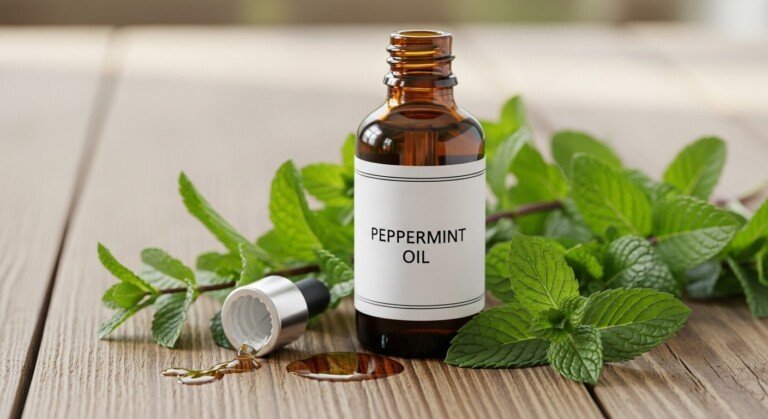
If you prefer to use something fragrant to deter ants, peppermint oil is your go-to natural remedy. Ants, like many insects, are highly sensitive to strong smells, and peppermint oil’s powerful scent makes it a great natural repellent. The aroma disrupts ants’ ability to communicate through pheromones, which they use to follow trails and locate food sources. When sprayed around your home, peppermint oil prevents ants from returning and helps to repel them before they can get inside.

Peppermint oil for ants is an excellent preventive measure and works best in combination with other methods like borax or diatomaceous earth.

Peppermint Spray Recipe:

To make your own peppermint oil spray, you will need:

Instructions:

  1. Fill your spray bottle with water and add the peppermint essential oil.
  2. Shake the bottle to mix the solution.
  3. Spray the solution around ant trails, entry points, and in areas where you’ve spotted ants. The strong, minty scent will deter ants and prevent them from coming back.

Not only will your home smell great, but you’ll also be able to keep ants away without worrying about harmful chemicals. You can even combine peppermint oil with other essential oils like tea tree or eucalyptus oil for added pest-repelling power.


5. Liquid Ant Bait: A Sweet, Deadly Trap

When it comes to targeting ants, liquid ant bait is an excellent option for getting rid of large colonies. The sweet scent of the bait attracts ants, who then carry the mixture back to the colony, where it can kill off the queen and the rest of the ants. The slow-acting nature of this homemade remedy ensures that ants will continue to transport the bait throughout the colony before they die.

How to Make Liquid Ant Bait:

For this recipe, you will need:

  • 1 cup of warm water
  • 1 tablespoon of borax or 10 drops of peppermint oil
  • 1 tablespoon of sugar or honey

Instructions:

  1. Combine the water, sugar, and borax or peppermint oil in a bowl and stir until the ingredients are well mixed.
  2. Soak cotton balls or small pieces of cloth in the mixture.
  3. Place the soaked cotton balls near the ants’ entry points or along their trail. The ants will be attracted to the sugar and carry the bait back to the nest, ultimately killing the entire colony.

This method is effective because it targets ants at their source, and by feeding it back to the colony, you ensure the infestation is completely eradicated.


6. Keep Your Home Clean: Ant-Proofing Tips to Prevent Future Infestations

While homemade remedies can effectively eliminate ants, prevention is key to ensuring you don’t face future infestations. Maintaining a clean environment and sealing potential entry points are essential for keeping ants out of your home.

Preventative Tips:

  • Seal entry points: Check windows, doors, and cracks in walls for gaps where ants may be entering. Use caulk or weather stripping to seal any openings.
  • Clean regularly: Ants are often drawn to crumbs and spilled food. Make sure your kitchen and pantry are cleaned regularly to remove any potential food sources.
  • Store food properly: Store all food in airtight containers, especially sweet or greasy foods that ants find irresistible.
  • Remove standing water: Ants need water, so eliminate any sources of standing water, such as leaky pipes or damp areas.

By combining these preventative steps with natural ant killers, you can ensure your home remains ant-free for the long term.


Conclusion: A Natural, DIY Approach to Ant Control

In conclusion, when it comes to eliminating ants from your home, homemade ant killers offer a safe, effective, and affordable solution. Whether you choose to use borax for ants, diatomaceous earth, peppermint oil for ants, or liquid ant bait, these remedies can help you control an ant infestation without the need for harmful chemicals. And by keeping your home clean and sealing potential entry points, you can prevent future infestations from occurring.


FAQs:

1: Is borax safe for pets and children?

While borax is a natural mineral, it can be harmful if ingested in large amounts. Keep borax-based remedies out of reach of pets and children.

2: How long does it take for diatomaceous earth to work on ants?

Diatomaceous earth can take several days to a week to fully eliminate ants, as it works by dehydrating them slowly over time.

3: Can I use peppermint oil to repel other insects besides ants?

Yes, peppermint oil is a great repellent for a variety of pests, including spiders, mice, and mosquitoes.

4: How often should I reapply homemade ant killers?

Reapply homemade remedies like peppermint spray or borax bait as needed, especially after rain or if the powder becomes wet.

5: What if my homemade ant killer doesn’t work?

If your DIY remedy doesn’t work, consider trying a combination of different methods or reapplying more frequently. If the infestation persists, it might be time to consult a professional.


Disclaimer:

This post may contain affiliate links. If you purchase through them, we may earn a small commission at no extra cost to you. Also, this content is for informational purposes only and does not substitute professional medical advice.

How to Make Aloe Essential Oil: 5 Proven Steps for Success

How to make Aloe essential oil is a rewarding process that allows you to tap into the healing properties of the Aloe plant. Whether you’re seeking relaxation, skincare benefits, or a natural way to relieve stress, learning how to make Aloe essential oil can elevate your wellness routine.


Introduction:

If you’ve ever walked into a room where a soothing aroma fills the air, you likely experienced the magic of essential oils. Their calming fragrances, healing properties, and ability to transform the atmosphere around you are undeniable. For years, I’d been using store-bought essential oils lavender for sleep, eucalyptus for clear breathing, and peppermint for a quick energy boost. But, the thought of making my own oils kept lingering in my mind. I wanted something more personal, more natural, and above all, something I could completely control.

Then, I stumbled upon Aloe essential oil, a truly magical elixir known for its calming and restorative effects on both the body and mind. From that moment on, I became obsessed with learning how to make Aloe essential oil an essential oil that isn’t just another product you buy off the shelf but one that you craft with your own hands.

The idea of creating your own essential oils intrigued me. I began wondering, “How do you make essential oils from plants?” How are essential oils made in the first place? These questions led me on an exciting journey to learn the art and science behind making oils at home. In this blog post, I’ll share my step-by-step guide on how to make Aloe essential oil and why it’s worth trying for yourself.

If you’ve been curious about how to make your own essential oils, I’ll walk you through everything you need to know, from picking the right plant to storing your finished product. Whether you’re a DIY enthusiast or just someone looking to elevate your wellness routine, this guide will help you craft your very own Aloe essential oil.


Aloe Essential Oil: Why It’s Worth Making Your Own

Before diving into the steps, let’s first understand why Aloe essential oil is worth the effort to create. The Aloe plant, renowned for its healing qualities, has been used for centuries for skin care and medicinal purposes. When turned into essential oil, it becomes a potent powerhouse that can be used in various ways whether for aromatherapy, skin care, or just to calm the mind.

But how exactly does one extract Aloe oil? How are essential oils made? While Aloe essential oil can be purchased in stores, there’s something incredibly rewarding about creating your own. Not only do you have full control over the ingredients, but you can also customize it to meet your exact needs. Whether you need a calming blend for stress relief or a hydrating oil for your skin, making your own Aloe essential oil allows you to adjust the potency and fragrance as you see fit.

Creating your own oils doesn’t just give you high-quality products, it also allows you to tap into the therapeutic power of plants. So, if you’ve been wondering how do you make essential oils at home, I’m here to share the process with you, step by step. And trust me, it’s much easier than you might think!


Step 1: Select the Right Aloe Plant for Essential Oil Extraction

The first and most important step when learning how to make Aloe essential oil is selecting the right plant. After all, the quality of the plant will directly impact the quality of the oil. When you’re crafting your own essential oils, this is crucial whether you’re wondering how to make your own essential oils in general or focusing specifically on Aloe.

Choosing the Best Aloe Plant

There are many types of Aloe plants, but Aloe Vera is by far the most popular for making essential oils due to its wide range of benefits. But how do you choose the right Aloe plant?

  • Age of the Plant: Older Aloe plants produce more mature, potent oils. Look for a plant that has been growing for at least 2-3 years for the best results.
  • Health of the Plant: Make sure the Aloe plant is free from pests, diseases, or damage. A healthy plant will yield better-quality oil.
  • Time of Harvest: Harvest Aloe leaves in the morning, after the plant has absorbed nutrients overnight. Avoid harvesting during the hottest parts of the day to ensure the plant’s natural oils are intact.

Once you’ve selected your plant, it’s time to get into the nitty-gritty of making your own essential oils. But before that, you might be wondering how do you make essential oils from plants like Aloe. Well, the extraction process is where the magic happens!


Step 2: The Extraction Methods – Cold Press vs. Steam Distillation

When it comes to making essential oils, one of the most common questions is how do you make essential oils and, specifically, how are essential oils made from different plant materials. There are two primary methods used to extract essential oils: cold pressing and steam distillation.

Cold Pressing for Citrus and Other Oils:

Cold pressing is the simplest method, where the oil is squeezed directly from the plant material. This technique is most commonly used for citrus fruits but can also work with Aloe, especially for creating infusions or when using Aloe gel. If you’re looking for a more gentle, lower concentration oil, cold pressing may be the way to go.

Steam Distillation – The Most Common Method:

The most common method for making Aloe essential oil is steam distillation. This method involves passing steam through the Aloe plant, causing the essential oils to evaporate and condense back into liquid form. The beauty of steam distillation is that it captures the purest form of the oil, making it the preferred method for high-quality Aloe essential oil production.

How are essential oils made with steam distillation? The plant material is placed in a distillation chamber where it’s exposed to steam. The steam causes the essential oil to evaporate. The vapor then travels through a condenser, which cools it back into liquid form. The result is a potent, high-quality essential oil that retains all the plant’s natural benefits.


Step 3: Preparing Aloe Leaves for Extraction

Now that you know the extraction methods, it’s time to prepare the Aloe leaves for the process. How do you make essential oils from Aloe? The first step in this process is to properly prepare the plant material. Just like you would when preparing Aloe gel for skincare, the preparation process is key to extracting the purest oils.

How to Prepare Your Aloe Leaves:

  1. Clean the Leaves: Wash your Aloe leaves thoroughly to remove any dirt or debris.
  2. Trim the Thorns: Aloe leaves have sharp edges, so be sure to trim these off before starting the extraction process.
  3. Cut the Leaves: Slice the leaves into smaller sections to allow for easier extraction. This helps release the oils and other plant compounds more effectively.

Once your leaves are prepped, you’re ready to begin the extraction process. Whether you’re using steam distillation or creating an infusion, this is the critical step for getting the most potent oils.


Step 4: Infusing Aloe with a Carrier Oil (Optional)

If you’re looking for a more subtle oil or want to create your own skin care blends, infusing Aloe with a carrier oil can be a great way to go. This method doesn’t create a highly concentrated essential oil but results in a gentler, multipurpose oil that’s perfect for topical use.

How to Infuse Aloe Gel into Carrier Oils:

  • Select Your Carrier Oil: Choose a carrier oil like jojoba, sweet almond, or coconut oil. These oils are great for skin care and will help dilute the Aloe oil to a safe strength.
  • Infuse the Aloe Gel: Cut your Aloe leaves, extract the gel, and mix it with the carrier oil in a glass jar. Let it sit in a warm place for 1-2 weeks, shaking gently every few days to help the infusion process.

This method is especially good if you want to use Aloe oil for skincare, as it can be easily applied to the skin without any harshness. It’s an excellent option for those who want to experiment with different carrier oils for various purposes.


Step 5: Storing and Bottling Your Aloe Essential Oil

Now that your Aloe essential oil is ready, whether through steam distillation or the infusion method, it’s important to store it correctly to preserve its potency and effectiveness. How do you make essential oils that last for a long time without losing their therapeutic properties? Proper storage is key.

How to Store Your Aloe Essential Oil:

  1. Use Dark Glass Bottles: Exposure to light can degrade essential oils over time. Always store your Aloe essential oil in dark-colored glass bottles (amber or cobalt blue). These bottles protect the oil from UV rays that could cause the oil to oxidize and lose its healing properties.
  2. Label the Bottle: Don’t forget to label your essential oil bottles with the date of production, the type of oil, and any additional ingredients used. This will help you keep track of your oils and ensure they’re used within a safe timeframe.
  3. Store in a Cool, Dark Place: Keep your bottles in a cool and dry place, away from direct sunlight and heat sources. A cupboard or drawer works perfectly. The cooler the environment, the longer your Aloe essential oil will last.

Once your Aloe essential oil is stored correctly, you can begin using it for a variety of purposes whether in your diffuser, added to skincare products, or simply as a relaxing aromatherapy treatment. But how long will it last?

How Long Does Homemade Aloe Essential Oil Last?

The shelf life of Aloe essential oil can vary depending on the method you use to make it. However, in general, properly stored Aloe oil can last anywhere from 1 to 2 years. Always check for signs of spoilage, such as a change in color or smell, and discard if it seems off.


Creative Uses for Your Homemade Aloe Essential Oil

Making Aloe essential oil is not just about the process it’s about how you can use this powerful oil in your everyday life. Whether you’re wondering how to make your own essential oils for relaxation, skincare, or healing purposes, Aloe essential oil is incredibly versatile. Here are some of the top ways to use Aloe essential oil once it’s made:

  1. Aromatherapy for Relaxation: Simply add a few drops of Aloe essential oil to your diffuser and let the calming aroma fill your space. The soothing fragrance is perfect for winding down after a long day or creating a peaceful atmosphere during meditation or yoga.
  2. Soothing Skin Care: Aloe essential oil is known for its skin-healing properties. Add a few drops to your regular moisturizer or mix it with a carrier oil to create a soothing balm for irritated skin or minor burns. It’s a great natural remedy for dry, sensitive skin!
  3. Homemade Cleaning Products: Aloe essential oil also has natural antibacterial and antifungal properties. Add it to your homemade cleaning solutions or air fresheners to freshen up your home with a natural, chemical-free alternative.
  4. Hair Care: If you suffer from dry scalp or want to boost your hair’s health, Aloe oil can be added to your shampoo or conditioner. It promotes a healthy scalp, reduces dandruff, and encourages soft, shiny hair.

Aromatherapy with Aloe Essential Oil: The Calming Benefits for Your Mind and Body

Aloe essential oil is more than just a tool for skincare or muscle relief it’s also a powerful addition to your aromatherapy routine. Inhaling essential oils can have a profound effect on our emotional well-being, and Aloe essential oil, with its soothing properties, is no exception. Whether you’re looking to relax after a long day, reduce stress, or create a peaceful atmosphere in your home, Aloe essential oil can help.

Why Use Aloe Essential Oil for Aromatherapy?

In aromatherapy, certain essential oils are used for their therapeutic effects on the mind and body. Aloe essential oil is particularly effective in promoting calmness and relaxation. Its gentle, mild fragrance can help soothe anxiety, reduce mental fatigue, and encourage restful sleep. The comforting scent is perfect for a night of unwinding or setting the tone for meditation or yoga.

How to Use Aloe Essential Oil in Aromatherapy:

  1. Diffusing Aloe Oil: The easiest way to incorporate Aloe essential oil into your aromatherapy routine is by using a diffuser. Simply add a few drops of Aloe essential oil to your diffuser along with water. Turn it on and let the soothing scent fill your space. This can help create a tranquil atmosphere that reduces stress and encourages relaxation.
  2. Inhalation Therapy: If you don’t have a diffuser, you can also benefit from the aromatherapy effects of Aloe essential oil by inhaling it directly. Add a drop or two of the oil to a tissue or cotton ball and inhale deeply. You can do this whenever you need a quick stress reliever or to center your mind.
  3. Aloe Oil Massage: Blend Aloe essential oil with a carrier oil like sweet almond or jojoba, and gently massage it into your temples, wrists, or the back of your neck. This can help reduce headaches and promote mental clarity during moments of stress.
  4. Bedtime Bliss: Add a few drops of Aloe essential oil to your pillow or bedsheets before sleep. The calming effects of the oil can help you drift into a restful sleep, easing any worries or tension before bedtime.

By incorporating Aloe essential oil into your aromatherapy routine, you’re not just creating a peaceful environment you’re also taking care of your emotional and mental health. Whether you use it to ease your mind before bed, alleviate stress during the day, or bring balance during your yoga practice, Aloe essential oil is a gentle yet effective remedy.


Additional Tips for Making Aloe Essential Oil

If you’re new to essential oils and have been wondering how to make your own essential oils from plants like Aloe, there are a few additional tips that might make the process smoother and more successful:

  • Start Small: If this is your first time making Aloe essential oil, start with a small batch. This way, you can experiment and adjust your methods without wasting too many materials.
  • Use Fresh, Organic Plants: The best oils come from the freshest, most organic plants. Make sure your Aloe plant is free from pesticides and chemicals.
  • Be Patient: Whether you’re using steam distillation or infusing the oil, the process takes time. Be patient and let the oil fully extract to ensure you’re getting the most potent version of Aloe essential oil possible.

Why Aloe Essential Oil Is So Special

As we reach the final stages of crafting your Aloe essential oil, it’s important to understand why this particular oil is so special. While there are hundreds of essential oils out there, Aloe essential oil stands out for its ability to support both mental and physical health. But what sets Aloe essential oil apart from other oils?

Benefits of Aloe Essential Oil:

  • Stress Relief: Aloe essential oil has a calming effect on the mind and body. It helps reduce anxiety and promotes a sense of tranquility, making it ideal for stress relief and emotional balance.
  • Skin Healing: Just like the Aloe plant gel, Aloe essential oil is fantastic for soothing skin irritations, burns, and cuts. It helps regenerate skin cells, making it a natural remedy for scars, acne, and other skin conditions.
  • Anti-Inflammatory: Aloe essential oil has anti-inflammatory properties that can help reduce swelling and discomfort, especially in cases of joint pain or muscle soreness.

Given all of these benefits, it’s no wonder Aloe essential oil is a go-to in many natural health and wellness routines. By learning how to make your own essential oils, you’re tapping into the full potential of this incredibly versatile oil.


Conclusion: Embrace the Power of DIY Essential Oils

Now that you know how to make Aloe essential oil and the steps involved, it’s time to start your own journey of crafting oils. The process of making your own essential oils is empowering, allowing you to create products that cater to your unique needs. Whether you’re interested in stress relief, skincare, or just the simple joy of creating something natural, Aloe essential oil can be a transformative addition to your wellness routine.

If you’ve been asking yourself, how do you make essential oils at home, I hope this guide gives you the tools and confidence to begin. It’s not as difficult as it might seem, and the results are worth every drop.

Ready to take your wellness journey to the next level? Explore our related resources for more tips on essential oils, DIY skincare, and wellness products. Plus, check out our free quiz to discover which essential oils best suit your needs and lifestyle!


FAQ

1. What is Aloe essential oil used for?

Aloe essential oil is primarily used for soothing skin irritations, reducing stress, and promoting relaxation. It’s also great for moisturizing and healing dry skin.

2. How do you make Aloe essential oil?

Aloe essential oil is made through steam distillation or infusion with a carrier oil. The process involves extracting the oils from the Aloe plant to create a potent oil.

3. How do I store my homemade Aloe essential oil?

Store Aloe essential oil in dark glass bottles, away from sunlight and heat, in a cool, dry place. Proper storage will keep the oil fresh for 1-2 years.

4. Can I use Aloe essential oil for my hair?

Yes! Aloe essential oil can be added to hair care products to soothe the scalp, reduce dandruff, and promote hair growth.

5. Is Aloe essential oil safe for topical use?

Yes, Aloe essential oil is safe for topical use when diluted with a carrier oil. Always patch test before full use to ensure no allergic reactions occur.

Disclaimer:

This post may contain affiliate links. If you purchase through them, we may earn a small commission at no extra cost to you. Also, this content is for informational purposes only and does not substitute professional medical advice.

Essential Oils Uses: Natural Remedies for Stress Relief, Skin Care, and More

Essential oils uses extend far beyond pleasant scents they offer natural remedies for stress relief, skin health, focus, and more. In this article, you’ll explore how to use essential oils daily to support your body, mind, and overall well-being, using safe and effective methods rooted in nature.

What Are Essential Oils?

Essential oils are highly concentrated extracts from plants that capture their natural fragrance and healing properties. They are used in a variety of therapeutic applications and are commonly found in skincare products, diffusers, and massage oils. Each essential oil has its own unique properties, with some oils known for their relaxing qualities, while others are energizing or help improve focus.

Essential oils are commonly used in aromatherapy, a practice that uses the scents and properties of these oils to enhance mental and physical health. These oils can be inhaled, applied topically (when diluted), or even consumed in some cases (with caution and under the guidance of a professional) scientific overview of aromatherapy and essential oils.

Top Essential Oils and Their Uses

1. Lavender Essential Oil Uses

Lavender essential oil is one of the most versatile oils, known for its calming and soothing properties. Lavender oil uses include:

  • Promoting better sleep: Add a few drops of lavender to your pillow or diffuse it in your bedroom to improve sleep quality.
  • Reducing stress and anxiety: Lavender has natural calming effects, making it perfect for reducing feelings of stress or tension.
  • Soothing skin irritations: Lavender oil is often used to treat minor burns, bug bites, and acne due to its antibacterial and anti-inflammatory properties.

Lavender essential oil is a must-have in your wellness routine for its calming and healing effects.

2. Peppermint Essential Oil Uses

Peppermint essential oil has a refreshing, energizing scent and offers a variety of therapeutic benefits. Peppermint oil uses include:

  • Relieving headaches: Applying diluted peppermint oil to your temples can help relieve headache symptoms.
  • Soothing digestive issues: Peppermint oil can help ease bloating, indigestion, and nausea when ingested in small amounts or applied topically to the stomach area.
  • Boosting mental clarity and energy: Diffusing peppermint oil can help improve focus, reduce mental fatigue, and enhance alertness.

Peppermint essential oil is a go-to oil for both mental clarity and digestive support.

3. Eucalyptus Essential Oil Uses

Eucalyptus oil is widely known for its respiratory benefits. Eucalyptus essential oil uses include:

  • Clearing congestion: Eucalyptus oil helps open up the airways, making it a popular choice for treating colds, flu, and sinus infections.
  • Relieving muscle pain: Due to its anti-inflammatory and analgesic properties, eucalyptus oil is great for soothing sore muscles and joint pain.
  • Purifying the air: Eucalyptus oil has natural antimicrobial properties and can help purify the air, making it perfect for diffusing in the home.

Incorporating eucalyptus oil into your routine can help promote clear breathing and alleviate pain.

4. Tea Tree Essential Oil Uses

Tea tree essential oil is widely recognized for its antiseptic and antibacterial properties, making it a powerful oil for skincare. Tea tree oil uses include:

  • Treating acne: Tea tree oil can reduce acne-causing bacteria and help prevent breakouts when applied to the skin (diluted with a carrier oil).
  • Healing wounds and cuts: Tea tree oil can speed up the healing process of minor cuts, burns, and abrasions due to its antimicrobial properties.
  • Fighting fungal infections: Tea tree oil can be applied to treat fungal infections like athlete’s foot or nail fungus.

Tea tree oil is an essential addition to any skincare regimen due to its ability to fight bacteria and fungi naturally.

5. Lemon Essential Oil Uses

Lemon essential oil has a fresh, zesty scent and offers a wide range of benefits for both physical and emotional health. Lemon oil uses include:

  • Detoxifying the body: Lemon oil can support the body’s natural detoxification processes by stimulating the lymphatic system and boosting digestion.
  • Boosting mood and energy: Lemon oil is uplifting and energizing, helping to improve mood and mental clarity when diffused.
  • Cleaning and purifying: Lemon oil can be used as a natural disinfectant and surface cleaner, due to its antibacterial properties.

Lemon essential oil is a great tool for improving mood, detoxing, and keeping your environment clean.

6. Frankincense Essential Oil Uses

Frankincense essential oil has been used for centuries due to its powerful healing properties. Frankincense oil uses include:

  • Promoting relaxation: Frankincense is known for its ability to reduce stress, promote deep breathing, and calm the mind.
  • Supporting skin health: It is used in skincare to reduce the appearance of scars, stretch marks, and fine lines due to its regenerative properties.
  • Enhancing meditation: Frankincense has a grounding effect and is often used in spiritual practices, particularly meditation, to promote a sense of peace and focus.

Frankincense is perfect for promoting mental peace, rejuvenating the skin, and enhancing spiritual practices.

7. Rosemary Essential Oil Uses

Rosemary essential oil is known for its ability to improve memory and promote mental clarity. Rosemary oil uses include:

  • Enhancing cognitive function: Rosemary oil has been shown to improve focus, concentration, and memory retention when inhaled.
  • Stimulating hair growth: When massaged into the scalp, rosemary oil can help stimulate hair growth and prevent hair thinning.
  • Alleviating muscle pain: Like eucalyptus, rosemary oil has pain-relieving properties and can be used to soothe sore muscles or joint pain.

Rosemary essential oil is great for mental clarity, hair growth, and easing physical tension.

How Essential Oils Uses Safely

When using essential oils, it’s important to follow safety guidelines:

  • Dilute before use: Always dilute essential oils with a carrier oil (such as coconut, jojoba, or almond oil) before applying them to the skin to avoid irritation.
  • Inhalation: Use essential oils in a diffuser or steam inhalation to reap their benefits without direct contact with the skin.
  • Avoid ingestion: Only ingest essential oils if recommended by a healthcare professional. Some oils can be toxic when consumed in large quantities.
  • Patch test: Always perform a patch test before using an essential oil to check for allergic reactions.

By following these guidelines, you can enjoy the therapeutic benefits of essential oils safely.

FAQ

1. What is the safest way to apply essential oils on skin?

Always dilute essential oils with a carrier oil like jojoba or coconut oil before applying them topically. This reduces the risk of irritation and makes the oil easier to absorb.

2. Can I ingest essential oils for health benefits?

Some essential oils can be ingested, but only under the guidance of a certified healthcare provider. Not all oils are safe for internal use.

3. Which essential oil is best for anxiety and stress?

Lavender essential oil is widely used for its calming and relaxing properties. It’s one of the best options for reducing stress and improving sleep.

4. How often can I use essential oils in a diffuser?

You can diffuse essential oils daily, but it’s best to run the diffuser for 30–60 minutes at a time, then take a break to avoid overexposure.

5. Are essential oils safe for children and pets?

Some oils are safe, but many essential oils (like eucalyptus and peppermint) should be avoided for young children and pets. Always check safety guidelines first.

Disclaimer:

This post may contain affiliate links. If you purchase through them, we may earn a small commission at no extra cost to you. Also, this content is for informational purposes only and does not substitute professional medical advice.

Eucalyptus Essential Oil Uses: Boost Respiratory Health and Mental Clarity

Eucalyptus essential oil uses go beyond its fresh aroma it supports respiratory health, eases sore muscles, and boosts mental clarity. In this guide, explore how to safely use eucalyptus oil for natural relief from congestion, stress, and skin issues in your wellness routine.

What is Eucalyptus Essential Oil?

Eucalyptus essential oil is derived from the leaves of the eucalyptus tree, a native plant of Australia. The oil is extracted through steam distillation, preserving the potent properties of its natural compounds, such as eucalyptol, which is the primary active ingredient responsible for its many health benefits.

This essential oil is widely known for its fresh, clean, and slightly minty scent. It has a cooling effect and is often used in aromatherapy, massage, and skin care products. Whether you’re looking to clear your sinuses, boost energy, or relieve sore muscles, eucalyptus essential oil can provide effective and natural relief.

Top Eucalyptus Essential Oil Uses and Benefits

1. Eases Respiratory Issues and Clears Nasal Congestion

One of the most popular eucalyptus essential oil uses is for supporting the respiratory system. Its decongestant properties make it an excellent natural remedy for clearing blocked sinuses, reducing nasal congestion, and easing breathing difficulties. Eucalyptus oil helps open the airways, making it easier to breathe.

You can use eucalyptus essential oil in the following ways:

  • Steam Inhalation: Add a few drops of eucalyptus oil to a bowl of hot water and inhale the steam. This helps clear congestion and soothe irritated airways.
  • Diffusion: Add a few drops of eucalyptus oil to a diffuser to purify the air and promote better breathing.
  • Topical Application: Dilute eucalyptus oil with a carrier oil and apply it to the chest, throat, or the bottoms of the feet for added relief.

It’s a fantastic remedy for colds, flu, allergies, and sinus infections, helping to clear up congestion naturally. Eucalyptus oil health benefits for breathing and congestion relief.

2. Soothes Muscle Pain and Relieves Soreness

Eucalyptus essential oil has natural analgesic and anti-inflammatory properties, making it effective for soothing sore muscles and alleviating body aches. It can be used to reduce inflammation and provide cooling relief for muscle pain, tension, and even joint discomfort.

How to use eucalyptus oil for pain relief:

  • Massage: Dilute eucalyptus essential oil with a carrier oil like coconut oil and gently massage it into sore muscles or joints.
  • Warm Compress: Add a few drops of eucalyptus oil to a warm compress and place it on areas of the body that are experiencing pain or tension.
  • Bath: Add a few drops of eucalyptus oil to your bath water to relieve sore muscles and relax the body.

Using eucalyptus oil after exercise or a long day of physical activity can help promote relaxation and reduce inflammation.

3. Improves Mental Clarity and Focus

Eucalyptus essential oil is also known for its energizing and stimulating effects on the mind. Its crisp, invigorating scent helps clear mental fog and promotes mental clarity, focus, and concentration. Whether you’re working, studying, or simply need a mental boost, eucalyptus oil can help keep you alert and focused.

Try using eucalyptus oil in the following ways:

  • Diffusing: Diffuse eucalyptus oil in your workspace to improve concentration and mental clarity. It can also help boost productivity and mental performance.
  • Inhalation: Inhale the aroma of eucalyptus oil directly from the bottle or a handkerchief to experience its refreshing and energizing benefits.

For those who experience mental fatigue or have difficulty concentrating, eucalyptus oil is an excellent option to enhance cognitive performance and alertness.

4. Natural Air Freshener and Cleaner

Eucalyptus essential oil is known for its antimicrobial and antiseptic properties, making it an excellent natural air purifier. It can help eliminate unwanted odors, purify the air, and even reduce the spread of germs and bacteria in your home.

Here are some ways to use eucalyptus oil as a cleaner:

  • Room Freshener: Diffuse eucalyptus oil in your home to purify the air and create a clean, refreshing atmosphere.
  • DIY Surface Cleaner: Add a few drops of eucalyptus oil to water and use it as a natural cleaner for countertops, floors, and bathroom surfaces. The oil’s antimicrobial properties can help disinfect and sanitize surfaces.
  • Scented Cloths: Add eucalyptus oil to cloth wipes to refresh your space and help kill germs.

By using eucalyptus oil as a natural cleaner, you can create a healthier, more inviting environment while benefiting from its fresh, uplifting aroma.

5. Promotes Skin Health and Soothes Irritations

Eucalyptus essential oil can also be used to improve skin health. Its antiseptic and anti-inflammatory properties make it effective for treating minor cuts, wounds, and skin irritations. It can help prevent infections, reduce inflammation, and promote healing.

To use eucalyptus oil on the skin:

  • Spot Treatment: Dilute eucalyptus oil with a carrier oil (such as tea tree or coconut oil) and apply it to areas affected by acne or irritation.
  • Skin Care Mask: Add a few drops of eucalyptus oil to a clay mask or moisturizer for its skin-soothing benefits.
  • Insect Bites: Apply diluted eucalyptus oil to insect bites to reduce itching and inflammation.

It’s important to always dilute eucalyptus oil before applying it to the skin to avoid irritation, especially for those with sensitive skin.

How to Use Eucalyptus Essential Oil Safely

While eucalyptus essential oil is a powerful remedy for many health concerns, it is important to use it safely:

  • Dilute before use: Always dilute eucalyptus oil with a carrier oil before applying it topically to avoid skin irritation.
  • Avoid in young children: Eucalyptus oil is not recommended for use in children under the age of two, as it can be too strong for their sensitive systems.
  • Patch test: Always do a patch test before using any essential oil to check for any allergic reactions or irritation.
  • Inhalation precautions: When inhaling eucalyptus oil, make sure to do so in a well-ventilated area and avoid excessive inhalation.

By following these guidelines, you can enjoy the many benefits of eucalyptus essential oil safely and effectively.

Frequently Asked Questions

1. Can eucalyptus oil help with sinus infections?

Yes, eucalyptus essential oil acts as a natural decongestant. When used in steam inhalation or diffused, it can help open sinuses and ease breathing during a sinus infection.

2. Is it safe to apply eucalyptus oil directly to the skin?

Not directly. Eucalyptus oil should always be diluted with a carrier oil to prevent skin irritation or allergic reactions.

3. Can I use eucalyptus oil in a diffuser every day?

Yes, using eucalyptus oil in a diffuser daily is generally safe. It helps purify the air and support respiratory wellness, but use in moderation and ensure good ventilation.

4. Is eucalyptus essential oil good for mental clarity?

Absolutely. Its invigorating scent has been shown to help reduce brain fog, increase alertness, and improve concentration.

5. Can children use eucalyptus essential oil?

Eucalyptus oil should not be used on or around children under 2 years old. For older children, consult with a healthcare provider before use.

Disclaimer:

This post may contain affiliate links. If you purchase through them, we may earn a small commission at no extra cost to you. Also, this content is for informational purposes only and does not substitute professional medical advice.

Exit mobile version