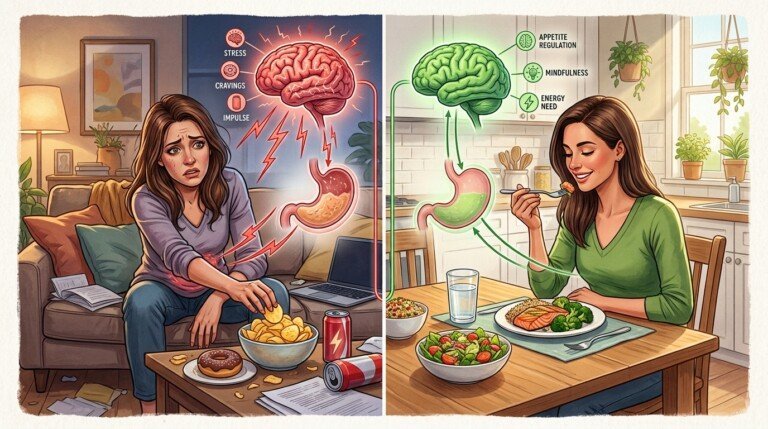
Emotional Hunger vs Physical Hunger: How Can You Tell the Difference?

Have you ever opened the refrigerator just an hour after finishing dinner, even though you knew you weren’t truly hungry? Or perhaps you’ve reached for chocolate after a stressful meeting or ordered comfort food after a difficult day. These situations are incredibly common, and they highlight an important distinction that many people never learn to recognize: the difference between emotional hunger and physical hunger.

Understanding Emotional Hunger vs Physical Hunger is one of the most valuable skills for building a healthier relationship with food. While physical hunger is your body’s natural request for energy and nutrients, emotional hunger is driven by feelings, habits, stress, or environmental triggers rather than genuine nutritional needs.

The challenge is that these two types of hunger can feel surprisingly similar. Both can make you think about food, but they arise from very different causes and require different responses. When emotional hunger is mistaken for physical hunger, it often leads to overeating, frequent snacking, or relying on food for comfort instead of nourishment.

Modern lifestyles can make emotional eating even more common. Busy schedules, work pressure, poor sleep, boredom, loneliness, celebrations, and daily stress all influence eating behavior. Food becomes more than fuel. It becomes entertainment, reward, distraction, or emotional relief.

Fortunately, emotional eating is a habit that can be recognized and managed. By learning to identify your body’s genuine hunger cues, practicing mindful eating, and developing healthier coping strategies, you can make food choices that better match your physical needs.

In this article, you’ll learn the differences between Emotional Hunger vs Physical Hunger, why emotional eating happens, how stress influences appetite, how mindful eating can help, and practical strategies to respond to hunger with greater awareness.


Why Is It Important to Recognize Different Types of Hunger?

Many people believe hunger is a simple feeling that tells you when to eat. In reality, hunger is much more complex. Your body, brain, emotions, environment, and daily habits all influence when you want to eat and how much food feels satisfying.

Learning to recognize different types of hunger helps you respond appropriately instead of automatically reaching for food whenever the urge appears.

Over time, this awareness can improve eating habits without relying on strict diets or constant self-control.

Hunger Is Not Always About Food

One of the biggest misconceptions about appetite is assuming every desire to eat means your body needs calories.

Sometimes you may actually need:

  • Rest
  • Hydration
  • Stress relief
  • Social connection
  • A mental break
  • Better sleep

Food cannot solve all of these needs, even though it may provide temporary comfort.

Recognizing what your body truly needs allows you to choose a more effective response.

Understanding Hunger Improves Decision-Making

When you understand why you want to eat, food choices become more intentional.

Instead of asking:

“What should I eat?”

you begin asking:

“Why do I want to eat right now?”

That simple question often changes your decision completely.

Both Types of Hunger Are Normal

Neither emotional hunger nor physical hunger should be viewed as “good” or “bad.”

Physical hunger is essential for survival.

Emotional eating is also a normal human behavior that most people experience occasionally.

Problems usually develop only when emotional eating becomes the primary way of coping with everyday emotions.

Awareness Reduces Mindless Eating

Many eating decisions happen automatically.

People often eat while:

  • Watching television
  • Working
  • Driving
  • Scrolling on their phone
  • Feeling bored

Without realizing it, meals become disconnected from genuine hunger.

Simply paying more attention to hunger cues helps reduce this automatic eating behavior.

Long-Term Habits Matter More Than Perfect Choices

Learning to identify different hunger signals is not about becoming perfect.

Instead, it helps create healthier daily habits that become easier to maintain over time.

These consistent behaviors support the long-term lifestyle changes discussed throughout Weight Loss Habits and Sustainable Weight Loss, where lasting progress is prioritized over short-term dieting.


What Is Emotional Hunger?

Emotional hunger is the desire to eat in response to feelings rather than physical energy needs.

Instead of beginning in the stomach, emotional hunger usually begins in the mind. It often appears during moments of stress, boredom, sadness, loneliness, frustration, celebration, or even happiness.

Food temporarily becomes a way to change how you feel.

This does not mean emotional eating is a weakness.

It is a learned coping behavior that develops gradually through repeated experiences.

Emotional Hunger Appears Suddenly

Unlike physical hunger, emotional hunger often arrives without warning.

One moment you feel fine.

The next moment you suddenly want cookies, pizza, chocolate, or another favorite comfort food.

This rapid onset is one of the easiest ways to recognize emotional hunger.

Emotional Hunger Craves Specific Foods

Physical hunger usually accepts many different foods.

Emotional hunger tends to focus on particular comfort foods.

Common examples include:

  • Chocolate
  • Ice cream
  • Chips
  • Pizza
  • Cookies
  • Fast food

The goal is often emotional comfort rather than nourishment.

Eating May Not Feel Satisfying

One of the biggest clues is what happens after eating.

With emotional hunger, you may continue wanting more food even after your stomach feels full.

Because the original need was emotional rather than physical, eating often provides only temporary relief.

Emotions Become Eating Triggers

Many everyday emotions may encourage emotional eating.

Common triggers include:

  • Stress
  • Anxiety
  • Loneliness
  • Frustration
  • Boredom
  • Celebration
  • Fatigue

After repeating these patterns many times, your brain begins associating certain emotions with particular foods.

Emotional Hunger Often Leads to Mindless Eating

People experiencing emotional hunger frequently eat quickly without paying much attention.

Examples include:

  • Finishing an entire bag of chips while watching television
  • Eating dessert automatically after a stressful day
  • Snacking while working without noticing portion sizes

Mindless eating makes it much harder to recognize fullness.

The behavioral patterns behind emotional eating are explored further in Psychology of Weight Loss, where habits and emotional triggers are discussed in greater depth.


What Is Physical Hunger?

Physical hunger is your body’s natural request for energy.

Unlike emotional hunger, it develops because your body genuinely needs nutrients to support normal function.

Learning to trust these signals helps create a healthier relationship with food.

Physical Hunger Builds Gradually

True hunger rarely appears instantly.

Instead, it develops slowly over several hours after your previous meal.

You may notice:

  • Mild stomach emptiness
  • Decreasing energy
  • Difficulty concentrating
  • Gentle hunger sensations

These signals gradually become stronger if food is delayed.

Many Foods Sound Appealing

When you are physically hungry, you are generally willing to eat a variety of foods.

A balanced meal containing protein, vegetables, whole grains, or healthy fats usually sounds satisfying.

Unlike emotional hunger, physical hunger is not usually focused on one specific treat.

Physical Hunger Stops After Eating

Perhaps the biggest difference is satisfaction.

After eating a balanced meal, physical hunger gradually disappears.

You naturally begin feeling comfortable instead of continuing to search for more food.

Your body’s fullness signals become easier to recognize when meals include adequate protein, fiber, and healthy fats.

Hunger Hormones Help Regulate Appetite

Physical hunger is influenced by hormones that communicate between the digestive system and the brain.

These hormones help regulate:

  • Hunger
  • Fullness
  • Energy balance
  • Meal timing

The complete interaction between these signals is explained throughout Hunger Hormones, while the role of Ghrelin in initiating hunger is discussed separately.


How Can You Tell the Difference?

Distinguishing between emotional hunger and physical hunger becomes easier with practice.

Although both create the desire to eat, several important differences help identify which type of hunger you are experiencing.

Consider How Quickly Hunger Appeared

Ask yourself:

Did this hunger build gradually, or did it appear suddenly?

Physical hunger usually develops slowly.

Emotional hunger often appears immediately after a stressful event, emotional experience, or environmental trigger.

Notice What Foods You Want

If almost any balanced meal sounds appealing, you are probably physically hungry.

If only one specific comfort food sounds acceptable, emotional hunger is more likely.

Pay Attention to Your Stomach

Physical hunger often includes gentle stomach sensations.

Emotional hunger usually begins with thoughts or emotions rather than physical stomach emptiness.

Ask Yourself One Simple Question

Before eating, pause for a moment and ask:

“If someone offered me grilled chicken, vegetables, and rice right now, would I happily eat it?”

If the answer is yes, you are probably physically hungry.

If the answer is no because only chocolate, chips, or ice cream sounds satisfying, emotional hunger may be driving the craving.

Think About How You’ll Feel After Eating

Physical hunger usually ends with satisfaction.

Emotional hunger often leaves people feeling:

  • Guilty
  • Frustrated
  • Disappointed
  • Still emotionally unsettled

Recognizing these patterns helps you gradually respond to emotions without automatically relying on food.


Why Does Stress Trigger Emotional Eating?

Stress affects far more than your mood. It also changes how you think about food, how often you eat, and the types of foods you crave. Many people notice that stressful days make healthy eating feel much more difficult, even when they had no intention of overeating.

This happens because stress influences both the brain and the body’s appetite-regulating systems. Food can temporarily become a source of comfort, distraction, or reward, especially when emotions feel overwhelming.

Learning why stress triggers emotional eating is an important step toward breaking this cycle.

Stress Changes Your Focus

During stressful situations, your brain naturally prioritizes immediate comfort.

Instead of thinking about long-term health goals, it looks for activities that provide quick emotional relief.

For many people, highly palatable foods become one of those coping mechanisms.

This is why stressful situations often increase the desire for foods like:

  • Chocolate
  • Ice cream
  • Chips
  • Pizza
  • Cookies
  • Fast food

These foods do not remove the source of stress, but they may briefly improve mood.

Emotional Eating Can Become a Habit

The more often food is used to manage emotions, the stronger the habit becomes.

For example:

  • A stressful meeting leads to chocolate.
  • Boredom leads to snacking.
  • Loneliness leads to ordering takeout.

Eventually, your brain begins connecting these emotions with eating, making the response feel automatic.

Fortunately, habits can also be changed through repeated healthier responses.

Stress Does Not Affect Everyone the Same Way

Not everyone eats more during stressful periods.

Some people temporarily lose their appetite.

Others notice increased cravings only during prolonged stress.

Understanding your own patterns is far more helpful than comparing yourself with others.

Keeping a simple journal of your emotions and eating habits can reveal triggers you may not notice otherwise.

Replacing the Habit Takes Practice

The goal is not to eliminate emotions.

Instead, it is to create additional ways of responding to them.

Examples include:

  • Taking a short walk
  • Listening to music
  • Stretching
  • Calling a friend
  • Reading
  • Practicing deep breathing
  • Spending time outdoors

The relationship between stress and eating behaviors is explored further in Stress and Weight Loss, where chronic stress and healthy coping strategies are discussed in greater detail.


Can Emotional Hunger Affect Weight Loss?

Occasional emotional eating is completely normal and is unlikely to prevent long-term progress.

The challenge develops when emotional eating becomes a frequent response to everyday situations.

When food regularly becomes the primary solution for stress, boredom, loneliness, or frustration, maintaining healthy eating habits becomes much more difficult.

Emotional Eating Adds Calories Without Physical Need

Physical hunger helps your body obtain energy.

Emotional hunger often encourages eating after your body’s energy needs have already been met.

This can gradually increase overall calorie intake without providing additional nutritional benefit.

Over weeks or months, these extra calories may influence body weight.

Emotional Hunger Makes Portion Control More Difficult

Because emotional eating is driven by feelings rather than physical need, stopping at comfortable fullness becomes more challenging.

Many people continue eating because the emotional trigger remains, not because their body still requires food.

Mindful awareness helps interrupt this cycle before it becomes automatic.

Feelings of Guilt Can Create Another Cycle

After emotional eating, some people respond with guilt or self-criticism.

These emotions may increase stress, making emotional eating more likely again.

This repeating pattern can become frustrating and discouraging.

A more helpful approach is to respond with curiosity instead of judgment.

Ask yourself:

  • What was I feeling?
  • What triggered this?
  • What could I try differently next time?

Learning from the experience supports lasting progress far more effectively than self-criticism.

Sustainable Habits Matter Most

Successful weight management is not determined by one emotional eating episode.

Long-term success comes from consistent habits practiced over months and years.

The balanced approach discussed throughout Sustainable Weight Loss emphasizes flexibility, consistency, and realistic expectations instead of perfection.


How Can Mindful Eating Help?

Mindful eating is one of the most practical ways to distinguish between emotional hunger and physical hunger.

Rather than focusing on strict food rules, mindful eating encourages paying attention to your body’s natural hunger and fullness signals while becoming more aware of your eating experience.

Slow Down Before Eating

Many eating decisions happen automatically.

Before beginning a meal or snack, pause briefly and ask yourself:

  • Am I physically hungry?
  • What am I feeling right now?
  • What does my body actually need?

Even a short pause creates space for more intentional choices.

Eat Without Distractions

Television, smartphones, computers, and work often distract us from recognizing fullness.

When possible, try eating:

  • At a table
  • Without scrolling on your phone
  • Without working
  • At a comfortable pace

Giving your full attention to meals helps you recognize satisfaction sooner.

Notice Hunger and Fullness

Instead of eating until you feel overly full, aim to notice when you become comfortably satisfied.

Many people find it helpful to check in with themselves halfway through a meal before deciding whether they need more food.

This habit becomes easier with practice.

Enjoy Food Without Guilt

Mindful eating does not require avoiding favorite foods.

Instead, it encourages enjoying them intentionally rather than eating automatically.

Removing unnecessary guilt often creates a healthier relationship with food over time.


Which Strategies Reduce Emotional Eating?

There is no single solution that completely eliminates emotional eating.

Instead, long-term improvement usually comes from combining several healthy habits that make emotional eating less automatic.

Identify Your Personal Triggers

Begin paying attention to situations that commonly lead to emotional eating.

Ask yourself:

  • Was I stressed?
  • Was I bored?
  • Was I lonely?
  • Was I tired?
  • Was I celebrating something?

Recognizing patterns is often the first step toward changing them.

Keep Regular Meal Times

Skipping meals can make emotional eating more likely because genuine physical hunger becomes stronger.

Eating balanced meals at consistent times helps reduce this effect while supporting healthier appetite regulation.

Build Balanced Meals

Meals that contain:

  • Lean protein
  • Fiber-rich carbohydrates
  • Healthy fats
  • Vegetables

generally provide longer-lasting satisfaction than highly processed foods alone.

Stable energy levels make emotional eating less tempting.

Create Non-Food Coping Strategies

Expand your list of activities that help improve your mood.

Examples include:

  • Walking
  • Meditation
  • Gardening
  • Reading
  • Listening to music
  • Spending time with loved ones
  • Creative hobbies

Over time, these activities gradually replace food as the automatic response to difficult emotions.

Be Patient With Yourself

Changing eating habits takes time.

Everyone experiences emotional eating occasionally.

Rather than expecting perfection, focus on gradual improvement.

Each time you recognize emotional hunger before eating, you strengthen a healthier habit for the future.


Frequently Asked Questions

1. What is the difference between emotional hunger and physical hunger?

Physical hunger develops gradually because your body needs energy, while emotional hunger appears suddenly and is usually triggered by emotions, stress, boredom, or habits rather than true nutritional needs.

2. Can stress cause emotional eating?

Yes. Stress often encourages emotional eating by increasing the desire for comfort foods and making quick emotional relief feel more appealing.

3. How can I tell if I’m emotionally hungry?

Emotional hunger usually appears suddenly, craves specific comfort foods, and may continue even after you feel physically full. Physical hunger develops gradually and is satisfied by a balanced meal.

4. Does mindful eating reduce emotional eating?

Mindful eating helps you become more aware of hunger, fullness, emotions, and eating habits, making it easier to recognize emotional hunger before acting on it.

5. What are the best ways to reduce emotional eating?

Helpful strategies include identifying emotional triggers, eating balanced meals, maintaining regular meal times, managing stress, practicing mindful eating, and developing non-food coping activities.


Final Thoughts

Understanding Emotional Hunger vs Physical Hunger is not about labeling one type of hunger as good and the other as bad. Both are part of the human experience. Physical hunger reminds your body to refuel, while emotional hunger reflects the influence of feelings, habits, and daily life on eating behavior.

The key is learning to recognize which type of hunger you are experiencing before responding automatically. Small habits such as pausing before meals, eating mindfully, identifying emotional triggers, managing stress, and choosing balanced meals can gradually strengthen your awareness of genuine hunger cues.

Remember that emotional eating does not define your health or your ability to succeed with long-term weight management. Progress comes from understanding your patterns rather than judging them. With patience and consistent practice, you can build a healthier relationship with food, improve your awareness of hunger, and develop sustainable habits that support both your physical and emotional well-being.


Disclaimer:

This post may contain affiliate links. If you purchase through them, we may earn a small commission at no extra cost to you. Also, this content is for informational purposes only and does not substitute professional medical advice.

Exit mobile version