What to Wear to Hot Yoga: 6 Essential Outfit Do’s and Don’ts

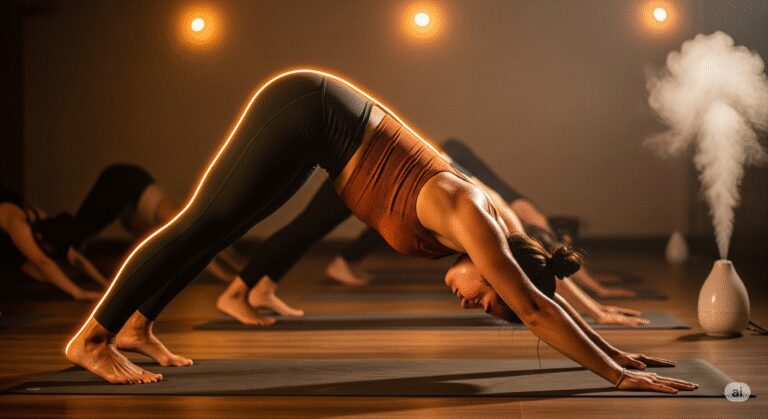
What to Wear to Hot Yoga can make all the difference in how comfortable and confident you feel during your practice. Whether you’re new to hot yoga or a seasoned pro, choosing the right clothes is crucial for managing the heat and staying focused on your poses. In this post, we’ll explore the best clothing options and accessories to help you enjoy your hot yoga sessions to the fullest.


1. Why Hot Yoga Needs Different Clothes

Hot yoga has become a popular way for individuals to blend fitness with mindfulness. The practice, which takes place in heated rooms, pushes the body to its limits, helping participants detoxify, stretch deeper, and build strength. If you’re just starting your yoga journey, reading a complete yoga guide for beginners can help you understand how different styles of yoga work and what equipment or clothing you may need. But with the heat comes an entirely new set of challenges most notably, what to wear to hot yoga.

If you’ve ever stepped into a hot yoga class and felt your clothes cling to your skin, you know that regular workout gear isn’t always up for the job. It’s easy to think that any athletic wear will do, but hot yoga, especially practices like Bikram yoga, requires carefully chosen fabrics and designs. The right clothing will keep you comfortable, confident, and able to focus on your practice, rather than feeling uncomfortable in soggy, heavy clothes.

In this post, we’ll explore exactly what you should wear to hot yoga, covering fabric choices, outfit essentials for men and women, the debate between yoga pants and leggings, and more. By the end, you’ll have all the information you need to feel great in your next hot yoga class.


2. Best Fabrics for Sweat Control

When it comes to hot yoga, the fabric of your clothing can make all the difference. You need something that breathes, wicks away moisture, and doesn’t leave you feeling sticky. Here’s what you should look for:

Moisture-Wicking Fabrics

Materials like polyester, nylon, and spandex are excellent at pulling sweat away from your body, helping to keep you dry even in the most intense sessions. These fabrics are breathable and stretchable, allowing you to move freely.

Cotton – A Fabric to Avoid

While cotton is comfy, it tends to absorb sweat rather than wick it away. This means it can get heavy, cling to your body, and make you feel uncomfortable as you sweat it out in a hot yoga class. Stick to synthetic fabrics that manage moisture.

Breathable, Lightweight Materials

Consider fabrics with mesh inserts or perforated details for extra breathability. These are ideal for helping the air circulate around your body, keeping you cooler throughout your session.

Quick-Drying Options

Some fabrics are specifically designed to dry fast, keeping you feeling less sweaty and more fresh. This can be especially helpful when you’re transitioning between poses in a hot room.


3. What Men & Women Should Wear

When it comes to hot yoga, both men and women have a few key considerations regarding what they wear. You need clothes that allow for movement, won’t stick to your body, and can handle the heat. Let’s break it down:

What Women Should Wear to Hot Yoga

Women typically opt for fitted tanks, sports bras, and high-waisted leggings or shorts. Here’s a quick guide:

  • Tank Tops and Sports Bras: Choose moisture-wicking materials that support your body without restricting movement. Strappy tops or loose tanks work well for maximum comfort.
  • Leggings or Shorts: Go for leggings that have good elasticity and breathability. Opt for shorts if you prefer a bit more freedom, but make sure they don’t ride up during poses.
  • Comfort & Fit: Look for clothes that allow your body to breathe and move freely. Ensure they are neither too tight nor too loose.

What Men Should Wear to Hot Yoga

Men’s yoga gear tends to be simpler, but it still needs to be functional:

  • Fitted Tank Tops or T-shirts: A moisture-wicking, breathable tank or tee will keep you cool while allowing for easy movement.
  • Shorts or Performance Leggings: Many men opt for comfortable shorts, but performance leggings or compression shorts can also be a great option to prevent chafing.
  • Avoid Cotton: Just as with women’s gear, cotton clothing should be avoided for hot yoga, as it can soak up sweat and become uncomfortable.

General Tips for Both Genders

Stay Cool, But Covered: While it’s tempting to strip down in the heat, you’ll want to keep your skin protected from mats or the floor. Choosing options that expose your arms or legs without overexposing yourself can be ideal.

Breathability Is Key: Choose clothes with mesh panels or ventilation zones for added comfort.


4. Yoga Pants vs Leggings in High Heat

One of the biggest debates in yoga attire is the choice between yoga pants vs leggings. Both are common choices, but when practicing hot yoga, there are a few differences that can impact your experience.

Yoga Pants – Pros and Cons

Yoga pants are typically a bit looser, especially around the ankles, allowing for a greater range of motion. However, they can sometimes feel too heavy in high heat since they are made with thicker materials. On the plus side, yoga pants are great for those who want a little more airflow and comfort in their outfits.

Leggings – Pros and Cons

Leggings are tighter and offer more compression, which is great for keeping everything in place while doing intense poses. They’re also typically lighter and more moisture-wicking, making them the go-to choice for hot yoga. On the downside, leggings can sometimes feel too tight, especially in high temperatures, leading to discomfort for some people.

Which to Choose?

For hot yoga, most practitioners lean toward leggings. They fit snugly, keep you supported, and won’t ride up when you’re doing poses like downward dog or warrior. However, if you prefer the freedom of a looser fit, a pair of well-fitted yoga pants can still work in the heat.


5. Supportive Accessories & Towels

Hot yoga is all about comfort, so don’t forget to accessorize with the right supportive tools. Here are a few accessories to consider bringing to class:

The Right Towel

A good towel is essential for hot yoga, especially when the sweat starts pouring. Many people use towels to cover their mats, preventing slipping during poses. Look for quick-drying, absorbent towels designed specifically for yoga.

Yoga Mat with Grip

Your mat is your foundation, so make sure it’s designed for sweaty practices. Look for mats with a non-slip surface that can handle moisture without losing grip.

Wrist or Ankle Support

If you need extra support during your practice, consider wearing compression sleeves or braces on your wrists or ankles. These can help stabilize your joints as you move through poses.

Water Bottle

Hydration is key during hot yoga. Be sure to bring a reusable water bottle to stay hydrated throughout your class.


6. Ideal Gear for Practicing Bikram Yoga Poses

Bikram yoga, a form of hot yoga that features 26 specific poses performed in a room heated to 105°F (40.5°C), presents a unique challenge when choosing what to wear. Since the heat is more intense, you need gear that can stand up to high temperatures while still allowing for full mobility.

Key Clothing Choices for Bikram Yoga

  • Minimalist Tops: Many Bikram yoga practitioners opt for lightweight, form-fitting tank tops or sports bras that allow for complete freedom of movement. A fitted, breathable material is a must.
  • Shorts or Breathable Leggings: Shorts are often a preferred option for men, but women might prefer high-waisted leggings that provide coverage while still allowing airflow.
  • Avoid Excess Fabric: In Bikram yoga, less is more. Too much fabric can make it harder to move, and you’ll quickly feel the effects of extra layers in the heat.

Additional Tips for Bikram Yoga

  • Bring a Towel for Your Mat: Due to the intense heat and sweat, it’s important to place a towel over your mat to prevent slipping.
  • Light, Breathable Footwear: While you’ll likely practice barefoot, consider bringing lightweight flip-flops or sandals to wear before and after class.

Conclusion:

Hot yoga is a transformative experience, but it requires the right attire to truly feel at ease in class. By choosing fabrics that wick moisture, selecting the right gear for your body type, and making sure you’re properly accessorized, you can focus on your practice rather than your discomfort. If you want a broader overview of clothing options for different yoga styles, you can also explore our guide on what to wear to yoga for general outfit tips.

The next time you step into a hot yoga class, wear something that will help you feel free, supported, and confident. Whether you’re practicing in a heated room or perfecting your Bikram yoga poses, the right gear will make all the difference.

Explore More Yoga Tips and Resources
Interested in more yoga tips? Check out our related articles or take our yoga quiz to find your ideal style. Whether you’re a beginner or seasoned practitioner, there’s always something new to discover on your yoga journey.


FAQ

1. What is the best fabric for hot yoga?

The best fabrics for hot yoga are moisture-wicking materials like nylon, polyester, and spandex. These fabrics pull sweat away from your skin, keeping you dry and comfortable during intense sessions.

2. Can I wear cotton clothes to hot yoga?

It’s generally best to avoid cotton clothing in hot yoga because it absorbs sweat, making you feel heavier and uncomfortable. Stick with synthetic, moisture-wicking fabrics for the best results.

3. Do I need a special yoga mat for hot yoga?

Yes, it’s a good idea to invest in a mat designed for hot yoga. These mats often have better grip and moisture resistance, helping to prevent slipping.

4. What should I wear to Bikram yoga?

For Bikram yoga, minimalist clothing is recommended, such as a fitted tank top or sports bra and shorts or leggings. The heat can be intense, so light, breathable fabrics are crucial.

5. Is it necessary to wear a towel in hot yoga?

Yes, a towel is essential in hot yoga. It helps absorb sweat, prevents slipping, and can be used to cover your mat for added comfort.


Disclaimer:

This post may contain affiliate links. If you purchase through them, we may earn a small commission at no extra cost to you. Also, this content is for informational purposes only and does not substitute professional medical advice.

How to Clean Your Yoga Mat Like a Pro: 5 Easy Hacks

How to clean yoga mat is an essential skill every yogi should master. Whether you’re practicing at home or in the studio, a clean mat ensures a hygienic environment for your practice. Over time, yoga mats collect sweat, dirt, and bacteria, which can affect both your health and your practice. In this post, we’ll share 5 easy hacks to help you clean your yoga mat like a pro, so you can roll it out with confidence every time.


1. Why Hygiene Matters

If you’ve ever walked into a yoga studio, you’ve likely noticed the rows of yoga mats, some looking fresh and clean, others… not so much. If you’re like most yogis, you probably roll out your mat, jump into your practice, and give little thought to its cleanliness. But here’s the thing your yoga mat can become a breeding ground for bacteria, dirt, and grime if left uncleaned for too long. Not only does this affect your health, but it can also impact your practice.

Just think about it: every time you press your palms down in Downward Dog or stretch into a Warrior pose, your skin is making direct contact with your mat. Whether you’re practicing at home, outdoors, or in a studio, a dirty yoga mat can compromise your health and your overall experience. Keeping your mat clean is just as important as choosing the right gear and knowing what to wear to yoga for comfort and hygiene during your practice. That’s why knowing how to clean your yoga mat effectively is an absolute game-changer.

If you’re just starting your yoga journey, understanding the basics of practice and equipment care from a complete yoga guide for beginners can make your routine much easier and safer.

In this blog post, we’ll walk you through the best cleaning hacks for your yoga mat. By the end, you’ll know how to keep your mat fresh and clean, ensuring a more hygienic practice each time you roll it out. So, let’s get started!


2.Material Types & Why Cleaning Method Differs

Before we dive into the methods, it’s important to understand that not all yoga mats are created equal. The material your mat is made of can significantly impact the cleaning method you choose. Let’s take a look at the most common types of mats and why the cleaning method differs for each.

1. PVC (Polyvinyl Chloride) Yoga Mats

These are the most common type of yoga mats. PVC mats are affordable, durable, and offer excellent grip, but they require a gentle approach to cleaning. Harsh chemicals can break down the material and compromise the longevity of your mat.

2. TPE (Thermoplastic Elastomer) Yoga Mats

TPE mats are eco-friendly and lightweight, providing a comfortable feel during your practice. They’re also relatively easy to clean and can withstand a DIY spray or natural cleaning solution.

3. Rubber Yoga Mats

Made from natural rubber, these mats are perfect for an eco-conscious yogi. Rubber mats tend to absorb moisture, so they need to be cleaned with a solution that won’t leave residue.

4. Cork or Jute Yoga Mats

If you prefer a more natural feel, cork or jute mats are great choices. However, these mats need extra care, as harsh cleaning products can damage the natural fibers.

5. Cotton Yoga Mats

For those who prefer a more traditional practice, cotton mats offer comfort and breathability. These mats can be tossed in the laundry, but they also benefit from occasional spot cleaning to prevent buildup.

By understanding the material of your yoga mat, you can choose the appropriate cleaning method to maintain its integrity and ensure longevity.


3. 5 Cleaning Methods (DIY Spray, Baby Wipes, Natural Solutions)

Keeping your yoga mat clean doesn’t have to be complicated or time-consuming. Here are five effective and easy cleaning methods that will keep your mat looking and feeling fresh.

1. DIY Yoga Mat Spray

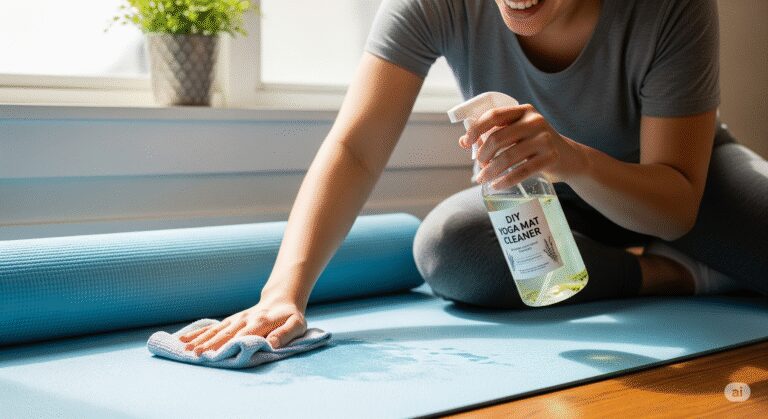
A homemade yoga mat spray is an excellent option for quick and effective cleaning. It’s simple to make, and you can control the ingredients to ensure that it’s safe for your mat and gentle on the skin. Plus, it’s eco-friendly and can be used regularly.

Ingredients:

  • 1 cup of water
  • 1/4 cup of white vinegar (or witch hazel)
  • 10-15 drops of your favorite essential oil (lavender or tea tree oil works well)

Instructions:

  • Mix the ingredients in a spray bottle and shake well.
  • Spray the solution directly onto your mat, then wipe it down with a soft cloth or towel.
  • Let your mat dry completely before rolling it up.

This method works wonders for mats that need regular cleaning after each practice.

2. Baby Wipes

In a pinch? Baby wipes can be a life-saver! These wipes are soft, gentle, and come in handy for quick cleans between practices, especially if you’re short on time. Just grab a few wipes, gently wipe down the surface of your mat, and allow it to air dry.

Tip: Look for unscented, alcohol-free baby wipes to avoid irritating your skin or the mat’s surface.

3. Natural Cleaning Solution

For a more natural approach, you can create a powerful cleaning solution with simple household items. This is great for eco-conscious yogis who want to avoid synthetic chemicals.

Ingredients:

  • 1/2 cup of water
  • 1/2 cup of distilled white vinegar
  • 5 drops of tea tree oil (known for its natural disinfectant properties)

Instructions:

  • Mix the ingredients in a spray bottle and shake.
  • Spray the solution on your mat and wipe it clean with a soft cloth or microfiber towel.
  • Let the mat dry before rolling it up.

4. Mild Dish Soap and Warm Water

If you’re dealing with a lot of buildup or dirt on your mat, a mild dish soap solution is a gentle yet effective way to clean it.

Instructions:

  • Fill a tub or sink with warm water and add a small amount of mild dish soap.
  • Submerge your mat and gently scrub the surface with a soft sponge or cloth.
  • Rinse thoroughly with clean water and hang your mat to dry.

This method is ideal for PVC mats or TPE mats that can withstand a more thorough cleaning.

5. Commercial Cleaning Wipes or Solutions

If you’re looking for convenience, there are commercial yoga mat cleaning wipes and solutions available on the market. These are formulated to disinfect and refresh your mat with minimal effort.

Recommendation: Consider opting for eco-friendly yoga mat cleaners that are made from natural ingredients and free from harmful chemicals.


4. Special Care for Yoga Mats

Your yoga mat requires more than just surface cleaning. It’s essential to give it some extra love to ensure it remains in top condition. Here are a few tips to ensure your mat gets the special care it deserves:

1. Avoid Direct Sunlight

While it’s tempting to air-dry your yoga mat under the sun, prolonged exposure can damage the material. Instead, hang your mat in a well-ventilated area, away from direct sunlight, to avoid the material from drying out or cracking.

2. Roll It Properly

To keep your mat in good shape, always roll it up after each practice. Rolling your mat prevents creases and helps it maintain its shape over time. Be sure to roll your mat foam side in to prevent any damage to the surface.

3. Keep It Dry

If you sweat a lot during your practice (and who doesn’t?), make sure to wipe your mat down after every session. Excess moisture can lead to mold or mildew over time, especially with rubber or cork mats.

4. Regularly Wash Your Mat

If you use your mat daily, it’s a good idea to clean it thoroughly once a month. For cotton mats, simply toss it in the laundry on a gentle cycle. For TPE and PVC mats, follow the cleaning instructions mentioned above.

5. Invest in a Mat Bag or Storage

If you practice yoga frequently, investing in yoga in a bag essentials or a proper storage solution can help protect your mat from dirt and damage when it’s not in use. A yoga in a bag also makes it easy to carry your mat to and from class while keeping it clean and safe.


5. Cleaning Tips for Travel-Friendly Mats (Yoga in a Bag)

For those who love to practice yoga on the go, travel-friendly mats are a must. These mats are lightweight and compact, making them easy to carry around perfect for those who practice on the road, at the beach, or even in the park.

However, keeping these mats clean can be a bit more challenging, as they are usually thinner and more delicate. Here are a few tips to keep your travel yoga mat in pristine condition:

  • Quick Wipes: Use baby wipes or a handheld yoga mat cleaner for quick refreshes when you’re traveling.
  • Dry Clean Only: If your mat is extra thin and made from a material that doesn’t dry quickly, stick to spot cleaning instead of washing it fully.
  • Use a Mat Bag: A yoga in a bag is a great option to keep your travel mat protected from dust and dirt when not in use.

Final Thoughts – Keep It Fresh

Cleaning your yoga mat is an essential part of maintaining your practice. A clean mat not only promotes better hygiene but also creates a more comfortable and pleasant environment for your practice. Regular cleaning, coupled with special care, will ensure that your mat lasts longer, performs better, and stays fresh for every session.


FAQ

1. How often should I clean my yoga mat?

It’s recommended to clean your yoga mat at least once a week, especially if you practice frequently. If you sweat a lot, you may want to wipe it down after each session.

2. Can I use regular cleaning wipes on my yoga mat?

Yes, but make sure to choose unscented, alcohol-free wipes to avoid damaging the mat’s surface.

3. How do I clean my yoga mat naturally?

A simple mix of vinegar, water, and a few drops of essential oil is a great natural cleaner. Spray it on your mat and wipe it down with a microfiber towel.

4. Can I machine wash my yoga mat?

Some mats, like cotton mats, can be machine washed on a gentle cycle. However, most PVC or rubber mats should be hand-washed or spot-cleaned to maintain their longevity.

5. What’s the best way to store my yoga mat?

Always roll your yoga mat up when not in use and store it in a yoga mat bag to protect it from dirt and damage.


Disclaimer:

This post may contain affiliate links. If you purchase through them, we may earn a small commission at no extra cost to you. Also, this content is for informational purposes only and does not substitute professional medical advice.

What to Wear to Yoga: 8 Essential Tips for Every Body type

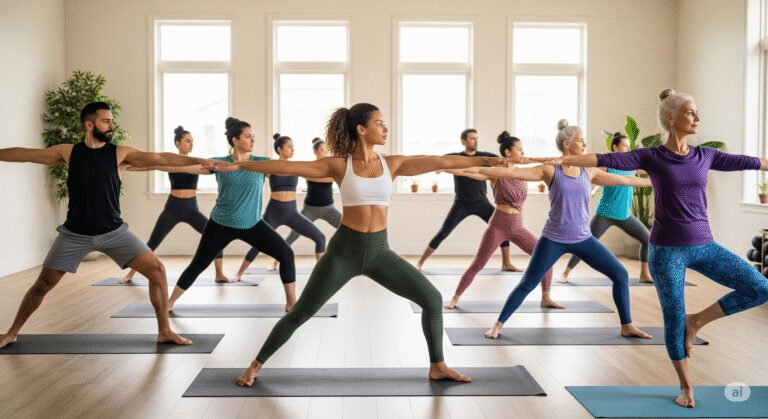
What to wear to yoga is one of the first questions many people ask when they start practicing. The right outfit can make a huge difference in how comfortable and confident you feel during your session. Whether you’re new to yoga or a seasoned pro, finding the perfect gear for your body type is essential to ensure freedom of movement and comfort. In this guide, we’ll explore 8 outfit tips to help you choose the best yoga wear for every body type.

1. Comfort Meets Confidence

When you step onto your yoga mat, you’re not just preparing your body for a series of poses you’re also setting the tone for the way you feel during the session. Whether you’re a seasoned yogi or just starting out, one thing is true for everyone: comfort is key. If you’re completely new to yoga, starting with a clear yoga guide for beginners can help you understand the basics of yoga practice, equipment, and clothing choices. But comfort doesn’t stop there. You also want to feel confident in what you’re wearing. After all, the right outfit can give you that extra boost to stretch deeper, hold poses longer, and move with ease.

But here’s the thing what to wear to yoga isn’t always as simple as grabbing any pair of leggings or a loose tank. Yoga requires freedom of movement, and the outfits that work for one person might not suit someone else. Depending on your body type, the type of yoga you practice, and your personal style, finding the perfect fit might take a little extra thought.

In this blog, we’ll walk you through the best yoga outfits for all body types, discuss fabric choices that work for sweat, and explore the differences in what to wear for specific styles like hot yoga. Plus, we’ll give you tips on how to coordinate your outfits with your yoga mat, especially if you’re rocking a cute pink yoga mat (because who doesn’t love matching gear?).

So, let’s dive in!


2. Yoga Pants vs Leggings – What’s Best?

When it comes to yoga attire, the debate often begins with yoga pants vs leggings. While both are staple items in many yogis’ wardrobes, there are some key differences between them that can affect your comfort and performance during a practice.

1. Yoga Pants: Designed for Movement

Yoga pants tend to have a slightly looser fit than leggings and may flare out at the bottom, especially in traditional styles like bootcut or wide-leg. The fabric used for yoga pants is generally more breathable, offering a balance of flexibility and comfort. This makes them great for gentle yoga styles like Hatha or Yin, where ease of movement is essential.

  • Pros:
    • More breathable and comfortable for relaxation poses
    • Available in a variety of cuts (bootcut, straight-leg, wide-leg)
    • Ideal for low-impact practices
  • Cons:
    • Might not provide as much support or compression as leggings
    • Not as form-fitting, which could affect balance in certain poses

2. Leggings: The Perfect Fit for Power Yoga

On the other hand, leggings are snug-fitting, offering more compression and support, which makes them perfect for more intense yoga practices like Vinyasa, Power Yoga, or Ashtanga, where you need freedom of movement and stability. Leggings hug the body and help support the muscles, which is especially helpful for those looking for a bit more compression during their practice.

  • Pros:
    • Form-fitting, allowing for greater freedom of movement
    • Offer compression for muscle support
    • Great for high-impact or fast-paced yoga
  • Cons:
    • Can feel tight if the fabric isn’t stretchy enough
    • Might be less breathable for slower-paced styles

So, which is better? The answer depends on your personal preference and the type of yoga you practice. If you’re doing a high-intensity yoga class, leggings might be the better option for the support and flexibility they offer. But if you’re doing something slower, like restorative yoga, yoga pants might feel more comfortable and laid-back.


3. Outfit Ideas for Men, Women & Plus Sizes

Yoga is for everyone, and so is finding the right outfit to feel comfortable and confident. The right attire can make a big difference, no matter your body type. Below, we’ll give outfit suggestions for men, women, and plus-size yogis, ensuring everyone finds the best options for their body.

1. For Men: Keep It Simple Yet Functional

For men, yoga clothing is all about comfort, flexibility, and support. You don’t need a lot of frills just solid, breathable fabrics that allow you to move freely. A well-fitted tank top or t-shirt paired with fitted shorts or athletic joggers will do the trick.

  • Top: Opt for moisture-wicking materials like cotton blends or merino wool that keep you cool during practice.
  • Bottoms: Fitted shorts, athletic leggings, or compression pants are great for flexibility. Avoid overly loose shorts or pants that might restrict movement.
  • Footwear: Barefoot is usually best, but you can wear yoga socks if you prefer some grip on your mat.

2. For Women: A Little Extra Style and Comfort

Women have more options when it comes to yoga gear. Whether you’re looking for high-waisted leggings or a fun tank top, you can tailor your outfit to suit your practice.

  • Top: A form-fitting sports bra or tank top provides support for a variety of poses. If you’re practicing a high-intensity flow, look for something with moisture-wicking fabric. For a more relaxed practice, a looser, flowy yoga tee works great.
  • Bottoms: High-waisted leggings or yoga pants are great for providing support while keeping everything in place. If you’re looking for comfort, you can go for wide-leg yoga pants.
  • Footwear: Again, most yoga is done barefoot, but if you’re looking for extra support, yoga socks are a great option.

3. For Plus-Size Yogis: Embrace Comfort and Confidence

Yoga is all about honoring your body and moving with ease, so choose clothes that fit your body shape and size, ensuring both comfort and confidence. For plus-size yogis, look for high-waisted leggings or yoga pants with extra tummy support and breathable, stretchy fabric that moves with you.

  • Top: A sports bra or tank top with a built-in bra can help provide support. If you prefer more coverage, a loose-fitting t-shirt or tank made from breathable materials can keep you cool.
  • Bottoms: Opt for stretchy leggings or compression pants that won’t dig into your skin. Wide-leg yoga pants also work well if you prefer a looser fit.
  • Footwear: As always, yoga is best practiced barefoot, but you can use grip socks if you prefer some foot coverage.

4. Fabric Guide for Comfort & Sweat

The fabric of your yoga outfit plays a crucial role in how comfortable you feel during your practice. You want something breathable, moisture-wicking, and stretchable that allows you to move freely without feeling restricted.

1. Best Fabrics for Yoga

  1. Cotton – Soft and breathable, but it tends to soak up sweat. Great for low-impact practices.
  2. Lycra/Spandex – Offers great stretch and comfort, ideal for yoga poses that require flexibility.
  3. Polyester – Durable, moisture-wicking, and often found in athletic wear. It dries quickly and is great for hot yoga.
  4. Bamboo – Eco-friendly and moisture-wicking, perfect for those who want something soft yet functional.
  5. Merino Wool – Naturally moisture-wicking and odor-resistant, great for cooler yoga environments or early morning sessions.

2. Avoid These Fabrics

  • Silk: While luxurious, it doesn’t perform well in the heat or during intense workouts.
  • Nylon: It’s durable but doesn’t breathe well, so it can get uncomfortable and sticky in hot yoga classes.

Make sure your fabrics allow for easy movement and provide the right level of breathability, depending on the style of yoga you practice. Whether you’re doing hot yoga or gentle restorative poses, the right fabric can make all the difference.


5. What’s Different for Hot Yoga Wear

Hot yoga is a unique challenge in terms of clothing choices because of the high temperatures and the potential for heavy sweating. When deciding what to wear to hot yoga, it’s important to keep in mind that you’ll need something breathable and quick-drying.

Outfit Tips for Hot Yoga

  • Choose Light Colors: Light-colored fabrics help reflect the heat instead of absorbing it.
  • Opt for Breathable Fabrics: Choose moisture-wicking materials like polyester, lycra, or bamboo that help you stay cool and dry.
  • Minimal Layers: Stick with a sports bra or tank top paired with shorts or leggings that allow you to move freely.

Avoid heavy fabrics like cotton or thick layers, as they can trap sweat and make you feel uncomfortable. The goal in hot yoga is to stay as cool and dry as possible, so lighter, moisture-wicking materials are key.


6. Coordinating with Your Pink Yoga Mat

If you’re someone who loves a splash of color, you might be rocking a pink yoga mat in your practice. Not only is it vibrant and fun, but a pink mat can also add an extra layer of personality to your yoga space. So, how do you coordinate your yoga outfit to match your favorite pink mat?

While you might think pink would only pair well with certain colors, there are a lot of creative ways to make your yoga outfit pop in harmony with a pink mat. Here are a few tips for styling outfits with your pink mat:

1. Go Monochrome: Pink on Pink

If you love the color pink, why not go all out? Choose a soft pink yoga top paired with pink leggings or yoga pants. This monochromatic look will make your mat and outfit feel cohesive, creating a calming and chic vibe during your practice.

2. Contrast with Neutral Tones

If you prefer a bit of balance, you can contrast the pink mat with neutral tones like black, gray, or white. A white sports bra paired with black leggings or yoga pants can make your pink mat stand out without overwhelming the look. This simple, clean style allows the mat to be the focal point while still maintaining a sophisticated vibe.

3. Add Pops of Color

For those who like a bit more color contrast, try pairing your pink mat with complementary colors like teal, navy blue, or gray. A teal yoga tank with black leggings or yoga pants creates a fun and energetic look while allowing the pink mat to remain the star of the show.

4. Textured Layers

When it comes to creating texture, mix it up with fabrics like heathered leggings or knit yoga tops in neutral tones. The texture will add dimension to your outfit while ensuring that your pink mat still gets the attention it deserves.

Remember, the goal is to feel confident and comfortable. So, don’t be afraid to have fun with your colors and coordinate your outfits to match your personality and your pink yoga mat!


7. Final Styling Tips

Now that you know what to wear to yoga, it’s time to bring it all together! Whether you’re looking for a comfortable fit for a gentle flow or a form-fitting outfit for a high-energy Vinyasa session, these tips will help you put together the perfect ensemble for every body type.

Styling Tips to Keep in Mind:

  • Fit vs. Function: While style is important, always prioritize comfort and functionality. Make sure your outfit lets you move freely through each pose, whether you’re bending, stretching, or balancing.
  • Invest in Versatile Pieces: Look for yoga apparel that can be worn both on and off the mat. Many practitioners also keep their gear organized with yoga in a bag essentials, which makes it easier to carry clothing, mats, towels, and accessories to every class. High-waisted leggings, sports bras, and tank tops in neutral colors can easily transition from yoga class to running errands or meeting friends.
  • Layer Smartly: If you’re practicing in cooler weather, layering is key. A lightweight jacket or sweater that you can easily remove once you warm up is a great addition to your yoga wardrobe.

8. Conclusion

When it comes to what to wear to yoga, it’s all about finding the perfect balance between comfort, flexibility, and confidence. Whether you prefer yoga pants vs leggings, need to dress for hot yoga, or just love matching your pink yoga mat, the right outfit can elevate your practice and make you feel great both on and off the mat. Maintaining your equipment is just as important as choosing the right outfit, so it’s helpful to know how to clean yoga mat properly to keep your practice hygienic.

Remember, the best yoga clothes are the ones that allow you to move with ease and help you focus on your practice, not on adjusting your outfit. By choosing the right fabrics, outfits that flatter your body type, and coordinating colors with your accessories, you’ll be ready for whatever style of yoga you choose to explore.


FAQ

1. What are the best fabrics for yoga clothes?

The best fabrics for yoga clothes are moisture-wicking, breathable, and stretchable. Look for materials like spandex, polyester, and bamboo for comfort and flexibility.

2. Should I wear a sports bra or a tank top for yoga?

Both options are great, depending on your personal preference and comfort. A sports bra provides more support during high-intensity practices, while a tank top can offer more breathability and comfort during slower-paced sessions.

3. Can I wear regular leggings for yoga?

You can, but it’s best to choose leggings designed specifically for yoga. Yoga leggings are made from stretchy, breathable fabrics that allow for better flexibility and comfort during movement.

4. What’s the difference between yoga pants and leggings?

Yoga pants are typically looser and more breathable, great for low-impact yoga. Leggings are form-fitting, providing more compression and support, making them ideal for high-intensity practices.

5. What should I wear to hot yoga?

For hot yoga, wear lightweight, moisture-wicking fabrics like polyester or lycra. Opt for minimal layers, such as a sports bra and shorts, to help keep your body cool and comfortable.

Disclaimer:

This post may contain affiliate links. If you purchase through them, we may earn a small commission at no extra cost to you. Also, this content is for informational purposes only and does not substitute professional medical advice.


Yoga in a Bag: 7 Brilliant Essentials You’ll Love Carrying

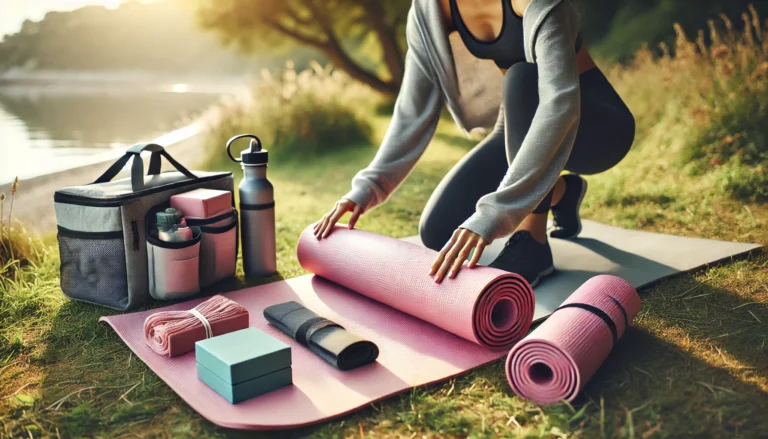
Ever heard of “yoga in a bag”? It’s a rising trend for wellness lovers who value flexibility and freedom. Whether you’re off to the park, traveling, or sneaking in a quick flow between meetings, packing your practice into a small bag is more doable than ever. With the right essentials, you can enjoy your sessions anytime, anywhere without sacrificing quality, comfort, or your zen.

In the hustle and bustle of everyday life, it’s easy to forget the importance of taking time for yourself. Yoga, a practice known for its mindfulness, flexibility, and healing benefits, offers the perfect antidote to stress. If you’re just starting your journey and want to understand the fundamentals of poses, breathing, and equipment, exploring a complete yoga guide for beginners can help you build a strong foundation. It helps you connect with your body, quiet your mind, and find balance amidst chaos. Yet, finding time and space to practice can sometimes feel difficult. What if we told you that you could take your yoga practice with you wherever you go?

That’s the beauty of the “Yoga in a Bag” concept. It doesn’t have to be confined to a studio or your living room. With just a few compact items, your yoga ritual can go wherever life takes you whether that’s a sunrise stretch at the beach, a quiet session at a hotel, or grounding poses in your backyard.

In this guide, we’ll introduce 7 underrated yoga essentials that support this lifestyle. Plus, you’ll get bonus tips on choosing the best pink yoga mat, what to wear to yoga on the go, and how to clean your mat while traveling. These tools are lightweight, versatile, and perfect for keeping your practice alive no matter where the journey leads.


Why “Yoga in a Bag” Is a Game-Changer

Practicing yoga is often about setting aside time to center yourself, but when life gets busy, fitting a full session into your day can seem nearly impossible. That’s where the concept of “Yoga in a Bag” comes in. Yoga essentials that are compact and portable mean you can keep your practice going no matter what your day holds.

Not only does this method make it easy to fit yoga into your schedule, but it also allows you to carry your sanctuary with you wherever you go. Whether you’re commuting to work, traveling for a conference, or simply trying to sneak in some downtime between meetings, you can be ready to roll out your mat at a moment’s notice.

Another major benefit of yoga in a bag is convenience. Gone are the days of hauling bulky mats, blocks, and other props. The rise of lightweight and multifunctional yoga accessories has made it possible to carry your gear without taking up precious space in your bag. By embracing portability, you’re not just creating convenience you’re creating consistency in your yoga practice.


7 Must-Have Essentials for Yoga in a Bag

As more and more yogis are embracing the portability of their yoga practice, there are a few key essentials that have proven to be game-changers for anyone looking to take their practice on the go. Let’s dive into the top 7 underrated yoga essentials that can easily fit into your bag and elevate your practice.

1. Compact Yoga Mat

When you’re practicing yoga away from home, your mat is your foundation. A compact, portable yoga mat is an absolute must. The best travel mats are thin, lightweight, and durable enough to withstand the elements (or the hotel room floor) while still providing the support your body needs.

The pink yoga mat is a stylish yet functional option for the traveler on the go. It’s lightweight, folds easily, and can be packed into almost any bag. While choosing your yoga mat, look for features such as a non-slip surface to ensure stability in poses. Many travel mats even come with straps for easy carrying, which means you don’t have to worry about it unrolling in your bag.

Check out this Compact Yoga Mat on Amazon it’s perfect for those looking to add a touch of style to their yoga routine, even while traveling.

2. Yoga Blocks for Extra Support

Yoga blocks may seem like an extra accessory, but they are essential for making your practice more accessible and comfortable, especially when you’re away from home. Blocks provide extra support during stretches, making them a must-have if you’re looking to deepen your practice while on the move.

Portable yoga blocks are incredibly light and come in various materials such as foam, cork, and bamboo. They help you achieve a greater range of motion by offering support for your spine, hips, and legs. Yoga blocks are especially useful for those who need a little extra stability in poses like down dog or forward fold.

Consider picking up some Yoga Blocks on Amazon for a reliable and portable option to make your practice smoother and more supportive.

3. Resistance Bands for a Full-Body Workout

Resistance bands may not be the first thing you think of when packing your yoga bag, but they can provide a full-body workout to complement your yoga practice. Resistance bands can be used to increase strength, stability, and flexibility by adding resistance to your exercises.

They are lightweight, portable, and incredibly versatile, perfect for travel. Resistance bands can be used for stretching before or after yoga, or even for a more intense strength-building routine that engages multiple muscle groups. Try adding [Resistance Bands on Amazon](insert link here) to your bag for a boost to your workout while on the go.

4. Essential Oils or Aromatherapy Roll-Ons

Yoga isn’t just about the physical movement it’s about creating a peaceful, calming environment that nurtures your body and mind. That’s why essential oils are an essential addition to your yoga in a bag setup. A simple lavender oil or peppermint roller can help you stay grounded and focused throughout your practice, no matter where you are.

Aromatherapy has been shown to reduce stress, enhance focus, and even improve sleep quality. With travel-friendly roll-ons, you can carry your favorite scents with you wherever you go, so you can calm your nerves and center yourself even in the busiest moments.

Check out Essential Oils on Amazon for portable options that’ll make your yoga practice feel even more tranquil.

5. Yoga Towels for Added Grip

Sweat is inevitable when practicing yoga, especially in warmer environments or during intense sessions. A yoga towel is the perfect solution for wiping down your mat, providing extra grip, and keeping your session comfortable.

Yoga towels are designed to fit perfectly over your mat, allowing you to stay steady in poses like downward dog or warrior pose. When you’re traveling, these towels take up very little space and can be used for more than just your mat they’re also great for wiping off sweat from your body or drying off after a hot yoga class.

Pick up a Yoga Towel on Amazon to add to your bag for an added layer of comfort and cleanliness during your practice.

6. Water Bottle with Built-In Storage

Hydration is key to a good yoga session, and a water bottle with built-in storage offers a clever solution for keeping everything you need in one place. These water bottles often feature a hidden compartment where you can store small items such as keys, cash, or even a yoga strap.

Having everything in one compact place ensures you’re never scrambling for your essentials mid-practice. Find a water bottle that suits your needs and provides the hydration you need to maintain energy throughout your yoga session.

Check out Hydration Bottles on Amazon to keep you refreshed and organized during your yoga sessions on the go.

7. Comfortable Yoga Wear

The right attire is essential to ensure your yoga practice remains comfortable, no matter where you are. Opt for lightweight, breathable fabrics that offer flexibility and allow for freedom of movement. Look for moisture-wicking clothes to keep you cool during hot yoga sessions or on particularly warm days.

Pack a comfortable pair of leggings, a supportive sports bra, and a breathable tank top or long-sleeve shirt for your travels. Whether you’re practicing in a park, hotel room, or even a conference room, your yoga outfit should move with you and keep you feeling good.

For comfortable, stylish options, explore Yoga Clothes on Amazon for everything you need to stay comfortable on the go.


Choosing the Right Pink Yoga Mat for Travel

When you’re selecting the perfect pink yoga mat for your travels, there are a few things to consider. You want a mat that is not only lightweight and easy to carry but also provides enough grip and comfort to make your practice enjoyable.

Look for mats that are made with eco-friendly materials, such as TPE or natural rubber. These mats tend to be durable, non-toxic, and provide excellent grip, which is especially important when practicing outdoors or on less-than-ideal surfaces. Additionally, you’ll want a mat that is easy to clean, especially since traveling can expose it to dirt, dust, and moisture.

A pink yoga mat doesn’t just look good it’s easy to spot in a busy travel bag, and it makes your practice feel a little more joyful wherever you unroll it. That small pop of color can lift your mood and bring a touch of style to your session, whether you’re in a park or a hotel room.

A high-quality pink yoga mat that balances portability, comfort, and durability will enhance your yoga experience, no matter where you are.


Quick Tips on What to Wear to Yoga While Traveling

When deciding what to wear to yoga, it’s essential to choose clothing that allows for ease of movement while also being practical. Moisture-wicking fabrics such as cotton, bamboo, and spandex will help keep you cool and comfortable, even when you’re on the move.

A good rule of thumb is to layer your clothing, starting with breathable undergarments and adding a comfortable yoga top and leggings for flexibility. If you’re traveling to a colder destination, a lightweight jacket or hoodie will keep you cozy before and after your practice.

Packing versatile clothing that can transition from yoga to everyday activities is a must when you’re on the go. You can also look for fabrics that are easy to pack and won’t wrinkle, so you’re always ready for your next yoga session.


How to Clean Your Yoga Mat on the Go

Cleaning your yoga mat is important to maintain hygiene and ensure it stays in good condition. If you want a full step-by-step routine for mat maintenance, it’s helpful to learn how to clean yoga mat properly so your gear stays fresh during travel. While you’re traveling, it can be hard to clean your mat as thoroughly as you would at home, but there are a few easy solutions that can help.

A simple mat cleaner spray or disinfectant wipes can be used to wipe down your mat after every session. Many travel-friendly mats can be wiped clean with a towel, while some can even be washed in a washing machine (though always check the manufacturer’s guidelines first).

Additionally, always make sure your mat is completely dry before rolling it up to avoid mold or mildew build-up. Keeping a small towel with you is also helpful for wiping down sweat and dirt during or after your practice.


Final Thoughts

Yoga in a bag is the perfect solution for anyone looking to make yoga a consistent part of their life, no matter where they go. Whether it’s a pink yoga mat, resistance bands, or yoga towels, these essentials make it easy to practice wherever you are. Embrace the portability of yoga and take your practice on the road because peace and mindfulness should never be left behind.

Now, it’s time to pack your bag and hit the road with your yoga essentials in tow! Keep practicing, stay centered, and remember that no matter where you are, your yoga mat is always with you.

If you’re looking to deepen your yoga practice or find the perfect poses for relaxation and flexibility, check out our detailed guide on the best yoga poses. This resource offers step-by-step instructions and helpful tips to enhance your routine, whether you’re a beginner or an experienced yogi.


Frequently Asked Questions (FAQ)

1: What’s the best compact yoga mat for travel?

The best compact yoga mats are lightweight, non-slip, and easy to carry. Consider a pink yoga mat for a stylish and practical option, perfect for on-the-go yoga.

2: How do I clean my yoga mat on the go?

Use a mat cleaner spray and a towel to wipe down your mat after each session. You can also use disinfectant wipes for a quicker clean while traveling.

3: What should I wear to yoga while traveling?

Choose breathable, moisture-wicking fabrics such as cotton, bamboo, or spandex. Look for comfortable leggings and tops that allow for ease of movement during your practice.

4: How can I store my yoga essentials in my bag?

Pack your gear in a compact yoga bag with designated compartments for a foldable yoga mat, blocks, resistance bands, and other essentials.

5: Can I practice yoga outdoors while traveling?

Absolutely! With the right travel-friendly yoga mat and a few simple essentials, you can practice anywhere whether in a park, on the beach, or in your hotel room.


Disclaimer:

This post may contain affiliate links. If you purchase through them, we may earn a small commission at no extra cost to you. Also, this content is for informational purposes only and does not substitute professional medical advice.

Exit mobile version