Yoga Guide for Beginners: 9 Essential Truths & Powerful Poses
Yoga is often misunderstood.
Some people think it is just stretching. Others believe it is a spiritual ritual. Many assume yoga is only for flexible people.
None of those assumptions explain what yoga actually is.
Yoga is a system. It is a discipline that combines body movement, breath control, and mental awareness into a structured practice designed to improve physical health and mental stability.
Millions of people around the world practice yoga every day because it solves problems that modern lifestyles create. Long sitting hours, poor posture, chronic stress, sleep problems, digestive issues, and lack of movement are common today. Yoga addresses many of these issues in a simple and accessible way.
If you are completely new to yoga, the number of styles, poses, and opinions can feel overwhelming. Some classes focus on strength. Others emphasize flexibility. Some teach breathing and meditation more than physical exercise.
This complete yoga guide for beginners explains how yoga works, why people practice it, and how you can start safely without confusion.
You will learn the essential principles behind yoga, common mistakes beginners make, the most useful poses, breathing techniques, and practical habits that help you build a sustainable yoga routine.
What Yoga Actually Means
The word “yoga” comes from the Sanskrit root “yuj”, which means to unite or join.
In practical terms, yoga refers to the union between:
• body
• breath
• mind
Traditional yoga philosophy views these three elements as deeply connected. When breathing is chaotic, the mind becomes restless. When the body is tense, concentration becomes difficult. Yoga aims to restore balance between them.
This is why yoga combines three core elements:
Movement (Asana)
These are the physical postures people usually associate with yoga. Different poses stretch muscles, strengthen the body, and improve joint mobility.
If you want to explore common foundational poses, studying the best yoga poses is usually the first step beginners take.
Breathing (Pranayama)
Breath control techniques regulate the nervous system and improve oxygen flow.
For example, many beginners start with breathwork for stress relief because slow breathing patterns calm the body quickly.
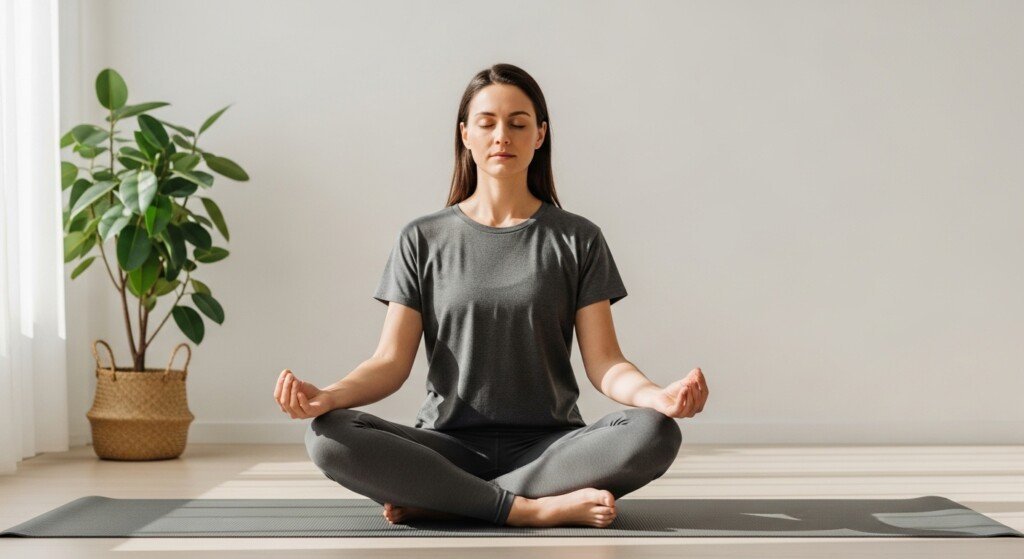
Mental Awareness (Meditation)
Yoga encourages focus and mindfulness during movement and breathing. Over time this improves emotional regulation and concentration.
Unlike typical workouts, yoga does not aim to exhaust the body. Instead, it aims to create controlled effort combined with awareness.
The History of Yoga
Yoga is not a modern fitness trend.
Its roots go back thousands of years in ancient India. Early references to yoga appear in ancient texts known as the Vedas and later in the Upanishads.
One of the most influential texts is the Yoga Sutras of Patanjali, written around 200 BCE. This text described yoga as an eight-step path designed to train both the body and the mind.
These eight limbs include:
- Ethical discipline
- Personal discipline
- Physical postures
- Breath control
- Sensory withdrawal
- Concentration
- Meditation
- Enlightenment
Modern yoga practice mainly focuses on the physical and breathing components, but the deeper philosophical roots still influence many traditions today.
Yoga gradually spread worldwide during the 20th century. Teachers introduced yoga in Europe and the United States, where it evolved into many different styles. Today yoga classes exist in gyms, studios, hospitals, schools, and even workplaces.
Global recognition became so significant that international yoga day is now celebrated every year on June 21 to promote awareness of the practice worldwide.
Why Yoga Became Popular Worldwide
Several factors explain why yoga gained global popularity.
Modern Lifestyle Problems
Many people spend most of their day sitting in front of computers or smartphones. This leads to stiff muscles, weak posture, and reduced mobility.
Yoga helps counter these problems by encouraging gentle movement and stretching.
Stress and Mental Health
Chronic stress is one of the biggest health challenges today. High stress levels affect sleep, digestion, mood, and concentration.
Practices like controlled breathing and meditation provide powerful tools for managing stress.
Many beginners start with techniques such as the method of relaxation with breathing, which focuses on slow rhythmic breathing patterns to calm the nervous system.
Accessibility
Yoga does not require expensive equipment. Most people only need a mat and a small open space.
Because yoga can be adapted for different ages and physical abilities, it is accessible to beginners, seniors, and even people recovering from injuries.
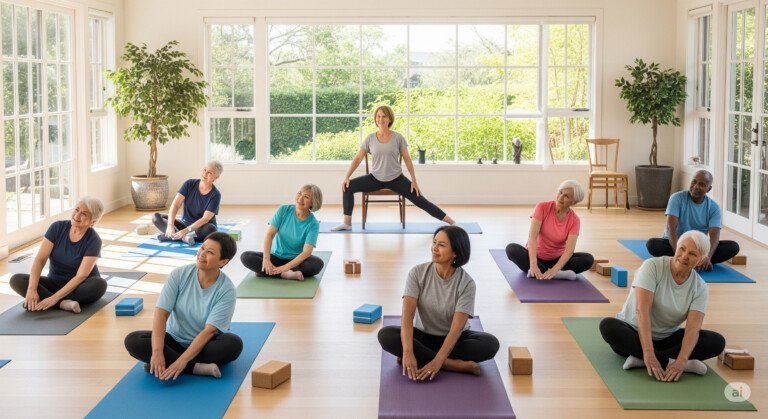
For example, people with limited mobility often start with chair yoga for seniors, which modifies traditional poses to be performed safely while seated.
The Core Benefits of Yoga
Yoga offers both physical and mental benefits when practiced consistently.
Improved Flexibility
Flexibility is one of the most noticeable changes beginners experience. Many poses gently stretch muscles and connective tissues that become tight from long hours of sitting.
Poses such as the butterfly yoga pose help open the hips and inner thighs, which are commonly tight in people who sit for long periods.
Stronger Muscles
Although yoga is often associated with flexibility, many poses also build strength. Holding poses requires muscle engagement and stability.
For example, the boat pose in yoga strengthens the core muscles, which support the spine and improve posture.
Better Posture
Poor posture contributes to neck pain, back pain, and headaches. Yoga strengthens postural muscles and increases awareness of body alignment.
Improved Digestion
Gentle twisting poses stimulate digestive organs and encourage healthy gut function.
Practices designed specifically for digestive health often appear in routines like yoga for digestion, which focuses on poses that massage abdominal organs.
Hormonal Balance
Certain poses and relaxation techniques may support hormonal balance. Many women practice specific sequences such as yoga for period cramps to reduce discomfort and tension during menstruation.
Weight Management
Yoga can also support weight management when practiced consistently alongside healthy nutrition.
Dynamic styles such as power yoga for beginners increase heart rate and burn more calories than slower yoga sessions.
Beginners interested in fitness goals often explore routines focused on yoga for weight loss, which combine strength building poses with continuous movement.
Mental Calmness
Yoga’s breathing and mindfulness elements help regulate the nervous system.
Slow breathing activates the parasympathetic nervous system, which helps the body relax and recover.
This is why breathing practices such as breathwork for stress relief are often included in yoga routines designed for mental health.
Beginner Mistakes That Slow Progress
Many people quit yoga within the first few weeks. Not because yoga is ineffective, but because beginners approach it with unrealistic expectations or incorrect habits.
Understanding these mistakes early can save months of frustration.
Trying Advanced Poses Too Soon
Social media often shows complex poses that require years of practice. Beginners sometimes try to copy these positions immediately, which leads to strain or injury.
Yoga should progress gradually. Simple foundational poses build the strength and flexibility needed for more advanced movements.
Before attempting complex sequences, beginners should first understand the fundamentals covered in best yoga poses that emphasize proper alignment and body awareness.
Ignoring Breathing
Breathing is not a side element in yoga. It is central to the practice.
Many beginners focus only on movement and forget to coordinate breath with posture changes. This reduces the calming effect yoga is supposed to create.
Learning basic breathing techniques such as the method of relaxation with breathing helps develop control over breath rhythm during movement.
Treating Yoga Like a Competition
Yoga is not about pushing harder than others or achieving perfect poses quickly. The goal is steady progress and body awareness.
When people force their body beyond its limits, muscles tighten instead of relaxing.
Yoga requires patience and consistency rather than intensity.
Practicing Without Discipline
Consistency matters more than intensity. Practicing for ten minutes every day produces better results than one long session once a week.
Developing yoga and discipline is what turns yoga from a temporary activity into a long term habit that improves health.
Understanding Different Types of Yoga
Yoga has evolved into many different styles. Each style emphasizes different aspects of the practice.
Knowing these differences helps beginners choose a style that matches their goals.
Hatha Yoga
Hatha yoga is one of the most beginner friendly styles. It focuses on slow movements and basic poses with attention to breathing.
Most introductory classes fall under this category.
Power Yoga
Power yoga is more dynamic and physically demanding than traditional yoga styles. Movements flow continuously and require more strength and endurance.
Beginners interested in more active workouts often explore power yoga for beginners, which adapts the intensity for people who are just starting.
Bikram Yoga
Bikram yoga is practiced in heated rooms and follows a specific sequence of 26 poses.
The heat increases sweating and muscle flexibility, but it can also be physically demanding.
Many beginners learn the fundamentals of this style through guides explaining bikram yoga poses and their sequence.
Acro Yoga
Acro yoga combines yoga with partner acrobatics. It involves balance, trust, and coordination between two people.
Although advanced variations exist, beginners can start with simple acro yoga poses that introduce partner balance safely.
Partner Yoga
Yoga does not always need to be a solo practice. Some poses are designed for two people working together.
These routines improve communication, coordination, and balance. Beginners often experiment with yoga poses for 2 people because they add a playful dimension to practice.
Foundational Yoga Poses Every Beginner Should Learn
Yoga poses, known as “asanas,” form the physical component of yoga practice. Learning foundational poses builds strength, flexibility, and balance.
Below are several beginner friendly poses that appear in many yoga routines.
Butterfly Pose
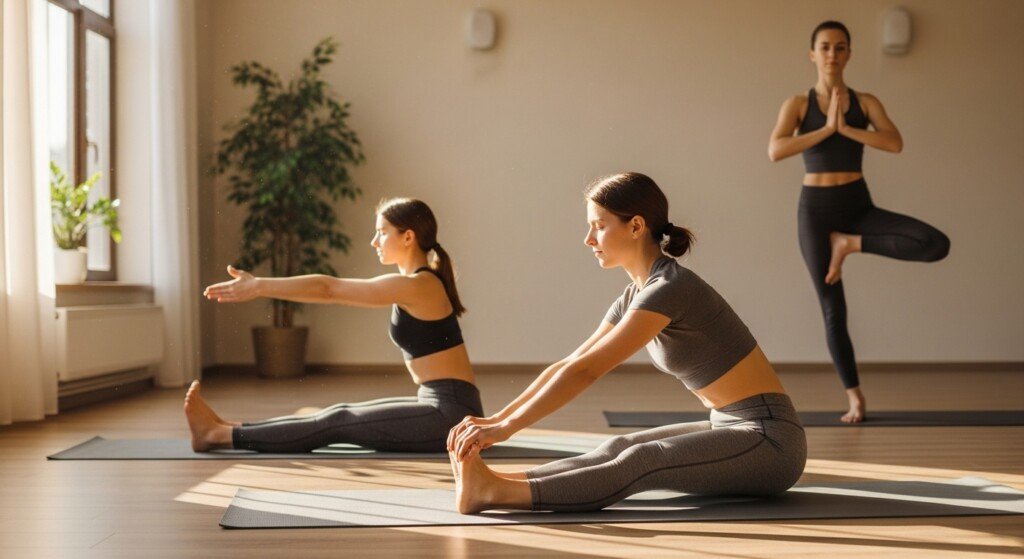
The butterfly yoga pose is commonly used to stretch the hips and inner thighs.
It is especially helpful for people who spend long hours sitting, as it loosens tight hip joints and improves lower body mobility.
This pose is often used during warm ups or cooling sequences.
Eagle Pose
Balance poses improve coordination and concentration.
The eagle pose yoga strengthens the legs while stretching the shoulders and upper back. It also challenges balance, forcing practitioners to focus fully on body alignment.
Boat Pose
Core strength plays an important role in maintaining good posture.
The boat pose in yoga activates abdominal muscles and strengthens the spine stabilizers. Beginners may find this pose challenging at first, but consistent practice improves core endurance.
Bedtime Yoga Poses
Yoga is not only for daytime workouts. Many people use yoga as part of their evening routine to improve sleep.
Sequences of gentle stretches known as bedtime yoga poses relax the body and slow the mind before sleep.
These poses usually involve forward folds, gentle twists, and deep breathing.
Detox Yoga Flows
Certain yoga sequences focus on stimulating internal organs and circulation.
Practices such as detox yoga poses cleansing flows combine twisting poses and controlled breathing to encourage circulation and digestive movement.
Although the term detox is often misunderstood, these routines mainly support the body’s natural cleansing processes through movement and breathing.
Yoga for Health and Wellness
Yoga is often used as a supportive practice for improving overall wellness.
Although yoga should not replace medical treatment, many people use it to manage common health concerns.
Digestive Health
Gentle twisting poses stimulate digestive organs and encourage better gut movement.
Specialized routines like yoga for digestion include poses that compress and release abdominal muscles, which can help relieve bloating and sluggish digestion.
Menstrual Comfort
Certain stretches help reduce tension in the lower abdomen and back.
Many women practice sequences such as yoga for period cramps, which focus on relaxing hip and pelvic muscles during menstruation.
Stress Management
Breathing techniques are especially powerful for calming the nervous system.
Many beginners learn simple exercises in breathwork for stress relief to reduce anxiety and improve focus.
Regular breathing practice trains the body to shift from stress response to relaxation response more efficiently.
Yoga Is Not Always Serious
Many beginners imagine yoga as a quiet room where everyone sits silently and moves slowly. While that image exists, yoga culture is far more diverse than most people realize.
Over the years, yoga has developed playful, creative, and sometimes unusual variations. These variations help remove the intimidation beginners often feel when starting a new practice.
Yoga does not have to feel rigid or overly spiritual. In many communities, humor and experimentation are part of the learning process.
For example, social media often highlights funny yoga poses that exaggerate body positions or show people losing balance during practice. While these moments are humorous, they also remind beginners that mistakes are normal.
Even experienced practitioners occasionally wobble, fall, or struggle with balance. Progress in yoga is rarely perfect.
Another topic that surprises beginners is the reality of the yoga fart phenomenon. Certain twisting or compression poses can release trapped air in the digestive system. This is a completely normal biological response, although it can feel embarrassing in group classes.
Experienced instructors usually treat it lightly because digestive movement is actually a sign that the body is relaxing and releasing tension.
Understanding these realities helps beginners approach yoga with less pressure and more patience.
Yoga as a Lifestyle
Yoga eventually becomes more than a physical exercise routine. Many people discover that it influences daily habits, mindset, and personal discipline.
Yoga philosophy encourages awareness in everyday actions such as eating, sleeping, breathing, and interacting with others.
For this reason, yoga practitioners often talk about yoga as a lifestyle rather than just a workout.

Clothing and Comfort
Comfortable clothing makes a significant difference in yoga practice.
Tight clothing can restrict breathing or movement, while overly loose clothing may interfere with poses.
Beginners often ask what they should wear during practice. A detailed guide on what to wear to yoga usually recommends breathable fabrics that allow free movement while maintaining modest coverage during stretches and inversions.
Different yoga styles may require different clothing considerations.
For example, heated yoga classes create intense sweating, so understanding what to wear to hot yoga becomes important. Moisture wicking fabrics and lightweight clothing help maintain comfort in heated environments.
Essential Yoga Gear
One of the advantages of yoga is that it requires very little equipment. However, a few simple items can improve the experience.
Common yoga essentials include:
• a non slip yoga mat
• a reusable water bottle
• a towel for sweat
• yoga blocks or straps for support
Many practitioners keep these items ready in a small kit often described as yoga in a bag essentials, which makes it easier to maintain a consistent routine whether practicing at home, outdoors, or in a studio.
Yoga for Different Age Groups
One reason yoga continues growing worldwide is its adaptability. Unlike many intense workout programs, yoga can be modified for different ages and physical conditions.
Yoga for Seniors
Older adults often struggle with joint stiffness, reduced balance, and limited mobility. Traditional yoga poses may feel difficult or unsafe for beginners in this age group.
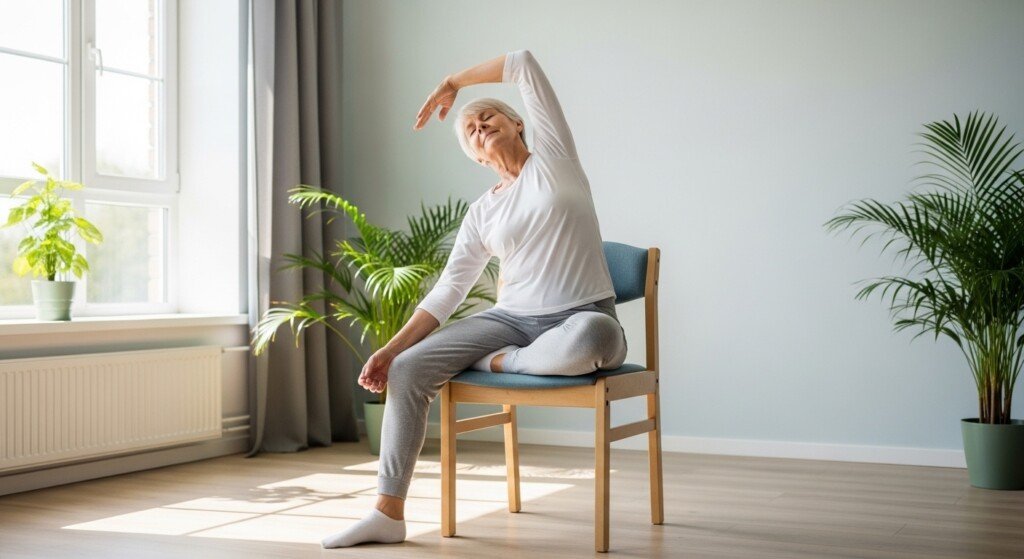
To address this, instructors developed modified routines like chair yoga for seniors. These sessions allow participants to perform stretching and breathing exercises while seated or using a chair for balance support.
Chair based yoga provides many of the same benefits as traditional yoga while reducing the risk of falls.
Yoga for Families and Partners
Yoga can also become a shared activity between friends, couples, or family members.
Partner routines encourage cooperation and communication. Some poses require one person to support another, creating balance and trust between partners.
Beginners often explore yoga poses for 2 people because these routines feel more interactive and engaging than solo practice.
Partner yoga is also common in wellness retreats and recreational workshops.
Breathing and Relaxation Techniques
Breathing is one of the most powerful yet overlooked components of yoga.
Many beginners initially focus on the physical movements of yoga poses, but experienced practitioners know that breath control determines the overall effect of the practice.
Slow breathing activates the parasympathetic nervous system, which reduces heart rate and lowers stress hormones.
This is why breathing techniques such as breathwork for stress relief are widely used to calm anxiety and improve emotional stability.
Relaxation Through Breath
Certain breathing exercises emphasize long, steady inhalations and exhalations that relax the body.
Practices like the method of relaxation with breathing train the mind to remain calm even when the body experiences tension or discomfort.
These techniques are especially useful before sleep, during stressful workdays, or after intense physical activity.
Over time, breath awareness becomes automatic. Practitioners begin to notice how breathing patterns change with emotions, fatigue, and concentration.
Learning to control these patterns can significantly improve mental resilience.
Controversies and Cultural Questions Around Yoga
Because yoga originated in ancient India and later spread globally, it has sometimes been misunderstood or debated in different cultural contexts.
Some discussions focus on whether yoga is purely a physical practice or a spiritual tradition.
Religious Questions
In some communities, people ask whether yoga conflicts with their religious beliefs.
This question is often explored in discussions about is yoga a sin religious views, where different perspectives examine whether yoga should be treated as exercise, meditation, or spiritual practice.
Many modern instructors present yoga primarily as a wellness practice focused on movement and breathing rather than religious rituals.
Kundalini Yoga Debate
Another topic that occasionally generates debate is the intensity of certain advanced yoga systems.
For example, some discussions examine why is kundalini yoga dangerous in situations where practitioners attempt powerful breathing or meditation techniques without proper guidance.
Kundalini yoga traditionally involves advanced breathing patterns and long meditation sessions designed to influence energy flow within the body.
While many practitioners report positive experiences, beginners should approach advanced practices carefully and ideally under experienced instruction.
Yoga Culture in the Modern World
Yoga today exists in many different environments.
Some people practice yoga in quiet studios with traditional instruction. Others follow online classes, mobile apps, or short guided sessions on social media.
Even large public events celebrate yoga globally.
Every year millions of people participate in events related to international yoga day, which encourages global awareness of yoga’s physical and mental health benefits.
This widespread participation reflects how yoga has evolved from an ancient practice into a global wellness movement.
Despite these changes, the core purpose of yoga remains the same. It is a system designed to bring balance to the body and mind through movement, breathing, and awareness.
How to Build a Simple Daily Yoga Routine
Many beginners believe they need long sessions or complex sequences to benefit from yoga. In reality, consistency matters far more than session length.
A short, structured daily routine can produce noticeable improvements in flexibility, strength, and mental clarity within a few weeks.
The goal is to create a routine that is simple enough to maintain every day.
Step 1: Start With Gentle Warm Up
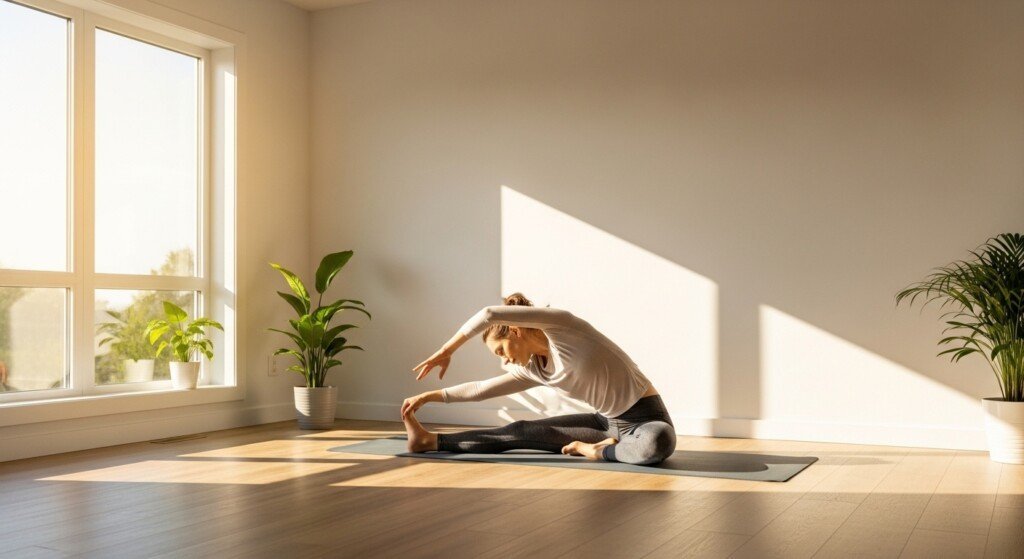
Before moving into deeper stretches or balance poses, the body needs preparation.
A warm up usually includes light movements that gradually increase circulation and loosen stiff muscles. Neck rolls, shoulder rotations, and gentle spinal twists prepare the body for more demanding positions.
Beginners who skip this step often experience unnecessary muscle strain.
Step 2: Practice Foundational Poses
The core of your session should focus on fundamental poses that develop balance, strength, and flexibility.
Many beginner programs begin with movements described in guides about best yoga poses, since these postures build the foundation required for more advanced yoga practice.
At this stage, focus on correct alignment rather than depth of stretch. Small improvements in posture can significantly reduce the risk of injury.
Step 3: Include Breathing Exercises
Breathing exercises should not be treated as optional.
Controlled breathing regulates heart rate and helps the body transition into a calm, focused state. Even two or three minutes of breathing exercises can improve the effectiveness of a yoga session.
Many beginners use techniques found in breathwork for stress relief because they are simple and produce noticeable relaxation quickly.
Step 4: End With Relaxation
Every yoga session should end with a brief relaxation period.
This phase allows the body to absorb the benefits of stretching and breathing. Many practitioners lie quietly in a resting position while focusing on slow breathing.
Some people also incorporate the method of relaxation with breathing during this stage to deepen mental calmness.
A Simple Weekly Yoga Plan for Beginners
A structured weekly plan helps beginners develop consistency without overwhelming their schedule.
Below is an example of how someone might structure their first week of yoga practice.
Day 1: Foundation
Focus on learning posture and breathing basics. Practice simple stretches and balance poses while paying attention to alignment.
Day 2: Flexibility
Introduce hip opening and lower body stretches such as the butterfly yoga pose, which helps release tension from long periods of sitting.
Day 3: Core Strength
Incorporate strengthening poses like the boat pose in yoga to activate abdominal muscles and improve spinal support.
Day 4: Balance and Stability
Practice balance oriented poses such as the eagle pose yoga, which improves coordination and focus.
Day 5: Digestive Support
Use gentle twisting poses often included in routines like yoga for digestion to stimulate abdominal circulation.
Day 6: Recovery and Relaxation
Choose calming movements such as sequences from bedtime yoga poses that help relax the body and prepare for restful sleep.
Day 7: Active Flow
Combine several poses into a continuous sequence. Beginners interested in more dynamic movement may explore introductory routines like power yoga for beginners.
This type of weekly structure provides variety while reinforcing foundational skills.
Safety Guidelines for Beginners
Yoga is generally safe when practiced carefully, but certain precautions help prevent injuries.
Avoid Forcing Flexibility
Flexibility develops gradually. Pushing too far into a stretch can strain muscles or ligaments.
Yoga should create mild tension but never sharp pain.
Maintain Steady Breathing
Holding your breath during poses increases physical tension and reduces oxygen flow.
Steady breathing maintains relaxation and prevents dizziness.
Modify When Necessary
Every body is different. Beginners should feel comfortable modifying poses when necessary.
For example, older adults or individuals with mobility limitations often benefit from approaches such as chair yoga for seniors, which provide similar benefits with greater stability.
Listen to Your Body
Fatigue, discomfort, or pain are signals that the body needs rest.
Ignoring these signals can turn a beneficial practice into a harmful one.
Long Term Benefits of Consistent Yoga Practice
People who maintain a consistent yoga routine often experience improvements that extend beyond physical fitness.
Improved Mental Clarity
Regular breathing exercises and mindful movement improve concentration and emotional regulation.
Many practitioners report feeling calmer and more focused throughout the day.
Better Sleep
Evening sessions that include slow stretching and breathing can improve sleep quality.
Sequences based on bedtime yoga poses are especially helpful for people who struggle with restlessness before sleep.
Stronger Mind Body Connection
Yoga trains practitioners to observe subtle signals from their body. Over time, this awareness improves posture, movement patterns, and stress management.
Sustainable Fitness
Unlike extreme workout programs, yoga is designed for long term sustainability. Many people continue practicing yoga for decades because it adapts to changing physical abilities.
Final Thoughts: Yoga Guide for Beginners
Yoga remains one of the most adaptable and accessible wellness practices in the world.
Its combination of physical movement, controlled breathing, and mental awareness creates benefits that extend far beyond simple exercise.
Beginners often start yoga seeking improved flexibility or stress relief. Over time they discover that yoga influences many aspects of daily life including posture, discipline, sleep quality, and emotional balance.
The key to success is consistency.
Short sessions practiced regularly produce far greater results than occasional intense workouts.
Start slowly, focus on foundational movements, and gradually explore different styles and routines. As your confidence grows, yoga becomes less about performing poses and more about maintaining balance between body and mind.
Frequently Asked Questions
1. How often should beginners practice yoga?
Most beginners benefit from practicing three to five times per week. Even short sessions of fifteen minutes can provide noticeable improvements when practiced consistently.
2. Can yoga help with weight loss?
Yoga can support weight management by improving metabolism, reducing stress eating, and increasing physical activity. Dynamic routines such as yoga for weight loss combine movement and strength building poses.
3. Do I need to be flexible to start yoga?
No. Flexibility develops through practice. Many beginners start yoga because they want to improve stiffness and mobility.
4. Is yoga only for young people?
No. Yoga can be adapted for almost any age group. Modified routines such as chair yoga for seniors allow older adults to practice safely.
5. Can yoga improve digestion?
Gentle twisting and stretching movements stimulate digestive organs. Programs focused on yoga for digestion often help relieve bloating and discomfort.
6. Is yoga connected to religion?
Yoga originated in ancient spiritual traditions, but modern yoga is often practiced as a health and wellness activity. Discussions about is yoga a sin religious views show that perspectives vary depending on cultural and religious beliefs.
Disclaimer:
This post may contain affiliate links. If you purchase through them, we may earn a small commission at no extra cost to you. Also, this content is for informational purposes only and does not substitute professional medical advice.
Find Your Flow
Use our free Yoga Toolkit to see calories burned by style and find the practice that fits you today.
Open Free Tools →