

How Long Does It Take to Reverse Insulin Resistance? 6 Facts
If you’ve recently been diagnosed with insulin resistance, one of the first questions that probably comes to mind is, “How long does it take to reverse insulin resistance?” It is a reasonable question because most people want to know when they can expect to see improvements after changing their diet, exercising more, or losing weight.
The honest answer is that there is no single timeline that applies to everyone. Some people notice positive changes within a few weeks, while others require several months of consistent lifestyle changes before blood sugar markers begin to improve. The speed of recovery depends on many factors, including your current metabolic health, body weight, activity level, sleep quality, nutrition, stress levels, and how long insulin resistance has been developing.
One of the biggest misconceptions is that reversing insulin resistance happens overnight. Unlike a short-term illness, insulin resistance usually develops gradually over many years. It often results from a combination of genetics, excess body fat, physical inactivity, poor dietary habits, inadequate sleep, and chronic stress. Because it develops slowly, improving it also requires patience and consistency.
The encouraging news is that insulin resistance is often highly responsive to healthy lifestyle changes. Research consistently shows that regular exercise, balanced nutrition, healthy weight management, quality sleep, and stress reduction can significantly improve insulin sensitivity for many people. Even modest improvements in these areas may produce measurable benefits before dramatic physical changes become visible.
Another important point to remember is that progress is not measured by body weight alone. Many people experience healthier fasting glucose levels, improved energy, better blood pressure, or a smaller waist circumference before seeing large changes on the scale. Looking at multiple health markers provides a much more accurate picture of recovery.
In this article, you’ll learn how long does it take to reverse insulin resistance, the factors that influence recovery, how to measure progress accurately, which daily habits produce the greatest improvements, what commonly slows progress, and when it makes sense to repeat blood tests.
How Long Does It Take to Reverse Insulin Resistance?
There is no universal timeline because every person’s starting point is different.
Someone who has recently developed mild insulin resistance may respond more quickly to lifestyle improvements than someone who has experienced metabolic problems for many years. Likewise, individuals who already exercise regularly may notice improvements sooner than someone who is beginning from a sedentary lifestyle.
For most people, insulin sensitivity improves gradually rather than suddenly.
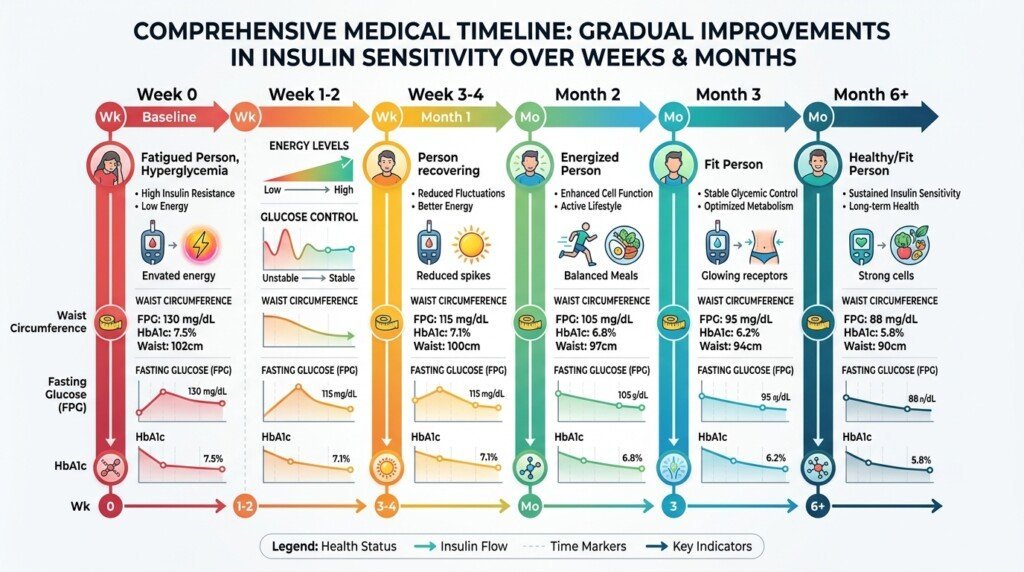
What Can Happen During the First Few Weeks?
The first noticeable improvements are often related to how you feel rather than what you see.
Many people report:
- More stable energy throughout the day
- Less fatigue after meals
- Reduced hunger between meals
- Improved exercise performance
- Better sleep quality
These changes can occur before laboratory tests show significant improvements.
What Happens After Several Months?
As healthy habits become more consistent, many people begin to notice measurable improvements in metabolic health.
These may include:
- Lower fasting blood glucose
- Improved HbA1c
- Reduced waist circumference
- Better cholesterol levels
- Lower blood pressure
- Gradual weight loss
- Improved body composition
The exact timeline varies, but consistent lifestyle changes often produce meaningful improvements over several months rather than several days.
Progress Is Rarely Linear
One week may feel extremely encouraging, while the next may seem disappointing.
This is completely normal.
Body weight naturally fluctuates from day to day because of hydration, digestion, hormones, and many other factors.
Similarly, improvements in insulin sensitivity do not occur in a perfectly straight line.
The people who make the greatest long-term progress are usually those who remain consistent instead of becoming discouraged by temporary setbacks.
Learning how to Reverse Insulin Resistance Naturally is often less about finding one perfect strategy and more about maintaining healthy habits long enough for your body to respond.
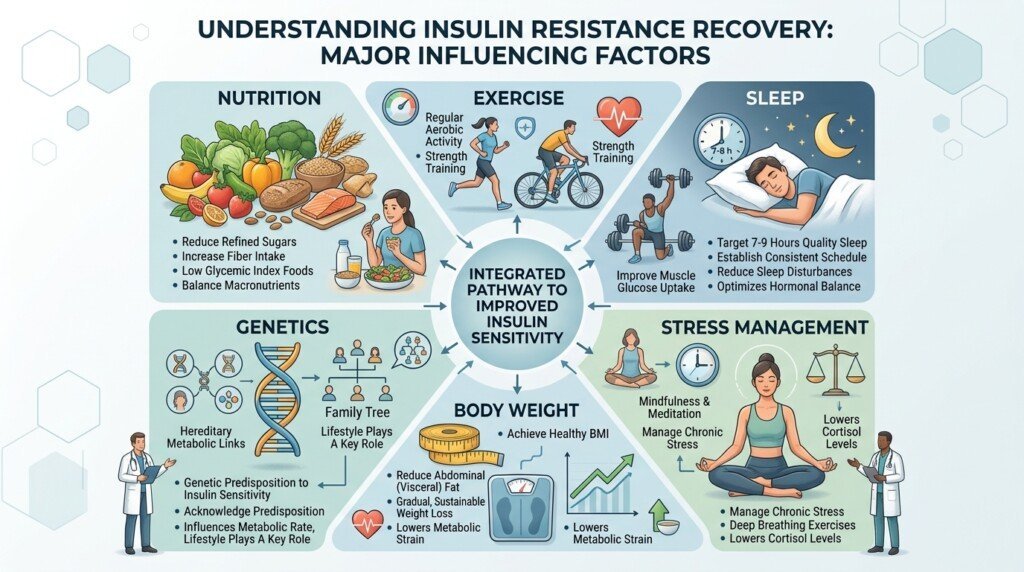
What Factors Affect Recovery?
No two people experience insulin resistance in exactly the same way.
Several factors influence how quickly insulin sensitivity improves.
Understanding these factors helps set realistic expectations and prevents unnecessary frustration.
Starting Metabolic Health
People with mild insulin resistance often improve more quickly than those who already have significant metabolic dysfunction.
If blood sugar levels, HbA1c, waist circumference, and body weight are only slightly elevated, lifestyle changes may produce noticeable improvements sooner.
On the other hand, long-standing insulin resistance generally requires a longer recovery period.
Body Weight and Visceral Fat
Excess visceral fat is strongly associated with reduced insulin sensitivity.
As visceral fat gradually decreases, many people experience measurable improvements in blood sugar regulation.
Importantly, even modest reductions in waist circumference may reflect meaningful improvements in metabolic health before dramatic weight loss occurs.
Physical Activity
Regular movement increases the body’s ability to use glucose efficiently.
Both aerobic exercise and resistance training contribute to healthier insulin sensitivity.
People who remain physically active most days of the week often experience better long-term metabolic outcomes than those who rely only on dietary changes.
The goal is not extreme exercise but consistent movement that becomes part of everyday life.
Nutrition Quality
Healthy eating patterns influence recovery just as much as physical activity.
Meals built around vegetables, fruits, legumes, whole grains, lean proteins, healthy fats, and other minimally processed foods provide the nutrients needed to support healthier blood sugar regulation.
Improving meal quality gradually is usually more sustainable than following highly restrictive diets.
Sleep
Sleep is frequently overlooked, yet it plays an important role in metabolic health.
Poor sleep may influence:
- Appetite
- Food choices
- Recovery
- Energy levels
- Blood sugar regulation
Adults generally benefit from seven to nine hours of quality sleep each night.
Even small improvements in sleep habits may positively affect insulin sensitivity over time.
Stress Levels
Long-term stress affects much more than emotional well-being.
It often influences:
- Physical activity
- Eating habits
- Sleep quality
- Recovery
People experiencing chronic stress may find it more difficult to maintain healthy routines.
Managing stress through realistic daily habits supports long-term recovery, even though it does not eliminate insulin resistance by itself.
Consistency Matters Most
Perhaps the single biggest factor influencing recovery is consistency.
Healthy choices repeated every day almost always outperform short periods of extreme motivation.
Missing one workout or enjoying an occasional treat will not undo your progress.
Likewise, one healthy meal will not immediately reverse insulin resistance.
Long-term improvements come from the habits you practice week after week.
Building sustainable routines is often more valuable than trying to make dramatic changes all at once. Those same principles are discussed throughout Weight Loss Habits and Sustainable Weight Loss, where lasting behavior change is placed ahead of temporary results.
How Can You Measure Progress?
When you’re trying to improve insulin resistance, it’s natural to want proof that your efforts are paying off. However, many people become discouraged because they focus only on the number displayed on the bathroom scale.
Body weight is only one piece of the picture.
In fact, some of the earliest improvements in insulin sensitivity happen inside your body long before they become obvious in your appearance. Looking at several health markers together provides a much clearer understanding of your progress and helps you stay motivated during the process.
Watch Your Waist Circumference
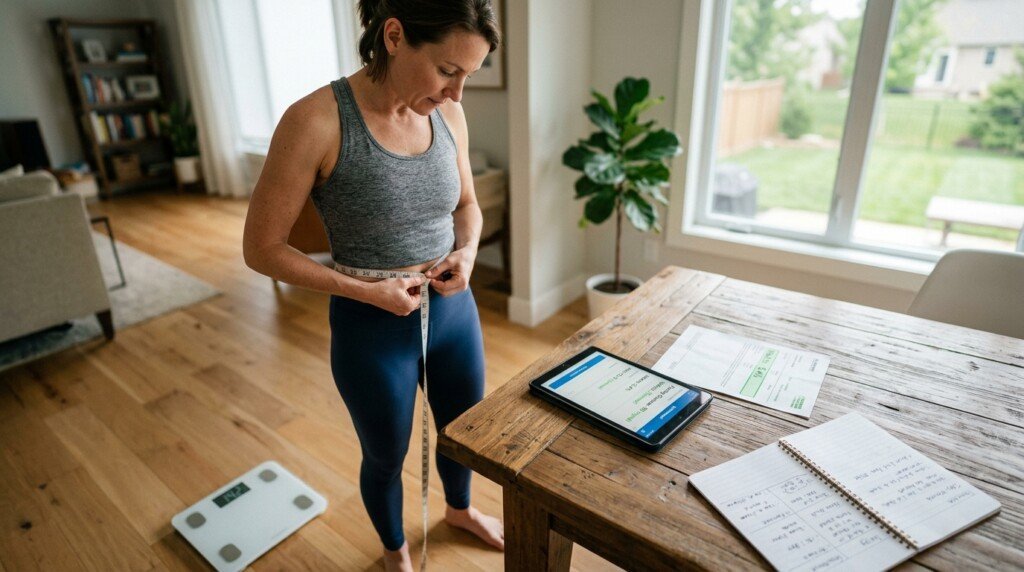
One of the easiest ways to monitor progress at home is by measuring your waist circumference.
Visceral fat, the fat stored around your internal organs, is closely linked with insulin resistance. As insulin sensitivity improves, many people gradually notice a reduction in waist size, even if body weight changes very little.
To measure consistently:
- Use a flexible measuring tape.
- Measure at the level of your belly button.
- Stand upright without holding your breath.
- Measure under similar conditions each time, such as first thing in the morning.
Repeating this measurement every two to four weeks provides a much better long-term picture than measuring daily.
Monitor Your Body Weight Wisely
Weight can still be a useful measurement, but it should never be viewed in isolation.
Daily fluctuations caused by hydration, food intake, hormones, and digestion are completely normal. Seeing the scale move up or down by a small amount from one day to the next does not necessarily reflect changes in body fat or insulin sensitivity.
Instead of weighing yourself every day, many healthcare professionals recommend checking your weight once a week under similar conditions.
This approach helps you recognize overall trends rather than reacting emotionally to normal daily changes.
Pay Attention to Your Energy Levels
Many people notice improvements in how they feel before they notice changes in laboratory tests.
As insulin sensitivity improves, you may begin to experience:
- More consistent energy throughout the day
- Fewer afternoon energy crashes
- Better concentration
- Improved exercise performance
- Feeling less sluggish after meals
These changes may seem small, but they often indicate that your body is responding positively to healthier habits.
Notice Changes in Hunger and Cravings
Insulin resistance is often accompanied by frequent hunger and strong cravings for sugary or highly processed foods.
As metabolic health improves, many people notice that:
- They stay full longer after meals.
- Cravings become less intense.
- Snacking becomes less frequent.
- Portion sizes begin to feel more satisfying.
These improvements often develop gradually over several weeks or months.
Track Physical Fitness
Improved fitness is another valuable sign of progress.
Ask yourself questions such as:
- Can I walk farther without getting tired?
- Am I becoming stronger during workouts?
- Is climbing stairs easier?
- Do I recover more quickly after exercise?
These functional improvements often appear before dramatic weight loss and provide encouraging evidence that your overall health is improving.
Review Blood Test Results
Blood tests remain one of the most reliable ways to evaluate improvements in insulin resistance.
Healthcare providers commonly monitor:
- Fasting blood glucose
- HbA1c
- Cholesterol
- Triglycerides
- Blood pressure
Rather than focusing on one number, your healthcare provider looks for overall improvement across several markers.
Small improvements repeated over time often indicate that your lifestyle changes are moving you in the right direction.
Look at Your Overall Lifestyle
Progress should also be measured by the habits you’ve built.
Ask yourself:
- Am I exercising regularly?
- Am I eating more balanced meals?
- Am I sleeping better?
- Am I managing stress more effectively?
- Am I becoming more consistent?
Improving insulin resistance is ultimately about changing daily behaviors rather than chasing short-term results.
Which Habits Improve Insulin Sensitivity Faster?
Although there is no shortcut for reversing insulin resistance, certain habits consistently produce the greatest long-term improvements when practiced together.
The key word is together.
No single habit works in isolation. Instead, healthy behaviors reinforce one another, creating an environment where insulin sensitivity can gradually improve.

Exercise Most Days of the Week
Physical activity is one of the most effective lifestyle strategies for improving insulin sensitivity.
When muscles contract during exercise, they use glucose for energy more efficiently. This process helps reduce the amount of insulin needed to move glucose into cells.
A balanced exercise routine may include:
- Brisk walking
- Cycling
- Swimming
- Resistance training
- Recreational sports
The best exercise program is one you genuinely enjoy and can maintain consistently.
Preserve and Build Muscle
Muscle tissue plays an important role in glucose metabolism.
Strength training helps preserve lean muscle mass while supporting healthy body composition.
You don’t need to lift extremely heavy weights to experience benefits.
Exercises using resistance bands, body weight, or light dumbbells can all contribute to improved insulin sensitivity when performed regularly.
Build Balanced Meals
Healthy eating does not require perfection.
Aim to include:
- Lean protein
- High-fiber vegetables
- Whole-food carbohydrates
- Healthy fats
This combination supports steady energy and helps create satisfying meals that are easier to maintain over time.
Improve Sleep Quality
Quality sleep supports nearly every aspect of metabolic health.
Simple habits include:
- Maintaining a consistent bedtime
- Limiting screen exposure before sleep
- Creating a cool, quiet sleeping environment
- Avoiding excessive caffeine late in the day
Even modest improvements in sleep quality can positively influence appetite regulation and blood sugar control.
Reduce Long-Term Stress
Stress is a normal part of life, but chronic stress can make healthy habits more difficult to maintain.
Helpful strategies include:
- Walking outdoors
- Meditation
- Deep breathing exercises
- Reading
- Spending time with family and friends
- Enjoying relaxing hobbies
The goal isn’t to eliminate stress completely but to develop healthier ways of responding to it.
Stay Patient and Consistent
Perhaps the most powerful habit is consistency.
Many people give up because they expect immediate results.
However, insulin resistance usually develops over many years, and meaningful improvement also requires time.
Rather than searching for rapid solutions, focus on repeating healthy behaviors day after day.
People who successfully Reverse Insulin Resistance Naturally usually do so because they build routines they can maintain for life rather than relying on short periods of extreme motivation.
What Mistakes Slow Progress?
Improving insulin resistance takes time, but certain habits can make the process slower than it needs to be. Many people become frustrated because they expect rapid changes or focus on strategies that are difficult to maintain. In reality, long-term success usually comes from avoiding common mistakes rather than searching for the perfect solution.
Recognizing these obstacles early can help you stay consistent and maintain realistic expectations.
Expecting Immediate Results
One of the biggest mistakes is expecting insulin resistance to improve within a few days.
Because insulin resistance often develops gradually over several years, it also takes time for the body to respond to healthier habits.
Some improvements, such as increased energy or better sleep, may appear within a few weeks. However, changes in HbA1c, fasting glucose, and body composition usually require longer periods of consistent effort.
Instead of asking, “Why haven’t I improved this week?” ask, “Am I doing the right things consistently this month?”
A long-term mindset is far more effective than chasing quick results.
Changing Too Many Habits at Once
Motivation is often highest immediately after receiving a diagnosis.
Many people try to completely transform their lifestyle overnight by:
- Following a very restrictive diet
- Exercising every day for long periods
- Eliminating entire food groups
- Sleeping perfectly every night
- Tracking every calorie
Although these changes sound productive, they are often difficult to maintain.
A better approach is to introduce a few realistic habits, allow them to become routine, and then gradually build on them.
Consistency beats intensity almost every time.
Skipping Physical Activity
Nutrition plays a major role in improving insulin sensitivity, but exercise is equally important.
Regular movement allows muscles to use glucose more efficiently and supports healthier body composition.
This does not mean you need intense daily workouts.
Walking, cycling, swimming, resistance training, and other enjoyable activities all contribute to better metabolic health.
The goal is to move consistently rather than occasionally.
Ignoring Sleep
Many people focus entirely on food and exercise while overlooking sleep.
Poor sleep may contribute to:
- Increased hunger
- Lower energy
- Reduced motivation
- Poor food choices
- Less effective recovery
Improving sleep quality often makes healthy eating and regular exercise easier to maintain.
Even small improvements in bedtime routines can support long-term progress.
Measuring Success Only by the Scale
Body weight tells only part of the story.
Someone may experience significant improvements in insulin sensitivity while losing very little weight during the early stages.
Instead of focusing exclusively on kilograms or pounds, also pay attention to:
- Waist circumference
- Energy levels
- Physical fitness
- Blood test results
- Clothing fit
- Daily habits
These measurements provide a much more complete picture of progress.
Giving Up After Small Setbacks
Everyone experiences difficult weeks.
Vacations, holidays, illness, work stress, and family responsibilities can temporarily interrupt healthy routines.
One missed workout or one unhealthy meal does not erase weeks of progress.
The people who achieve lasting improvements are not those who are perfect.
They are the people who return to healthy habits as quickly as possible after setbacks.
Comparing Yourself With Others
Recovery timelines vary widely.
Age, genetics, body composition, medical history, physical activity, and many other factors influence how quickly insulin sensitivity improves.
Comparing your progress with someone else’s often creates unnecessary frustration.
Focus instead on whether you are healthier than you were last month.
That comparison is far more meaningful.
When Should You Repeat Blood Tests?
Lifestyle changes are important, but objective measurements help confirm that your efforts are improving your metabolic health.
Blood tests provide valuable information that cannot be seen in the mirror.
Your healthcare provider will determine how often testing is appropriate based on your individual health history, risk factors, and previous laboratory results.
Why Repeat Testing Matters
Many people begin feeling better before blood sugar markers show significant improvement.
Likewise, some individuals feel perfectly healthy while laboratory results indicate ongoing insulin resistance.
Regular monitoring helps ensure that improvements are occurring both physically and metabolically.
Common Blood Tests
Healthcare professionals commonly monitor:
- Fasting blood glucose
- HbA1c
- Lipid profile
- Blood pressure
- Waist circumference
Together, these measurements provide a clearer picture of your metabolic health than any single number alone.
What Should You Look For?
The goal is gradual improvement rather than perfection.
Positive changes may include:
- Lower fasting glucose
- Reduced HbA1c
- Improved cholesterol levels
- Lower triglycerides
- Smaller waist circumference
- Better blood pressure
Even modest improvements indicate that healthy lifestyle changes are moving you in the right direction.
Keep Monitoring Even After Improvement
Many people stop paying attention once their blood sugar improves.
However, insulin resistance can gradually return if healthy habits disappear.
Maintaining regular medical follow-up helps identify changes early and reinforces the importance of long-term consistency.
Think of healthy habits as lifelong investments rather than temporary treatment plans.

Frequently Asked Questions
1. How long does it take to reverse insulin resistance?
There is no single timeline. Some people notice improvements in energy and daily well-being within a few weeks, while meaningful changes in fasting glucose, HbA1c, and other metabolic markers often take several months of consistent lifestyle changes.
2. What affects how quickly insulin resistance improves?
Recovery depends on several factors, including body weight, visceral fat, physical activity, nutrition, sleep quality, stress levels, genetics, and how long insulin resistance has been present.
3. How can I tell if my insulin resistance is improving?
Progress can be measured through waist circumference, energy levels, physical fitness, fasting blood glucose, HbA1c, cholesterol levels, blood pressure, and other markers evaluated by your healthcare provider.
4. Which habits improve insulin sensitivity the most?
Regular physical activity, balanced nutrition, healthy weight management, quality sleep, stress reduction, and maintaining these habits consistently have the strongest evidence for improving insulin sensitivity.
5. When should I repeat blood tests?
Your healthcare provider will recommend a schedule based on your individual situation. Regular monitoring of fasting glucose, HbA1c, cholesterol, blood pressure, and other metabolic markers helps evaluate whether your lifestyle changes are producing meaningful improvements.
Final Thoughts
If you’re wondering how long does it take to reverse insulin resistance, the most accurate answer is that improvement is a journey rather than a deadline. Some people experience noticeable changes within a few weeks, while others require several months before blood sugar markers and insulin sensitivity improve. The timeline depends on your starting point, daily habits, and consistency over time.
Instead of focusing only on the scale or expecting immediate results, pay attention to the broader picture. Better energy, improved waist circumference, healthier blood test results, stronger physical fitness, and more balanced eating habits are all meaningful signs that your metabolic health is moving in the right direction.
Most importantly, remember that lasting progress comes from sustainable habits, not short-term perfection. Regular movement, balanced nutrition, quality sleep, stress management, and ongoing medical monitoring work together to improve insulin sensitivity. When these habits become part of your everyday life, they support not only healthier blood sugar but also long-term well-being.
Disclaimer:
This post may contain affiliate links. If you purchase through them, we may earn a small commission at no extra cost to you. Also, this content is for informational purposes only and does not substitute professional medical advice.
Ready to Start Your Journey?
Use our free 7-in-1 Weight Loss Toolkit to calculate your numbers and build your plan in minutes.
Open Free Tools →