
Best Breakfast for Insulin Resistance: 7 Smart Choices
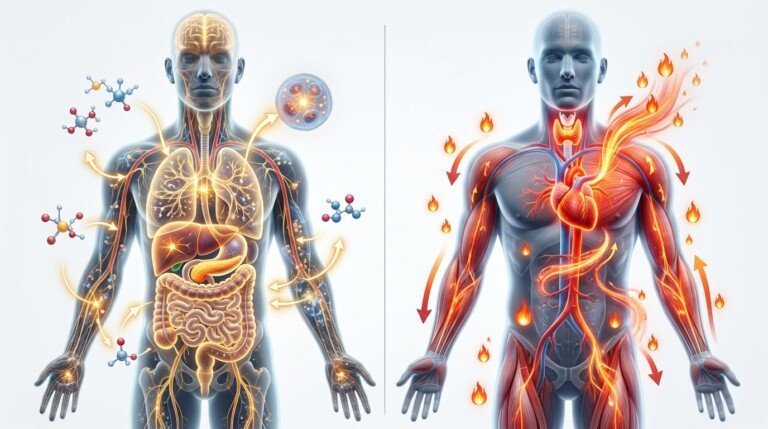
Starting your day with the Best Breakfast for Insulin Resistance can help support steady energy levels, improve satiety, and create healthier eating habits throughout the day. Although no single breakfast can reverse insulin resistance, choosing balanced foods in the morning may help reduce large blood sugar fluctuations and support better insulin sensitivity over time.
Insulin resistance develops when the body’s cells become less responsive to insulin, the hormone responsible for moving glucose from the bloodstream into the cells for energy. As a result, the pancreas produces more insulin to keep blood sugar under control. Over time, this may contribute to metabolic syndrome, abdominal obesity, prediabetes, and an increased risk of type 2 diabetes.
Breakfast is often the first opportunity to provide your body with protein, fiber, healthy fats, and nutrient-rich carbohydrates after an overnight fast. A balanced morning meal can help keep you satisfied, reduce the likelihood of reaching for highly processed snacks later in the day, and provide a consistent source of energy for work, exercise, and daily activities.
Many people assume breakfast should be based on toast, pastries, sugary cereals, or flavored coffee drinks. While these foods are convenient, they often contain refined carbohydrates and added sugars that may not provide lasting fullness. Replacing them with meals that combine protein and fiber is generally a more supportive approach for metabolic health.
The good news is that healthy breakfasts do not have to be complicated or time consuming. Many nutritious meals take less than fifteen minutes to prepare and can easily fit into a busy schedule.
In this guide, you’ll discover the Best Breakfast for Insulin Resistance, why protein and fiber matter in the morning, which breakfast foods are worth limiting, whether breakfast timing makes a difference, and several easy meal ideas that support healthy blood sugar regulation.
What Is the Best Breakfast for Insulin Resistance?
There is no single perfect breakfast for everyone.
The healthiest breakfast is one that combines high-quality protein, fiber-rich carbohydrates, healthy fats, and minimally processed ingredients.
This combination slows digestion, promotes fullness, and helps create a balanced meal that supports healthy blood sugar regulation.
Instead of focusing on one “superfood,” think about building a breakfast that contains several beneficial food groups.
A Balanced Breakfast Includes Protein
Protein is one of the most important parts of a satisfying breakfast.
Examples include:
- Eggs
- Greek yogurt
- Cottage cheese
- Tofu
- Smoked salmon
- Unsweetened soy yogurt
Protein helps create meals that keep you satisfied for longer while supporting healthy muscle mass.
Several of these foods are also featured among the Best Foods for Insulin Resistance, making them excellent choices to include regularly.
Include Plenty of Fiber
Fiber slows digestion and helps create longer-lasting fullness.
Excellent breakfast sources include:
- Oats
- Berries
- Apples
- Pears
- Chia seeds
- Flaxseeds
- Whole-grain bread
- Vegetables
Fiber works especially well when combined with protein.
Add Healthy Fats
Healthy fats help improve meal satisfaction while contributing important nutrients.
Examples include:
- Walnuts
- Almonds
- Chia seeds
- Flaxseeds
- Avocado
Small portions are usually enough because these foods are naturally filling.
Choose Whole Foods Most Often
Whole foods generally provide more vitamins, minerals, and fiber than heavily processed breakfast products.
Good breakfast combinations include:
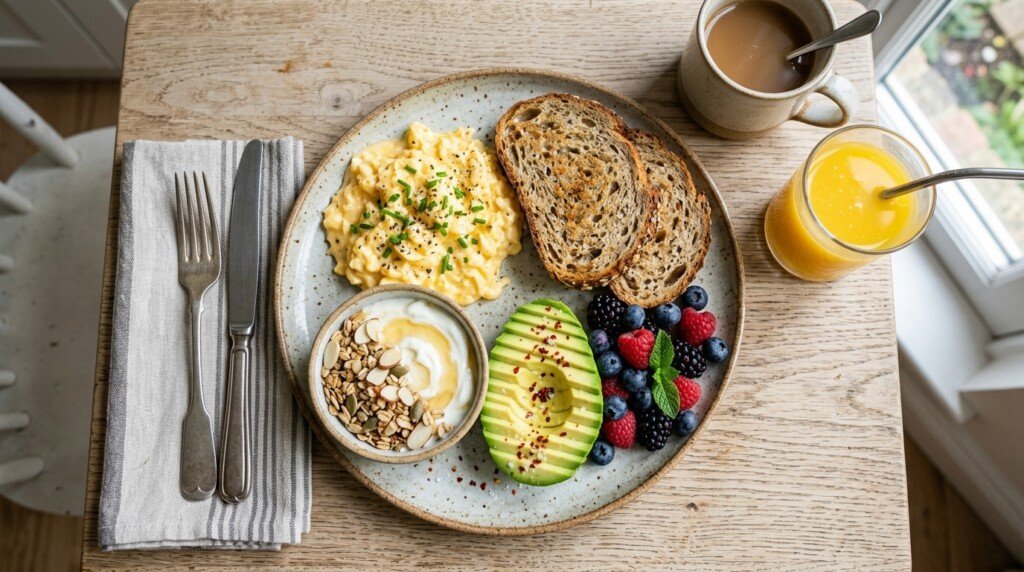
- Greek yogurt with berries and walnuts
- Vegetable omelet with whole-grain toast
- Oatmeal topped with blueberries and chia seeds
- Cottage cheese with sliced pear
- Whole-grain toast with avocado and eggs
Notice that none of these meals depend on complicated recipes.
Simple combinations often provide excellent nutrition.
Why Does Protein Matter at Breakfast?
Protein is one of the biggest factors separating a balanced breakfast from one that leaves you hungry an hour later.
Many traditional breakfast foods contain large amounts of refined carbohydrates but relatively little protein.
Examples include:
- Sugary cereals
- Pastries
- Doughnuts
- Sweet muffins
- White toast with jam
These meals may provide quick energy, but they often fail to keep you satisfied for long.

Protein Helps You Stay Full
Protein slows digestion more than refined carbohydrates alone.
As a result, meals containing adequate protein often help reduce hunger between breakfast and lunch.
Feeling satisfied for longer may also reduce unnecessary snacking later in the morning.
Protein Supports Muscle Health
Muscle tissue plays an important role in glucose regulation.
Eating enough protein throughout the day helps preserve lean muscle mass, particularly when combined with regular physical activity.
Healthy muscle supports better overall metabolic health.
Protein Makes Breakfast More Balanced
Rather than eating carbohydrates by themselves, combine them with protein.
For example:
Instead of plain oatmeal, add Greek yogurt and chia seeds.
Instead of toast alone, add eggs.
Instead of fruit by itself, pair it with cottage cheese.
These small adjustments improve the nutritional balance of the meal without making breakfast more complicated.
Excellent Breakfast Protein Sources
Some of the best options include:
- Eggs
- Greek yogurt
- Cottage cheese
- Tofu
- Unsweetened soy products
- Smoked salmon
- Nut butter in moderate portions
Many of these foods are also highlighted in High-Protein Foods That Burn Fat because they provide satisfying protein while fitting easily into balanced eating patterns.
Protein Doesn’t Need to Be Fancy
A healthy breakfast isn’t about expensive ingredients.
Even simple meals such as scrambled eggs with vegetables or plain yogurt with berries provide far more nutritional value than many highly processed breakfast foods.
Building this habit consistently often has a greater impact than searching for the perfect breakfast recipe.
Which High-Fiber Breakfasts Help?
Fiber is one of the most valuable nutrients to include in your morning meal. While protein often receives the most attention, fiber plays an equally important role in supporting healthy blood sugar regulation and keeping you satisfied throughout the morning.
High-fiber foods digest more slowly than refined carbohydrates, helping create a steadier release of glucose after eating. They also contribute to digestive health and support an overall balanced eating pattern.
Instead of relying on packaged breakfast products that contain little fiber, focus on whole foods that naturally provide this important nutrient.
Oatmeal With Berries
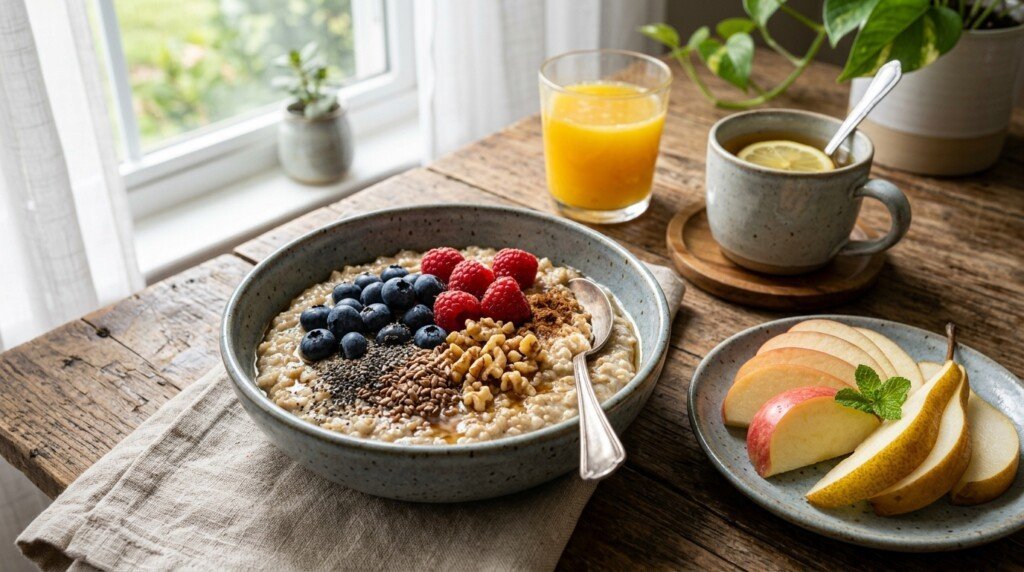
Rolled or steel-cut oats are one of the most popular high-fiber breakfast choices.
Top your oats with:
- Blueberries
- Strawberries
- Raspberries
- Chia seeds
- Walnuts
This combination provides fiber, healthy fats, and antioxidants while creating a filling meal.
Greek Yogurt With Fruit and Seeds
Plain Greek yogurt becomes even more nutritious when paired with fiber-rich ingredients.
Try adding:
- Fresh berries
- Chia seeds
- Ground flaxseed
- Sliced pear
- Chopped almonds
This meal combines protein with fiber for long-lasting satisfaction.
Vegetable Omelet
Vegetables are not only for lunch and dinner.
Adding spinach, mushrooms, tomatoes, onions, or bell peppers to an omelet increases fiber while providing vitamins and minerals.
Serve with whole-grain toast if desired for additional fiber.
Whole-Grain Toast With Nut Butter
Whole-grain bread contains more fiber than refined white bread.
Pair it with natural peanut butter or almond butter and sliced fruit for a balanced breakfast.
Cottage Cheese Bowl
Plain cottage cheese works well with:
- Fresh berries
- Apple slices
- Chia seeds
- Cinnamon
This simple breakfast requires almost no preparation while providing protein and fiber together.
Smoothies Can Be High in Fiber
A homemade smoothie can support healthy nutrition when built with whole-food ingredients.
Include:
- Plain Greek yogurt
- Spinach
- Frozen berries
- Chia seeds
- Unsweetened milk
Avoid relying on fruit juice or sweetened smoothie mixes that add unnecessary sugar.
Fiber Works Best With Protein
A breakfast built around fiber alone may not keep you full for very long.
Pairing fiber with protein creates meals that are generally more satisfying and nutritionally balanced.
Many of the ingredients listed above are also featured among the Best Foods for Insulin Resistance because they provide multiple nutrients that support overall metabolic health.
Which Breakfast Foods Should You Limit?
Knowing what to eat is important, but understanding which breakfast foods deserve a smaller place in your routine can also support healthier eating habits.
This doesn’t mean you must completely avoid these foods forever.
Instead, think of them as occasional choices rather than everyday staples.
Sugary Breakfast Cereals
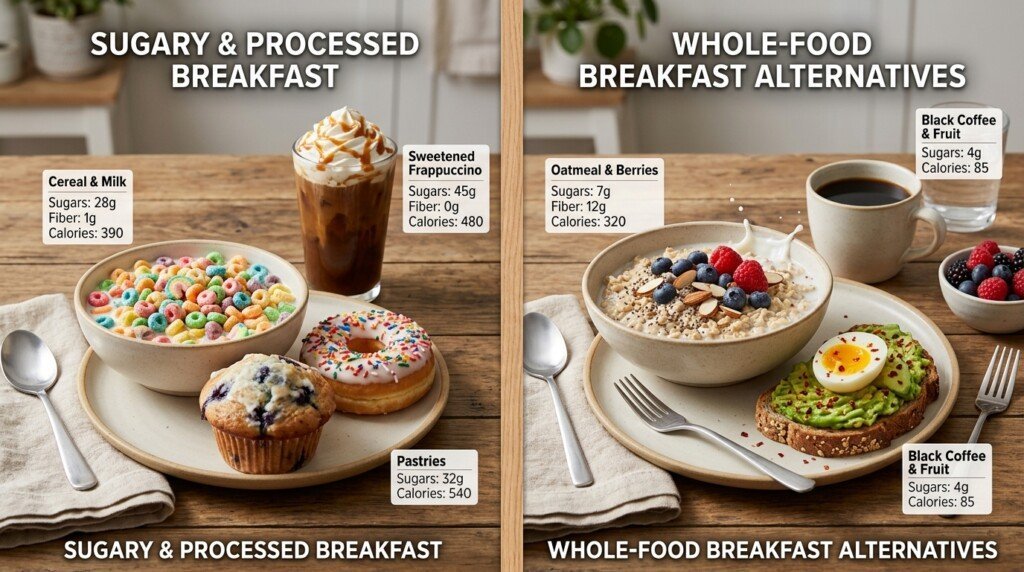
Many breakfast cereals contain large amounts of added sugar while providing relatively little protein or fiber.
Even cereals marketed as “healthy” can sometimes contain surprising amounts of added sweeteners.
Reading nutrition labels helps you compare options more effectively.
Pastries and Doughnuts
Croissants, doughnuts, sweet muffins, Danish pastries, and similar baked goods often contain refined flour together with added sugars and fats.
Although enjoyable on occasion, they usually do not provide lasting fullness.
Many people find themselves hungry again shortly after eating them.
White Bread With Sweet Spreads
White toast topped with jam, chocolate spread, or large amounts of honey may provide quick energy but often lacks the protein and fiber needed for a balanced breakfast.
Choosing whole-grain bread together with eggs, avocado, or nut butter creates a more satisfying meal.
Flavored Coffee Drinks
Some specialty coffee beverages contain large amounts of added sugar, syrups, whipped cream, and sweetened milk.
Preparing coffee at home allows greater control over ingredients while reducing unnecessary added sugars.
Sweetened Yogurts
Not all yogurt is equally nutritious.
Many flavored yogurts contain considerably more added sugar than plain Greek yogurt.
Adding fresh fruit yourself often provides similar flavor with additional fiber.
Highly Processed Breakfast Bars
Some breakfast bars are convenient, but many resemble candy bars more than balanced meals.
When choosing packaged products, look for options that contain:
- Higher protein
- More fiber
- Less added sugar
Whole-food breakfasts are usually the better choice whenever possible.
Focus on What You Can Add
Rather than thinking only about foods to limit, ask yourself what nutritious foods you can include more often.
Adding protein, vegetables, fruit, fiber, and healthy fats naturally improves breakfast quality without making eating feel restrictive.
Does Breakfast Timing Matter?
Many people wonder whether eating breakfast at a certain time improves insulin sensitivity.
The answer is not as simple as choosing one perfect hour.
Current evidence suggests that the quality of your breakfast is generally more important than the exact minute you eat it.
Consistency May Be Helpful
Eating meals at relatively consistent times each day may support healthy eating habits for some people.
Regular meal routines also make planning balanced meals easier.
However, individual schedules vary depending on work, family responsibilities, and personal preferences.
Don’t Rush Breakfast
If possible, give yourself enough time to eat slowly instead of rushing out the door.
Eating more mindfully often helps you recognize fullness and enjoy your meal.
Simple habits include:
- Sitting down while eating
- Chewing thoroughly
- Avoiding unnecessary distractions
- Taking time between bites
Listen to Your Hunger
Some people wake up hungry immediately.
Others prefer eating a little later.
Unless advised otherwise by your healthcare provider, it is generally reasonable to build your breakfast around your natural hunger while focusing on meal quality.
Avoid Skipping Breakfast Because of Convenience
Missing breakfast occasionally is unlikely to harm your health.
However, regularly skipping breakfast simply because there is “nothing healthy available” often leads to grabbing highly processed snacks later in the morning.
Keeping quick breakfast ingredients at home makes healthy choices much easier.
Examples include:
- Greek yogurt
- Eggs
- Frozen berries
- Oats
- Whole-grain bread
- Nuts
- Cottage cheese
Having these foods available helps reduce reliance on convenience foods during busy mornings.
What Are Some Easy Breakfast Ideas?
One of the biggest barriers to eating a healthy breakfast is time. Busy mornings often lead people to grab whatever is quickest, which may include pastries, sugary cereals, or processed breakfast bars. Fortunately, preparing a nutritious breakfast for insulin resistance does not have to be difficult or time consuming.
The best breakfasts are simple, balanced, and realistic enough to fit into your daily routine. They combine protein, fiber, healthy fats, and minimally processed carbohydrates to support healthy blood sugar regulation and provide lasting energy.
Here are several easy breakfast ideas that can be prepared in just a few minutes.
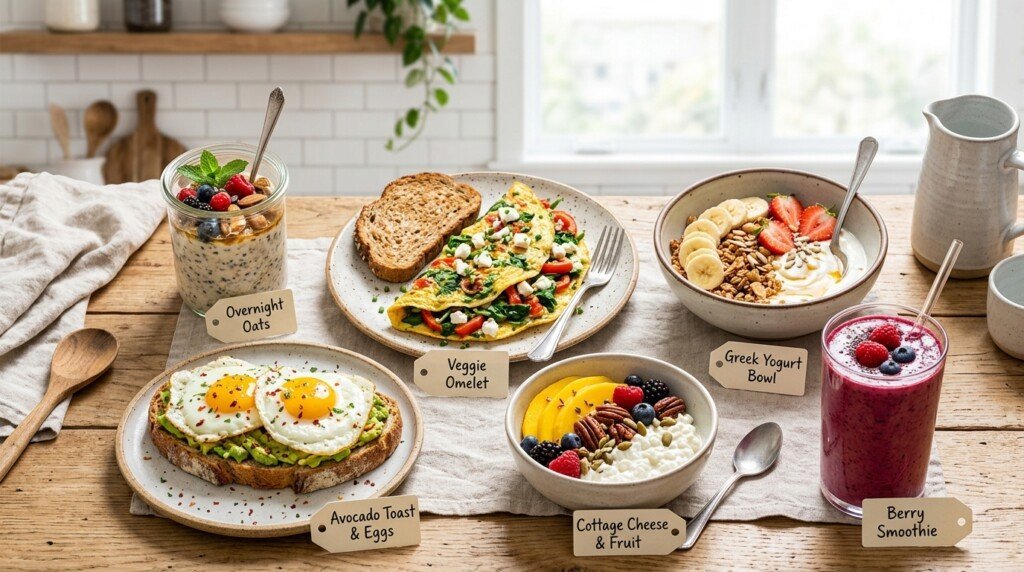
Greek Yogurt With Berries and Chia Seeds
This breakfast requires almost no preparation and provides an excellent balance of nutrients.
Ingredients include:
- Plain Greek yogurt
- Fresh blueberries or strawberries
- Chia seeds
- Chopped walnuts
The combination of protein, fiber, and healthy fats helps create a filling meal that supports steady energy throughout the morning.
Vegetable Omelet
Eggs remain one of the simplest breakfast options.
Add vegetables such as:
- Spinach
- Mushrooms
- Tomatoes
- Bell peppers
- Onions
Serve with one slice of whole-grain toast or fresh fruit for additional fiber.
Overnight Oats
Preparing breakfast the night before can save valuable time during busy mornings.
Combine:
- Rolled oats
- Plain Greek yogurt
- Unsweetened milk
- Chia seeds
- Fresh berries
Refrigerate overnight and enjoy the next morning without additional preparation.
Cottage Cheese Breakfast Bowl
Plain cottage cheese pairs well with:
- Fresh berries
- Sliced pear
- Apple
- Cinnamon
- Chopped almonds
This breakfast provides both protein and fiber while requiring only a few minutes to assemble.
Whole-Grain Toast With Avocado and Eggs
A slice of whole-grain toast topped with mashed avocado and a boiled or poached egg creates a balanced breakfast that combines:
- Healthy fats
- Protein
- Fiber
- Whole grains
Smoothie Made With Whole Foods
A homemade smoothie can be an excellent option when you’re short on time.
Blend together:
- Plain Greek yogurt
- Frozen berries
- Spinach
- Chia seeds
- Unsweetened milk
Using whole fruits instead of fruit juice helps retain naturally occurring fiber.
Peanut Butter and Apple
If you’re in a hurry, even a simple combination such as apple slices with natural peanut butter provides more nutritional value than many packaged breakfast products.
Adding a boiled egg or plain yogurt can increase the protein content further.
Make Breakfast Easier
Many healthy breakfasts become even more convenient with a little planning.
Simple preparation ideas include:
- Boiling eggs ahead of time
- Preparing overnight oats
- Washing fruit in advance
- Freezing smoothie ingredients in portions
- Keeping plain Greek yogurt and berries stocked in the refrigerator
Small habits like these make it much easier to choose nutritious foods on busy mornings.
People looking for additional morning meal inspiration often combine these ideas with recipes from Best Breakfast for Weight Loss, since many of the same balanced principles apply.
Can Skipping Breakfast Affect Insulin Resistance?
Skipping breakfast is one of the most debated topics in nutrition.
Some people eat breakfast every day, while others naturally prefer eating later in the morning.
Current research does not support one universal rule that applies to everyone.
Instead, overall diet quality and long-term eating habits appear to have a greater influence on metabolic health than breakfast alone.
Breakfast Quality Matters More Than Simply Eating Breakfast
Eating breakfast does not automatically improve insulin sensitivity.
For example, a breakfast consisting of pastries and sugary drinks is unlikely to provide the same nutritional value as a meal containing protein, fiber, and whole foods.
A balanced breakfast generally offers greater benefits than simply eating anything available.
Skipping Breakfast May Affect Hunger
Some people who regularly skip breakfast find themselves becoming extremely hungry later in the day.
This may lead to:
- Larger lunch portions
- Frequent snacking
- Choosing convenience foods
- Eating quickly
Others naturally eat later without experiencing these issues.
The important factor is whether your overall eating pattern supports healthy nutrition throughout the day.
Pay Attention to Your Routine
Rather than forcing yourself to eat immediately after waking, consider whether your current routine helps you:
- Maintain steady energy
- Feel satisfied between meals
- Make nutritious food choices
- Avoid excessive hunger
If the answer is yes, your routine may already be working well.
Avoid Highly Processed Convenience Foods
One challenge with skipping breakfast is that many people replace it with foods that offer little nutritional value.
Keeping simple, healthy breakfast options available often makes it easier to avoid grabbing processed snacks during busy mornings.
Focus on Long-Term Habits
Whether you eat breakfast at 7 a.m. or 9 a.m., the most important goal is creating meals that are balanced, enjoyable, and sustainable.
Consistently eating nutrient-dense foods throughout the week has a much greater influence on insulin sensitivity than stressing over one missed breakfast.

Frequently Asked Questions
1. What is the best breakfast for insulin resistance?
The best breakfast for insulin resistance combines protein, fiber, healthy fats, and minimally processed carbohydrates. Meals such as Greek yogurt with berries, vegetable omelets, oatmeal with chia seeds, or whole-grain toast with eggs are excellent choices.
2. Why is protein important at breakfast?
Protein helps increase fullness, supports healthy muscle mass, and creates more balanced meals. Pairing protein with fiber-rich foods may also help maintain steady energy throughout the morning.
3. Which breakfast foods should people with insulin resistance limit?
Foods commonly limited include sugary breakfast cereals, pastries, doughnuts, sweetened yogurts, refined white bread with sugary spreads, highly processed breakfast bars, and sugar-sweetened coffee drinks.
4. Can I eat carbohydrates at breakfast if I have insulin resistance?
Yes. Choosing whole-food carbohydrate sources such as oats, whole-grain bread, berries, apples, and other high-fiber foods is generally a healthier approach than avoiding carbohydrates completely.
5. Does skipping breakfast cause insulin resistance?
Current evidence does not show that skipping breakfast alone causes insulin resistance. The quality of your overall diet, regular physical activity, sleep, stress management, and long-term healthy habits play a much larger role in metabolic health.
Final Thoughts
Choosing the Best Breakfast for Insulin Resistance is less about finding one perfect recipe and more about building balanced meals that fit your lifestyle. A breakfast that includes protein, fiber, healthy fats, and minimally processed carbohydrates can help support steady energy, improve satiety, and contribute to healthier blood sugar regulation throughout the day.
Simple meals such as Greek yogurt with berries, oatmeal with chia seeds, vegetable omelets, or whole-grain toast with eggs provide practical examples of how nutritious breakfasts can also be quick and enjoyable. These meals do not require expensive ingredients or complicated preparation, making them easier to maintain over the long term.
Most importantly, remember that breakfast is only one part of a healthy lifestyle. Consistent eating habits, regular physical activity, quality sleep, and maintaining a healthy body weight all work together to improve insulin sensitivity. Small changes practiced every morning can gradually become lifelong habits that support better metabolic health.
Disclaimer:
This post may contain affiliate links. If you purchase through them, we may earn a small commission at no extra cost to you. Also, this content is for informational purposes only and does not substitute professional medical advice.
Fuel Your Body Right
Use our free Nutrition Toolkit to find your protein target, fasting window, and net carbs in minutes.
Open Free Tools →