
What Is the Best Breakfast for Weight Loss?
The best breakfast for weight loss is not necessarily the breakfast with the fewest calories.
That idea surprises many people.
For years, weight-loss advice focused heavily on eating less. Smaller portions, fewer calories, and skipping meals were often presented as the fastest path to weight loss. While calorie balance certainly matters, most people eventually discover a frustrating reality.
A breakfast that leaves you hungry by 10 a.m. rarely helps you eat less throughout the day.
In fact, many weight-loss struggles begin long before lunch.
You’ve probably experienced it yourself.
You start the morning with good intentions. Maybe you grab a muffin because it’s convenient. Maybe you drink a flavored coffee and call it breakfast. Perhaps you skip breakfast entirely because you’re trying to reduce calories.
Everything seems fine at first.
Then hunger arrives.
By mid-morning, you’re thinking about food. By lunchtime, you’re starving. Suddenly, healthy choices become harder to make, portion sizes increase, and cravings seem impossible to ignore.
This is why breakfast continues to be one of the most debated meals in nutrition.
It’s not because breakfast possesses magical fat-burning properties.
It’s because the foods you choose in the morning can influence hunger, energy, and eating behavior for the rest of the day.
The goal isn’t simply eating breakfast.
The goal is eating a breakfast that works for you rather than against you.

Why Do Some People Feel Hungry Again an Hour After Breakfast?
Have you ever eaten what seemed like a substantial breakfast only to find yourself searching for snacks shortly afterward?
At first glance, this doesn’t make much sense.
After all, you already ate.
Shouldn’t hunger disappear?
The answer depends largely on what you ate.
Many traditional breakfast foods are built around refined carbohydrates and added sugars. Breakfast cereals, pastries, muffins, sweetened coffee drinks, and flavored breakfast bars often provide calories without delivering much lasting satisfaction.
These foods digest relatively quickly.
As a result, hunger often returns sooner than expected.
Compare that with a breakfast containing protein, fiber, and healthy fats.
The difference can be dramatic.
Instead of feeling hungry an hour later, many people remain satisfied until lunch.
This is one reason nutrition experts frequently focus on food quality rather than calories alone.
A 400-calorie breakfast can leave you starving.
Another 400-calorie breakfast can leave you comfortably full for hours.
The calorie number may be identical.
The experience is completely different.
Does Breakfast Really Matter for Weight Loss?
This question has fueled countless debates.
Some experts argue breakfast is essential.
Others believe it can be skipped entirely.
The truth is far less dramatic.
Breakfast itself does not determine whether you lose weight.
Many people successfully lose weight while eating breakfast every day.
Many others successfully lose weight while skipping it.
This tells us something important.
Weight loss is influenced by overall lifestyle habits rather than a single meal.
However, breakfast can still play an important role.
For many people, a balanced breakfast helps create structure. It reduces extreme hunger later in the day and supports better food choices.
Imagine arriving at lunch mildly hungry versus arriving at lunch absolutely starving.
Those situations often lead to very different decisions.
People who feel excessively hungry tend to eat faster, consume larger portions, and make more impulsive food choices.
A satisfying breakfast may help prevent that cycle.
At the same time, breakfast isn’t mandatory.
Some people genuinely prefer eating later in the day and experience no negative effects from doing so.
The key is understanding how your body responds rather than blindly following nutrition trends.
What Makes a Breakfast Actually Support Weight Loss?
Many breakfast foods are marketed as healthy.
Unfortunately, marketing and nutrition aren’t always the same thing.
A breakfast can appear healthy while doing very little to support appetite control.
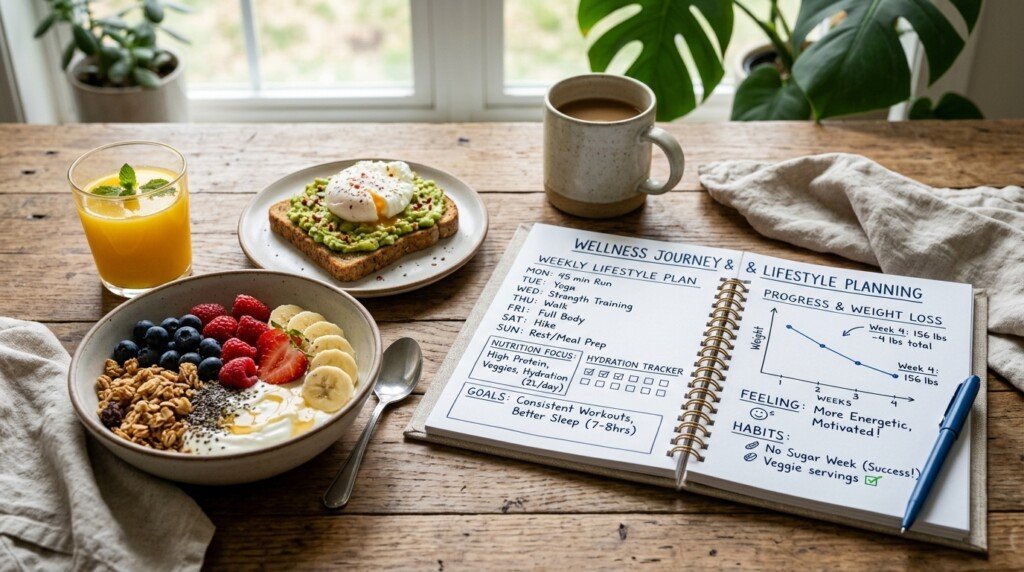
The breakfasts that consistently support weight-loss goals usually share several characteristics.
They Contain Enough Protein
Protein is one of the most satisfying nutrients available.
It helps people feel fuller for longer and often reduces the urge to snack between meals.
They Include Fiber
Fiber slows digestion and contributes to fullness.
Many fiber-rich foods also provide important vitamins and minerals.
They Focus on Whole Foods
Whole foods generally provide more nutrition and satisfaction than heavily processed alternatives.
They Help Stabilize Energy
Balanced meals often support steadier energy levels compared to highly sugary breakfasts.
Notice that none of these characteristics involve extreme restriction.
The best breakfasts are not necessarily the smallest breakfasts.
They’re the breakfasts that keep hunger under control.
Why Does Protein Seem to Be the Star of Every Weight-Loss Breakfast?
If you read enough nutrition articles, you start noticing a pattern.
Protein appears everywhere.
There’s a reason for that.
Protein consistently performs well when researchers examine satiety, which is simply the feeling of fullness after eating.
Many people discover this firsthand.
Consider two different breakfasts.
Breakfast one consists of a sugary pastry and coffee.
Breakfast two includes eggs, Greek yogurt, and fruit.
Both meals provide energy.
Yet most people report feeling satisfied much longer after the protein-rich option.
This matters because weight loss isn’t only about eating less.
It’s also about making healthy eating feel sustainable.
Constant hunger is exhausting.
Protein helps reduce that problem.
It may not eliminate hunger entirely, but it often makes healthy eating significantly easier.
Protein also plays an important role in maintaining muscle while losing weight.
When people lose weight, the goal is ideally to reduce body fat while preserving lean tissue.
Adequate protein intake supports that process.
This is why protein remains one of the most valuable tools in any weight-loss breakfast strategy.

What Are the Best Protein-Rich Breakfasts for Weight Loss?
The good news is that high-protein breakfasts don’t require complicated recipes or expensive ingredients.
In many cases, simple foods work exceptionally well.
Eggs remain one of the most popular choices because they are versatile, affordable, and easy to prepare. Whether scrambled, boiled, poached, or made into an omelet, eggs provide a solid protein foundation for the day.
Greek yogurt is another excellent option. Compared to traditional yogurt, it typically contains more protein and can be combined with berries, nuts, or seeds for additional nutrition and flavor.
Cottage cheese is often overlooked but deserves more attention. It provides substantial protein while pairing well with fruit, vegetables, or whole-grain crackers.
Protein smoothies can also work well, particularly for busy mornings. The key is focusing on nutrient-dense ingredients rather than turning the smoothie into a dessert disguised as breakfast.
Even leftovers can become effective breakfast foods.
Many people assume breakfast must include traditional breakfast items. In reality, leftover chicken, fish, or lean meat may provide more protein than many common breakfast options.
The specific food matters less than the overall nutritional balance.
The goal is simple:
Start the day feeling satisfied rather than hungry.

Why Is Fiber Almost as Important as Protein?
Protein receives most of the attention.
Fiber deserves nearly as much.
One reason fiber is so valuable is that it adds volume to meals without dramatically increasing calories.
Foods rich in fiber often require more chewing, digest more slowly, and contribute to feelings of fullness.
This combination can be extremely helpful for weight management.
Oats are a perfect example.
Many people find a bowl of oatmeal significantly more satisfying than highly processed breakfast cereals.
The same principle applies to fruits, vegetables, chia seeds, flaxseeds, and whole grains.
Fiber also supports digestive health, which indirectly influences overall well-being.
When protein and fiber appear together in the same meal, breakfast becomes much more effective at managing hunger.
This is why combinations such as Greek yogurt with berries, oatmeal with protein, or eggs with vegetables often perform so well.
They provide multiple layers of satiety rather than relying on a single nutrient.
What Are the Best High-Fiber Breakfasts for Weight Loss?
Fiber often plays a supporting role in weight-loss discussions, but its impact can be surprisingly powerful.
Many people focus exclusively on protein while overlooking the benefits of fiber-rich foods. The reality is that the most satisfying breakfasts usually contain both.
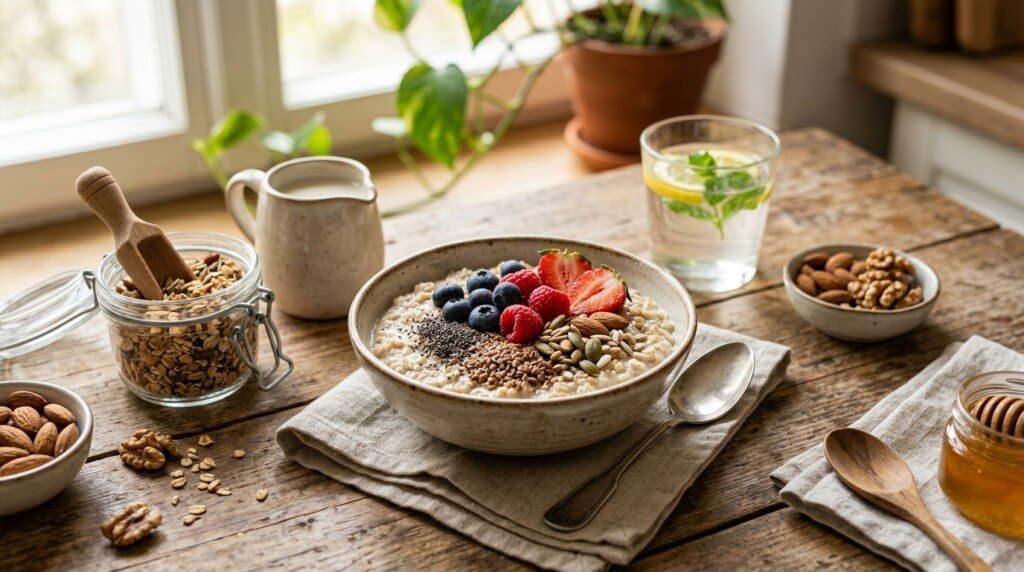
Think about how different you feel after eating a bowl of sugary cereal compared to a bowl of oatmeal topped with berries and chia seeds.
Both may contain similar calories.
Yet the second option often provides a completely different experience.
That’s because fiber slows digestion and helps create a greater feeling of fullness.
Oatmeal Remains Popular for a Reason
Oats have been a breakfast staple for decades.
Unlike many highly processed cereals, oats provide fiber, nutrients, and lasting satisfaction. They also work well with a wide variety of ingredients, including fruit, nuts, seeds, and protein sources.
The biggest mistake people make with oatmeal is turning it into dessert by loading it with excessive sugar.
When prepared thoughtfully, oatmeal can become one of the most effective breakfasts for appetite control.
Fruit Can Make Breakfast More Filling
Fruit sometimes gets unfair criticism in weight-loss discussions.
While fruit contains natural sugars, it also provides fiber, water, vitamins, and antioxidants.
Berries, apples, pears, and oranges are particularly useful additions to breakfast because they contribute volume and satisfaction without adding excessive calories.
Seeds Offer More Than People Realize
Chia seeds and flaxseeds may be small, but they can have a significant impact on breakfast quality.
They provide fiber and healthy fats while helping create meals that feel more substantial.
Adding a spoonful of seeds to yogurt, oatmeal, or smoothies is a simple way to increase satiety without dramatically changing the meal.
Are You Making These Breakfast Mistakes Without Realizing It?
Many people believe they’re eating healthy breakfasts.
Unfortunately, several common habits can quietly work against weight-loss goals.
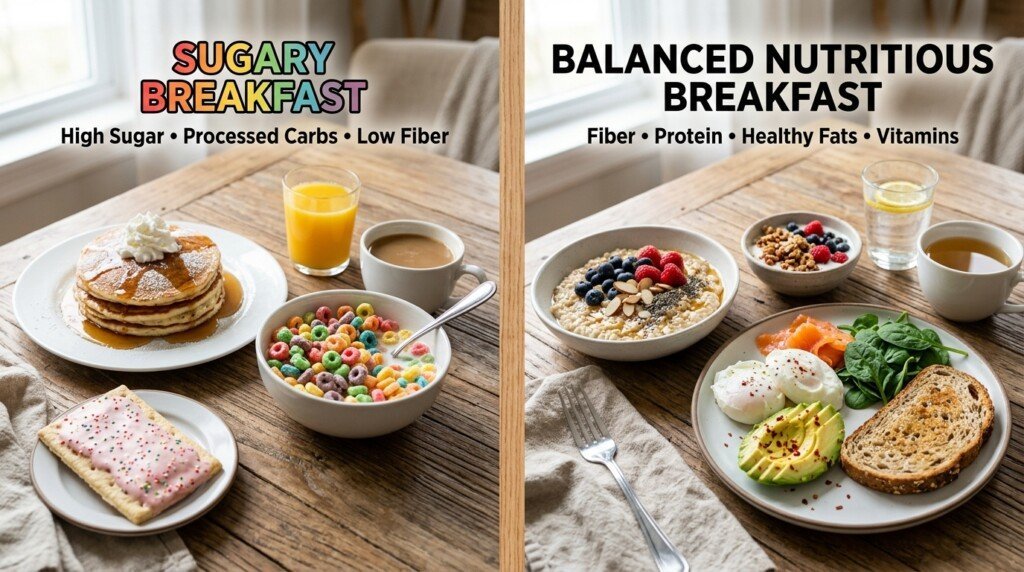
Mistake #1: Choosing Convenience Over Nutrition
Busy mornings often lead people toward packaged foods that are quick but not particularly satisfying.
Breakfast pastries, sugary cereals, and breakfast bars may save time, but they frequently leave people hungry again soon afterward.
Convenience matters.
However, convenience should not come at the expense of nutrition.
Mistake #2: Drinking Most of Your Calories
Coffee drinks can become surprisingly calorie-dense.
A flavored coffee loaded with syrups, cream, and whipped toppings may contain more calories than an actual meal.
The bigger problem is that liquid calories often provide less satiety than solid food.
Many people finish these drinks and remain hungry shortly afterward.
Mistake #3: Skipping Protein Entirely
A breakfast built almost entirely around carbohydrates often struggles to provide lasting fullness.
This doesn’t mean carbohydrates are bad.
It simply means balance matters.
Adding protein can dramatically improve how satisfying a meal feels.
Mistake #4: Eating Too Little
Ironically, some people become so focused on reducing calories that they create new problems.
A tiny breakfast may seem helpful initially.
Yet extreme restriction often increases hunger later in the day, making overeating more likely.
Mistake #5: Copying Someone Else’s Breakfast
Nutrition is personal.
The breakfast that works perfectly for one individual may leave another person hungry or unsatisfied.
Experimentation is often necessary.
What Does a Great Weight-Loss Breakfast Actually Look Like?
There is no single perfect breakfast.
Anyone claiming otherwise is probably oversimplifying nutrition.
However, certain patterns consistently appear among effective breakfast choices.

Option 1: The Classic High-Protein Breakfast
- Eggs
- Whole-grain toast
- Fruit
This combination provides protein, fiber, and balanced energy.
Option 2: Greek Yogurt Breakfast Bowl
- Greek yogurt
- Mixed berries
- Chia seeds
- Nuts
This option works well for people who want something quick and satisfying.
Option 3: Protein Oatmeal
- Oats
- Protein source
- Cinnamon
- Fruit
This combination often provides excellent satiety while remaining affordable.
Option 4: Smoothie Breakfast
- Protein powder
- Fruit
- Greens
- Seeds
Smoothies can be effective when they prioritize nutrition rather than sugar.
Option 5: Cottage Cheese Bowl
- Cottage cheese
- Berries
- Nuts
Simple, fast, and surprisingly filling.
The common theme across all of these options is balance.
None rely on extreme restriction.
None promise miracle results.
They simply provide nutrients that help manage hunger effectively.
What If You Barely Have Time for Breakfast?
This is one of the most common concerns.
People understand the importance of healthy eating.
They simply don’t have an extra hour every morning.
Fortunately, breakfast doesn’t need to be complicated.

Preparation Beats Motivation
One of the easiest ways to improve breakfast habits is preparing ahead of time.
When healthy options are already available, good decisions become much easier.
Overnight Oats
Overnight oats require only a few minutes of preparation the night before.
The next morning, breakfast is already waiting.
Hard-Boiled Eggs
A batch of eggs prepared in advance can provide several days of convenient breakfasts.
Greek Yogurt and Fruit
This combination takes less than two minutes to assemble.
Protein Smoothies
Smoothies work particularly well for people who struggle to eat immediately after waking.
Don’t Chase Perfection
Many people abandon healthy breakfast habits because they believe every meal must be elaborate.
It doesn’t.
Consistency usually matters far more than complexity.
Can Breakfast Help You Stay on Track for the Entire Day?
In many cases, yes.
Breakfast acts like the first domino.
When the first decision of the day is positive, subsequent decisions often become easier.
A satisfying breakfast may reduce cravings.
It may improve energy.
It may help prevent the extreme hunger that leads to overeating later.
This doesn’t mean breakfast is magical.
It simply means that starting the day with nutritious foods can create momentum.
For readers following the 30/30/30 Rule for Weight Loss, breakfast becomes especially important because protein intake forms the foundation of the entire routine.
Likewise, building breakfast habits that support sustainable weight loss can often provide greater long-term benefits than chasing the latest nutrition trend.
If healthy eating between meals remains a challenge, exploring healthy snacks for weight loss may help bridge the gap between breakfast and lunch. Similarly, understanding which high protein foods that burn fat support fullness can make breakfast planning much easier. Those looking to improve nutrition on a budget may also benefit from learning about cheap foods for weight loss that provide both value and satiety.
Frequently Asked Questions
1. What is the best breakfast for weight loss?
The best breakfast for weight loss typically includes protein, fiber, and whole foods that help control hunger and support healthy eating throughout the day.
2. Is skipping breakfast bad for weight loss?
Not necessarily. Some people do well without breakfast, while others find it helps control hunger and improve food choices later in the day.
3. Are eggs good for weight loss?
Yes. Eggs are rich in protein and often help people feel satisfied longer than many processed breakfast foods.
4. Is oatmeal good for weight loss?
Oatmeal provides fiber and can be an excellent breakfast choice when combined with protein and nutrient-dense toppings.
5. What should I avoid eating for breakfast?
Highly processed foods that contain large amounts of added sugar may increase hunger and cravings later in the day.
6. How much protein should breakfast contain?
Individual needs vary, but many people benefit from including a meaningful protein source at breakfast.
7. What’s the best breakfast for busy mornings?
Greek yogurt, overnight oats, hard-boiled eggs, protein smoothies, and cottage cheese are all convenient options that require minimal preparation.
Final Thoughts
The search for the best breakfast for weight loss often leads people toward complicated meal plans and trendy nutrition advice.
The reality is much simpler.
A successful weight-loss breakfast doesn’t need to be expensive, time-consuming, or Instagram-worthy.
It needs to help you stay satisfied.
It needs to provide nutrients your body actually needs.
And it needs to fit your lifestyle well enough that you can repeat it consistently.
For most people, that means prioritizing protein, fiber, and whole foods while minimizing highly processed options that leave them hungry shortly afterward.
Because when breakfast helps control hunger instead of creating it, healthy eating throughout the rest of the day often becomes much easier.
Disclaimer:
This post may contain affiliate links. If you purchase through them, we may earn a small commission at no extra cost to you. Also, this content is for informational purposes only and does not substitute professional medical advice.
Fuel Your Body Right
Use our free Nutrition Toolkit to find your protein target, fasting window, and net carbs in minutes.
Open Free Tools →