
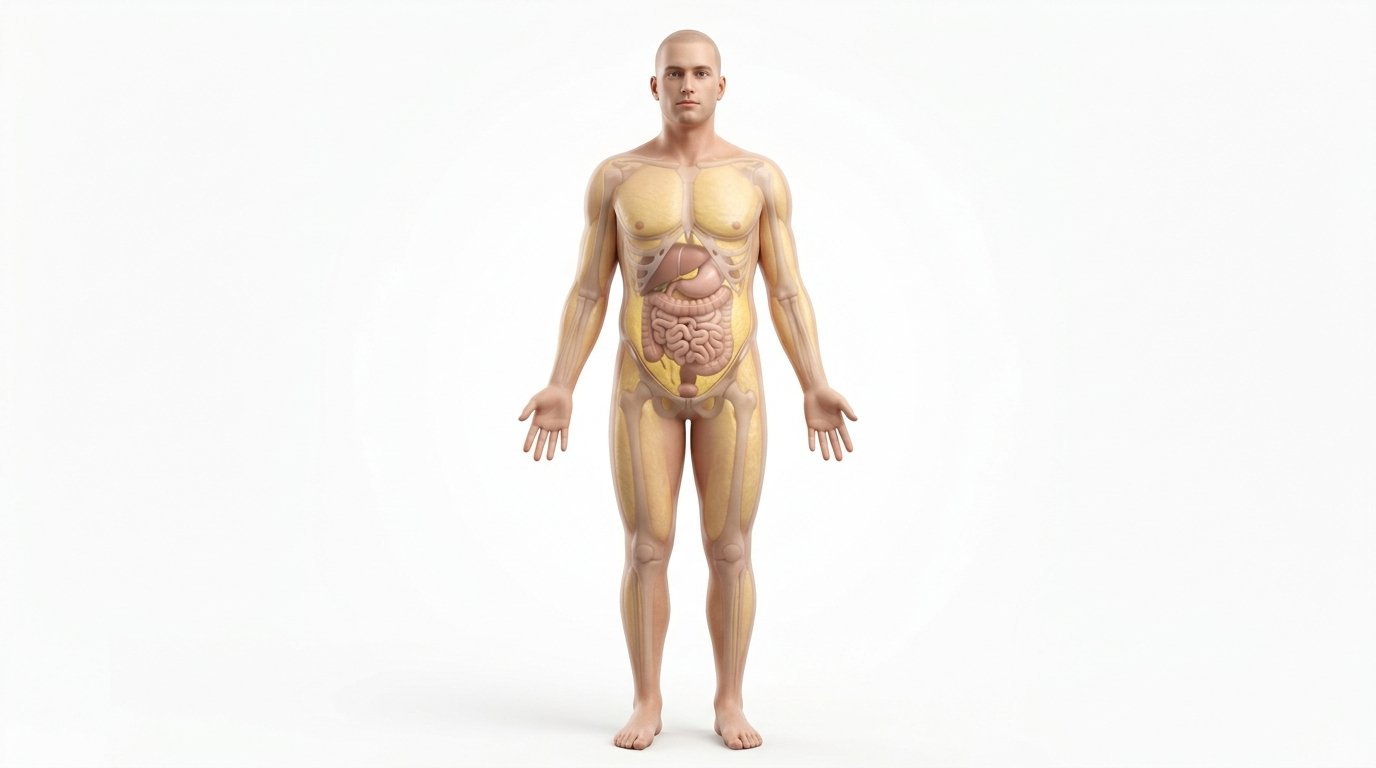
What Is Body Fat? Types, Functions, and How Your Body Stores Fat
Most people think of body fat as something that simply needs to be reduced. It is often blamed for health problems, viewed as an obstacle to weight loss, and treated as the enemy in many fitness conversations. While carrying excess body fat can increase the risk of certain diseases, the reality is far more complex.
Body fat is not just stored energy.
It is an active, living tissue that performs essential jobs every single day. It helps regulate body temperature, cushions vital organs, stores energy, supports hormone production, and even communicates with other organs through chemical signals. Without body fat, the human body could not survive.
The challenge begins when the amount or location of body fat changes. Some fat is stored just beneath the skin, while other fat surrounds internal organs deep inside the abdomen. Different types of fat behave differently inside the body, and understanding these differences is important for improving overall health rather than simply focusing on the number on the scale.
Another common misunderstanding is that all fat cells are identical. In reality, scientists have identified several types of adipose tissue, each with unique functions. White fat stores energy, brown fat helps produce heat, and beige fat shares characteristics of both. These discoveries have transformed our understanding of metabolism and body composition over the past two decades.
Learning how body fat works helps replace myths with science. Instead of viewing fat as something to eliminate completely, you can understand why maintaining a healthy amount of body fat supports energy, hormones, metabolism, and long-term health.
In this article, you’ll learn what Body Fat actually is, why your body needs it, the different types of fat tissue, how fat is stored, whether body fat can be healthy, what happens when body fat becomes excessive, natural ways to reduce excess body fat, and when measuring body fat provides useful information.
What Is Body Fat?
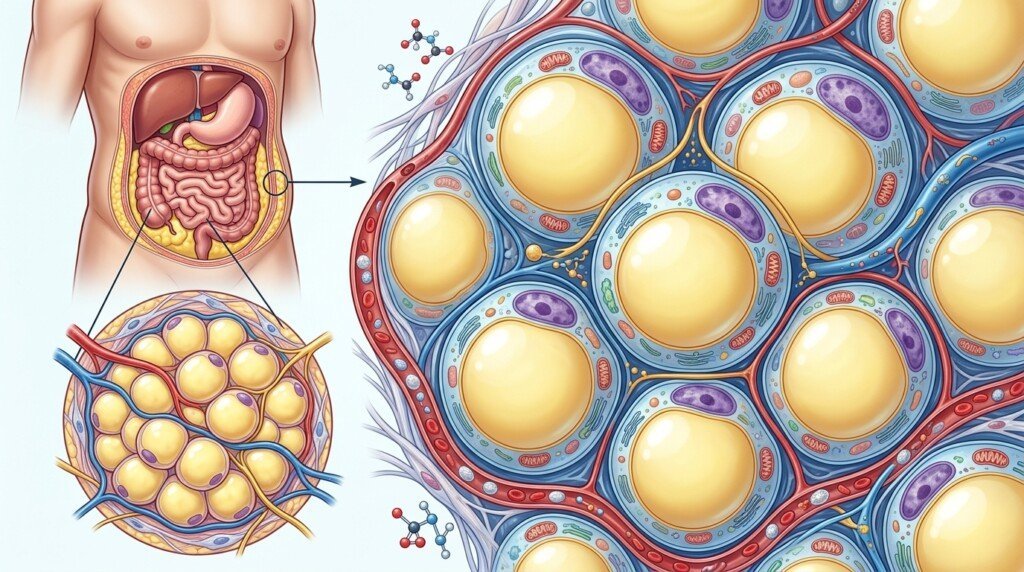
Body fat is a specialized connective tissue known as adipose tissue.
Although many people think of fat as inactive storage, adipose tissue is actually a highly active organ that constantly communicates with the rest of the body.
It stores energy, supports hormone function, protects organs, and helps regulate many important biological processes.
Body Fat Is Made of Fat Cells
Adipose tissue consists primarily of fat cells called adipocytes.
These cells store excess energy in the form of triglycerides.
When your body requires energy between meals or during physical activity, stored fat can be broken down and used as fuel.
Rather than remaining fixed, fat cells continuously store and release energy depending on your body’s needs.
Body Fat Is Part of Normal Human Biology
Every healthy person has body fat.
Even very lean individuals require body fat for normal body function.
Essential body fat supports:
- Hormone production
- Brain function
- Nervous system health
- Organ protection
- Cell structure
- Vitamin absorption
Completely eliminating body fat is neither possible nor healthy.
Body Fat Differs From Body Weight
Many people confuse body weight with body fat.
Body weight includes:
- Muscle
- Bones
- Organs
- Water
- Blood
- Connective tissue
- Body fat
Two people with identical body weight can have very different body fat percentages and body composition.
This is why body composition often provides more useful information than body weight alone.
Body Fat Percentage Matters More Than the Scale
Body fat percentage represents the proportion of your total body weight that comes from fat tissue.
For example, if someone weighs 70 kilograms and 21 kilograms are body fat, their body fat percentage is 30%.
Unlike body weight alone, body fat percentage helps describe overall body composition.
Body Fat Is Constantly Changing
Body fat is dynamic rather than permanent.
It changes according to:
- Calorie intake
- Physical activity
- Hormones
- Sleep
- Stress
- Age
- Overall health
Understanding these influences helps explain why body composition changes throughout life.
Why Does Your Body Need Fat?
Without body fat, survival would not be possible.
Although excess fat receives most of the attention, healthy amounts of body fat perform numerous vital functions every day.
Fat Stores Energy
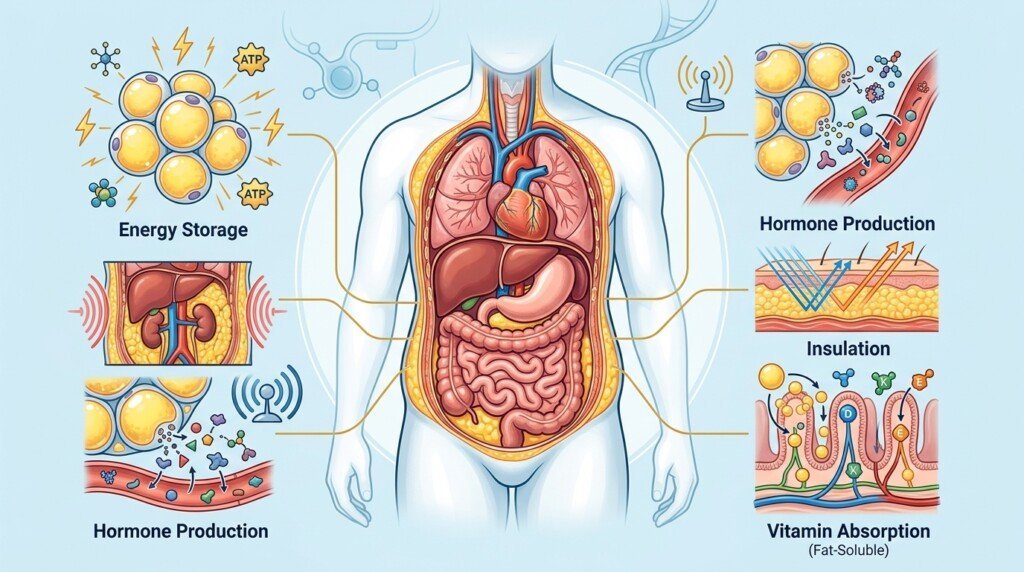
One of body fat’s primary jobs is storing energy for future use.
When you consume more energy than your body immediately needs, the excess is stored inside fat cells.
Later, during fasting, exercise, or periods between meals, this stored energy can be released and used by your body.
This efficient storage system helped humans survive periods when food was less predictable.
Fat Protects Internal Organs
Body fat cushions important organs from physical injury.
Protective fat surrounds structures such as:
- Kidneys
- Heart
- Eyes
- Internal organs
This cushioning reduces damage from everyday movement and external impact.
Fat Helps Regulate Body Temperature
Fat acts as insulation beneath the skin.
This insulating layer slows heat loss while helping maintain stable body temperature in colder environments.
Fat Supports Hormone Production
Adipose tissue is hormonally active.
Fat cells produce signaling molecules that influence:
- Appetite
- Energy balance
- Inflammation
- Insulin sensitivity
- Metabolism
This explains why body fat affects much more than appearance.
Fat Helps Absorb Important Vitamins
Certain vitamins require dietary fat for proper absorption.
These include:
- Vitamin A
- Vitamin D
- Vitamin E
- Vitamin K
Without enough dietary fat, absorbing these nutrients becomes more difficult.
Fat Supports Healthy Reproduction
Healthy body fat levels also contribute to normal reproductive hormone function.
Extremely low body fat may interfere with normal hormonal balance in both women and men.
Maintaining healthy body composition supports many body systems simultaneously.
What Are the Different Types of Body Fat?
Not all body fat behaves the same way.
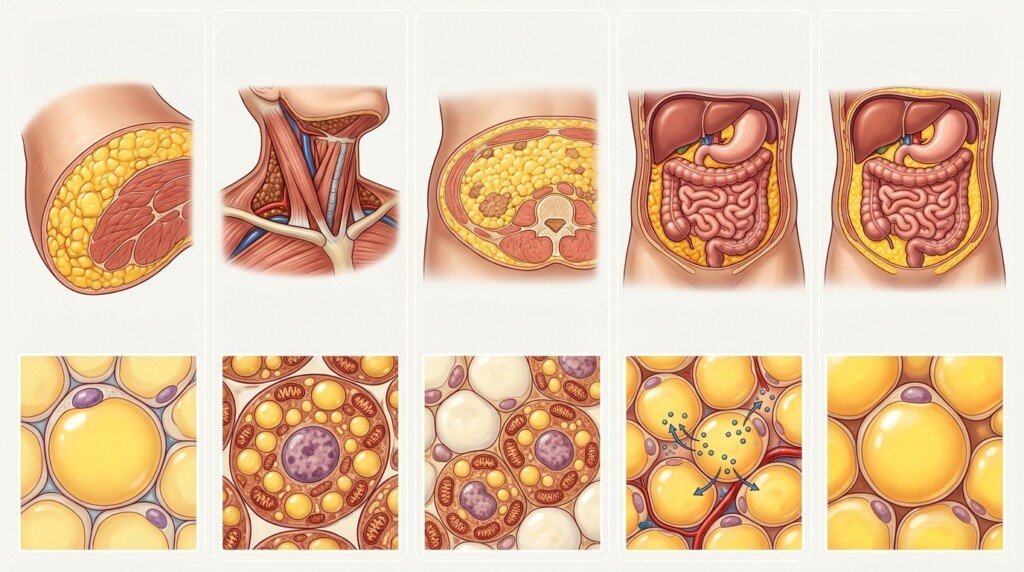
Scientists now recognize several types of adipose tissue, each with unique characteristics and functions.
White Fat
White adipose tissue is the most abundant type of body fat.
Its primary functions include:
- Energy storage
- Hormone production
- Organ protection
- Insulation
Most body fat that increases during weight gain consists of white fat.
Brown Fat
Brown fat differs significantly from white fat.
Instead of storing large amounts of energy, brown fat specializes in producing heat.
It contains numerous mitochondria that burn energy to help regulate body temperature.
Brown fat is especially important in newborn babies but remains present in many adults.
Beige Fat
Beige fat shares characteristics of both white and brown fat.
Under certain conditions such as cold exposure or regular physical activity, some white fat cells may begin behaving more like brown fat.
Scientists continue studying beige fat because of its possible role in metabolism.
Subcutaneous Fat
Subcutaneous fat lies directly beneath the skin.
It is the fat you can pinch on areas such as:
- Arms
- Legs
- Abdomen
- Hips
- Thighs
Although excessive subcutaneous fat may contribute to obesity, moderate amounts are completely normal and perform important protective functions.
Visceral Fat
Visceral fat surrounds internal abdominal organs.
Unlike subcutaneous fat, visceral fat is stored deep inside the abdominal cavity.
Higher amounts of visceral fat are associated with increased metabolic risk.
Its role in health is discussed extensively throughout Visceral Fat, while the differences between these two major fat depots are explained in Visceral Fat vs Subcutaneous Fat.
How Does Your Body Store Fat?
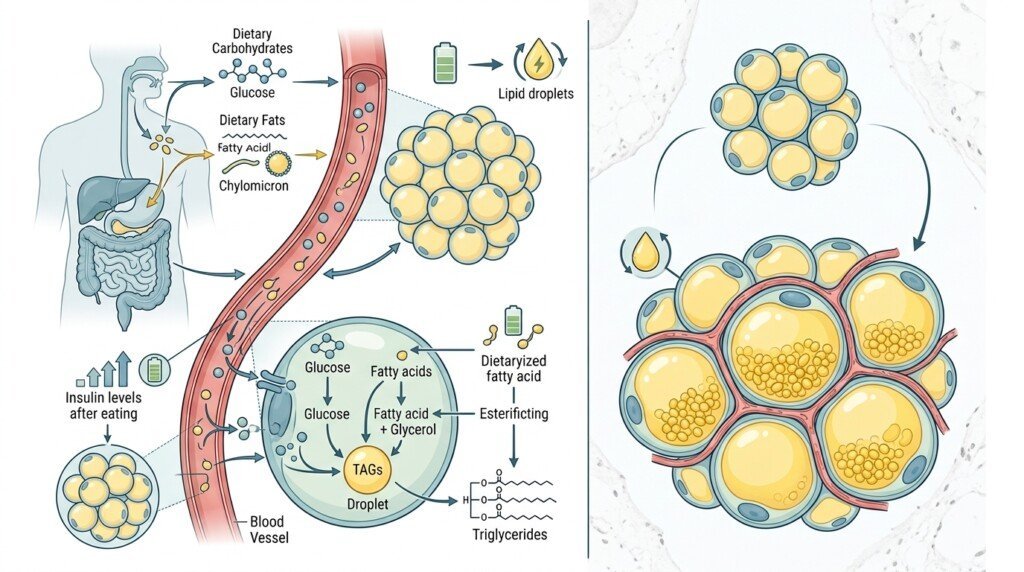
Body fat storage is a normal biological process designed to help the body manage energy efficiently.
It occurs whenever energy intake consistently exceeds energy expenditure over time.
Excess Calories Become Stored Energy
When you consume more calories than your body currently needs, the surplus energy is converted into triglycerides and stored inside fat cells.
This process is known as fat storage.
It occurs regardless of whether the excess calories come from carbohydrates, fats, or protein.
Fat Cells Expand
During periods of positive energy balance, existing fat cells enlarge as they store more triglycerides.
As storage demands increase further, additional fat cells may also develop.
The size and number of fat cells both influence long-term body composition.
Hormones Help Regulate Storage
Several hormones influence how fat is stored and released.
These include hormones involved in:
- Appetite
- Blood sugar regulation
- Stress response
- Energy balance
Rather than acting independently, these hormonal systems constantly communicate to regulate body fat storage.
Fat Storage Varies Between Individuals
Genetics strongly influence where body fat is stored.
Some people naturally store more fat around:
- The hips
- The thighs
- The abdomen
- The upper body
This explains why body fat distribution differs significantly between individuals.
Body Fat Changes Throughout Life
Body composition naturally changes with:
- Aging
- Hormonal shifts
- Pregnancy
- Physical activity
- Nutrition
- Sleep
- Stress
Understanding these influences helps explain why maintaining healthy body composition requires lifelong habits rather than temporary solutions.
Can Body Fat Be Healthy?
Yes.
One of the biggest misconceptions about body fat is that all fat is harmful. In reality, a healthy amount of body fat is essential for normal body function. Problems usually arise when body fat becomes excessively high or, in some cases, extremely low.
The goal should not be eliminating body fat. Instead, it is maintaining a healthy body composition that supports long-term health.

Healthy Body Fat Supports Normal Body Function
Essential body fat performs numerous jobs that keep the body functioning properly.
These include:
- Hormone regulation
- Energy storage
- Organ protection
- Temperature regulation
- Vitamin absorption
- Nervous system function
Without enough body fat, these systems cannot work efficiently.
Healthy Body Fat Percentage Varies
There is no single body fat percentage that is ideal for everyone.
Healthy ranges differ according to factors such as:
- Sex
- Age
- Genetics
- Fitness level
For example, women naturally require a higher percentage of body fat than men because of normal reproductive physiology.
Rather than comparing yourself with someone else, focus on maintaining a healthy body composition appropriate for your age and overall health.
Body Composition Matters More Than Thinness
Someone who appears thin may still have a relatively high body fat percentage and low muscle mass.
Likewise, an active individual with significant muscle may weigh more while having healthier body composition.
This is why body composition often provides more meaningful information than body weight alone.
Fat Distribution Is Also Important
The location of body fat influences health.
Subcutaneous fat stored beneath the skin generally behaves differently from visceral fat stored around internal organs.
Understanding these differences provides a more complete picture of metabolic health than looking only at total body fat.
Healthy Fat Supports Healthy Aging
Maintaining appropriate body fat while preserving muscle contributes to:
- Better mobility
- Improved balance
- Stronger bones
- Greater independence
- Healthier metabolism
Healthy aging is about achieving balance rather than pursuing the lowest possible body fat percentage.
What Happens When Body Fat Is Too High?
Carrying excess body fat does not automatically mean someone is unhealthy.
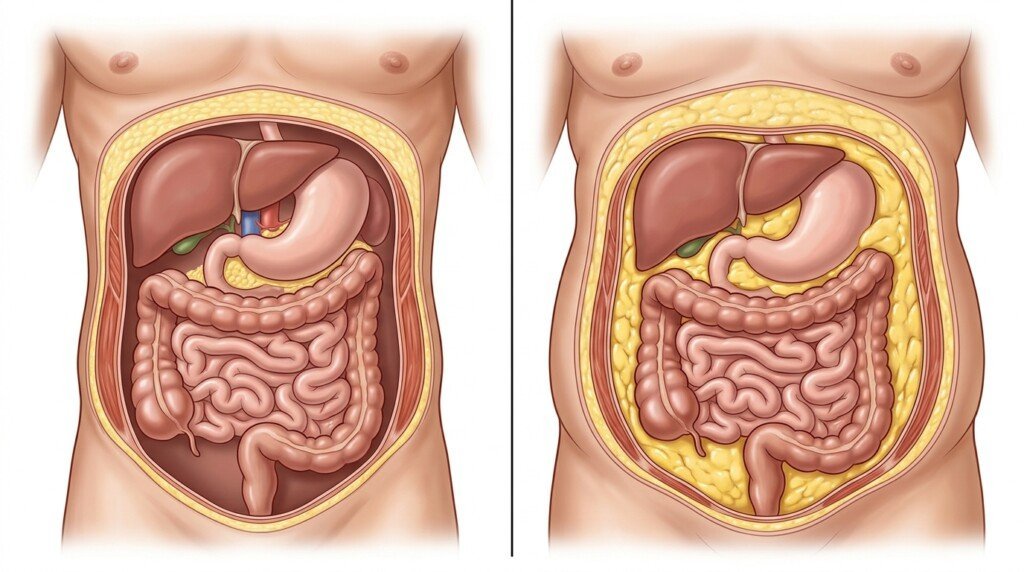
However, consistently high body fat, particularly around the abdomen, increases the likelihood of developing several chronic health conditions.
The risk depends not only on the amount of fat but also where it is stored.
Body Fat May Affect Metabolic Health
Higher levels of body fat may contribute to changes in:
- Blood sugar regulation
- Blood pressure
- Cholesterol
- Insulin sensitivity
These factors are closely connected with overall Metabolic Health, which influences long-term disease risk.
Visceral Fat Carries Greater Risk
Not all excess fat behaves equally.
Visceral fat surrounds organs deep inside the abdomen and is associated with greater metabolic risk than subcutaneous fat.
This is one reason waist circumference often provides useful information alongside body weight.
Body Composition Can Change Gradually
Excess body fat rarely develops overnight.
Instead, gradual positive energy balance over months or years slowly changes body composition.
Small daily habits therefore have a significant cumulative effect over time.
Physical Function May Become More Difficult
As body fat increases substantially, everyday activities may become more challenging.
Some people notice reduced:
- Mobility
- Endurance
- Balance
- Exercise capacity
Maintaining muscle while reducing excess body fat helps preserve physical function.
Mental Well-Being Also Matters
Body composition affects more than physical health.
Negative body image, frustration with weight changes, and unrealistic expectations can affect emotional well-being.
Focusing on healthier habits rather than perfection often leads to more sustainable long-term progress.
How Can You Reduce Excess Body Fat Naturally?
Reducing excess body fat is not about finding one perfect strategy.
Instead, it results from consistent lifestyle habits practiced over time.
Healthy body fat reduction focuses on improving body composition while preserving lean muscle.

Maintain a Moderate Calorie Deficit
Body fat gradually decreases when your body consistently uses more energy than it receives from food.
An extreme calorie deficit is rarely necessary and often becomes difficult to maintain.
Moderate, sustainable changes generally produce better long-term results.
Prioritize Resistance Training
Strength training helps preserve lean muscle during fat loss.
Maintaining muscle supports:
- Strength
- Mobility
- Functional fitness
- Healthy body composition
Women and men alike benefit from regular resistance exercise.
Many of these principles are explained further throughout Strength Training for Fat Loss, where preserving muscle during weight loss is discussed in greater detail.
Increase Daily Physical Activity
Exercise sessions matter, but everyday movement also contributes significantly to total energy expenditure.
Helpful activities include:
- Walking
- Cycling
- Gardening
- Household chores
- Recreational sports
Consistency matters more than choosing the perfect activity.
Eat Balanced Meals
Rather than eliminating entire food groups, build meals around:
- Lean protein
- Vegetables
- Fruits
- Whole grains
- Healthy fats
Balanced nutrition supports long-term adherence while helping preserve muscle.
Sleep and Recovery Matter
Quality sleep supports:
- Appetite regulation
- Recovery
- Exercise performance
- Healthy behavior choices
Recovery should be viewed as an essential part of body composition management.
Think Long Term
Healthy body fat reduction is rarely dramatic.
Instead, gradual improvements maintained over months and years usually produce the most lasting results.
This sustainable mindset aligns closely with the principles discussed throughout Sustainable Weight Loss, where consistency takes priority over quick fixes.
When Should You Measure Your Body Fat?
Tracking body fat can provide valuable information, but it should not become an obsession.
Measurements are most useful when they help evaluate long-term changes rather than daily fluctuations.
Body Weight Is Only One Measurement
The scale does not distinguish between:
- Muscle
- Fat
- Water
- Bone
Body fat measurements provide additional insight into body composition.
Progress Is Best Measured Over Time
Body fat changes gradually.
Measuring every few weeks or once each month is usually more meaningful than frequent testing.
Look for long-term trends rather than small short-term differences.
Use Multiple Indicators
Instead of relying on one measurement alone, consider:
- Body fat percentage
- Waist circumference
- Progress photos
- Clothing fit
- Strength improvements
- Energy levels
Together, these measurements provide a more complete picture of progress.
Consistency Matters More Than Method
Different body fat measurement methods produce different estimates.
Whatever method you choose, use the same approach each time to make comparisons more meaningful.
Focus on Health Rather Than Numbers
Body fat percentage is a useful tool, but it should not define your success.
The larger goal is improving:
- Body composition
- Strength
- Mobility
- Metabolic health
- Long-term well-being
Healthy habits remain far more important than chasing a specific percentage.

Frequently Asked Questions
1. What is body fat?
Body fat is a specialized tissue called adipose tissue that stores energy, supports hormone production, protects organs, regulates body temperature, and performs many other essential functions.
2. Are all types of body fat the same?
No. The main types include white fat, brown fat, beige fat, subcutaneous fat, and visceral fat. Each has different roles and characteristics within the body.
3. Is body fat necessary?
Yes. Healthy amounts of body fat are essential for hormone regulation, energy storage, vitamin absorption, organ protection, and many normal body functions.
4. What causes excess body fat?
Excess body fat develops gradually when energy intake consistently exceeds energy expenditure over time. Genetics, physical activity, sleep, hormones, aging, and lifestyle habits also influence body composition.
5. Is body fat percentage more useful than body weight?
Often, yes. Body fat percentage provides additional information about body composition because body weight alone cannot distinguish between fat, muscle, bone, and water.
Final Thoughts
Understanding Body Fat begins with recognizing that it is not simply stored energy or something your body should eliminate. Body fat is an active tissue that supports hormone production, protects vital organs, stores energy, regulates body temperature, and contributes to countless biological processes. While excess body fat can increase health risks, maintaining a healthy amount is essential for normal body function and long-term well-being.
The science of body fat also reminds us that where fat is stored matters as much as how much is stored. Different types of fat, including subcutaneous and visceral fat, behave differently within the body and influence metabolic health in unique ways. Looking beyond the number on the scale and paying attention to body composition provides a more complete understanding of overall health.
Perhaps the most important takeaway is that improving body composition does not require extreme measures. Consistent physical activity, strength training, balanced nutrition, quality sleep, and sustainable lifestyle habits remain the most effective ways to reduce excess body fat while preserving lean muscle. By focusing on healthy habits rather than chasing rapid results, you can support better metabolic health, improve body composition, and build a stronger foundation for lifelong wellness.
Disclaimer:
This post may contain affiliate links. If you purchase through them, we may earn a small commission at no extra cost to you. Also, this content is for informational purposes only and does not substitute professional medical advice.
Ready to Start Your Journey?
Use our free 7-in-1 Weight Loss Toolkit to calculate your numbers and build your plan in minutes.
Open Free Tools →