Visceral Fat vs Subcutaneous Fat: What’s the Difference?
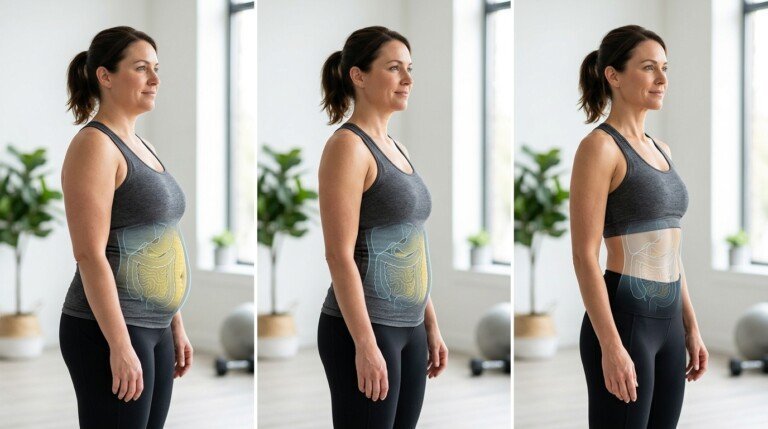
Visceral Fat vs Subcutaneous Fat is a comparison that often confuses people trying to improve their health or lose weight. Many assume all belly fat is the same, but your body actually stores fat in different ways, and each type has a different impact on your overall health.
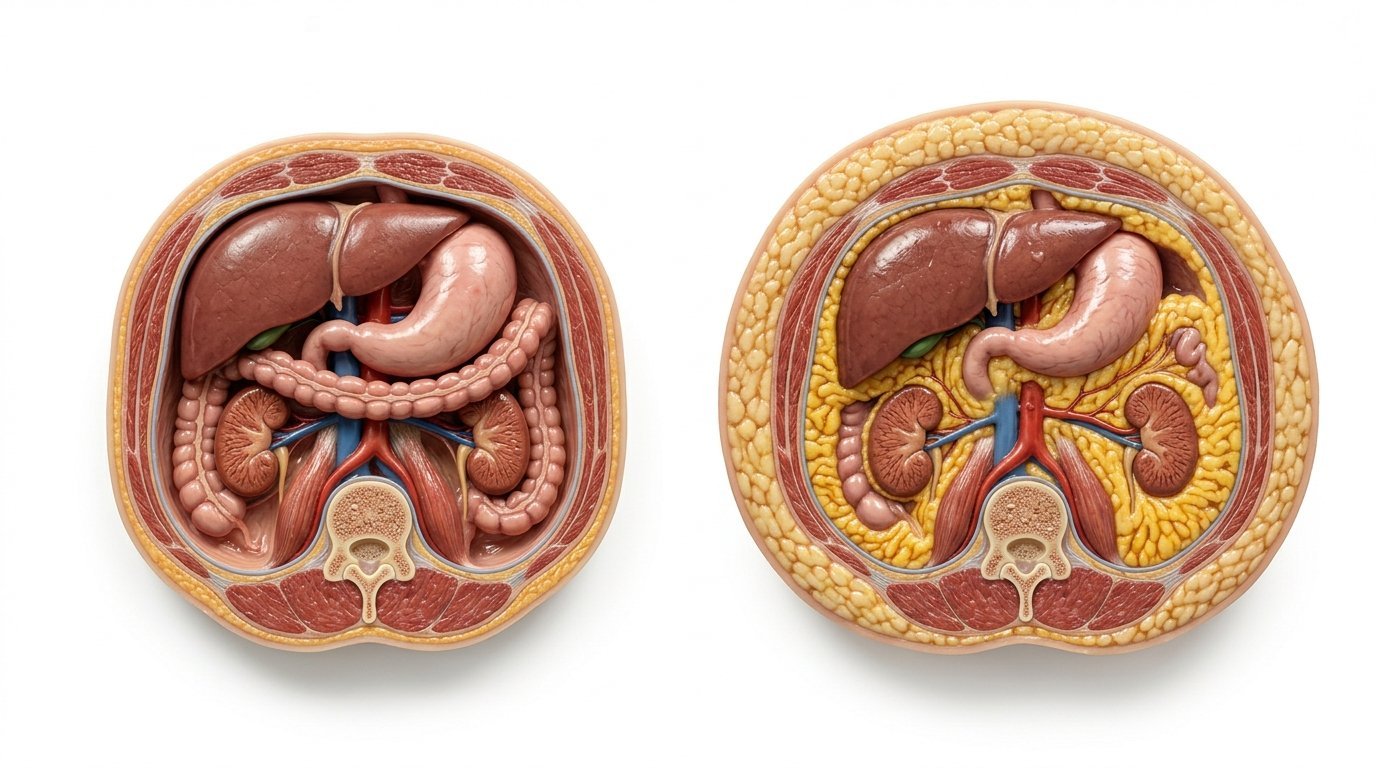
The two primary types of abdominal fat are visceral fat and subcutaneous fat. Subcutaneous fat sits just beneath the skin and is the fat you can pinch with your fingers. Visceral fat, on the other hand, is stored deep inside the abdomen, where it surrounds vital organs such as the liver, stomach, and intestines. Although both contribute to body weight and body composition, visceral fat is generally associated with greater health risks.
Knowing the difference between these two types of fat is more than a matter of curiosity. It can help you better understand your health, identify potential risk factors, and focus on lifestyle habits that support long-term wellness instead of chasing quick fixes.
In this guide, you’ll learn visceral fat vs subcutaneous fat differences, where each type is stored, why one is considered more dangerous, how to estimate which type you may have, and the lifestyle habits that help reduce excess belly fat naturally.
What Is Visceral Fat?
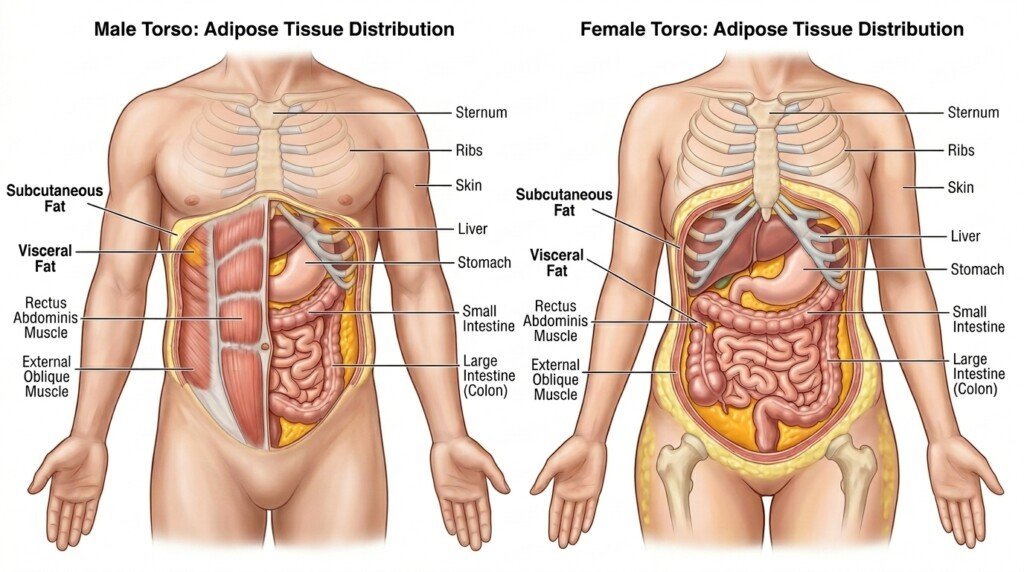
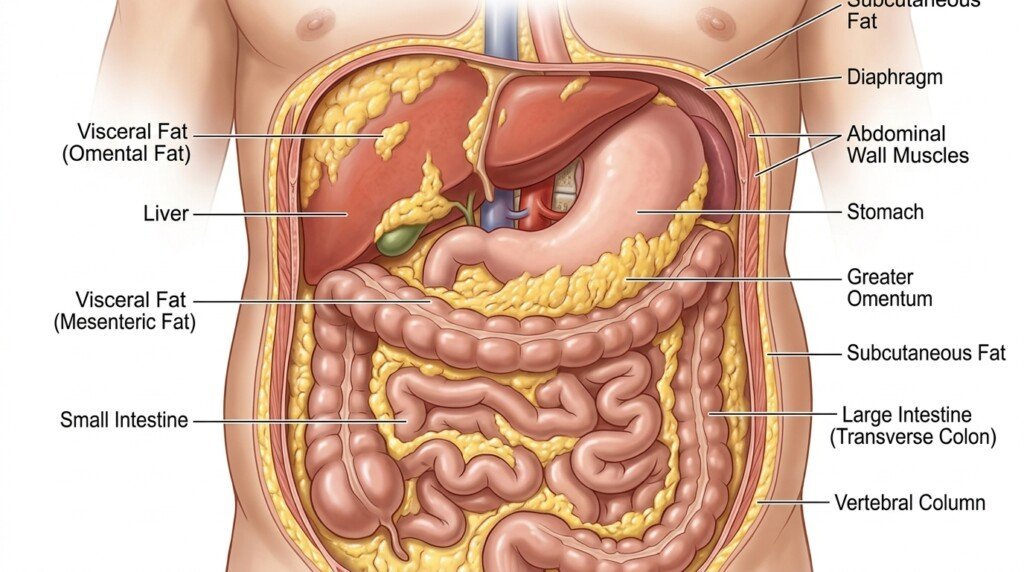
Visceral fat is a type of body fat stored deep inside the abdominal cavity. Instead of sitting beneath the skin, it surrounds important organs such as the liver, stomach, intestines, and pancreas.
Because of its location, visceral fat is often called internal fat or internal belly fat.
Everyone has some visceral fat. A small amount helps cushion and protect internal organs. Problems develop when too much visceral fat accumulates.
Unlike other types of body fat, visceral fat is metabolically active. It releases hormones and inflammatory substances that can influence blood sugar regulation, cholesterol levels, blood pressure, and overall metabolic health.
People often cannot see visceral fat directly because it lies beneath the abdominal muscles. This means someone may carry unhealthy levels of visceral fat even if they do not appear extremely overweight.
If you’d like to learn more about how visceral fat develops and why it matters, read our complete guide on Visceral Fat.
What Is Subcutaneous Fat?
Subcutaneous fat is the layer of fat located directly beneath the skin.
It is the fat you can pinch on areas such as:
- The stomach
- Hips
- Thighs
- Arms
- Buttocks
Unlike visceral fat, subcutaneous fat serves several useful purposes.
It helps:
- Insulate the body
- Protect muscles and bones
- Store energy
- Cushion against physical impact
Having some subcutaneous fat is completely normal and necessary for good health.
Problems usually occur when excessive amounts accumulate over time, contributing to overweight or obesity.
Although excess subcutaneous fat may affect appearance and overall body weight, it generally poses fewer health risks than excess visceral fat.
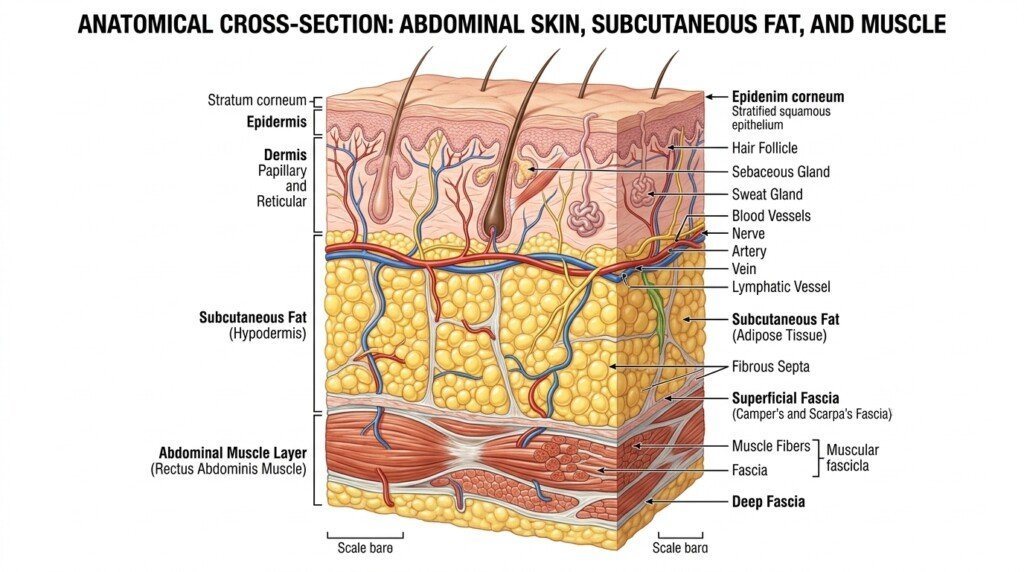
Visceral Fat vs Subcutaneous Fat: What Is the Difference?
While both are forms of body fat, they differ in several important ways.
| Feature | Visceral Fat | Subcutaneous Fat |
|---|---|---|
| Location | Around internal organs | Beneath the skin |
| Can you pinch it? | No | Yes |
| Visibility | Hidden | Visible |
| Health risk | Higher | Lower |
| Role | Organ protection and energy storage | Insulation, cushioning, and energy storage |
| Inflammation | Higher potential | Lower potential |
The biggest difference is where the fat is stored.
Visceral fat surrounds your organs, while subcutaneous fat sits outside the abdominal muscles beneath the skin.
This difference in location explains why visceral fat has a much greater effect on overall health.
Why Storage Location Matters
Fat stored around organs is positioned close to important blood vessels and the liver.
Because of this, substances released by visceral fat can directly influence many metabolic processes throughout the body.
Subcutaneous fat does not have the same level of interaction with internal organs.
This is why two people with similar body weight may have very different health risks depending on how their fat is distributed.
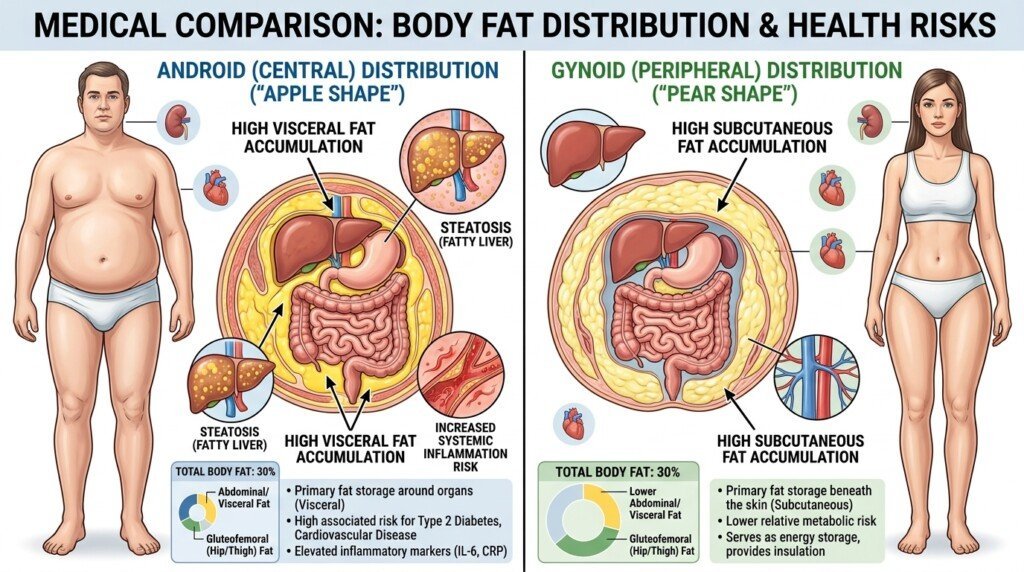
Which Type of Belly Fat Is More Dangerous?
Visceral fat is considered the more dangerous type of belly fat.
While both forms can increase with excess calorie intake, visceral fat is more strongly associated with long-term health problems.
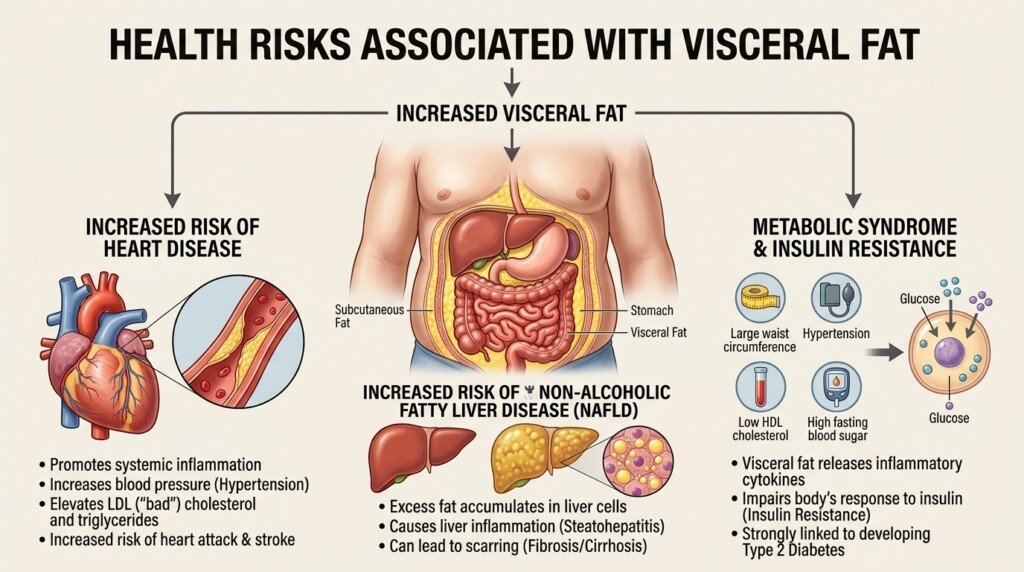
High levels of visceral fat have been linked with:
- Cardiovascular disease
- Fatty liver
- High blood pressure
- Metabolic syndrome
- Chronic inflammation
- Abdominal obesity
This does not mean subcutaneous fat is completely harmless.
Large amounts of subcutaneous fat can still contribute to excess body weight and reduce mobility, but its impact on metabolic health is generally less significant than visceral fat.
Another important difference is that visceral fat often accumulates without obvious warning signs.
Many people assume they only need to worry about belly fat if they can see it. In reality, someone with a relatively modest waistline may still carry unhealthy levels of internal fat.
How Can You Tell Which Type of Fat You Have?
Without medical imaging, it is impossible to know the exact amount of visceral fat you carry.
However, several clues can help estimate your risk.
Waist Circumference
A growing waistline often suggests an increase in abdominal fat.
Although waist circumference cannot distinguish between visceral and subcutaneous fat, larger waist measurements are associated with higher levels of visceral fat.
The Pinch Test
If the fat around your stomach can be easily pinched, much of it is subcutaneous fat.
However, this does not rule out the presence of visceral fat underneath.
Many people have both types at the same time.
Body Shape
Individuals who carry most of their weight around the midsection often have a greater likelihood of excess visceral fat compared with people who primarily store fat around their hips and thighs.
Body shape alone cannot confirm visceral fat, but it can provide useful context when combined with waist measurements and overall health markers.
Medical Imaging
CT scans and MRI scans remain the most accurate methods for measuring visceral fat.
These tests are generally used for medical evaluation rather than routine weight-loss tracking.

Can You Lose Both Types of Fat the Same Way?
Yes.
Your body does not selectively burn one type of fat while leaving the other untouched.
When you create a sustainable calorie deficit through healthy eating and regular physical activity, your body gradually reduces stored fat from multiple areas.
Both visceral fat and subcutaneous fat decrease as overall body fat decreases.
Interestingly, research suggests visceral fat often responds relatively well to healthy lifestyle changes.
This is encouraging because even modest improvements in diet and physical activity may reduce the amount of fat surrounding your internal organs.
It is important to remember that you cannot choose where fat comes off first.
Every person’s fat-loss pattern is influenced by genetics, hormones, age, and overall body composition.
If you are curious about why fat disappears from certain areas before others, read our guide on Which Body Part Loses Fat First.
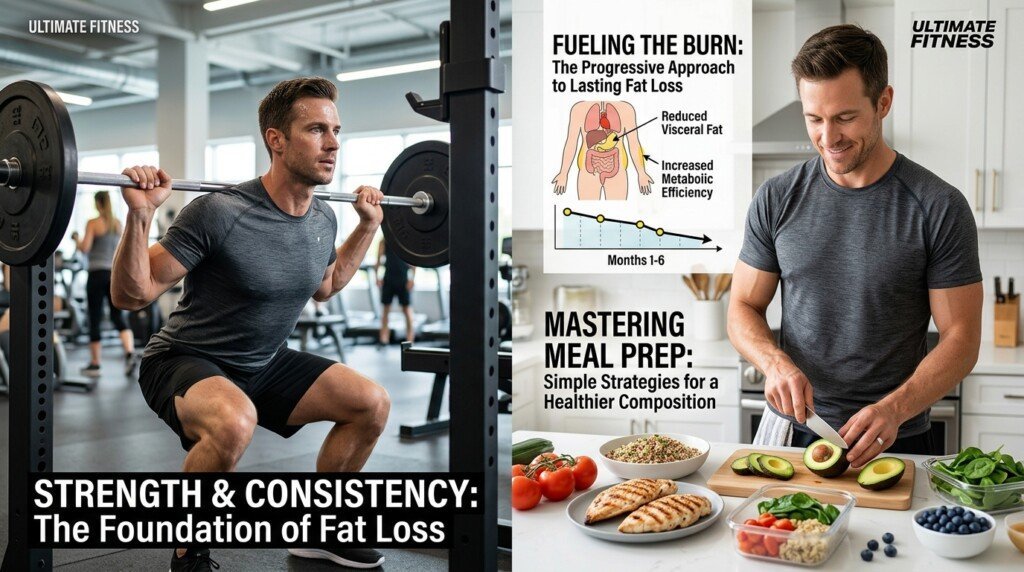
Which Lifestyle Habits Reduce Both Types of Fat?
There is no shortcut for reducing either visceral fat or subcutaneous fat.
Instead, long-term lifestyle habits produce the most reliable results.
Eat Mostly Whole Foods
Meals built around vegetables, fruits, lean proteins, legumes, whole grains, and healthy fats provide nutrients while making it easier to maintain a healthy calorie intake.
Highly processed foods tend to be easier to overeat and often contribute excess calories.
Stay Physically Active
Regular movement supports overall fat loss and improves body composition.
A balanced routine that combines walking, cardiovascular exercise, and resistance training is effective for most adults.
Build Muscle
Strength training helps preserve lean muscle while losing fat.
Maintaining muscle also supports healthy metabolism during weight loss.
Prioritize Sleep
Consistent, high-quality sleep supports healthy eating habits, recovery, and overall metabolic function.
Poor sleep often leads to increased hunger and reduced motivation to stay active.
Manage Daily Stress
Chronic stress can make healthy lifestyle habits more difficult to maintain.
Finding sustainable ways to relax supports long-term weight management and overall health.

When Should You Be Concerned About Visceral Fat?
Everyone carries some visceral fat, but excessive amounts deserve attention.
Consider speaking with a healthcare professional if you have:
- A steadily increasing waist circumference
- High blood pressure
- Elevated cholesterol
- Fatty liver
- Multiple metabolic risk factors
- A family history of cardiovascular disease
Early lifestyle changes can significantly reduce long-term health risks.
Rather than focusing only on body weight, pay attention to your waist measurement, physical activity, nutrition, and overall health.
Frequently Asked Questions
1. Is visceral fat worse than subcutaneous fat?
Yes. Visceral fat surrounds internal organs and is associated with a higher risk of several chronic diseases compared with subcutaneous fat.
2. Can you have both visceral fat and subcutaneous fat?
Yes. Most people have both. The difference is how much of each type is present.
3. Is belly fat always visceral fat?
No. Belly fat includes both visceral fat and subcutaneous fat.
4. Can exercise reduce both types of fat?
Yes. Regular exercise combined with healthy eating helps reduce overall body fat, including both visceral and subcutaneous fat.
5. Can thin people have visceral fat?
Yes. Some people with a normal body weight still carry excess visceral fat around their organs.
Final Thoughts
Although visceral fat and subcutaneous fat are both forms of body fat, they are not the same. Subcutaneous fat sits beneath the skin and plays important roles in insulation and energy storage. Visceral fat, on the other hand, surrounds your internal organs and has a much greater influence on metabolic health.
Understanding the difference can help you look beyond the number on the scale. A healthy lifestyle that includes balanced nutrition, regular physical activity, quality sleep, and consistent daily habits can reduce both types of fat while improving your overall health.
The goal is not simply to have a smaller waist. It is to create lasting habits that support a healthier body from the inside out.
Disclaimer:
This post may contain affiliate links. If you purchase through them, we may earn a small commission at no extra cost to you. Also, this content is for informational purposes only and does not substitute professional medical advice.
Ready to Start Your Journey?
Use our free 7-in-1 Weight Loss Toolkit to calculate your numbers and build your plan in minutes.
Open Free Tools →