
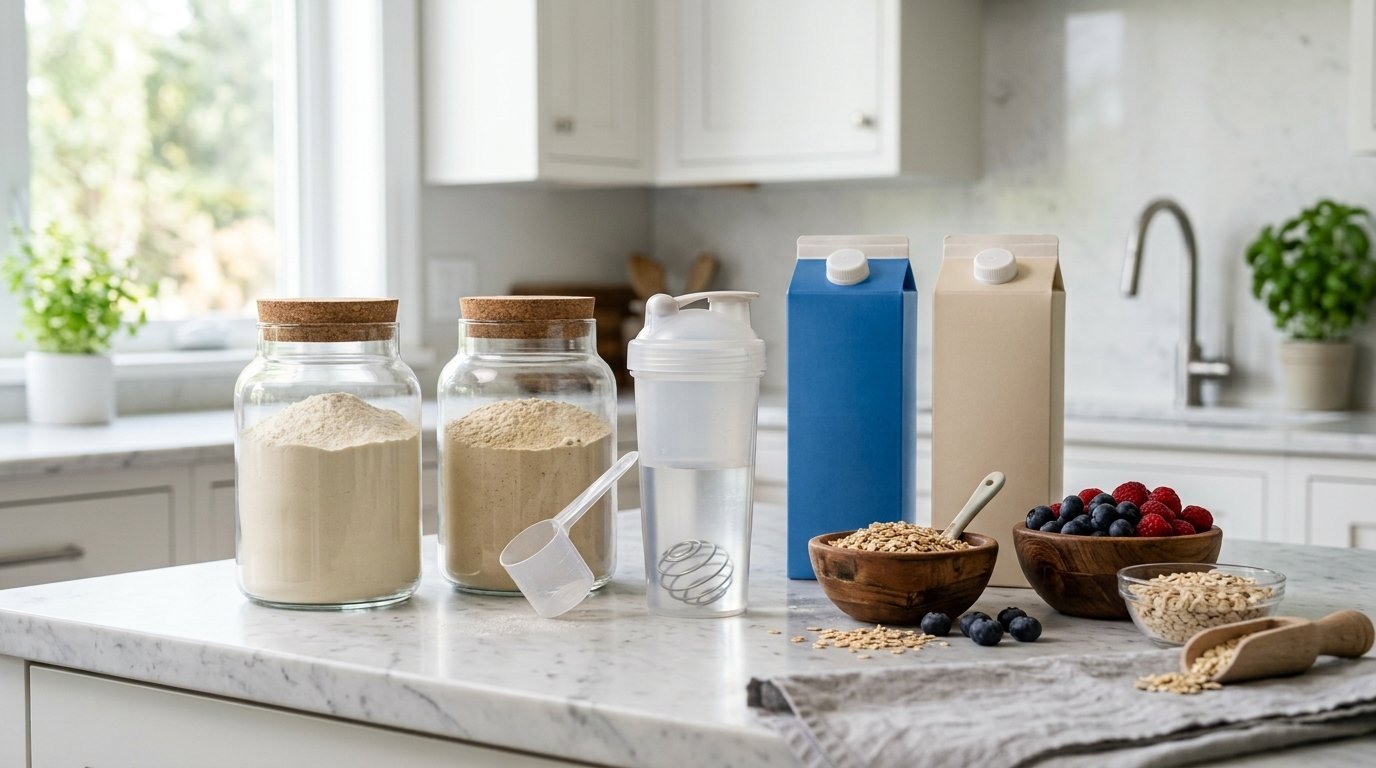
Protein Powder: Benefits, Types, Uses, and How to Choose the Right One
Walk into any gym, health food store, or even a regular supermarket, and you’ll notice one supplement that seems to dominate the shelves: Protein Powder. It’s available in countless flavors, made from different protein sources, and marketed to everyone from professional athletes to busy parents trying to eat healthier.
But with so many choices comes confusion.
Do you really need protein powder? Is it only for bodybuilders? Can it support weight loss? Is plant protein as effective as whey protein? And how do you know which type actually fits your lifestyle?
These are the questions many people ask before buying their first tub of protein powder.
The truth is that Protein Powder is neither a miracle product nor something everyone automatically needs. It is simply a convenient source of dietary protein that can help some people meet their nutrition goals when whole foods alone are not enough.
This comprehensive Protein Powder guide explains what protein powder is, the major types available today, who may benefit from using it, and how to choose the right option based on your personal goals. Instead of focusing on marketing claims, we’ll look at practical information that helps you make confident decisions.
Quick Answer
Protein Powder is a concentrated source of dietary protein made from animal or plant ingredients. It can help people increase their daily protein intake conveniently, but it is not essential for everyone. The best choice depends on your eating habits, fitness goals, dietary preferences, and overall nutrition rather than simply choosing the most expensive product.
What Exactly Is Protein Powder?
Protein is one of the three major macronutrients your body needs every day.
It helps build and repair tissues, supports muscles, contributes to hormone and enzyme production, and plays an important role in many normal body functions.
Protein powder simply offers this nutrient in a concentrated, convenient form.
How Is Protein Powder Made?
Although different products use different ingredients, most protein powders begin with a protein-rich food source.
Depending on the variety, manufacturers separate the protein from other components such as carbohydrates and fats before processing it into a fine powder.
Additional ingredients like cocoa, vanilla, natural flavors, or sweeteners may then be added depending on the product.
Protein Powder Is a Supplement, Not a Meal
One of the biggest misunderstandings is believing protein powder replaces a healthy diet.
It doesn’t.
Protein powder is designed to supplement dietary protein intake when needed, not replace balanced meals that provide vitamins, minerals, fiber, and healthy fats.
Whole foods should remain the foundation of a nutritious eating plan.
Why Has Protein Powder Become So Popular?
Protein powder has become increasingly popular because modern lifestyles are busy.
Some people struggle to prepare protein-rich meals every day.
Others travel frequently, work long hours, or have fitness goals that make convenient nutrition appealing.
Its portability and versatility have made protein powder one of the most widely used nutrition supplements around the world.
What Are the Main Types of Protein Powder?
Not all protein powders are the same.
The source of the protein influences taste, texture, digestibility, and suitability for different dietary preferences.
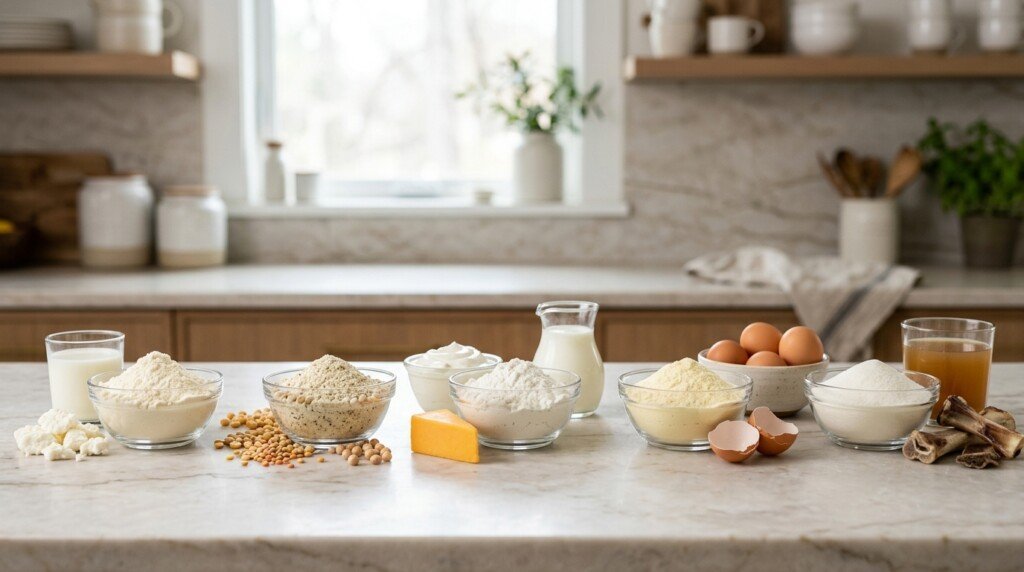
Whey Protein
Whey protein is one of the most recognizable forms of protein powder.
It is derived from milk during the cheese-making process and contains all essential amino acids.
Because of its popularity, whey protein is commonly found in sports nutrition products and ready-to-drink protein shakes.
Future articles will explore whey protein in much greater detail.
Casein Protein
Casein is another protein naturally found in milk.
Like whey, it provides all essential amino acids but has different physical properties that distinguish it from other protein sources.
People researching dairy-based protein supplements often compare whey and casein before deciding which better matches their preferences.
Plant Protein
Plant-based protein powders have expanded dramatically over the past decade.
Common sources include:
- Peas
- Brown rice
- Soy
- Hemp
- Pumpkin seeds
- Sunflower seeds
Many modern plant protein products combine several plant ingredients to create a more balanced amino acid profile.
These options are popular among vegetarians, vegans, and individuals avoiding dairy products.
Egg Protein
Egg protein powders are produced primarily from egg whites.
They provide high-quality dietary protein while offering an alternative for people who prefer not to use dairy-based supplements.
Collagen Protein
Collagen protein has become increasingly popular in recent years.
Unlike complete protein sources such as whey or soy, collagen has a unique amino acid profile and is commonly marketed for purposes beyond sports nutrition.
Because collagen differs significantly from traditional protein supplements, it deserves separate discussion in future articles.
Why Do So Many People Use Protein Powder?
People rarely buy protein powder for exactly the same reason.
Different lifestyles create different nutritional needs.
Convenience
Preparing balanced meals every few hours is not always practical.
Protein powder offers a portable option that fits into busy schedules, travel, workdays, or post-exercise routines.
Convenience remains one of the biggest reasons people purchase protein supplements.
Supporting Daily Protein Intake
Some individuals naturally consume enough dietary protein through food.
Others find it difficult to reach their protein goals consistently.
Protein powder can help bridge that gap without requiring major dietary changes.
Fitness Nutrition
Protein has become closely associated with exercise and sports nutrition.
People involved in resistance training, recreational fitness, or competitive athletics often include protein supplements as part of their overall nutrition strategy.
If your primary goal is building an active lifestyle, combining adequate protein with Strength Training for Fat Loss creates a more balanced long-term approach than relying on supplements alone.
Meal Flexibility
Many people use protein powder because it adapts easily to different meals.
It can be blended into smoothies, mixed into oatmeal, added to yogurt, or incorporated into homemade recipes.
This flexibility makes it easier to increase dietary protein without eating the same foods repeatedly.
What Benefits Does Protein Powder Offer?
The popularity of protein powder isn’t based on one single benefit.
Instead, it provides several practical advantages depending on a person’s nutrition goals.

It Makes Protein Intake More Convenient
For many people, convenience is the biggest advantage.
Rather than preparing another protein-rich meal, a protein shake can provide an easier option during busy days.
That convenience often improves consistency, which matters more than occasional perfect eating habits.
It Supports Lean Muscle Goals
Protein provides the amino acids involved in normal muscle protein synthesis.
For physically active individuals, meeting daily protein needs is an important part of supporting lean muscle maintenance and recovery alongside regular exercise.
Protein powder is simply one convenient way to contribute toward that overall protein intake.
It Can Increase Satiety
Protein-rich meals are often more satisfying than meals lower in protein.
Feeling satisfied after eating may help some people manage hunger more comfortably throughout the day.
However, protein powder should still be viewed as one part of an overall balanced eating pattern rather than a hunger solution on its own.
Many people combine protein-rich foods with ideas from Healthy Snacks for Weight Loss to create meals that are both filling and nutritionally balanced.
Is Protein Powder Only for Athletes?
This is one of the most common myths surrounding protein supplements.
Professional athletes certainly use protein powder.
But they are far from the only group.
Protein powder is now used by:
- Busy professionals
- College students
- Older adults
- Recreational exercisers
- Vegetarians
- Vegans
- Travelers
- People with demanding work schedules
The supplement itself is not designed for one specific type of person.
Its usefulness depends entirely on whether someone struggles to meet their protein needs through everyday meals.
Someone who regularly eats sufficient protein from foods may have little reason to use a protein supplement, while another person with a hectic schedule may find it extremely convenient.
Likewise, individuals comparing different nutrition products may also explore Supplements for Weight Loss or Best Weight Loss Supplements as part of their broader health goals, although protein powder serves a different purpose than many traditional weight loss supplements.
Is Protein Powder Really Necessary?
One of the biggest questions people ask before buying protein powder is whether they actually need it.
The honest answer is that it depends on your daily eating habits, lifestyle, and nutrition goals.
For many healthy adults, protein needs can be met through whole foods alone. Foods such as lean meat, fish, eggs, dairy products, beans, lentils, tofu, nuts, and seeds naturally provide dietary protein along with vitamins, minerals, healthy fats, and other beneficial nutrients.
Protein powder becomes valuable when convenience is a challenge rather than because it offers something completely different from food.
Whole Foods Should Come First
A balanced diet built around protein-rich foods remains the ideal approach for most people.
Whole foods offer nutritional value beyond protein, including fiber, antioxidants, and essential micronutrients that powders cannot fully replace.
Protein supplements are designed to complement healthy eating, not replace it.
Some People Find It Difficult to Meet Protein Goals
Busy schedules often make regular meal preparation difficult.
Long workdays, frequent travel, shift work, or demanding family responsibilities may reduce opportunities to eat balanced meals throughout the day.
In these situations, protein powder provides a practical alternative when preparing another protein-rich meal simply isn’t realistic.
Protein Powder Is About Convenience
Perhaps the simplest way to think about protein powder is this:
It solves a convenience problem, not a nutrition problem.
If you’re already consuming adequate protein through food every day, adding protein powder may offer little additional benefit.
Can Protein Powder Support Weight Loss?
Protein powder is frequently marketed alongside weight loss products, leading many people to believe it burns fat.
It doesn’t.
There is no evidence that simply drinking protein shakes causes body fat to disappear.
However, protein powder may support healthy weight management when it becomes part of a balanced eating pattern.

Protein Can Help You Feel Fuller
Protein-rich meals are generally more satisfying than meals that contain very little protein.
Feeling fuller after eating may help some people manage appetite more comfortably throughout the day, making it easier to stick with healthy eating habits.
This effect comes from dietary protein itself rather than protein powder specifically.
Protein Powder Can Replace Less Nutritious Choices
Busy days often lead people toward convenience foods that are high in calories but relatively low in protein.
For some individuals, preparing a balanced protein shake may become a more nutritious option than skipping meals or relying on heavily processed snacks.
That doesn’t make protein powder a weight loss product, but it can support healthier daily choices.
It Works Best Alongside Healthy Habits
Weight loss remains the result of long-term lifestyle habits.
A balanced diet, regular physical activity, sufficient sleep, and consistency continue to matter far more than any single supplement.
People looking to increase dietary protein naturally may also enjoy adding more High-Protein Foods That Burn Fat to everyday meals instead of relying entirely on supplements.
Is Protein Powder Safe for Most People?
Protein powder is one of the most widely used nutrition supplements in the world.
For most healthy adults, commercially produced protein powders can fit within a balanced diet when used appropriately.
Quality Matters
Not every protein powder is manufactured to the same standard.
Ingredient quality, manufacturing practices, and product transparency vary between companies.
Choosing reputable products with clearly labeled ingredients helps consumers make more informed decisions.
Read the Ingredient List Carefully
Rather than focusing only on the amount of protein, take time to review the complete label.
Consider factors such as:
- Protein source
- Added sugars
- Sweeteners
- Artificial colors
- Flavorings
- Overall ingredient simplicity
Simple, transparent ingredient lists are often easier to evaluate than products with lengthy formulations.
Protein Powder Is Not a Miracle Product
Marketing sometimes creates unrealistic expectations.
Protein powder does not automatically build muscle, improve athletic performance, or produce weight loss on its own.
Its value depends entirely on how it fits within your overall nutrition and lifestyle.
How Do You Choose the Right Protein Powder?
Walking into a supplement store can feel overwhelming.
Hundreds of products promise similar benefits while highlighting different ingredients, flavors, and marketing claims.
Instead of searching for the “best” protein powder, focus on finding the one that matches your personal needs.

Start With Your Dietary Preferences
Your eating style naturally narrows your options.
For example:
- Dairy-based products may suit some people.
- Plant-based products are popular among vegetarians and vegans.
- Egg-based proteins offer another alternative.
Choosing a protein source that aligns with your preferences makes long-term consistency easier.
Think About Your Goals
Someone looking for a convenient breakfast option may choose differently than someone focused on sports nutrition.
Likewise, a person wanting a simple smoothie ingredient may prioritize different qualities than someone interested in cooking with protein powder.
Your goals should influence your decision more than advertising.
Keep the Ingredient List Simple
Many high-quality protein powders contain relatively straightforward ingredient lists.
Products overloaded with unnecessary fillers, excessive sweeteners, or numerous additives may not always be the best fit.
Reading labels carefully is one of the smartest habits you can develop as a consumer.
Ignore Marketing Hype
Words such as “extreme,” “anabolic,” “instant,” or “revolutionary” may sound impressive, but they rarely tell you much about nutritional quality.
Instead, compare products based on objective information rather than promotional language.
Key Takeaways
| Topic | Key Point |
|---|---|
| Protein Powder | A convenient source of dietary protein that supplements, not replaces, whole foods. |
| Types | Common options include whey, casein, plant, egg, and collagen protein. |
| Benefits | Supports protein intake, convenience, lean muscle goals, and satisfying meals. |
| Who may benefit | Active individuals, busy professionals, vegetarians, older adults, and anyone struggling to meet protein needs through food. |
| Weight loss | Protein powder does not burn fat but may support healthy eating habits and satiety. |
| Choosing a product | Focus on protein source, ingredient quality, transparency, and your personal nutrition goals rather than marketing claims. |

Frequently Asked Questions
1. What is Protein Powder used for?
Protein Powder is used as a convenient way to increase dietary protein intake when whole foods alone are not enough to meet individual nutrition needs.
2. Is Protein Powder better than eating high-protein foods?
No. Whole foods should remain the foundation of a balanced diet because they provide protein along with many other important nutrients. Protein powder is intended to supplement, not replace, those foods.
3. Can Protein Powder help with weight loss?
Protein powder does not directly cause fat loss, but it may support weight management by making it easier to include enough protein in a balanced eating plan.
4. Is Protein Powder only for bodybuilders?
No. Protein powder is commonly used by busy professionals, recreational exercisers, older adults, vegetarians, and many others who want a convenient protein source.
5. How do I choose the right Protein Powder?
Choose a product based on your dietary preferences, nutrition goals, protein source, and ingredient quality instead of relying on marketing claims alone.
Conclusion
Protein Powder has earned its popularity because it offers a simple and convenient way to increase dietary protein intake, but it is not a necessity for everyone. For many people, whole foods provide all the protein they need, while others benefit from the flexibility that protein supplements offer during busy days or active lifestyles. Understanding the different types of protein powder and how they fit into your personal nutrition goals is far more important than following trends or choosing the most heavily advertised product.
The best approach is to view protein powder as a practical nutrition tool rather than a shortcut to better health or fitness. By prioritizing balanced meals, reading ingredient labels carefully, and selecting a protein source that matches your dietary preferences, you can make confident choices that support your long-term wellness. As this pillar expands, each type of protein powder and related topic will be explored in greater detail, helping you decide what truly works for your lifestyle rather than what simply sounds appealing on the label.
Disclaimer:
This post may contain affiliate links. If you purchase through them, we may earn a small commission at no extra cost to you. Also, this content is for informational purposes only and does not substitute professional medical advice.