
Types of Protein Powder Explained: Whey, Casein, Plant-Based, and More
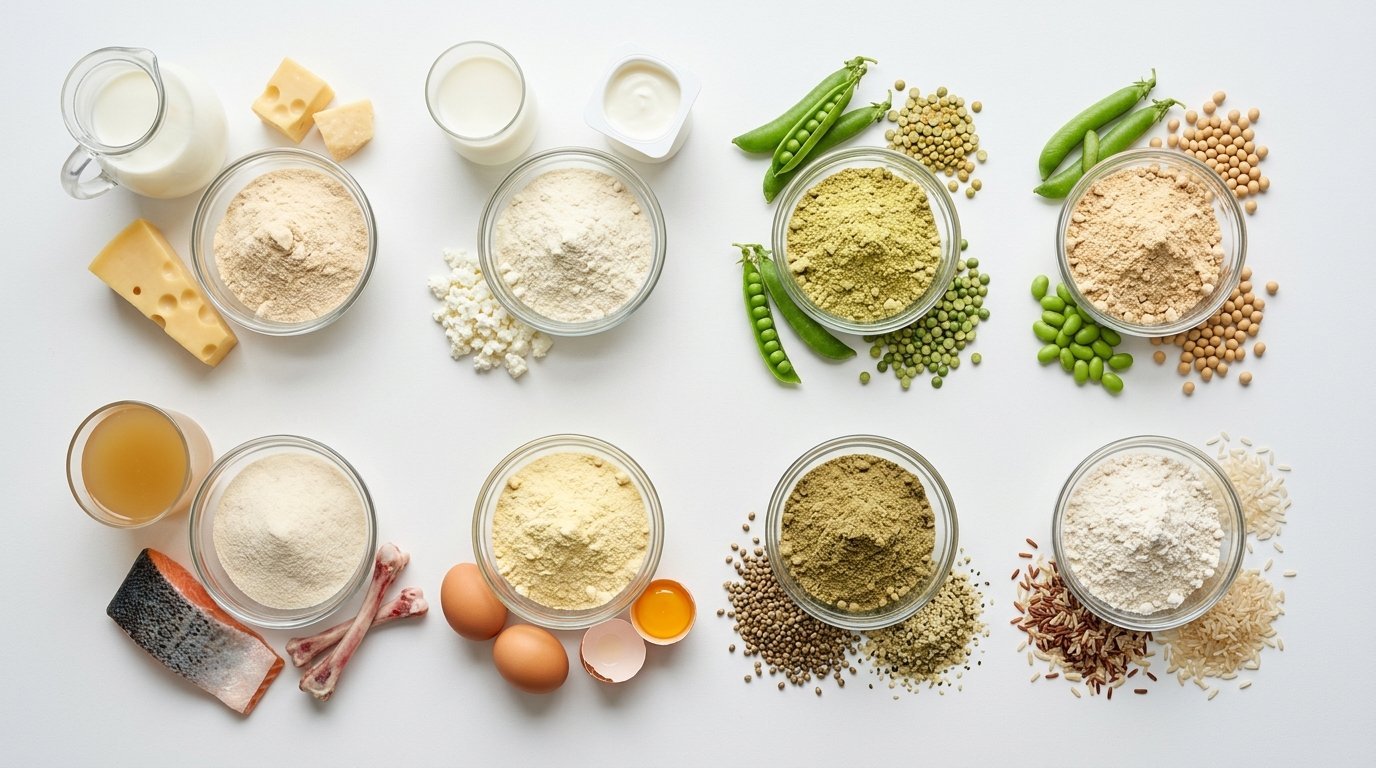
Choosing a protein powder used to be simple. Years ago, most people only had a few options, and whey protein dominated the shelves. Today, things look very different. Walk into a nutrition store or browse online, and you’ll find dozens of products made from milk, eggs, peas, rice, hemp, soy, and many other ingredients. Each one claims to be the best.
That variety is great for consumers, but it also creates confusion.
Is whey better than plant protein? Is casein only for athletes? Are all plant proteins complete proteins? What do terms like isolate and concentrate actually mean?
Understanding the Types of Protein Powder is the first step toward making an informed choice. Every protein source has its own characteristics, nutritional profile, texture, and ideal use. None of them is automatically the “best” for everyone.
This guide focuses entirely on the different Types of Protein Powder, explaining where they come from, how they differ, and which situations each type is commonly used for. Rather than ranking products, we’ll help you understand the strengths of each category so you can choose with confidence.
Quick Answer
The main Types of Protein Powder include whey, casein, plant-based proteins, egg protein, and collagen protein. Within these categories are variations such as whey isolate, whey concentrate, hydrolyzed whey, soy protein, pea protein, rice protein, and hemp protein. Each differs in protein source, amino acid profile, digestibility, and suitability for different dietary preferences.
What Are the Main Types of Protein Powder?
Protein powders can be grouped according to the ingredient they are made from.
Broadly speaking, they fall into two major categories:
- Animal-based proteins
- Plant-based proteins
Within each category are several individual protein sources with unique characteristics.
Animal-Based Protein Powders
Animal-derived proteins are among the most widely used in sports nutrition.
Common examples include:
- Whey protein
- Casein protein
- Egg protein
- Collagen protein
Most animal proteins naturally contain all nine essential amino acids, making them complete proteins.
Plant-Based Protein Powders
Plant protein has become increasingly popular as more people adopt vegetarian, vegan, or dairy-free lifestyles.
Common plant proteins include:
- Soy protein
- Pea protein
- Brown rice protein
- Hemp protein
- Pumpkin seed protein
- Sunflower protein
Many manufacturers blend multiple plant proteins together to create a more balanced amino acid profile.
As discussed in our Protein Powder pillar article, selecting a protein source depends on your dietary preferences and overall nutrition goals rather than following trends.
What Is Whey Protein?
Whey protein is probably the best-known protein powder in the world.
It is naturally produced during the cheese-making process, where the liquid portion of milk is separated before being processed into protein powder.
Because of its complete amino acid profile and versatility, whey remains one of the most common protein supplements available today.

Whey Concentrate
Whey concentrate is the least processed form of whey protein.
It typically contains:
- Protein
- Small amounts of carbohydrates
- Small amounts of fat
- Naturally occurring milk components
Because processing is relatively limited, whey concentrate often retains more of the naturally occurring compounds found in milk.
Whey Isolate
Whey isolate undergoes additional filtration compared with concentrate.
This process increases the percentage of protein while reducing much of the carbohydrate and fat content.
Many people choose whey isolate because of its higher protein concentration and lower lactose content.
Hydrolyzed Whey
Hydrolyzed whey has undergone further processing that partially breaks protein into smaller peptides.
Because of this additional processing, hydrolyzed whey is often marketed differently from concentrate or isolate, although all three originate from the same protein source.
Why Is Whey Protein So Popular?
Several factors contribute to whey protein’s popularity:
- Complete amino acid profile
- Widely available
- Mixes easily
- Mild flavor
- Available in numerous formulations
Its versatility has made it one of the most recognized protein supplements worldwide.
What Is Casein Protein?
Like whey, casein is also derived from milk.
Although both originate from the same food source, they behave quite differently during manufacturing and digestion.
Casein naturally forms the solid portion of milk during cheese production, while whey remains in the liquid.
A Complete Dairy Protein
Casein provides all essential amino acids, making it another complete protein.
Its nutritional quality is one reason it has remained popular in sports nutrition for decades.
Different Physical Properties
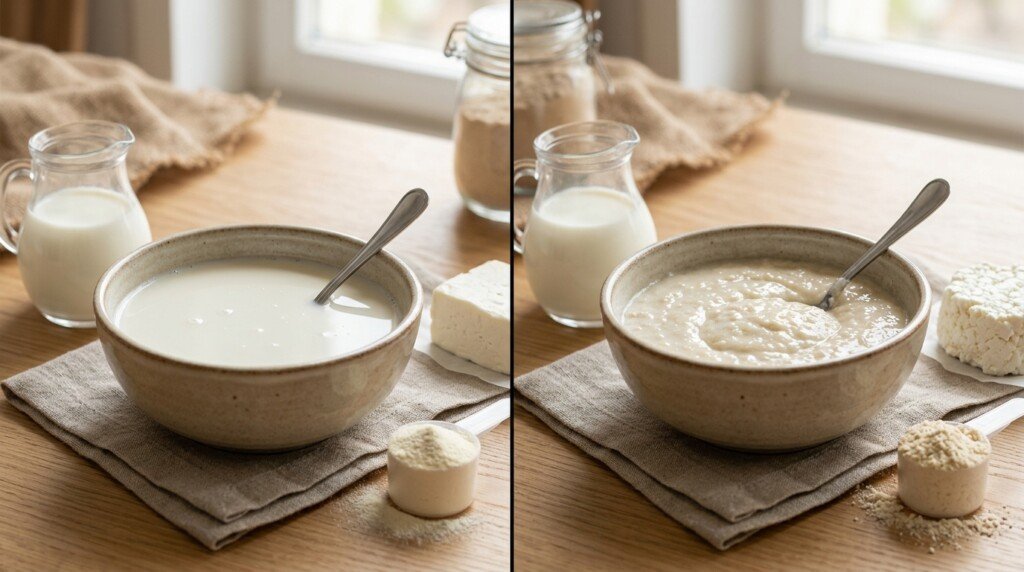
Compared with whey protein, casein has a thicker texture when mixed with liquids.
Many recipes that use protein powder rely on this property to create creamier shakes, puddings, or baked foods.
Another Dairy-Based Option
People choosing between whey and casein often compare factors such as texture, dairy content, and personal preference rather than assuming one is universally better.
We’ll compare both proteins directly later in this article.
What Are Plant-Based Protein Powders?
Plant proteins have evolved tremendously over the past decade.
Earlier products were sometimes criticized for taste and texture, but modern formulations have improved considerably.
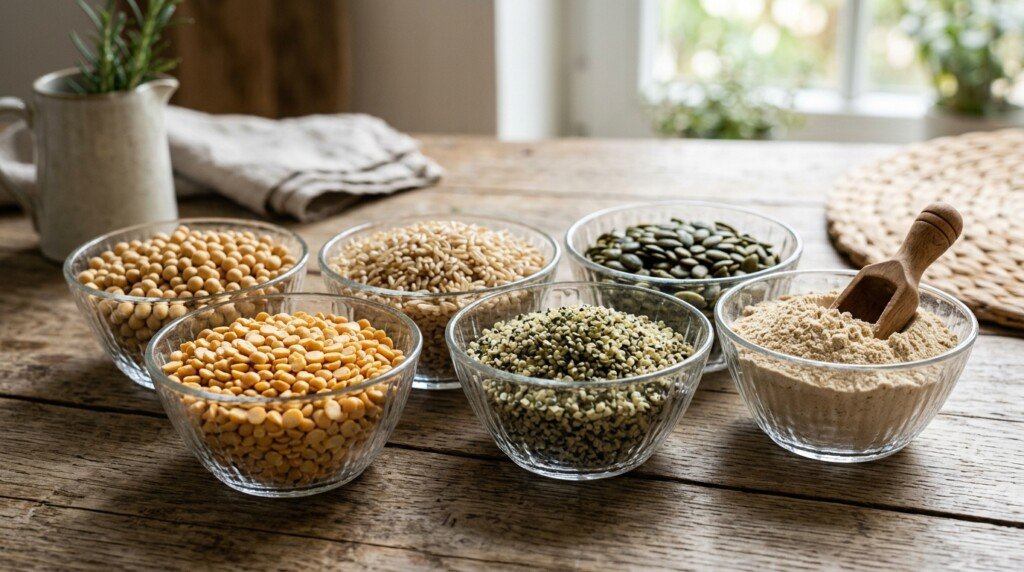
Today’s plant proteins come from a wide variety of ingredients.
Soy Protein
Soy protein remains one of the most researched plant proteins.
Because it naturally contains all essential amino acids, it is classified as a complete protein.
Its long history in nutrition has made it a common ingredient in many protein supplements.
Pea Protein
Pea protein has become one of the fastest-growing plant protein categories.
It offers a smooth texture and is frequently used in dairy-free protein powders.
Many manufacturers blend pea protein with other plant proteins to create more balanced amino acid profiles.
Brown Rice Protein
Brown rice protein provides another dairy-free option.
Although it is commonly blended with pea protein, it is also available as a standalone ingredient.
Hemp Protein
Hemp protein differs somewhat from many other plant proteins because it naturally contains fiber alongside protein.
Its earthy flavor distinguishes it from other protein powders.
Mixed Plant Protein Blends
Rather than relying on a single plant ingredient, many modern products combine several protein sources such as pea, rice, hemp, and pumpkin seed.
Blending proteins helps manufacturers create products with broader amino acid profiles and improved taste.
Are Egg Protein and Collagen Protein Worth Knowing About?
Although whey, casein, and plant proteins dominate the market, they are not the only available options.
Egg Protein
Egg protein is usually produced from egg whites.
It offers another complete protein source and provides an alternative for individuals who prefer not to consume dairy products.
Because egg protein has been used in sports nutrition for many years, it continues to appear in selected protein supplements.
Collagen Protein
Collagen occupies a unique position among protein powders.
Unlike whey, soy, or egg protein, collagen has a different amino acid composition and is often marketed for purposes beyond traditional sports nutrition.
For this reason, collagen is generally discussed separately from conventional protein supplements.
How Does Whey Protein Compare With Casein Protein?
Whey and casein are often compared because they both come from milk, yet they have distinct characteristics that make them suitable for different preferences.
The important thing to remember is that neither one is universally better.
Each simply offers a different nutritional profile and physical properties.
Source
Both whey and casein are naturally found in milk.
During cheese production:
- Whey becomes the liquid portion.
- Casein forms the solid portion.
Although they originate from the same food, manufacturing separates them into two different protein ingredients.
Texture
One of the easiest differences to notice is texture.
Whey protein generally mixes into a lighter, smoother drink.
Casein usually creates a thicker and creamier consistency.
This difference is why many recipes use casein in puddings, smoothies, and high-protein desserts.
Protein Varieties
Whey offers several processing options, including:
- Whey concentrate
- Whey isolate
- Hydrolyzed whey
Casein products are generally sold in fewer variations, making whey the larger category in today’s supplement market.
Which One Is Better?
Neither.
The better choice depends on:
- Dietary preference
- Desired texture
- Product formulation
- Personal taste
- Overall nutrition goals
Choosing between whey and casein should be based on which product fits your lifestyle rather than assuming one is superior.
Which Protein Powders Digest the Fastest?
Protein digestion speed is one of the most frequently discussed topics when comparing protein powders.
While digestion rates vary among individuals, different protein sources are commonly recognized for digesting at different speeds.

Whey Protein
Whey protein is widely known for digesting relatively quickly compared with many other protein sources.
Its rapid digestion is one reason it has remained popular in sports nutrition.
Casein Protein
Casein is generally recognized for digesting more gradually than whey.
Its thicker structure influences how it behaves during digestion, making it quite different from whey despite sharing the same dairy origin.
Plant Proteins
Plant protein digestion varies depending on the specific ingredient.
For example:
- Soy protein
- Pea protein
- Rice protein
- Hemp protein
Each has unique characteristics, and blended plant proteins may digest differently than single-source products.
Rather than focusing only on digestion speed, many people compare complete nutrition profiles before making a decision.
Egg Protein
Egg protein is often considered a moderate option that falls somewhere between faster and slower digesting protein sources.
Like other complete proteins, it remains a popular alternative for people avoiding dairy.
Which Type of Protein Powder Matches Different Goals?
There is no single protein powder that works best for everyone.
Instead, different products suit different lifestyles.
For Dairy-Based Nutrition
People who consume dairy often compare:
- Whey protein
- Casein protein
Both provide complete proteins and remain among the most widely used protein supplements.
For Plant-Based Eating
Individuals following vegetarian or vegan diets frequently choose:
- Soy protein
- Pea protein
- Rice protein
- Hemp protein
- Multi-source plant blends
These products provide dairy-free alternatives while allowing flexibility for different dietary preferences.
For Simplicity
Some people simply prefer products with:
- Short ingredient lists
- Minimal processing
- Fewer added ingredients
For them, reading labels may be more important than selecting one protein source over another.
For Food-First Nutrition
Protein powder is not the only way to increase dietary protein.
Many people meet their needs primarily through whole foods and use supplements only when convenient.
Including more High-Protein Foods That Burn Fat in everyday meals is another practical approach for increasing protein intake naturally.
Quick Comparison of Common Protein Powder Types
| Protein Type | Source | Complete Protein | Dairy-Free | Common Characteristics |
|---|---|---|---|---|
| Whey Protein | Milk | Yes | No | Smooth texture, available as concentrate, isolate, and hydrolyzed forms |
| Casein Protein | Milk | Yes | No | Thick consistency and different digestion profile than whey |
| Soy Protein | Soybeans | Yes | Yes | Popular complete plant protein |
| Pea Protein | Yellow peas | Nearly complete | Yes | Frequently blended with other plant proteins |
| Rice Protein | Brown rice | No | Yes | Commonly paired with pea protein |
| Hemp Protein | Hemp seeds | No | Yes | Naturally contains fiber with an earthy flavor |
| Egg Protein | Egg whites | Yes | No | Dairy-free animal protein alternative |
| Collagen Protein | Animal connective tissue | No | No | Unique amino acid profile, often discussed separately |
Why Is There No Single “Best” Protein Powder?
Marketing often encourages shoppers to believe one product outperforms every other option.
In reality, protein powder selection is much more personal.
Factors that matter include:
- Dietary restrictions
- Personal preferences
- Food allergies
- Taste
- Texture
- Ingredient transparency
- Nutrition goals
The most suitable protein powder is the one that aligns with your lifestyle and helps you consistently meet your dietary protein needs.
If you’re still deciding where to begin, the Protein Powder pillar article provides a broader overview before diving into the individual protein types.
Key Takeaways
| Topic | Key Point |
|---|---|
| Main types | Protein powders include whey, casein, plant-based, egg, and collagen proteins. |
| Whey protein | Available as concentrate, isolate, and hydrolyzed whey with a complete amino acid profile. |
| Casein protein | Another complete dairy protein known for its thicker texture and slower digestion profile. |
| Plant proteins | Soy, pea, rice, hemp, and blended proteins offer dairy-free alternatives with different characteristics. |
| Digestion | Whey generally digests faster than casein, while plant proteins vary by source. |
| Choosing a type | The best protein powder depends on dietary preferences, ingredient quality, and personal nutrition goals rather than marketing claims. |

Frequently Asked Questions
1. What are the main Types of Protein Powder?
The main Types of Protein Powder are whey, casein, plant-based proteins, egg protein, and collagen protein. Each comes from a different source and has unique characteristics.
2. Is whey protein better than casein protein?
Neither is universally better. Both are complete dairy proteins, but they differ in texture, processing methods, and digestion characteristics.
3. Are plant-based protein powders complete proteins?
Some are. Soy protein is considered a complete protein, while many manufacturers blend pea, rice, and other plant proteins to create a more balanced amino acid profile.
4. Which protein powder digests the fastest?
Whey protein is generally recognized as one of the faster-digesting protein sources, while casein digests more gradually.
5. How do I choose the right type of protein powder?
Consider your dietary preferences, whether you consume dairy, the ingredient list, texture, and your overall nutrition goals instead of relying on advertising claims.
Conclusion
Understanding the different Types of Protein Powder makes it much easier to choose a product that fits your lifestyle instead of following trends or marketing promises. Whey, casein, plant-based proteins, egg protein, and collagen each have distinct characteristics, from their protein source and amino acid profile to their texture and digestion. None is automatically the best choice for everyone, and each serves different dietary preferences and nutritional needs.
The smartest approach is to begin with your own goals rather than the label on the container. Whether you prefer dairy-based proteins, follow a plant-based diet, or simply want a convenient source of dietary protein, understanding these differences allows you to make informed decisions with confidence. As you continue exploring protein nutrition, each individual protein type can be examined in greater detail to determine which option aligns best with your everyday eating habits and long-term wellness goals.
Disclaimer:
This post may contain affiliate links. If you purchase through them, we may earn a small commission at no extra cost to you. Also, this content is for informational purposes only and does not substitute professional medical advice.