
Benefits of Protein Powder: Muscle Growth, Weight Loss, Recovery, and More
There are few nutrition products that generate as much attention as protein powder. Some people consider it an essential part of a healthy lifestyle, while others assume it is only useful for bodybuilders or professional athletes. The truth lies somewhere in between.
Protein is one of the most important nutrients your body needs every day. It supports muscles, organs, hormones, enzymes, and countless biological processes that keep your body functioning properly. Protein powder simply provides a convenient way to increase dietary protein intake when whole foods alone may not be enough.
The growing popularity of protein supplements has also raised an important question: what are the real Benefits of Protein Powder?
While advertisements often focus on bigger muscles or athletic performance, protein powder may offer a much broader range of potential benefits. Depending on your lifestyle and nutrition goals, it may support muscle maintenance, appetite control, recovery after exercise, healthy aging, and body composition. However, these benefits come from helping you meet your protein needs rather than from any magical property of the powder itself.
In this article, we’ll explore the most important Benefits of Protein Powder, separating realistic expectations from common misconceptions so you can better understand where this supplement may fit into a balanced lifestyle.
Quick Answer
The primary Benefits of Protein Powder include helping people meet their daily protein needs, supporting muscle protein synthesis, assisting muscle recovery after exercise, promoting satiety, contributing to healthy body composition, and making it easier to consume adequate dietary protein during busy days. It is a convenient nutrition tool rather than a replacement for a healthy diet.
How Does Protein Powder Support Muscle Growth?
When people think about protein powder, muscle growth is usually the first benefit that comes to mind.
That association exists for a good reason.
Protein supplies the amino acids your body uses during the normal process of muscle protein synthesis, which is essential for building and maintaining muscle tissue.

Protein Provides the Building Blocks
Muscles are constantly being renewed.
Every day, your body breaks down and rebuilds muscle proteins as part of normal maintenance.
Dietary protein supplies the amino acids required for this continuous process.
Without adequate protein intake, supporting lean muscle becomes much more difficult.
Muscle Growth Depends on More Than Protein
Although protein is important, muscle growth never depends on protein powder alone.
Several factors work together, including:
- Progressive resistance exercise
- Overall calorie intake
- Sleep quality
- Recovery
- Consistent nutrition
Protein powder simply helps provide one important nutritional component of that larger picture.
People working toward stronger muscles often combine adequate protein intake with Strength Training for Fat Loss, creating a balanced approach that supports both fitness and body composition.
Protein Powder Makes Consistency Easier
Preparing protein-rich meals several times each day isn’t always practical.
Busy schedules, work commitments, and travel can make consistency difficult.
Protein powder offers a convenient option that helps many people maintain steady protein intake without significantly changing their daily routine.
Can Protein Powder Help With Weight Loss?
One of the most common questions online is whether protein powder burns fat.
The simple answer is no.
Protein powder does not directly increase fat burning or cause automatic weight loss.
However, it may support healthy weight management in several indirect ways.
It Can Make Meals More Filling
Protein-rich meals generally create greater feelings of fullness than meals containing very little protein.
Feeling satisfied after eating may help some individuals avoid unnecessary snacking between meals.
This effect comes from dietary protein itself rather than protein powder specifically.
It Supports Lean Body Composition
During weight loss, many people aim to reduce body fat while maintaining lean muscle.
Meeting daily protein needs is one nutritional factor that contributes to this goal alongside regular exercise and an appropriate eating plan.
Convenience Can Improve Healthy Choices
Busy lifestyles sometimes encourage less nutritious food choices.
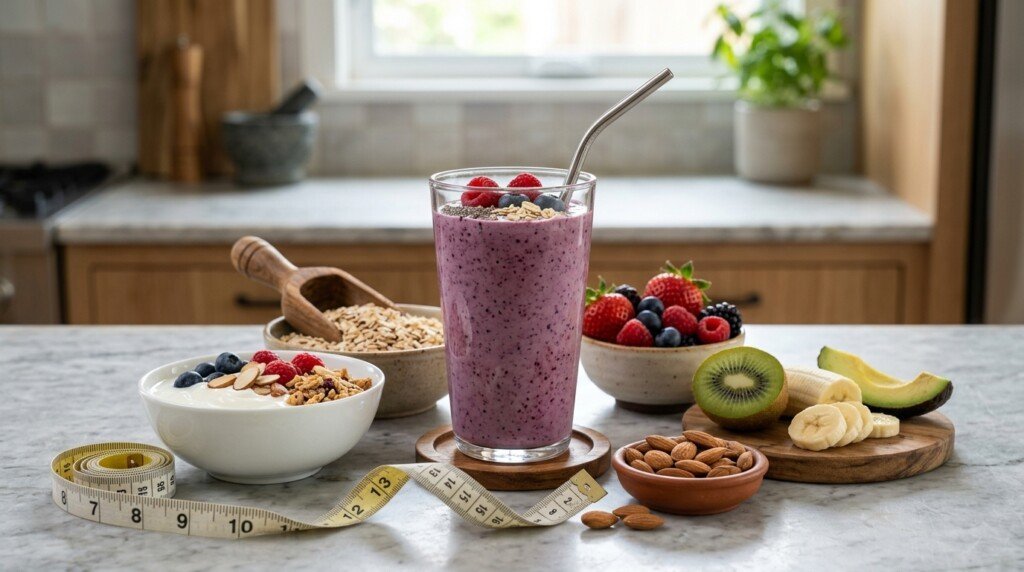
A balanced protein smoothie may become a practical alternative to skipping meals or relying on highly processed convenience foods.
That convenience often helps people maintain healthier eating habits over time.
Protein powder works best when combined with a sustainable Calorie Deficit, which remains the fundamental requirement for losing body fat.
Does Protein Powder Improve Recovery After Exercise?
Recovery is another reason many physically active people include protein powder in their nutrition routine.
Exercise naturally places demands on muscles.
Recovery allows the body to adapt to those demands over time.

Protein Supports Muscle Recovery
Dietary protein supplies amino acids involved in repairing and maintaining muscle tissue following physical activity.
Meeting protein requirements is therefore considered one important component of overall recovery nutrition.
Recovery Involves Multiple Lifestyle Factors
Protein is only one piece of effective recovery.
Other important factors include:
- Adequate sleep
- Balanced nutrition
- Hydration
- Rest days
- Consistent training
Focusing on only one element rarely produces the best results.
Recovery Supports Long-Term Progress
Whether your goal is recreational fitness or general health, recovering well allows you to remain consistent with physical activity.
Long-term consistency almost always produces better outcomes than occasional periods of intense exercise.
Can Protein Powder Help You Feel Full for Longer?
Many people notice that protein-rich meals leave them feeling satisfied longer than meals that are mostly refined carbohydrates.
This is one reason protein receives so much attention in nutrition discussions.
Protein Contributes to Satiety
Satiety refers to the feeling of fullness after eating.
Meals that contain adequate protein often promote greater satisfaction, making it easier for some individuals to manage appetite throughout the day.
Balanced Meals Matter More Than Individual Foods
No single food or supplement controls hunger on its own.
The most satisfying meals usually combine:
- Protein
- Fiber
- Healthy fats
- Whole grains
- Fruits or vegetables
Protein powder works best when included as one component of a balanced meal rather than consumed in isolation.
Convenience Supports Better Habits
People with busy schedules sometimes skip meals or rely on vending machine snacks.
Preparing a protein smoothie alongside fruit or oatmeal may become a more balanced alternative that supports consistent eating habits.
Likewise, combining protein-rich foods with ideas from Healthy Snacks for Weight Loss can help create satisfying meals throughout the day.
Does Protein Powder Support Healthy Aging?
Protein often becomes even more important as people grow older.
While aging is a natural part of life, maintaining muscle mass, strength, and physical function can become more challenging over time. Adequate dietary protein is one factor that supports healthy aging alongside regular physical activity and balanced nutrition.
Protein powder is not an anti-aging product, but it can be a convenient option for people who find it difficult to consume enough protein through meals alone.

Muscle Maintenance Becomes More Important With Age
As people get older, preserving lean muscle becomes an important part of staying active and independent.
Everyday activities such as climbing stairs, carrying groceries, or getting up from a chair rely on healthy muscle function.
Meeting daily protein needs supports normal muscle maintenance throughout life.
Appetite May Change Over Time
Some older adults naturally eat smaller meals or have less appetite than they did when they were younger.
When overall food intake decreases, protein intake may also decline.
In these situations, protein powder can make it easier to include more dietary protein without preparing large meals.
Healthy Aging Is About the Whole Lifestyle
Protein is only one part of healthy aging.
Long-term wellness also depends on:
- Regular physical activity
- Nutritious meals
- Quality sleep
- Stress management
- Routine healthcare
Protein powder should always be viewed as a supportive nutrition tool rather than a complete solution.
Is Protein Powder Useful Even If You Never Go to the Gym?
Absolutely.
One of the biggest myths surrounding protein powder is that it only belongs in a gym bag.
In reality, protein is an essential nutrient for everyone, not just athletes.
Protein Supports Everyday Body Functions
Your body uses protein continuously.
Beyond muscles, protein contributes to:
- Skin
- Hair
- Nails
- Hormones
- Enzymes
- Organs
- Connective tissues
These normal biological processes occur whether you exercise or not.
Busy Lifestyles Can Benefit From Convenience
Many people use protein powder simply because life gets busy.
Parents, students, office workers, shift workers, and travelers often appreciate having a quick source of dietary protein when preparing a balanced meal isn’t possible.
Convenience is one of the biggest reasons protein powder has become so popular outside the fitness industry.
Whole Foods Still Come First
Even if you enjoy protein shakes, whole foods should remain the primary source of nutrition.
Foods such as:
- Eggs
- Fish
- Chicken
- Greek yogurt
- Beans
- Lentils
- Tofu
- Nuts
- Seeds
provide protein alongside many other valuable nutrients.
Protein powder works best as a supplement, not as a replacement for balanced eating.
Looking at the Bigger Picture: What Are the Real Benefits of Protein Powder?
When you step back from the marketing, a clear pattern emerges.
The Benefits of Protein Powder are not based on magic ingredients or extraordinary claims.
Instead, protein powder offers something much simpler.
It makes it easier for many people to consume enough dietary protein consistently.
That consistency may support several aspects of health, including:
- Muscle protein synthesis
- Lean muscle maintenance
- Exercise recovery
- Appetite satisfaction
- Healthy body composition
- Healthy aging
- Everyday nutrition convenience
Rather than viewing protein powder as a shortcut, it’s more accurate to think of it as a practical nutrition tool.
Its value depends on how well it fits into an overall healthy lifestyle.
When Does Protein Powder Make the Most Sense?
Protein powder may be particularly useful for people who:
- Have busy schedules
- Exercise regularly
- Find it difficult to eat enough protein
- Prefer convenient meal options
- Follow vegetarian or vegan diets using appropriate plant proteins
- Want a simple addition to smoothies or recipes
At the same time, many healthy adults meet their protein needs through food alone and may have little reason to include protein supplements.
The right choice depends on your personal eating habits rather than what everyone else is doing.
Key Takeaways
| Topic | Key Point |
|---|---|
| Muscle growth | Protein provides amino acids that support normal muscle protein synthesis as part of a balanced lifestyle. |
| Weight management | Protein powder does not burn fat but may support satiety and healthy body composition. |
| Recovery | Dietary protein contributes to muscle recovery after physical activity. |
| Hunger control | Protein-rich meals often help people feel fuller than lower-protein meals. |
| Healthy aging | Adequate protein supports muscle maintenance and everyday function as people grow older. |
| Everyday use | Protein powder is useful for many people, including those who do not exercise, when it helps meet daily protein needs. |

Frequently Asked Questions
1. What are the main Benefits of Protein Powder?
The primary Benefits of Protein Powder include supporting daily protein intake, muscle maintenance, recovery after exercise, satiety, healthy body composition, and convenient nutrition.
2. Can Protein Powder help with weight loss?
Protein powder does not directly burn fat, but it may support weight management by helping people meet their protein needs as part of a balanced eating plan.
3. Does Protein Powder improve muscle recovery?
Dietary protein supplies amino acids that support normal muscle recovery following exercise when combined with overall healthy nutrition and adequate rest.
4. Is Protein Powder useful if I don’t exercise?
Yes. Protein supports many normal body functions beyond muscles, making protein powder a convenient option for people who struggle to meet their daily protein needs through food alone.
5. Does Protein Powder replace healthy meals?
No. Protein powder is designed to supplement a balanced diet, not replace whole foods that provide fiber, vitamins, minerals, and other essential nutrients.
Conclusion
The Benefits of Protein Powder extend well beyond the gym. While it is commonly associated with muscle growth, protein powder can also support everyday nutrition by helping people meet their daily protein needs more conveniently. From promoting muscle protein synthesis and recovery to contributing to satiety, healthy body composition, and healthy aging, its greatest strength lies in making consistent protein intake easier for a wide variety of lifestyles.
At the same time, protein powder should never be viewed as a shortcut to better health. Whole foods remain the foundation of a nutritious diet, and long-term wellness still depends on balanced eating, regular physical activity, quality sleep, and sustainable habits. When used as a practical supplement rather than a replacement for healthy meals, protein powder can become a valuable part of an overall healthy lifestyle.
Disclaimer:
This post may contain affiliate links. If you purchase through them, we may earn a small commission at no extra cost to you. Also, this content is for informational purposes only and does not substitute professional medical advice.