
9 Best Appetite Suppressant Supplements for Weight Loss
Best appetite suppressant supplements have become increasingly popular among people who struggle with constant hunger, food cravings, and overeating while trying to lose weight.
For many individuals, weight loss is not difficult because they lack knowledge. Most people already understand the basics: eat fewer calories, choose healthier foods, and stay physically active.
The real challenge begins when hunger appears.
You finish breakfast and feel hungry an hour later. You promise yourself you’ll avoid snacks, but cravings hit in the afternoon. By evening, staying on track feels much harder than it did in the morning.
This is one reason many people start researching the best weight loss supplements available today. While some products focus on metabolism or overall weight management, appetite suppressant supplements are designed specifically to help control hunger and improve satiety.
The goal isn’t to stop eating.
The goal is to help your body feel satisfied with the food it actually needs.
In this guide, we’ll examine some of the most popular appetite suppressant supplements, how they work, and which options may be worth considering as part of a healthy weight management plan.
Quick Answer: What Are the Best Appetite Suppressant Supplements?
Several supplements consistently stand out for appetite control:
- Glucomannan
- Psyllium Husk
- Protein Powder
- Casein Protein
- Whey Protein
- Fenugreek Fiber
- Green Tea
- Saffron Extract
- 5-HTP
Each works differently.
Some increase fullness.
Others help control cravings.
Some may support healthier eating habits by influencing hunger hormones and satiety signals.
Why Hunger Prevents Weight Loss
Many diets fail for a simple reason.
People become too hungry to follow them.
Weight loss requires consistency over weeks and months, not days.
Even the most effective nutrition plan becomes difficult if hunger constantly interferes.

Hunger Is a Biological Response
When calorie intake decreases, the body responds.
It doesn’t know you’re trying to lose weight.
It simply detects lower energy availability.
As a result, hormones involved in appetite regulation begin to change.
One of the most important is ghrelin.
Often called the “hunger hormone,” ghrelin signals the brain that it’s time to eat.
When ghrelin levels rise, hunger typically increases.
This response is completely normal.
Unfortunately, it can make weight loss significantly more challenging.
Cravings Are Not Always About Willpower
Many people blame themselves when cravings appear.
In reality, cravings are influenced by several factors including:
- Sleep quality
- Stress levels
- Blood sugar fluctuations
- Habit patterns
- Emotional triggers
This is one reason healthy routines matter so much.
If you’re working on building better daily behaviors, our guide on weight loss habits may help support your long-term progress.
Satiety Matters More Than Most People Realize
The feeling of fullness after eating is known as satiety.
Foods and supplements that improve satiety can make it easier to consume fewer calories without constantly feeling deprived.
This is why appetite suppressant supplements focus on one primary goal:
Helping you feel satisfied for longer periods.
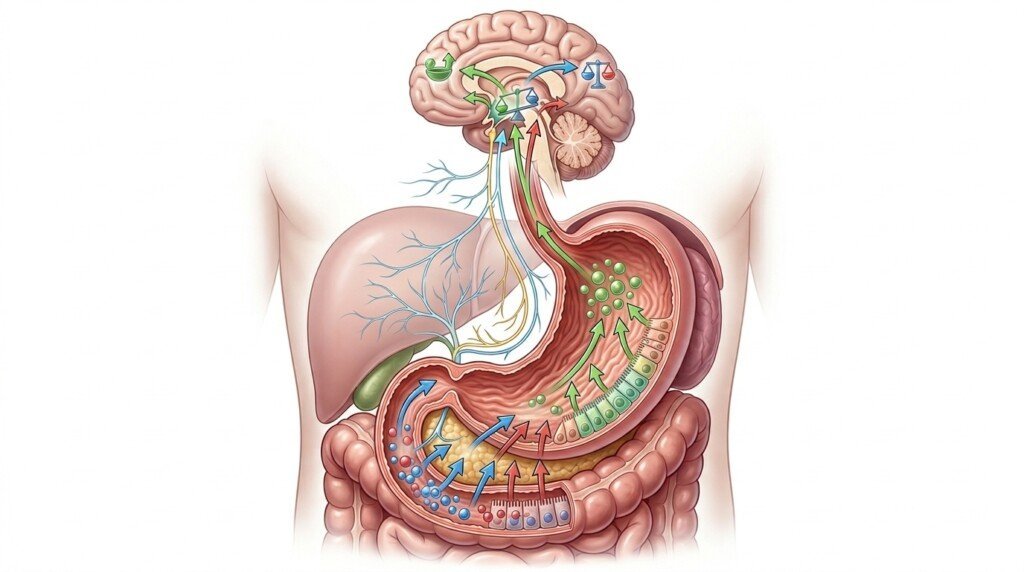
How Appetite Suppressants Work
Not all appetite suppressants work through the same mechanism.
Understanding the difference can help you choose the most appropriate option.
Increasing Stomach Fullness
Some supplements absorb water and expand inside the stomach.
This may create a greater sense of fullness before meals.
Fiber-based supplements are the most common examples.
Slowing Digestion
Certain ingredients slow the movement of food through the digestive system.
This can help extend feelings of satiety after eating.
As a result, hunger may return more slowly.
Supporting Hunger Hormones
Some supplements may influence hormones involved in appetite regulation.
While the effects are generally modest, they may help reduce frequent hunger signals in some individuals.
Reducing Emotional Eating Triggers
Not all eating is driven by physical hunger.
Stress, boredom, and emotions often play major roles.
People who struggle with emotional eating may also benefit from understanding the psychology of weight loss, since mindset frequently affects eating behavior as much as physical hunger.
Best Fiber-Based Appetite Suppressants
Fiber remains one of the most effective and practical tools for appetite control.
Unlike stimulant-based products, fiber supports fullness naturally.

Glucomannan
Glucomannan is derived from the konjac root and is widely considered one of the strongest natural appetite suppressants available.
Its effectiveness comes from its ability to absorb water and expand inside the stomach.
Potential benefits include:
- Increased fullness
- Reduced calorie intake
- Improved satiety
- Digestive support
Because it works mechanically rather than through stimulation, many people tolerate it well.
Psyllium Husk
Psyllium husk is another popular fiber supplement.
It forms a gel-like substance when mixed with water and may help create a longer-lasting feeling of fullness.
Many people also use psyllium husk to support digestive health and regularity.
Fenugreek Fiber
Fenugreek contains soluble fiber that may slow digestion and help reduce hunger between meals.
Although less popular than glucomannan, it remains a common ingredient in appetite support formulas.
One advantage of fiber-based appetite suppressants is that they align closely with healthy eating principles rather than attempting to override normal biological signals.
Best Protein-Based Appetite Suppressants
Protein is one of the most powerful nutrients for appetite control.
Compared with carbohydrates and fats, protein generally creates a stronger feeling of fullness after meals.
This is one reason high-protein diets continue to be popular among people trying to lose weight.

Whey Protein
Whey protein is one of the most widely used protein supplements in the world.
Because it digests relatively quickly, it’s commonly used after exercise and as a convenient meal supplement.
Potential benefits include:
- Increased satiety
- Reduced snacking
- Better muscle preservation during weight loss
- Convenient nutrition support
Many people find that replacing a high-calorie snack with a protein shake helps them stay within their daily calorie goals.
Casein Protein
Unlike whey, casein digests slowly.
This slower digestion may help extend feelings of fullness for several hours.
For this reason, some people prefer casein later in the day when evening hunger tends to become a problem.
Potential benefits include:
- Longer-lasting satiety
- Reduced nighttime hunger
- Support for muscle maintenance
Protein Meal Replacements
Meal replacement shakes designed around high protein content can also support appetite management.
The key is choosing products that provide adequate protein without excessive added sugar.
When combined with balanced eating habits, protein supplements often become one of the most practical appetite-control strategies available.
Best Natural Appetite Suppressants
Many people prefer natural appetite suppressants over highly processed products.
Natural options generally focus on supporting the body’s existing hunger and fullness signals.
Saffron Extract
Saffron has gained attention because some studies suggest it may help reduce snacking behavior.
Researchers believe saffron may influence mood-related eating patterns in some individuals.
Potential benefits include:
- Reduced cravings
- Less emotional eating
- Better appetite control
Green Tea
While green tea is often associated with metabolism support, it may also help some people manage appetite.
Its combination of plant compounds and naturally occurring caffeine may contribute to improved eating control.
5-HTP
5-HTP is a compound involved in serotonin production.
Because serotonin influences mood and appetite, some individuals use 5-HTP to help manage food cravings.
However, it is important to use caution and seek professional guidance before taking supplements that affect neurotransmitter activity.
Fiber-Rich Foods
While technically not supplements, fiber-rich foods remain one of the most effective natural appetite suppressants available.
Examples include:
- Oats
- Beans
- Lentils
- Vegetables
- Fruits
In many cases, improving food choices may provide greater appetite-control benefits than relying exclusively on supplements.
For a broader comparison of hunger-management strategies, you may also want to explore our guide to natural appetite suppressants.
Best Appetite Suppressant for Women
Women often face unique appetite challenges due to hormonal fluctuations throughout different life stages.
Factors that may influence hunger include:
- Menstrual cycle changes
- Pregnancy history
- Perimenopause
- Menopause
- Stress levels
For many women, fiber-based supplements work particularly well because they support fullness without relying on aggressive stimulants.
Common options include:
Glucomannan
Supports fullness before meals.
Psyllium Husk
Provides additional fiber while supporting digestive health.
Protein Supplements
Help increase satiety and support lean muscle maintenance.
Women over 40 may also benefit from combining appetite-control strategies with healthy lifestyle habits that support changing metabolic needs.
Best Appetite Suppressant for Men
Men often prioritize appetite control for slightly different reasons.
Higher calorie requirements can make portion control difficult, especially during fat-loss phases.
Many men struggle with:
- Large portion sizes
- Frequent snacking
- Late-night eating
- High-calorie convenience foods
The most effective options often include:
Whey Protein
Supports fullness while helping preserve muscle mass.
Glucomannan
May help reduce calorie intake before larger meals.
Fiber Supplements
Can support appetite control throughout the day.
Men who participate in regular resistance training frequently find that increasing protein intake improves both satiety and body composition outcomes.
Common Mistakes When Using Appetite Suppressant Supplements
Even effective supplements can disappoint when used incorrectly.
Expecting Immediate Results
Appetite suppressants are support tools.
They are not instant solutions.
Weight loss still requires consistent nutrition and lifestyle habits.
Ignoring Food Quality
A supplement cannot compensate for a diet built around highly processed foods.
Whole foods remain the foundation of sustainable weight management.
Using Multiple Products at Once
Many people combine several supplements simultaneously.
This makes it difficult to determine which ingredients are actually helping.
Forgetting Hydration
Fiber-based appetite suppressants work best when consumed with adequate water.
Without proper hydration, their effectiveness may decrease.
Are Appetite Suppressant Supplements Safe?
Most commonly used appetite suppressants are considered safe when used appropriately.
However, side effects are possible.
Potential concerns include:
- Digestive discomfort
- Bloating
- Nausea
- Constipation
- Headaches
Individuals with medical conditions or those taking prescription medications should consult a healthcare professional before beginning any supplement program.

Frequently Asked Questions
1. What is the best appetite suppressant supplement overall?
Glucomannan is often considered one of the strongest options because it supports fullness naturally and has been studied extensively.
2. Do appetite suppressant supplements actually work?
Some supplements may help reduce hunger and increase satiety, making it easier to maintain a calorie deficit. Results vary between individuals.
3. What is the best natural appetite suppressant?
Fiber-based supplements, protein supplements, and certain plant extracts such as saffron are among the most popular natural options.
4. Are appetite suppressants safe for long-term use?
Many fiber-based options can be used long term when taken appropriately. However, individual needs and health conditions vary.
5. Can appetite suppressants replace healthy eating?
No. Appetite suppressants work best when combined with balanced nutrition, regular activity, and sustainable habits.
Final Thoughts
Controlling hunger is often one of the hardest parts of losing weight.
Most people don’t struggle because they lack information.
They struggle because staying consistent becomes difficult when cravings, hunger, and emotional eating constantly interfere with their efforts.
This is where appetite suppressant supplements may provide meaningful support.
The most effective options are usually not the most extreme products on the market.
Instead, they tend to be simple ingredients that improve satiety, support fullness, and help people maintain healthier eating patterns.
For many individuals, glucomannan, fiber supplements, and protein supplements remain among the most practical choices available.
When paired with healthy habits, proper nutrition, and realistic expectations, these tools may make long-term weight management significantly more achievable.
Remember that successful weight loss isn’t about eliminating hunger completely.
It’s about creating a lifestyle where hunger no longer controls your decisions.
Disclaimer:
This post may contain affiliate links. If you purchase through them, we may earn a small commission at no extra cost to you. Also, this content is for informational purposes only and does not substitute professional medical advice.