How Can You Reduce Ghrelin Naturally? 10 Science-Backed Strategies
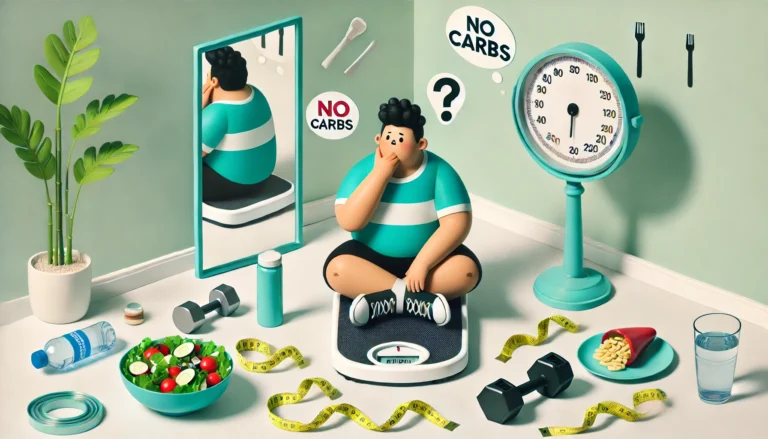
How to Reduce Ghrelin Naturally is a question many people ask when they feel hungry all the time or struggle to control their appetite. While hunger is a normal part of being human, constant hunger, eating soon after meals, or persistent cravings can make healthy eating habits difficult to maintain. In many cases, one hormone plays a central role in these experiences: ghrelin.
Often called the hunger hormone, ghrelin is produced mainly in the stomach and sends signals to the brain that it is time to eat. Its levels naturally rise before meals and decrease afterward, helping regulate appetite throughout the day. This process is essential for survival because it encourages us to replace the energy our bodies use.
However, modern lifestyles can interfere with this natural rhythm. Poor sleep, highly restrictive diets, long periods without food, chronic stress, and irregular meal schedules may all influence ghrelin levels. When these factors occur repeatedly, appetite can become more difficult to manage, leading to stronger cravings and overeating.
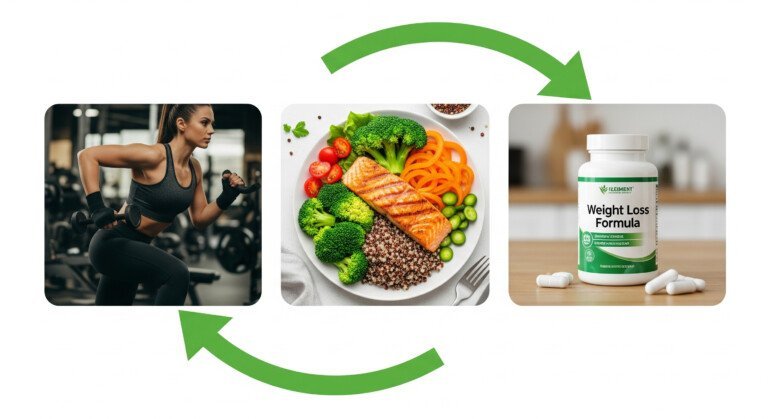
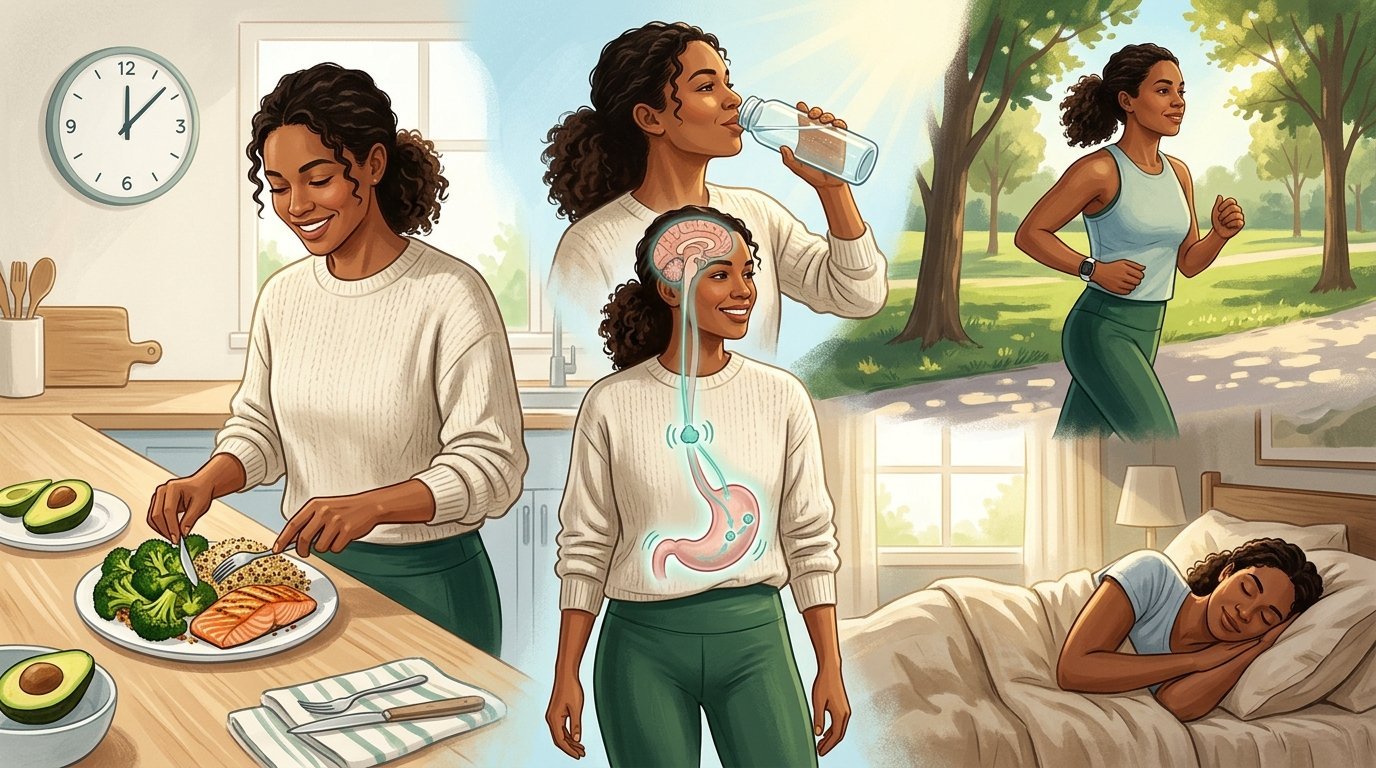
The encouraging news is that you do not need expensive products or extreme diets to support healthier appetite regulation. Research consistently shows that everyday habits such as eating enough protein, getting quality sleep, staying physically active, drinking enough water, and choosing filling foods can help regulate hunger more effectively.
It is also important to understand that the goal is not to eliminate ghrelin. Hunger is a healthy biological signal. Instead, the aim is to reduce unnecessary spikes in hunger while supporting steady energy levels throughout the day.
In this article, you’ll learn How to Reduce Ghrelin Naturally, why protein and sleep matter, how exercise affects appetite, which foods keep you full longer, whether drinking water helps reduce hunger, and which daily habits make the biggest difference for long-term appetite control.
Why Is Ghrelin So Important for Managing Hunger?
Understanding ghrelin makes it much easier to understand why some days you feel comfortably satisfied while on others you seem hungry all the time.
Ghrelin is not a “bad” hormone. It performs an essential job by helping your body recognize when it needs more energy. Without it, people could easily forget to eat enough to meet their nutritional needs.
Problems usually arise when lifestyle habits repeatedly increase hunger signals beyond what your body actually requires.
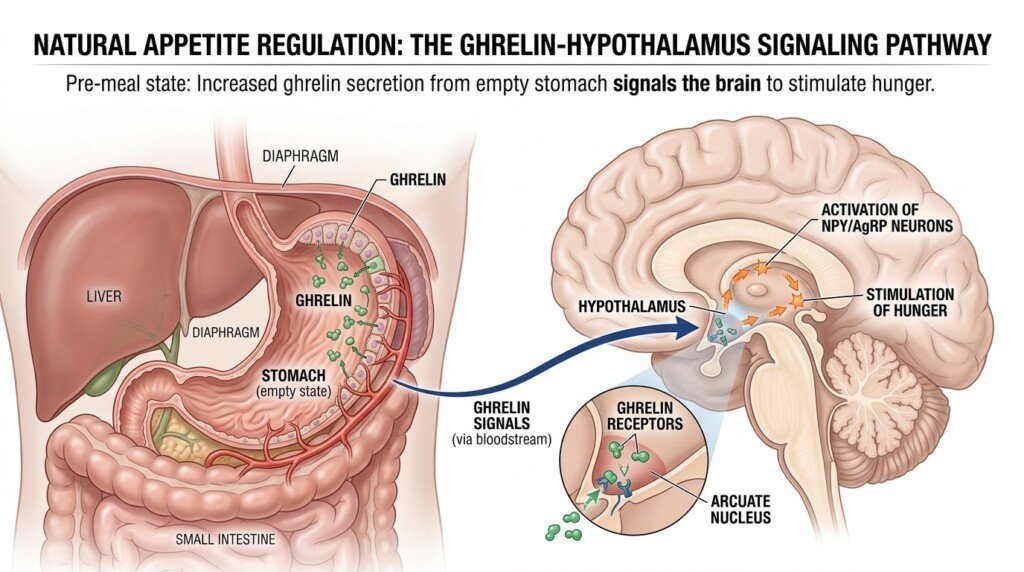
Ghrelin Acts as Your Body’s Hunger Messenger
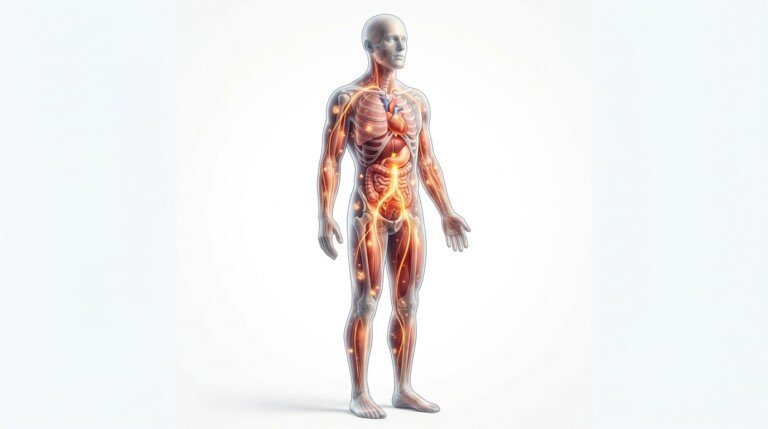
Ghrelin is produced primarily in the stomach before traveling through the bloodstream to the brain.
When levels rise, the hormone communicates with the hypothalamus, the area of the brain responsible for regulating appetite and energy balance.
The result is a familiar feeling of hunger that encourages you to eat.
This process is completely normal and occurs several times throughout the day.
Ghrelin Follows a Daily Rhythm
Unlike hormones that remain relatively stable, ghrelin changes continuously.
Its levels usually:
- Increase before meals
- Decline after eating
- Rise during prolonged fasting
- Increase during extended calorie restriction
Your body also learns your normal eating schedule.
If you usually eat lunch at noon, ghrelin often begins increasing shortly beforehand, preparing your digestive system for food.
This natural rhythm is explained in greater detail in Ghrelin, where the hormone’s role in appetite regulation is explored more thoroughly.
Modern Habits Can Increase Hunger
Several everyday behaviors may contribute to larger fluctuations in ghrelin.
These include:
- Poor sleep
- Skipping meals
- Extremely restrictive dieting
- Chronic stress
- Irregular meal schedules
These habits do not permanently damage appetite hormones, but they may temporarily make hunger more difficult to manage.
Hunger Is Not the Same as Craving
One of the biggest misconceptions about appetite is assuming that all hunger feels the same.
True physical hunger develops gradually and reflects your body’s need for energy.
Cravings, on the other hand, are often influenced by emotions, habits, environment, and food availability.
Although ghrelin contributes to hunger, appetite regulation also involves many other hormones discussed throughout Hunger Hormones.
Healthy Habits Help Regulate Hunger Naturally
The goal is not to suppress hunger completely.
Instead, healthy routines help create steadier appetite signals that make eating patterns easier to manage.
Over time, consistent habits often reduce frequent hunger between meals while improving overall energy levels.
Does Protein Help Lower Ghrelin?
Protein consistently ranks among the most satisfying nutrients in nutrition research.
Compared with meals that contain mostly refined carbohydrates, protein-rich meals generally keep people feeling full for longer while supporting healthier appetite regulation.
Although protein does not permanently lower ghrelin, it influences how quickly hunger returns after eating.

Protein Promotes Longer-Lasting Fullness
After a protein-rich meal, many people notice they stay satisfied for several hours.
Researchers believe protein contributes to greater satiety by influencing multiple appetite-regulating hormones while slowing digestion compared with many processed carbohydrate foods.
This makes protein particularly valuable during weight management.
Protein May Help Reduce Frequent Snacking
When meals are more satisfying, the urge to snack between meals often decreases naturally.
This may make it easier to:
- Maintain balanced eating habits
- Reduce unnecessary grazing
- Avoid frequent cravings
- Stay within planned calorie intake
Rather than relying on willpower, better meal satisfaction often supports healthier eating patterns automatically.
Good Protein Sources
Nutritious protein options include:
- Eggs
- Greek yogurt
- Chicken
- Turkey
- Fish
- Cottage cheese
- Tofu
- Lentils
- Beans
Including one or more of these foods at each meal may help support steadier appetite throughout the day.
Many additional protein-rich options are discussed in High-Protein Foods That Burn Fat, where practical meal ideas support both satiety and healthy nutrition.
Protein Works Best With Balanced Meals
Protein alone is not enough.
Meals become even more satisfying when protein is combined with:
- Vegetables
- Whole grains
- Healthy fats
- High-fiber foods
This balanced approach provides steady energy while supporting healthy appetite regulation.
Does Sleep Affect Ghrelin?
Sleep influences almost every aspect of metabolism, including appetite.
Research consistently shows that inadequate sleep may increase hunger while making healthy eating decisions more difficult.
This relationship highlights why quality sleep deserves just as much attention as nutrition.

Poor Sleep May Increase Ghrelin
Several studies have found that insufficient sleep is associated with higher ghrelin levels.
Higher ghrelin may contribute to:
- Increased hunger
- Larger appetite
- More frequent snacking
- Stronger food cravings
These effects can occur after even one or two nights of poor sleep.
Sleep Also Changes Food Choices
People who are tired often crave foods that provide quick energy.
Common examples include:
- Sugary foods
- Refined carbohydrates
- Sweet drinks
- Salty snacks
- Fast food
These choices are influenced by several hormonal and neurological changes rather than simple lack of motivation.
Consistent Sleep Supports Appetite Regulation
Most healthy adults benefit from seven to nine hours of quality sleep each night.
Helpful habits include:
- Going to bed at similar times
- Waking consistently
- Limiting screens before bed
- Keeping the bedroom cool and quiet
These routines support your body’s natural circadian rhythm and healthier hormone regulation.
The connection between sleep and appetite is also explored in Sleep and Metabolic Health, where sleep’s effects on metabolism are discussed more comprehensively.
Can Exercise Reduce Ghrelin?
Exercise affects appetite differently depending on the type, intensity, and duration of activity.
Rather than permanently lowering ghrelin, physical activity appears to influence hunger in both the short and long term.

Moderate Exercise May Temporarily Reduce Appetite
Many people notice they are not immediately hungry after finishing a workout.
Researchers believe moderate and vigorous exercise may temporarily reduce hunger by influencing appetite hormones, including ghrelin.
This effect is usually short-lived and varies between individuals.
Regular Exercise Supports Long-Term Appetite Control
Although one workout cannot permanently change hormone levels, consistent physical activity supports healthier appetite regulation over time.
Exercise also contributes to:
- Better body composition
- Improved sleep
- Reduced stress
- Healthier metabolism
- Better energy balance
These improvements create an environment where appetite often becomes easier to manage naturally.
Which Foods Keep You Feeling Full Longer?
When your goal is How to Reduce Ghrelin Naturally, choosing foods that promote fullness is often more effective than simply eating less. Some foods digest slowly, provide steady energy, and help delay the return of hunger. Others are quickly digested, leaving you hungry again within a short time.
Rather than focusing on one “superfood,” build meals around foods that naturally support satiety through a combination of protein, fiber, and healthy fats.

High-Protein Foods Increase Meal Satisfaction
Protein consistently ranks among the most filling nutrients.
Including protein with each meal helps slow digestion while promoting longer-lasting fullness.
Excellent choices include:
- Eggs
- Fish
- Chicken
- Turkey
- Greek yogurt
- Cottage cheese
- Lentils
- Beans
- Tofu
Starting the day with a protein-rich breakfast may also reduce hunger later in the morning. Balanced breakfast ideas can be found in Best Breakfast for Weight Loss, where meal composition is designed to support sustained energy and fullness.
Fiber Helps Slow Digestion
Fiber absorbs water and slows the movement of food through the digestive system.
This often helps meals remain satisfying for longer.
Good sources include:
- Oats
- Vegetables
- Fruits
- Legumes
- Whole grains
- Chia seeds
- Flaxseeds
High-fiber foods also support digestive health while encouraging more stable appetite throughout the day.
Healthy Fats Add Lasting Satisfaction
Healthy fats digest more slowly than refined carbohydrates.
Including moderate portions of foods such as:
- Avocados
- Olive oil
- Almonds
- Walnuts
- Pumpkin seeds
can make meals more satisfying without requiring large portion sizes.
Healthy fats work best when combined with protein and fiber rather than eaten alone.
Whole Foods Usually Keep You Fuller
Highly processed foods are often low in fiber and protein while being easy to eat quickly.
Whole foods generally require more chewing, digest more slowly, and provide greater nutritional value.
Choosing minimally processed foods most of the time supports healthier eating patterns while naturally helping control hunger.
Healthy snack ideas built around these principles are included in Healthy Snacks for Weight Loss, where balanced combinations help reduce unnecessary cravings between meals.
Does Drinking Water Help Control Hunger?
Water is often recommended for appetite control, but its role is frequently misunderstood.
Drinking water does not directly reduce ghrelin production or permanently suppress appetite. However, staying well hydrated supports normal body function and may help some people better recognize the difference between thirst and hunger.

Mild Dehydration Can Feel Like Hunger
The body’s signals for thirst and hunger sometimes feel similar.
As a result, mild dehydration may occasionally be mistaken for a need to eat.
Drinking water regularly throughout the day helps maintain hydration while reducing the likelihood of confusing these sensations.
Water Before Meals May Support Portion Control
Some research suggests that drinking water shortly before meals may help certain individuals feel comfortably full sooner during eating.
This does not mean water replaces food.
Instead, it may support mindful eating by slowing the pace of meals and encouraging better awareness of fullness.
Hydration Supports Overall Health
Water contributes to many essential processes, including:
- Digestion
- Nutrient transport
- Temperature regulation
- Physical performance
- Cognitive function
Supporting these systems indirectly contributes to healthier eating habits and overall well-being.
Avoid Sugary Drinks
Replacing water with sugar-sweetened beverages may increase overall calorie intake without providing lasting fullness.
Choosing water, sparkling water without added sugar, or unsweetened beverages most often supports healthier dietary patterns.
What Daily Habits Help Keep Ghrelin Under Control?
Managing How to Reduce Ghrelin Naturally is less about finding one perfect habit and more about building consistent routines that support healthy appetite regulation.
Small behaviors repeated every day often have a greater long-term impact than dramatic changes that only last a few weeks.
Follow a Consistent Meal Schedule
Eating meals at relatively consistent times helps your body establish predictable hunger patterns.
Irregular eating schedules may cause hunger to feel more intense for some people.
Choose a routine that fits your lifestyle and try to maintain it most days of the week.
Avoid Extremely Restrictive Diets
Severely restricting calories often causes hunger to increase over time.
Very low-calorie diets may make healthy eating progressively harder because the body naturally responds by encouraging food intake.
A moderate calorie deficit supported by balanced meals is generally easier to maintain.
Eat Slowly
It takes time for fullness signals to reach the brain.
Eating slowly allows your body more opportunity to recognize satisfaction before consuming excess food.
Simple strategies include:
- Chewing thoroughly
- Putting utensils down between bites
- Minimizing distractions during meals
- Paying attention to fullness
Plan Balanced Meals
Meals containing:
- Lean protein
- High-fiber carbohydrates
- Healthy fats
- Plenty of vegetables
often provide the most lasting satisfaction.
Balanced eating reduces the likelihood of becoming excessively hungry later in the day.
Foods that naturally support fullness are also discussed in Natural Appetite Suppressants, where whole-food approaches to appetite management are emphasized instead of quick fixes.
Stay Active Every Day
Daily movement does not need to involve intense workouts.
Simple activities such as:
- Walking
- Gardening
- Cycling
- Housework
- Taking the stairs
help support healthy metabolism while contributing to better appetite regulation.
Consistency matters much more than perfection.
Manage Stress
Stress can influence eating behaviors in ways that have little to do with physical hunger.
Healthy stress-management practices such as deep breathing, meditation, spending time outdoors, or engaging in enjoyable hobbies may help reduce emotional eating and improve awareness of genuine hunger.

Frequently Asked Questions
1. Can you reduce ghrelin naturally?
Yes. Healthy habits such as eating enough protein, choosing high-fiber foods, getting adequate sleep, staying physically active, maintaining regular meal times, and avoiding extreme calorie restriction can help support healthier ghrelin regulation.
2. Does protein lower ghrelin?
Protein-rich meals often help reduce hunger after eating by promoting greater satiety and slowing digestion. While protein does not permanently lower ghrelin, it can delay the return of hunger.
3. Does drinking water reduce hunger?
Water does not directly lower ghrelin, but staying hydrated may help distinguish thirst from hunger and support mindful eating.
4. Can poor sleep increase ghrelin?
Yes. Research suggests that inadequate sleep is associated with higher ghrelin levels, which may increase appetite and food cravings the following day.
5. What foods help control hunger naturally?
Meals that combine lean protein, fiber-rich vegetables, fruits, whole grains, legumes, and healthy fats generally provide the greatest satisfaction and help keep hunger under control.
Final Thoughts
Learning How to Reduce Ghrelin Naturally is not about eliminating hunger. Ghrelin is an essential hormone that reminds your body when it needs energy. The goal is to support healthy appetite regulation so that hunger feels predictable, manageable, and aligned with your body’s actual needs.
The strongest scientific evidence points toward simple, sustainable lifestyle habits rather than quick fixes. Eating balanced meals rich in protein and fiber, drinking enough water, getting seven to nine hours of quality sleep, staying physically active, following regular meal times, and managing stress all work together to create healthier hunger patterns.
Most importantly, focus on consistency instead of perfection. You do not need to change everything at once. Small habits practiced every day are far more effective than extreme diets or restrictive eating plans. Over time, these routines can help improve appetite control, reduce unnecessary cravings, and support long-term weight management while promoting better overall health.
Disclaimer:
This post may contain affiliate links. If you purchase through them, we may earn a small commission at no extra cost to you. Also, this content is for informational purposes only and does not substitute professional medical advice.
Ready to Start Your Journey?
Use our free 7-in-1 Weight Loss Toolkit to calculate your numbers and build your plan in minutes.
Open Free Tools →