Why Did My Weight Loss Stop? 12 Common Reasons Explained
Few things are more frustrating than seeing steady progress on the scale, only to have it suddenly stop. You’ve been eating healthier, exercising consistently, and sticking to your routine, yet your weight refuses to change. If you’re asking yourself, “Why Did My Weight Loss Stop?”, you’re experiencing one of the most common challenges in long-term weight management.
The good news is that stalled progress does not automatically mean your plan has stopped working. In many cases, weight loss slows because your body has changed, your calorie needs have decreased, or small lifestyle habits have gradually shifted without you noticing. Temporary water retention, inconsistent food tracking, poor sleep, stress, and exercise adaptation can all make it appear as though fat loss has stopped.
It is also important to remember that the number on the scale does not always reflect what is happening inside your body. Daily fluctuations caused by hydration, sodium intake, hormones, digestion, and muscle recovery can temporarily mask ongoing fat loss.
Rather than making drastic changes or giving up altogether, the best approach is to identify the most likely reason behind stalled progress and make thoughtful adjustments. Small improvements are often enough to get things moving again.
In this article, you’ll learn Why Did My Weight Loss Stop, explore the most common reasons behind stalled progress, understand how hidden calories, water retention, stress, sleep, and exercise affect fat loss, and discover when it may be time to adjust your current plan.
Why Did My Weight Loss Stop?
Many people assume that weight loss should continue at the same pace from beginning to end.
In reality, healthy weight loss naturally slows over time.
Your body adapts as you lose weight, meaning the same habits that produced excellent results during the first few months may become less effective later.
Understanding these natural changes helps reduce frustration while making it easier to identify practical solutions.
Your Body Needs Fewer Calories Than Before
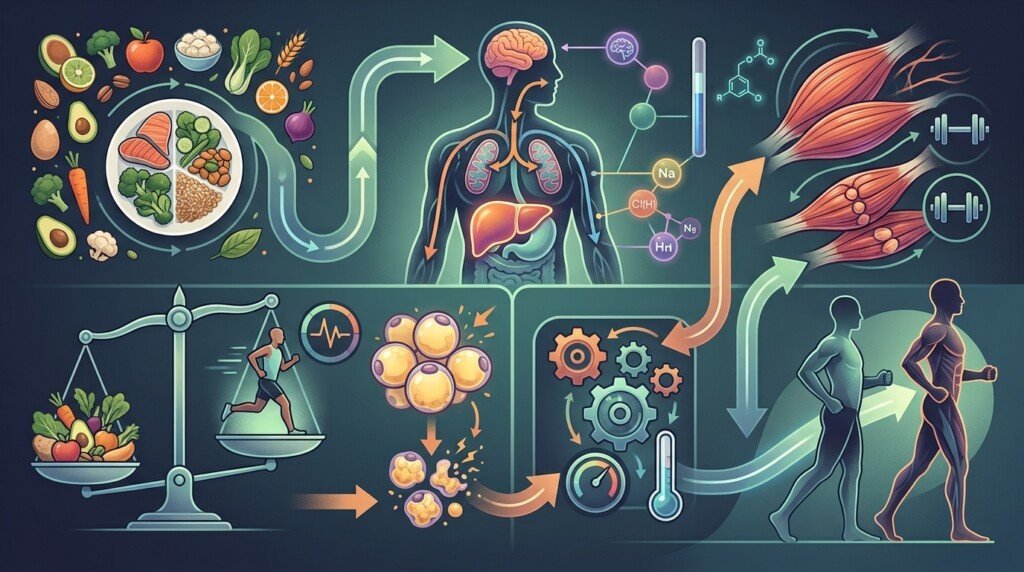
As you lose weight, your body becomes smaller.
A smaller body generally burns fewer calories throughout the day because it requires less energy for basic functions and daily movement.
For example, walking one mile at 220 pounds burns more calories than walking the same distance at 180 pounds.
This means your original calorie deficit gradually becomes smaller unless adjustments are made.
Weight Loss Is Rarely Linear
Progress does not happen in a perfectly straight line.
Some weeks you may lose several pounds.
Other weeks your weight may stay exactly the same.
Occasionally, the scale may even increase temporarily despite continued fat loss.
These fluctuations are completely normal and should be viewed as part of the overall process rather than signs of failure.
Small Habit Changes Add Up
Many people become slightly more relaxed with healthy habits after several months.
Examples include:
- Slightly larger portions
- More restaurant meals
- Weekend treats
- Less accurate food tracking
- Fewer daily steps
Each change may seem insignificant, but together they can reduce your calorie deficit enough to slow progress.
Consistency Still Matters Most
Before assuming your metabolism is responsible, honestly evaluate your consistency.
Ask yourself:
- Am I eating the same way I did several months ago?
- Has my activity level changed?
- Am I sleeping enough?
- Am I tracking portions accurately?
These questions often reveal opportunities for improvement.
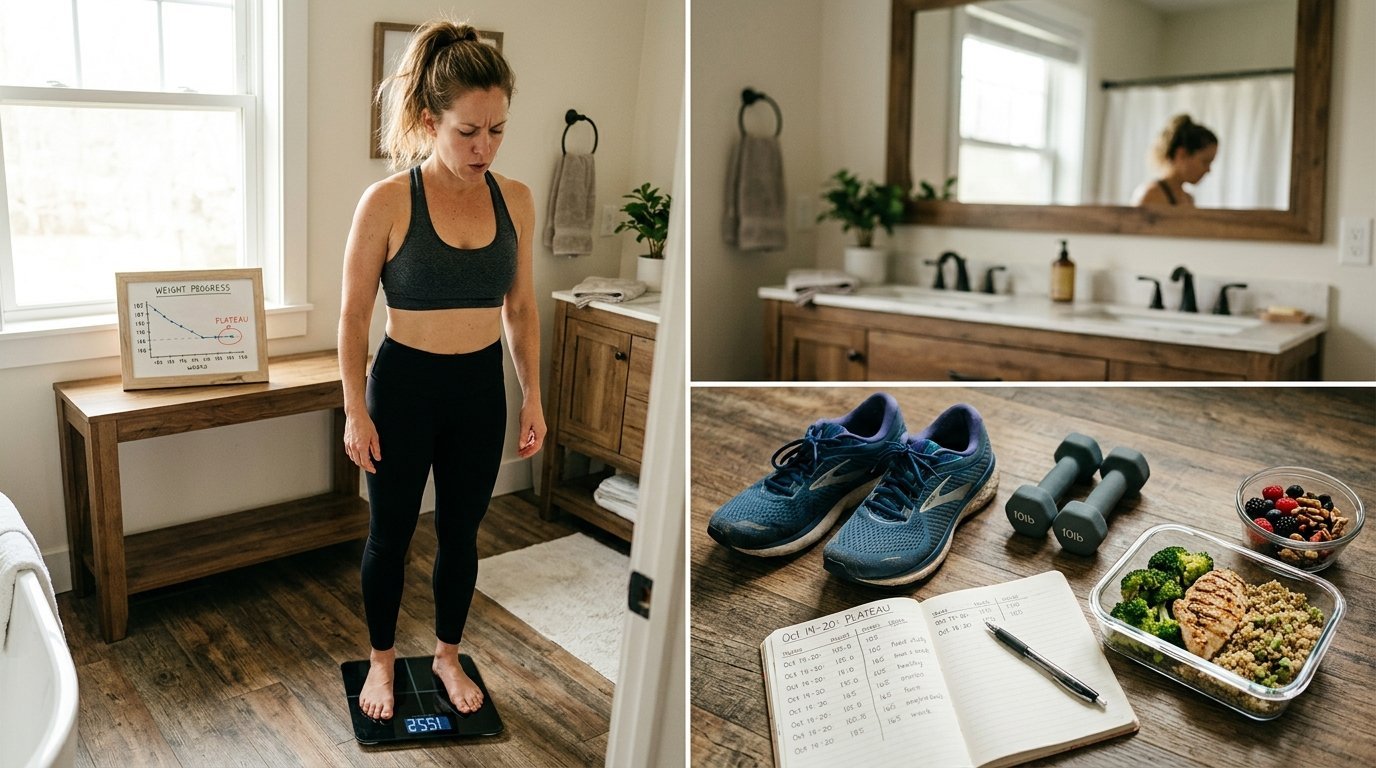
If your weight has remained unchanged for several weeks despite consistent habits, you may be experiencing a genuine Weight Loss Plateau, which is a normal stage of long-term fat loss rather than a sign that progress has permanently stopped.
Are You Eating More Than You Think?
One of the most common reasons people stop losing weight is not because their metabolism has suddenly failed.
Instead, calorie intake often increases gradually without being noticed.
This happens to almost everyone at some point.

Portion Sizes Slowly Grow
As eating habits become more familiar, measuring food often becomes less consistent.
A tablespoon of peanut butter gradually becomes two.
Rice portions become slightly larger.
Cooking oils are poured instead of measured.
These small increases can add several hundred calories each day.
Hidden Calories Add Up Quickly
Many calories come from foods people rarely think about, including:
- Salad dressings
- Coffee drinks
- Cooking oils
- Sauces
- Nuts
- Cheese
- Beverages
- Restaurant meals
Although each serving may appear small, together they can eliminate a calorie deficit.
Weekend Eating Often Differs
Many people maintain healthy habits Monday through Friday but become much less structured on weekends.
Examples include:
- Eating out
- Alcohol
- Desserts
- Larger portions
- More snacks
Even two high-calorie days can offset progress made during the rest of the week.
Food Tracking Becomes Less Accurate
Food tracking is helpful only when it remains honest and consistent.
Over time, people often begin estimating portions instead of measuring them.
Occasionally returning to accurate food logging for several days can help identify hidden calorie sources without becoming obsessive.
Good portion awareness is discussed further in Portion Control for Weight Loss, where practical strategies for estimating serving sizes are explained.
Can Water Retention Hide Fat Loss?
Yes.
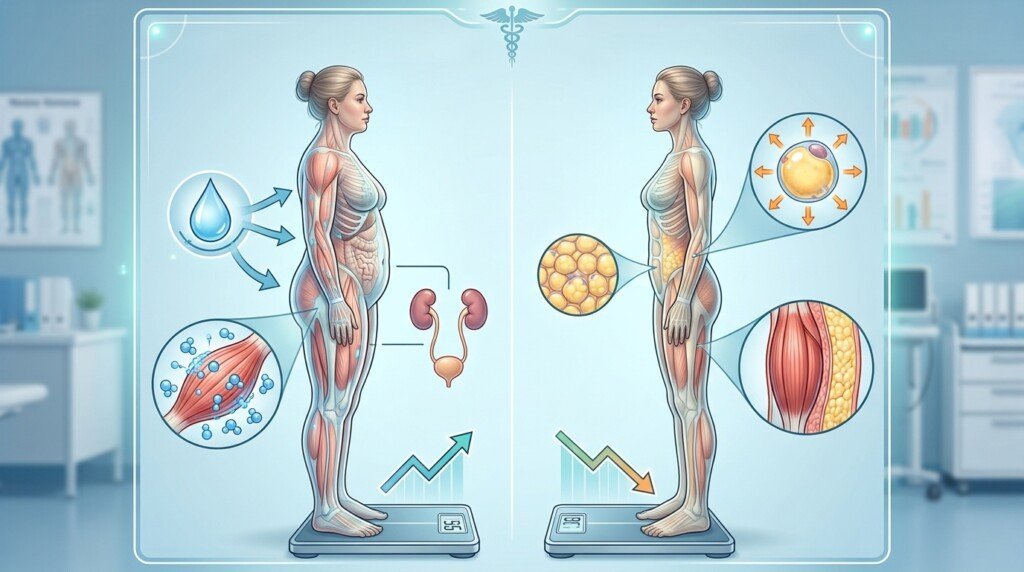
One of the biggest reasons people think weight loss has stopped is temporary water retention.
Body fat and body water are completely different.
It is entirely possible to lose fat while simultaneously retaining enough water to keep the scale unchanged.
Exercise Can Increase Water Retention
Beginning a new workout routine or increasing exercise intensity often causes temporary muscle inflammation.
As muscles recover, they naturally retain additional water.
This is a normal part of the recovery process and usually improves within several days.
Sodium Influences Water Balance
Meals high in sodium often increase temporary water retention.
Restaurant meals, processed foods, and fast food commonly contain much more sodium than home-cooked meals.
This effect is temporary and usually resolves naturally.
Hormonal Changes Affect Scale Weight
Hormonal fluctuations can influence body water throughout the month.
These changes often create temporary increases in scale weight that do not reflect changes in body fat.
This is another reason weekly averages are often more useful than daily weigh-ins.
Digestive Contents Matter
The amount of food currently moving through your digestive system also affects scale weight.
After a large meal, body weight may temporarily increase even though no meaningful fat gain has occurred.
Look Beyond the Scale
Instead of focusing only on body weight, also monitor:
- Waist circumference
- Hip measurements
- Clothing fit
- Progress photos
- Strength improvements
- Energy levels
These measurements often continue improving during periods when the scale appears unchanged.
Does Stress Slow Weight Loss?
Stress does not directly prevent fat loss when a calorie deficit exists.
However, it can strongly influence the behaviors that make maintaining a calorie deficit much more difficult.

Stress Can Change Eating Habits
Many people respond to stress by:
- Snacking more often
- Eating larger portions
- Choosing comfort foods
- Skipping meal planning
- Eating late at night
Over time, these habits increase calorie intake without people fully realizing it.
Emotional Eating Is Common
Food often becomes a temporary source of comfort during difficult periods.
While occasional emotional eating is completely normal, frequent reliance on food to manage emotions may gradually interfere with weight-loss progress.
The relationship between stress, emotions, and eating behaviors is explored throughout Stress and Weight Loss, where practical stress-management techniques are discussed in greater detail.
Stress May Reduce Daily Activity
During stressful periods, many people naturally become less active.
You might notice yourself:
- Sitting longer
- Walking less
- Skipping workouts
- Feeling mentally exhausted
These small reductions in movement decrease daily calorie expenditure over time.
Healthy Stress Management Supports Consistency
Helpful stress-management habits include:
- Walking outdoors
- Meditation
- Stretching
- Journaling
- Reading
- Spending time with family
- Deep breathing exercises
These activities improve emotional well-being while making healthy eating habits easier to maintain.
Can Poor Sleep Affect Progress?
Sleep is often overlooked when people troubleshoot stalled weight loss. Nutrition and exercise usually receive the most attention, but consistently getting too little sleep can make healthy habits much harder to maintain.
Poor sleep does not automatically stop fat loss, but it can influence hunger, food choices, recovery, motivation, and daily activity. Together, these factors may reduce the calorie deficit needed for continued progress.

Poor Sleep Can Increase Hunger
Research suggests that inadequate sleep may affect hormones involved in appetite regulation.
Many people notice:
- Feeling hungrier throughout the day
- More evening snacking
- Stronger cravings for sugary foods
- Larger portion sizes
- Less satisfaction after meals
These changes often make maintaining healthy eating habits more difficult.
Fatigue Reduces Motivation
After a poor night’s sleep, healthy decisions require more effort.
You may notice yourself:
- Skipping workouts
- Ordering takeout instead of cooking
- Walking less during the day
- Choosing convenience foods
- Drinking more sugary beverages
These small choices accumulate over time and may explain why progress slows.
Recovery Supports Consistent Exercise
Exercise creates positive adaptations when your body has enough time to recover.
Consistent sleep supports:
- Muscle recovery
- Energy levels
- Physical performance
- Workout consistency
When recovery improves, maintaining an active lifestyle becomes much easier.
Build Better Sleep Habits
Simple habits that support quality sleep include:
- Going to bed at the same time each night
- Limiting screen use before bed
- Keeping your bedroom cool and dark
- Avoiding large meals immediately before bedtime
- Following a consistent morning routine
Healthy sleep habits often improve energy, appetite regulation, and consistency without changing your nutrition plan.
Is Your Exercise Routine Still Effective?
Another common reason people ask “Why Did My Weight Loss Stop?” is that their exercise routine no longer provides the same challenge it once did.
The body adapts remarkably well to repeated activity.
An exercise program that felt difficult three months ago may now feel comfortable, meaning your body uses less energy to complete the same workout.

Your Body Becomes More Efficient
As fitness improves, movements require less effort.
For example:
- Walking the same route becomes easier.
- Running the same pace feels less demanding.
- Strength exercises require less energy than when you first started.
This efficiency is actually a sign that your fitness is improving.
However, it also means calorie expenditure during those workouts may gradually decrease.
Progressive Overload Matters
Rather than completely changing your workouts, gradually increase the challenge.
Examples include:
- Adding a few extra repetitions
- Increasing resistance slightly
- Walking farther
- Improving exercise technique
- Increasing workout frequency gradually
Small improvements encourage continued adaptation without dramatically increasing injury risk.
Daily Activity Counts Too
Many people focus only on gym sessions while overlooking daily movement.
Increasing overall activity through:
- Walking
- Gardening
- Household chores
- Playing with children
- Standing more often
can significantly increase total daily energy expenditure.
Building more movement into everyday life is discussed throughout Weight Loss Habits, where consistency is emphasized over perfection.
Don’t Rely Only on Cardio
Cardiovascular exercise supports heart health and calorie expenditure, but strength training remains equally important.
Resistance exercise helps preserve lean muscle while losing fat, supporting healthy body composition over the long term.
Maintaining muscle also helps your body continue functioning efficiently during weight loss.
Exercise Should Support Your Lifestyle
The most effective routine is one you can maintain consistently.
An enjoyable program performed regularly almost always produces better long-term results than an intense routine that lasts only a few weeks.
When Should You Change Your Plan?
Not every week without weight loss requires a major adjustment.
Making changes too quickly often creates unnecessary frustration.
Instead, evaluate your progress carefully before deciding whether modifications are needed.
Give Your Plan Enough Time
Healthy weight loss naturally includes periods where the scale remains unchanged.
If you have followed your routine consistently for only one or two weeks without seeing movement, patience is usually the best strategy.
A true plateau generally involves several weeks of stable weight despite consistent habits.
Review the Basics First
Before changing calories or exercise, ask yourself:
- Am I still eating balanced meals?
- Have portion sizes increased?
- Am I staying active every day?
- Am I sleeping enough?
- Has stress increased recently?
These questions often identify the real reason progress has slowed.
Make One Change at a Time
If adjustments are needed, avoid changing everything at once.
For example, you might:
- Increase daily steps.
- Improve protein intake.
- Track food more carefully.
- Add one extra strength workout each week.
Making one change allows you to evaluate what actually helps.
Avoid Extreme Approaches
When progress slows, it is tempting to dramatically reduce calories or increase exercise.
However, extreme strategies are rarely sustainable and often lead to fatigue, frustration, or burnout.
The long-term approach discussed throughout Sustainable Weight Loss focuses on gradual improvements that fit everyday life rather than temporary solutions.
Monitor More Than Scale Weight
Continue tracking:
- Waist measurements
- Progress photos
- Strength gains
- Energy levels
- Fitness improvements
- Clothing fit
These indicators often reveal meaningful progress even when body weight changes slowly.

Frequently Asked Questions
1. Why did my weight loss stop even though I’m eating healthy?
Your weight loss may slow because your calorie needs have decreased after losing weight, portions have gradually increased, activity levels have changed, or temporary water retention is masking ongoing fat loss.
2. Can water retention make it look like I’m not losing fat?
Yes. Water retention from exercise, sodium intake, hormones, or digestion can temporarily hide fat loss on the scale for several days or even weeks.
3. Does poor sleep affect weight loss?
Poor sleep may increase hunger, cravings, fatigue, and reduce motivation for exercise, making it harder to maintain healthy eating and activity habits consistently.
4. Should I change my workout if my weight loss has stopped?
If your routine has become much easier, gradually increasing the challenge through progressive overload, additional daily movement, or strength training may help support continued progress.
5. When should I change my weight loss plan?
Consider making small adjustments only after several weeks of consistent habits without progress. Review your nutrition, activity, sleep, and stress before making major changes.
Final Thoughts
If you’ve been wondering “Why Did My Weight Loss Stop?”, remember that stalled progress is one of the most common experiences during a weight loss journey. In many cases, it reflects natural changes in your body rather than a lack of effort. As you lose weight, your energy needs decrease, daily habits evolve, and temporary factors such as water retention can hide ongoing fat loss.
Instead of reacting with frustration, take a step back and evaluate the bigger picture. Review your eating habits, portion sizes, daily movement, exercise routine, sleep, and stress levels. Small adjustments made consistently are often enough to restart progress without resorting to restrictive diets or unsustainable routines.
Most importantly, remember that successful weight management is built on consistency, not perfection. A few weeks without movement on the scale does not erase the healthy habits you have developed. By focusing on long-term lifestyle changes and measuring progress in multiple ways, you can continue moving toward your goals with confidence and patience.
Disclaimer:
This post may contain affiliate links. If you purchase through them, we may earn a small commission at no extra cost to you. Also, this content is for informational purposes only and does not substitute professional medical advice.
Ready to Start Your Journey?
Use our free 7-in-1 Weight Loss Toolkit to calculate your numbers and build your plan in minutes.
Open Free Tools →