
When Will Creatine Work for Weight Loss? Timeline and What to Expect
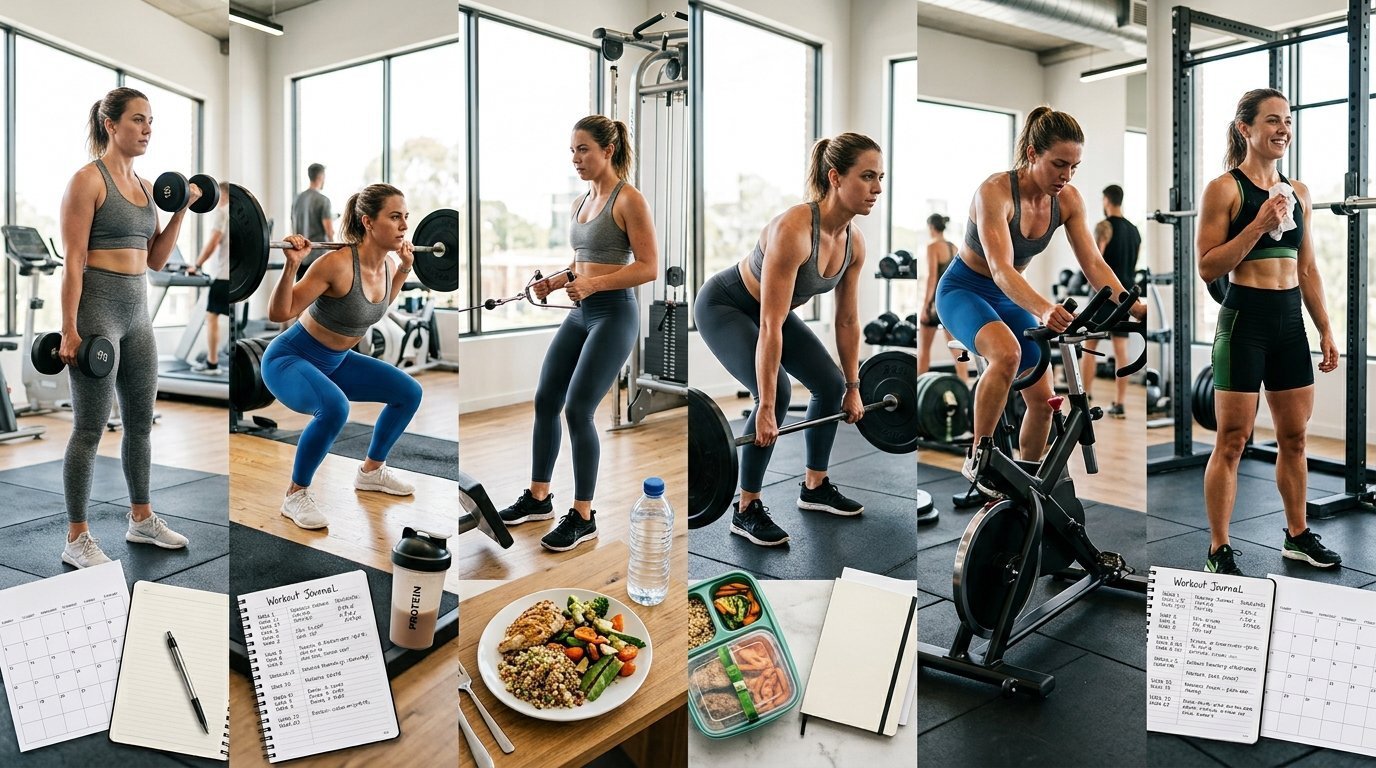
Starting creatine often comes with high expectations. Some people hope to notice changes within a few days, while others expect dramatic progress after the first week. When those expectations are not met, it’s easy to wonder whether the supplement is actually working.
The truth is that creatine does not produce overnight transformations. Its effects develop over time, and the timeline looks different from many other fitness supplements. Understanding When Will Creatine Work for Weight Loss can help you stay patient, avoid common misconceptions, and focus on progress that actually matters.
One of the biggest reasons people become discouraged is that they measure success using only the number on the scale. While body weight can fluctuate during the first few weeks, it does not always reflect improvements in body composition or training performance. Looking beyond the scale provides a much more complete picture of your progress.
This article explains When Will Creatine Work for Weight Loss, what changes you can realistically expect during the first few weeks and months, why the scale may not tell the whole story, and how consistency influences your results.
Quick Answer
When Will Creatine Work for Weight Loss? Most people begin noticing improvements in workout performance within the first few weeks of consistent use. Visible body composition changes usually take longer because they depend on regular exercise, proper nutrition, and maintaining a calorie deficit. Temporary changes on the scale during the early weeks are normal and should not be mistaken for fat gain or fat loss.
How Long Does Creatine Take to Work for Weight Loss?
One of the most common questions people ask before starting creatine is how quickly they should expect results.
The honest answer is that creatine follows a gradual timeline rather than producing immediate changes. Unlike products that promise rapid transformations, creatine supports your fitness routine over time.
Understanding this timeline helps prevent unrealistic expectations and unnecessary disappointment.
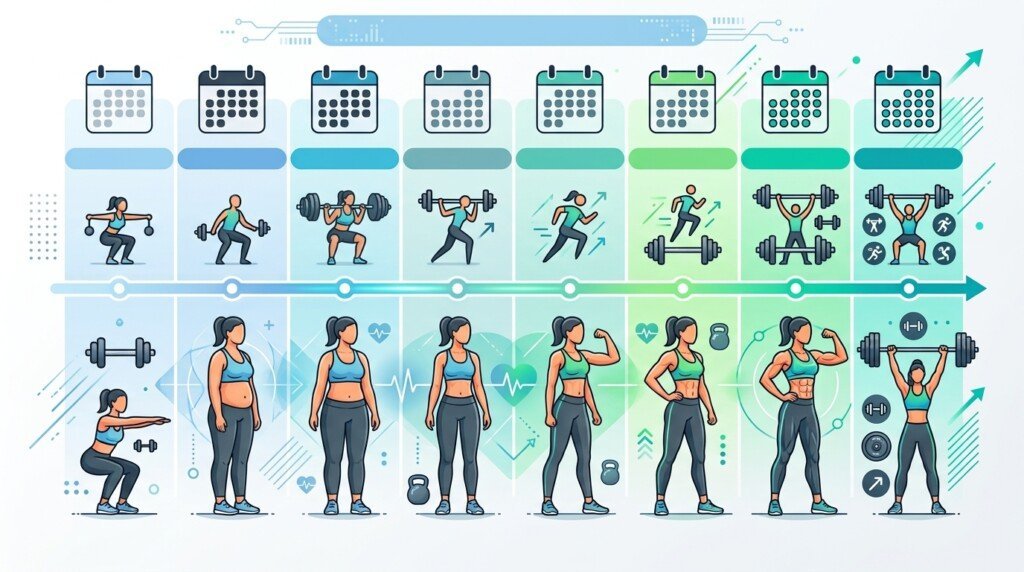
The First Few Days
During the first several days, most people will not notice visible changes in their appearance.
That does not mean nothing is happening.
Creatine gradually builds within your muscles, preparing your body to support future training sessions more effectively. Because this process happens internally, it usually isn’t something you can immediately see in the mirror.
Many beginners become frustrated during this stage simply because they expect faster results than creatine is designed to provide.
Weeks One to Two
After one or two weeks of consistent supplementation, some individuals begin noticing improvements during resistance training.
These improvements may include:
- Feeling slightly stronger during workouts
- Completing additional repetitions
- Recovering better between training sets
- Feeling more confident lifting heavier weights
These changes often appear before any obvious physical transformation.
Rather than focusing on appearance alone, pay attention to what your body is capable of doing during exercise.
Weeks Three to Six
This period is when many people begin noticing meaningful progress.
Although everyone’s experience differs, consistent training combined with balanced nutrition often produces visible improvements in overall physique during this stage.
Instead of dramatic weight loss, you may notice:
- Better muscle definition
- Improved workout quality
- Clothes fitting differently
- Increased confidence during exercise
These gradual improvements are usually much more meaningful than short-term fluctuations on the bathroom scale.
Long-Term Progress
Creatine works best when viewed as part of a long-term fitness strategy.
Its role is not to create rapid fat loss on its own.
Instead, it supports consistent training over weeks and months, allowing healthy habits to accumulate into noticeable body composition improvements.
People who stay consistent often experience better overall progress than those who constantly change supplements while expecting immediate results.
Why Might the Scale Go Up First?
One of the biggest surprises for beginners is seeing the number on the scale increase shortly after starting creatine.
For someone pursuing weight loss, this can feel discouraging.
Fortunately, the scale does not always tell the complete story.

The Scale Measures Everything
Body weight includes much more than body fat.
It reflects:
- Muscle tissue
- Water
- Food currently being digested
- Glycogen stores
- Bone mass
- Daily hydration changes
Because so many factors influence body weight, small increases or decreases should always be interpreted carefully.
Looking at only one day’s measurement rarely provides meaningful information.
Temporary Scale Changes Are Common
Some people notice temporary increases during the early stages of creatine use.
These changes often create unnecessary anxiety because many individuals immediately assume they are gaining fat.
In reality, body fat does not increase overnight.
Meaningful fat gain requires a sustained calorie surplus over time.
Temporary fluctuations on the scale should therefore be viewed within the larger context of your overall fitness routine rather than as immediate evidence of success or failure.
For a more detailed explanation of why these early weight changes happen, understanding Does Creatine Cause Water Retention? Weight Gain vs Fat Gain Explained helps separate common myths from realistic expectations.
Don’t Let the Scale Control Your Motivation
The scale is only one measurement.
Other signs of progress often provide better information, including:
- Improved workout performance
- Better endurance during resistance training
- Progress photos
- Clothing fit
- Waist measurements
- Increased confidence
Focusing exclusively on body weight may cause you to overlook meaningful improvements happening elsewhere.
Many successful fitness journeys involve periods where body composition improves even though the scale changes very little.
When Does Body Composition Improve?
For many people, improving body composition is a more important goal than simply losing weight.
Body composition refers to the proportion of fat mass and lean mass that makes up your body.
This provides a far more useful measurement than body weight alone.
Progress Depends on Multiple Habits
Creatine supports your training efforts, but visible improvements depend on several lifestyle factors working together.
These include:
- Consistent resistance training
- Balanced nutrition
- Adequate protein intake
- Quality sleep
- Long-term adherence
Perhaps most importantly, individuals pursuing fat loss still need a sustainable Calorie Deficit because no supplement replaces the fundamental principles of energy balance.
Creatine supports your ability to train effectively, but your daily habits determine your overall results.
Visible Changes Usually Take Time
One of the biggest mistakes beginners make is expecting dramatic physical changes within the first two weeks.
Meaningful body composition improvements usually develop gradually over several weeks or months.
Small improvements accumulate.
Your workouts become more productive.
Strength improves.
Training consistency increases.
Eventually these habits begin producing noticeable visual changes.
The timeline varies considerably because every person starts from a different place.
Factors such as previous training experience, current body composition, nutrition, sleep quality, and exercise consistency all influence how quickly results become visible.
Think Beyond Short-Term Results
The healthiest mindset is to evaluate progress over months rather than days.
Body composition changes rarely happen in a perfectly straight line.
Some weeks show obvious progress.
Others feel slower.
Maintaining realistic expectations allows you to stay focused during both periods.
Creatine should be viewed as one supportive piece of a comprehensive fitness strategy rather than a shortcut to rapid transformation.
What Affects Your Creatine Results for Weight Loss?
Two people can start taking creatine on the same day and follow similar workout programs, yet their progress may look very different after a month.
That difference doesn’t necessarily mean creatine works better for one person than another. Instead, it reflects how many different factors influence body composition and overall fitness progress.
Understanding these variables helps you set realistic expectations and avoid comparing your journey with someone else’s.

Training Quality Makes a Big Difference
Creatine supports your workouts, but it cannot replace them.
People who follow a structured strength training program consistently are more likely to notice improvements than those who exercise only occasionally.
Quality matters just as much as frequency.
Effective workouts usually include:
- Progressive overload
- Proper exercise technique
- Sufficient recovery between sessions
- A balanced training schedule
Creatine works alongside these habits rather than replacing them.
Nutrition Still Drives Progress
Many people mistakenly believe that adding creatine alone will automatically improve their physique.
In reality, nutrition remains one of the biggest factors influencing body composition.
If your goal includes reducing body fat, maintaining a sustainable Calorie Deficit continues to be essential.
Balanced meals that include adequate protein, vegetables, whole grains, healthy fats, and proper hydration create an environment that supports long-term progress.
Creatine complements these habits but cannot compensate for inconsistent eating patterns.
Sleep Influences Recovery
Fitness improvements happen during recovery as much as they do during training.
Poor sleep can reduce workout quality, affect energy levels, and make it harder to remain consistent with exercise.
Adults should aim for regular, high-quality sleep whenever possible.
A consistent bedtime routine often contributes more to long-term progress than many people realize.
Consistency Beats Perfection
Perhaps the biggest predictor of success is simply sticking with healthy habits long enough to see meaningful change.
Many people abandon their routine after only a couple of weeks because they expected faster results.
Those who continue training, eating well, and taking creatine consistently usually place themselves in a much stronger position to see gradual improvements.
What Can Slow Creatine Results?
When progress feels slower than expected, creatine is often blamed first.
However, several lifestyle factors usually explain slow progress more accurately than the supplement itself.
Recognizing these obstacles helps you make practical adjustments instead of becoming discouraged.

Expecting Creatine to Do All the Work
Creatine is designed to support your overall fitness plan.
It cannot replace exercise, balanced nutrition, or healthy daily habits.
Viewing creatine as one piece of the puzzle leads to much more realistic expectations.
Frequently Changing Your Routine
Constantly switching workout programs, trying different supplements every few weeks, or following inconsistent nutrition plans makes it difficult to evaluate progress.
The body responds best to routines that remain stable over time.
Consistency allows healthy habits to build upon one another.
Measuring Progress Too Often
Stepping on the scale several times each day often creates unnecessary frustration.
Daily weight naturally fluctuates.
Looking at weekly or monthly trends provides a much clearer understanding of long-term progress.
Many people also benefit from tracking:
- Progress photos
- Waist measurements
- Workout performance
- Strength improvements
- Clothing fit
These indicators often reveal positive changes that the scale alone cannot capture.
Comparing Yourself to Others
Every fitness journey begins from a different starting point.
Factors such as age, training history, muscle mass, nutrition, sleep, stress levels, and overall health all influence how quickly changes become noticeable.
Comparing your timeline with someone else’s often creates unrealistic expectations.
Focus on your own consistency instead of someone else’s progress.
When Should You Stop Taking Creatine?
Many beginners assume creatine should only be used for a few weeks before stopping.
Current evidence suggests there is no universal timeline that applies to everyone.
The decision depends largely on your personal fitness goals.
You May Continue While Pursuing Your Goals
People who regularly participate in resistance training often choose to continue taking creatine as part of their long-term fitness routine.
Because creatine supports training consistency, many individuals simply incorporate it into their daily habits.
There is no fixed point at which everyone needs to stop.
Situations Where You Might Pause
Some people temporarily stop taking creatine for practical reasons rather than physiological ones.
Examples include:
- Taking a break from structured training
- Traveling for an extended period
- Simplifying supplement routines
- Personal preference
These choices are based on lifestyle rather than strict supplementation rules.
Review Your Goals Periodically
Instead of asking whether you should stop creatine after a certain number of weeks, ask whether it still supports your current fitness goals.
If you continue enjoying regular Strength Training and working toward healthier body composition, many people find creatine remains a practical addition to their routine.
Your decision should align with your long-term habits rather than arbitrary timelines.
Key Takeaways
| Topic | Key Point |
|---|---|
| First results | Workout performance may improve within the first few weeks of consistent use. |
| Scale changes | Early changes on the scale do not necessarily reflect body fat gain or loss. |
| Body composition | Visible improvements usually develop over several weeks or months alongside healthy habits. |
| Progress factors | Exercise, nutrition, sleep, and consistency influence results more than creatine alone. |
| Slow progress | Unrealistic expectations and inconsistent routines are common reasons people feel disappointed. |
| Long-term use | Creatine can remain part of an ongoing fitness routine if it continues supporting your goals. |

Frequently Asked Questions
1. When Will Creatine Work for Weight Loss?
Most people notice improvements in workout performance within the first few weeks, while visible body composition changes usually take several weeks or months alongside regular exercise and a calorie deficit.
2. Why did the scale increase after I started creatine?
Temporary increases on the scale can happen during the early stages of supplementation. These changes should not automatically be interpreted as fat gain and are only one part of your overall progress.
3. How can I tell if creatine is working?
Many people first notice improvements in workout performance, strength, training quality, recovery, and body measurements before seeing significant changes on the scale.
4. Does everyone see results at the same speed?
No. Your timeline depends on factors such as training consistency, nutrition, sleep, starting fitness level, and long-term adherence to healthy habits.
5. Should I stop taking creatine if I don’t notice immediate changes?
Not necessarily. Creatine supports long-term progress rather than overnight transformation. Staying consistent with your overall fitness routine gives you the best opportunity to see meaningful results.
Conclusion
Understanding When Will Creatine Work for Weight Loss starts with recognizing that meaningful progress takes time. Creatine is not a quick fix, and its benefits become more noticeable when combined with regular exercise, balanced nutrition, and consistent healthy habits. Early changes on the scale can sometimes create confusion, but they rarely tell the complete story. Looking at workout performance, body measurements, clothing fit, and overall body composition provides a much more accurate picture of your progress.
Patience is one of the most valuable parts of any successful fitness journey. Rather than expecting dramatic changes within days, focus on building habits you can maintain for months. Creatine works best as part of a long-term strategy that supports consistent training and sustainable lifestyle choices. When you measure success through steady progress instead of short-term fluctuations, you’ll be better equipped to stay motivated and achieve lasting results.
Disclaimer:
This post may contain affiliate links. If you purchase through them, we may earn a small commission at no extra cost to you. Also, this content is for informational purposes only and does not substitute professional medical advice.