How Do Probiotics Help with Weight Loss? The Science Explained
When people hear that probiotics may support weight loss, the first question that usually comes to mind is simple.
How?
After all, probiotics are beneficial bacteria that live in your digestive system. They don’t contain fat-burning ingredients, they don’t increase your heart rate like stimulants, and they don’t magically force your body to burn more calories.
So why have scientists become increasingly interested in them?
The answer lies in the remarkable relationship between your gut microbiome and the systems that regulate body weight. Researchers have discovered that gut bacteria communicate with your brain, influence hunger hormones, interact with your immune system, produce beneficial compounds, and even affect how your body stores and uses energy.
This doesn’t mean probiotics are a miracle solution. It means they may support several biological processes involved in maintaining a healthy weight.
Understanding How Probiotics Help with Weight Loss requires looking beyond the scale. Instead of asking whether probiotics “burn fat,” it’s more useful to ask how they influence the environment inside your body. That shift in perspective explains why modern obesity research increasingly focuses on the gut microbiome.
In this article, we’ll explore the biological mechanisms scientists are studying, including the gut microbiome, gut-brain axis, appetite hormones, metabolism, inflammation, insulin sensitivity, and fat storage. Together, these mechanisms help explain why probiotics have become one of the most researched topics in nutrition science.
Quick Answer
How Probiotics Help with Weight Loss is less about directly burning fat and more about supporting the biological systems that influence body weight. Research suggests probiotics may help maintain a healthier gut microbiome, strengthen the intestinal barrier, produce beneficial short-chain fatty acids (SCFAs), influence appetite-regulating hormones such as leptin and ghrelin, reduce chronic inflammation, support insulin sensitivity, and contribute to healthy metabolism. These effects are supportive rather than transformative and work best alongside a healthy lifestyle.
Why Is the Gut Microbiome So Important for Body Weight?
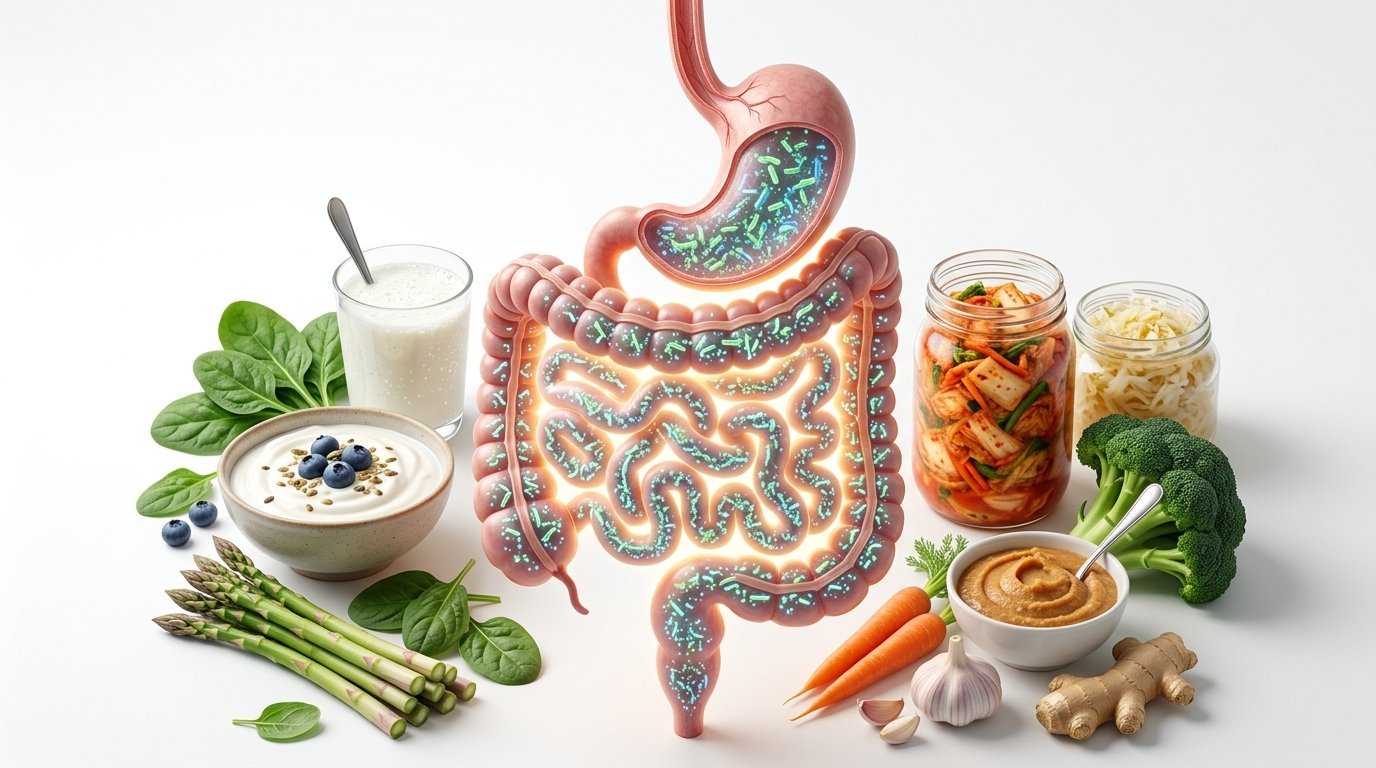
The human digestive system contains trillions of microorganisms collectively known as the gut microbiome.
For many years, these microbes were thought to help mainly with digestion.
Today, scientists know they do much more.
The gut microbiome functions almost like an additional metabolic organ, constantly communicating with the immune system, nervous system, hormones, and digestive tract.
Your Gut Contains a Living Ecosystem
Every person’s gut microbiome is unique.
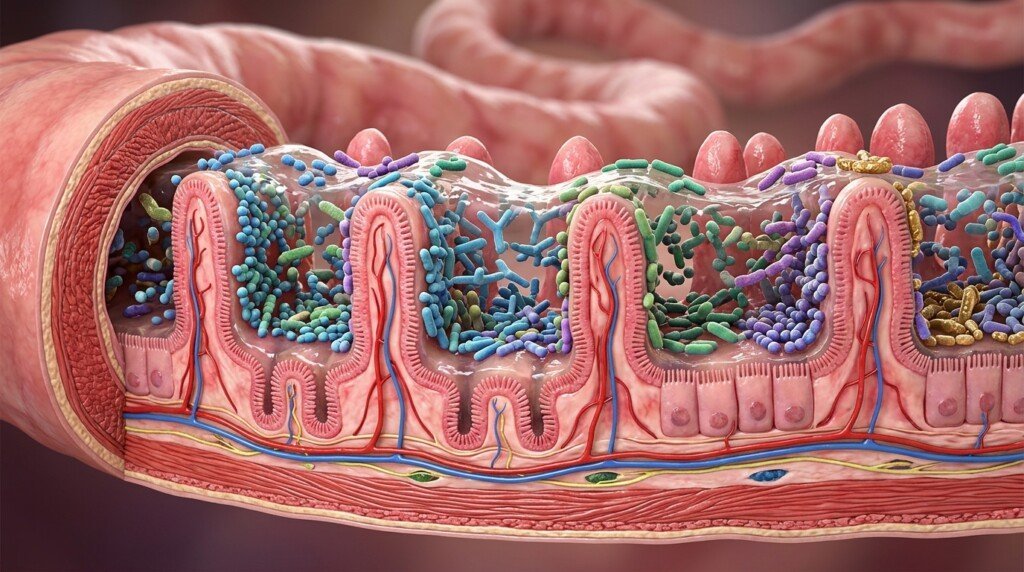
It contains thousands of different bacterial species that work together in a complex ecosystem.
Some bacteria help break down dietary fiber.
Others produce vitamins or beneficial compounds.
Some interact with immune cells, while others participate in communication between the gut and the brain.
Maintaining a diverse microbiota is now considered an important marker of overall gut health.
Balance Matters More Than Quantity
People often assume that having more bacteria is automatically better.
Researchers instead focus on microbial diversity and balance.
A healthy gut is one where beneficial bacteria exist in harmony with many other microorganisms.
When this balance is disrupted, scientists refer to the condition as dysbiosis.
Dysbiosis has been associated with several health conditions, including obesity, although researchers continue investigating exactly how these relationships develop.
A broader overview of this connection is explored in Gut Health, where the gut microbiome is discussed as one of the foundations of overall wellness.
How Do Probiotics Change Gut Bacteria?
If probiotics are simply adding bacteria to the digestive system, how can they influence such a complex microbial community?
The answer is that probiotics do much more than temporarily increase bacterial numbers.
Supporting a Healthier Microbial Environment
Rather than permanently replacing your existing bacteria, probiotics may help create conditions that encourage beneficial microorganisms to thrive.
Researchers believe probiotics can influence the gut ecosystem by:
- Supporting microbial diversity
- Competing with less desirable bacteria
- Producing beneficial substances
- Encouraging a healthier intestinal environment
The result is not necessarily more bacteria, but a healthier microbial balance.
Working Together With Prebiotics
Probiotics and prebiotics are often mentioned together because they perform complementary roles.
While probiotics introduce beneficial microorganisms, prebiotics provide the fibers that many of those microorganisms use as food.
Without adequate nourishment, beneficial bacteria may struggle to thrive.
This is why Prebiotic Foods are frequently recommended as part of a gut-friendly eating pattern rather than relying on probiotics alone.
Can Probiotics Affect Appetite Hormones?
One of the most exciting areas of probiotic research involves appetite regulation.
Scientists have discovered that hunger is influenced by far more than an empty stomach.
Hormones, gut bacteria, sleep, stress, and the brain all participate in determining when we feel hungry and when we feel satisfied.
Meet Leptin and Ghrelin
Two hormones receive particular attention in weight management research.
Leptin
Leptin is often called the “fullness hormone.”
It helps signal that your body has stored enough energy and may reduce the desire to continue eating.
Ghrelin
Ghrelin is commonly known as the “hunger hormone.”
Its levels generally rise before meals and decrease after eating.
Together, these hormones help regulate appetite throughout the day.
The Gut-Brain Axis Connects Everything
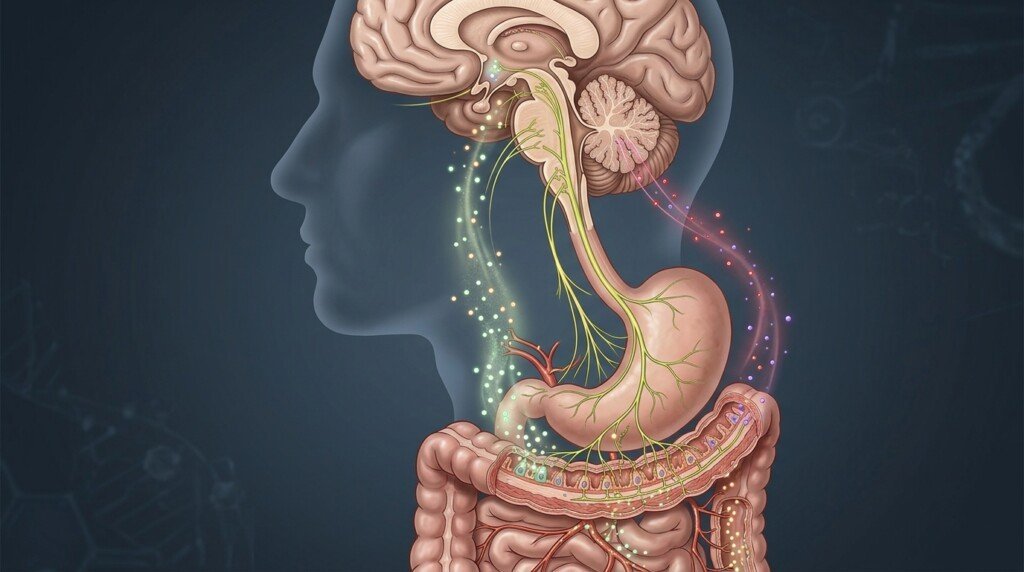
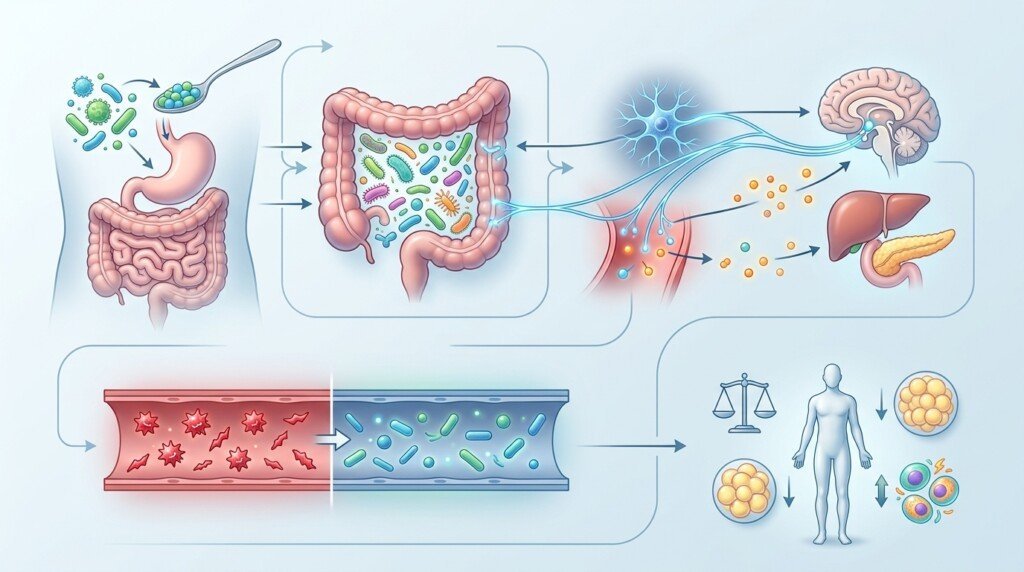
The digestive system and brain constantly communicate through what scientists call the gut-brain axis.
This communication involves:
- Hormones
- Nerves
- Immune signals
- Gut bacteria
Researchers are investigating whether changes in gut microbiota influence the signals that help regulate hunger and fullness.
Although this area of research continues to evolve, it represents one of the most promising explanations for the relationship between probiotics and healthy weight management.
How Do Probiotics Influence Metabolism?
Metabolism involves every chemical process that allows your body to convert food into usable energy.
Researchers once believed metabolism depended mainly on genetics, muscle mass, and hormones.
Today, gut bacteria have joined that conversation.
Gut Microbes Help Process Nutrients
Beneficial bacteria participate in breaking down certain food components that human digestive enzymes cannot fully digest.
During this process, they produce compounds that may influence metabolic health.
Scientists continue investigating how these interactions affect:
- Energy balance
- Nutrient utilization
- Fat metabolism
- Blood sugar regulation
Energy Expenditure Is Complex
Some early research suggests the gut microbiome may influence how efficiently the body extracts energy from food.
However, metabolism remains highly complex.
Physical activity, age, genetics, sleep, and nutrition continue to play much larger roles than probiotics alone.
What Are Short-Chain Fatty Acids and Why Do They Matter?
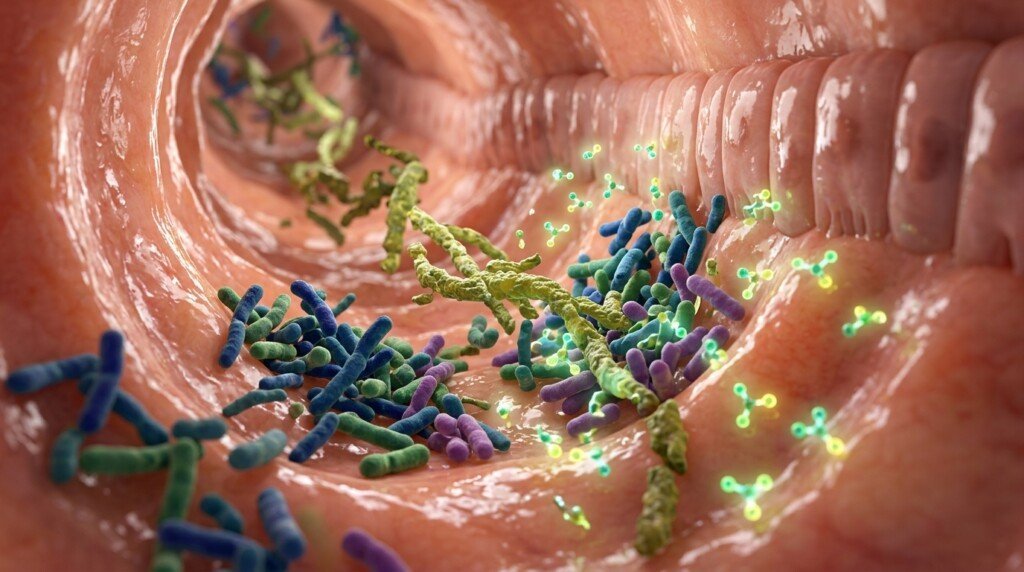
Among the most important compounds produced by gut bacteria are short-chain fatty acids (SCFAs).
These molecules have become one of the hottest topics in microbiome research.
How SCFAs Are Produced
When beneficial bacteria ferment dietary fiber, they generate SCFAs such as:
- Acetate
- Propionate
- Butyrate
This process demonstrates why fiber and probiotics often work together.
Without dietary fiber, bacteria have fewer materials available to produce these beneficial compounds.
People who struggle to consume enough fiber sometimes consider Fiber Supplements to help support overall dietary fiber intake.
Why Researchers Are Interested in SCFAs
Scientists believe SCFAs may influence several important biological processes, including:
- Gut barrier health
- Appetite regulation
- Immune function
- Energy metabolism
- Communication within the gut-brain axis
Although research continues, SCFAs represent one of the strongest biological links between the gut microbiome and metabolic health.
Can Probiotics Help Reduce Inflammation?
Inflammation is a normal part of the body’s defense system. When you have an infection or injury, inflammation helps the body heal.
The problem arises when low-grade inflammation persists for months or years.
Researchers have observed that chronic, low-grade inflammation is commonly associated with obesity, metabolic syndrome, and several other long-term health conditions.
This has led scientists to investigate whether improving the gut microbiome may also help support healthier inflammatory responses.
The Gut and Immune System Work Together
A large portion of the body’s immune cells are located within and around the digestive tract.
Because gut bacteria constantly interact with these immune cells, changes in the gut microbiome may influence how the immune system responds.
Rather than overstimulating immune activity, a healthy gut ecosystem appears to help maintain a balanced immune response.
A Balanced Microbiome May Support Healthy Inflammation
Researchers are studying whether probiotics help maintain microbial balance that supports normal inflammatory processes.
Current evidence suggests that certain probiotic strains may contribute to healthier immune function, although responses vary depending on the strain and the individual.
This is one reason scientists increasingly view gut health as an important part of overall metabolic health rather than simply digestive health.
How Do Probiotics Strengthen the Gut Barrier?
The digestive tract acts as much more than a tube for digesting food.
It also serves as one of the body’s most important protective barriers.
The intestinal lining determines what enters the bloodstream and what remains inside the digestive tract.
Maintaining that barrier is essential for overall health.
What Is the Intestinal Barrier?
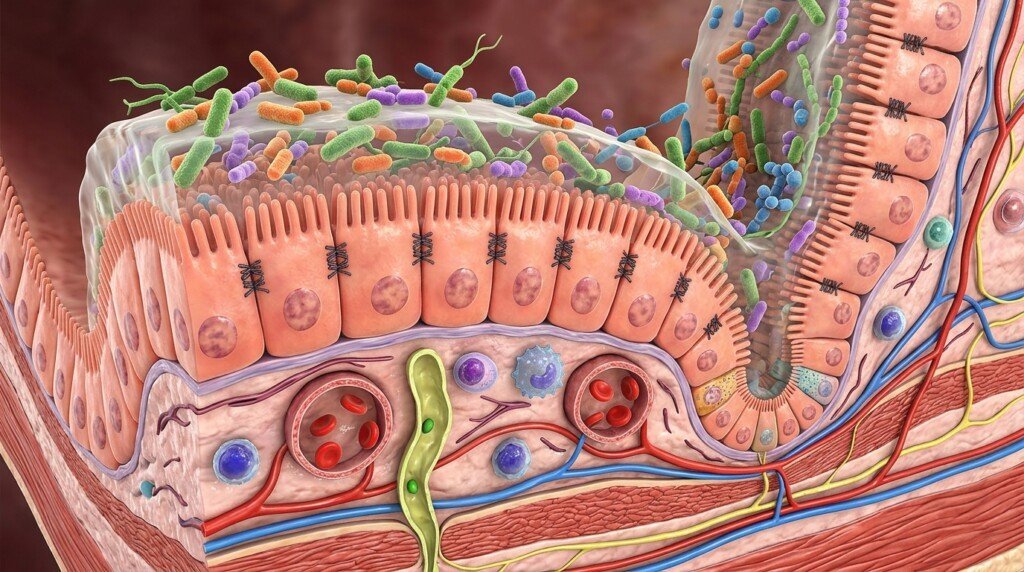
The intestinal barrier consists of tightly connected cells lining the digestive tract.
Its primary role is to:
- Absorb nutrients
- Allow water to pass appropriately
- Help block unwanted substances
- Support immune function
A healthy barrier helps maintain normal digestive function and overall wellness.
How Gut Bacteria Support the Barrier
Scientists believe beneficial gut bacteria contribute to maintaining the integrity of the intestinal lining.
Several proposed mechanisms include:
- Supporting mucus production
- Producing beneficial metabolites
- Helping maintain microbial balance
- Interacting with immune cells
Although research continues, protecting the intestinal barrier remains one of the most promising explanations for How Probiotics Help with Weight Loss through overall metabolic health.
Can Probiotics Improve Insulin Sensitivity?
Insulin plays a central role in regulating blood sugar.
When the body’s cells become less responsive to insulin, the pancreas must produce more of it to keep blood sugar under control.
Over time, this reduced responsiveness is known as insulin resistance.
Researchers are now examining whether gut bacteria may influence this process.
Gut Health and Blood Sugar Regulation
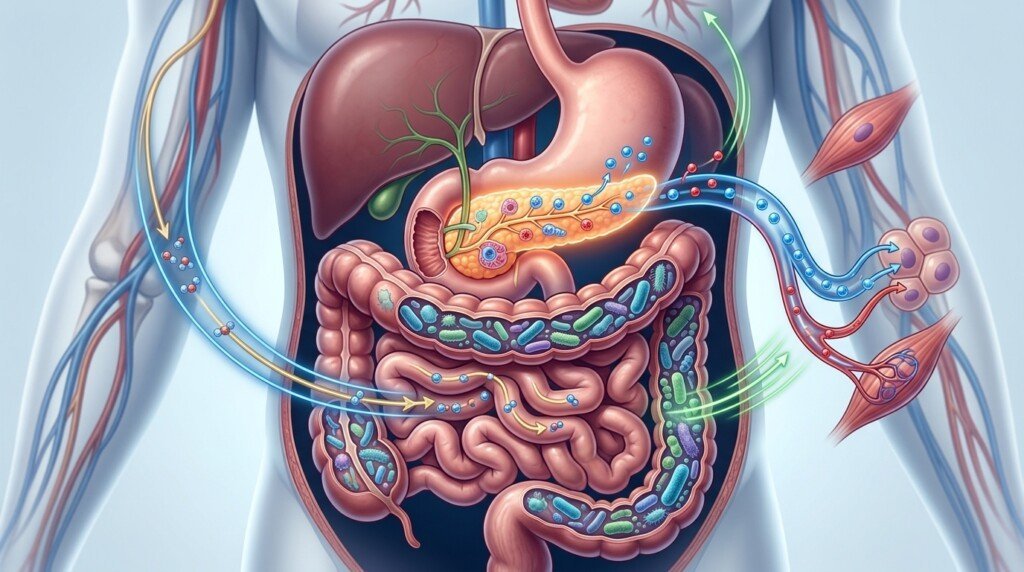
The gut microbiome appears to participate in several biological pathways related to glucose metabolism.
Scientists continue investigating whether improving microbial balance may support healthier insulin function.
Although probiotics are not a treatment for insulin resistance, they may influence some of the biological systems involved in metabolic health.
The broader relationship between gut bacteria and glucose metabolism is explored in Insulin Resistance, where changes in the gut microbiome are discussed alongside nutrition and lifestyle factors.
Research Is Still Evolving
Some clinical studies have reported improvements in markers related to insulin sensitivity after probiotic supplementation.
Others have found smaller or inconsistent effects.
Researchers agree that more high-quality human studies are needed before making stronger conclusions.
Can Gut Bacteria Influence Fat Storage?
Perhaps the most misunderstood question surrounding probiotics is whether they somehow prevent fat from being stored.
Current science suggests the answer is more complex.
Fat Storage Is Controlled by Many Systems
Body fat is influenced by:
- Calorie balance
- Hormones
- Genetics
- Physical activity
- Sleep
- Stress
- Metabolic health
- Gut microbiota
Probiotics cannot override these major influences.
Instead, researchers believe they may contribute indirectly through several biological pathways.
Supporting Healthy Energy Balance
Scientists continue investigating whether gut bacteria influence:
- Fat oxidation
- Energy expenditure
- Nutrient metabolism
- Appetite regulation
These interactions are subtle rather than dramatic.
Instead of acting like a fat-burning supplement, probiotics appear to support the systems involved in long-term metabolic health.
What Does the Latest Research Tell Us?
The relationship between probiotics and weight management has become one of the fastest-growing areas of nutrition science.
Every year, new clinical trials and systematic reviews add to our understanding of the gut microbiome.
Human Studies Show Encouraging Results
Overall, current evidence suggests probiotics may provide supportive benefits for some individuals.
Researchers have reported modest improvements in areas such as:
- Body weight
- Waist circumference
- Body composition
- Gut microbiota diversity
- Metabolic markers
However, results remain inconsistent because studies often use different probiotic strains, participant groups, and research methods.
Scientists Still Have Important Questions
Several questions remain unanswered, including:
- Which probiotic strains work best for specific individuals?
- How does each strain influence appetite hormones?
- Why do some people respond better than others?
- How important is an individual’s existing gut microbiome?
Future research will likely move toward personalized probiotic recommendations based on individual microbiome profiles.
The Big Picture
Current research does not support the idea that probiotics alone produce major weight loss.
Instead, the evidence suggests they may strengthen the biological systems that support healthy metabolism when combined with good nutrition, regular exercise, adequate sleep, stress management, and an overall healthy lifestyle.
Future research discussed in Best Probiotic Strains for Weight Loss will likely help identify which specific probiotic strains provide the strongest evidence for these biological effects.
Key Takeaways
| Topic | Key Point |
|---|---|
| Gut microbiome | Probiotics may help maintain a healthier balance of beneficial gut bacteria that support overall metabolic health. |
| Appetite regulation | Researchers are studying how probiotics interact with leptin, ghrelin, and the gut-brain axis to influence hunger and fullness. |
| SCFAs | Beneficial bacteria produce short-chain fatty acids from dietary fiber, supporting gut health and several metabolic processes. |
| Gut barrier | A healthy intestinal barrier may help maintain digestive and immune function while supporting overall wellness. |
| Insulin sensitivity | Emerging evidence suggests probiotics may influence pathways involved in glucose metabolism, although more research is needed. |
| Weight management | Probiotics support biological mechanisms related to healthy weight but are not direct fat-burning supplements. |
Frequently Asked Questions
1. Do probiotics increase metabolism?
Research suggests probiotics may support certain metabolic processes by influencing the gut microbiome, but they do not dramatically increase metabolism on their own.
2. Can probiotics reduce appetite?
Some studies indicate probiotics may influence appetite-regulating hormones and the gut-brain axis, although individual responses vary and research is still ongoing.
3. How do probiotics burn fat?
Probiotics do not directly burn fat. Instead, they may support biological mechanisms related to metabolism, appetite regulation, inflammation, and gut health that contribute to long-term weight management.
4. Why does gut health affect weight?
Gut health influences digestion, immune function, hormone signaling, inflammation, and communication between the gut and brain. Together, these systems play an important role in maintaining a healthy body weight.
Conclusion
Understanding How Probiotics Help with Weight Loss means looking beyond the idea of probiotics as simple supplements and recognizing the complex biological systems they interact with. Rather than directly burning fat, probiotics may help support a healthier gut microbiome, strengthen the intestinal barrier, encourage the production of beneficial short-chain fatty acids, influence appetite-related hormones, support insulin sensitivity, and contribute to balanced inflammatory responses. These interconnected mechanisms explain why the gut has become such an important focus in modern obesity and metabolism research.
Although the science is promising, probiotics should be viewed as one supportive component of a comprehensive lifestyle approach. Healthy eating patterns, adequate dietary fiber, regular physical activity, quality sleep, and stress management remain the foundation of sustainable weight management. As researchers continue exploring the gut microbiome, our understanding of how probiotics influence metabolism will become increasingly precise, opening the door to more personalized strategies for improving long-term health and maintaining a healthy weight.
Disclaimer:
This post may contain affiliate links. If you purchase through them, we may earn a small commission at no extra cost to you. Also, this content is for informational purposes only and does not substitute professional medical advice.