

Benefits of Probiotics for Weight Loss Beyond Better Digestion
Most people associate probiotics with digestive health.
They think of yogurt, fermented foods, or supplements that help maintain regular bowel movements after taking antibiotics. While probiotics certainly play an important role in digestion, modern research suggests their influence extends much further.
Scientists now recognize that the gut microbiome is involved in many of the body’s most important biological processes. It communicates with the immune system, influences appetite regulation, helps maintain the intestinal barrier, produces beneficial compounds, and interacts with pathways related to metabolism and body weight.
This growing body of research has changed the conversation around gut health. Instead of asking whether probiotics simply improve digestion, researchers are investigating how they may support overall metabolic health and long-term weight management.
The Benefits of Probiotics for Weight Loss go far beyond helping the digestive system function smoothly. They may contribute to a healthier gut environment, improve microbiome diversity, support appetite regulation, influence inflammation, and help create conditions that make healthy weight management more sustainable.
In this article, we’ll explore the broader health benefits associated with probiotics and explain why improving gut health may positively influence far more than your digestive system.
Quick Answer
The Benefits of Probiotics for Weight Loss extend beyond digestion. Current research suggests probiotics may support a healthier gut microbiome, improve digestive function, reduce occasional bloating, strengthen the gut barrier, encourage the production of short-chain fatty acids (SCFAs), support appetite regulation, influence metabolism, promote healthy inflammatory responses, and contribute to long-term metabolic health. These benefits work best as part of an overall healthy lifestyle rather than acting as a standalone weight loss solution.
Why Are Probiotics About More Than Digestion?
For decades, probiotics were primarily recommended for digestive comfort.
Today, researchers understand that the gut functions as one of the body’s largest communication centers.
The microorganisms living there interact with multiple organs every day.
Rather than acting only inside the digestive tract, beneficial bacteria may influence systems involved in immunity, hormone signaling, metabolism, and energy regulation.
The Gut Is Connected to the Entire Body
The digestive tract communicates with:
- The brain
- The immune system
- Hormones
- The liver
- Metabolic tissues
Because probiotics influence the gut microbiome, their effects may extend well beyond bowel health.
Healthy Gut Bacteria Support Overall Wellness
A diverse gut microbiome helps maintain normal digestive processes while also contributing to many biological functions researchers continue to investigate.
Current evidence suggests that supporting beneficial bacteria may positively influence multiple aspects of health simultaneously.
The broader relationship between the digestive system and overall wellness is explained in Gut Health, where the gut microbiome is explored as a foundation for long-term health.
Can Probiotics Improve Digestion?
Digestion remains the area where probiotics have been studied the longest.
Many of the benefits people notice first involve everyday digestive comfort.
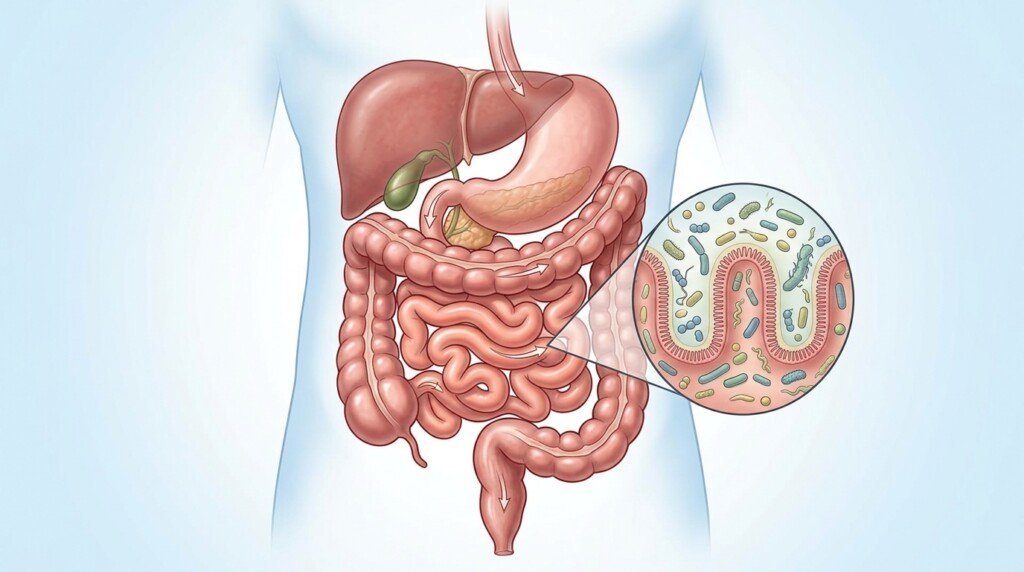
Supporting Normal Digestive Function
Beneficial bacteria assist with breaking down certain food components that human digestive enzymes cannot completely process.
They also help maintain a balanced intestinal environment that supports efficient digestion.
Although probiotics are not digestive enzymes, they contribute to maintaining a healthy digestive ecosystem.
Supporting Regular Bowel Function
A balanced gut microbiome supports normal bowel function.
Researchers continue studying how probiotics influence digestive regularity, stool consistency, and overall bowel health.
Individual responses naturally vary depending on diet, lifestyle, and existing gut bacteria.
Working Together With Dietary Fiber
Probiotics and dietary fiber work especially well together.
Beneficial bacteria rely on fermentable fibers as a food source.
Without enough fiber, many helpful microorganisms struggle to thrive.
People who don’t consistently meet their daily fiber needs sometimes use Fiber Supplements as one practical way to support healthy fiber intake alongside probiotic-friendly eating habits.
Can Probiotics Help Reduce Occasional Bloating?
Bloating is one of the most common digestive complaints among adults.
Although bloating has many possible causes, researchers have explored whether improving the gut microbiome may help support better digestive comfort.

Bloating Often Has Multiple Causes
Occasional bloating may result from:
- Dietary choices
- Food intolerances
- Changes in eating habits
- Digestive disorders
- Gut microbiome imbalance
Because several factors contribute to bloating, there is rarely one universal solution.
Supporting a More Balanced Gut Environment
Scientists continue studying whether probiotics may help support a healthier balance of gut bacteria that contributes to improved digestive comfort.
Some clinical studies have reported improvements in bloating among certain groups of participants, although results differ depending on the probiotic strains studied.
Can Probiotics Improve Appetite Control?
One of the most exciting discoveries in microbiome science is the connection between gut bacteria and appetite.
Researchers increasingly recognize that hunger is influenced by much more than an empty stomach.
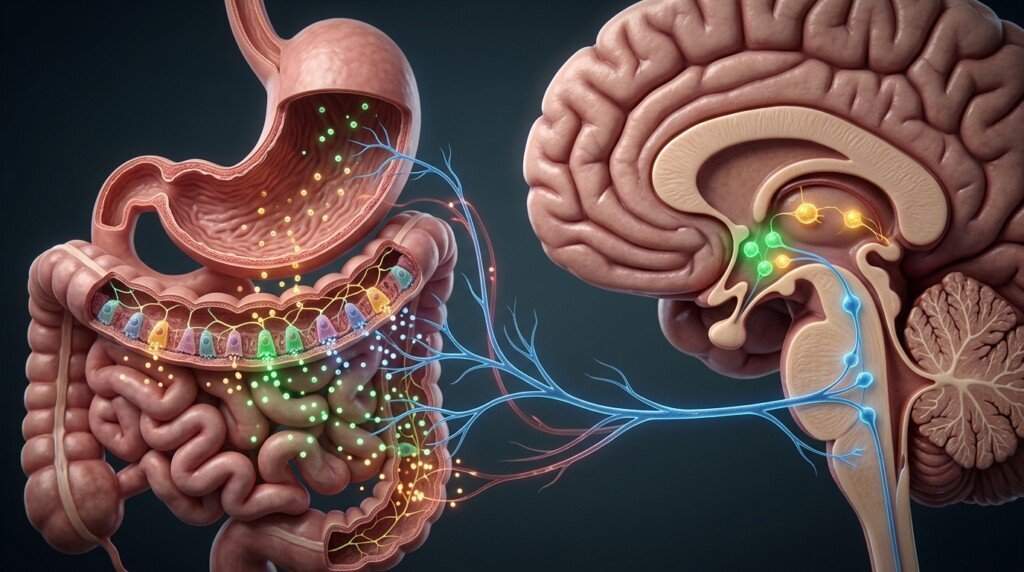
Appetite Is Controlled by Multiple Systems
The body regulates hunger through interactions between:
- Hormones
- The nervous system
- The digestive tract
- The gut microbiome
Rather than working independently, these systems constantly communicate throughout the day.
The Gut-Brain Axis Helps Coordinate Hunger
The gut and brain exchange signals through the gut-brain axis.
Scientists continue investigating whether probiotics influence this communication by supporting a healthier microbial environment.
Although research is ongoing, this area may help explain why gut health has become an important topic in obesity research.
Can Probiotics Support a Healthy Metabolism?
Metabolism refers to the countless chemical reactions that allow the body to convert food into energy.
For many years, metabolism was thought to depend mainly on genetics, muscle mass, and hormones.
Researchers now recognize that gut bacteria also participate in this process.
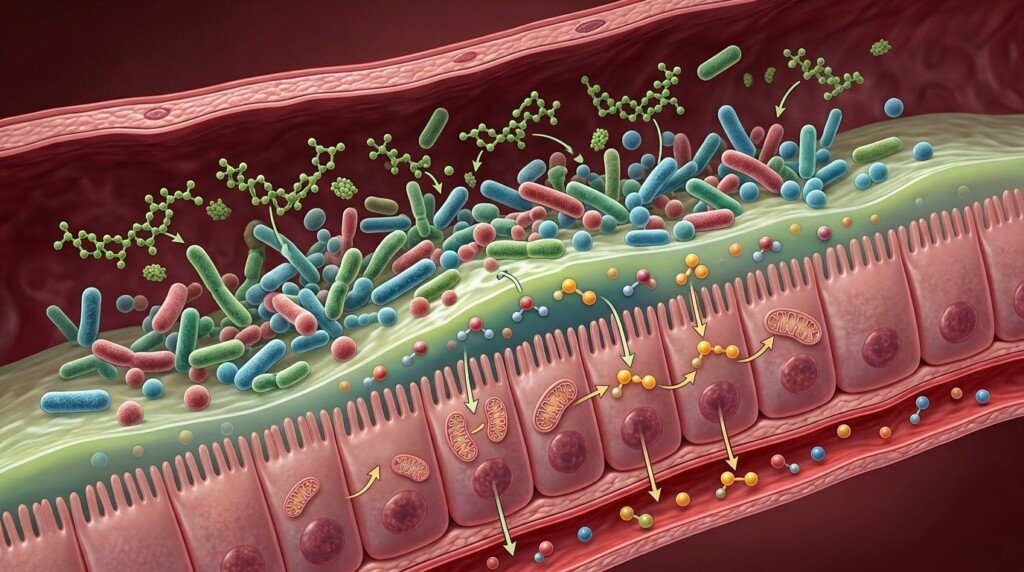
Gut Bacteria Produce Beneficial Compounds
When beneficial bacteria ferment dietary fiber, they produce short-chain fatty acids (SCFAs).
These naturally occurring compounds have become one of the most studied areas of microbiome research because they appear to support:
- Gut health
- Immune function
- Appetite regulation
- Energy metabolism
Metabolic Health Is About Balance
Probiotics do not dramatically increase metabolism.
Instead, researchers believe they may help support several biological pathways involved in maintaining healthy metabolic function over time.
This is one reason the relationship between Gut Health and Weight Loss continues receiving increasing scientific attention.
Can Probiotics Improve Insulin Sensitivity?
Blood sugar regulation depends on many interconnected systems, including the pancreas, liver, muscles, hormones, and the gut microbiome.
In recent years, researchers have become increasingly interested in whether beneficial gut bacteria may also play a supporting role in maintaining healthy insulin function.
Although probiotics are not a treatment for blood sugar disorders, emerging evidence suggests they may influence several biological pathways involved in metabolic health.
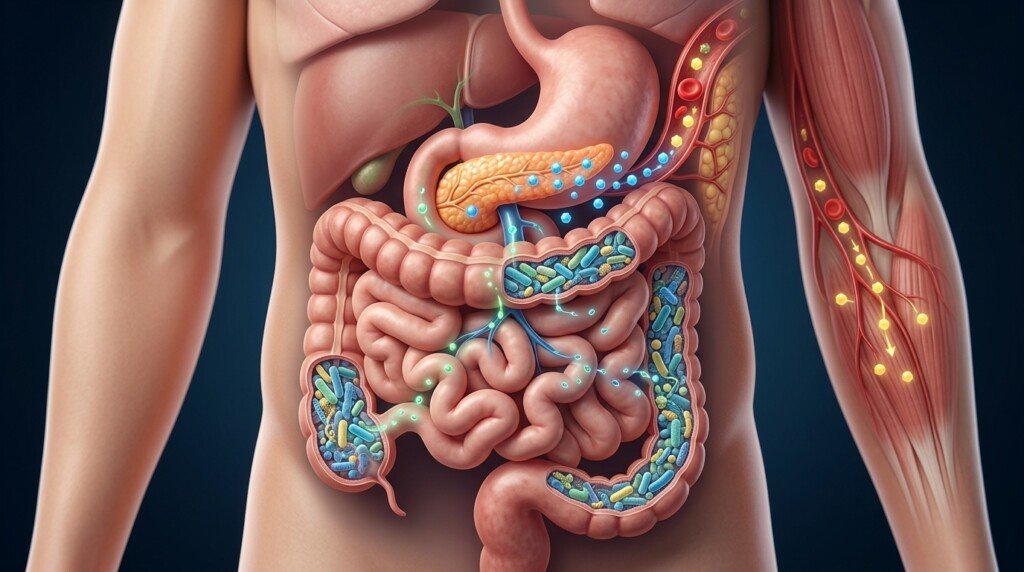
The Gut Microbiome and Blood Sugar Are Connected
The microorganisms living in the digestive tract interact with compounds produced during digestion and communicate with the immune and endocrine systems.
Scientists believe these interactions may affect:
- Glucose metabolism
- Insulin signaling
- Inflammatory responses
- Energy balance
Maintaining a healthy gut microbiome may therefore support normal metabolic function.
A Healthy Gut Environment May Support Insulin Function
Researchers continue exploring whether probiotics contribute to better insulin sensitivity by helping maintain gut barrier integrity and supporting a balanced microbial community.
The relationship is complex, but it highlights how gut health extends far beyond digestion.
People interested in this connection may also find Insulin Resistance helpful for understanding how gut bacteria, nutrition, and lifestyle interact.
Can Probiotics Support Healthy Inflammation?
Inflammation is often misunderstood.
In the short term, it is one of the body’s natural defense mechanisms that helps fight infection and repair damaged tissues.
Problems arise when low-grade inflammation persists over time.
Scientists have found that chronic inflammation is frequently associated with obesity and poor metabolic health, leading researchers to investigate whether the gut microbiome may influence inflammatory responses.
The Digestive System Plays an Immune Role
Much of the body’s immune activity takes place within the digestive tract.
Beneficial bacteria constantly interact with immune cells, helping maintain a balanced environment inside the intestines.
Researchers believe this ongoing communication contributes to normal immune function.
Supporting a Balanced Immune Response
Current evidence suggests certain probiotics may help support healthy inflammatory responses by encouraging microbial diversity and maintaining gut barrier health.
These effects appear to be indirect rather than immediate, reinforcing the idea that probiotics support overall wellness instead of acting as quick fixes.
Can Probiotics Improve Nutrient Absorption?
Healthy digestion involves more than breaking food into smaller pieces.
The body must also absorb vitamins, minerals, and other nutrients efficiently.
A balanced gut microbiome helps create an environment where normal digestion and nutrient absorption can occur.
Healthy Digestion Supports Better Nutrition
When the digestive system functions efficiently, nutrients from food become more available for the body’s everyday needs.
Researchers continue studying how probiotics may contribute to maintaining this healthy digestive environment.
Gut Bacteria Work Alongside Digestive Processes
Beneficial bacteria participate in breaking down certain food components that human digestive enzymes cannot fully digest.
This partnership helps support normal digestive function and contributes to overall gastrointestinal health.
Including Fermented Foods in the diet is another natural way to introduce beneficial microorganisms while supporting a diverse gut microbiome.
Can Probiotics Strengthen the Gut Barrier?
The intestinal lining acts as one of the body’s most important protective systems.
It selectively allows nutrients and water to enter the bloodstream while helping prevent unwanted substances from passing through.
Maintaining this barrier is essential for digestive and metabolic health.
A Healthy Barrier Supports Overall Wellness
Researchers believe beneficial gut bacteria help maintain the integrity of the intestinal lining through several biological mechanisms.
These include:
- Supporting the mucus layer
- Producing beneficial metabolites
- Maintaining microbial balance
- Interacting with immune cells
Together, these processes contribute to normal gut function.
Gut Barrier Health Influences More Than Digestion
Because the intestinal barrier interacts closely with the immune system and metabolism, scientists believe it may influence several aspects of overall health beyond digestive comfort.
This remains one of the most active areas of microbiome research.
Can Probiotics Support Long-Term Weight Management?
Many people hope probiotics will produce rapid changes on the scale.
Current evidence paints a different picture.
The greatest potential value of probiotics appears to lie in supporting healthy habits over time rather than delivering dramatic short-term results.
Long-Term Success Depends on Lifestyle
Healthy weight management is built on consistent behaviors such as:
- Balanced nutrition
- Regular physical activity
- Adequate sleep
- Stress management
- Dietary fiber
- Healthy gut bacteria
Probiotics fit into this larger picture rather than replacing it.
Small Changes Can Add Up
Researchers often describe probiotics as supportive rather than transformative.
While their individual effects may be modest, improving gut health alongside other healthy lifestyle practices may contribute to better long-term metabolic wellness.
What Does Current Research Say About the Benefits of Probiotics?
Microbiome research has expanded rapidly over the last decade.
Scientists continue uncovering new ways that gut bacteria influence overall health.
The Evidence Continues to Grow
Human clinical studies suggest probiotics may support:
- Digestive health
- Gut microbiome diversity
- Appetite regulation
- Gut barrier function
- Immune health
- Metabolic health
However, researchers also emphasize that results differ depending on the probiotic strain, study population, and overall lifestyle.
Researchers Are Looking Beyond Digestion
Modern probiotic research increasingly focuses on the interaction between the gut microbiome and whole-body health.
Rather than asking whether probiotics improve digestion alone, scientists are investigating how gut bacteria influence metabolism, hormones, inflammation, and long-term wellness.
Future research discussed in Probiotics for Weight Loss continues to build on these discoveries as our understanding of the gut microbiome evolves.
Key Takeaways
| Topic | Key Point |
|---|---|
| Digestion | Probiotics help support a balanced digestive system and normal bowel health. |
| Bloating | A healthier gut microbiome may contribute to improved digestive comfort in some individuals. |
| Appetite | Gut bacteria interact with the gut-brain axis and hormones involved in hunger and fullness. |
| Metabolism | Probiotics may support metabolic health through several indirect biological pathways. |
| Inflammation | A balanced gut microbiome helps support healthy immune and inflammatory responses. |
| Long-term health | The Benefits of Probiotics for Weight Loss are most meaningful when combined with healthy lifestyle habits. |

Frequently Asked Questions
1. Are probiotics good for digestion?
Yes. Probiotics help support a balanced gut microbiome, which contributes to normal digestion, bowel health, and overall digestive comfort.
2. Can probiotics reduce bloating?
Some research suggests probiotics may improve occasional bloating in certain individuals by supporting a healthier balance of gut bacteria, although responses vary.
3. Can probiotics improve metabolism?
Current evidence suggests probiotics may support metabolic health indirectly through their effects on the gut microbiome, appetite regulation, and beneficial compounds such as short-chain fatty acids.
4. Do probiotics help inflammation?
Research indicates that probiotics may help maintain healthy inflammatory responses by supporting gut barrier function, microbial diversity, and immune balance.
Conclusion
The Benefits of Probiotics for Weight Loss extend far beyond improving digestion. Modern research shows that a healthy gut microbiome is connected to many of the body’s most important systems, including appetite regulation, metabolism, immune function, gut barrier integrity, and inflammatory balance. Rather than acting as a direct weight loss solution, probiotics help create an internal environment that supports better metabolic health and overall wellness.
Perhaps the most important takeaway is that probiotics work best as part of a comprehensive lifestyle. Eating a fiber-rich diet, including fermented foods, staying physically active, managing stress, and maintaining healthy daily habits all contribute to a thriving gut microbiome. As researchers continue exploring the relationship between beneficial bacteria and human health, probiotics are becoming recognized not simply as digestive aids but as valuable contributors to long-term metabolic health and sustainable weight management.
Disclaimer:
This post may contain affiliate links. If you purchase through them, we may earn a small commission at no extra cost to you. Also, this content is for informational purposes only and does not substitute professional medical advice.