

Probiotics for Weight Loss: Benefits, Best Strains, and What Science Says
If you’ve spent any time researching gut health, chances are you’ve come across claims that probiotics can help with weight loss. Social media influencers recommend them, supplement brands promote them, and countless articles suggest they can reshape your gut microbiome and make losing weight easier.
But how much of that is actually supported by science?
The answer is more nuanced than many headlines suggest.
Probiotics for Weight Loss are not miracle supplements, nor are they a shortcut to burning body fat. However, growing research suggests that certain probiotics may influence the gut microbiome in ways that support healthy weight management when combined with a balanced diet, regular physical activity, and other healthy lifestyle habits.
Scientists now understand that the trillions of microorganisms living in your digestive system do much more than help digest food. They communicate with your immune system, produce beneficial compounds, influence appetite regulation, interact with the gut-brain axis, and even affect metabolism. Because of these complex relationships, researchers have become increasingly interested in whether improving gut health could also support healthier body weight.
In this comprehensive guide, we’ll explore what probiotics are, how they interact with the gut microbiome, whether they can genuinely support weight loss, what current research says, and who may benefit from adding probiotics to a healthy lifestyle.
Quick Answer
Probiotics for Weight Loss may support healthy weight management by improving gut microbiome balance, supporting digestive health, influencing appetite regulation, reducing low-grade inflammation, and producing beneficial compounds such as short-chain fatty acids. However, probiotics are not a replacement for healthy eating, regular exercise, or maintaining a calorie deficit. Current evidence suggests they may provide supportive benefits rather than dramatic weight loss on their own.
What Are Probiotics and Why Are They Getting So Much Attention?
For years, probiotics were mainly associated with digestive health.
Today, researchers are studying them for a much wider range of potential benefits, including immune function, metabolic health, and weight management.
This growing interest stems from one important discovery.
The microorganisms living inside your digestive tract influence far more than digestion alone.
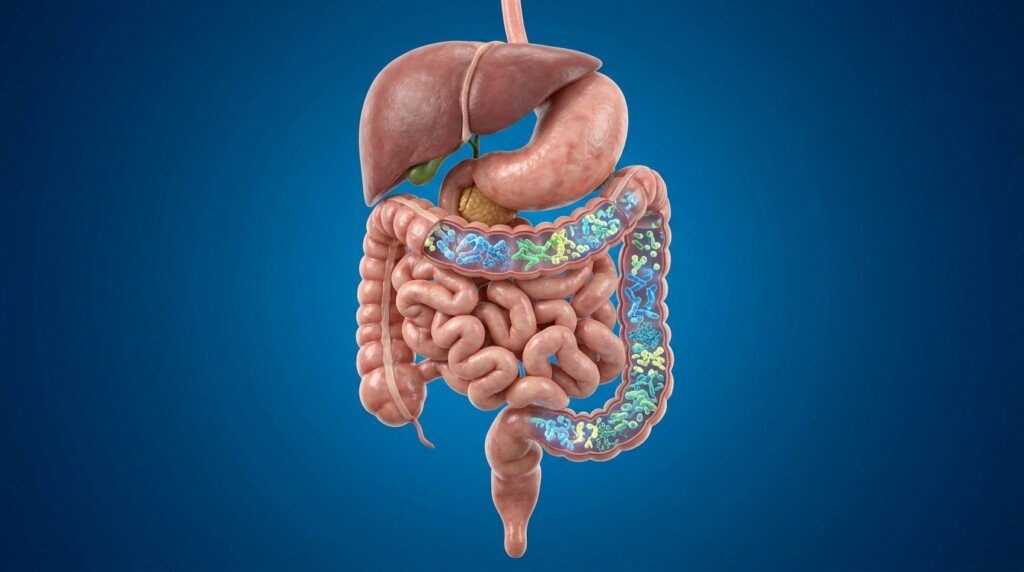
Understanding Probiotics
Probiotics are live microorganisms that, when consumed in adequate amounts, may provide health benefits for the host.
They are naturally found in various fermented foods and are also available as dietary supplements.
The most commonly studied probiotic groups include:
- Lactobacillus
- Bifidobacterium
Each group contains many different strains, which is why probiotics should never be viewed as one single ingredient.
What Is the Gut Microbiome?
Your digestive tract is home to trillions of microorganisms collectively known as the gut microbiome.
This community includes:
- Bacteria
- Fungi
- Viruses
- Other microorganisms
Most are harmless, and many play important roles in maintaining overall health.
Rather than simply existing inside the body, gut bacteria interact continuously with digestion, immunity, nutrient metabolism, and communication between the gut and the brain.
Why Has the Gut Microbiome Become So Important?
Scientists have discovered that the diversity and balance of gut bacteria appear to influence many aspects of health.
Researchers continue studying possible connections between the gut microbiome and:
- Digestive health
- Inflammation
- Blood sugar regulation
- Appetite regulation
- Energy metabolism
- Obesity
Although research is still evolving, these discoveries have dramatically changed how experts view gut health.
If you’re interested in understanding this connection more deeply, Gut Health explains how the digestive system influences overall wellness far beyond digestion alone.
Can Probiotics Help With Weight Loss?
This is the question that attracts most readers.
The honest answer is neither a simple yes nor a simple no.
Instead, current evidence suggests probiotics may support weight management through several indirect mechanisms.

Probiotics Don’t Burn Fat Directly
One of the biggest misconceptions is that probiotics somehow melt body fat.
There is currently no evidence showing that probiotics directly burn fat in the way many advertisements imply.
Instead, they appear to influence biological systems that may affect body weight over time.
Weight Management Is Multifactorial
Body weight is influenced by many interacting factors, including:
- Food intake
- Physical activity
- Sleep quality
- Hormones
- Genetics
- Stress
- Gut microbiota
Probiotics represent only one small piece of a much larger picture.
Support Rather Than Replacement
Research suggests probiotics may support healthy weight management.
That wording matters.
Support is very different from replacement.
No probiotic supplement replaces:
- Balanced nutrition
- Physical activity
- Long-term lifestyle habits
Maintaining a sustainable Calorie Deficit remains one of the fundamental principles of successful weight management.
How Do Probiotics Influence the Gut Microbiome?
To understand why probiotics attract so much scientific attention, it’s helpful to understand what they may actually be doing inside the digestive system.
The focus isn’t simply adding more bacteria.
It’s about influencing the overall balance and diversity of the gut microbiota.
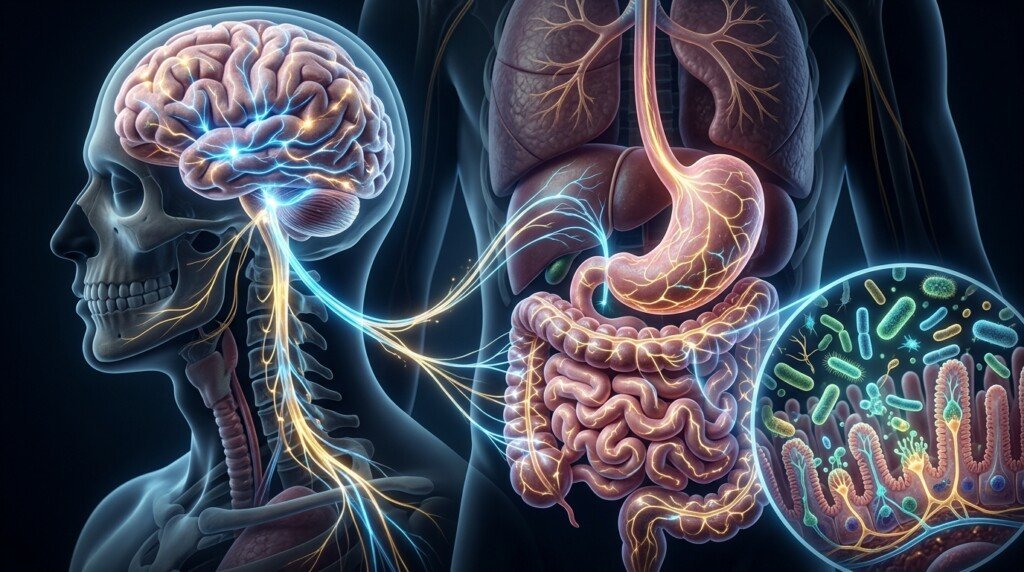
Supporting Microbiota Diversity
A healthy gut contains a wide variety of microorganisms.
Greater microbial diversity is generally considered a positive characteristic of a healthy gut ecosystem.
Researchers continue exploring whether probiotics may help support this diversity.
Communicating Through the Gut-Brain Axis
The digestive system and brain constantly exchange information.
This communication network is known as the gut-brain axis.
Scientists are studying whether gut bacteria may influence:
- Hunger signals
- Fullness cues
- Food preferences
- Eating behavior
Although this research is still developing, it represents one of the most exciting areas of nutrition science.
Producing Beneficial Compounds
Certain gut bacteria produce short-chain fatty acids (SCFAs) when fermenting dietary fiber.
These compounds have attracted considerable scientific interest because they appear to play roles in:
- Gut health
- Immune function
- Energy metabolism
- Appetite regulation
Supporting healthy gut bacteria through probiotics, prebiotics, and fiber-rich foods may encourage these beneficial processes.
Since dietary fiber provides fuel for many beneficial bacteria, Fiber Supplements and naturally fiber-rich foods often complement probiotic-friendly eating patterns.
Why Is Gut Health Closely Linked to Weight Management?
Only recently have scientists begun appreciating how strongly digestive health may influence metabolism.
The digestive tract isn’t simply where food is absorbed.
It’s an active organ involved in hormone production, immune activity, and communication with multiple body systems.
Appetite Regulation
Several gut hormones help regulate hunger and fullness.
Researchers are investigating whether changes in gut microbiota may influence these appetite-related signals.
Although much remains to be learned, this represents one possible explanation for the relationship between gut bacteria and body weight.
Inflammation
Scientists have observed that obesity is often associated with chronic low-grade inflammation.
Some research suggests gut microbiota may influence inflammatory processes, although the relationship remains complex and continues to be investigated.
Metabolism
Emerging research also explores how gut bacteria may affect energy extraction from food and overall metabolism.
These mechanisms are still being studied, but they help explain why the gut microbiome has become such an important research topic.
The broader relationship between Gut Health and Weight Loss continues to receive growing scientific attention as researchers uncover new connections between digestion and metabolism.
Can Gut Bacteria Influence Hunger and Food Choices?
One of the most fascinating discoveries in microbiome research is that gut bacteria may do much more than digest food.
Scientists are investigating whether they also influence eating behavior.

The Gut and Brain Constantly Communicate
The gut-brain axis forms a two-way communication system.
Signals travel between:
- The digestive system
- The nervous system
- Hormonal pathways
Researchers are exploring how gut microorganisms participate in these conversations.
Appetite Is More Complex Than Willpower
Feelings of hunger involve far more than self-control.
They are influenced by:
- Hormones
- Sleep
- Stress
- Blood sugar
- Gut bacteria
This growing understanding has shifted the conversation from simple calorie counting toward broader metabolic health.
People looking to naturally manage hunger may also find Best Appetite Suppressant helpful alongside broader nutrition strategies.
Can Probiotics Reduce Belly Fat?
One of the biggest marketing claims surrounding probiotics is that they can specifically target belly fat.
It’s an appealing idea, but the current evidence deserves a more balanced explanation.
Research into Probiotics for Weight Loss has explored changes in body weight, body fat percentage, waist circumference, and other metabolic markers. While some studies have reported modest improvements in certain measurements, probiotics should not be viewed as a targeted belly fat solution.
Belly Fat Is Influenced by Many Factors
Abdominal fat develops through a combination of factors, including:
- Genetics
- Age
- Hormones
- Diet quality
- Physical activity
- Sleep
- Stress
- Overall calorie balance
Because so many factors contribute to belly fat, no single supplement is likely to produce dramatic changes on its own.
The Gut May Play a Supporting Role
Researchers continue investigating whether improving gut microbiota diversity and reducing low-grade inflammation could indirectly support healthier body composition.
Although these findings are promising, current evidence suggests probiotics should be viewed as one supportive component of a comprehensive lifestyle rather than a standalone solution.
Who Should Consider Probiotics for Weight Loss?
Not everyone interested in losing weight needs a probiotic supplement.
However, certain individuals may wish to explore probiotics as part of a broader nutrition strategy.
People Looking to Improve Overall Gut Health
Because gut health influences multiple aspects of wellness, individuals interested in supporting their digestive system often consider probiotics alongside dietary improvements.
Combining probiotics with naturally fermented foods and adequate fiber may help support a healthier gut microbiome.
Adding more Fermented Foods to your meals is one practical way many people naturally increase probiotic intake.
People Trying to Build Healthier Eating Habits
Long-term weight management is rarely about one supplement.
It’s about consistently making healthier choices.
Many people begin improving their gut health by focusing on:
- Whole foods
- Dietary fiber
- Prebiotic-rich foods
- Fermented foods
- Regular physical activity
Probiotics often fit naturally into this broader lifestyle approach.
People Interested in the Gut Microbiome
Microbiome science continues to grow rapidly.
Individuals who enjoy evidence-based wellness often find probiotics interesting because they represent one of the few nutritional strategies specifically designed to influence gut bacteria.
What Does Current Research Actually Say?
The amount of research on probiotics has increased dramatically over the past decade.
However, it’s important to separate scientific findings from marketing claims.

Research Shows Potential, Not Certainty
Numerous clinical studies and systematic reviews have explored probiotics and weight management.
Overall, the evidence suggests probiotics may provide modest support for some people.
However, results are inconsistent across studies because researchers use:
- Different probiotic strains
- Different study populations
- Different treatment durations
- Different outcome measures
This makes direct comparisons difficult.
Scientists Continue to Study the Mechanisms
Researchers are actively investigating how probiotics may influence:
- Gut microbiota diversity
- Appetite regulation
- Energy metabolism
- Inflammation
- Short-chain fatty acid production
- Gut-brain communication
Many of these mechanisms remain under investigation.
As the science evolves, recommendations may become more specific.
More Personalized Nutrition May Be the Future
One exciting area of research involves personalized nutrition.
Scientists increasingly believe that individual differences in gut microbiota may explain why probiotics appear helpful for some people but not others.
Future research may allow probiotic recommendations to become much more personalized than they are today.
Where Should You Start if You’re Interested in Probiotics?
Many people immediately begin searching for supplements.
A better starting point is understanding the entire gut health picture.
Healthy gut bacteria depend on much more than probiotics alone.
Build a Gut-Friendly Lifestyle
Supporting your microbiome includes habits such as:
- Eating more fiber-rich foods
- Including fermented foods regularly
- Consuming prebiotic-rich foods
- Staying physically active
- Managing stress
- Getting enough sleep
Each of these habits contributes to overall gut health.
Think Beyond Supplements
Supplements can play a role, but they’re only one piece of the puzzle.
Diet remains one of the strongest influences on the gut microbiome.
Adding more Prebiotic Foods helps nourish beneficial bacteria that probiotics are intended to support.
What Will This Probiotics Series Cover Next?
Because probiotics are a broad topic, this article serves as the foundation for a complete content cluster.
Upcoming articles will explore questions in much greater detail, including:
- Which probiotic strains have been studied most for weight management
- How probiotics may influence metabolism and appetite regulation
- The potential benefits of probiotics beyond body weight
- How to choose an appropriate probiotic supplement
- Dosage considerations
- The best time to take probiotics
- Possible side effects and safety considerations
Together, these articles provide a complete understanding of probiotics and their role in long-term health.
Key Takeaways
| Topic | Key Point |
|---|---|
| What are probiotics? | Live microorganisms that may provide health benefits when consumed in adequate amounts. |
| Weight loss | Probiotics may support healthy weight management but are not a standalone solution. |
| Gut microbiome | A balanced and diverse gut microbiome influences digestion, metabolism, and overall health. |
| Belly fat | Current research suggests probiotics may play a supportive role, but they do not specifically target belly fat. |
| Lifestyle | Healthy eating, fiber, fermented foods, and physical activity remain the foundation of weight management. |
| Research | Scientific evidence is promising but still evolving, with results varying between probiotic strains and individuals. |

Frequently Asked Questions
1. Can probiotics help lose weight?
Yes. Probiotics for Weight Loss may support healthy weight management by influencing the gut microbiome, appetite regulation, and metabolism. However, they work best alongside healthy eating and regular physical activity.
2. Which probiotics are best for weight loss?
Different probiotic strains have been studied for weight management, and their effects vary. The most researched strains will be discussed separately because each has unique characteristics.
3. Can probiotics reduce belly fat?
Current research suggests probiotics may support overall body composition and waist circumference in some individuals, but they should not be considered a targeted belly fat treatment.
4. Are probiotics worth taking?
For people interested in improving gut health and supporting a healthy lifestyle, probiotics may be worth considering. They should complement, not replace, balanced nutrition and other healthy habits.
Conclusion
Interest in Probiotics for Weight Loss has grown rapidly as scientists continue uncovering the important relationship between the gut microbiome and overall metabolic health. While probiotics are not miracle supplements and cannot replace a balanced diet or regular exercise, current research suggests they may provide meaningful support by helping maintain a healthy gut environment, influencing appetite regulation, supporting digestive health, and interacting with pathways involved in metabolism.
The most effective way to think about probiotics is as one part of a broader wellness strategy rather than a quick solution for weight loss. Building a diverse gut microbiome through fiber-rich foods, prebiotic foods, fermented foods, consistent physical activity, quality sleep, and healthy eating habits creates a stronger foundation than relying on supplements alone. As research continues to evolve, probiotics are likely to become an increasingly important part of personalized nutrition, offering new opportunities to support long-term health and sustainable weight management.
Disclaimer:
This post may contain affiliate links. If you purchase through them, we may earn a small commission at no extra cost to you. Also, this content is for informational purposes only and does not substitute professional medical advice.