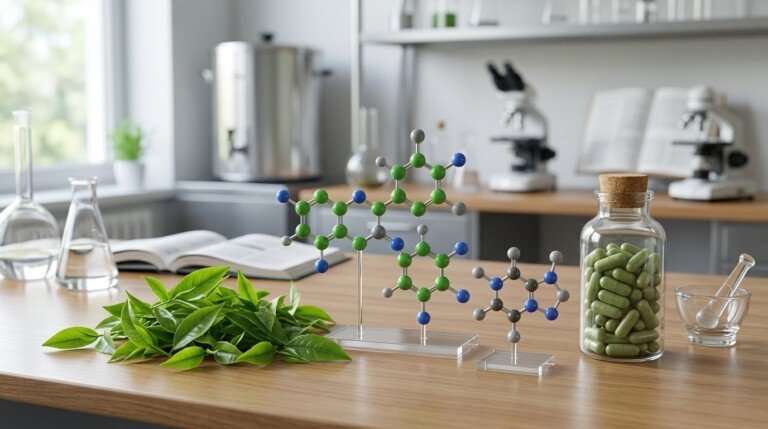

Green Tea Extract Side Effects: Risks, Safety, and Who Should Avoid It
Many people view green tea extract as a natural supplement, which often leads to an important assumption:
“If it’s natural, it must be completely safe.”
While green tea extract has been widely studied and is considered safe for many healthy adults when used appropriately, “natural” does not automatically mean risk-free. Like many dietary supplements, green tea extract can cause side effects in some individuals, may interact with certain medications, and is not suitable for everyone.
Understanding Green Tea Extract Side Effects is not about creating unnecessary fear. Instead, it’s about making informed decisions before adding any supplement to your routine.
This article explains the known safety profile of green tea extract, the most commonly reported side effects, what research says about liver concerns, medication interactions, and which groups should avoid using it without medical guidance. We will focus entirely on safety and precautions rather than weight-loss benefits, dosage recommendations, buying advice, or timing.
Quick Answer
Green Tea Extract Side Effects are generally uncommon in healthy adults when products are used as directed, but they can occur. Reported concerns include stomach discomfort, nausea, caffeine-related effects such as difficulty sleeping, and, in rare cases, liver injury associated with certain high-dose green tea extract supplements. Green tea extract may also interact with some medications, so people with underlying medical conditions or those taking prescription medicines should consult a healthcare professional before using it.
Is Green Tea Extract Safe for Most People?
Safety is usually the first concern people have before trying any dietary supplement.
Fortunately, green tea extract has been evaluated in numerous clinical studies, giving researchers a good understanding of its overall safety profile.
Most Healthy Adults Tolerate It Well
For many healthy adults, green tea extract is generally well tolerated when used according to the manufacturer’s instructions.
Most people who use the supplement do not experience serious problems.
However, individual responses can vary based on factors such as:
- Overall health
- Existing medical conditions
- Other medications
- Sensitivity to caffeine
- Individual metabolism
This is one reason supplements should never be viewed as one-size-fits-all solutions.
Natural Does Not Always Mean Risk-Free
Many herbal supplements come from plants, but plant-based ingredients can still produce unwanted effects in certain people.
Green tea extract should be approached with the same level of care as any other dietary supplement.
Reading product labels, understanding precautions, and discussing supplementation with a healthcare professional when appropriate are all sensible steps.
Quality Matters
Although this article does not focus on choosing products, supplements manufactured under recognized quality standards may reduce concerns related to contamination or inaccurate labeling.
Readers interested in evaluating product quality can also explore Best Green Tea Extract for Weight Loss, which discusses transparency, ingredient labeling, and manufacturing standards.
What Are the Most Common Green Tea Extract Side Effects?
Most reported side effects are relatively mild and often vary from person to person.
Many are associated with caffeine content or individual sensitivity rather than the green tea extract itself.
Digestive Discomfort
Some people report mild digestive symptoms, including:
- Nausea
- Stomach discomfort
- Upset stomach
- Mild abdominal irritation
Not everyone experiences these symptoms, but digestive complaints are among the more commonly reported concerns.
Caffeine-Related Effects
Some green tea extract supplements naturally contain caffeine unless they are specifically labeled as decaffeinated.
Individuals who are sensitive to caffeine may notice symptoms such as:
- Difficulty sleeping
- Feeling restless
- Nervousness
- Increased alertness
- Mild jitteriness
The likelihood of these effects depends on the amount of caffeine present in the specific supplement and an individual’s caffeine tolerance.
Individual Responses Can Differ
Two people taking similar supplements may have completely different experiences.
Factors influencing tolerance include:
- Age
- Overall health
- Existing medical conditions
- Other caffeine intake throughout the day
- Individual sensitivity
If symptoms occur after starting a supplement, it is important to pay attention to how your body responds rather than assuming everyone’s experience will be the same.
Can Green Tea Extract Affect the Liver?
One of the most discussed safety topics surrounding green tea extract involves liver health.
Although serious liver problems are considered uncommon, researchers have investigated this issue extensively.

Why Has Liver Safety Received Attention?
Over the years, medical literature has documented rare cases of liver injury in people using certain green tea extract supplements.
These reports prompted additional research into whether concentrated green tea extracts could contribute to liver-related adverse events in susceptible individuals.
Most People Do Not Experience Liver Problems
It is important to keep these reports in perspective.
Millions of people consume green tea and green tea extract products worldwide.
Documented liver injury associated with green tea extract remains relatively uncommon, but because liver injury can be serious, researchers and healthcare professionals continue to monitor the available evidence.
High-Dose Concentrated Extracts Receive the Most Attention
Published reports have most often focused on concentrated green tea extract supplements rather than traditional brewed green tea.
Researchers continue to study why only a small number of individuals appear to develop liver-related complications while most users do not.
Watch for Possible Warning Signs
Although uncommon, symptoms that could suggest a liver problem should never be ignored.
Examples may include:
- Yellowing of the skin or eyes
- Dark-colored urine
- Persistent nausea
- Severe fatigue
- Unexplained abdominal pain
Anyone experiencing symptoms that could suggest liver injury should stop using the supplement and seek prompt medical evaluation.
Can Green Tea Extract Interact With Medications?
Medication interactions are another important safety consideration.
Even natural supplements can affect how certain medicines work.

Some Medications May Be Affected
Green tea extract has the potential to interact with certain prescription or over-the-counter medications.
Particular attention is often given to medicines involving:
- Blood clotting
- Liver metabolism
- Blood pressure
- Blood sugar regulation
The significance of these interactions depends on the specific medication and the individual.
Blood Thinners Deserve Special Attention
People taking anticoagulants or other medications that influence blood clotting should always discuss dietary supplements with their healthcare provider before starting green tea extract.
Healthcare professionals can determine whether supplementation is appropriate based on an individual’s medical history and medication regimen.
Always Share Your Supplement List
One of the easiest ways to reduce the risk of interactions is to tell your healthcare provider about every supplement you use.
This includes vitamins, minerals, herbal products, and over-the-counter supplements.
Providing a complete list helps healthcare professionals identify potential interactions before problems occur.
Who Should Avoid Green Tea Extract?
Although green tea extract is considered safe for many healthy adults, it is not appropriate for everyone.
Certain groups may face a higher risk of adverse effects or medication interactions and should seek medical advice before using the supplement.

People With Liver Disease
Because rare cases of liver injury have been associated with some concentrated green tea extract supplements, individuals with existing liver disease should speak with their healthcare professional before taking green tea extract.
A medical provider can help determine whether supplementation is appropriate based on the individual’s health history.
People Taking Prescription Medications
Anyone using prescription medicines should discuss green tea extract with their healthcare provider, especially if they take medications related to:
- Blood clotting
- Blood pressure
- Blood sugar management
- Liver function
Potential interactions depend on the specific medication rather than green tea extract alone.
Pregnant or Breastfeeding Individuals
There is limited evidence regarding concentrated green tea extract supplementation during pregnancy and breastfeeding.
Because safety has not been firmly established, healthcare professionals generally recommend discussing any dietary supplement before use during these stages.
Individuals Sensitive to Caffeine
Some green tea extract supplements naturally contain caffeine.
People who are particularly sensitive to caffeine may experience:
- Restlessness
- Difficulty sleeping
- Nervousness
- Increased heart rate
Checking whether a product is caffeinated or decaffeinated can help individuals make informed choices.
When Should You Stop Taking Green Tea Extract?
Knowing when to discontinue a supplement is just as important as knowing when to begin one.
Stop If You Experience Concerning Symptoms
If you notice symptoms that could suggest a significant adverse reaction, discontinue the supplement and seek medical advice promptly.
Examples include:
- Yellowing of the skin or eyes
- Dark urine
- Persistent nausea
- Severe abdominal discomfort
- Unusual fatigue
- Allergic reactions such as swelling or difficulty breathing
Although these reactions are uncommon, they require prompt medical evaluation.
Stop if Your Healthcare Professional Advises It
Healthcare recommendations should always take priority over general supplement advice.
If your physician, pharmacist, or another qualified healthcare professional recommends stopping green tea extract because of your medical condition, laboratory results, or medications, follow their guidance.
Do Not Ignore Persistent Symptoms
Even relatively mild symptoms that continue or worsen should not be dismissed.
A healthcare professional can determine whether green tea extract or another factor may be responsible.
When Should You Speak With a Healthcare Professional?
Many healthy adults use dietary supplements without problems, but there are situations where professional medical advice is especially important.
Before Starting the Supplement
Consult a healthcare professional before using green tea extract if you:
- Have liver disease
- Take prescription medications
- Have multiple chronic health conditions
- Are pregnant
- Are breastfeeding
This conversation helps identify possible precautions before supplementation begins.
If You Develop New Symptoms
Do not assume every new symptom is unrelated.
If unusual symptoms appear after starting green tea extract, discuss them with a healthcare provider rather than continuing the supplement without evaluation.
Before Surgery or Medical Procedures
People scheduled for surgery or other medical procedures should inform their healthcare team about all dietary supplements they are taking, including green tea extract.
Providing a complete supplement list allows healthcare professionals to evaluate any potential concerns.
Safety Starts With Being Informed
Understanding Green Tea Extract Side Effects is not about avoiding the supplement altogether. Instead, it is about recognizing that every dietary supplement has both benefits and precautions. Most healthy adults tolerate green tea extract well, but individual health conditions, medication use, and personal sensitivity can influence how safely it can be used.
The safest approach is to stay informed, read product labels carefully, choose quality supplements, and communicate openly with your healthcare provider whenever questions arise. Making informed decisions is one of the simplest ways to reduce unnecessary risk while supporting your overall health.
Readers who are considering supplementation but have not yet selected a product may also find Best Weight Loss Supplements and How to Take Green Tea Extract for Weight Loss helpful for understanding broader supplement practices.
Key Takeaways
| Topic | Key Point |
|---|---|
| Safety | Green tea extract is generally well tolerated by many healthy adults when used appropriately. |
| Common side effects | Mild digestive discomfort and caffeine-related symptoms are the most commonly reported effects. |
| Liver concerns | Rare cases of liver injury have been reported, particularly with some concentrated green tea extract supplements. |
| Medication interactions | Green tea extract may interact with certain prescription medications, including blood thinners. |
| High-risk groups | People with liver disease, pregnant or breastfeeding individuals, and those taking prescription medications should seek medical advice before use. |
| Medical guidance | Stop using the supplement and contact a healthcare professional if concerning symptoms develop. |
Frequently Asked Questions
1. Is green tea extract safe?
Green Tea Extract Side Effects are generally uncommon in healthy adults using products as directed, but no supplement is completely risk free. Individual health conditions and medications should always be considered.
2. Can green tea extract damage the liver?
Rare cases of liver injury have been reported with certain concentrated green tea extract supplements. While most users do not experience liver problems, symptoms suggestive of liver injury should be evaluated immediately by a healthcare professional.
3. Who should not take green tea extract?
People with liver disease, those taking certain prescription medications, pregnant or breastfeeding individuals, and people with significant caffeine sensitivity should speak with a healthcare professional before using green tea extract.
4. Can green tea extract interact with medications?
Yes. Green tea extract may interact with certain medications, including blood thinners and medicines that affect liver function, blood pressure, or blood sugar. Always discuss supplement use with your healthcare provider.
5. When should I stop taking green tea extract?
Stop taking green tea extract and seek medical advice if you develop concerning symptoms such as yellowing of the skin or eyes, dark urine, persistent nausea, severe abdominal pain, unusual fatigue, or signs of an allergic reaction.
Conclusion
Understanding Green Tea Extract Side Effects helps you make informed decisions rather than relying on assumptions that every natural supplement is automatically safe. Although green tea extract is generally well tolerated by many healthy adults, it can cause side effects in some individuals, may interact with certain medications, and has been linked to rare cases of liver injury in susceptible people.
Before adding any supplement to your routine, consider your personal health history, existing medical conditions, and any prescription medications you take. If you experience unusual symptoms after starting green tea extract or belong to a higher-risk group, seek guidance from a qualified healthcare professional. An informed, cautious approach is the best way to use dietary supplements responsibly while protecting your long-term health.
Disclaimer:
This post may contain affiliate links. If you purchase through them, we may earn a small commission at no extra cost to you. Also, this content is for informational purposes only and does not substitute professional medical advice.