

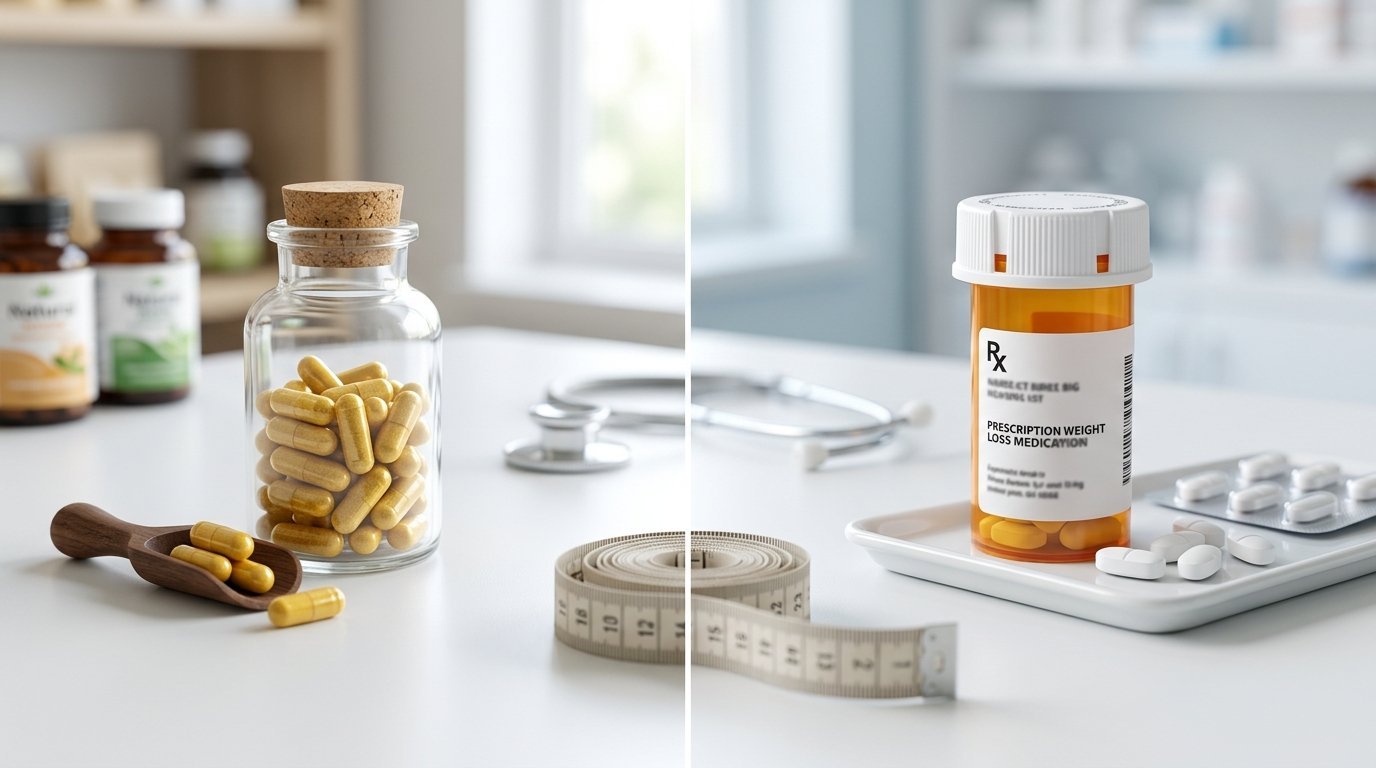
Berberine vs Ozempic: Which Is Better for Weight Loss?
Imagine two people trying to lose weight.
The first schedules an appointment with their doctor and begins learning about prescription medications.
The second starts researching natural approaches and repeatedly encounters one ingredient: berberine.
Before long, both people find themselves asking the same question:
Berberine vs Ozempic—which is actually better for weight loss?
The comparison has become increasingly common.
Social media discussions, wellness websites, and online communities often mention berberine as a possible Ozempic alternative. Some even call it “nature’s Ozempic.”
That’s a catchy phrase.
It’s also an oversimplification.
While both berberine and Ozempic are frequently discussed in conversations about blood sugar regulation, metabolic health, and weight management, they are not the same thing.
They work differently.
They produce different results.
And they are designed for different situations.
Understanding those differences is important because choosing between them isn’t simply a matter of finding the stronger option.
It’s about understanding what each approach can realistically offer.


Why Are People Comparing Berberine and Ozempic So Often?
A decade ago, most people had never heard of Ozempic.
Many had never heard of berberine either.
Today, both names appear regularly in weight-loss discussions.
The reason is simple.
They are often associated with similar goals.
People exploring either option are usually interested in:
- Weight management
- Blood sugar control
- Reduced cravings
- Metabolic health
- Improved insulin sensitivity
Because those goals overlap, comparisons naturally follow.
However, similar goals do not mean identical methods.
To understand the comparison properly, we first need to understand what each one actually does.
How Ozempic Works
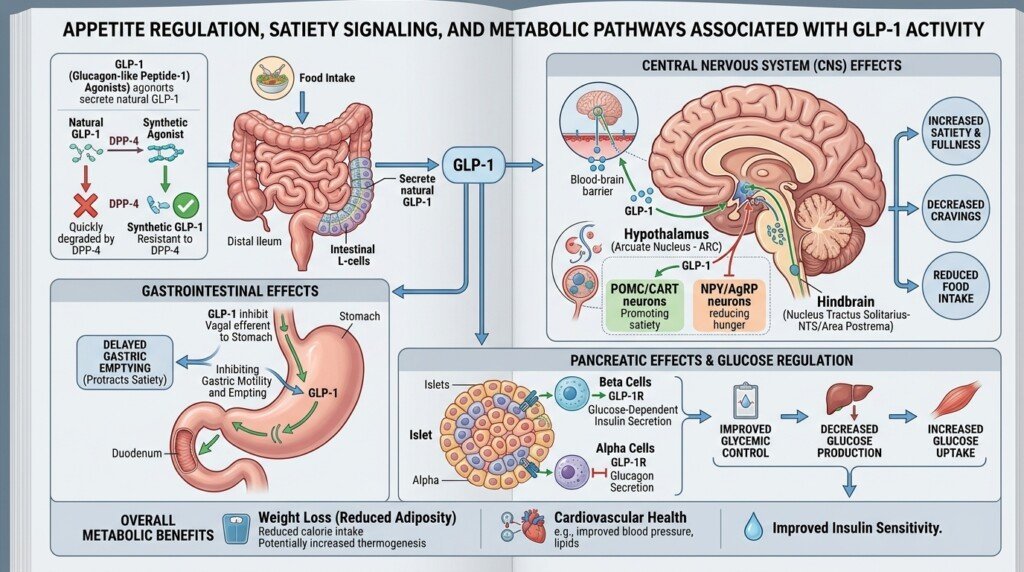
Ozempic is a prescription medication that belongs to a class known as GLP-1 receptor agonists.
Its active ingredient is semaglutide.
While the scientific terminology sounds complicated, the core concept is relatively straightforward.
Ozempic was developed to help improve blood sugar regulation.
Researchers later observed that many users also experienced meaningful weight loss.
This led to significant interest in GLP-1 medications for weight management.
What Happens After You Eat?
One reason Ozempic attracts so much attention is because it affects systems involved in hunger and fullness.
Many users report:
- Feeling satisfied sooner
- Reduced food cravings
- Less frequent thoughts about food
- Easier portion control
For some individuals, this change feels dramatic because appetite often becomes one of the biggest obstacles to maintaining a calorie deficit.
Why Weight Loss Occurs
Weight loss does not happen because Ozempic magically burns fat.
Instead, many users naturally consume fewer calories because hunger becomes easier to manage.
This distinction matters.
The medication influences biological systems related to appetite.
The resulting behavioral changes often contribute to weight reduction.
Why Ozempic Requires Medical Supervision
Unlike dietary supplements, Ozempic is a prescription medication.
Its use should involve healthcare guidance, especially for individuals managing diabetes, metabolic conditions, or other health concerns.
How Berberine Works
Berberine takes a very different path.
It is a naturally occurring plant compound found in several herbs.
Unlike Ozempic, berberine is not a pharmaceutical drug designed to target a specific receptor.
Instead, researchers have studied it because of its relationship with metabolic health.

Why Berberine Became Popular
Interest in berberine grew as researchers explored its potential role in:
- Blood sugar regulation
- Insulin sensitivity
- Glucose metabolism
- Metabolic function
These areas overlap with some of the same concerns that lead people to explore Ozempic.
As a result, berberine eventually became one of the most discussed ingredients in the natural-health community.
What People Often Get Wrong
Many articles portray berberine as a direct replacement for Ozempic.
That’s not accurate.
The two are fundamentally different.
Berberine is not a natural version of semaglutide.
It does not produce identical biological effects.
And it should not be expected to deliver identical outcomes.
Why People Still Find It Appealing
Despite those differences, berberine remains popular because many individuals prefer beginning with lifestyle-based and non-prescription options.
For some people, the appeal is not about finding something stronger.
It’s about finding something more accessible.
Are They Trying to Solve the Same Problem?
This is where the conversation becomes more interesting.
At first glance, the answer seems obvious.
Both are discussed for weight loss.
Both are associated with blood sugar.
Both appear in metabolic-health conversations.
But when you look closer, the picture becomes more nuanced.
Ozempic Focuses Heavily on Appetite
Many discussions surrounding Ozempic revolve around hunger reduction and satiety.
People frequently describe:
- Reduced cravings
- Less food noise
- Easier portion control
These effects often become central to the user experience.
Berberine Focuses More on Metabolic Health
Berberine discussions often focus on:
- Blood sugar balance
- Insulin sensitivity
- Metabolic function
Weight management may still be part of the conversation, but it usually enters through a different pathway.
Why This Difference Matters
Imagine two individuals.
One struggles primarily with constant hunger.
The other struggles primarily with blood sugar regulation.
Those people may not need the same solution.
Understanding the underlying challenge is often more important than chasing the most popular product.
Weight Loss Comparison: Which Produces Better Results?
This is usually the section readers skip ahead to.
Everyone wants the quick answer.
Which one works better?
From a weight-loss perspective, Ozempic generally produces larger and more consistent results in clinical settings.
That should not be surprising.
Ozempic is a prescription medication specifically developed and studied for metabolic outcomes.
Berberine, while promising in several areas, is not designed to function as a pharmaceutical equivalent.

Why Context Matters
The comparison becomes misleading when people assume every individual has the same goals.
For example:
Someone looking for medical treatment under physician supervision may evaluate success differently than someone seeking a nutritional supplement.
These are not identical situations.
The better question may not be:
“Which is stronger?”
Instead ask:
“Which approach aligns with my health needs, preferences, and circumstances?”
Blood Sugar Comparison: Where Does Each Option Shine?
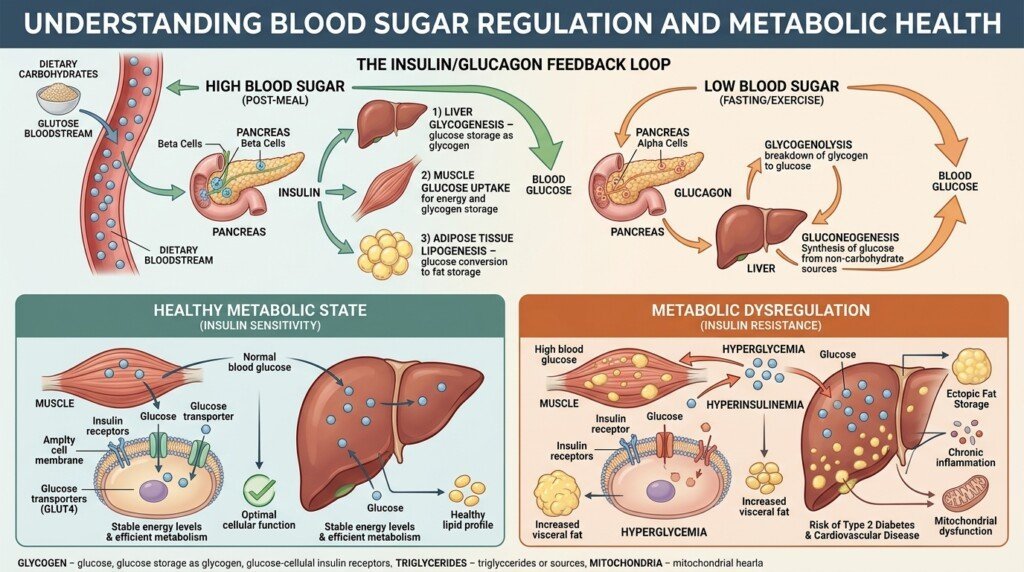
Weight loss may attract most of the attention, but blood sugar regulation is actually one of the main reasons both Ozempic and berberine enter the conversation.
This is where their similarities begin to appear.
At the same time, their differences become even more important.
Why Blood Sugar Matters Beyond Diabetes
Many people assume blood sugar is only relevant if they have diabetes.
That’s not true.
Blood sugar regulation can influence:
- Energy levels
- Hunger
- Cravings
- Mood
- Long-term metabolic health
When blood sugar fluctuates dramatically, people often experience energy crashes and increased food cravings.
That can make healthy eating significantly more difficult.
Ozempic and Blood Sugar
Ozempic was originally developed to help manage blood sugar in individuals with type 2 diabetes.
Because of this, blood sugar regulation remains one of its primary purposes.
Its effects have been extensively studied in clinical settings.
Berberine and Blood Sugar
Berberine has also attracted attention because researchers have explored its relationship with:
- Glucose metabolism
- Insulin sensitivity
- Metabolic function
This overlap is one reason the comparison between berberine and Ozempic became so popular.
However, it’s important to remember that one is a prescription medication while the other is a dietary supplement.
They exist in different categories and should not be viewed as interchangeable.
Which Wins?
If the question is clinical effectiveness under medical supervision, Ozempic generally has stronger evidence.
If the question is whether a natural supplement may support metabolic health, berberine remains one of the most discussed options.
The answer depends on the context.
What About Side Effects?
Every intervention comes with trade-offs.
The internet often presents solutions as completely good or completely bad.
Real life is rarely that simple.

Ozempic Side Effects
Some users report gastrointestinal symptoms such as:
- Nausea
- Digestive discomfort
- Changes in appetite
- Stomach-related issues
Not everyone experiences side effects.
However, side effects are part of the conversation and one reason medical supervision is important.
Berberine Side Effects
Berberine is often viewed as gentler because it is a natural compound.
That perception can be misleading.
Natural does not automatically mean side-effect free.
Some individuals report:
- Digestive discomfort
- Stomach upset
- Changes in bowel habits
Additionally, berberine may interact with certain medications.
Why Safety Discussions Matter
People often focus exclusively on effectiveness.
A better approach considers:
- Benefits
- Risks
- Cost
- Accessibility
- Long-term sustainability
The best option is not always the strongest option.
Sometimes the best option is the one that fits a person’s overall situation.
Who Might Benefit More From Ozempic?
There is no universal answer.
However, certain situations may make Ozempic a more appropriate discussion with a healthcare professional.

Individuals Seeking Medical Treatment
People managing:
- Type 2 diabetes
- Significant obesity
- Serious metabolic concerns
may be candidates for physician-guided treatment.
Individuals Struggling With Severe Appetite Issues
Many discussions around Ozempic focus on appetite regulation.
For individuals whose primary challenge is overwhelming hunger, professional medical guidance may help determine whether GLP-1 medications are appropriate.
Individuals Looking for Evidence From Large Clinical Trials
Ozempic has been studied extensively in controlled research environments.
For some people, that level of evidence provides additional confidence.
Who Might Be More Interested in Berberine?
Berberine often attracts a different audience.

People Exploring Natural Approaches First
Some individuals prefer beginning with nutrition, exercise, sleep improvement, and evidence-based supplements before considering prescription medications.
People Interested in Metabolic Health
Many people become interested in berberine because of discussions involving:
- Blood sugar balance
- Insulin sensitivity
- Metabolic wellness
People Looking for Accessibility
Prescription medications are not always available, affordable, or medically appropriate.
This reality often leads individuals to explore non-prescription options.
The Mistake Most Comparisons Make
Most online comparisons treat this discussion like a competition.
Ozempic versus berberine.
Winner versus loser.
Better versus worse.
That framing oversimplifies the situation.
A more useful question is:
“What problem am I trying to solve?”
If the answer involves physician-guided medical treatment, the conversation may look very different than if the answer involves lifestyle support and metabolic wellness.
The goal is not choosing a champion.
The goal is choosing the approach that aligns with individual needs.
For readers exploring broader non-prescription strategies, our guide to natural alternatives to Ozempic examines several additional approaches that may support weight-management goals.
Similarly, those interested in the specific compounds often discussed in this conversation may find our article on ingredients that mimic Ozempic helpful for understanding the most commonly mentioned options.

Frequently Asked Questions
1. Is berberine the same as Ozempic?
No. Berberine and Ozempic are completely different. Ozempic is a prescription GLP-1 medication, while berberine is a plant-derived compound commonly used as a dietary supplement.
2. Does berberine work as well as Ozempic for weight loss?
Current evidence generally suggests Ozempic produces larger weight-loss results. Berberine may support metabolic health, but it should not be viewed as an identical replacement.
3. Why is berberine compared to Ozempic?
Both are frequently discussed in conversations about blood sugar regulation, insulin sensitivity, metabolic health, and weight management.
4. Which is better for blood sugar control?
Both are discussed in relation to blood sugar management, but Ozempic has stronger clinical evidence because it is a prescription medication developed specifically for metabolic conditions.
5. Is berberine safer than Ozempic?
Safety depends on the individual, existing health conditions, medications, and medical history. Both can have side effects and potential risks.
6. Can I take berberine instead of Ozempic?
That decision should be discussed with a qualified healthcare professional. Berberine should not be considered a direct substitute for prescribed medical treatment.
7. Is berberine considered a natural Ozempic?
Some people use this phrase informally, but it can be misleading. Berberine and Ozempic work differently and should not be viewed as equivalent.
Final Thoughts
The debate around berberine vs Ozempic often becomes more emotional than practical.
One side prefers prescription solutions.
The other prefers natural approaches.
In reality, both options exist for different reasons.
Ozempic is a prescription medication backed by extensive clinical research and commonly discussed for both blood sugar management and weight loss.
Berberine is a naturally occurring compound that has attracted attention because of its relationship with metabolic health and insulin sensitivity.
Neither option is universally better.
The right choice depends on:
- Health status
- Medical history
- Weight-loss goals
- Budget
- Personal preferences
- Professional medical guidance
Instead of asking which option wins, a better question may be:
Which option best supports the outcome you’re trying to achieve?
That perspective often leads to a more useful and realistic decision.
Disclaimer:
This post may contain affiliate links. If you purchase through them, we may earn a small commission at no extra cost to you. Also, this content is for informational purposes only and does not substitute professional medical advice.