


7 Natural Alternatives to Ozempic That May Support Weight Loss
A few years ago, hardly anyone outside the medical community had heard of Ozempic.
Today, it’s one of the most talked-about weight-loss medications in the world.
Some people view it as a breakthrough.
Others are curious but hesitant.
And many simply wonder whether there are natural alternatives that may offer some of the same benefits without requiring a prescription.
If that sounds like you, you’re not alone.
The search for natural alternatives to Ozempic has exploded in recent years as people look for ways to manage appetite, improve blood sugar balance, reduce cravings, and support weight loss through lifestyle changes and non-prescription options.
The challenge is separating realistic possibilities from marketing hype.
Many articles promise “natural Ozempic” solutions that supposedly work exactly the same way.
That’s not accurate.
No herb, supplement, food, or lifestyle habit perfectly replicates a prescription GLP-1 medication.
However, some natural strategies may influence similar pathways related to satiety, appetite control, metabolic health, and blood sugar regulation.
Understanding those pathways is the key to making informed decisions.


Before Looking for Alternatives, What Does Ozempic Actually Do?
One reason Ozempic receives so much attention is that it works differently from many traditional weight-loss products.
Rather than simply increasing energy expenditure or suppressing appetite through stimulants, Ozempic affects hormones involved in hunger and blood sugar regulation.
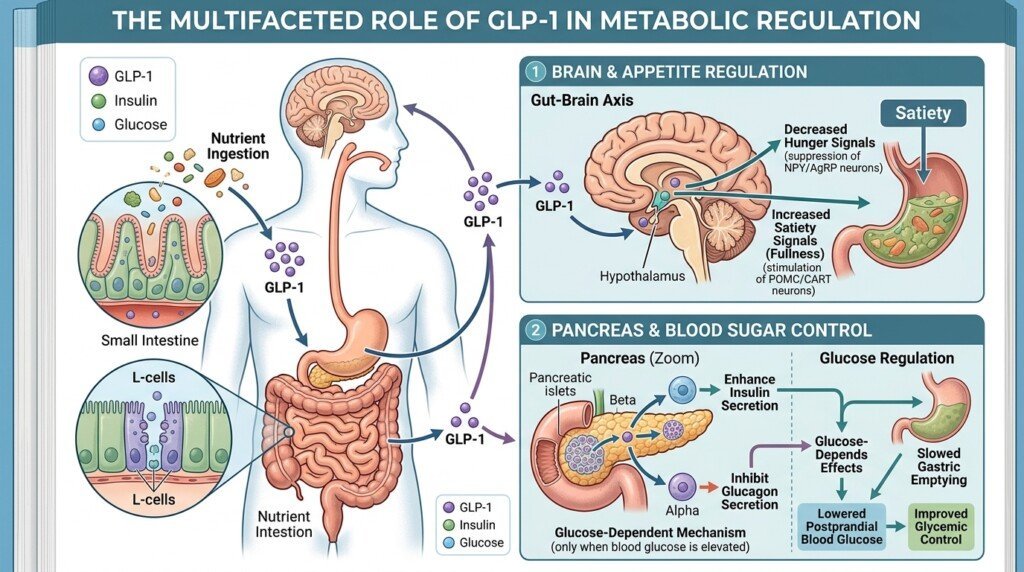
The medication belongs to a class known as GLP-1 receptor agonists.
GLP-1 is a hormone naturally produced by the body.
Among its functions, it helps:
- Regulate appetite
- Influence feelings of fullness
- Support blood sugar control
- Slow stomach emptying after meals
Many users report that they feel satisfied sooner and think about food less frequently.
That reduction in hunger often leads to lower calorie intake without requiring constant willpower.
This is an important distinction.
The goal isn’t simply eating less.
The goal is feeling less driven to overeat in the first place.
That’s why many people searching for alternatives are less interested in fat burners and more interested in appetite regulation and metabolic health.
Why Are So Many People Looking for Alternatives?
Not everyone wants to take a prescription medication.
Some individuals experience side effects.
Others may not qualify medically.
Cost is another factor.
For many households, long-term use can be financially challenging.
There are also people who simply prefer starting with lifestyle-based approaches before considering medication.
Their thinking is understandable.
If improvements can be achieved through nutrition, movement, sleep, stress management, and evidence-based supplements, those options may feel more comfortable.
The key is maintaining realistic expectations.
Natural alternatives are generally slower.
Their effects are often more modest.
And they require consistency.
But for some people, that trade-off is acceptable.
What Makes a Natural Alternative Worth Considering?
This is where many weight-loss articles go wrong.
They focus on ingredients rather than outcomes.
Instead of asking whether something is “natural Ozempic,” a better question is:
What benefit are you actually trying to achieve?
For example:
Are you trying to:
- Control cravings?
- Feel fuller after meals?
- Improve blood sugar regulation?
- Reduce overeating?
- Support insulin sensitivity?
Different natural approaches target different goals.
Understanding that difference helps avoid disappointment.
Let’s look at the options receiving the most attention.
Berberine: The Alternative People Talk About Most
If one supplement consistently appears in conversations about Ozempic alternatives, it’s berberine.
Berberine is a plant compound found in several herbs and has been studied extensively for its relationship with metabolic health.
Researchers have explored its potential effects on:
- Blood sugar regulation
- Insulin sensitivity
- Metabolic function
This is one reason it frequently appears in discussions involving type 2 diabetes and weight management.
What makes berberine particularly interesting is that its popularity has grown largely because of metabolic support rather than stimulant effects.
Unlike traditional fat burners, berberine isn’t marketed primarily as a metabolism booster.
Instead, it is usually discussed within the context of blood sugar balance and insulin function.
That distinction places it closer to the reasons many people become interested in Ozempic.
If you’re curious about how these two approaches compare, our guide to berberine vs Ozempic explores the differences in greater detail.

Could Fiber Be the Most Underrated Alternative?
When people think about weight-loss solutions, fiber rarely generates excitement.
It doesn’t have flashy marketing.
It isn’t trendy.
And it certainly doesn’t sound revolutionary.
Yet fiber may influence several of the same outcomes people hope to achieve when searching for alternatives.
Soluble fiber absorbs water and forms a gel-like substance within the digestive system.
This process may:
- Increase fullness
- Slow digestion
- Support blood sugar balance
- Reduce hunger between meals
Foods naturally rich in fiber include:
- Oats
- Beans
- Lentils
- Chia seeds
- Vegetables
- Fruits
Some individuals also use fiber supplements when dietary intake is inadequate.
The benefit is not dramatic.
But consistency matters.
Small improvements repeated daily often produce larger long-term effects than short-term extreme approaches.

Why Protein Changes the Appetite Conversation
Imagine two breakfasts.
The first consists of a sugary pastry and a sweetened coffee.
The second includes eggs, Greek yogurt, and fruit.
Most people already know which option is healthier.
What many don’t realize is how differently these meals may affect hunger later in the day.
Protein is one of the most satiating nutrients available.
Meals containing adequate protein often leave people feeling satisfied longer than meals dominated by refined carbohydrates.
This is one reason protein consistently appears in successful weight-management strategies.
Protein doesn’t mimic Ozempic directly.
However, it may support one of the primary outcomes people want:
Feeling less hungry.
That’s an important distinction.
The goal isn’t copying a medication molecule by molecule.
The goal is creating similar real-world benefits whenever possible.

The Growing Interest in Natural GLP-1 Support
One of the most interesting developments in nutrition research involves lifestyle factors that may influence the body’s own GLP-1 production.
Researchers continue studying how specific foods, eating patterns, and dietary compounds may affect natural hormone responses.
The science is still evolving.
But the concept is straightforward.
Rather than introducing an external GLP-1 medication, the focus becomes supporting the body’s natural processes.
This topic has become popular enough that we’ve dedicated an entire guide to natural GLP-1 boosters, where we explore the research in greater detail.
The important takeaway is that lifestyle choices may influence appetite-regulating hormones more than many people realize.
receives so much attention is that it works differently from many traditional weight-loss products.
Rather than simply increasing energy expenditure or suppressing appetite through stimulants, Ozempic affects hormones involved in hunger and blood sugar regulation.
The medication belongs to a class known as GLP-1 receptor agonists.
GLP-1 is a hormone naturally produced by the body.
Among its functions, it helps:
- Regulate appetite
- Influence feelings of fullness
- Support blood sugar control
- Slow stomach emptying after meals
Many users report that they feel satisfied sooner and think about food less frequently.
That reduction in hunger often leads to lower calorie intake without requiring constant willpower.
This is an important distinction.
The goal isn’t simply eating less.
The goal is feeling less driven to overeat in the first place.
That’s why many people searching for alternatives are less interested in fat burners and more interested in appetite regulation and metabolic health.
Four More Natural Alternatives Worth Knowing About
The conversation around Ozempic alternatives often focuses on a handful of supplements.
But appetite, cravings, and metabolic health are influenced by many factors working together.
That means there is rarely one single solution.
Instead, multiple tools often provide the greatest benefit.

Glucomannan
Glucomannan is a soluble fiber derived from the konjac root.
Its popularity comes from its ability to absorb water and expand in the digestive system.
When consumed with adequate water, glucomannan may help increase feelings of fullness.
People who struggle with portion sizes often find this appealing because hunger can be one of the biggest obstacles to maintaining a calorie deficit.
Unlike stimulant-based products, glucomannan focuses on satiety rather than energy.
Probiotics
The relationship between gut health and body weight has become one of the most discussed topics in nutrition research.
Scientists continue investigating how gut bacteria may influence:
- Appetite regulation
- Food cravings
- Digestion
- Metabolic health
While probiotics are not weight-loss supplements in the traditional sense, they are increasingly discussed as part of a broader strategy for supporting overall health and body composition.
Magnesium
Most people associate magnesium with muscle function or sleep support.
However, magnesium also plays a role in:
- Blood sugar regulation
- Energy production
- Nervous system function
Many adults fail to consume adequate magnesium through diet alone.
Correcting a deficiency won’t create dramatic weight loss, but supporting overall metabolic health may help remove obstacles that interfere with progress.
Healthy Sleep Habits
This may be the least exciting alternative on the list.
It may also be one of the most important.
Poor sleep has been associated with:
- Increased hunger
- More cravings
- Reduced impulse control
- Lower energy levels
Many people focus on supplements while overlooking sleep entirely.
Yet sleep influences some of the same outcomes that make GLP-1 medications effective.
A person who consistently sleeps seven to nine hours often finds appetite management easier than someone living in a constant state of sleep deprivation.
What If Your Biggest Problem Is Constant Hunger?
For many people, the real issue isn’t metabolism.
It’s appetite.
They know what foods they should eat.
They understand calorie balance.
The challenge begins when hunger appears.
A healthy breakfast becomes a mid-morning snack.
A reasonable lunch becomes afternoon grazing.
A stressful evening becomes late-night eating.
When appetite is the primary struggle, the most useful alternatives are usually those that increase satiety.
Examples include:
- Higher protein intake
- Fiber-rich meals
- Glucomannan
- Whole-food dietary patterns
Some individuals may also explore natural appetite suppressants that focus specifically on hunger management rather than fat burning.
The important point is understanding the problem you’re trying to solve.
A solution for cravings may look very different from a solution for blood sugar regulation.

What If Blood Sugar Is the Main Concern?
For others, appetite isn’t the biggest issue.
Their concern is blood sugar balance and insulin resistance.
In this situation, strategies often focus on improving metabolic health.
This may include:
- Higher fiber intake
- Improved diet quality
- Regular physical activity
- Weight management
- Blood sugar-supportive supplements such as berberine
Blood sugar regulation influences more than diabetes risk.
It also affects energy levels, hunger patterns, and long-term health outcomes.
This is one reason many people searching for Ozempic alternatives eventually become interested in metabolic health as a whole rather than weight loss alone.

What Actually Helps With Long-Term Weight Management?
The most successful weight-management strategies share a common characteristic.
They are sustainable.
People rarely struggle because they don’t know what to do.
Most already know:
- Eat more vegetables
- Move more
- Sleep better
- Reduce highly processed foods
The challenge is consistency.
This is where many natural alternatives provide value.
Not because they create rapid fat loss.
But because they make healthy habits easier to maintain.
A person who feels fuller after meals may snack less.
A person sleeping better may experience fewer cravings.
A person managing blood sugar more effectively may have steadier energy.
These small improvements compound over time.
That’s where meaningful change often begins.
If you’re looking for a broader overview of evidence-based options, our guide to the best weight loss supplements compares many of the most popular choices available today.
Who Should Be Careful With Natural Alternatives?
One of the biggest myths in the wellness industry is that natural automatically means safe.
That’s not always true.
Natural ingredients can still interact with medications, medical conditions, and individual health circumstances.
Extra caution may be appropriate for:
- Pregnant or breastfeeding individuals
- People taking prescription medications
- Individuals with chronic health conditions
- Those managing diabetes under medical supervision
Even commonly used supplements can affect blood sugar, digestion, blood pressure, or medication effectiveness.
This is one reason healthcare guidance remains important, especially when significant metabolic issues are involved.
The Real Difference Between Ozempic and Natural Alternatives
At this point, an honest comparison becomes necessary.
Ozempic is a prescription medication supported by extensive clinical research.
Natural alternatives are not direct replacements.
They do not replicate prescription GLP-1 medications.
They generally work more gradually.
Their effects tend to be smaller.
And they require greater consistency from the user.
However, they may still provide meaningful benefits for individuals seeking support with:
- Appetite control
- Blood sugar balance
- Cravings
- Metabolic health
- Weight management
The goal should not be finding a perfect substitute.
The goal should be finding sustainable strategies that fit your health needs, lifestyle, and preferences.

Frequently Asked Questions
1. What is the best natural alternative to Ozempic?
There is no single best option for everyone. Berberine, fiber-rich foods, glucomannan, higher protein intake, probiotics, magnesium, and lifestyle changes are among the most commonly discussed alternatives.
2. Can natural alternatives work as well as Ozempic?
Natural alternatives generally do not produce the same results as prescription GLP-1 medications. However, they may support appetite control, blood sugar balance, and weight management when used consistently.
3. Does berberine work like Ozempic?
Berberine and Ozempic both receive attention for their relationship to metabolic health, but they work differently and should not be considered identical.
4. What foods naturally increase GLP-1?
Researchers continue studying foods and dietary patterns that may support natural GLP-1 activity. Higher-fiber foods and protein-rich meals are among the most frequently discussed.
5. Are natural Ozempic alternatives safe?
Safety depends on the individual, the product, and existing health conditions. Natural does not automatically mean risk-free.
6. Can I lose weight without Ozempic?
Yes. Many people achieve meaningful weight loss through nutrition, exercise, sleep improvement, stress management, and evidence-based supplements.
Final Thoughts
The search for natural alternatives to Ozempic reflects a growing interest in sustainable approaches to weight management and metabolic health.
While no supplement or lifestyle habit perfectly replicates a prescription GLP-1 medication, several options may support similar goals.
Berberine, fiber, protein, probiotics, magnesium, healthy sleep habits, and blood sugar-friendly lifestyle changes all offer potential benefits.
The key is understanding what you’re trying to improve.
Some people need better appetite control.
Others need blood sugar support.
Others simply need a strategy they can follow consistently.
Long-term success rarely comes from one miracle solution.
It usually comes from combining several evidence-based habits that work together over time.
The good news is that meaningful progress is possible, even without relying on a prescription medication.
Disclaimer:
This post may contain affiliate links. If you purchase through them, we may earn a small commission at no extra cost to you. Also, this content is for informational purposes only and does not substitute professional medical advice.