What Is Insulin Resistance? Symptoms, Causes, and How to Reverse It Naturally
Insulin Resistance is one of the most important yet misunderstood conditions affecting metabolic health today. Millions of people develop insulin resistance years before they are diagnosed with prediabetes or type 2 diabetes, often without realizing anything is wrong. Because the condition develops gradually, many people experience subtle symptoms that are easy to overlook or attribute to stress, aging, or weight gain.
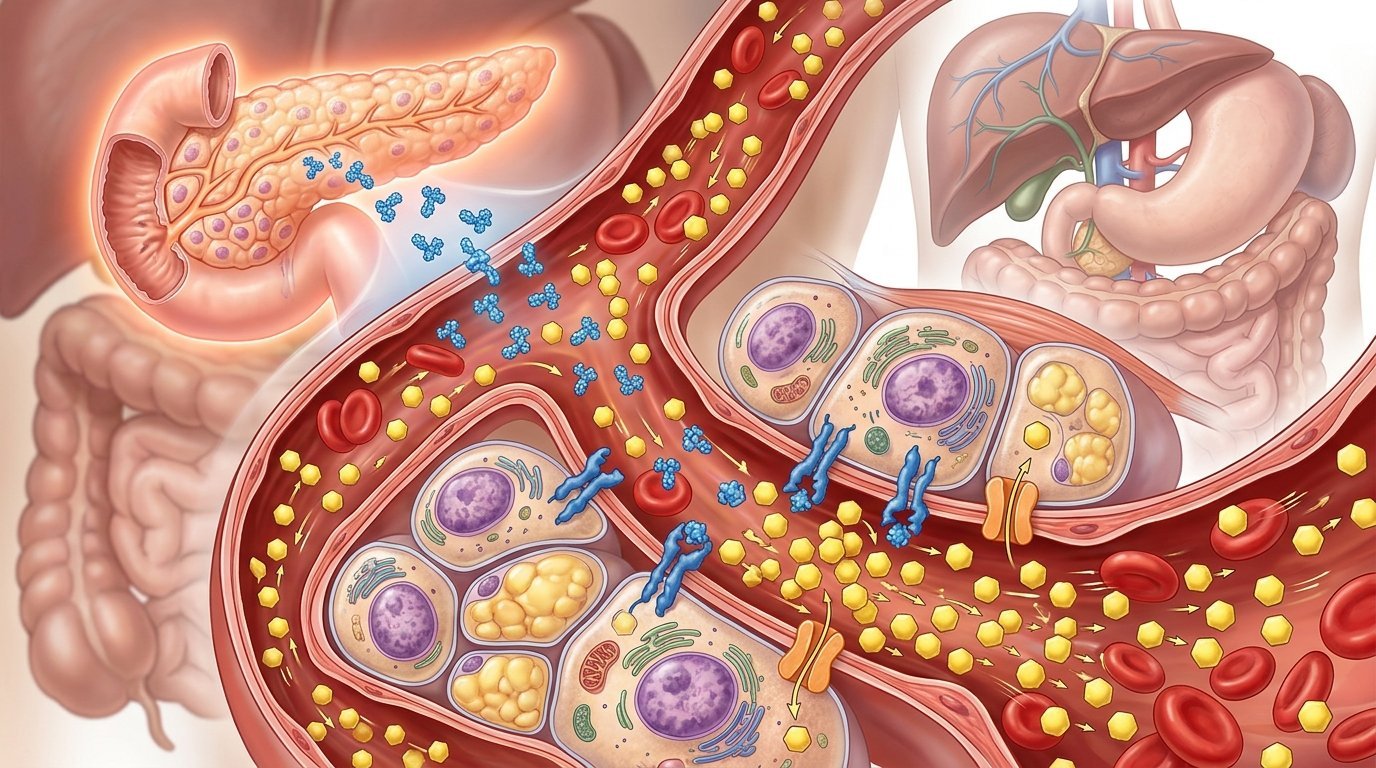
Insulin is a hormone produced by the pancreas that helps move glucose from your bloodstream into your body’s cells, where it is used for energy. When your cells become less responsive to insulin, your pancreas has to produce increasing amounts of it to keep blood sugar levels under control. Over time, this extra demand can place stress on your body’s metabolic system and increase the risk of several chronic health conditions.
Insulin resistance is closely linked with weight gain, especially around the abdomen, high blood pressure, abnormal cholesterol levels, metabolic syndrome, fatty liver disease, and an increased risk of developing type 2 diabetes. However, the condition is not limited to people who are overweight. Some individuals with a normal body weight can also develop insulin resistance, particularly if they have excess visceral fat or low muscle mass.
The encouraging news is that insulin resistance often improves with consistent lifestyle changes. Healthy eating patterns, regular physical activity, better sleep, stress management, and maintaining a healthy body weight can all help improve insulin sensitivity and support long-term metabolic health.
In this comprehensive guide, you’ll learn what insulin resistance is, what causes it, the symptoms to watch for, who is most at risk, how it is diagnosed, and the evidence-based lifestyle habits that may help reverse insulin resistance naturally.
What Is Insulin Resistance?
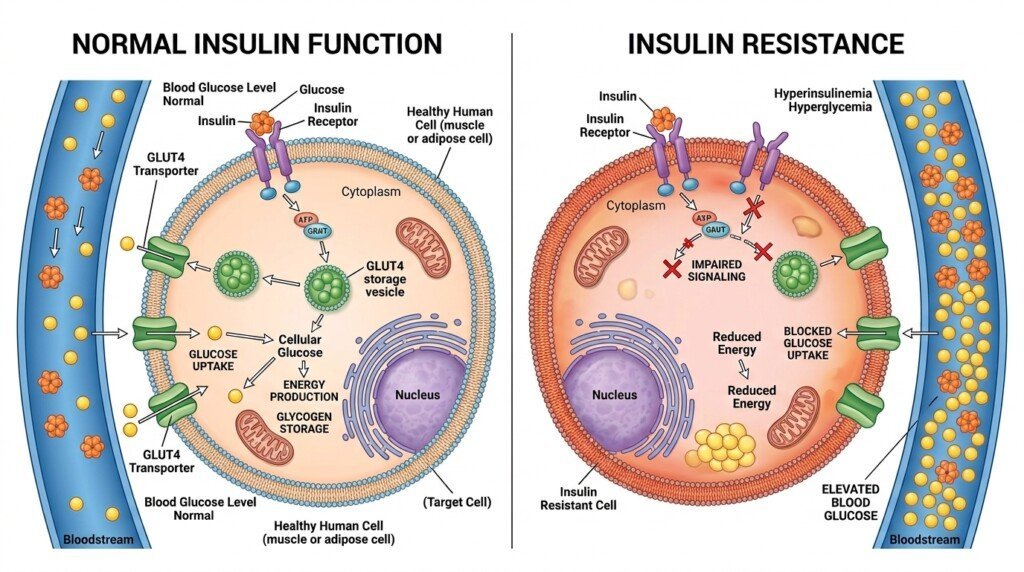
Insulin resistance occurs when your body’s cells no longer respond efficiently to insulin.
To understand why this matters, it helps to first understand how insulin normally works.
Every time you eat carbohydrates, your digestive system breaks them down into glucose, a simple sugar that enters your bloodstream. As blood sugar rises, your pancreas releases insulin.
Think of insulin as a key.
Its job is to unlock your body’s cells so glucose can move from your bloodstream into muscle, liver, and fat cells where it is either used immediately for energy or stored for later use.
When your cells respond normally, blood sugar remains within a healthy range.
With insulin resistance, however, those cellular “locks” become harder to open.
Your pancreas responds by producing more insulin in an attempt to overcome the resistance.
For many years, this extra insulin can keep blood sugar relatively normal.
Eventually, though, the pancreas may struggle to keep up with the body’s increasing demand.
At that point, blood sugar levels begin rising, increasing the likelihood of prediabetes and, later, type 2 diabetes.

Why Does Insulin Resistance Matter?
Insulin resistance affects much more than blood sugar.
It also influences:
- Fat storage
- Hunger regulation
- Energy metabolism
- Cholesterol levels
- Blood pressure
- Inflammation
This is why healthcare professionals consider insulin resistance a major component of metabolic syndrome.
Many people also notice that insulin resistance makes losing weight more challenging because elevated insulin levels encourage the body to store energy more readily.
Our guide on Visceral Fat explains how excess abdominal fat and insulin resistance often influence one another.
What Causes Insulin Resistance?
There is rarely one single cause of insulin resistance.
Instead, it usually develops from a combination of genetic, lifestyle, and environmental factors that gradually reduce the body’s sensitivity to insulin.
Excess Visceral Fat
One of the strongest risk factors is carrying excess visceral fat.
Unlike subcutaneous fat beneath the skin, visceral fat surrounds important organs and produces inflammatory compounds that may interfere with normal insulin signaling.
This is one reason abdominal obesity receives significant attention during routine health evaluations.
Physical Inactivity
Muscles are one of the body’s largest users of glucose.
Regular movement helps muscles absorb glucose more efficiently.
When physical activity decreases, insulin sensitivity often declines over time.
Even simple activities such as walking can contribute to healthier glucose regulation.
Poor Dietary Patterns
Frequently eating highly processed foods that are rich in added sugars and refined carbohydrates may contribute to excess calorie intake and weight gain.
Over many years, this pattern may increase the likelihood of developing insulin resistance.
A balanced eating pattern built around vegetables, fruits, whole grains, legumes, lean proteins, and healthy fats supports better metabolic health.
Genetics
Some people inherit a greater tendency to develop insulin resistance.
Having a family history of type 2 diabetes or metabolic syndrome does not guarantee that you’ll develop insulin resistance, but it may increase your risk.
Healthy lifestyle habits remain important regardless of genetic background.
Aging
Insulin sensitivity naturally changes as we age.
Part of this change occurs because muscle mass gradually declines while body fat often increases unless regular resistance training and physical activity are maintained.
Chronic Stress
Long-term stress may indirectly contribute to insulin resistance by influencing sleep, eating habits, and physical activity.
People under chronic stress often experience:
- Poor sleep
- Increased appetite
- Reduced exercise
- Greater reliance on highly processed convenience foods
Over time, these behaviors can affect metabolic health.
If stress frequently interferes with your healthy habits, our guide on Stress and Weight Loss explains practical strategies for building more sustainable routines.
Poor Sleep
Sleep plays an important role in regulating appetite, hormones, metabolism, and insulin sensitivity.
Consistently getting too little sleep may increase the risk of developing metabolic problems over time.
Adults generally benefit from seven to nine hours of quality sleep each night.
Smoking
Research has also linked smoking with poorer metabolic health and increased insulin resistance.
Quitting smoking supports overall cardiovascular and metabolic health in many ways.
Most people develop insulin resistance because several of these factors occur together rather than because of one isolated cause.
What Are the Symptoms of Insulin Resistance?
One of the biggest challenges with insulin resistance is that it often develops silently.
Many people experience no obvious symptoms during the early stages.
When symptoms do occur, they are frequently subtle and easy to overlook.
Common signs may include:
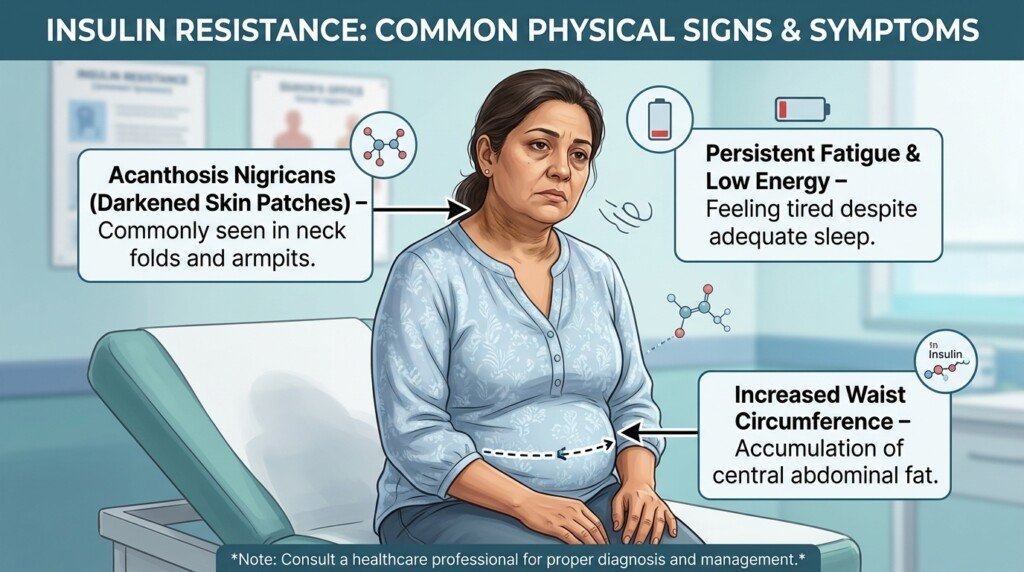
Increased Belly Fat
Many people notice gradual weight gain around the waist.
Because insulin resistance is closely associated with visceral fat, abdominal weight gain is one of the most common physical changes.
Our article on Diabetic Belly Fat explains why abdominal fat is closely connected with blood sugar regulation.
Difficulty Losing Weight
Some individuals find that losing weight becomes more challenging despite making healthier lifestyle choices.
While many factors influence weight loss, insulin resistance may contribute to this difficulty.
Frequent Hunger
Higher insulin levels may affect appetite regulation, leaving some people feeling hungry more often than expected.
This can make portion control more difficult.
Fatigue After Meals
Some people report feeling unusually tired after eating meals rich in refined carbohydrates.
Although fatigue has many possible causes, changes in blood sugar regulation may contribute in some cases.
Darkened Skin Patches
Some individuals develop areas of darker, velvety skin, particularly around the neck, underarms, or groin.
This condition is known as acanthosis nigricans and is sometimes associated with insulin resistance.
Elevated Blood Sugar
Many people discover insulin resistance only after routine blood work shows:
- Elevated fasting glucose
- Higher HbA1c
- Prediabetes
This is one reason regular health checkups remain valuable even when you feel well.
It’s important to remember that these symptoms do not automatically mean someone has insulin resistance.
Only appropriate medical evaluation can determine the underlying cause.
Who Is Most at Risk of Insulin Resistance?
Although anyone can develop insulin resistance, certain factors make the condition more likely. Understanding these risk factors can help you recognize potential concerns early and take steps to improve your metabolic health.
Having one or more of these risk factors does not mean you will definitely develop insulin resistance. Likewise, some people with few obvious risk factors may still experience reduced insulin sensitivity. Your overall lifestyle, genetics, and health history all play a role.
People With Excess Visceral Fat
One of the strongest predictors of insulin resistance is carrying excess visceral fat.
Unlike the fat stored just beneath your skin, visceral fat surrounds important organs and releases inflammatory substances that may interfere with normal insulin function.
A larger waist circumference is often a better indicator of metabolic risk than body weight alone.
If you want to learn more about this hidden abdominal fat, our guide on Visceral Fat explains why it is closely linked with metabolic health.
People Who Are Physically Inactive
Regular physical activity helps muscles use glucose more efficiently.
People who spend most of the day sitting or rarely participate in exercise may gradually become less sensitive to insulin over time.
The good news is that even moderate increases in daily movement can support healthier insulin sensitivity.
People With Overweight or Obesity
Although insulin resistance can occur at any body weight, carrying excess body fat, particularly around the abdomen, increases the likelihood of developing the condition.
This does not mean every person with overweight has insulin resistance or that every lean person has healthy insulin sensitivity.
Body composition matters just as much as body weight.
People With a Family History of Type 2 Diabetes
Genetics influence how efficiently the body regulates blood sugar.
If one or more close family members have type 2 diabetes, insulin resistance, or metabolic syndrome, your personal risk may be higher.
While genetics cannot be changed, healthy lifestyle habits can still have a significant impact.
Adults Over 45
As people age, muscle mass naturally declines while body fat often increases unless regular resistance training and physical activity are maintained.
These gradual changes can reduce insulin sensitivity over time.
Remaining active and preserving muscle mass become increasingly important with age.
People With High Blood Pressure or Abnormal Cholesterol
Insulin resistance frequently occurs alongside other components of metabolic syndrome.
Individuals with elevated blood pressure, low HDL cholesterol, high triglycerides, or increased waist circumference may benefit from discussing metabolic health with their healthcare provider.
People With Prediabetes
Prediabetes often develops because insulin resistance has been present for several years.
Early identification provides an opportunity to improve lifestyle habits before blood sugar levels continue to rise.
Can Thin People Develop Insulin Resistance?
Yes.
Many people assume insulin resistance only affects individuals with obesity.
However, someone with a normal Body Mass Index can still develop insulin resistance, particularly if they have:
- Excess visceral fat
- Low muscle mass
- Poor dietary habits
- A family history of metabolic disease
Body composition provides much more useful information than body weight alone.
How Is Insulin Resistance Diagnosed?
Unlike some medical conditions, insulin resistance cannot usually be diagnosed based on symptoms alone.
Healthcare professionals combine medical history, physical examination, body measurements, and laboratory testing to assess overall metabolic health.

Medical History
Your healthcare provider may ask questions about:
- Family history of diabetes
- Weight changes
- Physical activity
- Eating habits
- Sleep
- Current medications
- Existing medical conditions
This information helps identify factors that may increase your risk.
Waist Circumference
Because abdominal fat is strongly associated with insulin resistance, waist circumference is often measured during routine health evaluations.
Changes in waist size sometimes provide more useful information than body weight alone.
Blood Pressure
Higher blood pressure commonly occurs alongside insulin resistance as part of metabolic syndrome.
Monitoring blood pressure helps build a more complete picture of metabolic health.
Fasting Blood Glucose
A fasting blood glucose test measures the amount of sugar in your blood after fasting for several hours.
Higher-than-normal fasting glucose may indicate impaired glucose regulation.
HbA1c
HbA1c measures your average blood sugar over approximately the previous two to three months.
This test helps identify:
- Normal glucose regulation
- Prediabetes
- Diabetes
Because HbA1c reflects long-term blood sugar rather than a single measurement, it provides valuable information about metabolic health.
Lipid Profile
Your healthcare provider may also evaluate:
- LDL cholesterol
- HDL cholesterol
- Triglycerides
Abnormal cholesterol levels often occur alongside insulin resistance.
Additional Testing
Depending on your medical history, your healthcare provider may recommend additional testing to better understand your metabolic health.
Testing recommendations vary from person to person.
Can Insulin Resistance Be Reversed Naturally?
For many people, insulin resistance can improve significantly through long-term lifestyle changes.
The word “reversed” is commonly used, but it is more accurate to think of insulin resistance as a condition that can often be improved and, in some cases, normalized through consistent healthy habits.
The key is creating sustainable changes rather than searching for quick fixes.
Achieve and Maintain a Healthy Weight
Even modest reductions in body weight may improve insulin sensitivity for individuals carrying excess body fat.
The goal is not rapid weight loss but gradual, sustainable progress.
Increase Physical Activity
Regular movement helps muscles absorb glucose more efficiently.
A balanced routine typically includes:
- Walking
- Cycling
- Swimming
- Resistance training
- Everyday movement throughout the day
Consistency is far more important than intensity.
Improve Your Eating Pattern
Meals built around whole foods support healthier blood sugar regulation.
Focus on:
- Vegetables
- Fruits
- Whole grains
- Legumes
- Lean proteins
- Healthy fats
Limiting highly processed foods and foods rich in added sugar can further support metabolic health.
Our guide on Best Breakfast for Weight Loss includes balanced breakfast ideas that support healthy eating habits throughout the day.
Improve Sleep Quality
Poor sleep affects appetite, hormones, recovery, and insulin sensitivity.
Adults generally benefit from seven to nine hours of quality sleep each night.
Building consistent sleep habits is an important part of improving metabolic health.
Manage Stress
Chronic stress may influence eating habits, sleep quality, and physical activity.
Simple strategies such as walking, mindfulness, spending time outdoors, and maintaining social connections can help support healthier routines.
The goal is not to eliminate stress completely but to manage it in healthy ways.
Stay Consistent
Perhaps the most important factor is consistency.
Healthy habits repeated every day produce far greater results than short periods of extreme effort followed by old routines.
Improving insulin sensitivity is usually a gradual process that develops over months rather than days.
Which Foods Help Improve Insulin Sensitivity?
Food plays an important role in supporting healthy insulin sensitivity, but no single food can reverse insulin resistance on its own. The biggest improvements usually come from following a balanced eating pattern that emphasizes whole, minimally processed foods while supporting a healthy body weight.
Rather than searching for “superfoods,” focus on building meals that combine fiber, lean protein, healthy fats, and nutrient-rich carbohydrates.

Non-Starchy Vegetables
Vegetables are naturally rich in vitamins, minerals, antioxidants, and fiber while being relatively low in calories.
Excellent choices include:
- Spinach
- Broccoli
- Kale
- Cauliflower
- Brussels sprouts
- Bell peppers
- Cucumbers
- Zucchini
Filling half your plate with vegetables is a simple way to improve overall meal quality.
High-Fiber Fruits
Whole fruits contain natural sugars together with fiber, water, and beneficial plant compounds.
Good options include:
- Blueberries
- Strawberries
- Apples
- Pears
- Oranges
- Kiwi
Whole fruit is generally a better choice than fruit juice because the fiber helps slow digestion.
Lean Protein
Protein supports muscle maintenance and helps increase feelings of fullness after meals.
Healthy sources include:
- Chicken breast
- Turkey
- Fish
- Eggs
- Greek yogurt
- Cottage cheese
- Tofu
- Tempeh
- Lentils
- Beans
Including protein with each meal may help support more stable energy levels throughout the day.
Whole Grains
Whole grains provide more fiber and nutrients than refined grains.
Examples include:
- Oats
- Brown rice
- Quinoa
- Barley
- Whole wheat bread
Replacing refined grains with whole grains is one practical way to improve diet quality.
Healthy Fats
Healthy fats support overall nutrition and help make meals more satisfying.
Nutritious choices include:
- Olive oil
- Avocados
- Walnuts
- Almonds
- Pistachios
- Chia seeds
- Flaxseeds
Moderation remains important because healthy fats are calorie-dense.
Legumes
Beans, lentils, and chickpeas provide an excellent combination of plant protein and fiber.
They fit well into many eating patterns that support healthy metabolic function.
Build Balanced Meals
Instead of focusing on individual foods, aim to include:
- A lean protein source
- Plenty of vegetables
- A high-fiber carbohydrate
- A source of healthy fat
This combination often supports better appetite control while improving the overall nutritional quality of your meals.
Which Lifestyle Habits Improve Insulin Resistance?
Healthy eating is only one part of improving insulin sensitivity.
Long-term metabolic health depends on the combination of several daily habits working together.
Stay Physically Active
Regular exercise helps muscles absorb glucose more efficiently and supports overall metabolic health.
Aim to include:
- Walking
- Cycling
- Swimming
- Resistance training
- Everyday movement throughout the day
You don’t need intense workouts every day.
Consistency is much more important than perfection.
Build Muscle
Muscle tissue is one of the body’s largest users of glucose.
Increasing or preserving muscle mass through resistance training supports healthier insulin sensitivity over time.
Simple exercises such as squats, resistance bands, bodyweight movements, and weight training can all contribute.
Improve Sleep
Sleep influences nearly every aspect of metabolic health.
Poor sleep can affect:
- Appetite
- Hormone regulation
- Blood sugar
- Energy levels
- Recovery
Most adults benefit from seven to nine hours of quality sleep each night.
Manage Stress
Although stress alone does not directly cause insulin resistance, chronic stress often leads to behaviors that make healthy living more difficult.
Examples include:
- Emotional eating
- Reduced physical activity
- Poor sleep
- Increased intake of highly processed foods
Simple stress-management habits include:
- Walking outdoors
- Deep breathing
- Meditation
- Reading
- Spending time with family
- Enjoying hobbies
The goal is to reduce the impact stress has on your daily routine.
Avoid Smoking
Smoking has been associated with poorer metabolic health.
Quitting smoking supports insulin sensitivity while reducing the risk of cardiovascular disease.
Stay Consistent
Small healthy choices repeated every day create much greater long-term improvements than occasional periods of extreme dieting or exercise.
Focus on progress rather than perfection.
When Should You Talk to a Doctor?
Many people live with insulin resistance for years without knowing it.
Because symptoms can be mild or absent, routine medical evaluations are often the best way to identify metabolic changes early.
Consider speaking with a healthcare professional if you:
- Notice increasing waist circumference
- Have a family history of type 2 diabetes
- Have high blood pressure
- Have abnormal cholesterol levels
- Have elevated fasting glucose or HbA1c
- Experience persistent fatigue or unexplained weight gain
- Have been told you have metabolic syndrome or prediabetes
Your healthcare provider may recommend laboratory testing and discuss lifestyle changes that fit your personal health needs.
Early evaluation often provides the best opportunity to improve insulin sensitivity before more serious complications develop.

Frequently Asked Questions
1. What is insulin resistance?
Insulin resistance occurs when the body’s cells become less responsive to insulin, making it harder for glucose to move from the bloodstream into the cells. As a result, the pancreas produces more insulin to maintain normal blood sugar levels.
2. What causes insulin resistance?
Insulin resistance usually develops from a combination of factors, including excess visceral fat, physical inactivity, poor dietary habits, genetics, aging, inadequate sleep, and chronic stress.
3. Can insulin resistance be reversed naturally?
Many people can significantly improve insulin sensitivity through healthy lifestyle changes such as balanced nutrition, regular physical activity, quality sleep, stress management, and maintaining a healthy body weight.
4. What foods improve insulin sensitivity?
Vegetables, fruits, legumes, whole grains, lean proteins, healthy fats, and other minimally processed foods support healthy insulin sensitivity as part of an overall balanced eating pattern.
5. How is insulin resistance diagnosed?
Healthcare professionals may evaluate medical history, waist circumference, blood pressure, fasting blood glucose, HbA1c, cholesterol levels, and other laboratory tests to assess insulin resistance and overall metabolic health.
Final Thoughts
Understanding insulin resistance is one of the most important steps you can take toward improving your long-term metabolic health. Although the condition often develops silently, recognizing the early signs and risk factors allows you to make meaningful lifestyle changes before more serious health problems develop.
The encouraging news is that insulin resistance often responds well to consistent, sustainable habits. Eating a balanced diet, staying physically active, preserving muscle mass, getting enough sleep, managing stress, and maintaining a healthy body weight all work together to improve insulin sensitivity over time.
Rather than searching for quick fixes, focus on building healthy routines you can maintain for years. Small improvements practiced consistently can reduce your risk of prediabetes, type 2 diabetes, cardiovascular disease, and other metabolic conditions while supporting better overall health and quality of life.
Disclaimer:
This post may contain affiliate links. If you purchase through them, we may earn a small commission at no extra cost to you. Also, this content is for informational purposes only and does not substitute professional medical advice.
Ready to Start Your Journey?
Use our free 7-in-1 Weight Loss Toolkit to calculate your numbers and build your plan in minutes.
Open Free Tools →