How to Track Fat Loss Progress Beyond the Scale
If you’ve ever stepped on the scale after weeks of eating well and exercising consistently, only to see the number barely change, you’re not alone. It’s one of the most frustrating experiences during a fat-loss journey. Many people immediately assume their efforts are failing, even though their body may actually be changing in meaningful ways that the scale simply cannot measure.
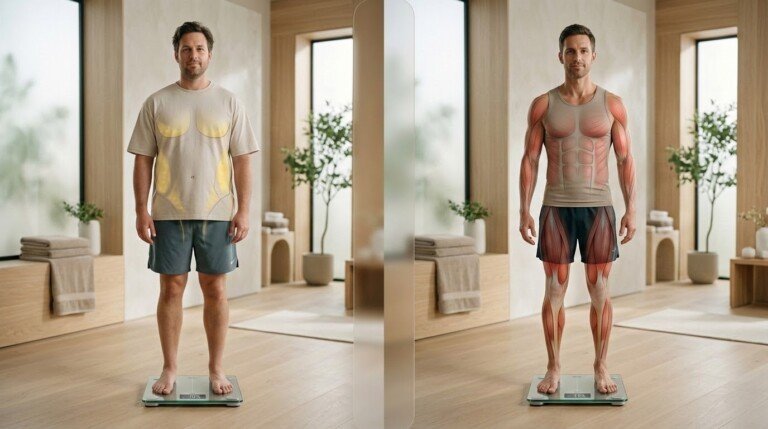
This is why learning how to track fat loss progress properly is one of the most valuable skills you can develop. The bathroom scale measures only total body weight. It cannot tell the difference between fat, muscle, water, food in your digestive system, or normal daily fluctuations. Two people can weigh exactly the same while having completely different body compositions, health markers, and physical appearances.
The scale is only one piece of information.
Real fat loss often becomes visible through other changes long before dramatic differences appear in body weight. Clothes begin fitting differently. Your waist becomes smaller. Progress photos reveal subtle improvements that are impossible to notice in the mirror every day. Everyday movement feels easier. Muscle definition gradually becomes more visible. These changes tell a much more complete story than a single number ever can.
Many people unknowingly stop their healthy habits because they rely on one measurement that naturally fluctuates from day to day. Water retention, sodium intake, hormones, stress, sleep quality, and recent exercise can all temporarily influence body weight without reflecting actual fat loss. When expectations depend entirely on the scale, motivation becomes fragile.
Instead, sustainable fat loss requires a broader perspective. The goal is not simply becoming lighter. The goal is improving body composition, reducing excess body fat, preserving lean muscle, and creating a healthier body over time.
This article explains how to track fat loss progress using methods that provide a much clearer picture of what is actually happening. From progress photos and body measurements to clothing fit and non-scale physical changes, you’ll learn how to recognize meaningful improvements even when the scale appears stubborn.
Quick Answer
The best way to track fat loss progress is by combining several methods rather than relying only on body weight. Progress photos, waist and hip measurements, clothing fit, body composition changes, and consistent scale trends together provide a far more accurate picture of fat loss than daily weigh-ins alone.
What Are the Best Non-Scale Methods for Measuring Fat Loss?
The scale has become the default way most people judge progress because it is quick and convenient. Unfortunately, convenience does not always mean accuracy.
Fat loss is a change in body composition, not simply a reduction in total body weight.
Your body can lose fat while maintaining muscle.
It can temporarily retain extra water after intense exercise.
Hormonal fluctuations may increase body weight for several days despite continued fat loss.
These normal biological changes explain why relying only on the scale often creates unnecessary frustration.
Non-scale measurements help solve this problem because they focus on visible and measurable body changes rather than total weight alone.
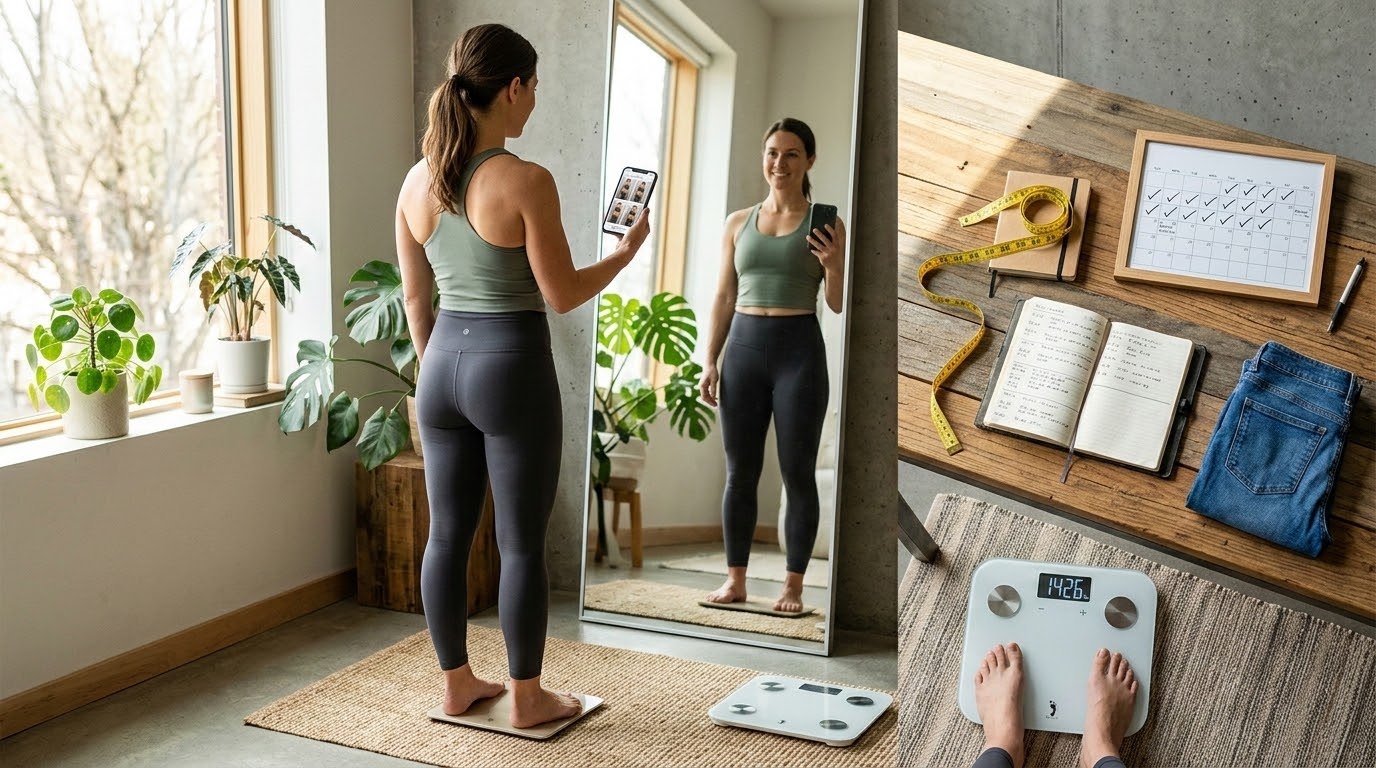
Progress photographs allow side-by-side comparisons over weeks and months.
Body measurements reveal reductions in areas where fat is being lost.

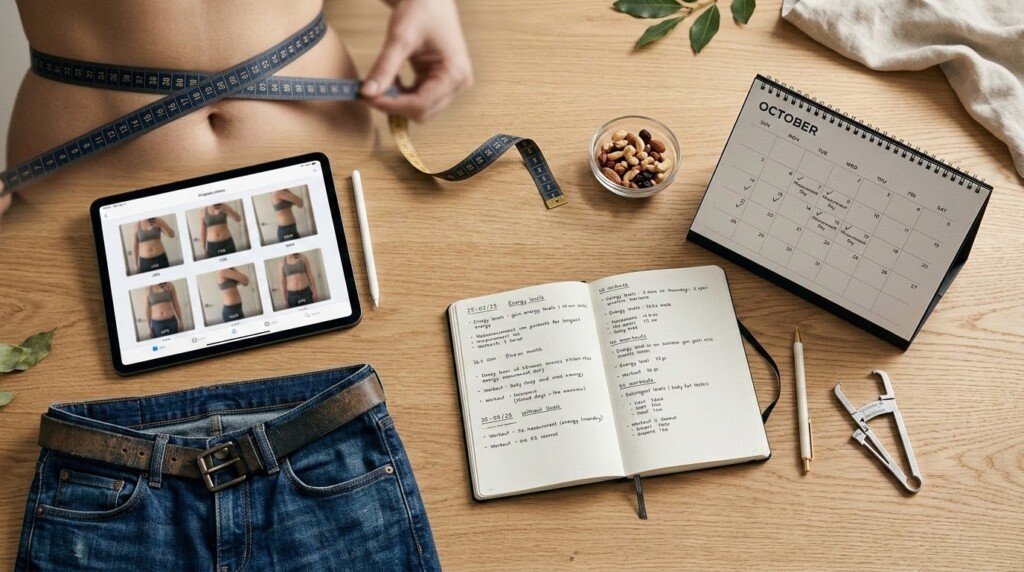
Clothing provides practical feedback because fabric responds to changes in body shape rather than temporary water fluctuations.
Even improvements in posture and muscle definition often become noticeable before dramatic weight changes occur.
Using several tracking methods together creates a much clearer picture of progress because each method measures something slightly different.
Instead of depending on one imperfect indicator, you begin seeing consistent patterns across multiple forms of evidence.
This balanced approach reduces unnecessary discouragement while making it easier to recognize genuine fat loss as it develops.
How Should I Use Progress Photos Effectively?
Progress photos remain one of the most valuable yet underused tracking tools because they reveal gradual changes that are almost impossible to notice in everyday life.
Looking in the mirror every morning makes change difficult to recognize.
Your brain adapts to small daily differences.
Comparing photographs taken weeks apart removes that familiarity and allows subtle improvements to become much easier to identify.
Consistency is essential.
Photos should be taken under similar conditions each time.
Standing in the same location, wearing similar clothing, using consistent lighting, and maintaining comparable posture all improve the accuracy of visual comparisons.
Changing camera angles, different lighting conditions, or loose clothing may create misleading impressions that have little to do with actual body changes.
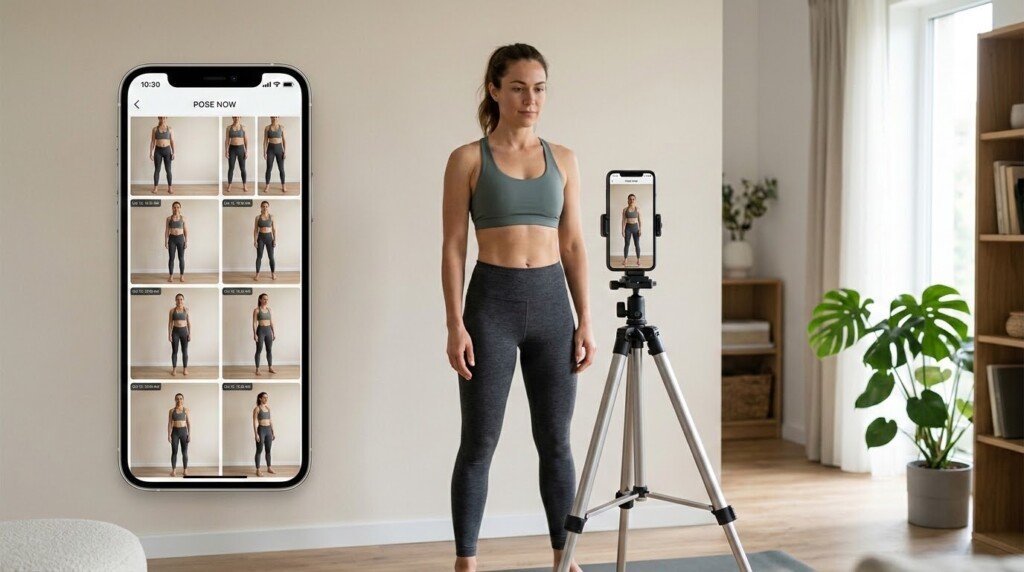
Most people benefit from taking photos from multiple angles.
A front view, side profile, and back view often reveal changes occurring across the entire body rather than only one area.
These perspectives frequently highlight improvements in waist size, posture, shoulder definition, leg shape, and overall body composition.
Another helpful strategy involves spacing photographs appropriately.
Daily photos rarely show meaningful differences.
Weekly or biweekly comparisons usually provide much more useful feedback because enough time has passed for gradual changes to become visible.
Many people discover improvements in progress photos even during weeks when the scale appeared completely unchanged.
This reinforces an important lesson.
Body composition often changes before total body weight reflects those improvements.
Rather than judging each photograph critically, view it as objective evidence documenting your journey.
Every image becomes another chapter showing how consistent healthy habits gradually reshape your body over time.
Which Body Measurements Are Most Indicative of Actual Fat Loss?
Body measurements provide another practical way to track fat loss progress because they directly reflect changes in body size rather than total body weight.
Unlike the scale, a measuring tape is not influenced by temporary water fluctuations to the same degree.
The waist remains one of the most commonly measured areas because abdominal fat often changes noticeably during successful fat-loss efforts.
Hip measurements provide additional information about changes in lower body composition.
Some people also choose to measure the thighs, upper arms, or chest depending on their personal goals and where they tend to store body fat.
The most important factor is consistency.
Measurements should always be taken at approximately the same locations using the same technique.
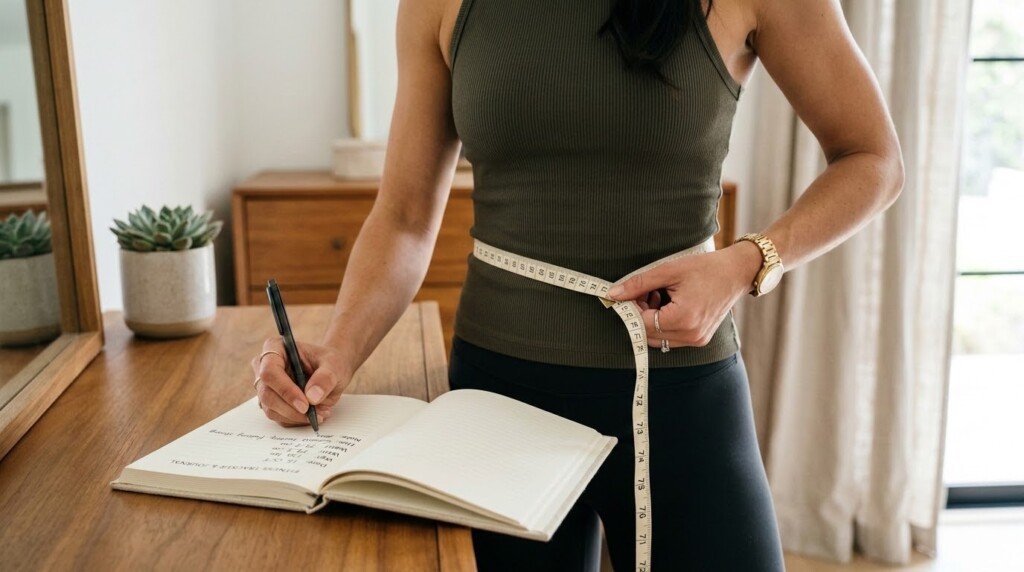
Pulling the measuring tape tighter one week than the next introduces unnecessary variation that makes comparisons less meaningful.
Many people find it helpful to record measurements in a notebook or digital tracker.
Looking back several weeks often reveals gradual reductions that were too subtle to notice from one measurement to the next.
These records become particularly encouraging during periods when body weight appears unchanged.
Body measurements also reinforce a healthier perspective.
Instead of focusing exclusively on becoming lighter, attention shifts toward changes in body shape and composition.
That mindset aligns much more closely with long-term fat-loss goals than simply chasing lower numbers on the scale.
If you are interested in understanding why body composition often provides more meaningful health information than body weight alone, Why Body Composition Matters More Than Weight explores this topic in greater detail.
How Does Clothing Fit Reflect Fat Loss Better Than the Scale Sometimes?
Few tracking methods feel as practical as clothing.
Unlike measurements or photographs, clothing provides continuous real-world feedback during everyday life.
Many people first notice fat loss when jeans button more comfortably, shirts fit differently around the waist, or jackets feel less restrictive across the shoulders.
These observations often occur before significant changes appear on the scale.
This happens because body weight and body shape do not always change at the same rate.
Reducing body fat while maintaining muscle may alter measurements and clothing fit without creating dramatic weight differences.
Water retention can also temporarily mask fat loss on the scale while clothing continues fitting more comfortably.
Another advantage of clothing is that it reflects functional changes rather than isolated numbers.
Comfort during movement improves.
Belts require tighter adjustments.
Clothing that previously felt restrictive begins fitting naturally again.
These everyday experiences provide meaningful evidence that healthy habits are changing your body.
Rather than constantly purchasing smaller clothing, many people keep one pair of jeans or another favorite item specifically for comparison.
Trying it on every few weeks often provides more encouraging feedback than daily weigh-ins because changes become much easier to appreciate.
Clothing should never replace other tracking methods completely.
Instead, it becomes another valuable piece of information that supports the broader picture of gradual, sustainable fat loss.
How Often Should I Weigh Myself, and What Else Should I Track?
One of the most common reasons people become discouraged during a fat-loss journey is weighing themselves too frequently without understanding what the number actually represents. Stepping on the scale every morning may seem like a responsible habit, but when daily fluctuations become the only measure of success, perfectly normal biological changes can feel like failure.
Body weight naturally changes from one day to the next.
Hydration levels fluctuate.
Meals eaten the previous day influence digestive contents.
Sodium intake temporarily affects water retention.
Sleep quality, stress, hormonal changes, and even an intense workout can all cause the scale to move without reflecting any meaningful change in body fat.
This is why successful long-term fat loss should never be judged by one weigh-in.
Instead, the scale works best as part of a larger tracking system.

Many people prefer weighing themselves under similar conditions each time, such as in the morning after using the bathroom and before eating breakfast. Consistent conditions reduce unnecessary variation and make long-term trends easier to interpret.
The focus should always remain on patterns rather than individual numbers.
If body weight temporarily increases while waist measurements become smaller and clothing fits better, those combined indicators often tell a much more encouraging story than the scale alone.
Likewise, if body weight remains relatively stable while progress photos show greater muscle definition, healthier posture, and reduced body fat around the waist, meaningful progress is clearly occurring despite the scale appearing unchanged.
A sustainable approach recognizes that body transformation is multidimensional.
Weight matters.
Body shape matters.
Measurements matter.
Photos matter.
How you physically feel matters.
Looking at all of these together creates a much more accurate understanding of progress than relying on any single measurement.
What Signs Indicate Successful Fat Loss Beyond the Number on the Scale?
One of the biggest mindset shifts during a successful fat-loss journey happens when you stop asking only, “How much do I weigh?” and begin asking, “How is my body changing?”
Many of the earliest indicators of fat loss appear outside the scale.
Your waistline may gradually become smaller.
Muscle definition begins appearing around the shoulders or arms.
Your face may look slightly leaner in photographs.
Stairs become easier to climb without feeling breathless.
Walking longer distances feels comfortable instead of exhausting.
Daily energy often improves as healthier eating and regular movement become consistent.
Sleep quality may improve.
Recovery after exercise frequently becomes faster.
Even posture sometimes changes because stronger muscles support more confident movement.
Another encouraging sign involves confidence itself.
People who consistently follow healthy habits often become more comfortable participating in activities they previously avoided.
Shopping for clothes becomes less stressful.
Taking photographs feels easier.
Physical activity becomes something to look forward to rather than something to fear.
These changes are every bit as meaningful as body weight because they represent improvements in quality of life.
Visible muscle definition can also increase while body weight remains relatively stable.
This is one reason many people mistakenly believe they have stopped making progress.
The scale cannot distinguish between losing body fat while maintaining lean muscle.
That is exactly why understanding why body composition matters more than weight provides such valuable perspective during long-term fat-loss efforts.
True progress should be measured through the overall direction your body is moving rather than by expecting every measurement to improve simultaneously.
When Should I Adjust My Approach Based on My Progress Tracking?
Tracking only becomes valuable when the information helps guide thoughtful decisions.
Many people react too quickly after one disappointing weigh-in or a single week without noticeable changes.
Healthy body transformation rarely follows a perfectly straight line.
Short-term fluctuations are completely normal.
Rather than changing your nutrition or exercise routine every few days, look for longer-term patterns.
If progress photos continue improving, waist measurements gradually decrease, clothing fits more comfortably, and your overall energy remains strong, there may be little reason to make significant adjustments even if body weight appears temporarily unchanged.
On the other hand, if multiple tracking methods consistently suggest that progress has genuinely stopped over an extended period, it may be appropriate to review your current routine.
This does not automatically mean making dramatic changes.
Sometimes improving meal consistency, increasing daily movement, improving sleep, or reducing unnecessary snacking provides enough adjustment to restart progress naturally.
The key is making decisions based on multiple forms of evidence rather than reacting emotionally to one isolated number.
If understanding body composition becomes important during this process, BMI vs Body Fat Percentage explains why different measurements provide different insights without requiring every person to rely on complex testing methods.
Likewise, if your goal is monitoring everyday nutrition habits instead of body changes themselves, Track Healthy Eating Progress focuses specifically on behavior tracking rather than physical fat-loss measurements.
Patience also deserves recognition.
Healthy fat loss develops gradually.
Making major changes too frequently often creates inconsistency rather than faster progress.
Allowing your current strategy enough time to produce measurable results usually provides much more reliable feedback than constantly switching between different approaches.
Putting Your Tracking Methods Together
Instead of depending on one measurement, create a simple tracking system that provides a complete picture of your progress.
Take progress photos under consistent conditions every few weeks.
Record waist and hip measurements at regular intervals.
Notice how your favorite clothes fit.
Observe changes in physical performance and everyday comfort.
Use the scale as one source of information rather than the final verdict.
When these measurements are viewed together, they often reveal steady improvement even during periods when one individual method appears unchanged.
This balanced approach also protects motivation because success is no longer dependent upon one unpredictable number.
Every positive change becomes meaningful.
Every improvement contributes to the larger picture.
Most importantly, tracking begins supporting healthy decision-making instead of creating unnecessary frustration.
Key Takeaways
Learning how to track fat loss progress effectively means looking beyond the bathroom scale. Progress photos, waist and hip measurements, clothing fit, body composition changes, and long-term weight trends provide a much more accurate understanding of fat loss than body weight alone. Because the body naturally experiences daily fluctuations, relying on multiple tracking methods creates a clearer and far more encouraging picture of real progress.
The most successful people do not obsess over one measurement. They evaluate patterns across weeks and months while recognizing that sustainable fat loss changes both appearance and body composition gradually. When progress is viewed from several perspectives instead of one number, it becomes much easier to stay motivated throughout the journey.
Frequently Asked Questions
1. How do I track fat loss without relying on the scale?
Use a combination of progress photos, body measurements, clothing fit, and long-term weight trends. Together, these methods provide a much more complete picture of body fat changes.
2. How often should I take progress photos?
Taking photographs every one to two weeks under consistent lighting, clothing, and camera angles usually provides meaningful comparisons without focusing on daily changes.
3. What body measurements matter most for fat loss?
Waist and hip measurements are commonly used because they often reflect meaningful changes in body composition. Some people also measure the chest, thighs, or upper arms depending on their goals.
4. Should I weigh myself every day?
Daily weighing is not necessary for everyone. If you choose to weigh yourself frequently, focus on long-term trends rather than individual daily fluctuations.
5. Why does my weight stay the same when my clothes fit better?
Body composition can improve while total body weight changes very little. Losing fat while maintaining lean muscle often changes body shape before creating major differences on the scale.
Conclusion
Choosing to track fat loss progress through multiple methods gives you a far more realistic understanding of how your body is changing. The scale provides useful information, but it tells only one small part of the story. Progress photos reveal visual transformation, body measurements document changes in shape, clothing reflects practical improvements, and body composition offers a better picture of long-term health than weight alone.
Perhaps the most important lesson is that successful fat loss is not defined by one number. It is defined by steady improvements that become visible across many areas of your life. When you stop allowing the scale to determine your entire perception of success, you begin appreciating the gradual but meaningful changes that truly represent lasting progress.
Disclaimer:
This post may contain affiliate links. If you purchase through them, we may earn a small commission at no extra cost to you. Also, this content is for informational purposes only and does not substitute professional medical advice.
Ready to Start Your Journey?
Use our free 7-in-1 Weight Loss Toolkit to calculate your numbers and build your plan in minutes.
Open Free Tools →