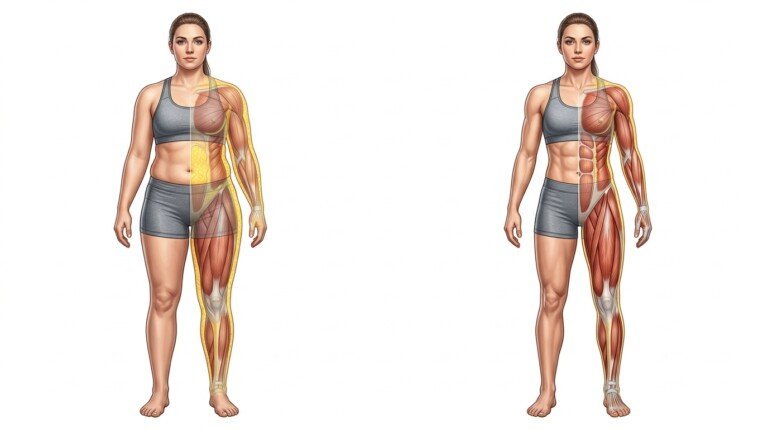


Why You Should Focus on Body Composition, Not Just Weight
Have you ever stepped on the scale after weeks of eating well and exercising consistently, only to find that your weight has barely changed? It can feel discouraging, especially when you’ve been making healthier choices every day. Many people immediately assume they are doing something wrong or that their fat loss has stopped altogether.
In many cases, neither assumption is true.
One of the biggest misunderstandings in weight loss is believing that body weight and body fat are exactly the same thing. They are not. The number displayed on your bathroom scale represents everything your body contains at that moment. It includes fat, muscle, water, glycogen, food in your digestive system, bone, organs, and every other tissue. It cannot tell you what actually changed.
This is why understanding body composition vs weight can completely change the way you judge your progress. Two people can weigh exactly the same while looking completely different because their bodies contain different amounts of fat and lean muscle. Likewise, you can lose body fat while the scale hardly changes, particularly if you’re becoming stronger, retaining temporary water, or improving your overall body composition.
Many people abandon effective fat-loss habits simply because they trust one number without considering the bigger picture. Daily fluctuations caused by hydration, carbohydrate intake, hormones, exercise, and digestion can easily hide genuine fat loss for several days or even weeks.
The real goal is not simply becoming lighter.
The goal is reducing excess body fat while maintaining or improving lean muscle mass. That combination creates healthier body composition, better physical function, and often a leaner appearance, regardless of whether the scale changes dramatically.
This article explains why body composition vs weight is a much more useful way to evaluate fat-loss progress. You’ll learn why the scale often sends misleading signals, how water and glycogen influence body weight, and why focusing on body composition creates a healthier and more realistic perspective throughout your journey.
Quick Answer
Body composition vs weight matters because the scale measures total body weight, not body fat. Water, muscle, glycogen, and normal daily fluctuations can all change body weight without reflecting actual fat loss. Focusing on body composition provides a much clearer picture of long-term health and sustainable fat-loss progress.
What Is Body Composition, and Why Does It Matter More Than Scale Weight?
Most people grow up believing the scale is the ultimate measure of success.
Lower numbers feel encouraging.
Higher numbers feel disappointing.
Unfortunately, this way of thinking ignores one of the most important facts about the human body.
Body weight tells you how much you weigh.
Body composition tells you what that weight is actually made of.
Those two ideas are related, but they are far from identical.
Imagine two individuals who each weigh exactly 170 pounds.
One person has a higher percentage of lean muscle and lower levels of excess body fat.
The other has significantly less muscle and a higher proportion of body fat.
Although both people weigh the same, their health, strength, appearance, and physical performance may be dramatically different.
This example demonstrates why body composition provides much more meaningful information than weight alone.

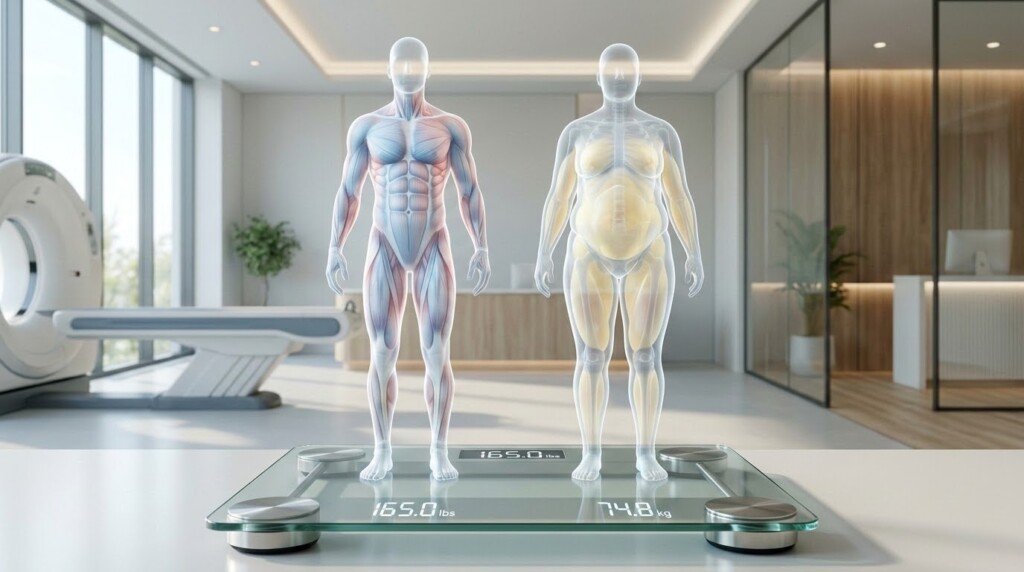
When your goal is fat loss, you are not simply trying to make the number on the scale smaller.
You are trying to reduce excess body fat while preserving as much lean muscle as possible.
That distinction becomes especially important during sustainable weight loss.
Regular resistance training, adequate protein intake, and balanced nutrition often improve body composition even when body weight changes only gradually.
People frequently notice smaller waistlines, improved muscle definition, and better-fitting clothes while the scale remains relatively stable.
Without understanding body composition, these positive changes might easily be overlooked.
Another important reason body composition matters is that healthy living should improve much more than appearance.
Greater strength.
Better mobility.
Improved endurance.
Higher energy levels.
Healthier metabolic function.
These benefits often accompany improvements in body composition regardless of dramatic changes in total body weight.
Instead of asking only, “How much do I weigh?” a more helpful question becomes, “What is changing inside my body?”
That shift creates a healthier, more accurate way to evaluate long-term progress.
What Are the Health Risks of Excess Body Fat, Regardless of Total Weight?
Excess body fat can influence long-term health regardless of total body weight. A more detailed explanation is available in Body Fat, which explores this topic in greater depth.
How Does Muscle Mass Influence Metabolic Rate During Fat Loss?
When people begin losing fat, they often focus almost entirely on reducing body weight.
However, preserving lean muscle deserves equal attention.
Muscle supports far more than physical appearance.
It contributes to strength, balance, everyday movement, healthy aging, and overall physical function.
Maintaining muscle also helps support an active lifestyle throughout the fat-loss journey.
Someone who preserves lean muscle while reducing body fat often experiences greater physical capability than someone who simply loses as much weight as possible regardless of what tissue is being lost.

This is one reason resistance training frequently becomes an important part of sustainable fat loss.
Instead of viewing exercise solely as a way to burn calories, strength training encourages the body to maintain functional lean tissue while body fat gradually decreases.
Over time, this creates noticeable improvements in body composition even if body weight changes relatively slowly.
Many people become discouraged because they expect dramatic decreases on the scale every week.
In reality, improved body composition often develops more gradually while producing much more meaningful long-term benefits.
A deeper explanation of the relationship between lean muscle and metabolism is covered in Muscle and Metabolism.
Another important point is that preserving muscle frequently improves appearance far beyond what scale weight alone can explain.
Someone may weigh nearly the same while looking significantly leaner simply because body composition has improved.
That is exactly why judging progress solely by body weight often creates misleading conclusions.
Why Can Your Weight Fluctuate Daily Without Any Actual Fat Loss?
One of the most frustrating moments during a fat-loss journey is seeing the scale increase despite following your nutrition and exercise plan exactly as intended. It feels unfair. You may have eaten balanced meals, completed your workouts, stayed hydrated, and still watched the number move in the wrong direction overnight.
Fortunately, this situation is far more common than most people realize.
Daily body weight is incredibly dynamic. It responds to far more than body fat. Hydration levels, carbohydrate intake, hormones, digestive contents, sodium consumption, physical activity, sleep quality, and even the weather can all influence the number you see on the scale.
Fat simply does not appear or disappear overnight.

Meaningful fat loss happens gradually through repeated healthy habits over time. The body cannot suddenly gain several pounds of fat after one restaurant meal, just as it cannot eliminate several pounds of body fat after one intense workout. Most dramatic daily changes reflect temporary shifts in water, glycogen, or digestive contents rather than actual fat gain or fat loss.
Understanding body composition vs weight helps remove much of the unnecessary anxiety created by these normal fluctuations. Instead of reacting emotionally to every daily weigh-in, you begin looking at the larger trend while recognizing that temporary changes are part of normal human physiology.
This mindset is especially valuable during sustainable fat loss because it allows you to stay committed to healthy habits instead of constantly changing your approach based on one unpredictable measurement.
How Does Water Retention Impact Body Weight Day to Day?
Water is one of the biggest reasons body weight changes from one day to the next.
The human body carefully regulates fluid balance to support normal biological functions. As a result, the amount of water your body holds can change considerably throughout the week without reflecting any change in body fat.
Eating a meal that contains more sodium than usual often causes temporary water retention.
Long travel days may increase fluid retention because of prolonged sitting.
Poor sleep, psychological stress, hormonal changes, and intense exercise can all influence hydration balance as well.
After a challenging strength-training session, muscles often hold additional water as part of the normal recovery process. Ironically, someone making excellent progress in the gym may temporarily weigh more despite actively improving body composition.
Many people mistakenly interpret these normal responses as fat gain.
In reality, water weight usually changes much faster than body fat.
This is one reason weighing yourself under similar conditions each time provides more useful information than comparing completely different situations. Even then, short-term fluctuations remain perfectly normal.
The important lesson is simple.
A temporary increase on the scale does not automatically mean fat gain.
Likewise, a sudden drop does not necessarily represent rapid fat loss.
Body composition changes much more gradually than daily water balance.
Understanding this difference helps reduce unnecessary frustration while encouraging long-term consistency instead of emotional reactions.

What Role Does Carbohydrate Intake Play in Temporary Weight Changes?
Carbohydrates often receive unfair criticism because many people notice the scale increase after eating them.
The carbohydrate itself is not the problem.
The explanation lies in how the body stores energy.
When carbohydrates are eaten, the body stores part of that energy as glycogen inside muscles and the liver. Glycogen serves as an important fuel source for movement, exercise, and many normal bodily functions.
Glycogen naturally binds with water.
As glycogen stores increase, the body also stores additional water alongside it.
This means someone who increases carbohydrate intake after several days of dieting may notice a higher scale weight within a day or two despite gaining very little, if any, body fat.
The opposite also occurs.
People beginning extremely low-carbohydrate diets frequently experience rapid weight loss during the first week.
Much of this early change reflects reduced glycogen stores and the water associated with them rather than large reductions in body fat.
This explains why short-term weight changes should never be interpreted without context.
A higher carbohydrate meal after intense exercise does not erase previous fat loss.
It simply reflects the body’s normal method of restoring energy reserves.
Rather than fearing these temporary changes, it is more helpful to recognize them as completely expected physiological responses.
When viewed through the lens of body composition vs weight, temporary carbohydrate-related fluctuations become much less concerning because they represent changes in stored energy and hydration rather than meaningful fat gain.
Can Changes in Muscle Mass or Glycogen Stores Cause Noticeable Weight Shifts?
Absolutely.
Although building significant amounts of muscle requires time and consistent training, gradual increases in lean muscle can influence body weight while simultaneously improving body composition.
This often creates confusion for people who judge success only by the scale.
Imagine someone beginning resistance training while following balanced nutrition.
Over several months they lose body fat while maintaining or gradually increasing lean muscle.
The scale may change only modestly.
However, their waist becomes smaller.
Their shoulders become more defined.
Their clothes fit differently.
Friends begin noticing physical changes.
All of these improvements reflect healthier body composition despite relatively stable body weight.
Glycogen contributes to this picture as well.
Muscles constantly store and use glycogen depending on recent activity and carbohydrate intake.
After strenuous exercise, glycogen stores temporarily decrease.
Following recovery meals, they gradually refill.
These normal shifts influence body weight from day to day without representing changes in body fat.
This is why comparing today’s weight with yesterday’s often provides very little useful information.
Looking at long-term trends alongside body composition changes creates a much clearer understanding of progress.
If you want to better understand how body fat differs from body weight, BMI vs Body Fat Percentage explains why different measurements often tell very different stories.
Likewise, when evaluating long-term body changes, Track Fat Loss Progress discusses additional ways to recognize genuine progress beyond daily weigh-ins.
The Scale Is One Measurement, Not the Final Verdict
The bathroom scale has value.
It provides objective information that can help identify long-term trends.
The problem begins when that single number becomes the only measure of success.
Someone can weigh slightly more after an intense workout because muscles are recovering.
Someone can weigh more after eating a carbohydrate-rich meal because glycogen stores have increased.
Someone can weigh more because of hormonal changes or temporary water retention.
None of these situations automatically indicate increased body fat.
At the same time, someone can lose several pounds quickly because glycogen and water stores decreased while body fat changed very little.
Understanding these differences protects you from making emotional decisions based on temporary fluctuations.
Instead of changing your nutrition plan every few days, you begin trusting consistent healthy habits while allowing your body enough time to show meaningful progress.
That patience becomes one of the greatest advantages during sustainable fat loss.
Key Takeaways
Understanding body composition vs weight changes the way you evaluate fat-loss success. The scale measures everything inside your body, including fat, muscle, water, glycogen, and digestive contents, making daily fluctuations completely normal. Body composition provides a much more meaningful picture because it reflects how much of your body consists of lean tissue versus body fat.
Water retention, carbohydrate intake, glycogen storage, and gradual changes in muscle mass can all influence body weight without representing actual fat gain or fat loss. Looking beyond daily scale changes allows you to stay focused on long-term progress instead of becoming discouraged by temporary fluctuations that are simply part of normal physiology.
Frequently Asked Questions
1. Why does my weight fluctuate even when I’m losing fat?
Daily weight changes are often caused by water retention, glycogen storage, digestion, sodium intake, hormones, and hydration rather than changes in body fat.
2. Is body composition more important than weight?
Yes. Body composition provides a better understanding of how much of your body consists of fat and lean muscle, making it a more meaningful indicator of long-term health and fat-loss progress.
3. Why did I gain weight but look leaner?
You may have reduced body fat while maintaining or increasing lean muscle, or you may simply be experiencing temporary water retention. Both situations can improve appearance without lowering body weight.
4. Can eating more carbohydrates make me gain fat overnight?
No. Carbohydrates increase glycogen storage, which naturally attracts water. This temporary weight increase is different from gaining body fat.
5. Should I worry about daily scale fluctuations?
No. Daily changes are normal. Looking at longer-term trends while focusing on body composition provides a much more accurate picture of fat-loss progress.
Conclusion
The biggest mistake many people make during a fat-loss journey is allowing one number on the scale to determine how successful they believe they are. Understanding body composition vs weight helps replace that narrow perspective with a much more accurate understanding of how the body actually changes. Water, glycogen, muscle, and normal physiological processes can all influence body weight from one day to the next without reflecting meaningful changes in body fat.
Instead of chasing lower numbers every morning, focus on the gradual improvements that truly matter. Reducing excess body fat while preserving lean muscle creates healthier body composition, better physical function, and more sustainable long-term results. When you understand what the scale can and cannot tell you, it becomes a useful tool rather than the final judge of your progress.
Disclaimer:
This post may contain affiliate links. If you purchase through them, we may earn a small commission at no extra cost to you. Also, this content is for informational purposes only and does not substitute professional medical advice.
Ready to Start Your Journey?
Use our free 7-in-1 Weight Loss Toolkit to calculate your numbers and build your plan in minutes.
Open Free Tools →