

Sustainable Weight Loss: Boost Diet, Exercise & Mindset
The Real Meaning of Sustainable Weight Loss
When most people think about losing weight, their minds immediately jump to diets — often the latest trend splashed across magazines, Instagram reels, or YouTube fitness channels. Words like “detox,” “cleanse,” or “30-day shred” sound promising because they offer quick results. But here’s the uncomfortable truth: these approaches rarely last. The weight lost often creeps back, sometimes with interest, leaving you more frustrated than before.
This is exactly where the concept of sustainable weight loss comes in. At its core, sustainable weight loss isn’t about chasing a magic number on the scale or following rules you hate until you finally “break.” Instead, it’s about creating a healthy lifestyle you can live with — one that helps you feel stronger, lighter, and more energetic not just for a month, but for years to come. If you want a structured breakdown of how nutrition, training, and mindset work together, this complete weight loss guide explains the full system behind long-term fat loss.
Think of it like this: if weight loss is a journey, fad diets are like trying to sprint a marathon. You might make progress for a short distance, but you’ll quickly run out of steam. Sustainable weight loss is the steady pace you can keep up mile after mile — a pace that doesn’t burn you out, but still gets you to the finish line.
So what does sustainable weight loss actually mean? It means:
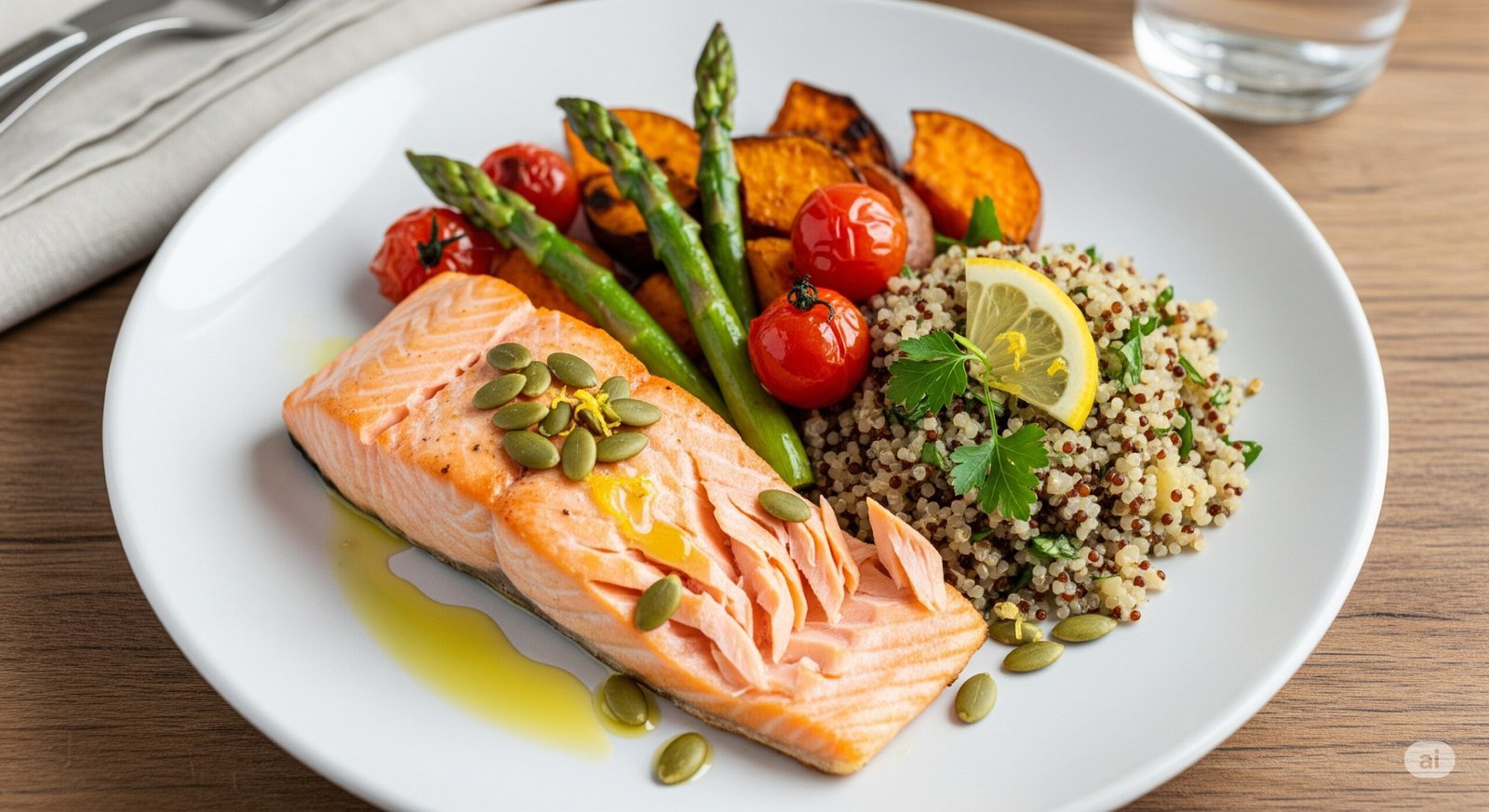
- Balanced eating, not restriction. You fuel your body with whole, nutrient-rich foods while still enjoying your favorite treats in moderation.
- Consistency over perfection. Instead of all-or-nothing rules, you focus on habits you can stick to — even when life gets messy.
- A lifestyle shift, not a temporary fix. You’re not “on a diet.” You’re learning how to live in a way that supports your health naturally.
- Mindset first. Weight loss isn’t just physical; it’s also emotional. Building patience, self-compassion, and resilience is just as important as calories and workouts, especially when you’re developing long-term weight loss habits that actually stick.
The beauty of this approach is that it respects both your goals and your humanity. You don’t have to give up pizza nights with friends, skip birthday cake, or live in the gym to see progress. Instead, you learn to create balance that works in the real world. That’s what makes it sustainable.


Why Most People Fail With Quick Fixes
If quick diets worked, we’d all be walking around at our ideal weight right now. The truth is, the weight-loss industry thrives on repeat customers — people who jump from one trend to the next, always chasing results but never holding onto them. That cycle of excitement, hope, disappointment, and guilt is what keeps the market booming.
The sad part? It’s not because people are weak, lazy, or undisciplined. It’s because the quick-fix approach is designed to fail.
1. They Rely on Restriction, Not Nourishment
Imagine being told you can’t eat carbs ever again. For a week, maybe two, you stick with it. You turn down bread at dinner, push away dessert, and smile politely while sipping black coffee at brunch. But inside, the cravings are building like a storm. Then one stressful day at work hits, and suddenly a single slice of pizza turns into three, followed by ice cream because “you’ve already blown it.”
This isn’t lack of willpower — it’s biology. Your body doesn’t respond well to extremes. Crash diets that slash calories or eliminate entire food groups put your body into survival mode, slowing metabolism and increasing cravings. In the long run, this makes weight loss harder, not easier.


2. They Focus on Speed, Not Sustainability
Losing ten pounds in ten days sounds amazing on paper, but let’s look closer. Most of that initial drop is water weight and glycogen (stored carbohydrates), not fat. When you return to normal eating, the weight bounces back almost immediately. This “yo-yo effect” not only crushes your motivation but also damages your trust in yourself.
Sustainable weight loss works differently. Instead of celebrating how much you lost in a week, you focus on steady progress over months. You don’t just look better; you feel better, sleep better, and actually enjoy the process.
3. They Ignore the Role of Lifestyle
Quick-fix programs rarely prepare you for real life. What happens when you go on vacation? Or when your kid’s birthday party includes cake and soda? Or when stress makes you crave comfort food? If your entire weight loss plan depends on drinking shakes or following a rigid chart, you’re one life event away from failure.
That’s why sustainable weight loss emphasizes flexibility. Instead of rigid rules, you learn adaptable habits. You figure out how to enjoy a slice of cake without guilt, how to balance a big dinner with a lighter lunch, and how to bounce back after a stressful week without throwing everything away.
4. They Overlook Mindset
The biggest reason quick fixes fail isn’t physical at all — it’s mental. Many people believe weight loss is a battle of willpower, but the truth is, willpower alone won’t carry you far. When you rely only on motivation and strict rules, you eventually burn out.
Sustainable weight loss takes a different path. It’s rooted in mindset shifts — learning to see food as fuel, exercise as a gift, and progress as a journey instead of a finish line. That shift is what makes results stick.

The Emotional Toll of Quick Fixes
Beyond the science, let’s talk about the emotional side. If you’ve ever tried and “failed” at a diet, you know the heavy mix of guilt and frustration that follows. You might even tell yourself, “Maybe I’m just not disciplined enough.”
But here’s the truth: it’s not your fault. Quick-fix diets set you up for failure from the start. They’re designed to be temporary, to give you just enough results to believe in them — and just enough rebound to make you buy in again.
That endless loop creates shame and discouragement, which makes starting over even harder. Many people eventually stop trying altogether, not because they can’t succeed, but because they’ve been sold the wrong strategy over and over again.
Breaking free from this cycle begins with understanding that lasting weight loss doesn’t come from extremes — it comes from balance.

The Promise of a Sustainable Approach
Sustainable weight loss works because it aligns with how the human body and mind actually function.
Instead of relying on extreme restriction or short-term motivation, it focuses on building habits that support long-term fat loss, energy, and health.
This approach is built on three interconnected pillars:
- Nutrition that prioritizes balance over restriction
- Movement that is consistent and enjoyable
- Mindset that supports patience, flexibility, and self-trust
These pillars reinforce each other. When nutrition improves, energy increases. When movement becomes consistent, motivation strengthens. When mindset shifts, progress continues even during setbacks.
Rather than chasing fast results, sustainable weight loss creates a system that works with your lifestyle not against it.
Sustainable weight loss is built on three interconnected pillars: nutrition, movement, and mindset.
Nutrition emphasizes balance and consistency rather than restriction. The goal is nourishment that supports energy and long-term adherence.
Movement focuses on regular physical activity that fits your lifestyle. Exercise should be sustainable and enjoyable, not punishing.
Mindset provides the foundation for long-term success. A flexible, patient mindset allows progress to continue even during setbacks.
When these pillars work together, weight loss becomes maintainable instead of temporary.
Why This Works When Nothing Else Does
The beauty of combining diet, exercise, and mindset is that they reinforce one another. When you eat well, you have more energy to exercise. When you exercise, you feel more motivated to eat well. And when your mindset supports your efforts, you keep going even when progress feels slow.
This approach doesn’t promise you’ll lose ten pounds in a week. Instead, it promises something far more valuable: you’ll build a lifestyle that allows you to reach and maintain your healthy weight without giving up the joy of living.

Why Sustainable Weight Loss Matters
Sustainable weight loss improves more than appearance. It supports long-term health, energy levels, mobility, and emotional well-being.
Gradual fat loss reduces strain on the heart and joints, improves blood sugar control, and increases daily energy. Just as importantly, it builds confidence and trust in your ability to maintain healthy habits.
Unlike quick fixes, this approach improves both physical and mental health without creating cycles of restriction and rebound.
Long-Term Health Benefits of Sustainable Weight Loss
The human body is resilient, but it thrives when it’s in balance. Carrying excess weight for long periods places stress on almost every system in your body — from your heart and joints to your hormones and immune system. Choosing a sustainable approach to weight loss allows your body the time and space it needs to heal, adapt, and improve.
Here are some of the long-term benefits:
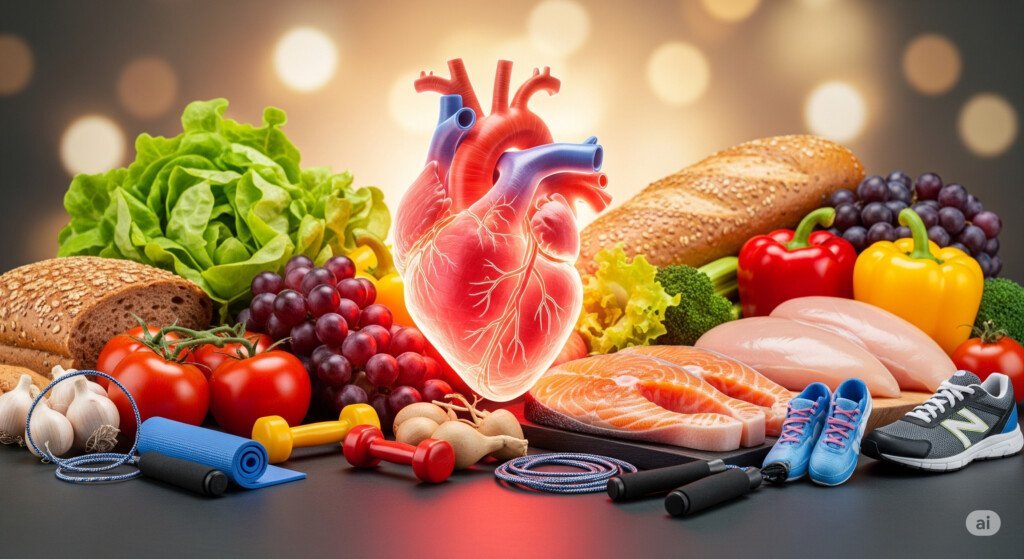
1. Better Heart Health
Obesity is one of the strongest risk factors for cardiovascular disease. Extra weight increases blood pressure, raises cholesterol, and makes your heart work harder with every beat.
When you pursue sustainable weight loss, even modest changes have a big impact. Research shows that losing just 5–10% of body weight can significantly lower blood pressure and improve cholesterol levels. Unlike rapid crash diets that may stress the heart, steady weight loss strengthens it. Over time, you’re not just lighter on the scale — your heart is literally healthier and more resilient.
2. Reduced Risk of Type 2 Diabetes
Carrying excess fat, especially around the belly, makes the body resistant to insulin. This resistance leads to higher blood sugar levels and eventually type 2 diabetes.
Quick-fix diets might temporarily lower glucose, but because they aren’t sustainable, blood sugar often spikes back when old habits return. In contrast, adopting balanced eating patterns — like including fiber-rich foods, lean proteins, and healthy fats — not only helps shed pounds slowly but also stabilizes blood sugar long term. That’s why sustainable approaches are often recommended by doctors as the first line of defense against diabetes.
3. More Energy and Vitality
One of the most underrated benefits of sustainable weight loss is the energy boost it creates. When your body is fueled properly and not constantly swinging between starvation and bingeing, you feel lighter, sharper, and more capable in daily life.
Think of how different your mornings would feel if you woke up refreshed, had steady energy through the afternoon, and didn’t crash after lunch. That’s the kind of vitality sustainable habits create. Instead of living on caffeine and sugar spikes, you start to thrive on natural energy.
4. Joint and Mobility Health
Excess weight doesn’t just affect your internal organs — it also strains your joints. Knees, hips, and lower back bear the brunt, leading to pain, stiffness, and even arthritis over time.
With gradual, sustainable weight loss, pressure on your joints eases naturally. Losing just 10 pounds can reduce up to 40 pounds of force on your knees with every step. That means fewer aches, more freedom of movement, and the ability to stay active as you age.
5. Emotional and Mental Health
While often overlooked, mental health is directly tied to how we approach weight loss. Quick fixes create cycles of guilt, shame, and disappointment. Sustainable approaches, however, build confidence, patience, and self-trust.
As you create lasting habits, you prove to yourself that you can stick with change. That self-belief carries over into other areas of life — from career to relationships — creating a ripple effect of positive change.
Quick Weight Loss vs. Sustainable Weight Loss
It’s easy to get lured in by quick fixes. They promise results in days or weeks, while sustainable approaches ask for patience and consistency. But let’s break down the differences to see why the long game is worth it.
| Aspect | Quick Weight Loss | Sustainable Weight Loss |
|---|---|---|
| Speed | Rapid — lose pounds in days or weeks | Steady — 1–2 pounds per week |
| Method | Extreme restriction, supplements, or fad rules | Balanced eating, enjoyable movement, mindset work |
| Result | Temporary drop, often water weight | Long-lasting fat loss, improved health |
| Impact on Body | Slowed metabolism, nutrient deficiencies, rebound gain | Improved metabolism, steady energy, strong immune system |
| Impact on Mind | Stress, guilt, “all-or-nothing” thinking | Confidence, patience, self-trust |
| Sustainability | Impossible long term | Realistic for life |
The comparison makes it clear: one path leaves you stuck in a cycle of hope and frustration, while the other builds health that lasts.

Common mistakes that prevent long-term weight loss include:
- Relying on crash diets or extreme restrictions
- Expecting rapid results instead of steady progress
- Overtraining while neglecting recovery
- Skipping meals or under-eating
- Ignoring mindset and emotional triggers
Avoiding these mistakes allows habits to compound over time, leading to sustainable results rather than repeated restarts.
Conclusion
Sustainable weight loss is not about extreme diets or rapid results. It is about building habits that support health, energy, and consistency over time.
By focusing on balanced nutrition, regular movement, and a supportive mindset, weight loss becomes a natural outcome rather than a constant struggle.
Instead of chasing quick fixes, this approach creates a lifestyle that supports long-term results and overall well-being.
FAQ
1. What is sustainable weight loss and how is it different from quick fixes?
Sustainable weight loss focuses on gradual, healthy fat loss through a balanced approach involving nutrition, exercise, and mindset. Unlike fad diets or extreme restrictions that promise rapid results, sustainable weight loss aims to maintain results long-term without compromising health. Quick fixes may lead to temporary weight loss, but most people regain it quickly due to muscle loss, nutrient deficiencies, and unsustainable habits.
2. What are the most common mistakes people make while losing weight?
Common mistakes include crash dieting, skipping meals, overtraining, unrealistic goal-setting, and ignoring recovery. These habits often lead to burnout, nutrient deficiencies, and weight regain. Instead, focus on gradual progress, balanced nutrition, and consistent movement.
3. How can I overcome emotional eating and cravings?
Emotional eating is triggered by stress, boredom, or habits rather than true hunger. Strategies include mindful eating, identifying triggers, keeping healthy snacks handy, and practicing stress-relief techniques like meditation or walking. Building awareness and replacing emotional triggers with healthier coping strategies can help prevent overeating.
4. How do I create a sustainable meal plan for weight loss?
A sustainable meal plan balances protein, carbs, and fats, includes plenty of vegetables, and fits your lifestyle. Meal prep for the week, plan snacks, and allow flexibility to prevent burnout. Tracking portions, rotating foods, and applying practical portion control for weight loss ensures long-term adherence without extreme restriction.
5. How long does it take to see results with sustainable weight loss?
Results vary by individual, but a safe, sustainable rate is 1–2 pounds per week. Significant visible changes often appear within 4–12 weeks, depending on consistency, diet quality, and activity levels. The key is focusing on habit-building, not quick fixes, for lasting transformation.
Disclaimer:
This post may contain affiliate links. If you purchase through them, we may earn a small commission at no extra cost to you. Also, this content is for informational purposes only and does not substitute professional medical advice.
Ready to Start Your Journey?
Use our free 7-in-1 Weight Loss Toolkit to calculate your numbers and build your plan in minutes.
Open Free Tools →