BMI vs Body Fat Percentage: Which Is a Better Measure of Health?
Walk into almost any doctor’s office, gym, or health screening event, and one of the first numbers you’ll often hear is your Body Mass Index, better known as BMI. For decades, BMI has been widely used to classify body weight and estimate health risk. It is simple, quick, and inexpensive, making it one of the most common screening tools in healthcare.
However, many people have started asking an important question: Is BMI really the best way to measure health?
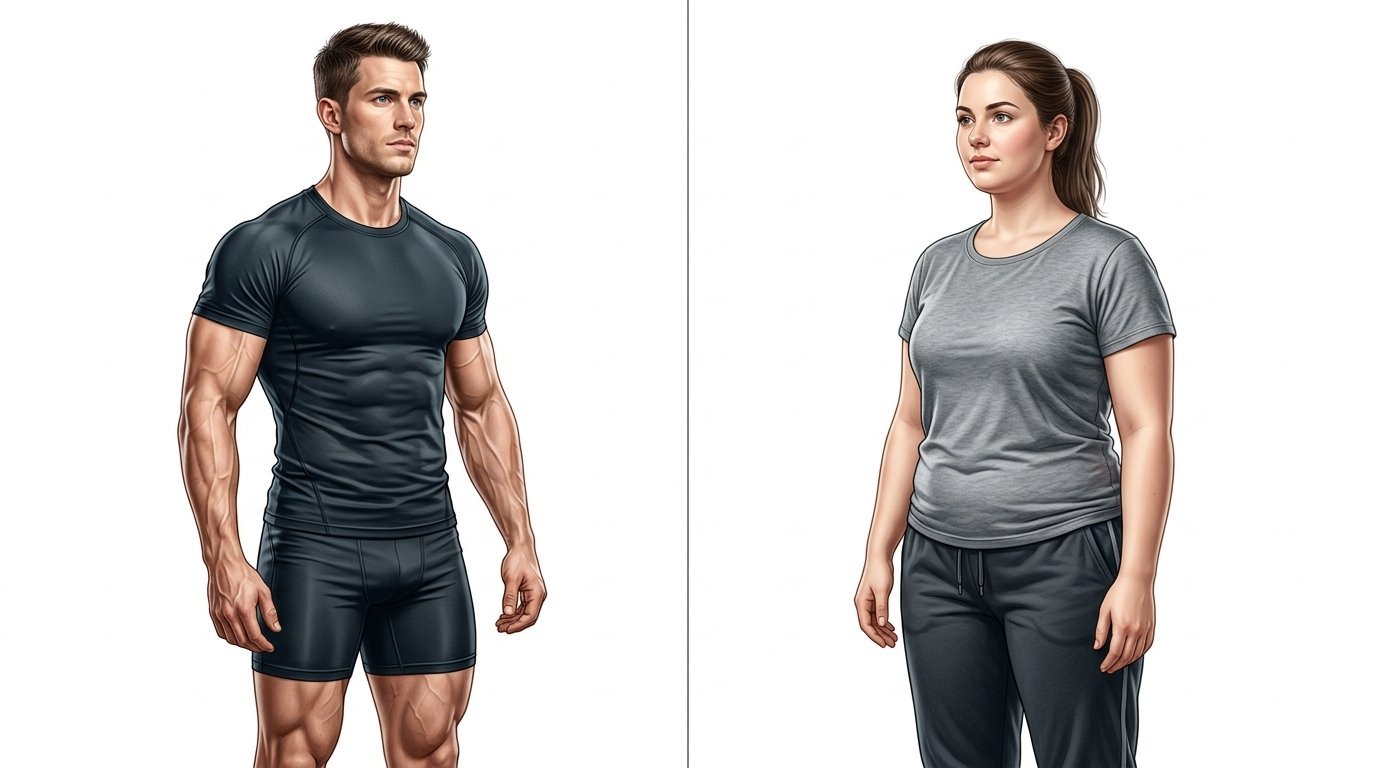
Imagine two people who have exactly the same BMI. One is a strength athlete with high muscle mass and low body fat. The other has relatively little muscle but carries excess body fat around the abdomen. Although their BMI is identical, their body composition and potential health risks may be very different.
This is where body fat percentage becomes valuable.
Unlike BMI, which considers only height and weight, body fat percentage estimates how much of your body is made up of fat tissue compared with lean tissue such as muscle, bones, and organs. It provides a more detailed picture of body composition and often explains why two people with the same body weight can look completely different.
That does not mean BMI is useless. In fact, BMI remains an effective population-level screening tool that helps identify people who may benefit from further health assessment. The key is understanding what BMI can and cannot tell you.
Understanding BMI vs Body Fat Percentage allows you to interpret these measurements more accurately and avoid common misconceptions about healthy weight. Rather than focusing on one number alone, it is often more helpful to consider multiple indicators that together provide a clearer picture of overall health.
In this article, you’ll learn what BMI measures, what body fat percentage tells you, whether BMI is an accurate health measure, when body fat percentage provides additional insight, which measurement you should track, whether someone can have a healthy BMI but high body fat, and why using both measurements together often offers the most complete understanding of body composition.
What Is BMI?
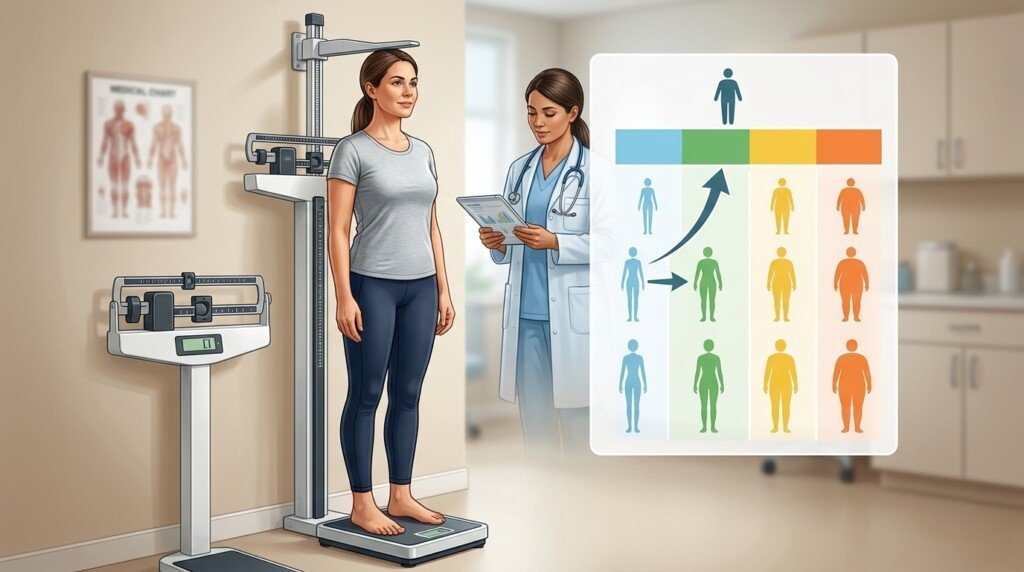
Body Mass Index, commonly called BMI, is a simple measurement that estimates body weight relative to height.
It has been used for many years as a screening tool to identify individuals who may have a higher likelihood of weight-related health concerns.
Although BMI is widely used, it is important to understand exactly what it measures.

BMI Uses Only Height and Weight
BMI is calculated using only two measurements:
- Height
- Weight
It does not directly measure body fat, muscle mass, bone density, or body composition.
Instead, it provides a general estimate based on body size.
BMI Is a Screening Tool
Healthcare professionals often use BMI as an initial screening method rather than a diagnostic test.
It helps identify people who may benefit from additional health assessments.
BMI alone cannot determine whether someone is healthy or unhealthy.
BMI Is Useful for Large Populations
One reason BMI remains popular is its simplicity.
Because it is quick and inexpensive, researchers use BMI to study health trends across large groups of people.
This makes it valuable for public health research even though it has limitations for individual assessment.
BMI Does Not Measure Body Composition
Two people with identical BMI values may have very different bodies.
One person may have:
- High muscle mass
- Low body fat
- Excellent fitness
Another person may have:
- Lower muscle mass
- Higher body fat
- Different metabolic characteristics
BMI cannot distinguish between these differences.
BMI Should Be Viewed as a Starting Point
Rather than providing a complete health picture, BMI offers a useful starting point for understanding body size.
Additional measurements often provide much more meaningful information about body composition.
The relationship between body size and fat tissue is explained further throughout Body Fat, where the different functions of adipose tissue are discussed in greater detail.
What Is Body Fat Percentage?
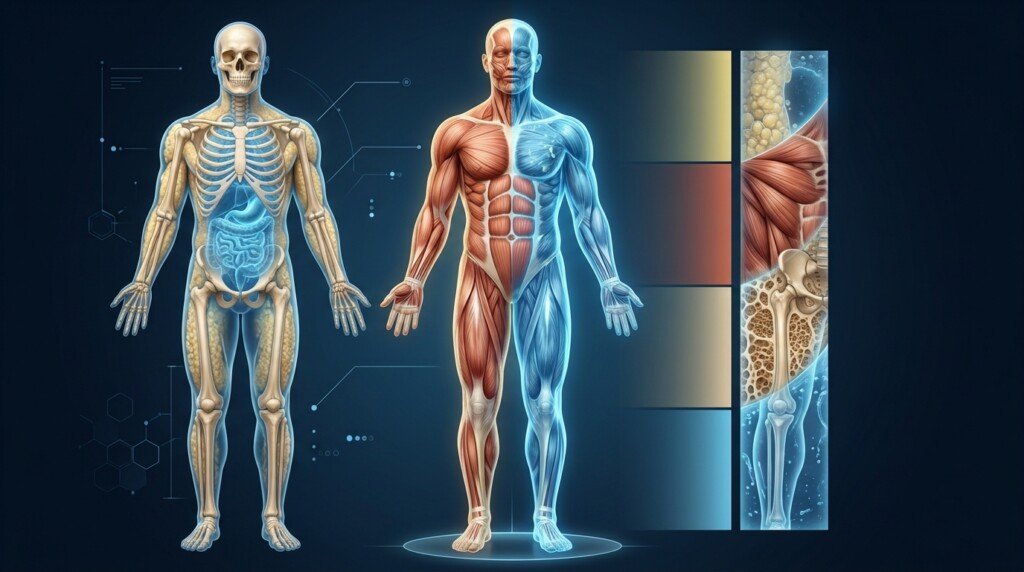
Body fat percentage measures how much of your total body weight consists of fat tissue.
Unlike BMI, it focuses on body composition instead of body weight alone.
For many people, this provides a more detailed understanding of overall health.
Body Fat Percentage Measures Composition
Your total body weight consists of many different tissues, including:
- Fat
- Muscle
- Bones
- Organs
- Water
Body fat percentage estimates what proportion of that weight is body fat.
It Distinguishes Fat From Muscle
One of the biggest advantages of body fat percentage is that it separates fat tissue from lean tissue.
This helps explain why two people with identical body weights can have very different body compositions.
Body Composition Matters
Body composition often provides more meaningful information than body weight alone.
Healthy body composition reflects a balanced relationship between:
- Lean muscle
- Body fat
- Bone mass
- Water
This broader perspective helps people evaluate health more accurately.
Several Measurement Methods Exist
Body fat percentage can be estimated using several techniques.
Although each method has advantages and limitations, all attempt to estimate the proportion of fat within the body rather than simply measuring body weight.
The science behind these measurements is explored further throughout Body Fat Percentage, where common assessment methods are discussed in more detail.
Tracking Trends Is Often More Helpful
Rather than focusing on a single measurement, observing gradual changes over time often provides better insight into long-term progress.
Healthy body composition develops through consistent lifestyle habits rather than rapid short-term changes.
Is BMI an Accurate Health Measure?
BMI is accurate for what it was designed to do.
However, it has important limitations when evaluating individuals.
Understanding these strengths and weaknesses helps prevent unnecessary confusion.
BMI Works Well for Population Studies
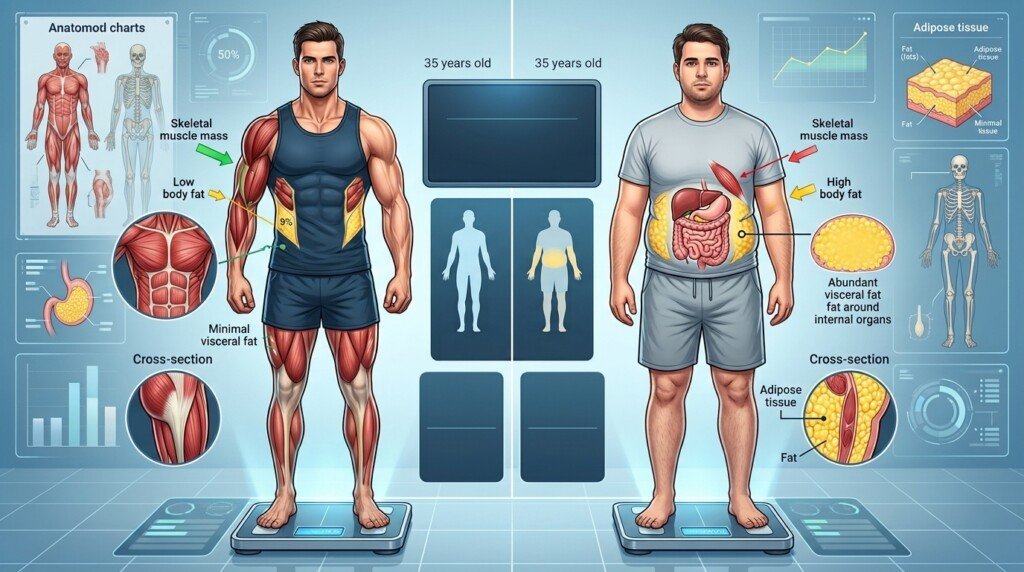
Researchers frequently use BMI because it reliably identifies trends across large populations.
Higher BMI values are associated with increased rates of several chronic health conditions at the population level.
Individual Results May Differ
People are individuals, not averages.
Athletes, older adults, and highly muscular individuals may receive BMI classifications that do not accurately reflect their body composition.
This is one reason BMI should never be interpreted without additional context.
Muscle Can Influence BMI
Muscle weighs more than the same volume of fat.
People with substantial lean muscle mass may have higher BMI values despite having relatively low body fat percentages.
Conversely, someone with limited muscle mass may have a BMI within the normal range while carrying higher levels of body fat.
BMI Does Not Show Fat Distribution
BMI cannot indicate where body fat is stored.
This matters because fat stored around the abdomen may influence health differently than fat stored beneath the skin.
Understanding fat location is discussed further throughout Metabolic Health, where body composition and health risks are explored more broadly.
BMI Remains Useful
Despite its limitations, BMI continues to serve as a valuable first screening tool.
The key is recognizing that it represents only one piece of the overall health picture.
Is Body Fat Percentage More Useful?
In many situations, yes.
Body fat percentage provides information that BMI cannot.
Because it measures body composition directly, it often offers a more individualized understanding of health.
It Reflects Actual Fat Levels
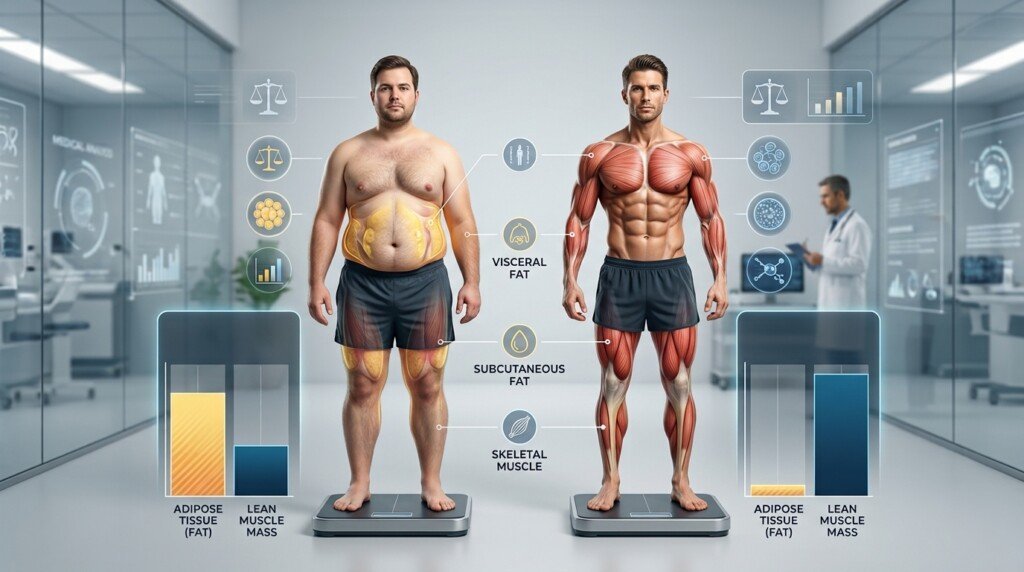
Body fat percentage estimates how much fat tissue your body contains.
This provides information that BMI simply cannot measure.
It Helps Explain Physical Differences
Two people with identical BMI values may have dramatically different body fat percentages.
This explains why body weight alone often fails to describe overall fitness or appearance.
Lean Muscle Is Considered
Body fat percentage accounts for lean tissue.
People who regularly perform resistance training often benefit from this additional perspective because muscle development is reflected more accurately.
It Supports Long-Term Progress Tracking
Monitoring body fat percentage over time can help identify improvements in body composition even when body weight changes very little.
Many people notice positive changes in strength, waist circumference, and muscle definition before seeing dramatic changes on the scale.
It Should Still Be Interpreted Carefully
No single measurement tells the complete story.
Body fat percentage is valuable, but it works best when considered alongside other indicators of overall health rather than viewed in isolation.
Which Measurement Should You Track?
If your goal is improving overall health rather than simply changing the number on the scale, the answer is not choosing one measurement over the other. Instead, it is understanding what each measurement tells you and using the right tool for the right purpose.
BMI and body fat percentage provide different information. Together, they offer a more complete picture of your body composition than either measurement alone.
Track BMI for General Weight Screening
BMI remains useful as a quick overview of body size.
Because it is simple and widely used, it provides a starting point for understanding whether your weight falls within commonly recognized categories.
For many people, BMI offers an easy way to monitor long-term weight trends.
Track Body Fat Percentage for Body Composition
If your goal is improving body composition, body fat percentage often provides more meaningful information.
It helps you understand whether changes in body weight are coming from:
- Fat loss
- Muscle gain
- Water fluctuations
This makes it particularly valuable for people who exercise regularly.
Consider Waist Circumference
Waist circumference adds another useful piece of information.
Abdominal fat distribution may provide additional insight into metabolic health that BMI alone cannot identify.
Monitoring waist measurements alongside body fat percentage often creates a clearer picture of progress.
Look Beyond One Number
Health cannot be summarized by a single measurement.
Factors that also influence overall health include:
- Physical activity
- Blood pressure
- Sleep quality
- Nutrition
- Muscle strength
- Fitness level
Using multiple indicators provides a broader understanding of your well-being.
Focus on Long-Term Trends
Daily measurements often fluctuate because of water balance, food intake, and normal biological variation.
Looking for gradual improvements over weeks and months is far more useful than reacting to small day-to-day changes.
Can You Have a Healthy BMI but High Body Fat?
Yes.
This situation is more common than many people realize.
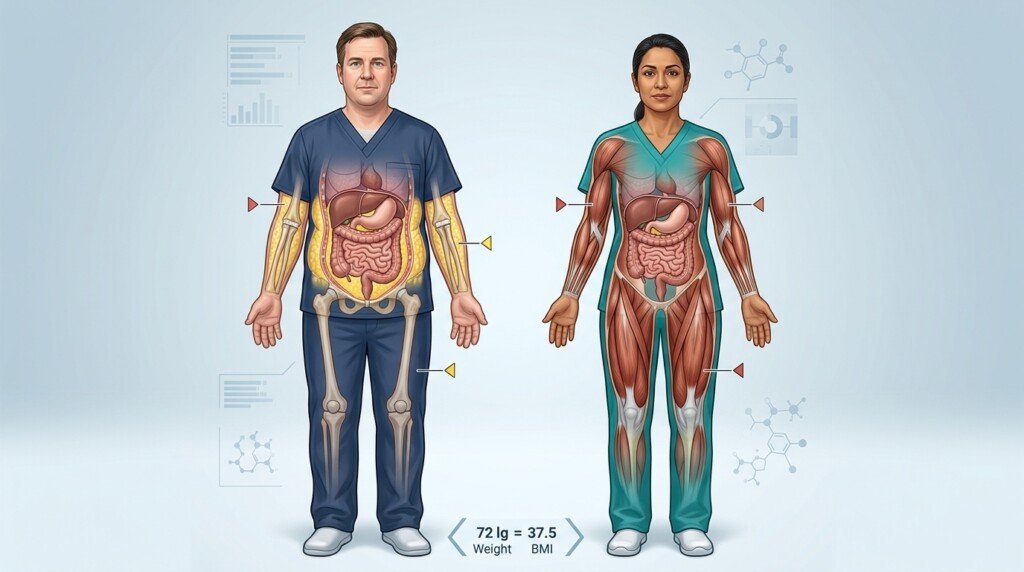
Someone can have a BMI that falls within the normal range while still carrying a relatively high percentage of body fat and lower amounts of lean muscle.
This body composition pattern is sometimes referred to as Skinny Fat Visceral Fat.
Body Weight Does Not Reveal Composition
Two people may weigh exactly the same while having very different proportions of:
- Fat
- Muscle
- Bone
- Water
BMI cannot distinguish between these tissues.
This is why two individuals with identical BMI values can look completely different.
Low Muscle Mass Can Change the Picture
A person with limited muscle mass may maintain a normal body weight while carrying a higher proportion of body fat.
Although BMI appears normal, body composition may tell a different story.
Fat Distribution Also Matters
Where fat is stored may influence overall health.
For example, carrying more fat around the abdomen may have different metabolic implications than storing more fat beneath the skin around the hips or thighs.
BMI cannot identify these differences.
Appearance Can Be Misleading
Someone may appear relatively lean while still having higher levels of body fat than expected.
Likewise, muscular individuals may appear heavier according to BMI despite having relatively low body fat.
This highlights why body composition provides valuable context.
Healthy Habits Remain the Priority
Rather than focusing only on reaching a specific BMI, aim to improve overall body composition through:
- Regular physical activity
- Balanced nutrition
- Strength training
- Quality sleep
- Consistent healthy habits
These behaviors support long-term health regardless of one specific measurement.
When Should You Use Both Measurements?
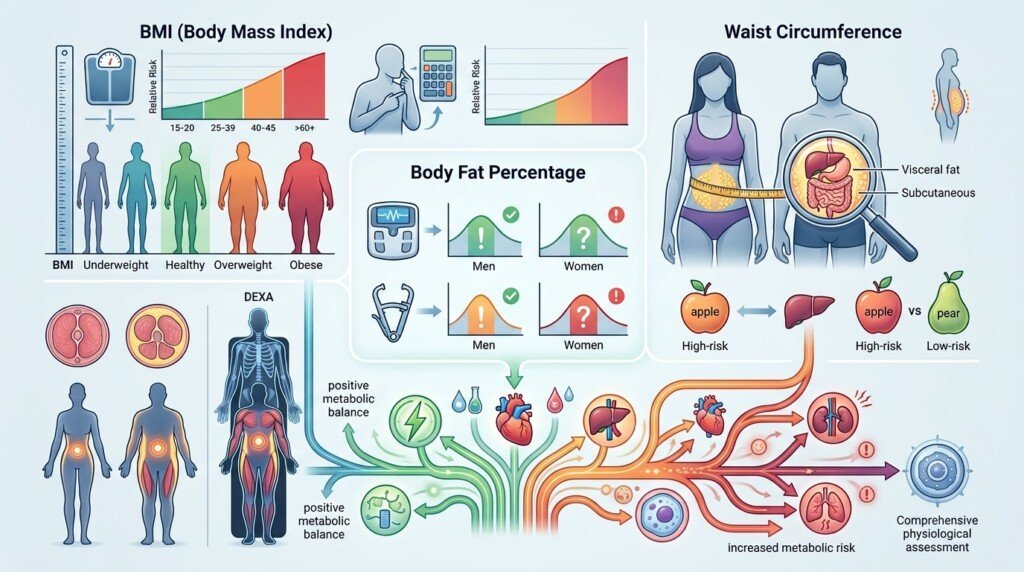
In many situations, combining BMI with body fat percentage provides the clearest understanding of overall health.
Each measurement compensates for the limitations of the other.
BMI Provides Context
BMI offers a quick overview of body size and remains valuable for identifying people who may benefit from additional health assessment.
It serves as an effective first screening tool.
Body Fat Percentage Adds Detail
Body fat percentage explains what BMI cannot.
It helps distinguish between:
- Lean muscle
- Fat tissue
- Overall body composition
This additional information improves interpretation of body weight.
Together They Improve Understanding
Using both measurements together allows you to evaluate:
- Overall body size
- Body composition
- Long-term progress
- Physical fitness
This combination provides far more useful information than relying on either measurement alone.
Combine Measurements With Healthy Habits
Numbers alone never define health.
Long-term well-being depends on consistent lifestyle behaviors including:
- Regular movement
- Balanced nutrition
- Strength training
- Restorative sleep
- Stress management
Measurements simply help monitor progress.
Think About the Whole Picture
The goal is not achieving one perfect number.
Instead, focus on improving overall health through sustainable lifestyle habits that support healthy body composition and long-term metabolic function.
Understanding both Body Fat and Body Fat Percentage provides valuable context that BMI alone cannot offer. When these measurements are considered alongside healthy daily habits and overall Metabolic Health, they become much more meaningful than any single number on its own.

Frequently Asked Questions
1. What is the difference between BMI and body fat percentage?
BMI estimates body size using height and weight, while body fat percentage estimates how much of your body is made up of fat tissue. Body fat percentage provides more information about body composition.
2. Is BMI an accurate measure of health?
BMI is a useful screening tool for assessing body size across large populations, but it does not measure body fat, muscle mass, or fat distribution. It should be interpreted alongside other health indicators.
3. Is body fat percentage better than BMI?
For understanding body composition, body fat percentage generally provides more detailed information than BMI. However, both measurements have value and are often most useful when considered together.
4. Can you have a healthy BMI but still have high body fat?
Yes. Some individuals have a BMI within the normal range while carrying relatively high levels of body fat and lower amounts of lean muscle. This demonstrates one limitation of relying on BMI alone.
5. Which measurement should I track?
If possible, monitor both BMI and body fat percentage over time. Together they provide a more complete understanding of body composition than either measurement alone.
Final Thoughts
Understanding BMI vs Body Fat Percentage reveals that neither measurement tells the complete story on its own. BMI remains a valuable screening tool because it is simple, inexpensive, and useful for identifying general weight trends across large populations. However, it cannot distinguish between fat, muscle, bone, or other components of body composition, which limits its usefulness for evaluating an individual’s overall health.
Body fat percentage provides a more detailed picture by estimating how much of your body consists of fat tissue compared with lean mass. This additional information explains why two people with identical BMI values can have very different body compositions, fitness levels, and potential health risks. It also makes body fat percentage especially valuable for tracking changes during strength training or long-term weight management.
The most practical approach is to avoid relying on a single number. Combining BMI, body fat percentage, waist circumference, physical activity, nutrition, sleep, and overall lifestyle habits provides a much more meaningful understanding of health than any individual measurement alone. By focusing on long-term improvements in body composition rather than chasing one specific number, you can build sustainable habits that support healthier aging, better metabolic health, and lasting well-being.
Disclaimer:
This post may contain affiliate links. If you purchase through them, we may earn a small commission at no extra cost to you. Also, this content is for informational purposes only and does not substitute professional medical advice.
Ready to Start Your Journey?
Use our free 7-in-1 Weight Loss Toolkit to calculate your numbers and build your plan in minutes.
Open Free Tools →