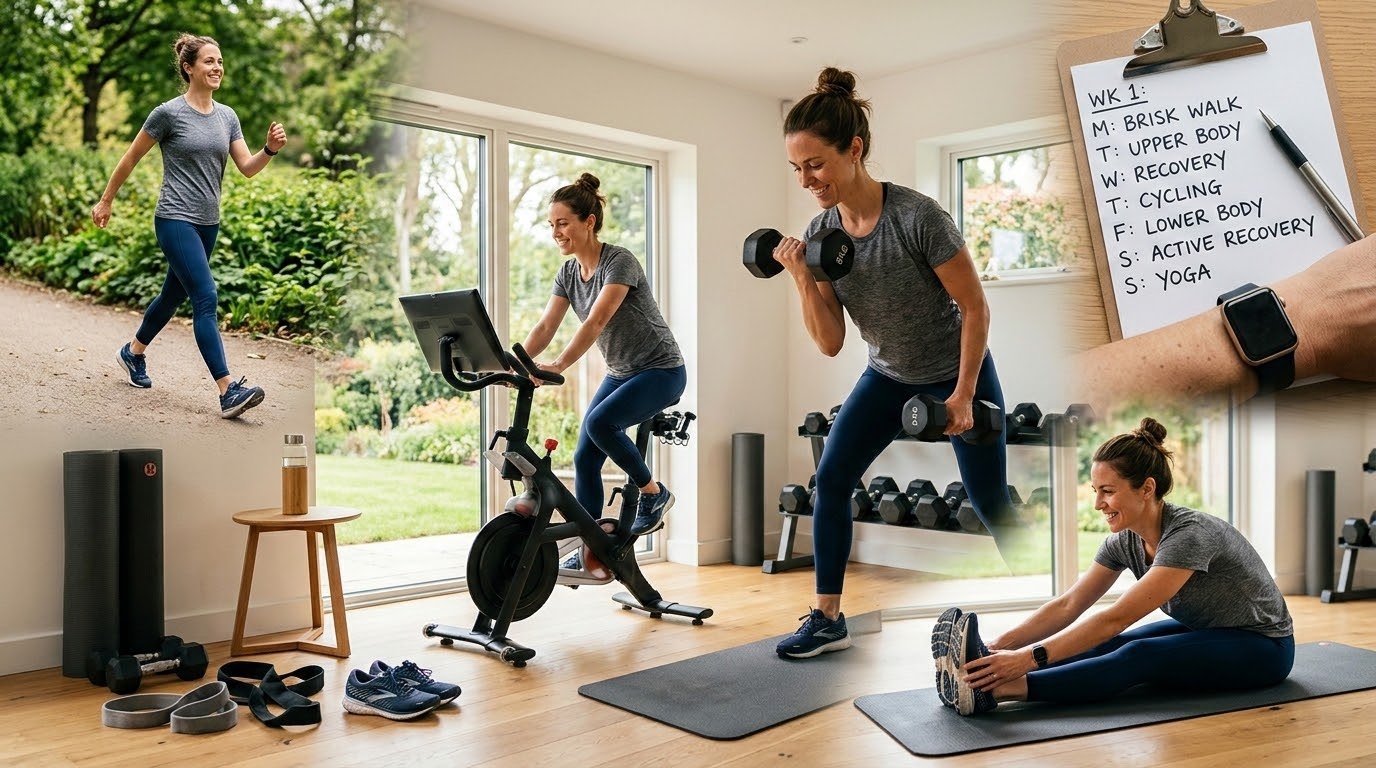
How to Incorporate Exercise Into a Sustainable Fat Loss Routine
Many people begin exercising with one goal in mind: burn as many calories as possible. They search for the workout that promises the fastest fat loss, the hardest cardio session, or the most intense training program they can find. For a few weeks, this approach often feels exciting. Motivation is high, workouts are challenging, and every drop of sweat feels like proof that progress is happening.
The problem is that intensity alone rarely creates long-term success.
When workouts become exhausting, difficult to recover from, or impossible to fit into a busy schedule, consistency begins to disappear. Missing one session turns into skipping an entire week, and eventually many people stop exercising altogether. The issue is not a lack of determination. It is that the routine was built around maximum effort instead of long-term sustainability.
This is why exercise for sustainable fat loss looks very different from exercise designed purely to produce rapid short-term results. Rather than asking, “What burns the most calories today?” a sustainable approach asks, “What type of movement can I realistically continue doing six months from now?”
That shift changes everything.
The most effective exercise routine is not necessarily the hardest one. It is the one that becomes a regular part of your life. Walking after dinner, strength training a few times each week, cycling on weekends, swimming, hiking, or combining different activities throughout the week may not feel dramatic, but they create something far more valuable: consistency.
Exercise also provides benefits that extend well beyond calorie burning. Regular movement improves cardiovascular fitness, supports better sleep, increases daily energy, reduces stress, strengthens muscles and bones, improves mobility, and often makes maintaining healthy eating habits easier. These improvements reinforce one another, making healthy living feel more rewarding over time.
Another important point is that sustainable fat loss is rarely achieved through one form of exercise alone. Cardio, resistance training, and higher-intensity workouts each contribute differently. Instead of viewing them as competitors, understanding how they complement one another allows you to build a balanced routine that supports both fat loss and long-term health.
This article explains how to create an exercise for sustainable fat loss routine that is realistic, adaptable, and enjoyable enough to become part of your everyday life rather than another temporary fitness challenge.
Quick Answer
The best exercise for sustainable fat loss combines regular cardiovascular activity, resistance training, and consistent daily movement within a routine that fits your lifestyle. Instead of relying on extreme workouts, long-term success comes from exercising regularly, gradually increasing fitness, and choosing activities you genuinely enjoy enough to continue for years.
What Types of Exercise Work Best for Sustainable Fat Loss?
Many people believe there is one perfect workout for losing fat.
Some insist cardio is the answer.
Others claim weight training is all you need.
Some promote high-intensity interval training as the fastest solution.
The reality is much more balanced.
Each type of exercise offers different benefits, and combining them often produces the most sustainable results.
Cardiovascular exercise improves heart health, increases daily energy expenditure, and supports endurance.
Resistance training helps maintain strength, improves physical function, and supports an active lifestyle.
Higher-intensity workouts provide variety while improving cardiovascular fitness within shorter training sessions.
Rather than choosing one approach exclusively, successful long-term routines usually include a mixture of these activities.
Another important consideration is enjoyment.


The most effective exercise is the one you consistently perform.
Someone who dislikes running but enjoys cycling will likely make better long-term progress through cycling because consistency outweighs theoretical calorie differences between activities.
Daily movement also deserves recognition.
Walking the dog, taking stairs, gardening, household chores, recreational sports, and simply moving more throughout the day all contribute to overall activity levels.
Although these activities may seem less impressive than structured workouts, their cumulative effect often becomes substantial over months and years.
A balanced exercise routine focuses less on finding one magical workout and more on creating enough enjoyable movement to support lifelong health.
How Do Cardio, Strength Training, and HIIT Each Contribute Differently to Fat Loss?
Understanding the unique role of each exercise style helps remove the unnecessary competition between them.
Cardio primarily improves cardiovascular health while increasing energy expenditure during activity.
Walking, jogging, cycling, swimming, rowing, dancing, hiking, and many recreational sports all fall into this category.
Cardio often becomes the easiest entry point for beginners because intensity can be adjusted according to individual fitness levels.
Walking, for example, remains one of the most accessible forms of exercise while still supporting sustainable fat loss when performed consistently.
Strength training contributes differently.
Instead of focusing mainly on calories burned during exercise, resistance training improves physical strength, supports functional movement, and helps maintain muscle while reducing body fat.
Daily activities such as carrying groceries, climbing stairs, lifting children, or moving furniture become easier as overall strength improves.
Strength training also provides long-term benefits that extend well beyond appearance by supporting healthy aging, balance, and bone health.
High-Intensity Interval Training, commonly called HIIT, alternates short periods of vigorous effort with recovery intervals.
These sessions can improve cardiovascular fitness while offering an efficient option for individuals who enjoy higher-intensity exercise.
However, HIIT should complement a balanced routine rather than replace all other forms of movement.
Because of its demanding nature, performing only high-intensity workouts may increase fatigue, reduce recovery, and become difficult to sustain for many beginners.
When these three approaches are viewed as partners instead of competitors, exercise becomes far more adaptable.
Some days may involve strength training.
Others may include brisk walking or cycling.
Occasionally, a shorter HIIT workout adds variety.
Together they create a balanced routine capable of supporting long-term consistency.
How Often Should I Exercise for Sustainable Results?
One of the most common mistakes beginners make is believing they must exercise every day to make meaningful progress.
This expectation often creates unnecessary pressure.
Missing one workout suddenly feels like failure, making it easier to abandon the routine altogether.
A more sustainable approach focuses on consistency across weeks and months rather than perfection during individual days.
For most people, several structured exercise sessions each week combined with regular daily movement provide an excellent foundation.
Walking whenever possible, remaining physically active throughout the day, and gradually increasing exercise frequency as fitness improves creates steady progress without overwhelming recovery.
Rest days also deserve attention.
Recovery allows the body to adapt to training while reducing fatigue and lowering injury risk.
Treating rest as part of the exercise plan rather than a sign of weakness helps maintain consistency over much longer periods.
Flexibility is equally important.
Some weeks may include four structured workouts.
Other weeks may include only two because work, travel, illness, or family responsibilities become priorities.
This variation does not erase progress.
Returning to the routine as soon as practical matters far more than maintaining a perfectly identical schedule every week.
Long-term success comes from viewing exercise as a lifelong habit rather than a temporary challenge requiring flawless attendance.
What’s a Good Starting Routine for Someone New to Fitness?
Beginners often believe they need advanced workout programs to make meaningful progress.
In reality, starting with manageable routines usually produces much better long-term adherence.
An effective beginner routine emphasizes building confidence before increasing intensity.
Walking several days each week provides an excellent starting point because it requires little equipment while improving cardiovascular fitness.
Adding two or three basic strength-training sessions using bodyweight movements or simple resistance exercises introduces muscular development without overwhelming recovery.
Exercises such as squats, wall push-ups, step-ups, glute bridges, rows with resistance bands, and light dumbbell movements teach proper movement patterns while improving functional strength.
Mobility work can also become part of the weekly routine.
Gentle stretching, yoga, or simple mobility exercises improve flexibility while helping the body recover between workouts.
Most importantly, beginners should resist the urge to constantly compare themselves with experienced exercisers.
Fitness develops gradually.
Every completed walk, every strength session, and every healthy routine contributes to future progress.
Building confidence through small, consistent successes creates a much stronger foundation than attempting advanced workouts that quickly become unsustainable.
What Are the Best Cardio Options Specifically for Fat Loss?
Cardio has been associated with fat loss for decades, and for good reason. It increases energy expenditure, strengthens the heart, improves endurance, and encourages a more active lifestyle. However, many people mistakenly believe that every cardio session must leave them exhausted to be effective. In reality, the best cardio routine is not necessarily the one that burns the most calories in a single workout. It is the one you can continue performing week after week without dreading it.
A sustainable approach begins by recognizing that cardio is simply movement with a purpose. It does not have to mean running endless miles on a treadmill. Walking through your neighborhood, cycling on local trails, swimming laps, rowing, hiking, dancing, or participating in recreational sports all qualify as valuable forms of cardiovascular exercise.
Enjoyment matters far more than people often realize.
Someone who genuinely enjoys cycling is likely to complete far more sessions over the course of a year than someone who forces themselves to run despite hating every minute of it. The accumulated consistency almost always produces greater long-term benefits than choosing an exercise solely because it burns slightly more calories.

Walking deserves particular attention because it remains one of the most underestimated forms of exercise. It requires no special skills, places relatively little stress on the joints, fits easily into most schedules, and can be performed almost anywhere. Walking after meals, taking longer routes during errands, or simply increasing daily step counts creates meaningful improvements when repeated consistently.
Cycling offers another excellent option by providing cardiovascular benefits while reducing impact on the knees and ankles compared with some higher-impact activities. Swimming combines aerobic exercise with full-body movement, making it especially attractive for individuals with joint discomfort or those seeking variety.
The key lesson is simple.
Choose activities that make you want to return tomorrow.
That mindset creates a routine capable of lasting for years instead of only a few enthusiastic weeks.
Is HIIT More Effective Than Steady-State Cardio for Fat Loss?
Few fitness topics generate more debate than HIIT versus steady-state cardio.
Supporters of HIIT often emphasize its efficiency. Short bursts of intense effort followed by recovery periods can provide excellent cardiovascular training within relatively brief sessions.
Steady-state cardio, by contrast, involves maintaining a moderate pace for longer periods. Walking, jogging, swimming, cycling, or rowing at a comfortable intensity all fit within this category.
The truth is that neither method automatically outperforms the other for everyone.
HIIT offers several advantages.
It introduces variety, challenges cardiovascular fitness, and works well for individuals who enjoy vigorous exercise and recover well afterward.
However, its intensity also means recovery demands are higher. Performing HIIT too frequently may increase fatigue, reduce workout enjoyment, and become difficult to maintain over long periods.
Steady-state cardio provides a different experience.
Because intensity remains moderate, recovery is generally easier, allowing many people to perform it more frequently without excessive fatigue. It also tends to feel less intimidating for beginners who are still developing confidence.
Perhaps the most sustainable approach involves using both strategically.
Steady-state sessions create a dependable foundation of regular movement.
Occasional HIIT workouts introduce variety, improve cardiovascular capacity, and challenge fitness without dominating the entire exercise routine.
This combination reduces boredom while helping prevent the feeling that every workout must be extremely difficult to be worthwhile.
Ultimately, consistency remains more important than choosing sides in the HIIT versus steady-state debate.
A workout completed regularly always contributes more than the perfect workout performed only occasionally.
How Long Should Cardio Sessions Be Each Week for Optimal Fat Loss?
One reason many exercise routines fail is the belief that longer always means better.
People often assume they need hour-long cardio sessions every day before meaningful fat loss becomes possible.
This expectation discourages beginners before consistent habits have even formed.
The reality is that exercise should fit into your life rather than requiring your life to revolve around exercise.
Some days may allow longer walks or cycling sessions.
Other days may only provide enough time for twenty minutes of movement.
Both contribute to long-term progress.
Shorter sessions performed consistently frequently outperform ambitious schedules that quickly become impossible to maintain.
It is also important to remember that total movement throughout the week often matters more than the duration of any single workout.
Walking during lunch breaks.
Choosing stairs.
Parking farther away.
Playing with children.
Gardening.
Household chores.
These activities accumulate substantial movement over time while making active living feel normal instead of forced.
Rather than chasing arbitrary workout lengths, focus on gradually increasing activity in ways that remain enjoyable and practical.
Consistency across months always matters more than maximizing effort during one exceptionally motivated week.
How Do I Rotate Cardio Types to Avoid a Fat Loss Plateau?
Performing the same activity every day eventually creates both physical and mental repetition.
Although repetition builds fitness, excessive repetition can also increase boredom, reduce enthusiasm, and encourage inconsistent exercise habits.
Rotating cardio activities helps maintain both motivation and enjoyment.
Walking several days each week can be complemented by weekend cycling.
Swimming may replace one walking session.
A hiking trip provides variety while still encouraging movement.
Occasional HIIT sessions introduce additional challenge without replacing lower-intensity activity entirely.
Changing environments also helps.
Walking through different parks, exploring new neighborhoods, trying nature trails, or exercising with friends creates fresh experiences while maintaining familiar routines.
Variety does more than prevent boredom.
Different activities emphasize slightly different movement patterns, reducing repetitive stress while encouraging broader physical development.
If progress eventually slows despite consistent effort, understanding the broader concept of a Weight Loss Plateau can provide useful context. However, exercise variety should primarily be viewed as a strategy for maintaining long-term enjoyment rather than simply solving plateaus.
Why Does Resistance Training Matter Just as Much as Cardio?
For many years, resistance training was mistakenly viewed as something reserved for athletes or bodybuilders.
Today we understand that strength training provides valuable benefits for virtually everyone regardless of age, gender, or fitness level.
One of its greatest strengths is improving the body’s ability to perform everyday activities.
Carrying groceries.
Climbing stairs.
Lifting children.
Moving furniture.
Gardening.

These tasks become easier as overall strength improves.
Strength training also supports posture, balance, coordination, and healthy aging.
These benefits continue influencing quality of life long after individual workouts have ended.
Another important advantage involves confidence.
Many beginners discover that becoming stronger creates a sense of accomplishment extending beyond physical appearance.
Progress is measured through improved performance rather than simply body weight.
Lifting slightly heavier weights.
Completing additional repetitions.
Feeling more capable during everyday life.
These achievements reinforce long-term consistency because improvement becomes visible in multiple ways.
Combining resistance training with cardiovascular exercise creates a balanced fitness routine that supports both overall health and sustainable fat loss.
How Does Resistance Training Help Preserve Muscle Mass During Fat Loss?
Resistance training helps maintain muscle while losing fat, supporting both physical function and long-term health. A more detailed explanation is available in Muscle and Metabolism.
What Role Does Exercise Consistency Play Beyond Just Calorie Burning?
One of the most overlooked benefits of exercise has nothing to do with calories.
Consistent movement changes daily life.
People often sleep better after regular activity.
Stress becomes easier to manage.
Mood frequently improves.
Energy increases.
Confidence grows.
These changes create positive momentum that extends into other healthy behaviors.
Someone who exercises consistently often finds meal preparation easier to maintain.
Daily routines become more organized.

Healthy choices begin supporting one another rather than existing independently.
Exercise also reinforces identity.
Instead of viewing workouts as temporary obligations, many people gradually begin seeing themselves as active individuals.
This identity shift strengthens long-term discipline because movement becomes part of who they are rather than simply another task on a checklist.
Exercise should therefore be viewed as an investment in overall lifestyle rather than simply a method for burning calories.
That perspective makes sustainable routines much easier to maintain over time.
A balanced Sustainable Fat Loss Meal Plan complements this active lifestyle by supporting recovery and overall nutrition, while the broader principles discussed in Sustainable Weight Loss help connect movement with lasting behavioral change.
Key Takeaways
Exercise for sustainable fat loss is not about finding the hardest workout or burning the maximum number of calories during every session. It is about building a balanced routine that combines cardiovascular exercise, resistance training, and regular daily movement in a way that fits naturally into your lifestyle. Walking, cycling, swimming, strength training, and occasional higher-intensity workouts all contribute differently, making variety one of the strongest tools for maintaining consistency.
Long-term success depends less on intensity and more on repetition. When exercise becomes an enjoyable part of everyday life rather than a temporary challenge, it supports better health, increased confidence, improved fitness, and sustainable fat loss for years to come.
Frequently Asked Questions
1. What’s the best exercise for sustainable fat loss?
A combination of regular cardio, resistance training, and consistent daily movement provides the most balanced long-term approach.
2. Is cardio or strength training better for fat loss?
Both play valuable but different roles. Cardio supports cardiovascular fitness and daily energy expenditure, while strength training improves strength and helps maintain muscle during fat loss.
3. How often should I work out to lose fat sustainably?
Most people benefit from several structured exercise sessions each week combined with regular daily movement, while allowing adequate recovery between workouts.
4. Should beginners start with HIIT?
Not necessarily. Walking, cycling, swimming, and basic strength training often provide a more comfortable and sustainable starting point before introducing higher-intensity sessions.
5. Can I lose fat without exercising every day?
Yes. Long-term consistency matters much more than exercising every single day. A routine you can maintain for months will generally outperform an intense schedule that quickly becomes unsustainable.
Conclusion
Building an exercise for sustainable fat loss routine is less about choosing one perfect workout and more about creating a lifestyle that keeps you moving consistently. Cardio, resistance training, and everyday physical activity each contribute unique benefits that work together to support gradual, lasting fat loss while improving overall health and fitness.
Perhaps the most important mindset shift is realizing that successful exercise routines are measured by how long they last, not by how exhausting they feel. A balanced routine that fits naturally into your schedule, adapts to changing circumstances, and remains enjoyable over time will almost always produce better results than chasing short-lived bursts of extreme effort. Sustainable movement creates sustainable progress, and that is what ultimately supports lifelong health.
Disclaimer:
This post may contain affiliate links. If you purchase through them, we may earn a small commission at no extra cost to you. Also, this content is for informational purposes only and does not substitute professional medical advice.
Train Smarter, Not Harder
Use our free Fitness Toolkit to find your heart rate zones and calories burned in minutes.
Open Free Tools →