

Can You Reverse Insulin Resistance Naturally? A Step-by-Step Guide
Reverse Insulin Resistance Naturally is one of the most common goals for people who have recently learned they have insulin resistance or prediabetes. The good news is that insulin resistance often responds well to healthy lifestyle changes, especially when it is identified early. While there is no overnight solution, consistent improvements in daily habits can help your body become more responsive to insulin over time.
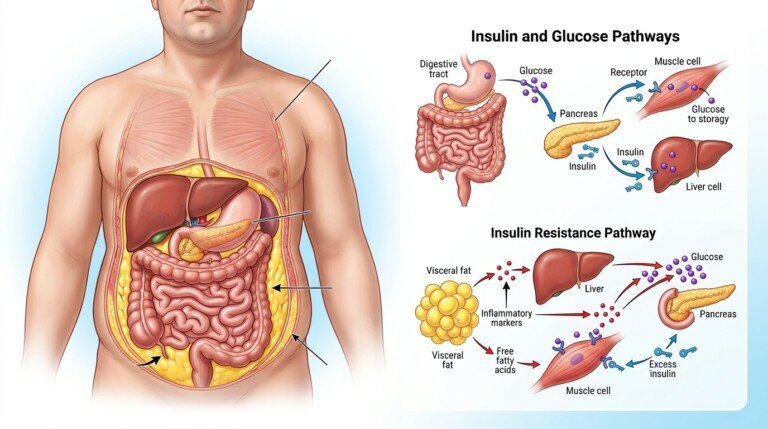
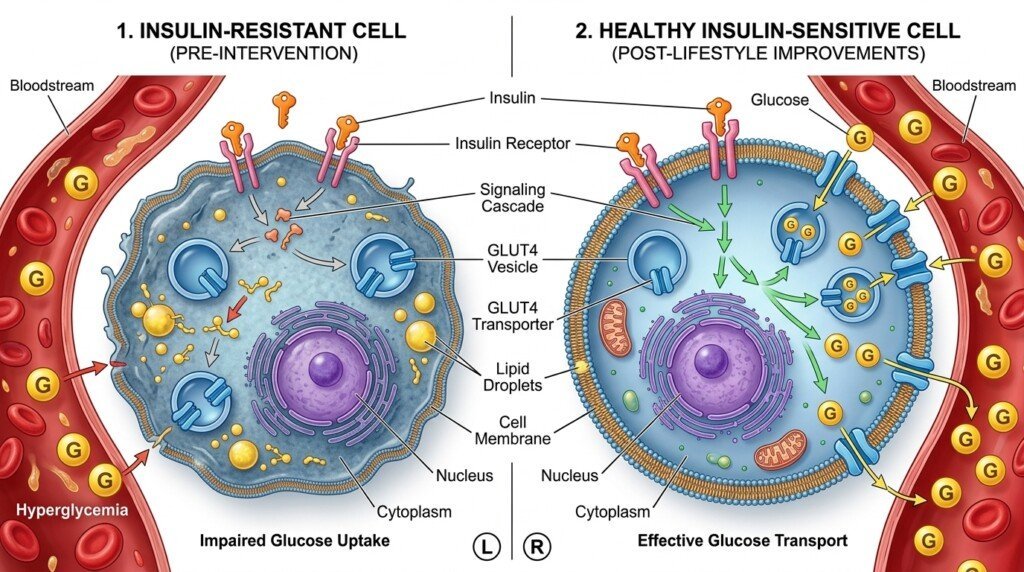
Insulin resistance develops when your body’s cells stop responding efficiently to insulin, the hormone responsible for moving glucose from your bloodstream into your cells for energy. To compensate, the pancreas produces more insulin. This process can continue for years before blood sugar levels become abnormal, which is why many people don’t realize they have insulin resistance until routine blood tests reveal a problem.
Fortunately, insulin resistance is not necessarily permanent. Research shows that regular physical activity, balanced nutrition, maintaining a healthy body weight, improving sleep, and managing stress can significantly improve insulin sensitivity for many individuals. These changes support your body’s natural ability to regulate blood sugar more effectively without relying on quick fixes or extreme approaches.
It is important to understand that improving insulin resistance is not about following a perfect diet or exercising for hours every day. Small, sustainable habits repeated consistently usually produce better long-term results than short periods of intense effort.
In this guide, you’ll learn how to reverse insulin resistance naturally, how long improvement typically takes, which foods and exercises support better insulin sensitivity, how weight loss influences metabolic health, and the best ways to measure your progress over time.
Can Insulin Resistance Be Reversed?
For many people, insulin resistance can improve significantly through long-term lifestyle changes.
The term “reversed” is commonly used because insulin sensitivity often improves enough that blood sugar returns to a healthier range. However, it is more accurate to think of insulin resistance as a condition that can be successfully managed and greatly improved rather than permanently cured.
If healthy habits are abandoned, insulin resistance can gradually return.
That is why the focus should always be on sustainable lifestyle changes rather than temporary programs.

Why Lifestyle Matters
Unlike many chronic health conditions, insulin resistance is strongly influenced by everyday habits.
Small improvements in several areas often work together to improve insulin sensitivity.
These include:
- Regular exercise
- Healthy eating
- Better sleep
- Weight management
- Stress reduction
- Preserving muscle mass
Even modest improvements in these habits may positively affect metabolic health.
If you’re new to the topic, our complete guide on Insulin Resistance explains how the condition develops and why it affects blood sugar regulation.
How Long Does It Take to Improve Insulin Sensitivity?
This is one of the first questions most people ask after being diagnosed.
The answer depends on several individual factors, including:
- Current body weight
- Waist circumference
- Physical activity level
- Sleep quality
- Dietary habits
- Genetics
- Existing medical conditions
- Overall metabolic health
Because everyone begins from a different starting point, there is no universal timeline.
Early Improvements
Some people notice increased energy and better daily well-being within several weeks of improving their lifestyle.
These early changes often occur before significant changes in body weight.
Laboratory Improvements
Blood sugar markers such as fasting glucose and HbA1c generally require more time to improve because they reflect longer-term metabolic changes.
Regular follow-up with your healthcare provider helps monitor these improvements appropriately.
Long-Term Progress
Improving insulin sensitivity is usually measured in months rather than days.
The goal is steady progress rather than rapid transformation.
People who build consistent habits are more likely to maintain their improvements over the long term.
Which Foods Improve Insulin Resistance?
No single food can reverse insulin resistance by itself.
Instead, the overall quality of your eating pattern has the greatest influence on metabolic health.
Meals built around whole, minimally processed foods provide the best foundation for improving insulin sensitivity.

Vegetables
Non-starchy vegetables are naturally rich in fiber, vitamins, minerals, and antioxidants.
Excellent choices include:
- Spinach
- Broccoli
- Cauliflower
- Kale
- Brussels sprouts
- Bell peppers
These foods provide high nutritional value while supporting overall meal quality.
Lean Protein
Protein supports muscle maintenance and helps keep you feeling full between meals.
Healthy sources include:
- Chicken
- Turkey
- Fish
- Eggs
- Greek yogurt
- Cottage cheese
- Lentils
- Beans
- Tofu
Including protein at each meal often improves meal satisfaction.
Our article on Best Breakfast for Weight Loss includes several balanced breakfast ideas that naturally incorporate protein.
Whole Grains
Whole grains provide more fiber than refined grains.
Examples include:
- Oats
- Brown rice
- Quinoa
- Barley
- Whole wheat bread
Replacing refined carbohydrates with whole-grain alternatives is one practical way to improve overall diet quality.
Healthy Fats
Healthy fats contribute to balanced meals and support overall nutrition.
Good choices include:
- Olive oil
- Avocados
- Walnuts
- Almonds
- Pistachios
- Chia seeds
Moderation remains important because healthy fats are energy dense.
Fiber-Rich Foods
Fiber slows digestion and supports healthier blood sugar responses after meals.
Excellent sources include:
- Vegetables
- Fruits
- Legumes
- Whole grains
- Nuts
- Seeds
Rather than focusing on individual foods, aim to build balanced meals that combine protein, fiber, healthy fats, and minimally processed carbohydrates.
Which Exercises Improve Insulin Sensitivity?
Physical activity is one of the most effective natural ways to improve insulin sensitivity.
Exercise allows muscles to use glucose more efficiently, reducing the demand for large amounts of insulin.
The good news is that you don’t need to become an athlete to experience benefits.

Walking
Walking remains one of the simplest forms of exercise.
Even brisk walking performed consistently supports healthier glucose regulation while improving cardiovascular fitness.
Resistance Training
Strength training helps preserve and build muscle mass.
Because muscle tissue uses large amounts of glucose, maintaining healthy muscle supports better insulin sensitivity over time.
Examples include:
- Bodyweight exercises
- Resistance bands
- Free weights
- Weight machines
Our guide on Active Lifestyle Tips for Weight Loss explains practical ways to increase movement throughout the day without complicated workout plans.
Aerobic Exercise
Activities such as:
- Cycling
- Swimming
- Jogging
- Dancing
support heart health while contributing to improved insulin sensitivity.
The most effective exercise routine is the one you enjoy enough to continue consistently.
Does Losing Weight Improve Insulin Resistance?
For many people, yes.
If excess body fat contributes to insulin resistance, gradual weight loss often helps improve insulin sensitivity. However, the goal is not simply to reduce the number on the scale. Improving body composition, reducing visceral fat, and maintaining muscle mass are equally important.
Research has shown that even modest reductions in body weight can lead to meaningful improvements in metabolic health for people with overweight or obesity.
Why Belly Fat Matters More Than Total Weight
Not all body fat affects your health in the same way.
Visceral fat, which surrounds the abdominal organs, has a much stronger relationship with insulin resistance than subcutaneous fat beneath the skin.
As visceral fat decreases, many people experience improvements in:
- Insulin sensitivity
- Blood sugar regulation
- Blood pressure
- Cholesterol levels
- Waist circumference
This is why healthcare professionals often measure waist size in addition to body weight.
Our guide on Visceral Fat explains why reducing internal abdominal fat is an important part of improving metabolic health.
Muscle Matters Too
Weight loss should never come at the expense of losing excessive muscle.
Preserving lean muscle mass helps your body use glucose more efficiently while supporting a healthier metabolism.
This is why combining healthy eating with resistance exercise is generally more beneficial than relying on calorie restriction alone.
Progress Looks Different for Everyone
Some people notice improvements in blood sugar before significant weight loss occurs.
Others lose weight gradually while laboratory values improve over several months.
Rather than comparing your progress with someone else’s, focus on building habits that support long-term metabolic health.
Which Habits Make the Biggest Difference?
Improving insulin sensitivity rarely depends on one dramatic change.
Instead, several healthy habits work together over time to support better metabolic function.
Stay Physically Active Every Day
Structured exercise is valuable, but daily movement is equally important.
Simple activities such as:
- Walking
- Taking the stairs
- Gardening
- Household chores
- Standing more often
all contribute to healthier metabolism.
The goal is to reduce long periods of sitting whenever possible.
Build Balanced Meals
Each meal should ideally include:
- Lean protein
- Fiber-rich vegetables
- Whole-food carbohydrates
- Healthy fats
Balanced meals help improve overall diet quality and support steady energy throughout the day.
Prioritize Sleep
Adults generally benefit from seven to nine hours of quality sleep each night.
Consistent sleep supports:
- Appetite regulation
- Recovery
- Hormone balance
- Energy levels
- Insulin sensitivity
Improving sleep quality is often one of the simplest lifestyle changes with wide-ranging health benefits.
Manage Stress
Long-term stress frequently affects:
- Sleep
- Food choices
- Physical activity
- Recovery
Healthy stress-management habits may include:
- Walking outdoors
- Meditation
- Deep breathing
- Reading
- Spending time with loved ones
- Enjoying hobbies
The goal is not to eliminate stress completely but to reduce its influence on your daily habits.
Stay Consistent
Perhaps the most important habit is consistency.
Healthy choices repeated over months and years have a much greater impact than short bursts of motivation.
Our article on Weight Loss Habits explains how small daily improvements often create lasting health benefits.
How Can You Track Your Progress?
Improving insulin resistance happens gradually.
Tracking several health markers provides a more accurate picture than relying on body weight alone.

Waist Circumference
Measuring your waist every few weeks helps monitor changes in abdominal fat.
Many people notice reductions in waist size before dramatic changes appear on the scale.
Body Weight
Although weight is only one measurement, gradual changes can provide useful information when combined with other markers.
Avoid weighing yourself multiple times each day because normal daily fluctuations are common.
Blood Tests
Healthcare providers commonly monitor:
- Fasting blood glucose
- HbA1c
- Cholesterol
- Triglycerides
These measurements provide objective evidence of improving metabolic health.
Energy Levels
Many people report feeling:
- Less tired
- More energetic
- Better able to exercise
- More mentally alert
These improvements often appear before laboratory changes become obvious.
Clothing Fit
Looser clothing around the waist is another practical sign that body composition may be improving.
Because visceral fat is closely linked to waist circumference, this simple observation can be encouraging.
Keep a Long-Term Perspective
Healthy progress is rarely perfectly linear.
Some weeks may show more improvement than others.
Instead of focusing on daily fluctuations, evaluate your progress over several months.
Consistency almost always produces better results than perfection.

Frequently Asked Questions
1. Can you reverse insulin resistance naturally?
Many people improve insulin sensitivity through regular physical activity, balanced nutrition, healthy weight management, quality sleep, stress management, and other long-term lifestyle habits.
2. How long does it take to improve insulin sensitivity?
The timeline varies from person to person. Some people notice improvements in energy within weeks, while measurable changes in blood sugar markers often require several months of consistent healthy habits.
3. Does losing weight improve insulin resistance?
For individuals carrying excess body fat, gradual weight loss often supports healthier insulin sensitivity, particularly when visceral fat decreases and muscle mass is maintained.
4. What is the best exercise for insulin resistance?
Walking, resistance training, cycling, swimming, and other forms of regular physical activity all support improved insulin sensitivity. The best exercise is one that can be maintained consistently.
5. How can I measure progress?
Healthcare providers commonly monitor fasting glucose, HbA1c, cholesterol, triglycerides, body weight, and waist circumference while also considering improvements in energy levels and overall well-being.
Final Thoughts
Learning how to reverse insulin resistance naturally begins with understanding that lasting progress comes from consistent daily habits rather than quick fixes. Regular physical activity, balanced nutrition, quality sleep, healthy weight management, stress reduction, and preserving muscle mass all work together to improve insulin sensitivity over time.
It’s also important to be patient. Improvements in energy, waist circumference, and overall well-being often appear before significant changes in laboratory results. Tracking multiple indicators instead of focusing only on body weight provides a more complete picture of your progress.
While every person’s journey is different, the evidence is encouraging. Small, sustainable lifestyle changes can significantly improve metabolic health and reduce the long-term risks associated with insulin resistance. By focusing on habits you can maintain for years, you give your body the best opportunity to restore healthier insulin function and support lifelong well-being.
Disclaimer:
This post may contain affiliate links. If you purchase through them, we may earn a small commission at no extra cost to you. Also, this content is for informational purposes only and does not substitute professional medical advice.
Ready to Start Your Journey?
Use our free 7-in-1 Weight Loss Toolkit to calculate your numbers and build your plan in minutes.
Open Free Tools →