Which Exercises Are Best for Visceral Fat? A Beginner-Friendly Guide

Exercises for Visceral Fat are among the most searched topics by people who want to lose stubborn belly fat and improve their overall health. While no workout can target fat around your organs directly, research consistently shows that regular physical activity is one of the most effective ways to reduce visceral fat over time.

Unlike the fat just beneath your skin, visceral fat surrounds important organs such as the liver, stomach, and intestines. Carrying excess visceral fat has been linked to a higher risk of heart disease, metabolic syndrome, fatty liver disease, and other chronic health conditions. Fortunately, visceral fat often responds well to consistent exercise, especially when combined with healthy lifestyle habits.

The key is choosing exercises you can perform regularly. You don’t need complicated workout programs or advanced fitness equipment. Walking, resistance training, aerobic exercise, and high-intensity interval training can all contribute to reducing visceral fat while improving strength, endurance, and overall metabolic health.

In this guide, you’ll learn which exercises for visceral fat are supported by research, how different types of workouts compare, how often you should exercise, and what kind of progress you can realistically expect over time.


Can Exercise Reduce Visceral Fat?

Yes. Exercise is one of the most effective lifestyle strategies for reducing visceral fat.

Your body cannot choose to burn fat from one specific area during a workout. Instead, regular physical activity increases energy expenditure, helping reduce overall body fat over time. As total body fat decreases, visceral fat often decreases as well.

One reason visceral fat receives so much attention is that it tends to respond well to consistent exercise. Even moderate improvements in activity levels can lead to measurable reductions in abdominal fat while supporting better metabolic health.

Exercise also provides benefits that extend beyond fat loss.

Regular physical activity can help:

  • Improve cardiovascular fitness
  • Preserve muscle mass
  • Support healthy metabolism
  • Improve insulin sensitivity
  • Increase daily energy levels
  • Support long-term weight management

Unlike short-term fitness challenges, the greatest benefits come from building an exercise routine that fits your lifestyle and can be maintained consistently.

If you’re still learning about this type of abdominal fat, our guide on Visceral Fat explains why reducing it is an important goal for long-term health.


Which Exercises Burn Visceral Fat the Fastest?

Many people want to know which workout burns visceral fat the fastest.

The honest answer is that no single exercise has been proven to target visceral fat directly.

Instead, the most effective approach combines several forms of physical activity.

Brisk Walking

Walking remains one of the most accessible exercises for beginners.

It requires no special equipment, places relatively little stress on the joints, and can easily fit into most daily routines.

A brisk walking pace that slightly increases your breathing rate can contribute significantly to weekly physical activity goals.

Cycling

Whether outdoors or on a stationary bike, cycling improves cardiovascular fitness while helping increase calorie expenditure.

Cycling is also a low-impact option for individuals who experience discomfort during running.

Swimming

Swimming provides a full-body workout while placing minimal stress on the joints.

Because multiple muscle groups work together, swimming is an excellent choice for improving overall fitness.

Jogging

Jogging burns more calories than walking at the same duration and can be an effective option for individuals who already have a basic fitness foundation.

However, walking remains an excellent alternative for beginners.

For a detailed comparison, read our article on Walking vs Running for Weight Loss.

Rowing

Rowing engages both the upper and lower body while improving cardiovascular endurance.

This makes it one of the most efficient full-body aerobic exercises available.

Rather than searching for one “perfect” workout, choose activities you genuinely enjoy. Consistency almost always produces better long-term results than short bursts of intense exercise followed by inactivity.


Is Walking Enough to Reduce Visceral Fat?

Walking is often underestimated because of its simplicity.

In reality, regular walking can be remarkably effective when performed consistently.

Walking helps by:

  • Increasing daily calorie expenditure
  • Improving cardiovascular fitness
  • Supporting healthy metabolism
  • Encouraging long-term consistency
  • Reducing prolonged sitting

For beginners, walking is frequently the best place to start because it is easy to maintain over months and years.

How Much Walking Is Enough?

Many health organizations recommend aiming for at least 150 minutes of moderate-intensity activity each week.

This could mean:

  • 30 minutes per day
  • Five days each week

Some people prefer shorter walks several times throughout the day, while others enjoy one longer session.

Either approach can contribute to healthier activity levels.

Walking after meals is another simple strategy many people find practical because it fits naturally into daily routines.

The most important factor is consistency rather than speed.


Does Strength Training Help Reduce Visceral Fat?

Strength training plays an important role in improving body composition.

While lifting weights does not specifically burn visceral fat during the workout, it helps preserve and build lean muscle mass.

Maintaining muscle provides several important benefits.

Muscle Supports Metabolism

Muscle tissue requires energy to maintain.

Although the increase in resting metabolism is often smaller than many people expect, preserving muscle remains an important part of long-term health and weight management.

Strength Training Improves Body Composition

People who lose weight without resistance training often lose both fat and muscle.

Including strength training helps maintain lean tissue while encouraging healthier body composition.

Beginner-Friendly Strength Exercises

Beginners can start with basic movements such as:

  • Squats
  • Wall push-ups
  • Bodyweight lunges
  • Glute bridges
  • Resistance band rows
  • Dumbbell shoulder presses

Focus on learning proper technique before increasing resistance.

Our guide on Strength Training for Fat Loss explains how resistance exercise supports healthy body composition.


Is HIIT Better Than Cardio for Visceral Fat?

High-Intensity Interval Training, commonly called HIIT, alternates short bursts of vigorous activity with brief recovery periods.

A typical HIIT workout might include:

  • 30 seconds of fast cycling
  • 60 seconds of slower recovery
  • Repeated for 15 to 20 minutes

Research suggests HIIT can improve cardiovascular fitness while requiring less total workout time.

However, that does not automatically mean HIIT is better than traditional cardio for everyone.

People who enjoy HIIT are more likely to remain consistent.

Others may prefer walking, cycling, or swimming because those activities feel more sustainable.

The best workout is the one you can continue doing week after week.

If you’re interested in interval training, our guide on HIIT Workouts for Weight Loss explains how beginners can get started safely.


How Often Should You Exercise?

One of the biggest misconceptions about reducing visceral fat is that you need to exercise every day for hours at a time.

In reality, consistency matters far more than perfection.

Most health organizations recommend adults aim for:

  • At least 150 minutes of moderate-intensity aerobic activity each week, or
  • 75 minutes of vigorous-intensity aerobic activity, or
  • A combination of both.

In addition, strength training should be performed at least two days per week, focusing on all major muscle groups.

These recommendations provide an excellent foundation for improving cardiovascular health while supporting gradual reductions in visceral fat.

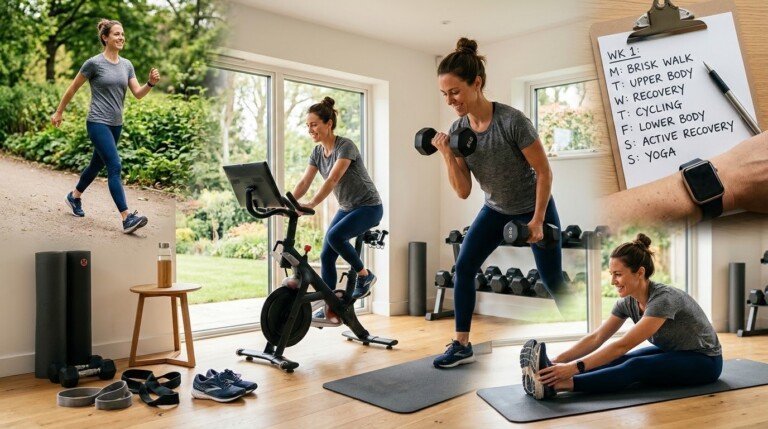
A Beginner-Friendly Weekly Exercise Schedule

If you’re just getting started, keep your routine simple.

Monday

  • 30-minute brisk walk

Tuesday

  • Full-body strength training for 30 to 40 minutes

Wednesday

  • 30-minute walk or light cycling

Thursday

  • Rest day or gentle stretching

Friday

  • Full-body strength training

Saturday

  • 40 to 60 minutes of walking, hiking, swimming, or another enjoyable activity

Sunday

  • Easy walk and mobility exercises

This type of schedule combines aerobic exercise with resistance training while allowing enough recovery between workouts.

As your fitness improves, you can gradually increase the duration or intensity of your sessions.

The goal is to create a routine you can maintain throughout the year rather than following an aggressive program for only a few weeks.

Why Daily Movement Matters

Structured workouts are important, but they represent only a small portion of your day.

Increasing your overall activity level can make a significant difference.

Simple habits include:

  • Taking the stairs instead of the elevator
  • Parking farther from store entrances
  • Walking during phone calls
  • Standing up every hour while working
  • Doing household chores
  • Gardening
  • Playing with children or pets

These everyday activities increase your daily energy expenditure and complement your regular workouts.

Our guide on Active Lifestyle Tips for Weight Loss shares additional ideas for staying active throughout the day.


How Long Does It Take to See Results?

One of the first questions people ask after starting an exercise routine is how quickly they’ll notice changes.

The honest answer is that there is no universal timeline.

Every person’s progress depends on factors such as:

  • Starting fitness level
  • Current body composition
  • Age
  • Genetics
  • Activity level
  • Sleep quality
  • Overall lifestyle

Some people begin feeling more energetic within the first couple of weeks.

Others notice improvements in endurance before seeing visible changes around the waist.

What Improvements Often Appear First?

Many people experience benefits such as:

  • Increased stamina
  • Better mood
  • Improved sleep
  • Easier daily movement
  • Greater strength
  • Improved balance

Visible changes in body composition usually develop more gradually.

This is completely normal.

Why the Scale Doesn’t Tell the Whole Story

Exercise often improves body composition even when body weight changes slowly.

For example, someone beginning resistance training may preserve or build muscle while gradually reducing body fat.

Because muscle is denser than fat, body weight may not change dramatically even though waist size decreases.

Instead of relying only on the scale, consider tracking:

  • Waist circumference
  • Clothing fit
  • Progress photos
  • Strength improvements
  • Walking distance
  • Exercise endurance

These measurements often provide a more complete picture of your progress.

Stay Patient and Consistent

Many people abandon their exercise routine because they expect dramatic results within a few weeks.

Healthy changes rarely happen overnight.

The individuals who experience the greatest long-term success are usually those who continue exercising even when progress feels slow.

Rather than asking, “How much fat did I lose this week?” try asking:

  • Am I stronger than last month?
  • Can I walk farther without getting tired?
  • Am I more consistent than before?
  • Do I feel healthier?

Those small improvements add up over time.


Frequently Asked Questions

1. What are the best exercises for visceral fat?

Walking, cycling, swimming, jogging, resistance training, and HIIT are all effective options. The best exercise is the one you can perform consistently over the long term.

2. Can walking reduce visceral fat?

Yes. Brisk walking performed regularly can help reduce visceral fat as part of an active lifestyle.

3. Is strength training better than cardio?

Neither is universally better. Cardio improves cardiovascular fitness and increases calorie expenditure, while strength training preserves muscle and improves body composition. Combining both generally provides the greatest benefits.
For a detailed comparison, see our guide on Cardio vs Strength Training for Weight Loss.

4. Is HIIT necessary to lose visceral fat?

No. HIIT is one effective option, but many people successfully reduce visceral fat through regular walking, cycling, swimming, and traditional aerobic exercise.

5. How many days a week should I exercise?

Aim for at least 150 minutes of moderate aerobic activity each week along with two strength-training sessions.

6. Can you target visceral fat with specific exercises?

No. Spot reduction is a myth. Your body loses fat from multiple areas as overall body fat decreases.


Final Thoughts

Choosing the right exercises for visceral fat doesn’t require an expensive gym membership or advanced workout program. The most effective approach combines regular aerobic activity with strength training while encouraging more movement throughout the day.

Walking remains one of the best starting points for beginners because it is simple, accessible, and easy to maintain. As your fitness improves, adding resistance training and, if appropriate, HIIT can further improve strength, endurance, and overall body composition.

Most importantly, remember that reducing visceral fat is a gradual process. Focus on building an exercise routine you genuinely enjoy and can sustain for the long term. Consistent movement, progressive improvement, and patience will deliver far greater results than chasing the latest fitness trend or searching for a perfect workout.


Disclaimer:

This post may contain affiliate links. If you purchase through them, we may earn a small commission at no extra cost to you. Also, this content is for informational purposes only and does not substitute professional medical advice.

Powerful Strength Training for Fat Loss: 7 Secrets You Need Now

For years, we’ve been told the same story: if you want to lose weight, you need to pound the pavement, sweat it out on an elliptical, or spend hours on a treadmill. The mantra was “cardio is king.” And while cardio certainly has its place, the real secret weapon that’s been hiding in plain sight is strength training for fat loss.

This isn’t about getting massive and bulky; it’s about transforming your body’s engine into a fat-burning machine. If you’ve ever felt stuck on a cardio-only plateau, or if you’re a complete beginner who’s intimidated by the weight room, this is your starting point inside a complete weight loss guide that prioritizes muscle preservation, metabolism, and long-term fat loss.


Why Strength Training for Fat Loss Works Differently

Thinking of your body as a car, cardio is like burning fuel while you’re driving. It’s effective in the moment, burning calories as you move. Strength training for fat loss, however, is like upgrading your engine to be more efficient all the time. Here’s how it flips the script on traditional weight loss.

  • The Afterburn Effect (EPOC): This is the biggest reason why lifting weights is so effective. When you perform intense resistance training, your body uses a huge amount of energy to repair and rebuild the muscle fibers you’ve challenged. This process, known as Excess Post-exercise Oxygen Consumption (EPOC), keeps your metabolism elevated and burning calories for hours and even days after you’ve left the gym.
  • More Muscle, More Metabolism: Muscle tissue is metabolically active, which means it burns calories at rest, unlike fat tissue. The more muscle you have, the higher your resting metabolic rate (RMR) will be. By building muscle through strength training for fat loss, you’re essentially increasing the baseline number of calories your body burns every single day, even when you’re sleeping on the couch.
  • Improved Body Composition: While a scale might not show a huge drop overnight (because muscle is denser than fat), what you’ll notice is a significant change in your body shape. Your clothes will fit differently, your waist will slim down, and you’ll look and feel leaner. This is the true goal of a fitness journey not just weight loss, but fat loss.

Debunking the Myth: Does Lifting Burn Fat?

This is one of the most common questions out there, and the answer is both “yes” and “no.” During a lifting session, your body primarily uses stored carbohydrates (glycogen) for energy, not fat directly. The true magic happens after the workout.

As we discussed, the EPOC effect turns your body into a metabolic furnace. The energy needed to repair muscle damage comes from a variety of sources, including fat stores. So, while you might not be directly burning fat during your squats, you’re creating the conditions for your body to torch it for the next 24-48 hours. This is the fundamental difference between strength training for fat loss and cardio. Cardio burns fat during the session; lifting burns fat for long after.


Strength vs Cardio Weight Loss: A Friendly Competition

It’s not about choosing one over the other; it’s about understanding how they work together, especially when comparing cardio vs strength training for weight loss in a structured fat-loss plan. If you’re looking for quick calorie burn and immediate results on the scale, cardio has a slight edge. An hour on a bike can burn hundreds of calories. However, if your goal is sustainable, long-term fat loss and a complete body transformation, strength training for fat loss wins by a landslide.

Think of it this way:

  • Cardio: Great for heart health, endurance, and burning calories while you’re doing it.
  • Strength Training: Builds muscle, boosts metabolism, reshapes your body, and burns fat around the clock.

The most effective strategy combines both. Start with strength training to deplete your glycogen stores and create a powerful metabolic stimulus, then finish with a short burst of high-intensity cardio (like a 10-15 minute HIIT session) to tap into fat reserves.


Creating a Smart Strength Training Plan for Weight Loss

A successful program isn’t about aimlessly wandering around the gym; it’s about a structured, progressive plan. A solid strength training plan for weight loss should focus on compound movements, proper frequency, and smart progression.

1. Frequency: Aim for 3-4 days of lifting per week. This gives your body enough time to recover and rebuild muscle.

2. Compound Exercises: These are multi-joint movements that work several muscle groups at once. They burn the most calories and provide the biggest metabolic boost.

  • Lower Body: Squats, deadlifts, lunges, hip thrusts.
  • Upper Body: Push-ups, overhead press, rows, pull-ups.
  • Full Body: Burpees, kettlebell swings.

3. Reps and Sets: For fat loss and muscle retention, aim for 3-4 sets of 8-12 repetitions for each exercise. This is a sweet spot for building muscle without excessive fatigue.

4. Progressive Overload: The key to seeing results. You must constantly challenge your muscles by gradually increasing the weight, reps, or sets over time. If you’re not getting stronger, you’re not growing, and you’re not maximizing your fat loss potential.

For those looking to accelerate their results, a pre-workout supplement can be a valuable tool to help you push through plateaus and maintain focus during your lifts. Blended into your routine, it can provide the extra energy you need for those challenging sets.


A Beginner Strength Training Plan for Weight Loss

This sample routine is designed for anyone new to lifting, focusing on form and a full-body approach. Do this 3 times a week, with at least one rest day in between.

  • Warm-Up (5-10 minutes): Light cardio (jogging, jump rope) and dynamic stretches (arm circles, leg swings).
  • Workout (45-60 minutes):
    • Squats: 3 sets of 10-12 reps
    • Dumbbell Rows: 3 sets of 10-12 reps per arm
    • Push-ups (on knees or toes): 3 sets to failure
    • Overhead Press: 3 sets of 10-12 reps
    • Lunges: 3 sets of 10-12 reps per leg
    • Plank: 3 sets, hold for 30-60 seconds

As you get stronger, you’ll feel the need to use a slightly heavier weight. This is how you’ll continue to see results. Remember that consistency is more important than intensity when you’re just starting out.


Fueling Your Body for Resistance Training Fat Loss

Your workout is only half the battle. What you eat and how you recover are just as crucial for a successful resistance training fat loss journey.

  • Protein is Your Best Friend: A high protein diet for fat loss is essential for repairing muscle tissue, preserving lean mass, and keeping you feeling full while in a calorie deficit. Aim for around 1 gram of protein per pound of body weight per day. A high-quality protein powder is an easy way to meet your daily needs, especially on busy days or immediately after a workout.
  • Carbs Aren’t the Enemy: Carbs provide the energy for your workouts. Focus on complex carbohydrates like oats, brown rice, and sweet potatoes, which provide sustained energy without a sugar crash.
  • Healthy Fats: Fats are crucial for hormone production and overall health. Think avocados, nuts, and olive oil.
  • Hydration: Water is a key player in metabolism and fat loss. Make sure you’re drinking plenty throughout the day.
  • The Calorie Deficit: At the end of the day, you must be in a calorie deficit to lose fat. This means you need to burn more calories than you consume. Strength training for fat loss makes this process so much easier by boosting your metabolic rate, allowing you to eat a little more while still losing weight.

Top Mistakes Beginners Make with Strength Training for Weight Loss

  • Ignoring Form: Lifting too heavy too soon without focusing on proper form can lead to injury and a less effective workout. Start with lighter weights and nail down your technique before you increase the load.
  • Not Eating Enough Protein: Without sufficient protein, your body can’t rebuild the muscle you’ve worked so hard for, which can stall your progress.
  • Obsessing Over the Scale: The scale can be misleading. As you build muscle and lose fat, your weight might not change much, but your body composition will be completely different. Take progress photos and measurements to track your real transformation.
  • Skipping Rest Days: Recovery is when muscle growth and repair happen. Pushing yourself every single day can lead to overtraining, burnout, and injury.
  • Neglecting Nutrition: You can’t out-train a bad diet. What you put into your body is the single most important factor for fat loss.

Conclusion

Moving beyond the myth that cardio is the only way to lose weight is a game-changer. The truth is, incorporating strength training for fat loss into your routine is the most sustainable, effective, and transformative way to achieve a leaner physique. It’s not just about what you do in the gym; it’s about building a body that burns calories efficiently all day long.

Start with a smart plan, focus on form, fuel your body with proper nutrition, and be consistent. You’ll not only shed fat, but you’ll feel stronger, more confident, and more capable than ever before.


Frequently Asked Questions (FAQ)

1: Will I get bulky from lifting weights? (Especially for women)

This is a very common concern, but the short answer is no. Women have significantly lower levels of testosterone compared to men, which is the primary hormone responsible for large muscle growth. Instead of getting bulky, you will develop a lean, toned, and strong physique. The bulky look comes from a combination of specific, high-volume training and a very high-calorie diet, which is not what you need for strength training for fat loss.

2: How often should I lift to lose fat?

A good starting point is 3-4 days per week. This provides enough stimulus to build and maintain muscle while allowing your body adequate time to recover. Spacing your lifting sessions with rest days or active recovery (like walking) is key.

3: Do I need to do cardio too?

While not strictly necessary for fat loss, combining cardio and strength training for fat loss is a highly effective strategy. Cardio improves heart health and endurance, and when used strategically (like a short HIIT session after lifting), it can enhance fat burning.

4: What’s the best time to lift for fat loss?

The best time to lift is whenever you can be consistent. Whether it’s in the morning, during your lunch break, or after work, the key is to find a time that works for your schedule so you can stick with it long-term.

5: How long until I see results?

You can expect to start feeling a difference in your energy levels and strength within the first 2-4 weeks. Visible body composition changes typically become noticeable around the 6-8 week mark, especially if you’re consistent with both your training and nutrition. Remember to take progress photos and measurements to track your journey, as the scale may not tell the full story.


Disclaimer:

This post may contain affiliate links. If you purchase through them, we may earn a small commission at no extra cost to you. Also, this content is for informational purposes only and does not substitute professional medical advice.

Unlock Your Potential: 15-Minute HIIT Workouts to Lose Belly Fat

Are you looking for a powerful, time-efficient way to transform your body and finally tackle that stubborn belly fat? Look no further than High-Intensity Interval Training (HIIT). In today’s fast-paced world, finding hours for the gym can feel impossible, especially if you’re juggling work, family, and other commitments. That’s where the magic of 15-minute HIIT workouts to lose belly fat comes in. These short, explosive sessions are designed to supercharge your metabolism, burn significant calories, and deliver remarkable fat loss results, all without needing to dedicate your entire evening to exercise.

This comprehensive guide, built on a science-backed weight loss guide framework, will dive deep into why HIIT is so effective for fat burning, particularly around the midsection. We’ll explore various HIIT workouts for weight loss, provide structured 15 min HIIT workout routines you can do right at home, discuss the science behind HIIT for belly fat, and share tips for maximizing your HIIT weight loss results. Get ready to redefine your fitness journey and discover your secret weapon against unwanted fat.


The Science Behind HIIT Workouts for Weight Loss

Before we jump into specific exercises, let’s understand why HIIT workouts for weight loss are so incredibly effective. HIIT involves short bursts of intense anaerobic exercise, followed by brief, less intense recovery periods. This isn’t just about burning calories during the workout; it’s about what happens after your workout that truly sets HIIT apart.

1. The “Afterburn Effect” (EPOC): This is where HIIT shines. EPOC, or Excess Post-exercise Oxygen Consumption, refers to the increased rate of oxygen intake following strenuous activity. Essentially, your body continues to burn calories at an elevated rate for hours after your HIIT session ends, as it works to restore itself to a pre-exercise state. This means you’re still incinerating fat while you’re at your desk, running errands, or even sleeping. For a fat burning HIIT plan, This sustained metabolic boost is a game-changer, especially when viewed through a detailed strength vs cardio comparison that highlights how interval intensity differs from traditional endurance training. Studies have shown that HIIT can increase your metabolic rate for up to 24-48 hours post-workout, making it incredibly efficient for long-term fat loss.

2. Fat Oxidation: Research indicates that HIIT can improve your body’s ability to oxidize (burn) fat. During high-intensity intervals, your body taps into its glycogen stores for immediate energy. However, during the recovery phases and in the hours following the workout, your body becomes more efficient at burning fat for fuel. This makes HIIT a particularly potent tool for directly targeting fat stores throughout the body.

3. Muscle Preservation and Growth: Unlike long, steady-state cardio sessions which can sometimes lead to muscle loss alongside fat loss, HIIT, especially when combined with bodyweight exercises, can help preserve and even build lean muscle mass. More muscle mass means a higher resting metabolism, which translates to more calories burned throughout the day, even when you’re not actively working out. This is a crucial element for achieving sustainable HIIT weight loss results.

4. Hormonal Response: HIIT triggers the release of various fat-burning hormones, such as human growth hormone (HGH) and catecholamines (like adrenaline). HGH is vital for fat metabolism and muscle growth, while catecholamines can help mobilize fat from storage, making it available for energy. This powerful hormonal cocktail contributes significantly to why HIIT for belly fat is so effective.


Your Secret Weapon: HIIT for Belly Fat

Let’s address the elephant in the room: belly fat. Visceral fat, the deep abdominal fat that wraps around your organs, is not only cosmetically undesirable but also poses serious health risks. While you cannot “spot reduce” fat from one specific area, HIIT for belly fat is remarkably effective because of its overall fat-burning capabilities and its unique physiological effects.

The high intensity of HIIT workouts targets both subcutaneous fat (the fat you can pinch) and visceral fat. The powerful hormonal and metabolic responses mentioned above work synergically to reduce fat stores across your entire body, and the abdominal area is often one of the first places where these changes become noticeable.

Moreover, many effective HIIT exercises naturally engage your core, providing a secondary benefit of strengthening your abdominal muscles. While stronger abs won’t burn the fat off them, they will contribute to a more toned appearance once the fat layer diminishes. So, if your goal is to reduce your waistline, incorporating a consistent fat burning HIIT plan into your routine is one of the smartest choices you can make.


Crafting Your 15 Min HIIT Workout: Principles and Structure

The beauty of a 15 min HIIT workout is its simplicity and adaptability. You don’t need fancy equipment, just your body and a small space. The key is to truly push yourself during the “on” intervals and recover strategically during the “off” intervals. Here’s a typical structure:

  1. Warm-up (3-5 minutes): Don’t skip this! A good warm-up prepares your muscles and cardiovascular system, reducing the risk of injury. Light jogging in place, arm circles, leg swings, and dynamic stretches are perfect.
  2. Workout (10-12 minutes): This is the core of your HIIT session. You’ll alternate between high-intensity bursts (20-45 seconds) and recovery periods (10-30 seconds). We’ll provide specific examples below.
  3. Cool-down (2-3 minutes): Essential for bringing your heart rate down gradually and improving flexibility. Static stretches, holding each for 20-30 seconds, are ideal.

The ratio of work to rest is crucial. For beginners, a 1:2 ratio (e.g., 20 seconds work, 40 seconds rest) might be more suitable. As you get fitter, you can progress to a 1:1 ratio (30 seconds work, 30 seconds rest) or even 2:1 (40 seconds work, 20 seconds rest). Remember, during the work interval, you should be pushing to 80-90% of your maximum effort.


Top HIIT Exercises at Home for Maximum Fat Burning

One of the greatest advantages of HIIT exercises at home is that they require minimal to no equipment. This makes them incredibly accessible and removes any excuses about not having a gym membership or specialized gear. Here are some of the best exercises to include in your fat burning HIIT plan:

  1. Jumping Jacks: A classic full-body cardio exercise that quickly elevates your heart rate.
    • How to: Stand with feet together, arms at your sides. Jump, spreading your feet wide and bringing your arms overhead. Jump back to the start.
  2. High Knees: Excellent for cardiovascular conditioning and engaging your core.
    • How to: Run in place, bringing your knees as high as possible towards your chest. Pump your arms vigorously.
  3. Butt Kicks: Targets your hamstrings and gets your heart rate up.
    • How to: Run in place, kicking your heels back towards your glutes.
  4. Mountain Climbers: A dynamic plank variation that works your core, shoulders, and legs.
    • How to: Start in a plank position. Alternately bring one knee towards your chest, then quickly switch legs as if you’re running up a mountain.
  5. Burpees: The ultimate full-body exercise, combining a squat, push-up (optional), and jump.
    • How to: Start standing. Drop into a squat, place hands on the floor. Jump feet back to a plank. Perform a push-up (optional). Jump feet back to hands. Explode up into a jump, arms overhead.
  6. Squat Jumps: Builds explosive power in your legs and is great for cardio.
    • How to: Start in a squat position. Explode upwards into a jump, landing softly back into a squat.
  7. Plank Jacks: A core-focused exercise with a cardio twist.
    • How to: Start in a plank position. Keeping your core tight, jump your feet wide and then back together, similar to a jumping jack in a plank.
  8. Alternating Lunges (Jump Lunges for advanced): Works your legs and glutes.
    • How to: Step forward into a lunge, ensuring your front knee is over your ankle. Push back to start and alternate legs. For jump lunges, explosively jump to switch legs in mid-air.
  9. Russian Twists: A core exercise that targets your obliques.
    • How to: Sit on the floor, lean back slightly, with knees bent and feet lifted (optional). Twist your torso from side to side, touching the floor with your hands.

When selecting exercises for your best HIIT routine, try to pick 4-6 different movements that work different muscle groups to get a comprehensive workout.


Sample 15 Min HIIT Workout Routines for Belly Fat

Here are a few structured 15 min HIIT workout plans you can follow, designed for different fitness levels. Remember to perform a 3-minute warm-up before each and a 2-minute cool-down after.

Routine 1: Beginner-Friendly Full Body (Work 30s / Rest 30s)

  • Warm-up: (3 minutes) Light jogging, arm circles, leg swings.
  • Workout (2 rounds):
    • Jumping Jacks (30s work / 30s rest)
    • Bodyweight Squats (30s work / 30s rest)
    • Mountain Climbers (30s work / 30s rest)
    • Alternating Lunges (30s work / 30s rest)
    • Plank Hold (30s work / 30s rest)
  • Repeat circuit 2 times (Total 10 minutes work + rest)
  • Cool-down: (2 minutes) Hamstring stretch, quad stretch, arm across chest.

Routine 2: Intermediate Fat Blaster (Work 40s / Rest 20s)

  • Warm-up: (3 minutes) Dynamic stretches, light jumping jacks, high knees.
  • Workout (2-3 rounds):
    • High Knees (40s work / 20s rest)
    • Burpees (no push-up version) (40s work / 20s rest)
    • Plank Jacks (40s work / 20s rest)
    • Squat Jumps (40s work / 20s rest)
    • Russian Twists (40s work / 20s rest)
  • Repeat circuit 2-3 times (Total 10-15 minutes work + rest)
  • Cool-down: (2 minutes) Forward fold, pigeon stretch, tricep stretch.

Routine 3: Advanced Cardio HIIT Workout (Work 45s / Rest 15s)

  • Warm-up: (3 minutes) Dynamic warm-up, light skipping, arm rotations.
  • Workout (3 rounds):
    • Burpees (full version with push-up) (45s work / 15s rest)
    • Jump Lunges (45s work / 15s rest)
    • Mountain Climbers (fast pace) (45s work / 15s rest)
    • Squat Jumps (45s work / 15s rest)
    • Plank Shoulder Taps (45s work / 15s rest)
  • Repeat circuit 3 times (Total 15 minutes work + rest)
  • Cool-down: (2 minutes) Deep stretches for legs, core, and shoulders.

These routines provide excellent cardio HIIT workout options you can integrate into your morning schedule. Remember to listen to your body and modify exercises as needed. Consistency is more important than perfection.


Maximizing Your HIIT Weight Loss Results

To truly see significant HIIT weight loss results, especially for belly fat, a consistent exercise routine needs to be supported by other healthy lifestyle choices. HIIT is a powerful catalyst, but it’s not a magic bullet.

1. Nutrition is Key: You can’t out-train a bad diet. To lose fat, you need to be in a caloric deficit. Focus on whole, unprocessed foods: lean proteins, plenty of vegetables, healthy fats, and complex carbohydrates. Reducing refined sugars and processed foods is paramount for shrinking your waistline. Your fat burning HIIT plan will be much more effective if fueled correctly. Consider incorporating more protein in your diet, as it helps with muscle repair and keeps you feeling fuller for longer. Hydration is also crucial; drink plenty of water throughout the day.

2. Consistency is Crucial: Aim for 3-4 HIIT sessions per week. While these workouts are short, their intensity requires adequate recovery. Don’t do HIIT every day. On off days, engage in active recovery like light walking, yoga, or stretching. Regularity is the foundation of any successful fitness journey. Establishing a routine, perhaps by scheduling your 15 min HIIT workout for the same time each morning, significantly increases your chances of sticking with it.

3. Prioritize Sleep: Sleep is often overlooked in weight loss. When you don’t get enough sleep, your body produces more cortisol (a stress hormone linked to belly fat storage) and ghrelin (a hunger-stimulating hormone), while decreasing leptin (a satiety hormone). Aim for 7-9 hours of quality sleep per night to optimize your hormone levels and aid recovery. A well-rested body performs better and recovers faster, which directly impacts your HIIT weight loss results.

4. Manage Stress: Like lack of sleep, chronic stress elevates cortisol levels, which can make it harder to lose belly fat. Incorporate stress-reducing activities into your daily routine, such as meditation, deep breathing exercises, spending time in nature, or enjoying hobbies. Your morning HIIT session can also be a fantastic stress reliever!

5. Listen to Your Body: HIIT is intense. Pay attention to signs of overtraining, such as persistent fatigue, irritability, or prolonged muscle soreness. Adjust your workout frequency or intensity as needed. It’s better to slightly reduce intensity and remain consistent than to push too hard and burn out or get injured.

6. Progressive Overload: As you get fitter, your body adapts. To continue seeing progress, you’ll need to challenge yourself. This could mean increasing the work interval duration, decreasing rest time, adding more rounds, or choosing more challenging exercise variations. For example, progressing from bodyweight squats to squat jumps, or adding small hand weights to your lunges.


Beyond the Abs: The Holistic Benefits of a Cardio HIIT Workout

While our focus here is on HIIT workouts for weight loss and particularly HIIT for belly fat, the benefits of a regular cardio HIIT workout extend far beyond just shedding pounds.

  • Improved Cardiovascular Health: HIIT strengthens your heart and lungs more efficiently than steady-state cardio. It can lower blood pressure, reduce cholesterol, and improve overall heart function, significantly decreasing your risk of heart disease.
  • Enhanced Endurance: Surprisingly, short bursts of intense effort can dramatically improve your overall endurance and stamina, making everyday activities feel easier.
  • Better Blood Sugar Control: HIIT has been shown to improve insulin sensitivity, which is beneficial for managing blood sugar levels and reducing the risk of type 2 diabetes.
  • Mental Boost and Mood Enhancement: The intense physical activity releases endorphins, natural mood elevators that can reduce stress, anxiety, and even symptoms of depression. Starting your day with an invigorating 15 min HIIT workout can leave you feeling accomplished, energized, and ready to tackle whatever comes your way. It creates a positive feedback loop, encouraging you to make healthier choices throughout the day.
  • Time Efficiency: This is perhaps one of the biggest draws. In just 15 minutes, you can achieve a workout that rivals longer, moderate-intensity sessions in terms of calorie burn and metabolic boost. This makes it perfect for busy individuals who want to stay fit without sacrificing precious time.

Getting Started: A Practical Fat Burning HIIT Plan

Ready to kickstart your journey with a fat burning HIIT plan? Here’s how to integrate it into your week:

  • Frequency: Aim for 3-4 HIIT sessions per week, with rest days or active recovery (like walking or yoga) in between.
  • Preparation: Always have water nearby. If you’re working out at home, clear a small space, wear comfortable athletic wear, and have a timer ready (most smartphone apps work perfectly).
  • Listen to Your Body: Especially when starting out, pay attention to how you feel. It’s okay to take longer rest periods or choose less intense modifications. The goal is to build stamina and strength, not to overdo it.

Consider integrating a varied approach. Many people find that anchoring their sessions into a consistent morning exercise routine improves discipline, hormonal balance, and long-term adherence. On some days, you might focus on bodyweight HIIT, while on others you might use a jump rope for a pure cardio HIIT workout. Don’t be afraid to experiment with different HIIT exercises at home to keep things exciting and challenge your body in new ways.


Final Takeaway: Your Journey to a Healthier You

Embarking on a journey with 15-minute HIIT workouts to lose belly fat is more than just adopting a new exercise routine; it’s about embracing a mindset of efficiency, intensity, and sustained results. These powerful, short bursts of activity are perfectly tailored for modern life, proving that you don’t need endless hours to achieve your fitness goals. By consistently challenging yourself with effective HIIT workouts for weight loss, paying attention to your nutrition, prioritizing recovery, and managing stress, you’ll unlock your body’s full potential.

Remember, every high-intensity interval, every sweat drop, and every beat of your heart is a step closer to a leaner, stronger, and more confident you. So, set your alarm, roll out of bed, and let these dynamic morning sessions be your secret weapon in achieving remarkable HIIT weight loss results. Your journey to a healthier, more vibrant you starts now!


FAQ

1: How often should I do HIIT workouts for weight loss?

Aim for 3-4 times per week, allowing for rest days or active recovery in between to prevent overtraining and aid muscle recovery.

2: Can HIIT for belly fat truly target that specific area?

While you can’t spot-reduce fat, HIIT’s intense overall fat-burning effect, coupled with its metabolic and hormonal benefits, makes it incredibly effective at reducing fat from all over your body, including the stubborn belly area. Many HIIT exercises also engage your core, which helps to strengthen and tone your abdominal muscles beneath the fat layer.

3: What’s the best approach for a 15 min HIIT workout for beginners?

Start with a 1:2 work-to-rest ratio (e.g., 20 seconds of intense work, 40 seconds of rest). Focus on mastering the form of basic exercises like jumping jacks, squats, and mountain climbers. Gradually increase your work time and decrease rest as you get fitter.

4: Are there specific HIIT exercises at home that are better than others?

The “best” exercises are those you can perform with good form and high intensity. Bodyweight movements like burpees, squat jumps, high knees, mountain climbers, and plank jacks are excellent as they work multiple muscle groups and elevate your heart rate quickly without needing any equipment.

5: How long does it take to see HIIT weight loss results?

Results vary based on consistency, diet, and individual metabolism. However, many people begin to notice changes in their energy levels, body composition, and overall fitness within 2-4 weeks of consistent HIIT, especially when combined with a healthy diet. Significant fat loss, including from the belly, can be seen within 6-12 weeks.

6: What should I eat before and after a fat burning HIIT plan?

If you’re doing a 15-minute HIIT session first thing in the morning, many people prefer to do it on an empty stomach (fasted cardio), as this may increase fat oxidation. However, if you feel sluggish, a small, easily digestible snack like half a banana or a few sips of a smoothie 30 minutes prior can help. After your workout, focus on a balanced meal with lean protein and complex carbohydrates to aid muscle repair and replenish energy stores.

7: Can I combine a cardio HIIT workout with other forms of exercise?

Absolutely! HIIT complements other forms of exercise perfectly. You could do HIIT 3 times a week, and on other days, focus on steady-state cardio (like a long walk or jog), strength training, or yoga. This varied approach can prevent plateaus and keep your body challenged in different ways.


Disclaimer:

This post may contain affiliate links. If you purchase through them, we may earn a small commission at no extra cost to you. Also, this content is for informational purposes only and does not substitute professional medical advice.

Jumpstart Your Day: The Power of Morning Exercise for Weight Loss

Morning exercise for weight loss is one of the most powerful habits you can adopt. It’s a simple way to not only burn calories but also set a positive tone for your entire day. When you get your body moving first thing, you’re not just working toward a fitter physique; you’re also boosting your metabolism, improving your mood, and increasing your energy levels. It’s an act of self-care that pays dividends long after your workout is over.

This guide, built on a structured weight loss guide approach, will break down the science behind morning workouts and reveal the most effective exercises to help you reach your goals. We’ll explore everything from quick, 10-minute routines to the debate on timing, and you’ll find the knowledge you need to start your day strong.


What Is The Best Morning Exercise For Weight Loss?

When it comes to the best morning exercise for weight loss, the answer isn’t a single activity but a strategic approach. While any exercise is better than none, certain types are more effective at jumpstarting your metabolism and creating a lasting calorie burn.

  • High-Intensity Interval Training (HIIT): A short burst of high-intensity exercise followed by a period of rest can dramatically increase your metabolism for hours after you finish. Structured HIIT workouts for weight loss amplify this afterburn effect and accelerate fat reduction when done consistently. This “afterburn” effect is a great way to maximize your time.
  • Strength Training: Building muscle is the key to a faster metabolism. A morning strength-training session can help you build and maintain muscle mass, which burns calories at a higher rate even when you are at rest.
  • Cardio: A brisk morning walk or jog is a fantastic way to burn calories, clear your head, and get your day started. It’s a low-impact, sustainable option for long-term consistency.

The key is to find a routine that you enjoy and can stick with. The most effective morning workout is the one that you will actually do consistently.


Your Secret Weapon: The Fat Burning Morning Exercise For Weight Loss

A fat burning morning exercise for weight loss doesn’t have to be a two-hour session at the gym. It’s about efficiency and intention. By combining the right types of exercise, you can create a routine that works with your body to burn fat all day.

  • Warm-up: Start with 5 minutes of light cardio like jogging in place or jumping jacks to get your blood flowing and your muscles ready.
  • The Main Set:
    • Compound Movements: Focus on exercises that use multiple muscle groups, like squats, lunges, and push-ups. These burn more calories and build more muscle.
    • Intervals: If you are doing cardio, try a HIIT routine. Sprint for 30 seconds, then walk for 90 seconds, repeating for 10-15 minutes.
  • Cool-down: Finish with 5 minutes of stretching to improve flexibility and aid in recovery.

A well-structured morning workout is a powerful tool for sustainable weight loss. It is a proactive choice that sets a positive tone for the entire day.


Too Busy? Try This 10 Minute Morning Exercise For Weight Loss

Life gets busy, and finding time for a long workout can be a challenge. But a 10-minute morning exercise for weight loss can be a game-changer. It’s a quick, efficient way to get your blood pumping and boost your metabolism without taking up a lot of time.

  • Full Body Circuit:
    1. Jumping Jacks (60 seconds): A great way to get your heart rate up.
    2. Squats (60 seconds): A fantastic full-body exercise that targets your legs and glutes.
    3. Push-ups (60 seconds): Works your chest, shoulders, and core.
    4. Mountain Climbers (60 seconds): A cardio and core exercise that will challenge you.
    5. Rest (60 seconds):
    6. Repeat the circuit two times.

This simple routine is a great way to prove to yourself that you can find time for a workout, even on your busiest days. It’s a powerful start that can lead to incredible results.


Find Your Flow: Morning Yoga for Weight Loss

While a high-intensity workout is great for calorie burn, a more mindful practice like yoga can be equally effective for weight loss. Morning yoga for weight loss is about more than just flexibility; it’s about connecting with your body and managing the hormones that can cause weight gain.

  • Cortisol Control: A gentle morning yoga routine can help lower levels of the stress hormone cortisol. High cortisol levels are directly linked to increased appetite and fat storage, particularly in the abdomen.
  • Improved Digestion: Certain yoga poses can help with digestion and reduce bloating, leaving you feeling lighter and more energized.
  • Mindful Eating: Starting your day with a mindful practice can help you stay more aware of your body’s hunger cues throughout the day, preventing overeating and mindless snacking.

A gentle flow of sun salutations or a few simple stretches can be a powerful way to nourish your body and mind. You can find more tips on how to incorporate mindful practices in our holistic-healing guides.


A Simple Start: Walking in the Morning for Fat Loss

For those who prefer a gentler approach to fitness, walking in the morning for fat loss is an incredibly effective and sustainable option. It’s a low-impact activity that is easy on the joints and can be done anywhere.

  • Sustained Calorie Burn: A brisk morning walk can burn a significant number of calories over time. A 45-minute walk can burn over 200 calories, and if you do that every day, it adds up quickly.
  • Reduced Visceral Fat: Regular walking has been shown to be particularly effective at reducing visceral fat, which is the harmful fat stored in the abdomen.
  • Mood Boost: A morning walk is a great way to get some fresh air and sunlight, which can improve your mood and energy levels for the rest of the day.

Walking in the morning is a fantastic way to build a foundation of healthy habits. It is a simple, effective, and sustainable way to lose weight and improve your overall health.


Timing is Everything: Cardio in Morning vs Evening

When it comes to burning fat, the question of whether to do your cardio in morning vs evening is a common one. While the total number of calories you burn is ultimately what matters, there are some unique benefits to exercising at different times of the day.

  • Morning Cardio: A morning workout jumpstarts your metabolism for the day, meaning you’ll continue to burn calories at an elevated rate long after you finish. It also helps with consistency, as you are more likely to get it done before the distractions of the day take over.
  • Evening Cardio: An evening workout can be a great way to relieve stress from the day, and it can also help you get a better night’s sleep. Your body temperature is also naturally higher in the evening, which may make your workout feel more comfortable.

The best time to work out is when you can do it consistently. If you’re debating intensity levels, a detailed walking vs running comparison can help you decide which morning cardio style aligns best with your fat loss goals and recovery capacity. Whether you are a morning person or an evening person, the most important thing is to find a routine that you can stick with for the long term.


Final Takeaway: Your Journey to a Healthier You

The power of a morning workout is not just in the calories you burn but in the intention you set for your day. Whether you choose to walk, do a quick circuit, or find your flow with yoga, the journey to a healthier you begins with a single step. Embrace the power of a proactive start, and your body will thank you.


FAQ

1: What is the best morning exercise for weight loss fast?

High-intensity workouts like HIIT and strength training are excellent for a quick and efficient calorie burn. However, the best exercise is one you can do consistently.

2: Is a 10 min morning workout enough to lose weight?

Yes, a 10-minute workout can be a great start. It helps boost your metabolism and creates a positive habit. When combined with a healthy diet, it can lead to great results over time.

3: Does morning yoga for weight loss really work?

Yes. While it may not burn as many calories as cardio, yoga is effective at lowering stress hormones and improving digestion, both of which are crucial for weight loss.

4: Should I do walking in the morning for fat loss on an empty stomach?

You can. Exercising on an empty stomach may encourage your body to burn a higher percentage of calories from fat. However, it’s a personal preference, and you should do what feels best for your body.

5: Is cardio in morning vs evening better for my metabolism?

A morning workout can jumpstart your metabolism for the day, but the most important thing is total calorie burn. The best time to work out is when you can do it consistently.


Disclaimer:

This post may contain affiliate links. If you purchase through them, we may earn a small commission at no extra cost to you. Also, this content is for informational purposes only and does not substitute professional medical advice.

The Ultimate Guide to Walking vs Running for Weight Loss

A Simple Choice, A Big Difference

Walking vs running for weight loss is one of the oldest and most persistent debates in the world of fitness. It’s a debate that often pits efficiency against sustainability. On one hand, running burns more calories in less time, making it seem like the clear winner. On the other hand, walking is accessible to everyone, gentler on the body, and easier to fit into a busy schedule. The truth is, the right answer isn’t a one-size-fits-all solution; it depends on your body, your lifestyle, and your long-term goals.

This guide, aligned with our complete weight loss guide framework, will settle the debate by breaking down the science behind each activity. We’ll explore which one is more effective for burning fat, what to do about stubborn belly fat, and how to use these powerful tools to create a sustainable, effective plan that works for you. By the end, you’ll have the knowledge to choose the best path to your goal.


Is Walking for Belly Fat a Real Thing?

For many, the biggest frustration is stubborn belly fat. The question of walking for belly fat is a common one, and the answer is a resounding “yes,” but it requires more than just a leisurely stroll. While you can’t “spot-reduce” fat from your belly, walking is a powerful tool for overall fat loss.

  • Calorie Deficit: The foundation of all weight loss is a calorie deficit, and walking is an excellent way to create one. A brisk walk burns a significant number of calories over time, especially when done consistently.
  • Reducing Visceral Fat: Regular walking has been shown to be particularly effective at reducing visceral fat, which is the harmful fat stored around your organs. While a quick, intense run might burn more calories in 30 minutes, a consistent daily walk can be just as effective at targeting this specific type of fat over the long term.
  • Stress Reduction: Stress is a major contributor to belly fat, as it increases cortisol, a hormone that promotes fat storage in the midsection. Walking, especially in nature, is an excellent way to lower stress, which in turn helps reduce belly fat.

So, while walking won’t melt fat from your belly on its own, when combined with a healthy diet and a focus on stress management, it is a highly effective tool for tackling stubborn abdominal fat.


The Surprising Power of Running for Fat Loss

When it comes to pure calorie burn per minute, running is the undisputed champion. It’s a high-impact, high-intensity activity that can burn a tremendous amount of calories in a relatively short period. The surprising power of running for fat loss is that its benefits extend far beyond the time you spend on the pavement.

  • The Afterburn Effect (EPOC): After a hard run, your body continues to burn calories at an elevated rate for hours. This is known as the “afterburn” effect or EPOC (Excess Post-exercise Oxygen Consumption). This means a quick, intense run can lead to a greater total calorie burn over the course of the day than a slower-paced activity.
  • Hormonal Benefits: Running, especially at a higher intensity, can lead to a positive hormonal response in your body. It can increase levels of human growth hormone (HGH), which is vital for muscle growth and fat metabolism.
  • Appetite Suppression: For some people, a good run can suppress their appetite for a few hours afterward, making it easier to stick to a healthy eating plan.

The intensity and efficiency of running make it a powerful tool for anyone looking to lose weight, but its high impact nature may not be for everyone.


Finding Your Sweet Spot: Best Pace for Weight Loss

Whether you choose to walk or run, finding your rhythm is key to making the activity sustainable and effective. While a faster pace burns more calories, the best pace for weight loss is the one you can maintain consistently without burning out or getting injured.

  • The Fat Burning Zone Myth: The old idea of a “fat-burning zone” is a bit misleading. While your body does burn a higher percentage of calories from fat at a lower intensity, it burns a higher total number of calories at a higher intensity.
  • The Talk Test: A simple way to determine your best pace is to use the “talk test.”
    • Brisk Walking: You can carry on a full conversation without gasping for breath. This is a great pace for sustained, long-duration workouts.
    • Jogging/Running: You can talk, but you are a little short of breath. This is a good intensity for challenging your body.
    • High-Intensity: You can only say a few words at a time. This is for short bursts of effort.

The goal is to find a pace that challenges you without making you feel exhausted. Consistency at a moderately challenging pace will always be more effective in the long run than a few short, intense, and unsustainable workouts.


The Real Difference Between Jogging vs Running for Weight Loss

The line between jogging vs running for weight loss can seem blurry, but the distinction often lies in pace and intensity. While both are excellent cardiovascular exercises, the subtle differences can influence which is a better fit for you.

  • Jogging: Generally considered a slower, more moderate-intensity form of running. The pace is more comfortable and sustainable for longer periods. It’s a fantastic option for beginners, as it’s easier on the joints and builds a solid base of cardiovascular fitness.
  • Running: A faster, more intense activity that pushes your heart rate higher. It burns more calories per minute but can be more taxing on your body.

The best choice depends on your current fitness level, goals, and personal preferences. If you’re new to the activity, jogging is an excellent starting point. As your fitness improves, you can gradually increase your pace to get more benefits from running. The most important thing is to choose an activity you enjoy and can stick with over the long term.


The Numbers Game: How Many Steps to Lose Weight

The idea of taking 10,000 steps a day has become a benchmark for health and activity. But when it comes to how many steps to lose weight, the answer is more about context than a magic number. While 10,000 steps is a great target, the number you need is directly tied to your current activity level and diet.

  • The Calorie Connection: A single pound of fat is roughly 3,500 calories. The number of calories you burn per step depends on your weight and pace, but on average, 10,000 steps can burn anywhere from 300-500 calories. This means to lose a pound of fat from steps alone, you’d need to walk 10,000 steps a day for about a week.
  • Consistency over Quantity: For someone who is largely sedentary, increasing their steps to 5,000 or 6,000 a day can have a profound impact. It’s more about increasing your total daily activity through sustainable active lifestyle habits than obsessing over hitting a specific, high number.
  • Beyond the Scale: Hitting a step goal has benefits beyond calorie burn, including improved heart health, better mood, and a reduced risk of chronic diseases.

The key is to find a step goal that challenges you to be more active without being overwhelming.


Your Indoor Solution: Treadmill Walking for Fat Loss

For those who live in a cold climate or simply prefer to work out indoors, the question of treadmill walking for fat loss is an important one. The treadmill is a highly effective tool that offers several unique advantages.

  • Control: A treadmill gives you complete control over your speed, incline, and duration. This allows you to gradually and safely increase the intensity of your workouts over time.
  • Incline: Walking on an incline can dramatically increase the number of calories you burn. A brisk walk on a 10% incline can be just as effective as a jog on a flat surface.
  • Consistency: Treadmills allow you to maintain a consistent pace without the variables of weather or terrain.

A simple yet effective treadmill workout would be a 30-45 minute incline walk. Start with a brisk pace and a moderate incline, and gradually increase both over time to keep challenging your body.


The Winning Combo: Why You Need Both

The truth is, it’s not a competition. The most effective strategy for sustainable fat loss is to combine the power of both. Walking and running are not opponents; they are teammates. When viewed inside the larger cardio vs strength training debate, it becomes clear that intelligent programming not choosing sides is what drives sustainable fat loss.

  • Walking as a Foundation: Use brisk walking as your foundational daily activity. It’s a low-stress, high-volume way to burn calories and increase your daily activity.
  • Running for Efficiency: Use running as your high-intensity tool. A few short runs a week can give you a powerful metabolic boost and help you break through plateaus.

A great approach is to incorporate both into your weekly routine. For example, you could do a few shorter runs during the week and a longer, brisk walk on the weekends. The goal is to find a routine that works for your schedule and your body.


Your First Step to a New You

The debate of walking vs running for weight loss is a powerful one, but the real answer lies in a simple truth: they both play a vital role. By combining the accessibility of walking with the efficiency of running, you create a powerful synergy that will help you not only lose fat but build a stronger, healthier, and more resilient body. The most important step is the first one.


FAQ

1: Will walking or running help me lose belly fat faster?

Both activities can help you lose belly fat, but neither can specifically “spot reduce” it. Running burns more calories per minute, which can lead to faster overall fat loss. However, a consistent walking routine is also highly effective, particularly for reducing visceral fat.

2: Is running for fat loss more effective than walking?

Running is more efficient at burning calories per minute, which can lead to faster overall fat loss. However, walking is a highly effective, low-impact alternative that is easier to do consistently over the long term.

3: What is the real difference between jogging vs running weight loss?

The main difference lies in pace and intensity. Jogging is a slower, more moderate-intensity activity that is easier on the body, while running is a faster, higher-intensity activity that burns more calories per minute. Both are effective for weight loss.

4: How can I use treadmill walking for fat loss?

A treadmill is an excellent tool for fat loss because it allows you to control your speed and incline. By walking on an incline, you can significantly increase the number of calories you burn, making it a very effective workout.

5: What is the best pace for weight loss?

The best pace is one you can maintain consistently. While a higher intensity burns more calories per minute, a pace that allows you to talk but not sing is a great way to ensure you are in a sustainable zone for burning fat.


Disclaimer:

This post may contain affiliate links. If you purchase through them, we may earn a small commission at no extra cost to you. Also, this content is for informational purposes only and does not substitute professional medical advice.

Your Biggest Question: Weight Lifting vs Cardio

For decades, the fitness world has been divided into two camps: those who swear by the treadmill and those who live in the weight room. When the goal is to shed pounds, the question of cardio vs strength training for weight loss is often the first one people ask. Should you pound the pavement for hours, or is lifting heavy weights the true secret to a leaner physique? The answer is more complex than you might think, and understanding the science behind each type of exercise is the key to unlocking your body’s true potential.

This guide, grounded in our ultimate weight loss guide framework, will settle the debate once and for all. We’ll explore how each workout style affects your metabolism and body composition, and we’ll reveal the undeniable truth about which one is better for burning fat. By the end, you’ll have a clear understanding of the roles of weight lifting vs cardio and how to combine them for maximum results.


Running, Cycling, Or Both? The Best Cardio for Fat Loss

Cardio, or aerobic exercise, is synonymous with fat burning in many people’s minds. It’s the exercise we perform for an extended period at a moderate intensity, raising our heart rate and getting our blood pumping. The most common forms are running, cycling, swimming, and using the elliptical. The benefit is straightforward: it burns calories while you’re doing it.

However, the question of what is the best cardio for fat loss isn’t just about calorie burn. It’s about a few other key factors:

  • Calorie Burn During Exercise: During a cardio session, your body uses both stored carbohydrates and fat for energy. The longer and more intense the session, the more calories you burn. This makes cardio an excellent tool for creating a calorie deficit, which is the foundation of all weight loss.
  • Metabolic Rate: While cardio burns a significant number of calories during the workout, its effect on your metabolism afterward is generally short-lived.
  • Accessibility: Cardio is often more accessible to beginners. A walk, a jog around the block, or a session on a stationary bike requires less specialized equipment and knowledge than weight training.

Different forms of cardio offer different benefits. Steady-state cardio, like a long, brisk walk, is great for a sustained calorie burn. High-Intensity Interval Training (HIIT), on the other hand, involves short bursts of intense effort followed by brief recovery periods. While a HIIT session is shorter, its effect on your metabolism can last for hours afterward, a phenomenon known as EPOC (Excess Post-exercise Oxygen Consumption).

The Science of EPOC: After a challenging workout, your body continues to burn calories at an elevated rate to recover. This “afterburn” effect is much more pronounced with high-intensity exercise like HIIT than it is with steady-state cardio. This is one of the main reasons why a shorter, more intense workout can sometimes lead to greater overall fat loss.


The Fear: Does Cardio Really Burn Muscle?

One of the most common fears among those who lift weights is that doing too much cardio will cause them to lose muscle mass. The question of “Does cardio burn muscle?” is a valid concern, and it has a nuanced answer.

The short answer is: yes, it can, but it is not a given. Your body is incredibly efficient. If you perform a very long, very intense cardio session and you haven’t consumed enough calories, your body may turn to muscle tissue for energy. This is a catabolic process that can happen in the absence of an adequate fuel source.

However, for most people, this is not a major concern. If you consume enough protein and calories, a reasonable amount of cardio (30-60 minutes, 3-5 times per week) will not significantly impact your muscle mass. In fact, a moderate amount of cardio can even be beneficial for muscle-building by improving blood flow and aiding in recovery. The real key is balance and proper nutrition.

The biggest takeaway here is that you don’t have to choose one over the other. The best approach is to find a healthy balance that works for your body and your goals.


Winning the Battle: Cardio vs Weights for Belly Fat

When it comes to the frustrating quest to get rid of abdominal fat, the debate of cardio vs weights for belly fat is a heated one. Many believe that endless crunches and long runs are the only way to a flat stomach, but the truth is a little different.

The concept of “spot reducing” fat is a myth. You cannot choose where your body burns fat from. Fat loss occurs over your entire body, and genetics determine where you lose it from first. However, both cardio and weights are powerful tools for general fat loss.

  • Cardio: Cardio is excellent for burning calories and creating the necessary calorie deficit to lose fat all over.
  • Strength Training: While it may not burn as many calories in a single session, structured strength training for fat loss is far more effective at building muscle and permanently increasing your resting metabolic rate. As we’ve discussed, muscle is metabolically active, meaning it burns more calories at rest. This leads to a higher metabolism and a body that is a more efficient fat-burning machine 24/7.

The most effective strategy for losing belly fat is a combination of both. You need cardio to burn calories and a calorie deficit, and you need strength training to build muscle and increase your resting metabolism. When these two are combined, you create a powerful, sustainable fat-loss strategy.


Ignite Your Burn: The Fat Burning Cardio Workout

While all cardio can burn fat, not all cardio is created equal. The ultimate fat burning cardio workout is one that is both efficient and sustainable. High-Intensity Interval Training (HIIT) is one of the most effective methods.

A typical HIIT workout involves:

  • A short warm-up (5 minutes)
  • A period of high-intensity exercise (e.g., all-out sprint for 30 seconds)
  • A period of active rest (e.g., walking for 90 seconds)
  • Repeat for 15-20 minutes
  • A cool-down (5 minutes)

Structured HIIT workouts for weight loss are short, but the “afterburn” effect, known as EPOC, means you continue to burn calories for hours after you finish. This makes it incredibly effective for fat loss. Other forms of cardio, like a long, brisk walk, are also excellent for fat burning because they are low-stress and can be done for a long duration, leading to a high total calorie burn.


Where to Begin: A Simple Cardio Plan for Beginners

If you are just starting your fitness journey, the idea of doing a HIIT workout or a long run might seem intimidating. But every expert was once a beginner. The key to success is creating a realistic and sustainable cardio plan for beginners.

  • Start with Walking: A brisk walk is a fantastic way to start. It’s low-impact, great for your heart, and can be done anywhere. Aim for 20-30 minutes, 3-4 times a week. Once you are comfortable, you can increase your speed or distance.
  • Gradual Progression: Don’t go from zero to 100. Start with 20 minutes of walking, three times a week. Each week, you can increase your time or intensity.
  • Listen to Your Body: Don’t push yourself to the point of injury. Pay attention to how you feel and take rest days when you need them.
  • Variety is Key: Try different forms of cardio to keep things interesting. You could try cycling one day and a dance workout the next. Consistency is more important than perfection.

The most effective workout is the one you will actually do.


The Synergy of Weights and Cardio for Fat Loss

The truth is, it’s not a debate. The most effective strategy for sustainable fat loss is to combine the power of both. When you put cardio vs strength training for weight loss head-to-head, you’re missing the point. They aren’t opponents; they are teammates.

  • Cardio for Calorie Deficit: Cardio is your primary tool for burning calories and creating the deficit needed for weight loss.
  • Strength Training for Metabolism: Strength training is your long-term strategy for building a more efficient, fat-burning body. It increases your resting metabolism, so you burn more calories even on your rest days.

A great approach is to incorporate both into your weekly routine. You could do a weight training session in the morning and a cardio session in the evening, or dedicate separate days to each. The goal is to find a routine that works for your schedule and your body.


Your Journey to Unstoppable Fat Loss

The question of cardio vs strength training for weight loss is a powerful one, but the real answer lies in a simple truth: they both play a vital role. By combining the immediate calorie burn of cardio with the long-term metabolic boost of strength training, you create a powerful synergy that will help you not only lose fat but build a stronger, healthier, and more resilient body.


FAQ

1: What is more effective for overall health

Both are crucial for overall health. Cardio is vital for heart health, while strength training is essential for bone density and muscle mass. A combination of both provides the most comprehensive health benefits.

2: Will I get bulky from lifting weights?

No, gaining significant bulk from lifting weights is extremely difficult and requires a specific diet and training regimen. For most people, strength training will result in a leaner, more toned physique.

3: Should I do cardio or strength training first?

It depends on your goal. If your primary goal is to build muscle, do strength training first. If your primary goal is to improve your endurance, do cardio first. If you want to burn fat, you can do them on separate days to maximize your energy for each.

4: Can I lose weight with just cardio?

Yes, you can. However, you will likely lose both fat and muscle, and your metabolism will slow down. Combining cardio with strength training is a more effective and sustainable strategy for long-term fat loss.

5: How many times a week should I do both?

A good starting point is 2-3 days of strength training and 2-3 days of cardio per week. You can adjust this based on your schedule and fitness level.


Disclaimer:

This post may contain affiliate links. If you purchase through them, we may earn a small commission at no extra cost to you. Also, this content is for informational purposes only and does not substitute professional medical advice.

Top 100 Fitness Facts And Tips That Will Transform Your Life

Are you ready to take your fitness to the next level? Whether you’re a fitness newbie or a gym regular, having the right information can be a game-changer. That’s where these fitness facts and tips come in. We’ve gathered 100 proven, research-backed insights that cover every aspect of fitness from workouts and nutrition to recovery and mental well-being. If you’ve ever felt overwhelmed by the fitness world or unsure where to start, you’re not alone. But trust me, once you dive into these tips, you’ll have a clear roadmap to follow, one step at a time.

Imagine waking up every day feeling stronger, more energized, and motivated to crush your goals. These fitness facts and tips are designed to help you do just that. Whether you’re trying to build muscle, shed a few pounds, or simply improve your overall health, there’s something here for everyone. And the best part? These tips aren’t about crazy diets or extreme workouts they’re about making small, sustainable changes that lead to big results. So, get ready to unlock your best self and start seeing real progress in your fitness journey. Let’s dive in!


100 Fitness Facts and Tips

1. Active Recovery

Active recovery is an important part of any fitness routine, especially after intense workouts. Incorporating light exercises like walking or yoga can help speed up muscle recovery, reduce stiffness, and increase circulation. These low-intensity activities promote muscle healing and help maintain flexibility without putting additional stress on the body. By giving your muscles a chance to recover in an active way, you allow them to rebuild stronger, leading to better overall performance in future workouts. So, next time you’re feeling sore, consider adding a gentle yoga session or a walk to your routine for quicker recovery.


2. Balanced Diet

A well-balanced diet is key to achieving overall fitness goals. Proper nutrition supports energy levels, helps with muscle repair, and aids in fat loss. Eating a variety of foods from different food groups ensures that the body receives the necessary nutrients to function optimally. This includes protein for muscle growth, carbohydrates for energy, and healthy fats for essential bodily functions. By fueling your body with the right nutrients, you’ll have the energy to perform your best in workouts and recover effectively afterward. Keep your diet balanced to maintain long-term health and fitness success.


3. Balanced Diet for Energy

Consuming a balanced intake of protein, fats, and carbohydrates is essential to support energy levels and overall health. Each macronutrient plays a critical role in how the body functions and performs during exercise. Protein helps repair and build muscle, while carbohydrates provide the fuel needed for endurance activities. Healthy fats are necessary for hormone regulation and brain function. Maintaining a balance of these nutrients ensures sustained energy throughout the day and optimal performance during workouts. Prioritize a well-rounded diet to keep your energy levels steady and your body performing at its best.


4. Balanced Nutrition for Performance

Balanced nutrition is crucial when it comes to supporting exercise performance and recovery. Micronutrients, like vitamins and minerals, play an essential role in energy production, muscle function, and recovery. They help the body repair muscles after workouts and support the immune system. Incorporating a variety of nutrient-dense foods into your diet will provide the necessary vitamins and minerals to improve athletic performance. Foods rich in antioxidants can also help combat oxidative stress caused by exercise, allowing for quicker recovery and better results in the long run.


5. Balanced Training for Progress

Overtraining can lead to burnout and injury, so it’s important to strike a balance between intensity and recovery in your fitness routine. Pushing yourself too hard without giving your body time to recover can lead to overuse injuries, fatigue, and setbacks. The key to progress is moderation. By incorporating rest days and balancing tough workout sessions with easier recovery days, you allow your body to repair, rebuild, and grow stronger. This approach not only improves your performance but also ensures you stay injury-free and motivated to continue training consistently.


6. Body Composition and Health

Maintaining a healthy body fat percentage is crucial for reducing the risk of obesity-related diseases, including heart disease and diabetes. Body composition refers to the proportion of fat and lean mass in your body. Having a healthy balance of body fat and muscle mass contributes to better overall health and functional fitness. Regular exercise, including both strength training and cardiovascular activities, can help you manage your body composition. By keeping body fat at a healthy level, you also improve your metabolic rate, reduce the strain on your organs, and improve your overall quality of life.


7. Bodyweight Exercises Anywhere

Bodyweight exercises are incredibly versatile and can be done anywhere, making them an excellent option for building strength and endurance without the need for equipment. Exercises like squats, push-ups, and lunges use your own body weight to challenge your muscles and increase strength. These exercises are perfect for home workouts, outdoor sessions, or when you’re traveling and don’t have access to a gym. Bodyweight exercises are not only convenient, but they’re also highly effective for improving flexibility, balance, and cardiovascular fitness. Incorporate them into your routine to achieve total-body strength and fitness.


8. Bodyweight Training for Strength

Bodyweight exercises, such as push-ups and squats, are excellent for building strength without needing any gym equipment. These exercises engage multiple muscle groups, providing a full-body workout that enhances muscle endurance and strength. Push-ups target the chest, arms, and shoulders, while squats focus on the legs and glutes. By incorporating these exercises into your training routine, you can develop functional strength, improve flexibility, and boost cardiovascular fitness all from the comfort of your home or any location. They’re a great way to build a solid foundation of strength with minimal equipment.


9. Breaks from Sitting

Taking regular breaks from sitting is essential for reducing the negative effects of prolonged sedentary behavior, such as back pain and poor circulation. Sitting for extended periods can cause stiffness in the hips, lower back, and legs, while also slowing blood flow. Taking short breaks throughout the day to stand, stretch, or walk around can help counteract these effects. These simple actions improve posture, increase circulation, and relieve tension in the body. For better overall health, aim to stand or move for a few minutes every hour, especially if you have a desk job.


10. Calorie Tracking for Health

Tracking your calories and macros is a useful tool for making informed decisions about your diet and fitness goals. By monitoring your caloric intake and the balance of proteins, fats, and carbohydrates, you can better understand how your food choices impact your body and performance. This awareness helps you make healthier decisions, whether you’re looking to lose weight, gain muscle, or maintain your current physique. Tools like food journals and mobile apps can make tracking easier and provide insights that support your overall wellness and fitness goals.


11. Cardio Exercises

Cardiovascular exercises, like swimming, running, and cycling, are essential for improving heart health and endurance. These exercises help strengthen the heart, lower blood pressure, and increase the efficiency of the cardiovascular system. Whether you’re training for a race or just trying to stay healthy, cardio workouts improve your overall endurance and stamina. Regular cardio activity can also enhance your lung capacity and make it easier to perform daily tasks without getting winded. Make cardio a regular part of your fitness routine to experience improved energy, better heart health, and increased physical endurance.


12. Cardio Workouts

Cardio workouts are fantastic for boosting lung capacity and overall stamina, which enhances athletic performance. Regular cardio exercise strengthens the lungs, improves oxygen delivery throughout the body, and increases overall endurance. Whether it’s running, cycling, or even dancing, cardio workouts are vital for keeping your body fit and energized. These exercises promote better circulation, lower your risk of chronic diseases, and improve your ability to perform physical tasks. Adding more cardio to your routine will help you feel stronger, breathe better, and increase your performance in other sports or activities.


13. Circuit Training

Circuit training is an effective way to combine aerobic exercise with strength training for a full-body workout. It involves moving quickly from one exercise to another, targeting different muscle groups while keeping the heart rate elevated. This style of training improves both muscle tone and cardiovascular endurance. The blend of strength exercises and aerobic moves makes circuit training a highly efficient way to get stronger, burn fat, and build stamina. Whether you’re looking to improve overall fitness or break through a plateau, circuit training offers a dynamic and effective workout routine.


14. Cold Showers

Taking cold showers after workouts has been shown to reduce muscle inflammation and promote faster recovery. Cold exposure helps constrict blood vessels and reduce swelling, which can be particularly helpful after intense physical activity. It also speeds up the removal of metabolic waste from muscles, allowing for quicker recovery. While cold showers may feel uncomfortable at first, the benefits of reduced soreness and faster healing make it a worthy addition to your post-workout routine. It’s a simple, natural way to enhance recovery and keep your body feeling fresh after tough training sessions.


15. Complex Carbs

Consuming complex carbohydrates, such as whole grains, is essential for providing sustained energy during workouts. Unlike simple carbs that are quickly digested, complex carbohydrates release energy slowly, helping maintain stamina and performance throughout longer training sessions. Foods like oats, brown rice, and quinoa are rich in fiber and nutrients that not only fuel your muscles but also improve overall health. Incorporating these carbs into your meals helps maintain balanced blood sugar levels and supports optimal performance during endurance activities, making them an important part of a healthy, fitness-focused diet.


16. Consistency

Consistency is the cornerstone of any fitness journey. Working out 3-5 times per week is key to seeing long-term results and establishing healthy habits. Regular exercise not only helps with weight management but also improves cardiovascular health, muscle strength, and mental well-being. By staying consistent with your fitness routine, you’ll start to notice physical and mental benefits that improve your overall quality of life. Whether it’s making time for workouts during the week or scheduling recovery days, consistency ensures that your body stays in a continuous state of improvement and adaptation.


17. Consistency in Exercise

Sticking to a regular workout schedule, even at a moderate intensity, is essential for reaping long-term health benefits. Consistency in exercise helps regulate metabolism, improve muscle endurance, and increase cardiovascular health. By making exercise a regular part of your routine, you not only enhance physical performance but also develop a sense of discipline and motivation. It’s not about pushing yourself to the limit every time maintaining consistent effort, even at a moderate pace, will result in steady improvements in health, fitness, and overall well-being over time.


18. Core Exercises

Core exercises, like planks and leg raises, are essential for improving posture, balance, and preventing back pain. Strengthening the core muscles helps stabilize the body during physical activity and supports proper alignment. A strong core enhances your ability to perform everyday tasks such as lifting, bending, and twisting without discomfort or injury. It also improves athletic performance by increasing overall stability. Adding core exercises into your workout routine, whether at the gym or at home, will help reduce the risk of back pain and enhance your physical abilities in various sports.


19. Core Strengthening

Strengthening your core is crucial for improving posture, balance, and reducing lower back pain. Core exercises like planks, sit-ups, and Russian twists target muscles in the abdomen, lower back, and pelvis, which are key for overall stability. A strong core helps you maintain proper posture throughout the day, prevents strain on the lower back, and enhances your performance in many physical activities, from weightlifting to running. Core strengthening exercises can be easily incorporated into any fitness routine and will lead to better functional movement and reduced discomfort during everyday activities.


20. Dancing

Dancing is a fun, full-body workout that not only boosts cardiovascular fitness but also improves coordination. It’s an enjoyable way to stay active, burn calories, and improve overall body strength. Whether you’re taking a dance class or just dancing for fun, it enhances flexibility, balance, and heart health. Dancing also engages different muscle groups, improving stamina and toning the body. Plus, it’s a great way to relieve stress, boost mood, and increase energy levels. So, put on your favorite music and start dancing it’s a fantastic way to stay fit while having fun!


21. Dynamic Stretching

Warming up with dynamic stretches, like leg swings or arm circles, is a great way to prepare your muscles for intense physical activity. Unlike static stretches, dynamic stretches involve movement, which increases blood flow and flexibility, preparing your body for exercise. These stretches help reduce the risk of injury and improve performance by activating the muscles and joints that will be used during your workout. Whether you’re about to hit the gym or go for a run, starting with dynamic stretching sets the stage for a more effective and safer workout session.


22. Exercise for Mood

Exercise has a powerful effect on mental health, boosting mood and reducing anxiety. Physical activity stimulates the production of endorphins, often called “feel-good” hormones. These natural mood enhancers can help alleviate stress, lift your spirits, and provide a sense of overall well-being. Whether it’s a brisk walk, a yoga session, or a high-intensity workout, engaging in regular physical activity has a lasting positive impact on mental health. The best part? You don’t need to push yourself too hard to experience these benefits. Even light exercise can make a big difference in how you feel.


23. Exercise for Brain Function

Regular physical activity is incredibly beneficial for brain health. Exercise increases blood flow to the brain, which helps enhance cognitive functions like memory, focus, and problem-solving skills. This boost in blood circulation also nourishes brain cells, supporting overall mental function and brain plasticity. Whether you’re looking to improve memory retention, sharpen concentration, or enhance learning abilities, consistent exercise can be a great ally. From aerobic exercises to strength training, every type of physical activity contributes to a sharper, more agile mind, making exercise a powerful tool for brain health.


24. Exercise for Brain Health

Exercise doesn’t just benefit your body; it also promotes brain health. Physical activity increases blood flow to the brain, enhancing mental function and cognitive abilities. This improved circulation supports various brain functions, including memory, learning, and overall cognitive performance. Whether it’s a cardiovascular workout or strength training, both have been shown to improve brain health by stimulating brain cells and supporting neuroplasticity. Regular exercise also helps protect against age-related cognitive decline, making it a vital activity for both your body and brain. Stay active, and your brain will thank you!


25. Exercise for Chronic Pain

Exercise is often recommended as a treatment for chronic pain conditions like arthritis and back pain. Low-impact exercises, such as swimming or walking, can help reduce pain and improve mobility by strengthening muscles, improving flexibility, and increasing joint stability. Regular physical activity helps to alleviate stiffness, reduce inflammation, and enhance overall movement, making it easier to manage chronic conditions. These exercises also contribute to better circulation and can promote healing by encouraging the body’s natural processes. Always consult with a healthcare provider to tailor exercises to your condition, but staying active is essential for long-term pain relief.


26. Exercise for Diabetes

Exercise plays a key role in preventing and managing type 2 diabetes by improving insulin sensitivity. Regular physical activity helps the body use insulin more effectively, which lowers blood sugar levels and reduces the risk of developing diabetes. Whether through aerobic exercise, strength training, or a combination of both, staying active is one of the most powerful tools for managing or preventing diabetes. Exercise also helps maintain a healthy weight, which further improves insulin function and reduces the strain on the body. Make exercise a regular part of your routine for better control over blood sugar levels.


27. Exercise for Diabetes Prevention

Exercising after meals is a highly effective strategy for regulating blood sugar levels and preventing type 2 diabetes. Physical activity helps the body improve insulin sensitivity, allowing it to manage blood sugar more efficiently. When you exercise after eating, your muscles use glucose for energy, reducing the amount of sugar circulating in the bloodstream. This is particularly helpful for those at risk of developing diabetes. Regular post-meal activity can help stabilize blood sugar levels and promote better overall health. Whether it’s a quick walk or a light stretch, it’s an easy way to improve your body’s response to meals.


28. Exercise for Health

Regular physical activity is one of the most effective ways to manage and prevent chronic conditions like diabetes. Exercise helps regulate blood sugar levels by improving insulin sensitivity, which is essential for keeping diabetes under control. By incorporating aerobic, strength, and flexibility exercises into your routine, you not only improve your cardiovascular health but also manage your weight and maintain better metabolic health. Exercise helps reduce the risk of developing chronic diseases while enhancing overall well-being, making it a critical component of a healthy lifestyle.


29. Exercise for Heart Health

Exercise is essential for heart health, as it helps regulate blood pressure, improve circulation, and reduce stress. Regular physical activity strengthens the heart, making it more efficient at pumping blood and delivering oxygen to the body. Aerobic exercises like walking, running, and cycling are especially beneficial for cardiovascular health. By maintaining a regular exercise routine, you can lower the risk of heart disease, reduce high blood pressure, and improve overall heart function. Keep your heart healthy by staying active and committing to regular exercise your heart will thank you for it.


30. Exercise for Immunity

Exercise is a powerful way to enhance your immune system and make your body more resilient to infections. Regular physical activity helps stimulate the production of immune cells, improving the body’s ability to fight off illnesses. It also helps regulate inflammation, reduces stress, and improves overall circulation, all of which support a healthy immune system. Whether you’re engaging in moderate aerobic activity or strength training, the benefits of exercise extend beyond your muscles and joints it boosts your immune system too, making you better equipped to ward off sickness.


31. Exercise for Joint Health

Exercise plays a crucial role in maintaining joint flexibility and reducing the risk of arthritis. Regular physical activity increases the flow of synovial fluid in the joints, which lubricates them and allows for better movement. This lubrication reduces wear and tear, preventing stiffness and pain. Activities like walking, swimming, and cycling are great for keeping joints flexible without putting too much strain on them. Incorporating joint-friendly exercises into your routine can help maintain mobility, reduce discomfort, and ensure healthy, pain-free movement over time.


32. Exercise for Mental Health

Mental health can be significantly improved with regular physical exercise. Exercise stimulates the release of endorphins and serotonin, chemicals in the brain that improve mood and help reduce stress. Whether you’re experiencing anxiety, depression, or simply need to improve your overall mood, physical activity is a natural and effective way to elevate your mental well-being. Regular exercise doesn’t just make you feel better emotionally, but it also promotes better sleep and higher energy levels, leading to a more positive outlook on life.


33. Exercise for Mental Health (Mood Enhancement)

Exercise is a powerful tool for reducing symptoms of anxiety and depression by releasing endorphins, which act as natural mood enhancers. Physical activity boosts serotonin levels, helping to improve overall mental well-being and alleviate stress. Whether you prefer a brisk walk, yoga session, or a high-intensity workout, engaging in regular physical activity has been shown to reduce anxiety, enhance mood, and promote a sense of calm. Incorporating exercise into your routine can provide lasting mental health benefits, leaving you feeling more balanced and positive.


34. Exercise for Skin Health

Regular physical activity does wonders for your skin, improving circulation and reducing signs of aging. As you exercise, blood flow increases, delivering more oxygen and nutrients to your skin, which helps rejuvenate it. Exercise can also reduce stress, which is often a trigger for skin issues like acne. The boost in circulation helps promote a healthy, glowing complexion and can give your skin a youthful appearance. Regular exercise, combined with good skincare, supports long-term skin health and beauty, making it an essential part of your wellness routine.


35. Exercise for Sleep

Exercise is one of the best natural ways to improve sleep quality. Regular physical activity helps reduce anxiety and stress, leading to more restful, deeper sleep. When you exercise, your body releases endorphins and helps regulate the sleep-wake cycle, making it easier to fall asleep and stay asleep. Whether you engage in moderate activities like walking or more intense exercises, staying active during the day contributes to better sleep hygiene. Incorporating exercise into your routine can help you wake up feeling refreshed and energized.


36. Flexibility Training

Flexibility exercises, such as yoga and Pilates, are essential for improving joint health and reducing the risk of injury. These exercises increase muscle length, promote joint mobility, and improve posture, which are all key factors in preventing strain and injury during physical activities. Regular flexibility training not only enhances range of motion but also helps release built-up tension in the muscles. It’s an effective way to improve both physical performance and overall body health, making it a crucial part of any well-rounded fitness program.


37. Foam Rolling

Using a foam roller before and after workouts can help release muscle tightness, improve mobility, and aid in muscle recovery. Foam rolling works by applying pressure to tight muscle areas, breaking down adhesions and promoting better blood flow to the muscles. It also helps to reduce soreness, improve flexibility, and increase muscle relaxation. Incorporating foam rolling into your warm-up and cool-down routine can enhance performance, accelerate recovery, and keep muscles flexible and ready for your next workout.


38. Functional Training

Incorporating resistance training into your fitness routine improves functional fitness, making everyday tasks easier. Functional training involves exercises that mimic movements we do in daily life, such as squatting, lifting, and twisting. This type of training improves strength, stability, and mobility, which translates to better performance in daily activities, like carrying groceries or getting up from a chair. By including functional training exercises, you not only build muscle but also improve your overall physical functionality and reduce the risk of injury.


39. Green Tea

Drinking green tea can boost metabolism and aid in weight loss by increasing fat oxidation. Green tea is rich in antioxidants and catechins, compounds that help promote fat-burning and improve overall metabolic function. Consuming green tea regularly, especially before or after workouts, can enhance the body’s ability to burn fat more efficiently. It’s also been linked to improved cardiovascular health, better brain function, and increased energy levels, making it a healthy addition to your fitness routine. Sip your way to better health with a daily cup of green tea.


40. Group Fitness

Group fitness classes offer more than just a good workout they provide motivation, accountability, and a sense of community. Whether it’s a high-energy dance class, a spin session, or a boot camp workout, group fitness helps keep you engaged and motivated to push yourself further. The social environment encourages consistency, making it easier to stick with your fitness goals. Plus, with a qualified instructor guiding the session, you can be sure you’re performing exercises correctly and getting the most out of your workout.


41. Group Workouts

Group workout sessions are an excellent way to boost motivation and help individuals stay committed to their fitness goals. These classes offer a sense of community and accountability, making participants more likely to stick to their exercise routine. Whether it’s a yoga class, spinning session, or boot camp, group workouts foster a supportive environment where individuals push each other to perform their best. Additionally, having others to workout with provides motivation and helps build long-lasting fitness habits, making it easier to maintain consistency and reach fitness milestones.


42. Gut Health

A healthy gut microbiome is essential for better physical performance and quicker recovery. Eating a balanced diet rich in fiber and probiotics supports gut health, which in turn enhances digestion and overall recovery. The gut plays a crucial role in absorbing nutrients, and a healthy gut improves nutrient absorption, helping the body repair and rebuild after exercise. Incorporating probiotic-rich foods, like yogurt and fermented vegetables, along with fiber from fruits and vegetables, ensures your digestive system works efficiently, leading to improved performance during workouts and faster recovery afterward.


43. Healthy Fats

Consuming healthy fats is an essential part of any fitness journey, as they provide the energy needed for sustained physical activity and muscle function. Healthy fats, found in foods like avocados, nuts, and olive oil, help with energy production and muscle repair. They also support the body’s ability to absorb fat-soluble vitamins like A, D, E, and K, which are crucial for overall health. Including these fats in your diet will not only help you feel more energized during workouts but also aid in long-term muscle growth and recovery.


44. Healthy Lifestyle

Healthy eating habits, combined with regular exercise, form the foundation for reducing the risk of chronic diseases like heart disease and diabetes. A balanced diet paired with physical activity improves overall health by promoting cardiovascular health, stabilizing blood sugar, and supporting weight management. By making fitness a regular part of your routine and fueling your body with nutrient-dense foods, you can significantly lower the risk of developing chronic conditions and enhance your quality of life. A healthy lifestyle leads to a stronger, more resilient body, inside and out.


45. High-Fiber Foods

Incorporating fiber-rich foods into your diet plays a crucial role in maintaining digestive health and overall wellness. Fiber aids digestion by promoting regular bowel movements and preventing constipation. It also helps manage weight by providing a feeling of fullness, reducing the tendency to overeat. Fiber-rich foods, such as whole grains, fruits, and vegetables, contribute to a balanced diet and lower the risk of chronic diseases like heart disease and type 2 diabetes. Adding more fiber to your meals supports healthy digestion and helps improve energy levels for your workouts.


46. High-Protein Diet

High-protein diets are effective for enhancing fat loss and preserving lean muscle mass during weight loss efforts. Protein plays a key role in muscle repair and growth, making it essential for anyone looking to build strength or improve muscle tone. Additionally, protein helps increase satiety, reducing hunger cravings and supporting fat loss. Including protein-rich foods like chicken, eggs, legumes, and dairy in your diet ensures that your body can recover effectively after workouts, while also boosting metabolism and promoting fat-burning during exercise.


47. HIIT (High-Intensity Interval Training)

High-Intensity Interval Training (HIIT) is an incredibly efficient workout for fat loss in a short amount of time. HIIT involves alternating between short bursts of intense exercise and brief periods of rest or lower-intensity activity. This approach maximizes calorie burn, boosts metabolism, and improves cardiovascular health. HIIT is not only time-efficient but also highly effective for fat loss, as the intense intervals increase your heart rate and fat-burning potential. If you’re looking to burn fat and improve endurance quickly, HIIT is one of the best training methods to include in your routine.


48. HIIT for Fat Loss

HIIT workouts are known for being incredibly effective for fat loss and can be done in less time compared to traditional cardio exercises. The key to HIIT’s effectiveness lies in its ability to elevate your heart rate and burn fat even after the workout has ended. The alternating periods of high-intensity exercise followed by rest stimulate the body’s fat-burning processes, leading to more efficient weight loss. Additionally, HIIT helps improve cardiovascular health, boost stamina, and increase endurance, all while requiring less time commitment than conventional workouts.


49. Hot Yoga

Exercising in a hot environment, such as in hot yoga classes, can increase calorie burn and improve flexibility. The heat promotes sweating, which helps detoxify the body, and allows muscles to stretch more easily. Hot yoga challenges your body by adding an extra layer of intensity, increasing the effort required for each movement and allowing for a deeper stretch. Practicing yoga in a heated room not only enhances flexibility but also helps improve strength, balance, and mental clarity. It’s a great way to take your yoga practice to the next level.


50. Hydration

Staying hydrated is crucial for maintaining energy levels and maximizing performance during exercise. Drinking water before, during, and after a workout helps prevent dehydration, which can lead to fatigue, muscle cramps, and decreased performance. Proper hydration also supports muscle recovery and helps regulate body temperature during intense physical activity. By ensuring you’re adequately hydrated, you’ll feel more energized, perform better, and recover more efficiently after workouts. Keep a water bottle handy, and remember to drink fluids regularly to support optimal exercise performance and overall health.


51. Hydration

Hydration is crucial for maintaining optimal performance during exercise and preventing muscle cramps. Drinking water before, during, and after a workout helps regulate body temperature, supports muscle function, and keeps energy levels high. When you’re well-hydrated, your muscles work more efficiently, and you’re less likely to experience fatigue or dehydration. Dehydration can lead to decreased strength, slower recovery, and even muscle cramps. Make hydration a priority in your fitness routine to ensure peak performance and better results. Always carry a water bottle and sip water throughout the day, especially during physical activity.


52. Interval Training

Interval training is a highly effective way to improve both aerobic and anaerobic fitness in a short amount of time. It involves alternating between short bursts of intense activity and brief periods of rest or lower-intensity exercise. This method improves cardiovascular endurance, builds strength, and burns fat more efficiently than traditional steady-state cardio. Interval training increases your heart rate, which pushes the body to adapt and improve over time. Whether you’re sprinting, cycling, or doing bodyweight exercises, incorporating intervals into your workouts can accelerate fitness progress and help you reach your goals faster.


53. Lower Body Exercises

Performing exercises like squats and lunges strengthens the lower body, improves coordination, and enhances balance. These exercises target the major muscle groups in the legs, including the quads, hamstrings, and glutes, which are essential for functional movement and overall mobility. Lower body strength is crucial for athletic performance, injury prevention, and supporting daily activities like walking, climbing stairs, or lifting objects. Adding squats, lunges, and other lower-body exercises to your fitness routine helps build muscle, improve posture, and increase stability, ensuring that you can perform better in all areas of fitness and daily life.


54. Mental Training

Mental visualization techniques can significantly improve athletic performance by enhancing focus and reducing anxiety. By imagining yourself succeeding in your workouts or competitions, you can boost your confidence and calm pre-performance nerves. Visualizing success helps athletes prepare mentally for challenges and perform at their best. Whether you’re preparing for a race, lifting heavy weights, or practicing a new skill, mental training through visualization can help improve concentration, overcome mental blocks, and enhance motivation. It’s a powerful tool that can complement physical training and lead to more consistent and confident performance.


55. Mind-Body Exercises

Mind-body exercises, such as Tai Chi, yoga, and Pilates, offer a unique approach to improving balance, mental focus, and reducing stress. These exercises combine physical movement with mental concentration, allowing you to connect your body and mind. Practicing Tai Chi, for example, promotes relaxation, increases flexibility, and enhances coordination, making it a great way to improve overall wellness. These exercises not only help you relax but also improve your physical health by strengthening muscles, increasing flexibility, and reducing muscle tension. Mind-body exercises are great for boosting mental clarity and supporting emotional well-being.


56. Mindfulness

Mindfulness and meditation can enhance focus during workouts, helping you perform better and stay present in the moment. When you practice mindfulness, you are able to quiet your mind and focus on the task at hand, whether that’s lifting weights, running, or stretching. This increased mental clarity can improve the quality of your workouts, reduce stress, and boost your overall performance. Mindfulness helps you tune into your body’s signals, so you can listen to what it needs and make adjustments during your exercise routine. By practicing mindfulness, you can achieve a stronger mind-body connection.


57. Morning Exercise

Exercising in the morning can boost metabolism and improve energy levels throughout the day. When you start your day with physical activity, you activate your metabolism and kick-start fat burning. Morning workouts also help regulate your body’s circadian rhythm, making it easier to fall asleep and wake up at consistent times. In addition to the physical benefits, exercising in the morning can set a positive tone for the rest of your day, increasing productivity and reducing stress. Whether it’s a quick jog, a yoga session, or a full-body workout, morning exercise can help you feel energized and ready to take on the day.


58. Motivation

A positive mindset and goal setting are key to staying motivated and achieving your fitness goals. Setting clear, measurable goals allows you to track progress and celebrate small victories along the way. Maintaining a positive attitude, even when faced with challenges, can make all the difference in staying on course. Motivation can fluctuate, but consistency in your mindset will keep you going through tough times. Whether your goals are short-term or long-term, focusing on what you can achieve each day will push you toward success. Remember, a positive mindset will help you overcome obstacles and keep moving forward.


59. Muscle Recovery

Muscle soreness after a workout is a normal part of the muscle-building process and usually fades within a few days. This soreness, known as delayed onset muscle soreness (DOMS), occurs when muscles experience small tears during exercise. As the body repairs these tears, muscles grow stronger. Although soreness is a natural response to new or intense exercises, proper recovery strategies, such as stretching, foam rolling, and adequate rest, can help alleviate discomfort. While the soreness will eventually subside, focusing on muscle recovery can improve performance and reduce the risk of injury in future workouts.


60. Outdoor Exercise

Getting outdoors and exercising in nature has been shown to reduce stress and improve mood. Outdoor activities like running, hiking, or cycling offer a refreshing change from the gym, while allowing you to connect with nature. Fresh air, exposure to sunlight, and the natural surroundings help lower cortisol levels, reducing stress and boosting your mood. Exercising outdoors also increases physical performance by providing a new environment that challenges your body. Whether you’re enjoying a walk in the park or hitting the trails, outdoor exercise can enhance both your physical and mental well-being.


61. Outdoor Exercise

Exercising outdoors offers a variety of benefits, including increasing vitamin D production, which is essential for bone health and immune function. Sun exposure during outdoor workouts helps the body produce vitamin D naturally, supporting strong bones and a healthy immune system. Whether you’re running, cycling, or practicing yoga outdoors, you’re benefiting from fresh air and natural light. Outdoor exercise also boosts mood, reduces stress, and enhances overall well-being. By incorporating outdoor workouts into your routine, you not only improve physical health but also experience mental clarity and emotional benefits from being in nature.


62. Outdoor Running

Running outdoors, especially on trails, offers numerous mental and physical health benefits. Exercising in natural environments reduces stress and anxiety, providing a calming and rejuvenating effect. The fresh air, scenic views, and change of surroundings contribute to improved mood and mental clarity. Running on trails adds an extra challenge, as it engages different muscle groups and improves overall endurance. Whether you’re looking to clear your mind or push your physical limits, outdoor running provides both mental and physical rewards, making it an excellent way to improve fitness while nurturing mental well-being.


63. Physical Activity

Regular physical activity is crucial for maintaining a healthy weight and preventing obesity. Exercise helps burn calories, improves metabolism, and supports overall well-being by enhancing cardiovascular health, muscle strength, and flexibility. A consistent exercise routine can help regulate blood sugar levels, improve joint health, and reduce the risk of chronic conditions such as diabetes, heart disease, and obesity. By incorporating physical activity into your daily life, whether through walking, cycling, or strength training, you’re taking steps toward long-term health, better body composition, and a more active, energetic lifestyle.


64. Posture Awareness

Proper posture while exercising is key to preventing strain on the body and promoting better performance. Maintaining correct alignment reduces the risk of injury, particularly in the back, knees, and joints. Whether you’re lifting weights, running, or practicing yoga, being mindful of your posture helps ensure that you’re engaging the right muscles and avoiding unnecessary stress on your body. Good posture also improves breathing, increases energy efficiency, and enhances overall physical performance. Incorporating posture-awareness exercises into your routine can make your workouts more effective and help prevent injuries in the long run.


65. Post-Workout Nutrition

Post-workout nutrition is crucial for muscle recovery and replenishing energy stores. Consuming a balanced meal with carbohydrates and protein within 30 to 60 minutes of finishing your workout helps repair muscle tissue and replenish glycogen stores. Carbs help restore energy, while protein supports muscle growth and recovery. Proper nutrition post-exercise also reduces muscle soreness and helps prevent fatigue. By fueling your body with the right nutrients after a workout, you can maximize your recovery time, improve muscle performance, and enhance overall results. It’s an essential part of any fitness plan to optimize progress.


66. Pre-Workout Nutrition

Consuming healthy snacks before a workout can significantly improve energy levels and exercise performance. A small, balanced snack with carbohydrates, protein, and healthy fats provides a steady source of energy, helping you power through intense workouts. Pre-workout nutrition also aids in improving endurance, strength, and focus. Choose easily digestible foods, such as a banana with almond butter or a yogurt parfait, to avoid discomfort during exercise. By fueling your body with the right nutrients beforehand, you’ll boost your energy levels and ensure better performance, helping you get the most out of your workout.


67. Pre-Workout Nutrition (Breakfast)

Eating a healthy breakfast before exercising can give you the energy boost needed to improve workout performance. A balanced breakfast with carbohydrates, protein, and healthy fats provides the fuel necessary for intense or prolonged exercise. Foods like oatmeal, eggs, and fruits supply long-lasting energy, improve stamina, and prevent fatigue. Breakfast also supports better endurance, mental focus, and muscle function during physical activity. By fueling up with the right nutrients in the morning, you set yourself up for a more productive and effective workout, helping you stay energized throughout the day.


68. Proper Footwear

Wearing proper footwear is essential for preventing injuries and improving exercise performance. The right shoes provide support, cushion, and stability, reducing the risk of foot and joint injuries during exercise. Whether you’re running, lifting weights, or practicing yoga, choosing footwear designed for your specific activity ensures that your feet are properly aligned and protected. Proper footwear helps absorb shock, prevents foot strain, and allows for better movement efficiency. Investing in the right shoes can make a significant difference in comfort and performance, helping you stay injury-free and enhance your fitness routine.


69. Protein

Protein is essential for muscle growth, repair, and recovery after exercise. Consuming an adequate amount of protein helps your body rebuild muscle fibers that are broken down during intense physical activity. Protein also aids in maintaining and increasing lean muscle mass, improving overall strength, and boosting metabolism. Whether through plant-based sources or animal proteins, incorporating protein into your post-workout meal is crucial for optimizing recovery and supporting muscle growth. Aim for a combination of protein-rich foods to maximize recovery time and ensure your body is equipped to perform its best during the next workout.


70. Protein Snacks

High-protein snacks after a workout are important for enhancing muscle recovery and maintaining lean muscle mass. Consuming protein post-workout aids in muscle repair and growth, reducing recovery time and boosting overall performance. Protein snacks like a protein bar, Greek yogurt, or a handful of nuts provide essential amino acids that help the body recover faster. These snacks are particularly important if you’re on-the-go or need a quick energy boost after an intense session. Including high-protein snacks in your routine helps optimize muscle recovery and ensures you’re ready for your next workout challenge.


71. Push-ups

Doing push-ups regularly is an excellent way to improve upper body strength and endurance. Push-ups are a bodyweight exercise that primarily targets the chest, arms, and shoulders. They also engage the core, helping to improve stability and balance. As you progress in doing push-ups, you’ll notice increased strength in the upper body, along with enhanced endurance for other exercises and activities. This simple yet effective exercise can be performed anywhere, making it an easy addition to your fitness routine. Regular push-ups will help you build functional strength and improve your overall fitness level.


72. Regular Exercise

Exercising regularly is one of the best ways to improve your quality of life and extend your lifespan by reducing the risk of chronic diseases. Regular physical activity strengthens the heart, lungs, and muscles, and it helps manage weight and reduce stress. It also improves flexibility, balance, and mental health. Consistent exercise helps prevent the onset of conditions like diabetes, heart disease, and hypertension, while also promoting better sleep, increased energy levels, and enhanced mood. Maintaining an active lifestyle leads to a longer, healthier life, making regular exercise essential for long-term well-being.


73. Resistance Training

Muscle building, particularly with resistance training, is vital for maintaining metabolic rate as you age. As we get older, muscle mass naturally declines, leading to a slowdown in metabolism. By incorporating resistance exercises, such as weightlifting or bodyweight workouts, you can maintain or even increase muscle mass, which helps keep your metabolism high. Resistance training not only supports fat loss but also improves bone density, enhances balance, and boosts overall strength. Regular strength training promotes functional fitness, helping you perform daily activities more easily and with reduced risk of injury.


74. Rest Days

Incorporating rest days into your workout schedule is essential for muscle recovery and growth. Rest days allow muscles to repair and rebuild after intense physical activity, preventing overtraining and injury. When you work out, your muscles experience small tears, and rest is when they heal and grow stronger. Taking regular rest days can improve your performance, reduce fatigue, and ensure that you’re making steady progress toward your fitness goals. Proper rest is just as important as the workout itself, providing the necessary recovery time for optimal results.


75. Restorative Yoga

Restorative yoga poses, such as child’s pose, help release muscle tension and calm the nervous system. These gentle stretches focus on deep breathing and mindfulness, promoting relaxation and stress relief. Unlike more intense styles of yoga, restorative poses allow the body to relax and recover while still providing physical benefits, such as improved flexibility and muscle release. Incorporating restorative yoga into your routine can help you unwind after a tough workout or a stressful day, promoting both physical and mental well-being by calming the body and mind.


76. Running

Running is one of the most effective exercises for improving cardiovascular fitness and endurance. Regular running strengthens the heart and lungs, improving overall cardiovascular health. It also helps increase stamina, burn fat, and boost metabolism. Running outdoors adds an additional benefit of fresh air and mental clarity, as well as increased exposure to nature. Whether you’re a seasoned marathoner or just starting, running is a highly efficient way to improve physical fitness and mental health. Make running a regular part of your routine, and enjoy the many benefits for your heart and mind.


77. Sleep

Getting 7-9 hours of sleep is essential for muscle recovery and overall health. During sleep, the body undergoes repair processes, and muscle tissue is rebuilt, aiding in recovery after workouts. Quality sleep also regulates hormones that control appetite, metabolism, and stress. Without adequate rest, your physical performance, immune function, and cognitive abilities can suffer. Prioritize sleep to support muscle recovery, reduce inflammation, and ensure you’re energized for the next day’s activities. Whether through quality deep sleep or a consistent sleep schedule, getting enough rest is key to overall wellness.


78. Sleep for Recovery

Adequate sleep after workouts is critical for muscle recovery and improving overall athletic performance. Sleep allows the body to repair and rebuild muscle tissue that’s been broken down during exercise. It also helps replenish glycogen stores, which are essential for energy during physical activity. Good rest supports the body’s ability to perform in future workouts by restoring energy levels and improving focus. Prioritize recovery by getting enough sleep, as it boosts performance, prevents overtraining, and helps you achieve your fitness goals more effectively in the long run.


79. Sports Activities

Sports activities, such as soccer or basketball, improve coordination, balance, and teamwork skills. Engaging in team sports challenges the body and mind by requiring quick decision-making, strategic thinking, and physical coordination. These activities enhance cardiovascular health, strengthen muscles, and increase agility while fostering a sense of community and teamwork. Whether it’s playing in a recreational league or just for fun with friends, sports provide a full-body workout that improves fitness, promotes mental clarity, and reduces stress. Participating in sports also encourages consistency and makes exercise more enjoyable.


80. Strength Training

Strength training is essential for building muscle mass and increasing metabolism, which helps you burn more calories even at rest. By incorporating resistance exercises like weightlifting, bodyweight exercises, or using resistance bands, you stimulate muscle growth and improve overall strength. As muscle mass increases, your body burns more calories, making it easier to maintain or lose weight. Strength training also enhances bone density, reduces the risk of injury, and improves posture. Regularly engaging in strength training will help you build a stronger body and elevate your metabolism for long-term fitness success.


81. Strength Training (Bone Health)

Lifting weights regularly can help improve bone density and reduce the risk of osteoporosis. Strength training, especially weight-bearing exercises, stimulates bone growth and helps prevent bone density loss as we age. By stressing the bones during resistance exercises like weightlifting, the body adapts by making bones stronger and denser. Regular strength training not only builds muscle but also improves bone strength, making bones less prone to fractures. Incorporating weight-bearing exercises into your routine can significantly improve bone health and reduce the risk of osteoporosis, especially as you age.


82. Strength Training (Mental Health)

Strength training boosts mental health by releasing endorphins, which are natural mood elevators. Regular physical strength exercises not only build muscles but also trigger the release of these “feel-good” hormones, helping to improve mood and reduce anxiety. Whether you’re lifting weights or doing resistance exercises, the endorphins released during physical activity can enhance emotional well-being and promote a positive outlook. By engaging in consistent strength training, you can manage stress more effectively, improve mental clarity, and experience an overall increase in mental health and well-being.


83. Strength Training (Bone Health for Women)

Strength training is just as beneficial for women as it is for men, particularly when it comes to improving bone health. Women are at a higher risk of osteoporosis, especially post-menopause, making it crucial to incorporate weight-bearing and resistance exercises into their fitness routines. Strength training helps prevent bone density loss and reduces the risk of fractures. Regular lifting or resistance exercises stimulate bone growth, maintain bone mass, and enhance strength. For women, strength training can also improve muscle tone, boost metabolism, and promote overall health and wellness as they age.


84. Strength Training (Fat Loss and Muscle Gain)

Strength training is highly effective for both fat loss and muscle gain, as it boosts metabolism and promotes muscle growth. Lifting weights or using resistance bands not only helps increase muscle mass but also enhances calorie-burning potential, even at rest. As you build more muscle, your body becomes more efficient at burning fat, leading to a leaner physique. Regular strength training helps improve body composition, boost metabolism, and promote sustainable fat loss. Whether you’re trying to gain muscle, lose fat, or improve your overall fitness, strength training is an essential part of your routine.


85. Stretching (Post-Workout)

Stretching after a workout is crucial for preventing injuries and improving muscle recovery. Post-workout stretching helps lengthen muscles, restore flexibility, and reduce muscle tightness that may occur after intense exercise. This practice helps improve the range of motion and promotes faster recovery by releasing built-up tension and increasing blood flow to muscles. It also reduces the risk of stiffness, soreness, and muscle imbalances. Including a post-workout stretching routine in your fitness program can enhance flexibility, improve athletic performance, and ensure you stay injury-free during your workouts.


86. Stretching (Before Bed)

Stretching before bed can significantly improve sleep quality by relaxing muscles and calming the nervous system. A bedtime stretching routine helps relieve tension built up throughout the day and promotes relaxation, making it easier to unwind and fall asleep. Gentle stretches, such as forward folds or child’s pose, can help release tightness in the back, shoulders, and legs, promoting a sense of calm. Regular bedtime stretching not only improves sleep quality but also aids muscle recovery and contributes to overall well-being, helping you wake up feeling rested and refreshed.


87. Stretching (Throughout the Day)

Stretching during the day, especially after sitting for long periods, helps improve flexibility, circulation, and overall mobility. After hours of sitting, muscles can become stiff, and circulation can slow down, leading to discomfort or tension. Incorporating stretches throughout the day, especially for the legs, back, and hips, helps release stiffness and improve blood flow, especially after desk work or long commutes. Regular stretching helps alleviate tension, prevent injury, and maintain a greater range of motion, making it easier to move and feel more energetic throughout the day.


88. Stretching (Daily Routine)

Daily stretching improves muscle flexibility, reduces tension, and increases the range of motion, which is vital for overall fitness. Regular stretching enhances muscle elasticity, allowing for smoother and more efficient movement during physical activity. It also helps prevent injuries by improving flexibility and reducing muscle stiffness. Stretching can be incorporated into your warm-up or cool-down routine, but making it a daily habit will help improve your overall performance, flexibility, and posture. Whether it’s after a workout or during the day, consistent stretching can enhance athletic performance and prevent muscle imbalances.


89. Stretching (Before Exercise)

Stretching before exercise can increase flexibility, improve the range of motion, and help prevent injuries. Dynamic stretching, such as leg swings, arm circles, or walking lunges, prepares the muscles for movement and enhances blood flow to the areas that will be used during physical activity. This helps reduce muscle stiffness and allows for a more efficient and effective workout. Proper warm-up stretching also improves posture and coordination, giving you the strength and flexibility needed to perform exercises with proper technique. Always warm up with stretching to improve performance and reduce injury risk.


90. Swimming

Swimming is a low-impact, full-body workout that improves cardiovascular health and tones muscles with minimal joint stress. It’s an excellent exercise for people of all ages and fitness levels, as it offers a comprehensive workout without putting undue pressure on the joints. Swimming strengthens the heart, improves flexibility, and enhances muscle tone throughout the body. The water provides natural resistance, making it a great way to build strength while improving endurance. Whether swimming laps or engaging in water aerobics, this activity provides both mental and physical benefits, making it a great addition to your fitness routine.


91. Walking (10,000 Steps)

Walking 10,000 steps a day has been shown to improve overall fitness and promote heart health. This simple, low-impact exercise helps improve cardiovascular health, maintain a healthy weight, and increase energy levels. Taking a brisk walk every day can reduce the risk of heart disease, lower blood pressure, and boost circulation. Walking also improves mood and mental clarity, making it a great way to stay active without putting too much strain on the joints. Whether indoors or outdoors, walking is an easy and effective way to improve both physical and mental well-being.


92. Walking (Short Walks)

Short, frequent walks throughout the day are an excellent way to improve circulation and prevent cardiovascular disease. Taking short walks regularly helps keep the heart healthy, increases blood flow, and reduces the risk of developing conditions like high blood pressure. These walks don’t need to be long just 5 to 10 minutes every couple of hours can make a significant difference. Integrating these walks into your daily routine, whether during work breaks or after meals, helps maintain cardiovascular health, improves circulation, and boosts energy levels throughout the day.


93. Walking (Step Count)

Increasing your daily step count is an easy and effective way to improve cardiovascular health and manage weight. Walking regularly supports heart health by improving circulation and boosting metabolism. It’s also a great way to burn calories and maintain a healthy weight. Tracking your steps can help you set achievable fitness goals and stay motivated to move more. Whether you’re aiming for 5,000 or 10,000 steps a day, walking provides a sustainable way to improve physical health, promote heart health, and maintain an active lifestyle without the need for intense workouts.


94. Walking (Lifespan)

Walking regularly can increase lifespan by improving cardiovascular health and lowering the risk of chronic diseases. Regular walking strengthens the heart, lowers blood pressure, and improves overall circulation, which are key factors in increasing life expectancy. Additionally, walking helps manage weight, supports bone health, and boosts mental well-being. The consistent, moderate intensity of walking makes it an accessible form of exercise for people of all ages, helping to prevent the onset of chronic conditions such as diabetes, arthritis, and heart disease. Incorporating walking into your routine is a simple way to live a longer, healthier life.


95. Warm-up Exercises

Proper warm-up exercises before a workout are essential for preparing muscles and joints for more intense physical activity. Warming up helps increase blood flow to muscles, enhances flexibility, and reduces the risk of injury. Simple exercises like light jogging, dynamic stretches, or mobility drills help activate the muscles, making them more efficient during exercise. A proper warm-up also allows for better movement, improving performance and reducing the chance of strains or sprains. Make warming up a part of your routine to ensure a safer and more effective workout session.


96. Warm-up Routine

Having a proper warm-up routine before any workout session significantly reduces the risk of injury. A warm-up gradually increases heart rate, increases blood flow to muscles, and prepares the body for more strenuous activity. It also helps improve flexibility and range of motion, allowing you to perform exercises with better form and technique. Whether it’s a short jog, dynamic stretches, or light cardio, taking time to warm up before a workout helps prevent muscle strains, joint injuries, and improves overall performance, ensuring you get the most out of your exercise session.


97. Wearable Devices

Tracking your fitness progress with a wearable device can help you stay motivated and achieve your fitness goals. Wearable fitness trackers monitor your daily steps, calories burned, heart rate, sleep patterns, and activity levels, providing valuable data to help you stay on track. These devices also offer reminders to move and track your progress over time, making it easier to stay committed to your fitness routine. Whether you’re trying to increase activity levels or improve sleep quality, wearable devices give you real-time feedback to motivate and help you meet your fitness goals.


98. Workout Partners

Working out with a partner can increase motivation and make exercise more enjoyable. Having a workout buddy encourages consistency and helps you stay accountable to your fitness routine. It also provides a sense of camaraderie, making the experience more fun and less of a chore. Partners can also challenge each other with new exercises, offer support, and celebrate successes together, enhancing the overall workout experience. Whether you’re training for a race, lifting weights, or doing yoga, having a workout partner can make your sessions more productive and enjoyable.


99. Yoga (Flexibility & Stress Relief)

Yoga enhances flexibility, reduces stress, and improves mental clarity. Regular practice of yoga stretches and strengthens muscles, improving the body’s flexibility and balance. Yoga also promotes relaxation by calming the nervous system and reducing the body’s stress response. Through deep breathing and mindfulness, yoga helps reduce mental clutter, improving focus and mental clarity. Whether you’re looking to relax after a long day or increase flexibility, yoga offers numerous physical and mental benefits, helping to foster a sense of peace and balance in both body and mind.


100. Yoga (Mental Clarity)

Yoga can improve mental clarity and relieve symptoms of anxiety and depression. The practice of yoga combines physical postures, breathwork, and mindfulness to create a sense of calm and relaxation. These techniques help quiet the mind, improve focus, and reduce stress, leading to better mental clarity. Regular yoga practice helps improve mood, reduce anxiety, and enhance overall well-being by triggering the release of endorphins. By incorporating yoga into your routine, you can cultivate a positive mental state, alleviate emotional tension, and experience a greater sense of peace and emotional balance.


Conclusion

And there you have it 100 fitness facts and tips to help you on your wellness journey. The key to success is sticking with it, so take it one tip at a time and make those small changes add up to big results. Share these tips with your friends and family after all, fitness is more fun when you do it together! If you’re hungry for more expert advice or need a little extra motivation, head over to our website. And hey, we’d love to hear from you! Drop a comment below and let us know which tip you’re going to try first or how it’s helping you reach your fitness goals. Keep moving, stay healthy, and enjoy the journey!


FAQ

1. How many steps should I walk each day to stay healthy?

Aim for 10,000 steps a day! Walking this amount can boost your overall fitness and support heart health. If you’re just starting, gradually increase your steps, and remember, every little bit counts. It’s an easy and effective way to stay active, and you can even break it up into smaller walks throughout the day!

2. Can short walks throughout the day really improve my health?

Absolutely! Taking short, frequent walks throughout the day can improve circulation, boost heart health, and even reduce your risk of cardiovascular disease. Whether it’s a walk around your office or a quick stroll after meals, it’s a simple way to stay active and get health benefits.

3. Will increasing my step count help with weight loss?

Yes, increasing your step count is a great way to manage your weight! Walking helps burn calories, supports heart health, and can even contribute to fat loss when combined with a balanced diet. Plus, it’s easy to add more steps into your routine with small changes, like taking the stairs or parking further away.

4. How does walking help me live longer?

Walking is an excellent way to improve your cardiovascular health, reduce the risk of chronic diseases, and manage weight all of which contribute to a longer life. By walking regularly, you’re improving your overall health and giving your body the best chance for longevity.

5. Why is warming up so important before a workout?

Warming up is crucial because it prepares your muscles and joints for more intense activity. It increases blood flow, enhances flexibility, and reduces the risk of injury. A good warm-up will help you perform better and make your workout more effective!

6. How do wearable fitness devices help me stay motivated?

Fitness trackers are a great tool to track your progress and keep you motivated. Whether it’s monitoring your steps, calories burned, or heart rate, these devices give you real-time data to keep you on track with your fitness goals. Plus, they send reminders and offer insights to help you stay consistent!

7. Can working out with a partner make a difference?

Definitely! Having a workout partner can make exercise more fun, provide motivation, and keep you accountable. It’s easier to stay consistent when you’ve got someone cheering you on, and it’s a great way to enjoy workouts together while pushing each other to reach your fitness goals.

8. How does yoga help with flexibility and stress?

Yoga is a fantastic way to improve flexibility and reduce stress. It focuses on gentle stretching, deep breathing, and mindfulness, helping your body relax and your mind stay calm. Regular yoga practice can increase flexibility, release muscle tension, and leave you feeling more centered and balanced.

9. How can yoga improve my mental health?

Yoga is more than just physical exercise; it’s a powerful tool for improving mental health. It helps you stay present, reduces anxiety, and clears mental clutter. By focusing on breath and movement, yoga encourages relaxation and mindfulness, making it an excellent practice for emotional well-being.

10. Can I really improve my flexibility with daily stretching?

Yes! Regular stretching helps improve muscle flexibility, reduces tension, and increases your range of motion. By making stretching part of your daily routine, you’ll gradually see improvements in your flexibility, making physical activity easier and preventing injury. It’s an easy way to stay mobile and enhance your overall fitness.


Disclaimer:

This post may contain affiliate links. If you purchase through them, we may earn a small commission at no extra cost to you. Also, this content is for informational purposes only and does not substitute professional medical advice.

Importance of Fitness

Understanding the Importance of Fitness

Fitness plays a pivotal role in enhancing overall health and well-being, influencing not only one’s physical condition but also mental and emotional states. Benefits of regular exercise
is essential for maintaining a healthy weight, improving cardiovascular health, and increasing muscle strength and flexibility. Such physical benefits significantly reduce the risk of chronic diseases, such as heart disease, diabetes, and certain types of cancer. Moreover, fitness contributes to better metabolic function, leading to enhanced vitality and improved energy levels throughout the day.

Beyond the physical advantages, fitness is closely linked with mental well-being. Regular exercise releases endorphins, often referred to as “feel-good” hormones, which can alleviate feelings of anxiety and depression. Enhanced mood and cognitive function are noteworthy benefits, as routine physical activity can improve focus, memory, and overall mental clarity. Consequently, individuals who prioritize fitness tend to experience lower levels of stress, allowing for a more balanced and fulfilled life.

Emotional resilience is another benefit associated with maintaining fitness. Engaging in physical activities often fosters a sense of accomplishment and boosts self-esteem, as individuals set and achieve personal health goals. The social aspect of fitness, such as participating in group exercises or sports, further enhances emotional well-being through community engagement and support systems.

Ultimately, the importance of fitness extends beyond the individual, positively impacting society as a whole. Healthier populations contribute to reduced healthcare costs, increased productivity, and enhanced quality of life. As we recognize the profound effects of fitness on physical, mental, and emotional health, it becomes clear that prioritizing an active lifestyle is crucial for fostering long-term well-being and societal progress.


Creating a Personalized Fitness Plan

Developing a personalized fitness plan is essential for individuals looking to achieve their personal fitness goals. The first step in this process involves evaluating one’s current fitness level. This assessment allows individuals to understand their strengths and weaknesses, guiding them to set appropriate, realistic goals. These goals should encompass both short-term milestones and long-term aspirations. By breaking larger objectives into smaller, manageable targets, individuals can maintain motivation and monitor progress effectively.

In constructing a well-rounded fitness plan, it is crucial to incorporate a balanced mix of cardiovascular exercises, strength training, and flexibility workouts. Cardiovascular exercises, such as running, cycling, or swimming, help improve heart health and endurance. Strength training, which includes activities like weightlifting or bodyweight exercises, is vital for building muscle mass and boosting metabolic rate. Furthermore, integrating flexibility exercises such as yoga or stretching can enhance overall performance and reduce injury risk.

Nutrition plays a significant role in any successful fitness plan. A well-structured meal plan that focuses on nutrient-dense foods will provide the energy required for workouts and recovery. It is advisable to include a balance of carbohydrates, proteins, and healthy fats to support overall health and fitness goals. Hydration is equally important; individuals should ensure they consume adequate water throughout the day, particularly before, during, and after exercise.

Rest and recovery are often overlooked aspects of fitness planning. Adequate sleep and designated rest days can significantly impact performance and long-term success. Incorporating recovery techniques, such as foam rolling or leisurely activities, can enhance muscle repair and improve overall physical condition. By tailoring these elements to individual needs and preferences, one can create an effective fitness plan that fosters both engagement and results.


Staying Motivated: Overcoming Challenges

Maintaining motivation can be one of the most significant challenges in your fitness journey. This journey is often fraught with obstacles such as time constraints, waning enthusiasm, and frustrating plateaus. Understanding these common hurdles enables you to develop effective strategies to overcome them and sustain your commitment to fitness.

Time constraints are a frequent barrier for individuals trying to stay fit. To combat this issue, consider scheduling your workouts like appointments. Prioritize your fitness by dedicating specific times each week to exercise, treating them as non-negotiable commitments. This structured approach can ensure that you consistently carve out time for your health amidst busy schedules.

Another challenge is a dip in motivation or enthusiasm. To reignite your passion for fitness, vary your routine occasionally. Experimenting with different workout styles, such as yoga, pilates, or high-intensity interval training, can keep your fitness regimen fresh and engaging. Additionally, remember to set achievable goals that celebrate your progress, as success in small increments can build momentum and morale.

Plateaus in progress can be disheartening. To overcome them, focus on tracking your achievements, whether through journaling, mobile fitness apps, or wearable devices. By monitoring your workouts and progress, you can identify trends, adjust your routines, and push through those stagnated intervals effectively. Moreover, joining a workout community can provide essential encouragement and accountability. Sharing your goals and experiences with others can enhance your commitment and help foster a sense of belonging.

Implementing a reward system can further boost motivation. Set milestones along your fitness journey and treat yourself upon achieving these goals, whether through new workout gear, a spa day, or even a rest day to recharge. Recognizing your efforts keeps you engaged and determined to continue striving for your health and fitness aspirations.


Common Fitness Myths and Misconceptions

In the pursuit of fitness, individuals often encounter numerous myths and misconceptions that can significantly impede their progress. One frequently encountered myth is the idea that strength training leads to bulkiness, particularly among women. In reality, strength training is essential for building lean muscle mass, enhancing metabolism, and improving overall body composition. It is noteworthy that muscle development requires considerable effort and specific dietary conditions, making it challenging for most individuals to achieve the bulky appearance associated with this misconception.

Another prevalent myth pertains to weight loss, where many believe that drastic caloric restriction is the most effective method. This approach can lead to a slower metabolism and may result in muscle loss, which is counterproductive to achieving sustainable weight loss. Instead, adopting a balanced diet combined with regular exercise is a more effective strategy. It ensures proper nutrition while promoting fat loss and muscle maintenance critical components of a healthy fitness regimen.

Supplements often attract significant attention, with many people believing that they are essential for achieving fitness goals. However, the reliance on supplements can be misleading. While certain supplements may have benefits, they cannot replace a well-rounded diet rich in whole foods. The best approach involves obtaining nutrients from a variety of food sources, which provides the body with the necessary building blocks to function optimally.

Additionally, the myth of needing to exercise for hours daily is another barrier to success. Short, high-intensity workouts can be extremely effective in achieving fitness goals without the time commitment of longer sessions. Understanding that quality often outweighs quantity in exercise can lead to better adherence to a fitness program.

In conclusion, addressing common fitness myths and misconceptions is vital for fostering a more informed approach to health and wellness. By debunking these myths, individuals can focus on evidence-based practices that enhance their fitness journey, leading to more effective and sustainable results.


FAQ

1. How much exercise do I need each week?

Aim for at least 150 minutes of moderate aerobic activity or 75 minutes of vigorous activity weekly, plus strength training twice a week.

2. Can fitness really improve mental health?

Yes, regular movement reduces anxiety, depression, and stress hormones while boosting endorphins and sleep quality.

3. Will lifting weights make women bulky?

No, due to hormonal differences, strength training typically leads to lean tone and improved metabolism, not bulk.

4. How can I stay motivated long-term?

Schedule workouts as appointments, vary routines, track progress, join communities, and reward milestones to stay on track.

5. Is short exercise as effective as long workouts?

Absolutely, studies show even brief, daily bursts of exercise (5–10 mins) improve heart health, mood, and cognitive performance.

Disclaimer:

This post may contain affiliate links. If you purchase through them, we may earn a small commission at no extra cost to you. Also, this content is for informational purposes only and does not substitute professional medical advice.

Exit mobile version