

Who Should Use Protein Powder? Benefits for Different Goals and Who Should Avoid It
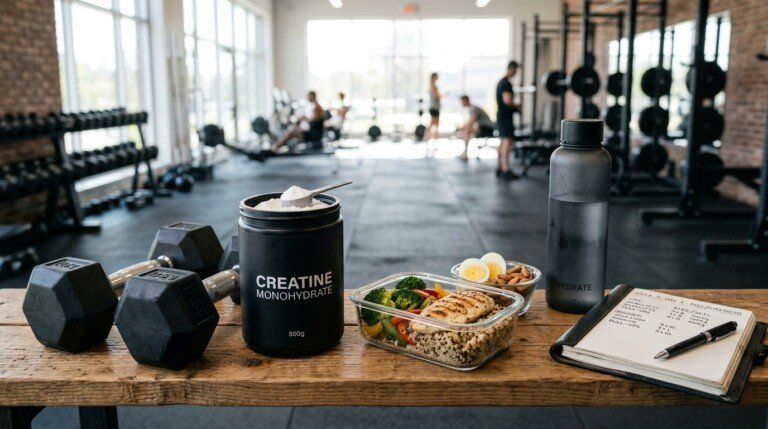
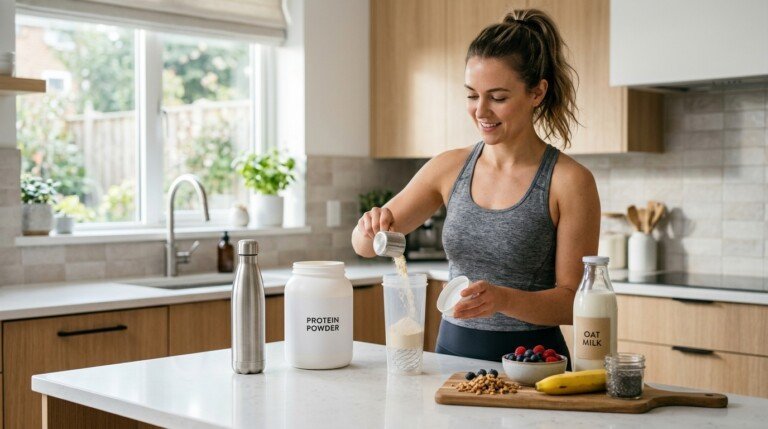
Protein powder has become one of the most widely used nutrition supplements in the world. Once associated almost exclusively with bodybuilders and professional athletes, it is now commonly found in kitchens, offices, and grocery stores. Busy professionals mix it into smoothies, older adults use it to support healthy aging, and people trying to lose weight often include it in their nutrition plans.
But despite its popularity, one important question remains.
Who Should Use Protein Powder?
The answer isn’t as simple as “everyone” or “only people who exercise.”
Protein powder is not an essential supplement for every person, nor is it a shortcut to better health. Instead, it serves a practical purpose by helping people meet their daily protein needs when whole foods alone are not enough or are less convenient.
Whether protein powder makes sense depends on your lifestyle, eating habits, activity level, and personal goals. For some people, it can be a valuable addition to a balanced diet. For others, whole food sources may already provide everything they need.
In this guide, we’ll explore Who Should Use Protein Powder, which groups benefit the most, when whole foods may be the better choice, and who should speak with a healthcare professional before adding protein supplements to their routine.
Quick Answer
Who Should Use Protein Powder? Protein powder can benefit people who struggle to meet their daily protein needs through food alone, including active adults, athletes, older adults, vegetarians, vegans, and some individuals working toward healthy weight management. However, it is a supplement rather than a necessity, and many healthy people can meet their protein needs through a balanced diet without using protein powder.
Who Benefits the Most From Protein Powder?
The usefulness of protein powder depends more on your daily routine than on your age or fitness level.
Some people naturally consume enough protein through regular meals, while others find it difficult because of busy schedules, dietary preferences, or increased nutritional needs.


Active Adults
People with physically active lifestyles often require more attention to their nutrition than those who are mostly sedentary.
Whether you enjoy:
- Strength training
- Recreational sports
- Hiking
- Cycling
- Fitness classes
protein plays an important role in supporting normal muscle maintenance and recovery.
Protein powder can simply offer a convenient way to supplement meals on busy days.
People With Busy Schedules
Modern life often leaves little time for preparing balanced meals.
Long work hours, commuting, travel, or family responsibilities sometimes make it difficult to eat protein-rich foods consistently.
In these situations, protein powder can provide a practical alternative without replacing healthy eating habits altogether.
People Trying to Maintain Muscle
Maintaining muscle becomes increasingly important throughout adulthood.
People who participate in regular exercise often focus on consistent protein intake alongside resistance training to support healthy body composition over time.
Understanding the overall Benefits of Protein Powder helps explain why it has become a popular option among active individuals.
Is Protein Powder a Good Choice for Beginners?
One of the biggest misconceptions is that protein powder is only for experienced gym members.
In reality, beginners often ask more questions about nutrition than advanced exercisers.
You Don’t Need to Earn the Right to Use Protein Powder
Some people believe they should wait until they’ve exercised for several months before considering protein powder.
That’s not necessary.
Protein powder is simply another food-based source of protein.
If it helps you meet your nutritional needs, it can fit into a healthy lifestyle regardless of your fitness experience.
Beginners Should Focus on Habits First
Rather than relying on supplements, beginners benefit most from building sustainable habits such as:
- Eating balanced meals
- Exercising consistently
- Sleeping well
- Staying physically active
Protein powder works best as a supporting tool rather than the foundation of a nutrition plan.
Keep Expectations Realistic
Protein powder won’t create dramatic changes by itself.
Instead, it supports healthy habits that gradually produce long-term progress.
People new to fitness often benefit from understanding Protein Powder as a convenient nutritional supplement instead of viewing it as a requirement for success.
Should Older Adults Consider Protein Powder?
As we age, maintaining muscle becomes increasingly important for mobility, independence, and overall health.
This is one reason protein receives more attention in discussions about healthy aging.

Muscle Changes Naturally With Age
Adults gradually experience changes in muscle mass over time.
Remaining physically active and consuming adequate dietary protein both contribute to maintaining muscle as part of healthy aging.
Protein powder may help some older adults who struggle to consume enough protein through regular meals.
Convenience Can Be Helpful
Some older adults experience:
- Reduced appetite
- Difficulty preparing meals
- Smaller meal portions
In these situations, protein powder may provide a convenient way to supplement overall protein intake.
Whole Foods Still Matter
Even when protein powder is included, it should complement rather than replace nutritious meals containing fruits, vegetables, whole grains, healthy fats, and other important nutrients.
Healthy aging depends on overall dietary quality rather than one supplement alone.
Is Protein Powder Helpful for Weight Management?
Many people associate protein powder with muscle building, but it can also fit into weight management plans.
The key is understanding its role.
Protein Powder Doesn’t Cause Weight Loss
Protein powder does not directly burn body fat.
Instead, it may help support healthy eating habits by making it easier to include adequate protein in the diet.
Long-term weight management still depends on overall nutrition and physical activity.
Supporting a Balanced Eating Pattern
Some people find protein-rich meals more satisfying than meals that contain very little protein.
Feeling satisfied may make it easier to maintain consistent eating habits over time.
This is only one piece of a broader healthy lifestyle.
Combining adequate protein intake with regular exercise and Strength Training for Fat Loss creates a more sustainable approach than relying on supplements alone.
Convenience During Busy Days
Busy schedules sometimes make balanced meals difficult.
Protein powder can provide a practical option when preparing a complete meal isn’t possible, helping people stay consistent with their nutrition goals.
Can Vegetarians and Vegans Benefit From Protein Powder?
People following vegetarian or vegan eating patterns often pay closer attention to protein intake than those who eat a wider variety of foods. While many plant-based foods contain protein, consistently meeting daily protein needs can sometimes require more planning.
Protein powder can be a practical solution, but it is not automatically necessary.
Vegetarian Diets
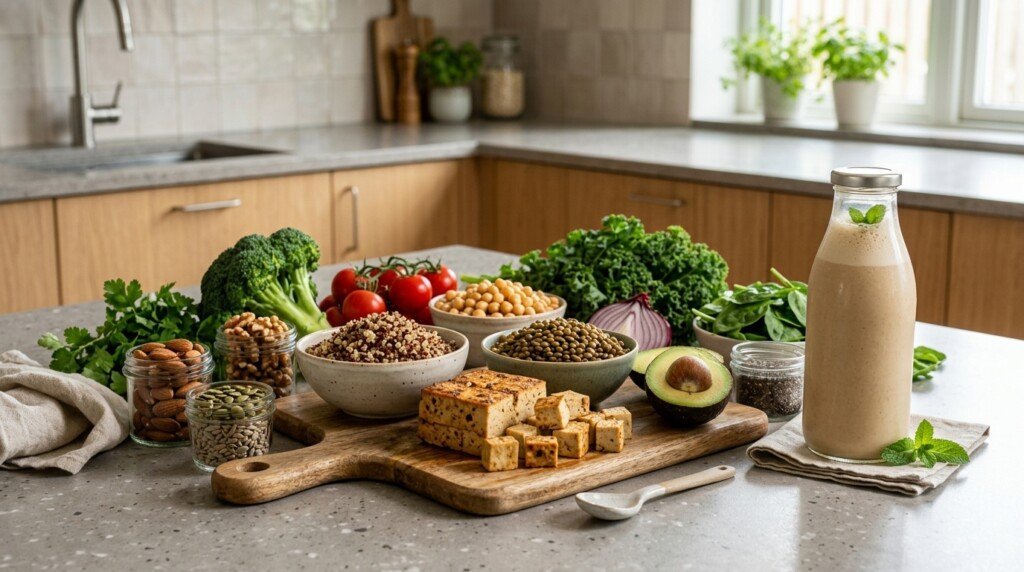
Vegetarians often obtain protein from foods such as:
- Dairy products
- Eggs
- Beans
- Lentils
- Greek yogurt
- Cottage cheese
- Nuts and seeds
If these foods already provide enough protein throughout the day, a protein supplement may not be needed.
However, busy schedules or reduced appetite can make protein powder a convenient addition.
Vegan Diets
People following vegan diets rely entirely on plant-based protein sources.
These commonly include:
- Lentils
- Chickpeas
- Tofu
- Tempeh
- Edamame
- Quinoa
- Beans
- Plant-based protein powders
For some vegans, protein powder offers an easy way to support daily protein intake without relying exclusively on whole foods at every meal.
Convenience Rather Than Necessity
Whether someone follows an omnivorous, vegetarian, or vegan diet, protein powder serves the same purpose.
It helps fill nutritional gaps when whole foods alone are not practical.
It should complement a balanced eating pattern rather than replace nutritious meals.
Who Should Avoid Protein Powder?
Although protein powder is suitable for many healthy adults, it is not appropriate for everyone.
Certain groups should take extra care before including it in their routine.

People With Food Allergies
Many protein powders are made from ingredients such as:
- Milk
- Soy
- Eggs
Individuals with allergies to these foods should carefully check ingredient labels before using any protein supplement.
People With Certain Medical Conditions
Those living with chronic kidney disease or other conditions that affect protein metabolism should seek advice from a healthcare professional before adding protein supplements.
Medical guidance should always take priority over general nutrition advice.
People Who Already Meet Their Protein Needs
Protein powder is a supplement.
If you consistently obtain enough protein from a balanced diet, there may be little reason to add another protein source.
Whole foods can often provide the protein your body needs while also supplying vitamins, minerals, fiber, and other beneficial nutrients.
For readers with questions about supplement safety, understanding Protein Powder Side Effects can help clarify when additional caution may be appropriate.
When Should You Choose Whole Foods Instead?
Protein powder is convenient, but convenience does not automatically make it the best choice.
In many situations, whole foods remain the preferred option.
Whole Foods Offer More Than Protein
Protein-rich foods naturally provide many nutrients that protein powder alone cannot fully replace.
These include:
- Fiber
- Healthy fats
- Vitamins
- Minerals
- Antioxidants
- Phytochemicals
These nutrients contribute to overall health beyond simply increasing protein intake.
Meals Create Better Eating Habits
Preparing balanced meals encourages a more varied diet.
Whole foods also promote mindful eating and provide greater dietary diversity over time.
Supplements Should Fill Gaps
The word “supplement” describes its intended role.
Protein powder is designed to supplement a healthy diet, not become the primary source of daily nutrition.
Whenever practical, building meals around nutritious whole foods remains the best long-term strategy.
Including naturally protein-rich options like High-Protein Foods That Burn Fat makes it easier to meet nutritional needs while enjoying a wider variety of foods.
How Can You Decide If Protein Powder Is Right for You?
Instead of asking whether protein powder is good or bad, ask whether it solves a genuine problem in your daily routine.
A few simple questions can help.
Do You Regularly Miss Your Protein Goals?
If reaching adequate protein intake through food alone is consistently difficult, protein powder may offer a convenient solution.
Is Your Lifestyle Busy?
People who travel frequently, work long hours, or have unpredictable schedules sometimes find protein powder easier than preparing protein-rich meals every day.
Are You Building Healthy Habits?
Protein powder works best alongside:
- Balanced nutrition
- Regular physical activity
- Good sleep
- Long-term consistency
It cannot replace these healthy habits.
Would Whole Foods Work Just as Well?
If the answer is yes, whole foods remain an excellent choice.
Protein powder simply offers flexibility when life makes balanced eating more challenging.
Protein Powder Is a Tool, Not a Requirement
The question Who Should Use Protein Powder does not have one universal answer.
Some people benefit greatly from its convenience, while others comfortably meet their protein needs through everyday meals.
The best decision depends on your individual goals, eating habits, activity level, and overall health.
Rather than asking whether everyone should use protein powder, it’s more useful to ask whether it genuinely supports your lifestyle.
When used appropriately, protein powder becomes another practical nutrition tool rather than something you feel obligated to include.
Key Takeaways
| Topic | Key Point |
|---|---|
| Best candidates | Active adults, older adults, vegetarians, vegans, and people with busy lifestyles may benefit most from protein powder. |
| Beginners | Protein powder is suitable for beginners but should support healthy habits rather than replace them. |
| Weight management | Protein powder may help support balanced nutrition but does not directly cause weight loss. |
| Whole foods | Nutritious whole foods should remain the primary source of dietary protein whenever possible. |
| Who should avoid it | People with food allergies or certain medical conditions should consult a healthcare professional before using protein supplements. |
| Overall recommendation | Protein powder is a convenient supplement, not a nutritional requirement for everyone. |

Frequently Asked Questions
1. Does everyone need protein powder?
No. Who Should Use Protein Powder depends on individual protein needs, eating habits, activity levels, and lifestyle. Many healthy people meet their protein requirements through whole foods alone.
2. Is protein powder only for athletes?
No. While athletes often use protein powder, it can also be useful for busy adults, older adults, vegetarians, vegans, and anyone who finds it difficult to consume enough protein through food.
3. Can older adults benefit from protein powder?
Yes. Some older adults may find protein powder helpful if reduced appetite or smaller meals make it difficult to consume adequate dietary protein as part of healthy aging.
4. Should beginners take protein powder?
Beginners can use protein powder if it helps meet their nutritional needs, but building consistent eating habits and maintaining regular physical activity should remain the primary focus.
5. When are whole foods a better choice than protein powder?
Whole foods are generally the better option whenever they provide enough protein because they also contain fiber, vitamins, minerals, healthy fats, and many other beneficial nutrients.
Conclusion
Understanding Who Should Use Protein Powder is less about finding a universal recommendation and more about identifying whether it fits your personal lifestyle and nutritional needs. For active adults, older adults, vegetarians, vegans, and people with demanding schedules, protein powder can be a practical way to support daily protein intake. For others who already enjoy a balanced diet rich in protein-containing foods, it may not be necessary at all.
The most effective approach is to think of protein powder as a tool rather than a requirement. A healthy diet built around whole foods should remain the foundation of good nutrition, while protein powder can fill occasional gaps when convenience or changing circumstances make it difficult to meet your protein needs through meals alone. When chosen thoughtfully and used as part of a balanced lifestyle, it can support long-term health goals without replacing the value of nutritious everyday foods.
Disclaimer:
This post may contain affiliate links. If you purchase through them, we may earn a small commission at no extra cost to you. Also, this content is for informational purposes only and does not substitute professional medical advice.