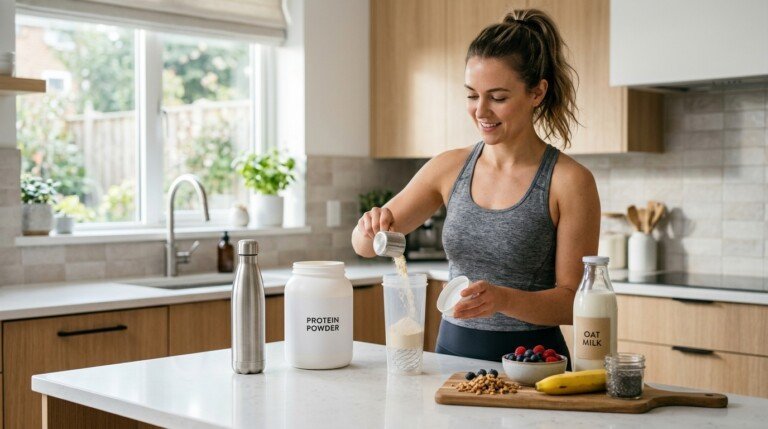
How to Take Collagen for Weight Loss: Dosage, Mixing Tips, and Common Mistakes
Buying a quality collagen supplement is only the first step. The next question is just as important: are you actually using it correctly?
Many people purchase collagen with high expectations but never develop a consistent routine. Others mix it into random drinks, guess the serving size, or expect it to replace healthy meals. These small mistakes can lead to unrealistic expectations and make collagen feel less effective than it really is.
Understanding How to Take Collagen for Weight Loss is less about finding a secret trick and more about using it as part of a balanced nutrition plan. Collagen works best when it supports your daily protein intake, complements nutritious meals, and fits naturally into a sustainable lifestyle.
Fortunately, using collagen doesn’t have to be complicated.
Whether you prefer coffee, smoothies, yogurt, or simple recipes, collagen peptides are designed to be easy to incorporate into everyday eating habits. Combined with realistic serving sizes and proper storage, collagen can become one of the simplest supplements to use consistently.
In this guide, you’ll learn How to Take Collagen for Weight Loss, including recommended daily amounts, practical mixing ideas, storage tips, and the common mistakes that many beginners make.
Quick Answer
How to Take Collagen for Weight Loss starts with following the serving size recommended on your collagen product, using it consistently as part of your daily routine, and mixing it into foods or beverages you already enjoy. Collagen should complement a balanced diet, contribute to your daily protein intake, and never replace nutritious meals or healthy lifestyle habits.
How Much Collagen Should You Take Daily?
One of the first questions most people ask is how much collagen they actually need.
Unlike many supplements, collagen recommendations are generally based on the amount of collagen peptides used in scientific research and the manufacturer’s serving instructions.

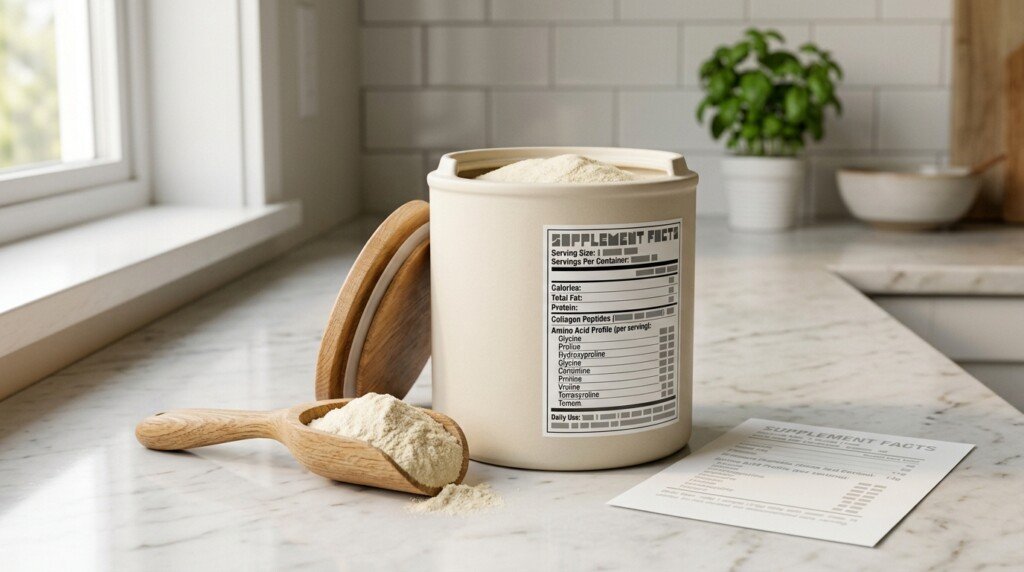
Follow the Recommended Serving Size
Most collagen supplements provide a serving size measured by:
- One scoop
- Two scoops
- Tablespoons
- Individual packets
Rather than estimating your own amount, begin with the serving size printed on the product label.
Different manufacturers may produce collagen with different scoop sizes or concentrations.
Consider Your Total Daily Protein Intake
Collagen contributes to your overall protein intake rather than replacing it.
When planning your nutrition, think about protein from all sources, including:
- Lean meats
- Fish
- Eggs
- Dairy products
- Legumes
- Nuts
- Collagen peptides
A balanced diet remains the foundation of healthy weight management.
More Is Not Always Better
Some people assume that doubling the amount of collagen will produce faster results.
Current evidence does not support this idea.
Collagen works as part of an overall nutrition strategy rather than through excessive intake.
Consistency is usually far more important than taking larger amounts.
Should Collagen Be Taken Every Day?
One serving of collagen occasionally is unlikely to have the same value as making it part of a regular routine.
Like many nutritional habits, consistency matters.
Daily Habits Produce Better Long-Term Results
Collagen contributes protein to your diet each day you consume it.
People who incorporate collagen into their regular eating patterns often find it easier to maintain the habit over time.
Building collagen into your daily routine also reduces the chance of forgetting to take it.
Make It Easy to Remember
Instead of treating collagen as another task on your checklist, attach it to an existing habit.
Many people naturally add collagen to:
- Morning coffee
- Breakfast smoothies
- Yogurt
- Oatmeal
- Afternoon protein shakes
The simpler the routine, the easier it becomes to stay consistent.
Consistency Supports Healthy Lifestyle Habits
Regular collagen use should complement the same healthy behaviors that support successful weight management, including balanced meals, regular exercise, and adequate protein intake.
Many people include collagen alongside High-Protein Foods That Burn Fat to create satisfying meals that support long-term nutrition goals.
What Can You Mix Collagen With?
One reason collagen has become so popular is its versatility.
Hydrolyzed collagen peptides dissolve easily into many everyday foods and beverages.
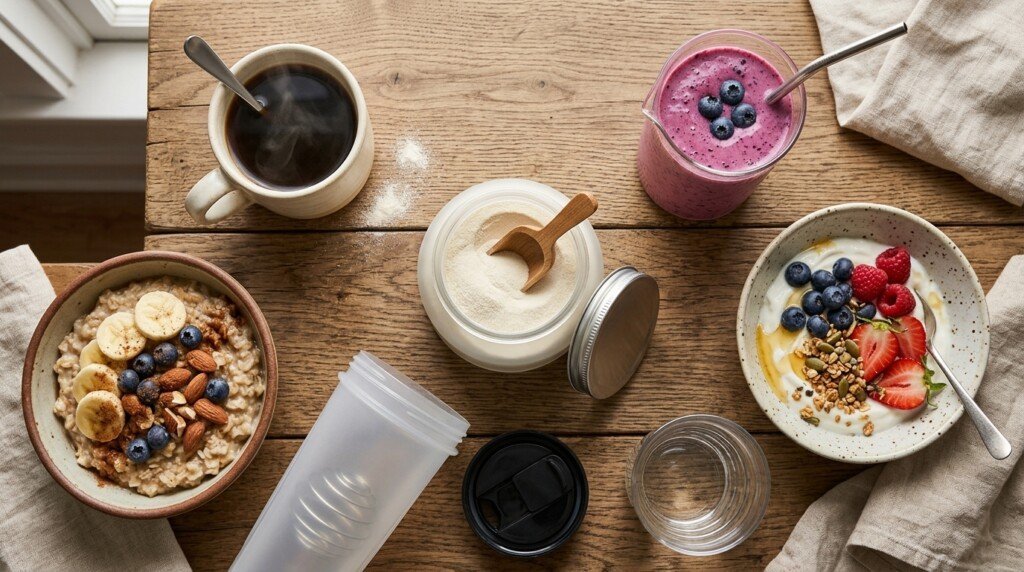
Hot Drinks
Collagen mixes well into warm beverages such as:
- Coffee
- Tea
- Hot chocolate
Many unflavored collagen powders dissolve with very little noticeable change in taste.
Cold Drinks
Collagen also blends easily into:
- Smoothies
- Protein shakes
- Milk
- Plant-based beverages
- Cold water
Using a blender or shaker bottle usually creates the smoothest consistency.
Everyday Foods
Collagen isn’t limited to beverages.
Many people stir collagen into:
- Yogurt
- Oatmeal
- Cottage cheese
- Overnight oats
- Homemade energy bites
Adding collagen to familiar meals often makes daily use feel effortless.
Can Collagen Be Added to Coffee or Smoothies?
Absolutely.
Coffee and smoothies remain two of the most common ways people enjoy collagen.
Coffee Is One of the Most Popular Options
Unflavored hydrolyzed collagen dissolves well in hot coffee.
Because it has a relatively neutral taste, many people barely notice it’s there.
This makes coffee an easy place to build a consistent habit.
Smoothies Create a Protein-Rich Breakfast
Smoothies provide another convenient option because collagen blends well with ingredients such as:
- Berries
- Bananas
- Greek yogurt
- Spinach
- Milk
- Oats
These ingredients can contribute to a balanced breakfast while increasing overall protein intake.
Think Beyond Drinks
Collagen can also become part of recipes including pancakes, muffins, soups, and homemade protein snacks.
The easiest routine is often the one that fits naturally into your existing eating habits rather than requiring major changes.
Collagen also works best when viewed as one component of a balanced approach to Collagen for Weight Loss, complementing the broader Benefits of Collagen for Weight Loss rather than replacing nutritious eating.
Should Collagen Replace a Meal?
Some people view collagen as a quick substitute for breakfast or lunch because it is easy to prepare.
However, collagen was never designed to function as a complete meal replacement.

Collagen Is a Protein Supplement, Not a Complete Meal
While collagen contributes to your daily protein intake, it does not provide the full range of nutrients found in a balanced meal.
A nutritious meal typically includes:
- Protein
- Complex carbohydrates
- Healthy fats
- Fiber
- Vitamins
- Minerals
Collagen supports one part of that nutritional picture, but it cannot replace the others.
Pair Collagen With Nutritious Foods
Instead of replacing meals, consider adding collagen to foods that already provide balanced nutrition.
For example, collagen pairs well with:
- Greek yogurt and berries
- Oatmeal with fruit and nuts
- Smoothies made with milk, spinach, oats, and fruit
- Cottage cheese with seeds
This approach increases overall protein intake while maintaining a well-rounded meal.
Think of Collagen as a Nutritional Addition
The most successful long-term routines treat collagen as something that complements healthy eating rather than replacing it.
Weight management still depends on balanced nutrition and sustainable eating habits.
What Mistakes Can Make Collagen Less Effective?
Collagen is simple to use, but several common mistakes can prevent people from getting the most from it.
Fortunately, these mistakes are easy to avoid.

Expecting Collagen to Burn Fat
One of the biggest misconceptions is believing collagen directly melts body fat.
Current evidence does not support this claim.
Collagen works by supporting protein intake and healthy lifestyle habits, not by acting as a fat-burning supplement.
Ignoring Overall Nutrition
Adding collagen to a diet high in processed foods while neglecting overall nutrition is unlikely to produce meaningful results.
Collagen works best alongside:
- Balanced meals
- Adequate protein
- Fruits and vegetables
- Regular exercise
- Healthy hydration
Being Inconsistent
Taking collagen occasionally is less likely to become a meaningful part of your nutrition routine.
Building a daily habit often produces better long-term consistency than remembering it only once or twice each week.
Buying More Than You Need
Many people purchase several collagen products before finishing one.
Instead, complete one container while maintaining a consistent routine before deciding whether another product better suits your preferences.
Treating Collagen Like a Miracle Supplement
Perhaps the most common mistake is expecting collagen to replace healthy habits.
Collagen supports healthy nutrition, but it cannot replace balanced meals, physical activity, or long-term consistency.
How Should Collagen Be Stored?
Proper storage helps maintain product quality throughout its shelf life.
Fortunately, collagen is one of the easiest supplements to store.
Keep It Cool and Dry
Store collagen in a location that is:
- Cool
- Dry
- Away from direct sunlight
- Protected from excess humidity
Kitchen cupboards and pantry shelves are usually appropriate storage locations.
Close the Container Properly
After each use, reseal the container tightly.
This helps reduce exposure to moisture and keeps the powder fresh.
Always use a clean, dry scoop to avoid introducing moisture into the container.
Follow Manufacturer Storage Instructions
Although most collagen products have similar storage recommendations, always follow the instructions printed on the packaging.
Manufacturers may provide additional guidance based on the product formulation.
Small Daily Habits Often Produce the Biggest Results
Understanding How to Take Collagen for Weight Loss isn’t about following a complicated routine.
In fact, the simplest approach is often the most sustainable.
Using the recommended serving size, mixing collagen into meals or beverages you already enjoy, storing it properly, and staying consistent creates a routine that’s easy to maintain over time.
Equally important is understanding what collagen is not.
It is not a meal replacement, a fat burner, or a shortcut to weight loss.
Instead, collagen supports your overall protein intake and fits naturally into a balanced lifestyle built around nutritious eating and regular physical activity.
As you continue building your collagen routine, future articles covering the Best Time to Take Collagen and a realistic Results Timeline will help answer the next questions many people have after establishing daily consistency.
Key Takeaways
| Topic | Key Point |
|---|---|
| Daily amount | Follow the serving size listed on your collagen product rather than guessing or taking extra. |
| Daily use | Consistent daily use is generally more important than occasional large servings. |
| Mixing | Collagen blends easily into coffee, smoothies, yogurt, oatmeal, and many everyday recipes. |
| Meals | Collagen should complement balanced meals rather than replace them. |
| Common mistakes | Avoid expecting collagen to burn fat, skipping balanced nutrition, or using it inconsistently. |
| Storage | Store collagen in a cool, dry place with the container sealed tightly after each use. |

Frequently Asked Questions
1. How much collagen should I take?
How to Take Collagen for Weight Loss begins by following the serving size recommended by the manufacturer. The appropriate amount varies between products, so always check the product label instead of estimating.
2. Can I mix collagen with coffee?
Yes. Hydrolyzed collagen peptides dissolve well in hot coffee and usually have very little impact on taste, making coffee one of the most popular ways to use collagen.
3. Can I take collagen every day?
Yes. Most people incorporate collagen into their daily routine as part of their overall protein intake. Consistency is generally more beneficial than occasional use.
4. Should collagen replace meals?
No. Collagen is a protein supplement, not a complete meal replacement. It works best when added to balanced meals that provide carbohydrates, healthy fats, fiber, vitamins, and minerals.
5. What is the easiest way to build a collagen habit?
Choose one meal or beverage you already consume every day, such as coffee, a smoothie, or yogurt, and add collagen to that routine. Keeping the habit simple makes it easier to stay consistent over the long term.
Conclusion
Understanding How to Take Collagen for Weight Loss is less about finding the perfect routine and more about creating one you can maintain consistently. Following the recommended serving size, mixing collagen into foods and drinks you already enjoy, storing it correctly, and using it as part of your daily nutrition can make collagen an effortless addition to a healthy lifestyle. These practical habits help ensure collagen supports your overall protein intake without adding unnecessary complexity to your day.
It’s equally important to keep realistic expectations. Collagen is not a replacement for balanced meals or healthy lifestyle habits, but it can complement them by fitting naturally into a nutritious eating pattern. When combined with quality food choices, regular physical activity, and long-term consistency, collagen becomes a practical nutritional tool that supports your broader weight management goals rather than trying to replace the foundations that truly drive lasting success.
Disclaimer:
This post may contain affiliate links. If you purchase through them, we may earn a small commission at no extra cost to you. Also, this content is for informational purposes only and does not substitute professional medical advice.