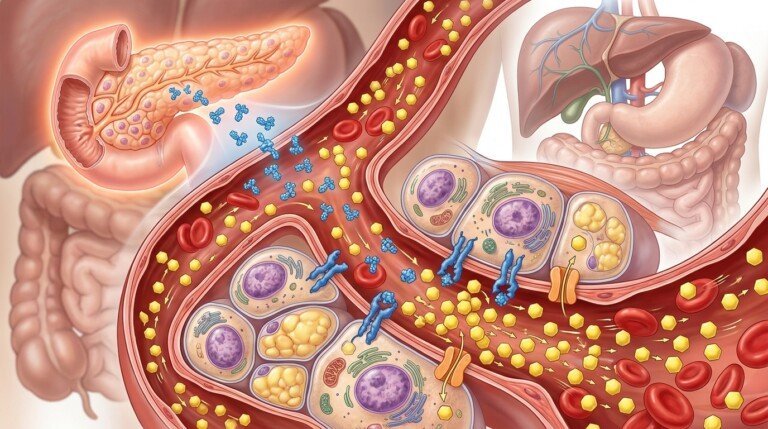
How Is Insulin Resistance Diagnosed? Tests, Numbers, and What They Mean

An Insulin Resistance Test is often the first step toward understanding why blood sugar levels are rising or why symptoms such as fatigue, increased hunger, weight gain around the waist, or persistent cravings are becoming more noticeable. Unlike many medical conditions that can be confirmed with a single laboratory result, insulin resistance is usually identified by looking at several health markers together rather than relying on one test alone.

This is because insulin resistance develops gradually. For years, your body may continue producing enough insulin to keep blood glucose within the normal range, even while your cells become less responsive to insulin. During this stage, routine blood sugar tests may still appear normal, making insulin resistance more difficult to recognize without additional evaluation.

Healthcare professionals therefore consider a combination of blood tests, medical history, physical examination, family history, and risk factors before making a diagnosis. Tests such as fasting glucose, fasting insulin, HbA1c, oral glucose tolerance testing, and HOMA-IR each provide different information about how your body regulates glucose and insulin.

It is also important to understand that laboratory numbers should never be interpreted in isolation. Two people with similar blood test results may have very different overall health depending on their age, body composition, activity level, family history, and other metabolic risk factors. For this reason, laboratory testing should always be interpreted by a qualified healthcare professional.

The encouraging news is that identifying insulin resistance early creates an opportunity to make lifestyle changes before more serious metabolic problems develop. Understanding what each test measures can help you have more informed conversations with your healthcare provider and better understand your own health.

In this article, you’ll learn how doctors diagnose insulin resistance, which blood tests are commonly used, what HOMA-IR measures, whether home testing is possible, how to understand common laboratory results, and when repeat testing may be appropriate.


How Do Doctors Diagnose Insulin Resistance?

Diagnosing insulin resistance is rarely as simple as ordering one blood test and receiving a clear yes-or-no answer.

Instead, healthcare professionals evaluate several pieces of information to understand how efficiently your body responds to insulin. Since insulin resistance develops gradually, the earliest changes often occur long before blood sugar rises above the normal range.

For that reason, diagnosis usually combines laboratory testing with an overall assessment of your health.

Your Medical History Matters

The diagnostic process often begins with a discussion about your overall health.

Your healthcare provider may ask about:

  • Family history of type 2 diabetes
  • Recent weight changes
  • Physical activity levels
  • Eating habits
  • Sleep quality
  • Previous blood sugar results
  • Pregnancy history, if applicable
  • Current medical conditions

These details help identify whether additional testing is appropriate.

Symptoms Can Provide Important Clues

Some people have no obvious symptoms during the early stages of insulin resistance.

Others may experience changes such as:

  • Fatigue after meals
  • Increased hunger
  • Sugar cravings
  • Difficulty losing weight
  • Increasing waist circumference
  • Darkened skin patches around the neck or underarms
  • Elevated blood pressure

These symptoms alone cannot diagnose insulin resistance, but they often encourage further investigation.

Many of these warning signs are discussed throughout Signs of Insulin Resistance, where physical symptoms are explained alongside common metabolic risk factors.

Physical Examination Is Part of the Assessment

During an examination, your healthcare provider may evaluate several measurements associated with metabolic health.

These commonly include:

  • Body weight
  • Height
  • Body mass index (BMI)
  • Waist circumference
  • Blood pressure

Waist circumference is especially useful because excess abdominal fat is closely associated with reduced insulin sensitivity.

People with increased abdominal fat may also notice similar patterns discussed in Diabetic Belly Fat and Visceral Fat, where central fat distribution is linked with metabolic health rather than appearance alone.

Laboratory Tests Complete the Picture

Once symptoms, medical history, and physical findings have been reviewed, laboratory testing provides objective information about how your body manages glucose and insulin.

Different tests answer different questions.

Some measure your current blood sugar.

Others estimate your average blood sugar over several months.

Some evaluate insulin production.

Others assess how efficiently insulin is working inside the body.

Because each test provides different information, healthcare providers often order several together instead of relying on a single laboratory result.

Diagnosis Looks at Patterns, Not One Number

One of the biggest misconceptions is that insulin resistance can always be identified from one laboratory value.

In reality, healthcare professionals look for patterns.

They evaluate:

  • Blood glucose
  • Insulin levels
  • HbA1c
  • Body composition
  • Blood pressure
  • Cholesterol
  • Family history
  • Lifestyle factors

Looking at these markers together provides a much more accurate understanding of metabolic health than any individual measurement.


Which Blood Tests Can Detect Insulin Resistance?

Several laboratory tests help healthcare providers evaluate insulin sensitivity.

Each measures a different aspect of metabolic health, so understanding what they do can make your results much easier to interpret.

Fasting Blood Glucose

A fasting blood glucose test measures the amount of glucose in your bloodstream after you have not eaten for several hours.

It is one of the most commonly ordered laboratory tests because it is simple, inexpensive, and widely available.

Although fasting glucose helps identify elevated blood sugar, it does not directly measure insulin resistance.

Many people have normal fasting glucose while insulin resistance is already developing.

For that reason, healthcare providers often combine fasting glucose with other tests.

Fasting Insulin Test

A fasting insulin test measures how much insulin your pancreas produces after fasting.

Higher insulin levels may suggest that your body is producing extra insulin to compensate for reduced insulin sensitivity.

Although fasting insulin is not routinely included in every health screening, it can provide valuable information when interpreted alongside fasting glucose.

HbA1c

HbA1c reflects your average blood sugar during approximately the previous two to three months.

Unlike fasting glucose, which captures one moment in time, HbA1c provides a broader picture of long-term glucose regulation.

This makes it particularly useful for monitoring trends over time.

However, HbA1c alone cannot confirm insulin resistance.

Some individuals with insulin resistance continue to have HbA1c values within the normal range.

Oral Glucose Tolerance Test (OGTT)

The oral glucose tolerance test evaluates how your body handles glucose over time.

After measuring fasting blood glucose, you’ll drink a standardized glucose solution.

Additional blood samples are then collected over the following hours to observe how efficiently glucose returns toward normal levels.

This test provides valuable information about glucose metabolism but usually requires more time than routine laboratory testing.

Lipid Profile

Although cholesterol testing does not diagnose insulin resistance, abnormal lipid levels often accompany metabolic dysfunction.

Healthcare providers frequently review:

  • HDL cholesterol
  • LDL cholesterol
  • Total cholesterol
  • Triglycerides

Together with blood sugar measurements, these markers help create a more complete picture of metabolic health.

No Single Test Provides Every Answer

Each laboratory test contributes one piece of the overall picture.

Rather than asking which test is “best,” it is more accurate to ask which combination of tests provides the clearest understanding of your metabolic health.

That broader approach allows healthcare professionals to identify insulin resistance earlier and evaluate your results within the context of your overall health rather than relying on one laboratory number alone.


What Is HOMA-IR?

Among the laboratory tools used to evaluate insulin resistance, one of the least familiar is the Homeostatic Model Assessment of Insulin Resistance (HOMA-IR). While fasting blood glucose and HbA1c are commonly included in routine health screenings, HOMA-IR is typically used when healthcare providers want a more detailed picture of how efficiently your body responds to insulin.

Unlike a single laboratory test, HOMA-IR is a calculated value. It combines your fasting blood glucose and fasting insulin results to estimate how hard your body is working to keep blood sugar within a healthy range. The calculation helps identify situations where the pancreas is producing extra insulin to compensate for reduced insulin sensitivity, even when blood glucose levels still appear normal.

Because insulin resistance often develops years before blood sugar rises above the normal range, HOMA-IR can sometimes provide useful information during these earlier stages of metabolic dysfunction.

How Is HOMA-IR Calculated?

You do not need to calculate HOMA-IR yourself.

The value is determined using a mathematical formula that combines two laboratory measurements:

  • Fasting blood glucose
  • Fasting insulin

Many laboratories or healthcare providers automatically calculate the result when both values are available.

Although online calculators exist, the number should always be interpreted by a qualified healthcare professional because several factors influence its clinical meaning.

What Does HOMA-IR Tell You?

Rather than measuring blood sugar directly, HOMA-IR estimates how sensitive your body’s cells are to insulin.

A higher value may suggest that your pancreas is producing larger amounts of insulin to keep blood glucose within a normal range. This can indicate reduced insulin sensitivity before more obvious changes appear in fasting glucose or HbA1c.

However, HOMA-IR should never be viewed as a diagnosis by itself. It is simply one piece of a much larger clinical assessment.

Healthcare providers evaluate HOMA-IR alongside:

  • Medical history
  • Physical examination
  • Waist circumference
  • Blood pressure
  • Lipid profile
  • Other laboratory results

Looking at all of these factors together provides a much more accurate understanding of metabolic health.

Is There a “Normal” HOMA-IR Number?

Many people search online hoping to find one universal HOMA-IR cutoff value.

Unfortunately, it isn’t that simple.

Reference ranges may differ between laboratories because of variations in testing methods, populations studied, age, ethnicity, and other clinical factors.

For that reason, your healthcare provider will interpret your result using the laboratory’s reference range while also considering your personal medical history and other risk factors.

Trying to diagnose yourself based on a number found online often creates unnecessary confusion.

Why Isn’t HOMA-IR Used in Every Routine Checkup?

Although HOMA-IR provides useful information, it is not routinely included in standard health screenings.

There are several reasons for this.

First, calculating HOMA-IR requires both fasting glucose and fasting insulin measurements. While fasting glucose is commonly ordered, fasting insulin is not always part of routine laboratory panels.

Second, healthcare providers often begin with simpler screening tests and only request additional testing when symptoms, medical history, or other laboratory findings suggest a greater risk of insulin resistance.

Finally, no single laboratory value can fully describe a person’s metabolic health. Clinical judgment remains just as important as laboratory testing.


Can You Test for Insulin Resistance at Home?

As interest in metabolic health has grown, many people wonder whether they can diagnose insulin resistance without visiting a healthcare provider.

The short answer is that there is currently no reliable home test that can diagnose insulin resistance on its own.

While several devices allow you to monitor aspects of blood sugar, diagnosing insulin resistance requires interpreting multiple clinical findings together. Home testing can provide useful information, but it cannot replace professional medical evaluation.

Home Blood Glucose Meters

Blood glucose meters allow you to measure your blood sugar using a small drop of blood from your fingertip.

These devices are commonly used by people living with diabetes, but some individuals also use them to understand how their blood sugar responds to meals or fasting.

Although home glucose monitoring provides valuable information about blood sugar levels at specific moments, it does not directly measure insulin sensitivity.

A person may have normal home glucose readings while insulin resistance is already developing.

Continuous Glucose Monitors (CGMs)

Continuous glucose monitors have become increasingly popular in recent years.

These wearable devices measure glucose levels throughout the day and night, providing a detailed picture of how blood sugar changes after meals, physical activity, stress, and sleep.

For some people, this information can increase awareness of lifestyle habits that influence blood sugar.

However, a CGM still does not diagnose insulin resistance.

It measures glucose, not how efficiently your body’s cells respond to insulin.

Can Symptoms Tell You?

Some people attempt to diagnose themselves based on symptoms such as fatigue, sugar cravings, increased hunger, or abdominal weight gain.

While these symptoms may be associated with insulin resistance, they are not specific enough to confirm a diagnosis.

Many other medical conditions can cause similar symptoms.

That is why healthcare providers rely on medical history, physical examination, and laboratory testing rather than symptoms alone.

When Is Home Monitoring Helpful?

Although home testing cannot diagnose insulin resistance, it can sometimes support conversations with your healthcare provider.

For example, tracking your:

  • Blood glucose readings
  • Physical activity
  • Sleep habits
  • Waist circumference
  • Body weight

may help identify patterns that are useful during a medical evaluation.

Lifestyle changes discussed throughout Reverse Insulin Resistance Naturally often encourage this type of long-term habit tracking because progress is rarely reflected by a single measurement alone.

Why Professional Testing Still Matters

The goal of laboratory testing is not simply to obtain numbers but to understand what those numbers mean in the context of your overall health.

Only a healthcare professional can evaluate laboratory results alongside your symptoms, family history, physical examination, and other risk factors.

Professional interpretation helps avoid unnecessary anxiety while ensuring that important metabolic changes are identified as early as possible.


How Should You Understand Your Test Results?

Receiving the results of an Insulin Resistance Test can be confusing, especially if some numbers fall within the normal range while others appear higher or lower than expected. Many people assume that one abnormal value automatically confirms insulin resistance, but interpreting laboratory results is rarely that straightforward.

Healthcare providers look at your results as part of a much larger picture. Your age, medical history, family history, symptoms, body composition, blood pressure, and other laboratory findings all influence how your results are interpreted. Instead of focusing on one number, your healthcare provider evaluates how all the information fits together.

Understanding what your results represent can help you ask better questions during your appointment and avoid unnecessary worry caused by reading isolated numbers online.

Normal Results Do Not Always Rule Out Insulin Resistance

One of the biggest misconceptions is that normal blood sugar means your insulin sensitivity is completely healthy.

In reality, insulin resistance often develops years before fasting blood glucose begins to rise. During these early stages, your pancreas may produce larger amounts of insulin to keep blood sugar within the normal range. As a result, glucose levels can appear normal even though your body is already working harder to maintain them.

This is one reason healthcare providers sometimes order additional tests, such as fasting insulin or HOMA-IR, when insulin resistance is suspected despite normal glucose levels.

Laboratory testing is designed to identify patterns over time, not simply confirm or exclude a condition based on one measurement.

One Abnormal Result Does Not Always Mean Disease

It is also important to remember that laboratory values naturally fluctuate.

Several factors can temporarily influence test results, including:

  • Recent illness
  • Physical activity
  • Sleep quality
  • Emotional stress
  • Certain medications
  • Laboratory variation
  • Whether fasting instructions were followed correctly

For this reason, healthcare providers rarely diagnose insulin resistance based on one unexpected result alone.

If a result appears unusual, repeating the test or combining it with additional laboratory findings often provides a clearer understanding of your metabolic health.

Trends Matter More Than Individual Numbers

Perhaps the most valuable part of laboratory testing is tracking changes over time.

Comparing today’s results with previous measurements allows your healthcare provider to identify whether your metabolic health is improving, remaining stable, or gradually changing.

Monitoring long-term trends may include reviewing:

  • Fasting blood glucose
  • HbA1c
  • Fasting insulin
  • Blood pressure
  • Waist circumference
  • Cholesterol
  • Triglycerides

Looking at these markers together provides a much more meaningful assessment than focusing on one isolated laboratory value.

Ask Questions During Your Appointment

Laboratory reports often contain medical terminology that can be difficult to understand.

Rather than trying to interpret everything yourself, ask your healthcare provider questions such as:

  • What does this result measure?
  • Is this value within the expected range for me?
  • Should any tests be repeated?
  • Are there additional tests I should consider?
  • What changes should I continue monitoring?

Understanding your results allows you to participate more confidently in decisions about your health.

Avoid Self-Diagnosing From Online Charts

It is tempting to compare your laboratory values with reference tables found online.

However, many websites use outdated information or present ranges that differ from those used by your laboratory.

Even when numbers appear similar, two people with identical results may have very different overall health depending on their age, body composition, symptoms, and medical history.

For that reason, laboratory reports should always be interpreted within the context of your complete clinical picture rather than as standalone numbers.


When Should You Get Tested Again?

After completing an Insulin Resistance Test, many people immediately wonder when they should repeat it. The answer depends on why the original testing was performed, your current health status, your individual risk factors, and whether your healthcare provider is monitoring changes over time.

There is no universal testing schedule that applies to everyone. Some people require more frequent monitoring because of elevated risk factors, while others may only need periodic screening as part of routine preventive healthcare.

The purpose of repeat testing is not simply to collect more laboratory values. It is to evaluate whether your metabolic health is remaining stable, improving, or showing signs of change.

If Your Results Were Normal

Normal laboratory results are encouraging, but they do not eliminate the importance of maintaining healthy lifestyle habits.

If you have risk factors such as:

  • A family history of type 2 diabetes
  • Excess abdominal fat
  • High blood pressure
  • Elevated cholesterol
  • Physical inactivity

your healthcare provider may recommend periodic screening to monitor your metabolic health.

Routine monitoring allows potential changes to be identified before symptoms develop.

If Your Results Were Borderline

Sometimes laboratory results are neither clearly normal nor clearly abnormal.

In these situations, your healthcare provider may recommend repeating certain tests after a period of time to determine whether the values remain stable or begin to change.

Borderline results do not necessarily indicate disease, but they often justify closer observation.

If You Have Multiple Risk Factors

People with several metabolic risk factors often benefit from more regular medical follow-up.

Examples include:

  • Increasing waist circumference
  • Prediabetes
  • Elevated blood pressure
  • High triglycerides
  • Low HDL cholesterol
  • Strong family history of diabetes

Regular testing allows healthcare providers to monitor these risk factors together rather than waiting until significant changes occur.

Repeat Testing Helps Monitor Long-Term Progress

Laboratory testing is valuable because it provides objective information over time.

When combined with healthy lifestyle habits, repeat testing can help evaluate long-term changes in:

  • Fasting glucose
  • HbA1c
  • Blood pressure
  • Cholesterol
  • Waist circumference

Many people who adopt healthier habits notice gradual improvements across several of these measurements rather than dramatic changes in a single test result.

Work With Your Healthcare Provider

The best testing schedule is the one recommended by the healthcare professional who understands your complete medical history.

Rather than requesting laboratory tests at random intervals, work together to develop an appropriate monitoring plan based on your personal risk factors and health goals.

Regular follow-up appointments, combined with consistent lifestyle habits and appropriate laboratory testing, provide the clearest picture of your metabolic health over the long term.


Frequently Asked Questions

1. What is the best test for insulin resistance?

There is no single best Insulin Resistance Test. Healthcare providers usually evaluate a combination of fasting blood glucose, fasting insulin, HbA1c, HOMA-IR, medical history, and physical examination to assess insulin sensitivity.

2. Can fasting blood glucose detect insulin resistance?

Fasting blood glucose provides useful information about blood sugar levels, but it does not directly measure insulin resistance. Many people develop insulin resistance while their fasting glucose remains within the normal range.

3. What does HOMA-IR measure?

HOMA-IR estimates insulin sensitivity by combining fasting glucose and fasting insulin values. It helps healthcare providers understand how hard the pancreas is working to maintain healthy blood sugar levels.

4. Can I test for insulin resistance at home?

Home blood glucose meters and continuous glucose monitors can measure blood sugar, but they cannot diagnose insulin resistance on their own. A proper diagnosis requires laboratory testing and professional medical evaluation.

5. How often should an insulin resistance test be repeated?

The frequency depends on your individual risk factors, symptoms, medical history, and previous laboratory results. Your healthcare provider can recommend an appropriate testing schedule based on your overall health.


Final Thoughts

An Insulin Resistance Test is about much more than obtaining a few laboratory numbers. It provides valuable insight into how your body regulates glucose and insulin, helping healthcare providers identify metabolic changes that may not yet be causing noticeable symptoms.

Because insulin resistance develops gradually, diagnosis usually relies on a combination of laboratory tests, physical examination, medical history, and risk assessment rather than a single result. Understanding what each test measures and how the results fit together can help you make informed decisions about your health without drawing conclusions from isolated numbers.

Most importantly, remember that laboratory values should always be interpreted by a qualified healthcare professional. Looking at long-term trends, rather than focusing on one test result, provides the most accurate picture of your metabolic health and helps identify meaningful changes over time.


Disclaimer:

This post may contain affiliate links. If you purchase through them, we may earn a small commission at no extra cost to you. Also, this content is for informational purposes only and does not substitute professional medical advice.

What Causes Insulin Resistance? 11 Common Risk Factors Explained

Causes of Insulin Resistance are often more complex than many people realize. Insulin resistance rarely develops because of a single unhealthy habit or one isolated event. Instead, it usually results from a combination of genetic, lifestyle, and environmental factors that gradually reduce your body’s ability to respond to insulin effectively.

Insulin is a hormone produced by the pancreas that helps move glucose from your bloodstream into your body’s cells, where it is used for energy. When those cells become less responsive to insulin, your pancreas compensates by producing more of it. For a while, this extra insulin may keep blood sugar levels within a normal range. However, over time, the body’s ability to maintain that balance can begin to decline.

Many of the factors that contribute to insulin resistance are common in modern life. Long hours of sitting, highly processed diets, poor sleep, chronic stress, increasing waist size, and reduced physical activity can all gradually affect metabolic health. Genetics also plays an important role, meaning some people may develop insulin resistance even if they maintain a relatively healthy body weight.

The encouraging news is that many risk factors are modifiable. Understanding why insulin resistance develops allows you to recognize areas of your lifestyle that may influence your long-term metabolic health.

In this guide, you’ll learn the most common causes of insulin resistance, why some people are more likely to develop it than others, how belly fat, sleep, stress, and genetics contribute to the condition, and whether insulin resistance can be prevented naturally.


What Causes Insulin Resistance?

Insulin resistance develops when the body’s cells become less responsive to insulin over time.

Rather than one single cause, the condition usually results from several factors working together for months or years.

Some of these factors can be changed through lifestyle habits, while others, such as genetics and age, cannot.

The most common causes include:

  • Excess visceral fat
  • Physical inactivity
  • Poor dietary habits
  • Chronic stress
  • Poor sleep
  • Genetics
  • Aging
  • Smoking
  • Metabolic syndrome
  • Long-term obesity
  • Chronic inflammation

Each of these influences insulin sensitivity in different ways.

For some people, genetics plays the largest role.

For others, lifestyle habits become the primary driver.

Most cases involve a combination of both.

Understanding these risk factors is important because insulin resistance often develops silently before any noticeable symptoms appear.

If you’re unfamiliar with how insulin resistance works, our guide on Insulin Resistance explains the condition in greater detail.


Does Belly Fat Increase Insulin Resistance?

Yes.

One of the strongest causes of insulin resistance is excess abdominal fat, particularly visceral fat.

Unlike subcutaneous fat, which sits beneath the skin, visceral fat surrounds organs such as the liver, pancreas, and intestines.

This location makes it far more metabolically active.

Visceral fat releases inflammatory compounds and hormones that may interfere with normal insulin signaling throughout the body.

Over time, this can make cells less responsive to insulin.

Why Waist Size Matters

Many healthcare professionals pay close attention to waist circumference because it often provides valuable insight into metabolic health.

Someone with a growing waistline may have increasing visceral fat even if their overall body weight changes very little.

For this reason, waist circumference is often considered alongside:

  • Body weight
  • Body Mass Index
  • Blood pressure
  • Blood sugar
  • Cholesterol

Our article on Visceral Fat explains why reducing internal abdominal fat is an important step toward improving metabolic health.

The Cycle Between Belly Fat and Insulin Resistance

One reason insulin resistance becomes difficult to manage is that belly fat and insulin resistance often reinforce one another.

Higher insulin levels may encourage additional fat storage around the abdomen.

At the same time, increasing visceral fat may further reduce insulin sensitivity.

Breaking this cycle usually requires consistent long-term lifestyle changes rather than quick solutions.


Can Poor Sleep Lead to Insulin Resistance?

Sleep is one of the most overlooked contributors to metabolic health.

Although many people focus on diet and exercise, consistently poor sleep may also reduce insulin sensitivity over time.

Adults generally benefit from seven to nine hours of quality sleep each night.

Sleeping significantly less on a regular basis has been associated with changes in:

  • Appetite regulation
  • Hunger hormones
  • Blood sugar regulation
  • Energy levels
  • Recovery
  • Insulin sensitivity

How Poor Sleep Influences Daily Habits

Poor sleep affects much more than fatigue.

People who sleep poorly often experience:

  • Lower energy
  • Less motivation to exercise
  • Increased cravings for highly processed foods
  • Greater hunger
  • Reduced concentration

Over time, these behavioral changes may contribute to weight gain and worsening metabolic health.

Sleep Quality Matters Too

Sleeping for eight hours is not always enough if sleep quality is consistently poor.

Interrupted sleep, irregular sleep schedules, and untreated sleep disorders may also influence metabolic health.

Creating a consistent bedtime routine and prioritizing quality sleep supports overall wellness, even beyond insulin sensitivity.


Does Chronic Stress Affect Insulin Sensitivity?

Yes.

Stress itself does not directly cause insulin resistance, but long-term stress often creates conditions that make insulin resistance more likely.

When people experience chronic stress, they frequently change their daily habits without realizing it.

Common changes include:

  • Eating more highly processed foods
  • Exercising less
  • Sleeping poorly
  • Emotional eating
  • Spending more time sitting

These behaviors can gradually contribute to weight gain and declining metabolic health.

Stress Hormones and Metabolism

During stressful situations, your body releases hormones that help you respond to immediate challenges.

Short-term stress is a normal part of life.

Problems arise when stress remains elevated for months or years.

Long-term stress may influence appetite, sleep quality, and overall lifestyle habits, all of which indirectly affect insulin sensitivity.

Our guide on Stress and Weight Loss explores how chronic stress influences healthy routines without focusing specifically on insulin resistance.

Managing Stress Supports Better Health

Healthy stress management does not require eliminating stress completely.

Simple habits such as:

  • Walking
  • Meditation
  • Deep breathing
  • Spending time outdoors
  • Connecting with family and friends
  • Enjoying hobbies

can support healthier daily routines over time.


Can Genetics Increase Your Risk?

Yes.

Genetics can influence your likelihood of developing insulin resistance, but they do not determine your future health on their own.

Some people inherit genes that make their cells naturally less responsive to insulin or increase their tendency to store fat around the abdomen. Others may have a stronger family history of metabolic syndrome or type 2 diabetes.

Having a parent or sibling with these conditions does not guarantee that you will develop insulin resistance.

Instead, it means your body may be more sensitive to certain lifestyle factors.

Family History Matters

If several close relatives have experienced:

  • Type 2 diabetes
  • Prediabetes
  • Metabolic syndrome
  • Obesity
  • Cardiovascular disease

your own risk may be higher than average.

This makes regular health screenings even more valuable because insulin resistance often develops without obvious symptoms.

Genes Are Only Part of the Picture

Research consistently shows that healthy lifestyle habits can improve metabolic health even in people with a strong genetic predisposition.

Regular exercise, balanced nutrition, quality sleep, and maintaining a healthy waist circumference all help reduce overall risk.

Rather than viewing genetics as something that determines your future, think of it as one factor among many.

Lifestyle still plays a major role.


Which Lifestyle Habits Raise the Risk?

While genetics cannot be changed, many lifestyle habits that contribute to insulin resistance are within your control.

The condition usually develops gradually because of small daily habits repeated over many years.

Spending Too Much Time Sitting

Modern lifestyles often involve hours of sitting at desks, in cars, or in front of screens.

When muscles remain inactive for long periods, they use less glucose, which may gradually reduce insulin sensitivity.

Adding more movement throughout the day supports healthier metabolism.

Eating Highly Processed Foods

Frequently consuming foods high in refined carbohydrates, added sugars, and unhealthy fats may contribute to excess calorie intake and weight gain.

Examples include:

  • Sugary drinks
  • Candy
  • Pastries
  • White bread
  • Fast food
  • Packaged snack foods

These foods are not harmful because of one occasional serving.

The concern is when they consistently replace more nutritious whole foods.

Smoking

Smoking affects many aspects of health, including cardiovascular function and metabolic health.

Research suggests smokers are more likely to develop insulin resistance than non-smokers.

Quitting smoking benefits nearly every organ system in the body.

Excess Alcohol Consumption

Heavy alcohol intake may contribute to weight gain and poorer metabolic health over time.

Moderation remains an important part of a healthy lifestyle.

Losing Muscle Mass

Muscle tissue plays an important role in glucose regulation.

People who become less active as they age often lose muscle while gaining body fat.

This shift in body composition may increase insulin resistance.

Resistance training helps preserve muscle throughout adulthood.

Long-Term Weight Gain

Gradual increases in body fat, particularly around the abdomen, remain one of the strongest lifestyle-related risk factors.

Even modest improvements in body composition may support healthier insulin sensitivity over time.

The important point is that insulin resistance rarely develops because of one unhealthy meal or one missed workout.

Instead, it reflects long-term patterns.

Small healthy habits repeated consistently often have the greatest impact.


Can Insulin Resistance Be Prevented?

Although there is no guaranteed way to prevent insulin resistance, many people can significantly reduce their risk by building healthy long-term habits.

Prevention focuses on supporting overall metabolic health rather than trying to avoid one specific disease.

Stay Physically Active

Regular movement improves insulin sensitivity by helping muscles use glucose more efficiently.

Walking, cycling, swimming, resistance training, and recreational activities all contribute to healthier metabolism.

The best exercise is the one you can continue consistently.

Maintain a Healthy Body Weight

For individuals carrying excess body fat, gradual weight loss may improve insulin sensitivity.

However, prevention is not only about body weight.

Maintaining healthy muscle mass and waist circumference is equally important.

Eat a Balanced Diet

A healthy eating pattern emphasizes:

  • Vegetables
  • Fruits
  • Whole grains
  • Legumes
  • Lean protein
  • Healthy fats

Rather than focusing on restrictive diets, aim for consistency and balance over time.

Prioritize Sleep

Adults generally benefit from seven to nine hours of quality sleep each night.

Consistent sleep supports appetite regulation, recovery, hormone balance, and metabolic health.

Manage Stress

Healthy stress-management strategies help support better daily habits.

Simple routines such as walking, mindfulness, journaling, spending time outdoors, or connecting with family and friends can reduce the impact stress has on your lifestyle.

Schedule Routine Health Checkups

Many people discover insulin resistance during routine blood tests before noticeable symptoms develop.

Regular health screenings allow problems to be identified earlier when lifestyle changes are often most effective.


Frequently Asked Questions

1. What are the main causes of insulin resistance?

The most common causes include excess visceral fat, physical inactivity, poor dietary habits, chronic stress, poor sleep, genetics, aging, obesity, inflammation, smoking, and metabolic syndrome.

2. Does belly fat increase insulin resistance?

Yes. Excess visceral fat surrounding the abdominal organs is strongly associated with reduced insulin sensitivity and increased metabolic risk.

3. Can poor sleep contribute to insulin resistance?

Yes. Consistently poor sleep may affect appetite regulation, blood sugar control, hormone balance, and overall metabolic health, increasing the likelihood of insulin resistance over time.

4. Is insulin resistance hereditary?

Genetics can increase your risk, but inherited factors do not guarantee that you will develop insulin resistance. Healthy lifestyle habits still play a major role.

5. Can insulin resistance be prevented?

Many cases may be delayed or prevented through regular physical activity, balanced nutrition, maintaining a healthy weight, preserving muscle mass, managing stress, prioritizing sleep, and attending routine medical checkups.


Final Thoughts

Understanding the causes of insulin resistance helps explain why the condition often develops gradually rather than appearing overnight. Excess visceral fat, physical inactivity, poor sleep, chronic stress, genetics, aging, and long-term lifestyle habits all contribute to how effectively your body responds to insulin. While some risk factors, such as age and family history, cannot be changed, many others are within your control.

The encouraging news is that small, consistent improvements often have a meaningful impact on metabolic health. Staying physically active, maintaining a healthy waist circumference, getting enough sleep, managing stress, preserving muscle mass, and following a balanced eating pattern all work together to support healthier insulin sensitivity.

Instead of focusing on one single cause, think about your overall lifestyle. Long-term habits, rather than short-term efforts, have the greatest influence on reducing your risk of insulin resistance and supporting lifelong metabolic health.


Disclaimer:

This post may contain affiliate links. If you purchase through them, we may earn a small commission at no extra cost to you. Also, this content is for informational purposes only and does not substitute professional medical advice.

What Are the Early Signs of Insulin Resistance? 10 Symptoms You Shouldn’t Ignore

Signs of Insulin Resistance often appear long before someone is diagnosed with prediabetes or type 2 diabetes. The challenge is that these early symptoms are usually mild, develop gradually, and are easy to mistake for the effects of stress, aging, lack of sleep, or a busy lifestyle. As a result, many people live with insulin resistance for years without realizing their metabolism is changing.

Insulin is a hormone made by the pancreas that allows glucose to move from your bloodstream into your body’s cells, where it is used for energy. When your cells stop responding efficiently to insulin, the pancreas produces more of it to compensate. This condition is known as insulin resistance. Over time, consistently high insulin levels can affect your appetite, energy, body weight, blood sugar, and overall metabolic health.

Although insulin resistance often develops silently, your body may begin sending subtle warning signs. Feeling unusually tired after meals, gaining weight around the waist, craving sugary foods, feeling hungry more often, or noticing changes in your skin are examples of symptoms that deserve attention. These signs do not automatically mean you have insulin resistance, but they can indicate that your body is becoming less efficient at regulating blood sugar.

Recognizing these symptoms early gives you an opportunity to speak with a healthcare professional before more serious metabolic problems develop. Early awareness also helps explain why regular health checkups and routine blood tests are so valuable, even if you generally feel healthy.

In this guide, you’ll learn the most common signs of insulin resistance, why they happen, which symptoms are easy to overlook, what blood tests help confirm the condition, and when it’s time to seek medical advice.


What Are the First Signs of Insulin Resistance?

One reason insulin resistance often goes undiagnosed is that there isn’t one symptom that clearly identifies the condition.

Instead, several small changes may gradually appear over months or even years.

Many people dismiss these symptoms because they seem unrelated or develop so slowly that they become part of everyday life.

Some of the earliest signs of insulin resistance include:

  • Feeling tired after meals
  • Frequent hunger
  • Strong cravings for sugary foods
  • Gradual weight gain around the waist
  • Difficulty losing weight
  • Increased waist circumference
  • Dark patches of skin
  • Elevated blood sugar on routine blood tests
  • Higher blood pressure
  • Abnormal cholesterol or triglyceride levels

Not everyone experiences every symptom.

Some individuals may notice only one or two warning signs, while others experience several at the same time.

These symptoms also vary in severity.

For some people, the first indication is simply that their annual blood work shows elevated fasting glucose or HbA1c.

Others notice physical changes before laboratory results become abnormal.

Because many of these symptoms overlap with other health conditions, they should never be used to diagnose insulin resistance on their own.

Instead, they serve as signals that further medical evaluation may be worthwhile.

If you’re unfamiliar with the condition itself, our complete guide on Insulin Resistance explains how insulin works and why cells gradually become less responsive to it.


Why Does Insulin Resistance Cause Fatigue?

Feeling tired throughout the day is one of the most commonly reported symptoms associated with insulin resistance.

Although fatigue has many possible causes, changes in blood sugar regulation may contribute in some individuals.

To understand why, it helps to remember insulin’s primary job.

Normally, insulin helps move glucose from your bloodstream into your body’s cells, where it is converted into energy.

When cells become resistant to insulin, this process becomes less efficient.

Even though glucose remains in the bloodstream, your cells may not receive energy as effectively as they should.

This mismatch may contribute to feelings of low energy.

Fatigue After Meals

Some people notice that they become especially sleepy after eating meals rich in refined carbohydrates or added sugars.

Meals such as pastries, sugary drinks, white bread, or desserts may lead to larger fluctuations in blood sugar and insulin levels.

Not everyone experiences this response, but persistent fatigue after eating is worth discussing with a healthcare professional.

Fatigue Throughout the Day

Other people describe feeling:

  • Sluggish in the morning
  • Low energy during the afternoon
  • Mentally exhausted despite adequate sleep
  • Less motivated to exercise

These symptoms often develop gradually rather than appearing suddenly.

Because fatigue is extremely common and has many potential causes, including poor sleep, stress, anemia, thyroid disorders, and other medical conditions, it should never be viewed as proof of insulin resistance.

However, when fatigue occurs together with other metabolic symptoms, it may warrant further evaluation.


Can Insulin Resistance Cause Belly Fat?

Yes.

One of the most noticeable physical signs of insulin resistance is gradual fat accumulation around the abdomen.

Many people first become concerned because their waistline continues to increase even though the rest of their body changes very little.

Insulin plays an important role in how your body stores energy.

When insulin levels remain elevated for long periods, your body may become more likely to store excess calories rather than use them immediately for energy.

Over time, this can contribute to increased abdominal fat.

Why Belly Fat Matters

Not all belly fat is the same.

Subcutaneous fat sits beneath the skin and can usually be pinched with your fingers.

Visceral fat, however, is stored deep inside the abdomen around organs such as the liver, pancreas, and intestines.

Research shows that insulin resistance and visceral fat often reinforce one another.

Higher levels of visceral fat may worsen insulin resistance, while insulin resistance can make abdominal fat accumulation more likely.

This creates a cycle that becomes increasingly difficult to break without healthy lifestyle changes.

If you’d like to understand this relationship in greater detail, our guide on Visceral Fat explains why internal belly fat is considered more harmful than fat stored beneath the skin.

Why Losing Belly Fat May Feel Difficult

Many people with insulin resistance report that abdominal fat seems particularly stubborn.

Although fat loss is influenced by overall calorie balance and many other factors, insulin resistance may make weight management feel more challenging for some individuals.

This often leads to frustration when healthy habits don’t produce immediate visible changes.

Our article on Diabetic Belly Fat explores the close connection between abdominal fat and blood sugar regulation in more detail.

It’s important to remember that increasing waist circumference does not automatically mean someone has insulin resistance.

However, when abdominal weight gain occurs alongside fatigue, increased hunger, sugar cravings, or abnormal blood tests, it may be one of several warning signs worth discussing with a healthcare professional.


Does Insulin Resistance Increase Sugar Cravings?

Yes, it can.

Many people with insulin resistance report stronger cravings for sugary foods or refined carbohydrates, particularly in the afternoon or evening. While cravings can occur for many reasons, changes in blood sugar regulation may make them more frequent for some individuals.

To understand why this happens, it helps to look at how blood sugar and insulin work together.

After eating carbohydrate-rich foods, blood sugar rises and insulin is released to help move glucose into your cells. When cells become resistant to insulin, your pancreas often produces more insulin to compensate.

Over time, these changes may contribute to fluctuations in blood sugar that leave some people feeling hungry again sooner than expected.

Cravings Often Follow Highly Processed Meals

Many people notice stronger cravings after eating foods such as:

  • Sugary drinks
  • Candy
  • Cookies
  • Cakes
  • White bread
  • Sweet breakfast cereals
  • Pastries

These foods are often digested quickly, leading to faster changes in blood sugar compared with meals that contain more protein, fiber, and healthy fats.

Although cravings are common, they should not automatically be blamed on insulin resistance.

Poor sleep, chronic stress, emotional eating, dehydration, and certain medications may also increase food cravings.

Cravings Are Usually Part of a Bigger Picture

Sugar cravings become more meaningful when they occur alongside other signs of insulin resistance, such as:

  • Increased waist circumference
  • Persistent fatigue
  • Frequent hunger
  • Difficulty losing weight
  • Elevated fasting blood sugar

One symptom alone rarely tells the whole story.

Healthcare professionals look at the overall pattern rather than relying on a single complaint.


Can Skin Changes Be a Sign of Insulin Resistance?

Yes.

One of the most recognizable physical signs associated with insulin resistance is a skin condition called acanthosis nigricans.

This condition causes areas of skin to become:

  • Darker
  • Thicker
  • Velvety in texture

These changes most commonly appear on:

  • The back of the neck
  • Under the arms
  • The groin
  • Elbows
  • Knees

For some people, these skin changes develop gradually over several years.

Others may never experience them at all.

Why Do These Skin Changes Happen?

Researchers believe higher insulin levels may stimulate the growth of certain skin cells, leading to thickened, darker patches.

Although acanthosis nigricans is often associated with insulin resistance, it is not exclusive to this condition.

Other medical problems and certain medications may also cause similar skin changes.

That is why any persistent or unexplained skin changes should be evaluated by a healthcare professional rather than self-diagnosed.

Skin Tags

Some research has also found an association between insulin resistance and multiple skin tags.

Skin tags are small, soft growths that commonly appear around:

  • The neck
  • Underarms
  • Eyelids
  • Groin

Like darkened skin patches, skin tags alone do not confirm insulin resistance.

However, when they occur alongside other metabolic symptoms, they may provide another clue that further medical evaluation is appropriate.


Which Blood Tests Confirm Insulin Resistance?

Symptoms alone cannot diagnose insulin resistance.

Because many warning signs overlap with other health conditions, laboratory testing plays an important role in evaluating metabolic health.

Healthcare providers typically combine blood tests with your medical history, waist circumference, blood pressure, and other health information.

Fasting Blood Glucose

A fasting blood glucose test measures the amount of glucose in your blood after fasting for several hours.

Higher-than-normal results may indicate impaired glucose regulation.

However, fasting glucose may still appear normal during the early stages of insulin resistance.

HbA1c

HbA1c measures your average blood sugar over approximately the previous two to three months.

This test helps identify:

  • Normal blood sugar
  • Prediabetes
  • Type 2 diabetes

Because it reflects long-term glucose control rather than a single measurement, HbA1c provides valuable information about metabolic health.

Fasting Insulin

Some healthcare providers may measure fasting insulin levels.

Elevated fasting insulin can sometimes indicate that the pancreas is producing extra insulin to compensate for insulin resistance.

This test is not routinely performed for everyone, and interpretation depends on the clinical situation.

Lipid Profile

A cholesterol test often includes measurements of:

  • HDL cholesterol
  • LDL cholesterol
  • Triglycerides

Higher triglycerides together with lower HDL cholesterol are commonly seen in people with insulin resistance.

Blood Pressure

Although not a blood test, blood pressure measurement is an important part of evaluating metabolic health.

Elevated blood pressure frequently occurs alongside insulin resistance as part of metabolic syndrome.

Looking at the Complete Picture

No single blood test provides a complete diagnosis on its own.

Healthcare professionals evaluate several findings together, including:

  • Symptoms
  • Family history
  • Waist circumference
  • Blood pressure
  • Blood sugar
  • HbA1c
  • Cholesterol
  • Triglycerides

This comprehensive approach provides a much more accurate understanding of metabolic health.


When Should You See a Doctor?

Many people ignore the early signs of insulin resistance because they seem mild or unrelated.

However, seeking medical advice early allows potential problems to be identified before they progress.

You should consider scheduling an appointment if you notice several symptoms occurring together, especially if they persist for weeks or months.

Examples include:

  • Increasing waist circumference
  • Persistent fatigue
  • Frequent hunger
  • Strong sugar cravings
  • Darkened skin around the neck or underarms
  • Elevated blood pressure
  • Abnormal blood sugar results
  • A family history of type 2 diabetes

Routine health screenings are especially valuable if you have multiple risk factors, even if you feel generally well.

Early evaluation gives you the opportunity to understand your metabolic health and discuss appropriate next steps with your healthcare provider.


Frequently Asked Questions

1. What are the earliest signs of insulin resistance?

The earliest signs may include fatigue, increased hunger, sugar cravings, gradual belly fat gain, difficulty losing weight, darkened skin patches, elevated blood sugar, and increasing waist circumference.

2. Can insulin resistance make you tired?

Yes. Some people experience persistent fatigue or feel unusually sleepy after meals, although fatigue has many possible causes and should be medically evaluated.

3. Does insulin resistance always cause belly fat?

No. While abdominal weight gain is common, not everyone with insulin resistance develops noticeable belly fat.

4. Can dark skin on the neck indicate insulin resistance?

It can. Acanthosis nigricans, which causes darker, velvety skin patches, is commonly associated with insulin resistance, but it may also have other causes.

5. What blood tests check for insulin resistance?

Healthcare providers commonly evaluate fasting blood glucose, HbA1c, fasting insulin when appropriate, cholesterol, triglycerides, and other metabolic markers alongside your medical history and physical examination.


Final Thoughts

Recognizing the signs of insulin resistance early gives you the opportunity to understand what may be happening inside your body before more serious metabolic conditions develop. Symptoms such as persistent fatigue, increasing belly fat, frequent hunger, sugar cravings, darkened skin patches, and abnormal blood test results should never be ignored, especially when several occur together.

It’s also important to remember that these symptoms are not unique to insulin resistance. Many other health conditions can produce similar changes, which is why professional evaluation and appropriate laboratory testing are essential.

Rather than trying to diagnose yourself based on symptoms alone, pay attention to changes in your body, attend routine health checkups, and discuss any concerns with your healthcare provider. Early awareness is one of the most valuable tools for protecting your long-term metabolic health.


Disclaimer:

This post may contain affiliate links. If you purchase through them, we may earn a small commission at no extra cost to you. Also, this content is for informational purposes only and does not substitute professional medical advice.

What Is Insulin Resistance? Symptoms, Causes, and How to Reverse It Naturally

Insulin Resistance is one of the most important yet misunderstood conditions affecting metabolic health today. Millions of people develop insulin resistance years before they are diagnosed with prediabetes or type 2 diabetes, often without realizing anything is wrong. Because the condition develops gradually, many people experience subtle symptoms that are easy to overlook or attribute to stress, aging, or weight gain.

Insulin is a hormone produced by the pancreas that helps move glucose from your bloodstream into your body’s cells, where it is used for energy. When your cells become less responsive to insulin, your pancreas has to produce increasing amounts of it to keep blood sugar levels under control. Over time, this extra demand can place stress on your body’s metabolic system and increase the risk of several chronic health conditions.

Insulin resistance is closely linked with weight gain, especially around the abdomen, high blood pressure, abnormal cholesterol levels, metabolic syndrome, fatty liver disease, and an increased risk of developing type 2 diabetes. However, the condition is not limited to people who are overweight. Some individuals with a normal body weight can also develop insulin resistance, particularly if they have excess visceral fat or low muscle mass.

The encouraging news is that insulin resistance often improves with consistent lifestyle changes. Healthy eating patterns, regular physical activity, better sleep, stress management, and maintaining a healthy body weight can all help improve insulin sensitivity and support long-term metabolic health.

In this comprehensive guide, you’ll learn what insulin resistance is, what causes it, the symptoms to watch for, who is most at risk, how it is diagnosed, and the evidence-based lifestyle habits that may help reverse insulin resistance naturally.


What Is Insulin Resistance?

Insulin resistance occurs when your body’s cells no longer respond efficiently to insulin.

To understand why this matters, it helps to first understand how insulin normally works.

Every time you eat carbohydrates, your digestive system breaks them down into glucose, a simple sugar that enters your bloodstream. As blood sugar rises, your pancreas releases insulin.

Think of insulin as a key.

Its job is to unlock your body’s cells so glucose can move from your bloodstream into muscle, liver, and fat cells where it is either used immediately for energy or stored for later use.

When your cells respond normally, blood sugar remains within a healthy range.

With insulin resistance, however, those cellular “locks” become harder to open.

Your pancreas responds by producing more insulin in an attempt to overcome the resistance.

For many years, this extra insulin can keep blood sugar relatively normal.

Eventually, though, the pancreas may struggle to keep up with the body’s increasing demand.

At that point, blood sugar levels begin rising, increasing the likelihood of prediabetes and, later, type 2 diabetes.

Why Does Insulin Resistance Matter?

Insulin resistance affects much more than blood sugar.

It also influences:

  • Fat storage
  • Hunger regulation
  • Energy metabolism
  • Cholesterol levels
  • Blood pressure
  • Inflammation

This is why healthcare professionals consider insulin resistance a major component of metabolic syndrome.

Many people also notice that insulin resistance makes losing weight more challenging because elevated insulin levels encourage the body to store energy more readily.

Our guide on Visceral Fat explains how excess abdominal fat and insulin resistance often influence one another.


What Causes Insulin Resistance?

There is rarely one single cause of insulin resistance.

Instead, it usually develops from a combination of genetic, lifestyle, and environmental factors that gradually reduce the body’s sensitivity to insulin.

Excess Visceral Fat

One of the strongest risk factors is carrying excess visceral fat.

Unlike subcutaneous fat beneath the skin, visceral fat surrounds important organs and produces inflammatory compounds that may interfere with normal insulin signaling.

This is one reason abdominal obesity receives significant attention during routine health evaluations.

Physical Inactivity

Muscles are one of the body’s largest users of glucose.

Regular movement helps muscles absorb glucose more efficiently.

When physical activity decreases, insulin sensitivity often declines over time.

Even simple activities such as walking can contribute to healthier glucose regulation.

Poor Dietary Patterns

Frequently eating highly processed foods that are rich in added sugars and refined carbohydrates may contribute to excess calorie intake and weight gain.

Over many years, this pattern may increase the likelihood of developing insulin resistance.

A balanced eating pattern built around vegetables, fruits, whole grains, legumes, lean proteins, and healthy fats supports better metabolic health.

Genetics

Some people inherit a greater tendency to develop insulin resistance.

Having a family history of type 2 diabetes or metabolic syndrome does not guarantee that you’ll develop insulin resistance, but it may increase your risk.

Healthy lifestyle habits remain important regardless of genetic background.

Aging

Insulin sensitivity naturally changes as we age.

Part of this change occurs because muscle mass gradually declines while body fat often increases unless regular resistance training and physical activity are maintained.

Chronic Stress

Long-term stress may indirectly contribute to insulin resistance by influencing sleep, eating habits, and physical activity.

People under chronic stress often experience:

  • Poor sleep
  • Increased appetite
  • Reduced exercise
  • Greater reliance on highly processed convenience foods

Over time, these behaviors can affect metabolic health.

If stress frequently interferes with your healthy habits, our guide on Stress and Weight Loss explains practical strategies for building more sustainable routines.

Poor Sleep

Sleep plays an important role in regulating appetite, hormones, metabolism, and insulin sensitivity.

Consistently getting too little sleep may increase the risk of developing metabolic problems over time.

Adults generally benefit from seven to nine hours of quality sleep each night.

Smoking

Research has also linked smoking with poorer metabolic health and increased insulin resistance.

Quitting smoking supports overall cardiovascular and metabolic health in many ways.

Most people develop insulin resistance because several of these factors occur together rather than because of one isolated cause.


What Are the Symptoms of Insulin Resistance?

One of the biggest challenges with insulin resistance is that it often develops silently.

Many people experience no obvious symptoms during the early stages.

When symptoms do occur, they are frequently subtle and easy to overlook.

Common signs may include:

Increased Belly Fat

Many people notice gradual weight gain around the waist.

Because insulin resistance is closely associated with visceral fat, abdominal weight gain is one of the most common physical changes.

Our article on Diabetic Belly Fat explains why abdominal fat is closely connected with blood sugar regulation.

Difficulty Losing Weight

Some individuals find that losing weight becomes more challenging despite making healthier lifestyle choices.

While many factors influence weight loss, insulin resistance may contribute to this difficulty.

Frequent Hunger

Higher insulin levels may affect appetite regulation, leaving some people feeling hungry more often than expected.

This can make portion control more difficult.

Fatigue After Meals

Some people report feeling unusually tired after eating meals rich in refined carbohydrates.

Although fatigue has many possible causes, changes in blood sugar regulation may contribute in some cases.

Darkened Skin Patches

Some individuals develop areas of darker, velvety skin, particularly around the neck, underarms, or groin.

This condition is known as acanthosis nigricans and is sometimes associated with insulin resistance.

Elevated Blood Sugar

Many people discover insulin resistance only after routine blood work shows:

  • Elevated fasting glucose
  • Higher HbA1c
  • Prediabetes

This is one reason regular health checkups remain valuable even when you feel well.

It’s important to remember that these symptoms do not automatically mean someone has insulin resistance.

Only appropriate medical evaluation can determine the underlying cause.


Who Is Most at Risk of Insulin Resistance?

Although anyone can develop insulin resistance, certain factors make the condition more likely. Understanding these risk factors can help you recognize potential concerns early and take steps to improve your metabolic health.

Having one or more of these risk factors does not mean you will definitely develop insulin resistance. Likewise, some people with few obvious risk factors may still experience reduced insulin sensitivity. Your overall lifestyle, genetics, and health history all play a role.

People With Excess Visceral Fat

One of the strongest predictors of insulin resistance is carrying excess visceral fat.

Unlike the fat stored just beneath your skin, visceral fat surrounds important organs and releases inflammatory substances that may interfere with normal insulin function.

A larger waist circumference is often a better indicator of metabolic risk than body weight alone.

If you want to learn more about this hidden abdominal fat, our guide on Visceral Fat explains why it is closely linked with metabolic health.

People Who Are Physically Inactive

Regular physical activity helps muscles use glucose more efficiently.

People who spend most of the day sitting or rarely participate in exercise may gradually become less sensitive to insulin over time.

The good news is that even moderate increases in daily movement can support healthier insulin sensitivity.

People With Overweight or Obesity

Although insulin resistance can occur at any body weight, carrying excess body fat, particularly around the abdomen, increases the likelihood of developing the condition.

This does not mean every person with overweight has insulin resistance or that every lean person has healthy insulin sensitivity.

Body composition matters just as much as body weight.

People With a Family History of Type 2 Diabetes

Genetics influence how efficiently the body regulates blood sugar.

If one or more close family members have type 2 diabetes, insulin resistance, or metabolic syndrome, your personal risk may be higher.

While genetics cannot be changed, healthy lifestyle habits can still have a significant impact.

Adults Over 45

As people age, muscle mass naturally declines while body fat often increases unless regular resistance training and physical activity are maintained.

These gradual changes can reduce insulin sensitivity over time.

Remaining active and preserving muscle mass become increasingly important with age.

People With High Blood Pressure or Abnormal Cholesterol

Insulin resistance frequently occurs alongside other components of metabolic syndrome.

Individuals with elevated blood pressure, low HDL cholesterol, high triglycerides, or increased waist circumference may benefit from discussing metabolic health with their healthcare provider.

People With Prediabetes

Prediabetes often develops because insulin resistance has been present for several years.

Early identification provides an opportunity to improve lifestyle habits before blood sugar levels continue to rise.

Can Thin People Develop Insulin Resistance?

Yes.

Many people assume insulin resistance only affects individuals with obesity.

However, someone with a normal Body Mass Index can still develop insulin resistance, particularly if they have:

  • Excess visceral fat
  • Low muscle mass
  • Poor dietary habits
  • A family history of metabolic disease

Body composition provides much more useful information than body weight alone.


How Is Insulin Resistance Diagnosed?

Unlike some medical conditions, insulin resistance cannot usually be diagnosed based on symptoms alone.

Healthcare professionals combine medical history, physical examination, body measurements, and laboratory testing to assess overall metabolic health.

Medical History

Your healthcare provider may ask questions about:

  • Family history of diabetes
  • Weight changes
  • Physical activity
  • Eating habits
  • Sleep
  • Current medications
  • Existing medical conditions

This information helps identify factors that may increase your risk.

Waist Circumference

Because abdominal fat is strongly associated with insulin resistance, waist circumference is often measured during routine health evaluations.

Changes in waist size sometimes provide more useful information than body weight alone.

Blood Pressure

Higher blood pressure commonly occurs alongside insulin resistance as part of metabolic syndrome.

Monitoring blood pressure helps build a more complete picture of metabolic health.

Fasting Blood Glucose

A fasting blood glucose test measures the amount of sugar in your blood after fasting for several hours.

Higher-than-normal fasting glucose may indicate impaired glucose regulation.

HbA1c

HbA1c measures your average blood sugar over approximately the previous two to three months.

This test helps identify:

  • Normal glucose regulation
  • Prediabetes
  • Diabetes

Because HbA1c reflects long-term blood sugar rather than a single measurement, it provides valuable information about metabolic health.

Lipid Profile

Your healthcare provider may also evaluate:

  • LDL cholesterol
  • HDL cholesterol
  • Triglycerides

Abnormal cholesterol levels often occur alongside insulin resistance.

Additional Testing

Depending on your medical history, your healthcare provider may recommend additional testing to better understand your metabolic health.

Testing recommendations vary from person to person.


Can Insulin Resistance Be Reversed Naturally?

For many people, insulin resistance can improve significantly through long-term lifestyle changes.

The word “reversed” is commonly used, but it is more accurate to think of insulin resistance as a condition that can often be improved and, in some cases, normalized through consistent healthy habits.

The key is creating sustainable changes rather than searching for quick fixes.

Achieve and Maintain a Healthy Weight

Even modest reductions in body weight may improve insulin sensitivity for individuals carrying excess body fat.

The goal is not rapid weight loss but gradual, sustainable progress.

Increase Physical Activity

Regular movement helps muscles absorb glucose more efficiently.

A balanced routine typically includes:

  • Walking
  • Cycling
  • Swimming
  • Resistance training
  • Everyday movement throughout the day

Consistency is far more important than intensity.

Improve Your Eating Pattern

Meals built around whole foods support healthier blood sugar regulation.

Focus on:

  • Vegetables
  • Fruits
  • Whole grains
  • Legumes
  • Lean proteins
  • Healthy fats

Limiting highly processed foods and foods rich in added sugar can further support metabolic health.

Our guide on Best Breakfast for Weight Loss includes balanced breakfast ideas that support healthy eating habits throughout the day.

Improve Sleep Quality

Poor sleep affects appetite, hormones, recovery, and insulin sensitivity.

Adults generally benefit from seven to nine hours of quality sleep each night.

Building consistent sleep habits is an important part of improving metabolic health.

Manage Stress

Chronic stress may influence eating habits, sleep quality, and physical activity.

Simple strategies such as walking, mindfulness, spending time outdoors, and maintaining social connections can help support healthier routines.

The goal is not to eliminate stress completely but to manage it in healthy ways.

Stay Consistent

Perhaps the most important factor is consistency.

Healthy habits repeated every day produce far greater results than short periods of extreme effort followed by old routines.

Improving insulin sensitivity is usually a gradual process that develops over months rather than days.


Which Foods Help Improve Insulin Sensitivity?

Food plays an important role in supporting healthy insulin sensitivity, but no single food can reverse insulin resistance on its own. The biggest improvements usually come from following a balanced eating pattern that emphasizes whole, minimally processed foods while supporting a healthy body weight.

Rather than searching for “superfoods,” focus on building meals that combine fiber, lean protein, healthy fats, and nutrient-rich carbohydrates.

Non-Starchy Vegetables

Vegetables are naturally rich in vitamins, minerals, antioxidants, and fiber while being relatively low in calories.

Excellent choices include:

  • Spinach
  • Broccoli
  • Kale
  • Cauliflower
  • Brussels sprouts
  • Bell peppers
  • Cucumbers
  • Zucchini

Filling half your plate with vegetables is a simple way to improve overall meal quality.

High-Fiber Fruits

Whole fruits contain natural sugars together with fiber, water, and beneficial plant compounds.

Good options include:

  • Blueberries
  • Strawberries
  • Apples
  • Pears
  • Oranges
  • Kiwi

Whole fruit is generally a better choice than fruit juice because the fiber helps slow digestion.

Lean Protein

Protein supports muscle maintenance and helps increase feelings of fullness after meals.

Healthy sources include:

  • Chicken breast
  • Turkey
  • Fish
  • Eggs
  • Greek yogurt
  • Cottage cheese
  • Tofu
  • Tempeh
  • Lentils
  • Beans

Including protein with each meal may help support more stable energy levels throughout the day.

Whole Grains

Whole grains provide more fiber and nutrients than refined grains.

Examples include:

  • Oats
  • Brown rice
  • Quinoa
  • Barley
  • Whole wheat bread

Replacing refined grains with whole grains is one practical way to improve diet quality.

Healthy Fats

Healthy fats support overall nutrition and help make meals more satisfying.

Nutritious choices include:

  • Olive oil
  • Avocados
  • Walnuts
  • Almonds
  • Pistachios
  • Chia seeds
  • Flaxseeds

Moderation remains important because healthy fats are calorie-dense.

Legumes

Beans, lentils, and chickpeas provide an excellent combination of plant protein and fiber.

They fit well into many eating patterns that support healthy metabolic function.

Build Balanced Meals

Instead of focusing on individual foods, aim to include:

  • A lean protein source
  • Plenty of vegetables
  • A high-fiber carbohydrate
  • A source of healthy fat

This combination often supports better appetite control while improving the overall nutritional quality of your meals.


Which Lifestyle Habits Improve Insulin Resistance?

Healthy eating is only one part of improving insulin sensitivity.

Long-term metabolic health depends on the combination of several daily habits working together.

Stay Physically Active

Regular exercise helps muscles absorb glucose more efficiently and supports overall metabolic health.

Aim to include:

  • Walking
  • Cycling
  • Swimming
  • Resistance training
  • Everyday movement throughout the day

You don’t need intense workouts every day.

Consistency is much more important than perfection.

Build Muscle

Muscle tissue is one of the body’s largest users of glucose.

Increasing or preserving muscle mass through resistance training supports healthier insulin sensitivity over time.

Simple exercises such as squats, resistance bands, bodyweight movements, and weight training can all contribute.

Improve Sleep

Sleep influences nearly every aspect of metabolic health.

Poor sleep can affect:

  • Appetite
  • Hormone regulation
  • Blood sugar
  • Energy levels
  • Recovery

Most adults benefit from seven to nine hours of quality sleep each night.

Manage Stress

Although stress alone does not directly cause insulin resistance, chronic stress often leads to behaviors that make healthy living more difficult.

Examples include:

  • Emotional eating
  • Reduced physical activity
  • Poor sleep
  • Increased intake of highly processed foods

Simple stress-management habits include:

  • Walking outdoors
  • Deep breathing
  • Meditation
  • Reading
  • Spending time with family
  • Enjoying hobbies

The goal is to reduce the impact stress has on your daily routine.

Avoid Smoking

Smoking has been associated with poorer metabolic health.

Quitting smoking supports insulin sensitivity while reducing the risk of cardiovascular disease.

Stay Consistent

Small healthy choices repeated every day create much greater long-term improvements than occasional periods of extreme dieting or exercise.

Focus on progress rather than perfection.


When Should You Talk to a Doctor?

Many people live with insulin resistance for years without knowing it.

Because symptoms can be mild or absent, routine medical evaluations are often the best way to identify metabolic changes early.

Consider speaking with a healthcare professional if you:

  • Notice increasing waist circumference
  • Have a family history of type 2 diabetes
  • Have high blood pressure
  • Have abnormal cholesterol levels
  • Have elevated fasting glucose or HbA1c
  • Experience persistent fatigue or unexplained weight gain
  • Have been told you have metabolic syndrome or prediabetes

Your healthcare provider may recommend laboratory testing and discuss lifestyle changes that fit your personal health needs.

Early evaluation often provides the best opportunity to improve insulin sensitivity before more serious complications develop.


Frequently Asked Questions

1. What is insulin resistance?

Insulin resistance occurs when the body’s cells become less responsive to insulin, making it harder for glucose to move from the bloodstream into the cells. As a result, the pancreas produces more insulin to maintain normal blood sugar levels.

2. What causes insulin resistance?

Insulin resistance usually develops from a combination of factors, including excess visceral fat, physical inactivity, poor dietary habits, genetics, aging, inadequate sleep, and chronic stress.

3. Can insulin resistance be reversed naturally?

Many people can significantly improve insulin sensitivity through healthy lifestyle changes such as balanced nutrition, regular physical activity, quality sleep, stress management, and maintaining a healthy body weight.

4. What foods improve insulin sensitivity?

Vegetables, fruits, legumes, whole grains, lean proteins, healthy fats, and other minimally processed foods support healthy insulin sensitivity as part of an overall balanced eating pattern.

5. How is insulin resistance diagnosed?

Healthcare professionals may evaluate medical history, waist circumference, blood pressure, fasting blood glucose, HbA1c, cholesterol levels, and other laboratory tests to assess insulin resistance and overall metabolic health.


Final Thoughts

Understanding insulin resistance is one of the most important steps you can take toward improving your long-term metabolic health. Although the condition often develops silently, recognizing the early signs and risk factors allows you to make meaningful lifestyle changes before more serious health problems develop.

The encouraging news is that insulin resistance often responds well to consistent, sustainable habits. Eating a balanced diet, staying physically active, preserving muscle mass, getting enough sleep, managing stress, and maintaining a healthy body weight all work together to improve insulin sensitivity over time.

Rather than searching for quick fixes, focus on building healthy routines you can maintain for years. Small improvements practiced consistently can reduce your risk of prediabetes, type 2 diabetes, cardiovascular disease, and other metabolic conditions while supporting better overall health and quality of life.


Disclaimer:

This post may contain affiliate links. If you purchase through them, we may earn a small commission at no extra cost to you. Also, this content is for informational purposes only and does not substitute professional medical advice.

Exit mobile version