
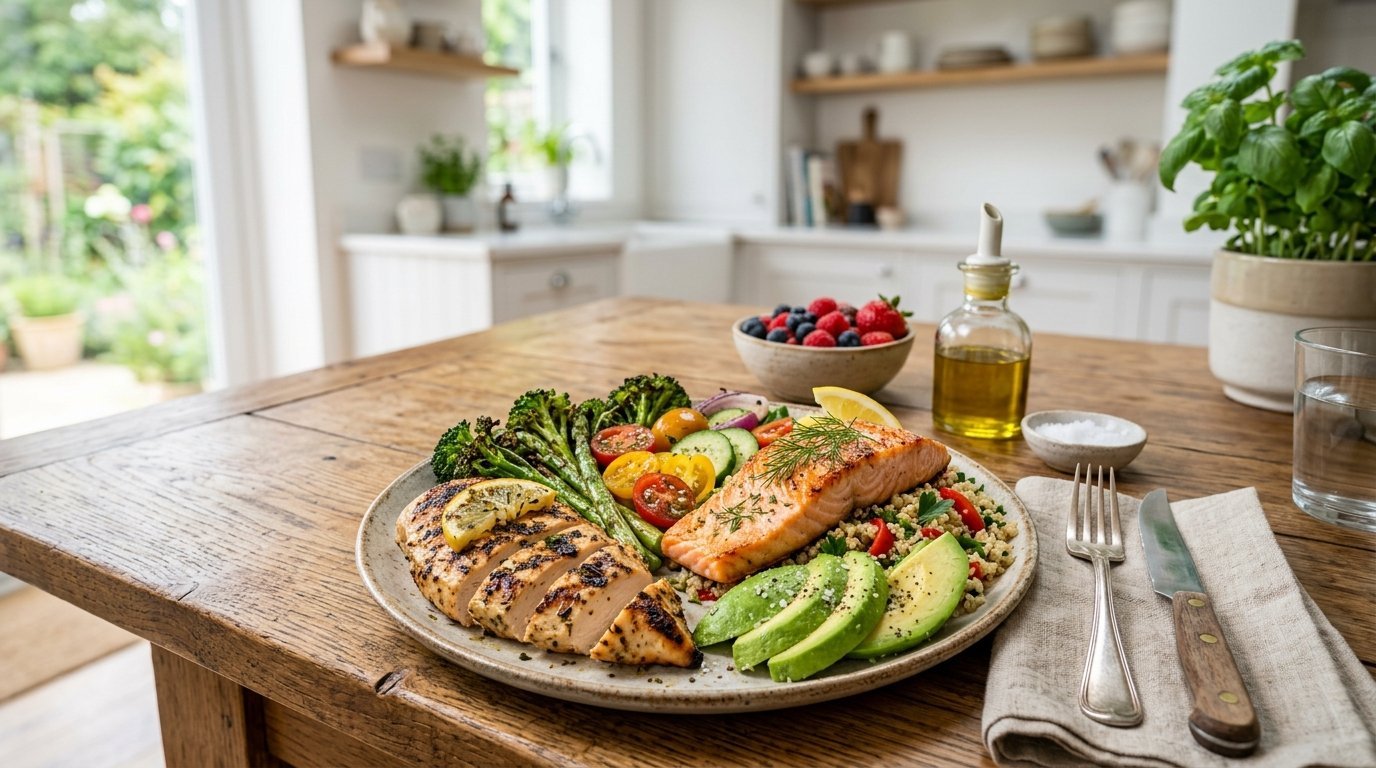
What Is the Best Diet for Fat Burning? A Science-Backed Guide
When people begin trying to lose body fat, one of the first questions they ask is, “What is the best diet?”
The internet offers countless answers. Some experts recommend cutting carbohydrates, while others encourage eating more healthy fats. Certain diets promise rapid fat burning through strict rules, while others focus on balanced nutrition and long-term habits.
The truth is that the Best Diet for Fat Burning is rarely defined by a single eating style. Instead, research consistently shows that successful fat loss depends on choosing a dietary pattern you can maintain while creating the conditions that allow your body to use stored fat efficiently.
Rather than searching for a perfect diet, it is more useful to understand the nutritional principles that support fat oxidation, preserve lean muscle, improve satiety, and make healthy eating sustainable.
This guide explains what current evidence says about fat-burning nutrition, the role of protein and whole foods, whether carbohydrates need to be restricted, and why long-term consistency matters far more than following the latest diet trend.
Quick Answer
The Best Diet for Fat Burning is one that creates a sustainable calorie deficit while emphasizing protein, whole foods, fiber, vegetables, healthy fats, and long-term eating habits. No single diet works best for everyone, but dietary patterns that are balanced and easy to maintain consistently produce better fat loss results than restrictive approaches.
What Is the Best Diet for Fat Burning?
The phrase “fat-burning diet” often suggests there is one specific eating plan capable of dramatically increasing fat loss.
Current research tells a different story.
The most effective diets share several common characteristics rather than following identical food rules.
Instead of focusing on one particular eating style, scientists evaluate how dietary patterns influence:
- Energy balance
- Hunger
- Muscle preservation
- Nutrient intake
- Long-term adherence
- Overall health
These factors consistently have a greater impact on body fat than the name of the diet itself.
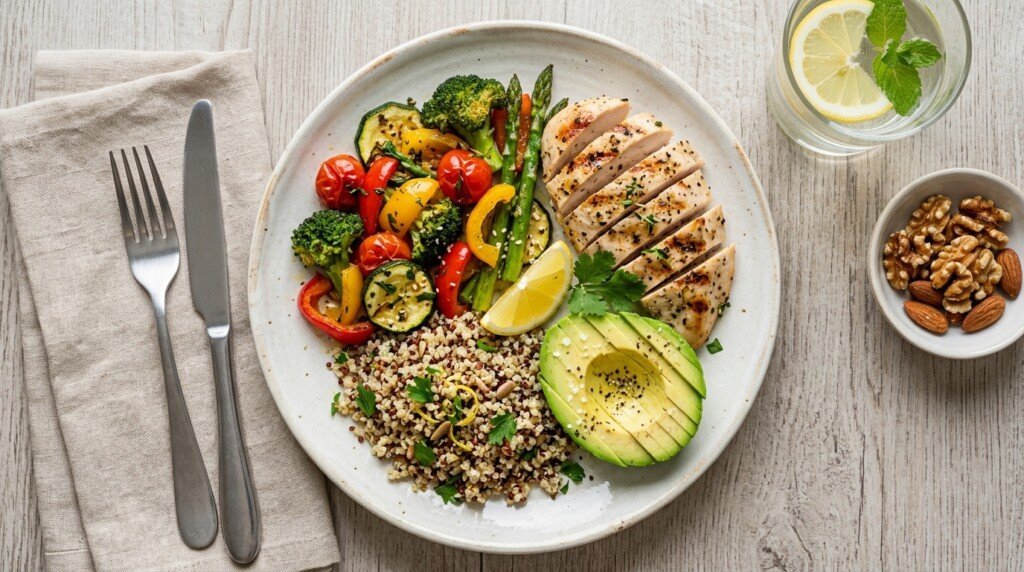
A Fat-Burning Diet Supports Your Body, Not Just Weight Loss
The primary goal of nutrition should not simply be reducing body weight.
An effective dietary pattern should also support:
- Lean muscle maintenance
- Stable energy levels
- Recovery
- Daily activity
- Healthy metabolism
- Overall well-being
When nutrition supports these areas, maintaining healthy habits becomes much easier over time.
Sustainability Matters More Than Perfection
One of the strongest findings in nutrition research is that people rarely struggle because they choose the “wrong” diet.
More often, they struggle because the diet is impossible to maintain.
Highly restrictive eating plans frequently produce short-term success followed by weight regain once normal eating resumes.
This is why Sustainable Weight Loss consistently focuses on realistic habits rather than temporary restrictions.
Which Foods Support Fat Oxidation?
Individual foods do not directly melt body fat.
However, certain foods create an environment that supports fat oxidation while making it easier to maintain healthy eating habits.
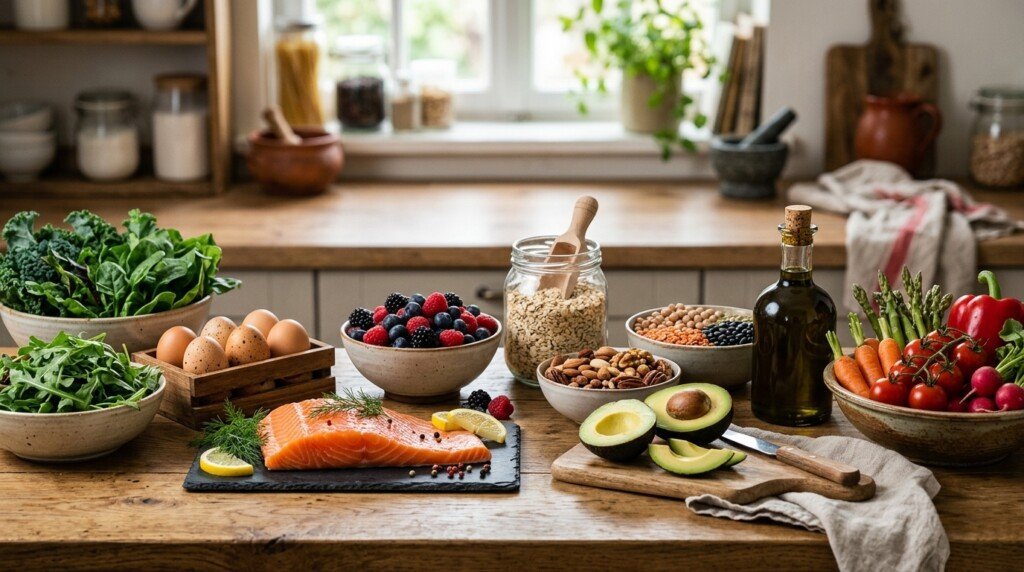
Lean Protein Foods
Protein remains one of the most valuable nutrients during fat loss.
It supports muscle maintenance while increasing satiety and producing a higher thermic effect of food than carbohydrates or fats.
Examples include:
- Chicken
- Turkey
- Fish
- Eggs
- Greek yogurt
- Cottage cheese
- Tofu
- Lentils
Readers looking for additional ideas can also explore High-Protein Foods That Burn Fat.
Vegetables
Vegetables provide large amounts of nutrients while remaining relatively low in calories.
Their fiber content supports fullness, making it easier to maintain a calorie deficit without feeling constantly hungry.
A colorful variety of vegetables also provides vitamins, minerals, and antioxidants that support overall health.
Fruits
Whole fruits provide natural carbohydrates together with fiber, vitamins, minerals, and water.
Rather than avoiding fruit during fat loss, many people benefit from including moderate portions as part of a balanced eating pattern.
Whole Grains
Whole grains digest more slowly than refined grains while contributing fiber and essential nutrients.
Examples include:
- Oats
- Brown rice
- Quinoa
- Barley
- Whole wheat
They can support stable energy levels while fitting comfortably into many successful fat-loss diets.
Healthy Fats
Healthy fats contribute to hormone production, nutrient absorption, and satiety.
Good sources include:
- Avocados
- Olive oil
- Nuts
- Seeds
- Fatty fish
Including healthy fats does not prevent fat loss when total energy intake remains appropriate.
Does Protein Increase Fat Burning?
Protein deserves special attention because it supports several processes directly related to successful fat loss.
Although protein does not magically burn fat, it creates conditions that make fat loss easier and more sustainable.

Protein Has the Highest Thermic Effect of Food
Digesting food requires energy.
Protein requires more energy to digest than either carbohydrates or dietary fat.
This increased energy expenditure is known as the thermic effect of food.
While the effect is modest, it contributes to total daily calorie expenditure.
Protein Helps Preserve Lean Muscle
Maintaining muscle becomes especially important during weight loss.
Without sufficient protein, the body may lose lean muscle along with stored fat.
Preserving muscle supports healthy metabolism and helps maintain overall energy expenditure.
Protein Helps Control Hunger
Many people find protein-rich meals more satisfying than meals centered primarily around refined carbohydrates.
Feeling fuller for longer can make it easier to maintain healthy eating habits without constant hunger.
Protein therefore supports fat loss through several different mechanisms simultaneously.
Should You Reduce Carbohydrates?
Few nutrition topics create as much debate as carbohydrates.
Some diets recommend sharply reducing carbohydrate intake, while others include carbohydrates as a normal part of healthy eating.
Current evidence suggests there is no universal answer.
Carbohydrates Are an Energy Source
Carbohydrates provide readily available fuel for daily activity and exercise.
They also replenish glycogen, which supports physical performance.
Completely eliminating carbohydrates is unnecessary for most healthy adults.
Quality Matters More Than Quantity
Instead of asking whether carbohydrates are “good” or “bad,” it is often more useful to consider where they come from.
Higher-quality carbohydrate sources include:
- Vegetables
- Fruits
- Beans
- Lentils
- Oats
- Brown rice
- Quinoa
These foods provide fiber and nutrients alongside carbohydrates.
Highly refined foods often provide calories without the same nutritional value.
Readers interested in comparing different dietary approaches may also find Low Carb vs Low Fat Diet useful for understanding how these eating patterns differ.
Balance Usually Beats Restriction
The most successful long-term eating patterns rarely eliminate entire food groups.
Instead, they emphasize nutrient-dense foods while allowing flexibility for personal preferences and lifestyle.
This balanced approach generally proves easier to maintain over months and years.
Which Eating Patterns Support Fat Loss?
Nutrition research has moved away from asking which single diet is “best” and instead focuses on which dietary patterns consistently help people lose fat and maintain their results.
Interestingly, the most successful eating patterns have more similarities than differences.
They all encourage nutritious foods, appropriate calorie intake, and habits that people can maintain for years rather than weeks.

Mediterranean-Style Eating
The Mediterranean dietary pattern has been extensively studied for its effects on weight management and overall health.
Rather than eliminating entire food groups, it emphasizes:
- Vegetables
- Fruits
- Whole grains
- Beans and legumes
- Fish
- Olive oil
- Nuts
- Moderate dairy
- Limited highly processed foods
Many researchers consider this style of eating one of the easiest long-term approaches because it combines flexibility with nutrient-rich foods.
Whole-Food Dietary Patterns
Whole-food eating focuses less on strict rules and more on food quality.
Meals are built around foods that remain close to their natural state while limiting highly processed products.
Examples include:
- Fresh vegetables
- Whole fruits
- Lean protein
- Whole grains
- Legumes
- Healthy fats
Whole foods typically provide more nutrients and fiber while helping improve satiety compared with heavily processed alternatives.
Flexible Eating Patterns
One reason many diets fail is that they leave little room for normal life.
Birthday celebrations, holidays, travel, and family meals become stressful instead of enjoyable.
Flexible dietary patterns encourage consistency instead of perfection.
Occasional treats fit comfortably within an overall healthy eating pattern without derailing long-term progress.
This flexibility often improves adherence far more than rigid food rules.
What Diet Mistakes Slow Fat Burning?
Many people focus on finding the perfect foods while overlooking habits that make fat loss unnecessarily difficult.
Avoiding these common mistakes often produces greater results than chasing the newest diet trend.
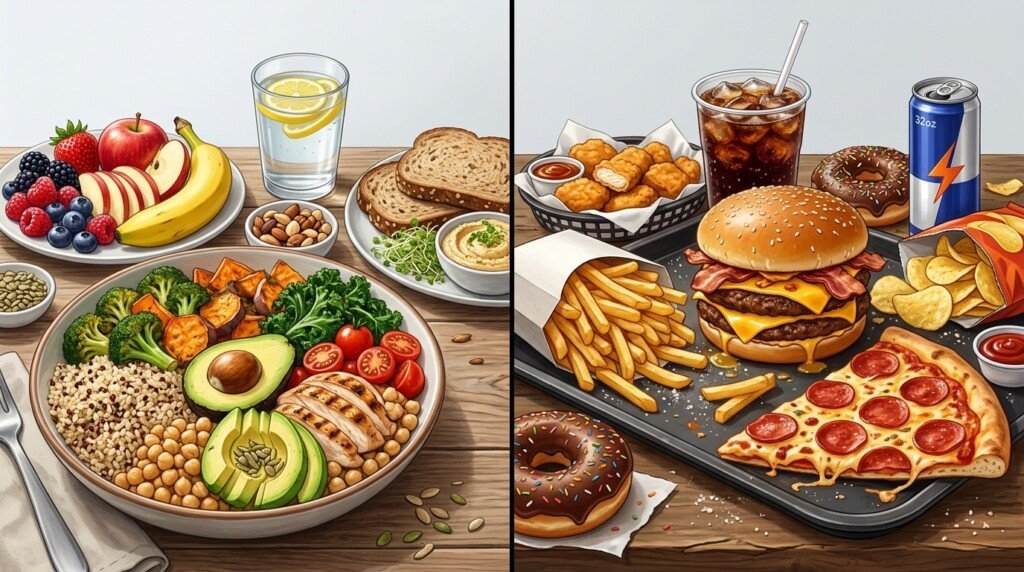
Eating Too Little
It may seem logical that eating significantly fewer calories will accelerate fat loss.
However, extremely restrictive diets are difficult to maintain and often reduce energy, workout performance, and overall adherence.
Gradual, sustainable progress almost always produces better long-term results than severe restriction.
Ignoring Protein
Insufficient protein intake may increase hunger while making it harder to preserve lean muscle during weight loss.
Including quality protein throughout the day supports fullness and helps maintain muscle mass.
Choosing Highly Processed Foods Too Often
Highly processed foods are not inherently unhealthy, but diets centered around them often provide:
- Lower fiber
- Reduced satiety
- Higher calorie density
- Fewer micronutrients
Replacing some processed foods with whole-food alternatives can make healthy eating much easier without requiring perfection.
Drinking Calories Without Realizing It
Sugary beverages, specialty coffees, and sweetened drinks can contribute significant calories while providing relatively little fullness.
Choosing water more often supports hydration without unnecessarily increasing daily energy intake.
Expecting One Food to Burn Fat
Certain foods receive attention because they may slightly increase calorie expenditure or support satiety.
However, no individual food causes meaningful fat loss on its own.
The overall dietary pattern matters far more than any single ingredient.
Constantly Switching Diets
Jumping from one popular eating plan to another often prevents long-term progress.
Instead of allowing healthy habits to become routine, frequent diet changes make consistency difficult.
Sustainable habits almost always outperform short-lived motivation.
Readers who struggle with serving sizes often find Portion Control for Weight Loss helpful for creating realistic eating habits that last.
Is There One Best Diet for Everyone?
Despite thousands of nutrition studies, researchers have not identified one universal diet that consistently produces the best results for every individual.
This should not be viewed as disappointing.
Instead, it highlights how personal nutrition truly is.
Individual Differences Matter
Several factors influence which eating pattern works best, including:
- Food preferences
- Culture
- Medical conditions
- Physical activity
- Daily schedule
- Cooking skills
- Budget
- Family responsibilities
A diet that feels effortless for one person may feel impossible for someone else.
The Best Diet Is the One You Can Maintain
The strongest predictor of long-term success is not choosing the trendiest eating plan.
It is following healthy habits consistently.
Most successful fat-loss diets share the same foundation:
- Plenty of vegetables
- Adequate protein
- Whole foods
- Reasonable portions
- Healthy fats
- Fiber-rich carbohydrates
- Sustainable habits
The specific dietary label becomes far less important than maintaining these core principles over time.
Future discussions about Macronutrients for Fat Burning, Calorie Deficit, and Fat Burning will explore how these nutritional foundations work together to support long-term body composition changes.
Key Takeaways
| Principle | Why It Matters |
|---|---|
| Prioritize protein | Helps preserve muscle and improves fullness |
| Eat mostly whole foods | Supports nutrition and satiety |
| Include vegetables daily | Adds fiber, vitamins, and volume |
| Choose healthy fats | Supports hormones and satisfaction |
| Eat enough fiber | Helps control appetite |
| Stay hydrated | Supports overall health and exercise performance |
| Build sustainable habits | Improves long-term adherence |
| Avoid extreme restrictions | Easier to maintain healthy eating |

Frequently Asked Questions
1. What is the Best Diet for Fat Burning?
The Best Diet for Fat Burning is one that creates a sustainable calorie deficit while emphasizing protein, whole foods, vegetables, healthy fats, and long-term consistency rather than strict restrictions.
2. What diet burns fat the fastest?
No diet rapidly burns fat on its own. Lasting fat loss comes from maintaining healthy eating habits that create an appropriate energy deficit over time.
3. Does protein increase fat burning?
Protein supports fat loss by increasing satiety, helping preserve lean muscle, and producing a higher thermic effect of food than other macronutrients.
4. Is keto the best diet for fat burning?
Not necessarily. Some people succeed with ketogenic diets, while others achieve similar results using balanced dietary patterns. Long-term adherence matters more than the specific diet.
5. Should I stop eating carbohydrates?
For most people, no. High-quality carbohydrate sources such as fruits, vegetables, legumes, and whole grains can fit into an effective fat-loss diet.
6. Are whole foods better for fat loss?
Whole foods often provide more fiber, nutrients, and fullness, making it easier to maintain healthy eating habits over time.
7. Can healthy fats help with fat loss?
Yes. Healthy fats improve satisfaction after meals and support several important body functions while fitting into a balanced dietary pattern.
8. Can you burn fat without dieting?
Increasing physical activity helps, but nutrition remains one of the most important factors influencing long-term body fat reduction.
9. Do meal timing and food combinations matter most?
They play a smaller role than overall dietary quality, calorie balance, and consistency.
10. Why do restrictive diets often fail?
Highly restrictive diets are difficult to maintain for long periods, increasing the likelihood of abandoning healthy habits and regaining lost weight.
Conclusion
The Best Diet for Fat Burning is not defined by a trendy name or strict list of forbidden foods. Research consistently shows that successful fat loss comes from sustainable eating habits built around protein, whole foods, vegetables, fiber, healthy fats, and an appropriate calorie intake. These nutritional principles support fat oxidation, preserve lean muscle, and make healthy eating easier to maintain over the long term.
Rather than searching for a perfect diet, focus on building an eating pattern that fits your lifestyle and preferences. Small, consistent choices repeated every day will always have a greater impact than short periods of extreme restriction. When healthy nutrition becomes a sustainable habit instead of a temporary challenge, fat loss becomes more achievable and easier to maintain for years to come.
Disclaimer:
This post may contain affiliate links. If you purchase through them, we may earn a small commission at no extra cost to you. Also, this content is for informational purposes only and does not substitute professional medical advice.
Fuel Your Body Right
Use our free Nutrition Toolkit to find your protein target, fasting window, and net carbs in minutes.
Open Free Tools →