
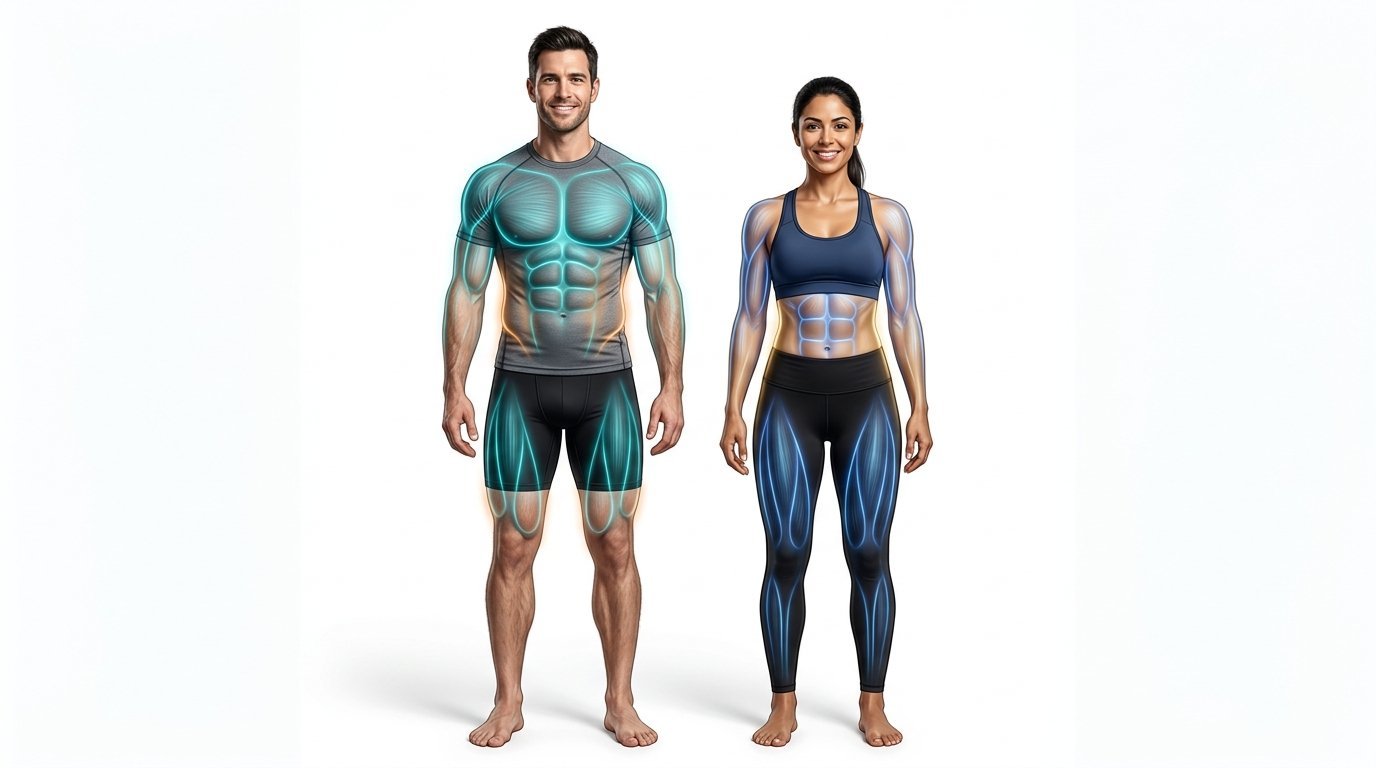
What Is Body Fat Percentage? Healthy Ranges for Men and Women
Many people judge their health by stepping on a scale. While body weight provides useful information, it tells only part of the story. Two people can weigh exactly the same, have the same height, and share the same Body Mass Index (BMI), yet have very different body compositions. One may have a higher percentage of lean muscle, while the other carries more body fat.
This is why body fat percentage has become one of the most valuable measurements for understanding overall health and fitness.
Body fat percentage represents the proportion of your total body weight that consists of fat tissue. Unlike body weight alone, it helps distinguish between fat mass and lean body mass, providing a clearer picture of how your body is built. For athletes, fitness enthusiasts, and individuals focused on improving long-term health, this measurement often offers more meaningful insights than the number on the scale.
However, body fat percentage is also widely misunderstood. Many people assume lower is always better or compare their results to unrealistic standards found on social media. In reality, healthy body fat ranges vary according to age, sex, genetics, and overall health. Women naturally require a higher body fat percentage than men because fat plays an important role in hormone production and reproductive health. Likewise, maintaining extremely low body fat may create health problems rather than improve well-being.
There are also many different ways to estimate body fat percentage. Some methods are highly accurate but expensive, while others are inexpensive and convenient but less precise. Understanding the strengths and limitations of each method helps you interpret your results more realistically.
In this article, you’ll learn what Body Fat Percentage actually measures, healthy ranges for men and women, why those ranges differ, the most common ways to measure body fat, whether body fat percentage is more useful than BMI, how it relates to health risks, and how often it should be measured for meaningful progress.
What Is Body Fat Percentage?
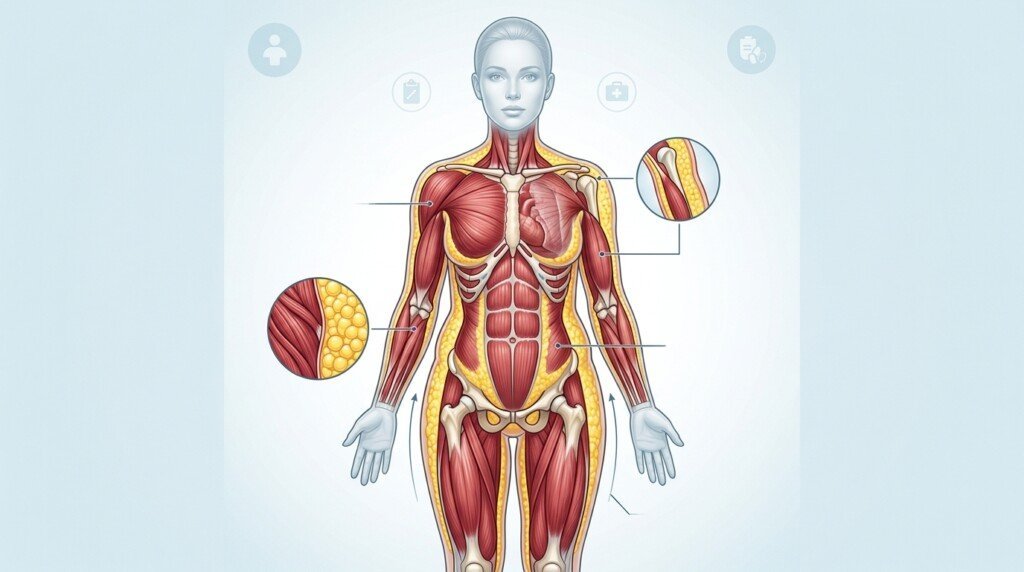
Body fat percentage is the percentage of your total body weight that consists of fat tissue.
Unlike body weight alone, this measurement separates fat mass from lean body mass, providing a clearer picture of overall body composition.
Lean body mass includes:
- Muscles
- Bones
- Organs
- Water
- Connective tissues
- Blood
Everything that is not body fat belongs to lean mass.
Body Fat Percentage Measures Body Composition
Imagine two people who each weigh 75 kilograms.
Although their body weight is identical, one person may have significantly more muscle while the other carries more body fat.
Their body fat percentages could be completely different even though the scale shows the same number.
This demonstrates why body composition provides more useful information than body weight alone.
Body Fat Is a Normal Part of Human Health
Every healthy person has body fat.
Body fat performs essential functions including:
- Energy storage
- Hormone production
- Organ protection
- Temperature regulation
- Vitamin absorption
The goal is maintaining healthy body fat rather than eliminating it completely.
These important functions are explained more fully throughout Body Fat, where adipose tissue and its role in the human body are discussed in detail.
Percentage Is More Meaningful Than Weight Alone
Body weight naturally changes because of:
- Water
- Food intake
- Muscle gain
- Hydration
- Glycogen storage
Body fat percentage provides additional context by showing whether long-term changes are occurring in fat tissue rather than temporary changes in body weight.
Lean Mass Matters Too
Healthy body composition is not only about lowering body fat.
Maintaining lean muscle supports:
- Strength
- Mobility
- Healthy aging
- Resting metabolism
- Physical function
Improving body composition usually means reducing excess fat while preserving muscle.
Progress Takes Time
Body fat changes gradually.
Meaningful improvements usually occur over weeks and months rather than days.
Looking for long-term trends provides far more useful information than focusing on small day-to-day differences.
What Is a Healthy Body Fat Percentage?
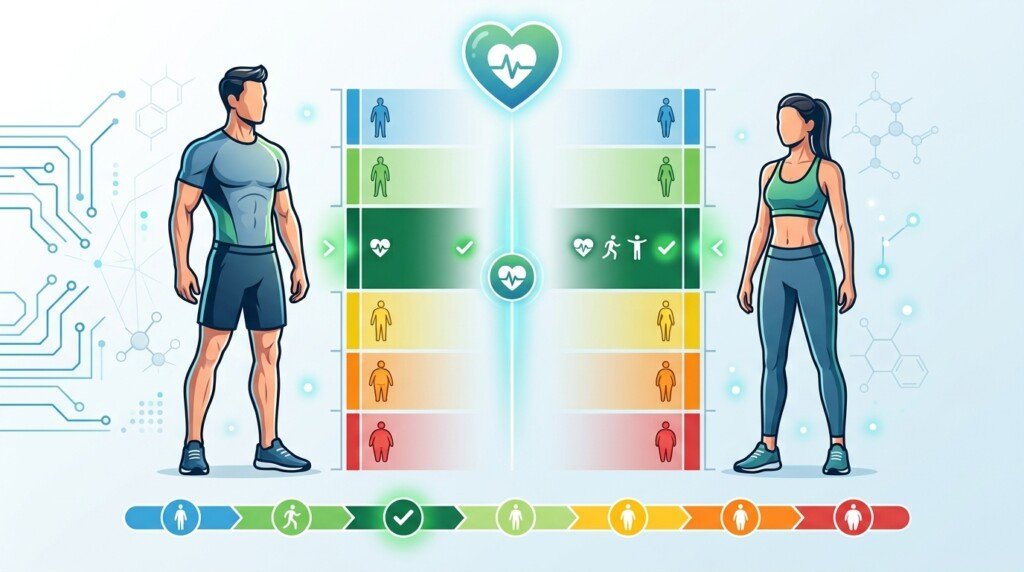
There is no single body fat percentage that is considered healthy for everyone.
Healthy ranges depend on several factors, including sex, age, genetics, and activity level.
Rather than aiming for the lowest possible number, focus on maintaining a range that supports overall health.
Women Naturally Carry More Body Fat
Women require more essential body fat than men.
This additional fat supports:
- Hormone production
- Pregnancy
- Reproductive function
- Overall health
Because of these biological differences, healthy body fat ranges are naturally higher for women.
Men Usually Have Lower Healthy Ranges
Men typically have greater muscle mass and lower essential fat requirements.
As a result, healthy body fat percentages are generally lower than those seen in women.
This difference is completely normal.
Healthy Body Fat Percentage Chart
The following ranges are commonly used as general reference values for healthy adults.
| Category | Women | Men |
|---|---|---|
| Essential fat | 10 to 13% | 2 to 5% |
| Athletes | 14 to 20% | 6 to 13% |
| Fitness | 21 to 24% | 14 to 17% |
| Healthy average | 25 to 31% | 18 to 24% |
| Higher body fat | Above 32% | Above 25% |
These ranges are estimates rather than strict diagnostic cutoffs.
Individual circumstances vary.
Age Influences Body Composition
As people grow older, body composition gradually changes.
Muscle mass often decreases while body fat slowly increases, even if body weight remains relatively stable.
Healthy aging therefore focuses on maintaining muscle while minimizing excessive fat gain.
Avoid Comparing Yourself With Others
Social media often promotes unrealistic expectations.
Healthy body fat varies between individuals because of:
- Genetics
- Lifestyle
- Age
- Physical activity
- Hormonal differences
Progress should be measured against your own long-term improvements rather than someone else’s physique.
Does Body Fat Percentage Differ Between Men and Women?
Yes.
One of the most common questions about body composition is why women naturally have higher body fat percentages than men.
The answer lies in normal human biology.

Hormonal Differences
Hormones influence where and how fat is stored.
Women naturally store more body fat because estrogen supports reproductive health and other essential biological functions.
Men generally carry greater amounts of lean muscle and lower essential fat stores.
Fat Distribution Also Differs
Women often store more fat around:
- Hips
- Thighs
- Buttocks
Men are generally more likely to accumulate fat around the abdomen.
These are general patterns, although individual variation is common.
Differences in fat distribution are explored further throughout Weight Loss for Women vs Men, where hormonal influences on body composition are discussed in more detail.
Muscle Mass Influences Percentage
Since muscle weighs more than the same volume of fat, individuals with greater muscle mass usually have lower body fat percentages despite similar body weights.
This is another reason strength training supports healthier body composition.
Genetics Influence Body Composition
Some people naturally carry slightly higher or lower body fat percentages without significant differences in health.
Genetics influence:
- Fat distribution
- Muscle mass
- Bone structure
- Overall body shape
Lifestyle remains important, but genetics also contribute to individual variation.
Health Is More Than One Number
Body fat percentage should always be interpreted alongside:
- Physical fitness
- Waist circumference
- Blood pressure
- Blood sugar
- Overall health
No single measurement tells the entire story.
How Can You Measure Body Fat Percentage?
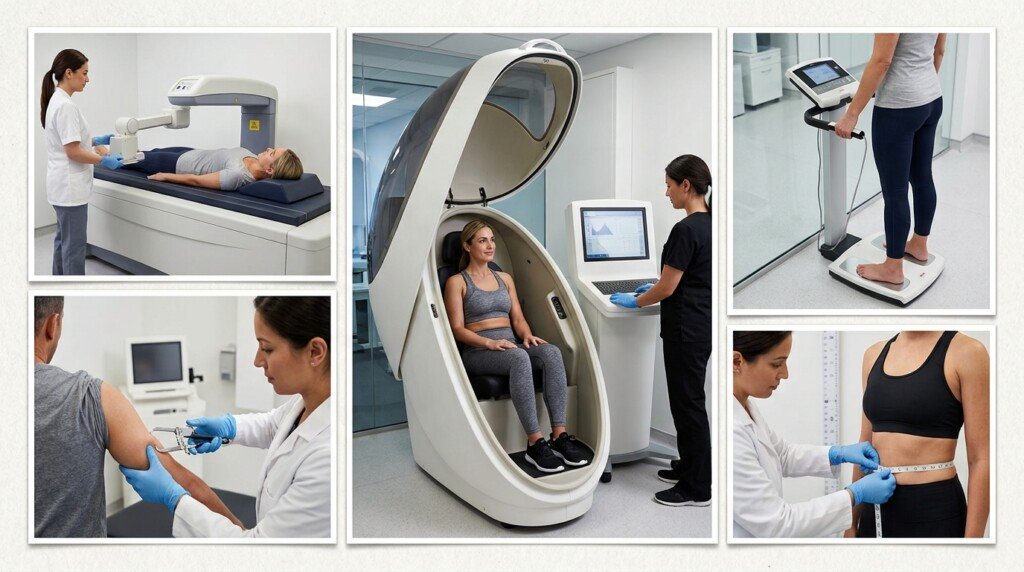
Several methods estimate body fat percentage.
Each has advantages and limitations.
The best choice often depends on accuracy, availability, and cost.
Bioelectrical Impedance Analysis (BIA)
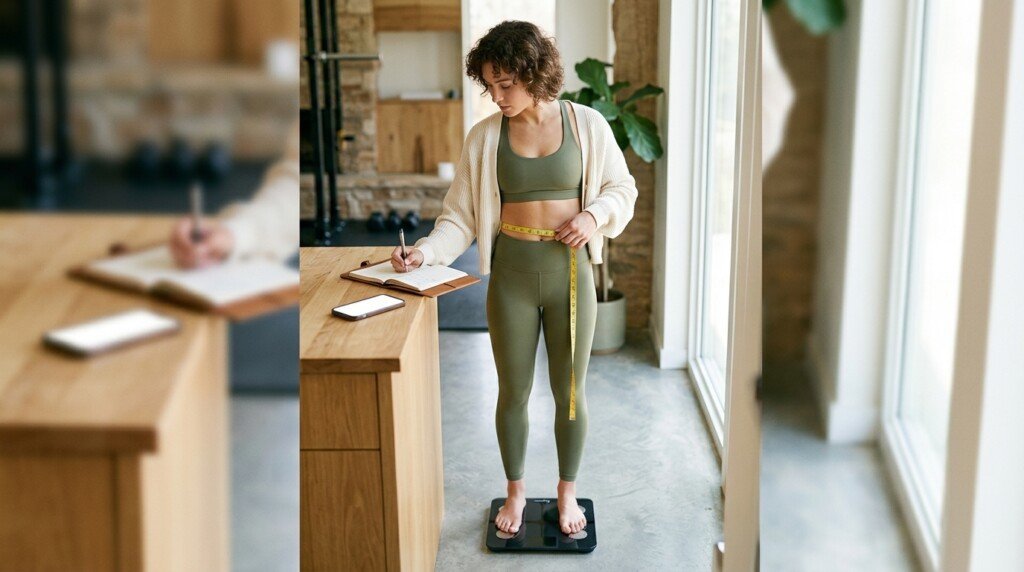
Many home body fat scales use bioelectrical impedance.
A small electrical current passes through the body to estimate body composition.
Advantages include:
- Quick
- Convenient
- Affordable
However, hydration status can influence results.
Skinfold Calipers
Calipers measure the thickness of skinfolds at specific body locations.
When performed correctly by experienced professionals, this method provides reasonably accurate estimates.
Its accuracy depends heavily on technique.
DEXA Scan
Dual-energy X-ray absorptiometry, commonly called DEXA, is one of the most accurate body composition assessments available.
It measures:
- Fat mass
- Lean mass
- Bone density
Although highly accurate, DEXA scans are more expensive and less widely available.
Hydrostatic Weighing
This method estimates body composition by measuring body density underwater.
It has long been considered a research-quality assessment but is not commonly available for routine use.
Air Displacement Plethysmography
Often performed using specialized equipment such as the Bod Pod, this method estimates body composition by measuring air displacement.
It is comfortable and fairly accurate but requires specialized facilities.
Circumference Measurements
Waist circumference and other body measurements cannot directly calculate body fat percentage.
However, they provide valuable information about changes in body composition and fat distribution.
Waist measurements become especially useful because abdominal fat is closely associated with overall Visceral Fat, which influences long-term metabolic health.
Is Body Fat Percentage Better Than BMI?
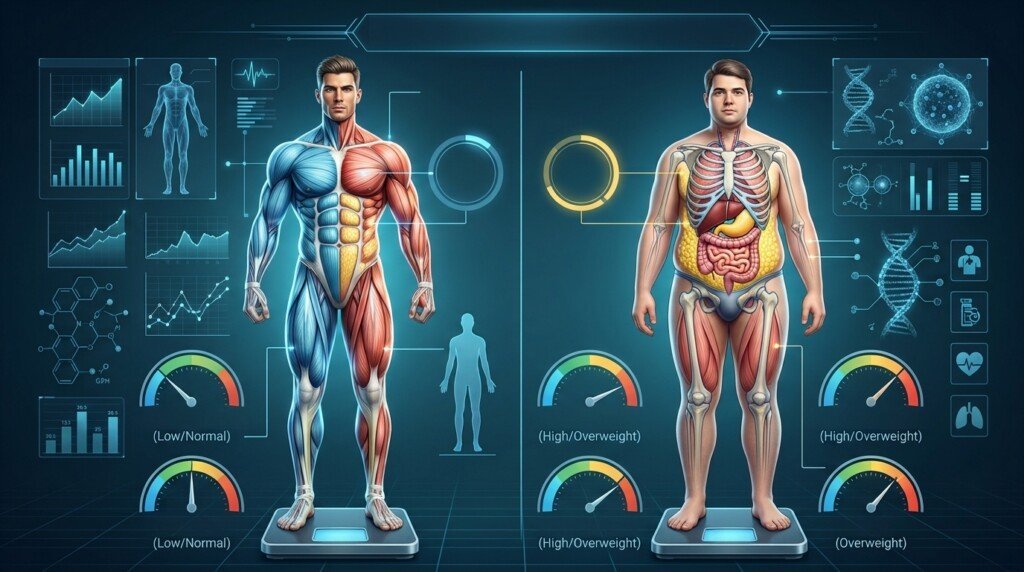
Body Mass Index, commonly known as BMI, has been used for decades as a simple way to estimate whether a person’s weight falls within a healthy range. While it remains a useful screening tool, it does not tell the whole story about body composition.
Body fat percentage and BMI measure different aspects of health, and understanding the difference helps you interpret both more accurately.
BMI Measures Weight Relative to Height
BMI is calculated using only:
- Height
- Weight
It places individuals into categories such as:
- Underweight
- Healthy weight
- Overweight
- Obesity
Because BMI is simple and inexpensive, it is widely used in healthcare and public health research.
BMI Cannot Distinguish Muscle From Fat
One of BMI’s biggest limitations is that it cannot identify what your body weight is made of.
For example:
- An athlete with high muscle mass may have a BMI that falls into the overweight category despite having low body fat.
- Another person with the same BMI may carry significantly more body fat and much less muscle.
Although both individuals have identical BMI values, their body composition is very different.
Body Fat Percentage Provides More Detail
Unlike BMI, body fat percentage separates fat mass from lean mass.
This makes it possible to better understand changes in:
- Muscle
- Fat
- Overall body composition
For people working to improve fitness or monitor long-term health, this information is often more meaningful than body weight alone.
BMI Still Has Value
Despite its limitations, BMI remains useful because it is:
- Easy to calculate
- Inexpensive
- Widely available
- Helpful for large population studies
It works well as an initial screening tool but should not be the only measurement used to evaluate health.
Combining Measurements Gives a Better Picture
Rather than choosing one measurement over another, consider using several indicators together, including:
- Body fat percentage
- BMI
- Waist circumference
- Physical fitness
- Blood pressure
- Blood sugar
- Cholesterol levels
Together, these measurements provide a much more complete understanding of overall health.
Can Body Fat Percentage Predict Health Risks?
Body fat percentage can provide valuable information about health, but it should never be viewed as a diagnosis by itself.
Instead, it is one of several measurements that help healthcare professionals understand overall risk.
Higher Body Fat May Increase Health Risks
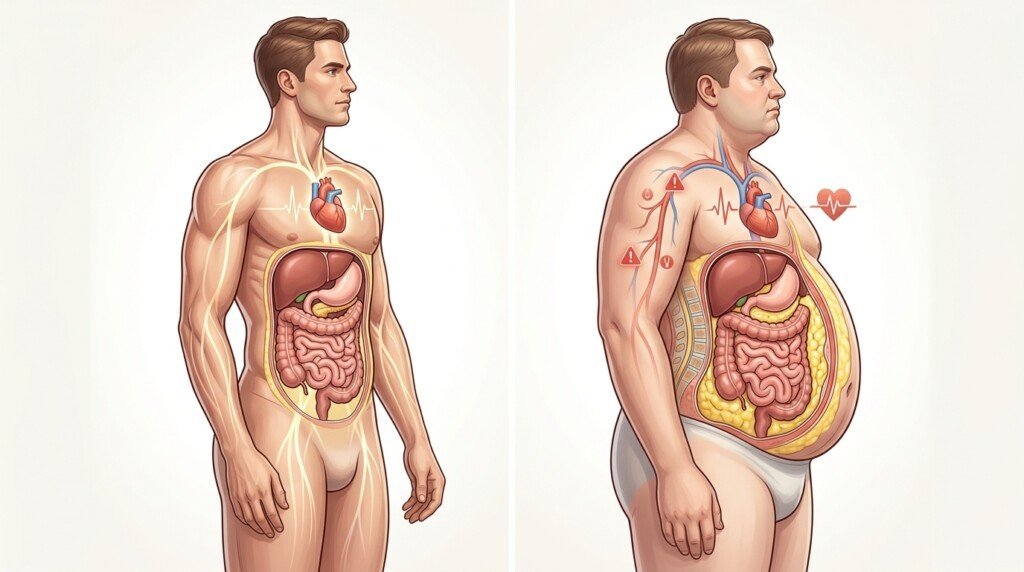
Higher body fat percentages are often associated with greater risk of developing conditions related to metabolism and cardiovascular health.
However, the location of body fat is just as important as the total amount.
Visceral Fat Plays a Larger Role
Fat stored around internal abdominal organs tends to have a stronger relationship with metabolic health than fat stored beneath the skin.
Someone with a moderate body fat percentage but a high amount of abdominal fat may carry greater health risks than someone with a slightly higher overall body fat percentage but healthier fat distribution.
This relationship is explained further throughout Visceral Fat, where abdominal fat and its health effects are discussed in greater detail.
Waist Circumference Adds Useful Information
Measuring waist circumference alongside body fat percentage provides additional insight into fat distribution.
Waist measurements are easy to perform and often complement body composition assessments.
Lifestyle Remains the Biggest Influence
Health risk depends on much more than body fat alone.
Other important factors include:
- Physical activity
- Nutrition
- Sleep
- Blood pressure
- Blood sugar
- Smoking
- Stress
- Family history
Body fat percentage should always be interpreted within this broader context.
Improving Body Composition Supports Long-Term Health
Reducing excess body fat while preserving lean muscle contributes to healthier body composition.
These improvements often support better Metabolic Health, even if body weight changes only gradually.
How Often Should You Measure Body Fat?
Tracking body fat can help monitor progress, but frequent measurements rarely provide meaningful information.
Body composition changes slowly, making patience an important part of the process.
Daily Measurements Are Unnecessary
Unlike body weight, body fat percentage changes gradually.
Measuring every day often creates frustration because normal fluctuations in hydration can influence some measurement methods.
Every Four to Eight Weeks Is Often Enough
For most people, measuring body fat every one to two months provides a realistic view of long-term progress.
This time frame allows meaningful changes in body composition to occur.
Use the Same Method Every Time
Different body fat measurement methods produce different estimates.
For example:
- BIA scales
- Skinfold calipers
- DEXA scans
should not be directly compared.
Using the same method consistently makes long-term trends much easier to interpret.
Measure Under Similar Conditions
For greater consistency:
- Measure at the same time of day.
- Wear similar clothing.
- Stay similarly hydrated.
- Avoid measuring immediately after exercise.
Reducing variables improves the usefulness of repeated measurements.
Track More Than One Indicator
Body fat percentage is valuable, but it should not become your only measure of success.
Also consider:
- Waist circumference
- Progress photos
- Clothing fit
- Strength improvements
- Energy levels
- Physical performance
Together, these indicators provide a much more complete picture of body composition.
Frequently Asked Questions
1. What is body fat percentage?
Body fat percentage is the proportion of your total body weight made up of fat tissue. It provides a clearer picture of body composition than body weight alone because it distinguishes fat mass from lean body mass.
2. What is a healthy body fat percentage?
Healthy body fat percentage varies by age and sex. In general, healthy adult ranges are approximately 25 to 31 percent for women and 18 to 24 percent for men, although individual circumstances differ.
3. Is body fat percentage more useful than BMI?
For understanding body composition, yes. Body fat percentage provides more detailed information because it distinguishes fat from muscle, while BMI only compares height and weight. However, both measurements are useful when interpreted together.
4. What is the most accurate way to measure body fat?
A DEXA scan is widely considered one of the most accurate methods for measuring body composition. Other methods such as bioelectrical impedance, skinfold calipers, and body circumference measurements can also provide useful estimates when performed consistently.
5. How often should you measure body fat percentage?
For most people, measuring every four to eight weeks is sufficient. Body fat changes gradually, so focusing on long-term trends is more meaningful than frequent testing.
Final Thoughts
Understanding Body Fat Percentage gives you a far more complete picture of your health than body weight alone. While the number on the scale can fluctuate because of water, food intake, or muscle gain, body fat percentage helps distinguish fat mass from lean body mass. This makes it a valuable tool for evaluating body composition, tracking long-term progress, and setting realistic health goals.
It is also important to remember that healthy body fat varies from person to person. Women naturally maintain higher body fat percentages than men, and age, genetics, activity level, and muscle mass all influence what is considered healthy. Rather than chasing the lowest possible number, focus on maintaining a body fat percentage that supports strength, mobility, metabolic health, and overall well-being.
Perhaps the most useful approach is to combine body fat percentage with other indicators such as BMI, waist circumference, physical fitness, and regular health checkups. Looking at the bigger picture provides a more accurate understanding of your health than relying on any single measurement. By focusing on sustainable habits that improve body composition over time, you can support healthier aging, preserve lean muscle, and build a stronger foundation for lifelong wellness.
Disclaimer:
This post may contain affiliate links. If you purchase through them, we may earn a small commission at no extra cost to you. Also, this content is for informational purposes only and does not substitute professional medical advice.
Ready to Start Your Journey?
Use our free 7-in-1 Weight Loss Toolkit to calculate your numbers and build your plan in minutes.
Open Free Tools →