What Causes Slow Metabolism? 15 Common Reasons Explained
Many people believe a slow metabolism is something they are simply born with. Others blame every difficulty losing weight on “metabolism damage” without understanding what that actually means. In reality, metabolism is far more adaptable and influenced by many different factors than most people realize.
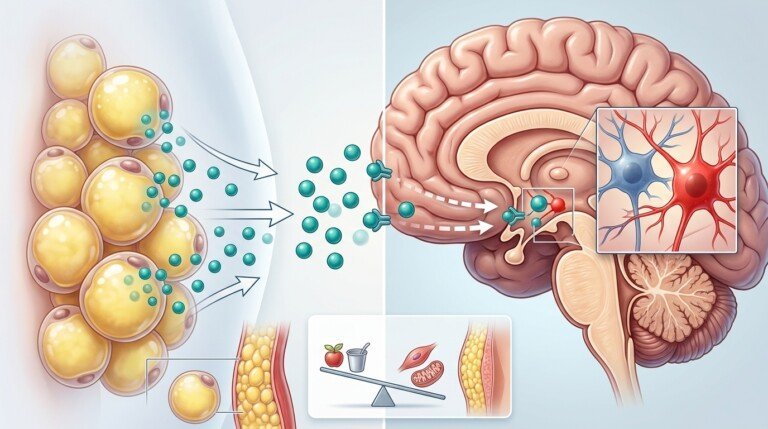
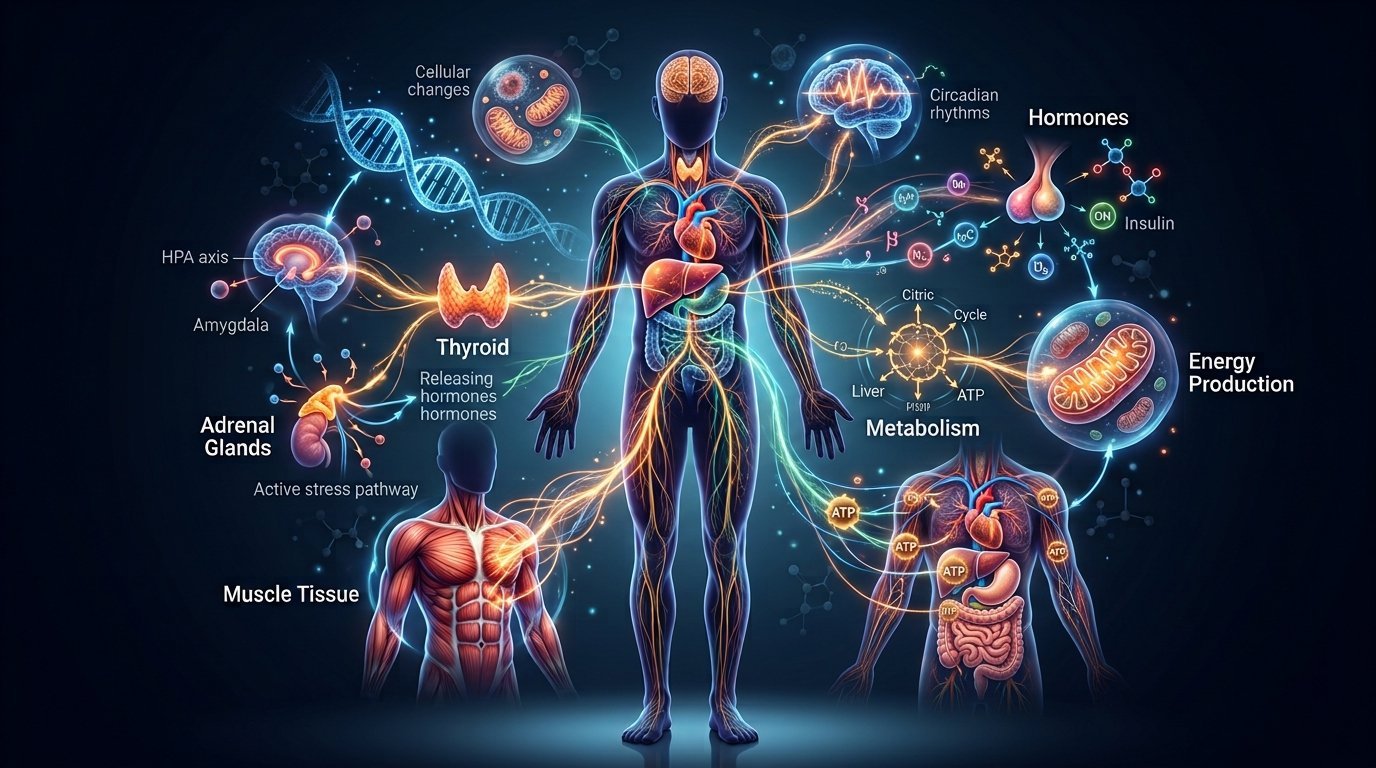
Your metabolism is not controlled by one organ or one hormone. It reflects the combined activity of your body’s cells as they produce energy, repair tissues, regulate hormones, and maintain essential functions. Because so many systems are involved, several factors can influence how efficiently your body uses energy over time.
Some changes are completely normal, while others are related to lifestyle, health conditions, or hormonal shifts. A slower metabolic rate rarely has a single cause. Instead, it usually develops through the interaction of multiple biological processes.
Understanding these causes is important because it helps separate scientific evidence from common myths. Rather than assuming metabolism has permanently slowed, it is more useful to understand why your body adapts in certain situations.
This article explores the most common causes of slow metabolism, explains why they occur, and introduces the topics that will be covered in greater depth throughout this metabolism series.
Quick Answer
A slow metabolism is usually caused by a combination of factors rather than one single problem. Common causes include loss of muscle mass, hormonal changes, aging, prolonged calorie restriction, chronic stress, poor sleep, certain medical conditions, physical inactivity, and metabolic adaptation. These factors influence how much energy your body needs and how efficiently it uses calories over time.
What Causes a Slow Metabolism?
When people talk about a “slow metabolism,” they are usually referring to a lower metabolic rate, meaning the body uses fewer calories than expected during daily activities.
That does not always indicate something is wrong.
In many cases, metabolism slows because the body adapts to changing circumstances.
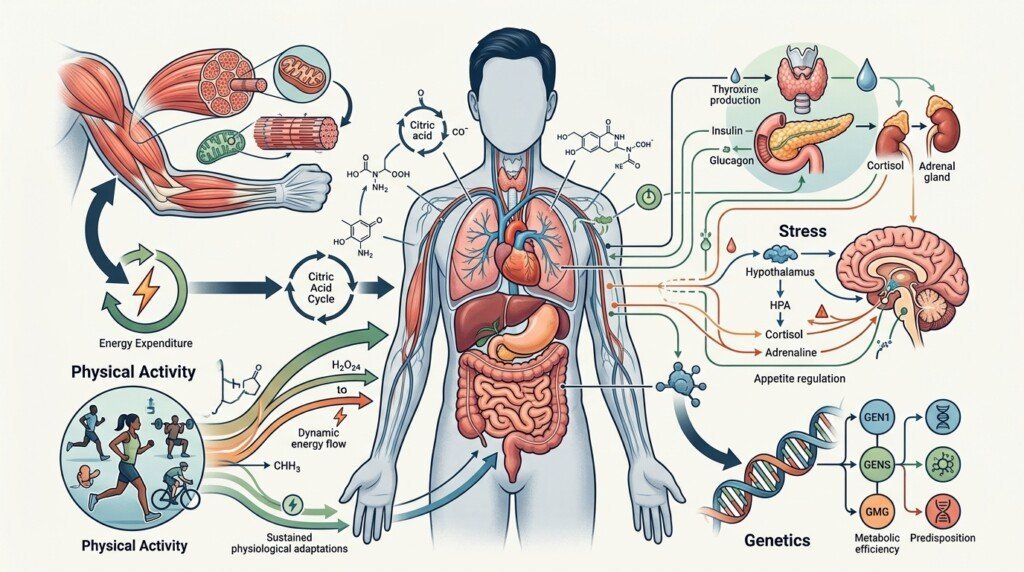
Below are some of the most common reasons metabolism may gradually decrease.
1. Lower Energy Requirements
As body size changes, your body naturally requires different amounts of energy.
A smaller body simply needs fewer calories to support basic functions than a larger one.
This is a normal biological adjustment rather than a metabolic problem.
2. Reduced Daily Movement
Many people become less active without realizing it.
Modern lifestyles often involve:
- Sitting for long periods
- Driving instead of walking
- Desk-based work
- Less recreational activity
Lower daily movement reduces overall energy expenditure.
3. Changes in Lean Muscle Mass
Muscle tissue contributes to daily calorie use.
When muscle mass decreases, total energy requirements often decrease as well.
This relationship is discussed later in this article.
4. Hormonal Changes
Several hormones help regulate how the body produces and uses energy.
Changes affecting hormones may influence metabolic activity over time.
These include hormones related to:
- Thyroid function
- Insulin
- Cortisol
- Reproductive health
5. Long-Term Energy Adaptation
The human body is remarkably efficient.
When energy intake remains low for extended periods, the body may gradually become more efficient at conserving energy.
This protective response is often referred to as metabolic adaptation, which is covered separately in a dedicated article because of its complexity.
There Is Rarely One Single Cause
Most people experiencing changes in metabolism are influenced by several factors at once rather than one isolated issue.
Understanding the complete picture provides a much more accurate explanation than focusing on only one cause.
Does Aging Naturally Slow Your Metabolism?
One of the most common beliefs is that metabolism automatically slows down with every birthday.
The reality is more complicated.
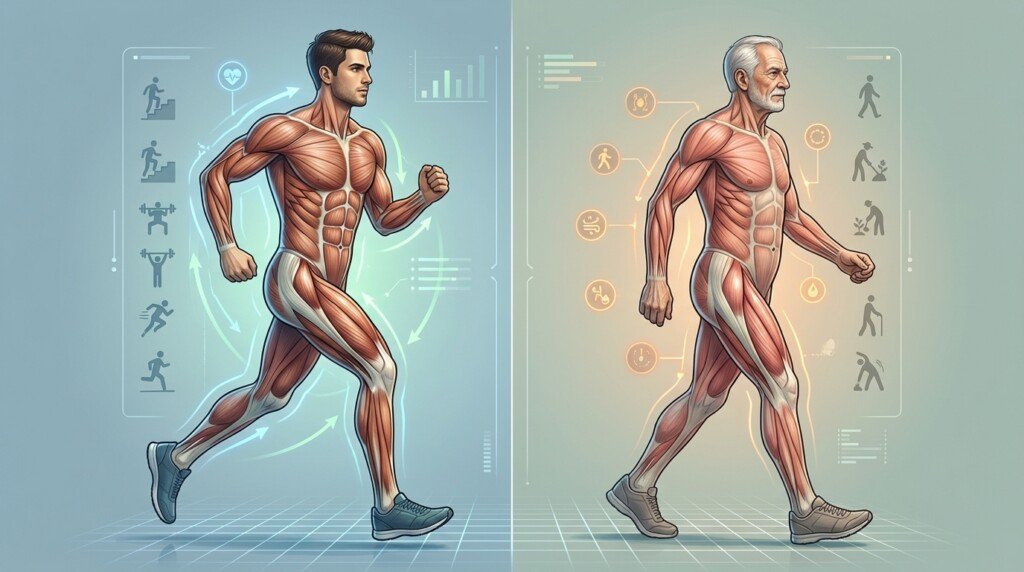
Age can influence metabolism, but many of the changes commonly blamed on aging are actually related to lifestyle and body composition.
Aging Often Changes Daily Activity
As people get older, many naturally become less physically active.
Reduced activity means fewer calories are burned throughout the day.
This change is often gradual enough that people barely notice it.
Muscle Mass May Decline
Without regular resistance exercise or physical activity, adults may gradually lose lean muscle over time.
Since muscle requires energy to maintain, this change may contribute to lower daily calorie needs.
Hormonal Changes Occur Throughout Life
Hormone levels naturally change during adulthood.
Examples include:
- Menopause
- Testosterone changes
- Thyroid function changes
These shifts may influence metabolism differently for each individual.
Women often notice these changes becoming more apparent during midlife, which is explored further in Weight Loss After 40.
Lifestyle Usually Matters More Than Age Alone
Research increasingly suggests that many age-related metabolic changes are influenced by:
- Reduced activity
- Lower muscle mass
- Health conditions
- Lifestyle habits
Rather than age itself being the only explanation.
Aging Is Only One Piece of the Puzzle
Age contributes to metabolic changes, but it is rarely the sole cause.
Many older adults maintain excellent metabolic health through consistent healthy habits.
Future discussions in Metabolism by Age examine these changes in greater detail.
Can Losing Muscle Mass Reduce Metabolism?
Yes.
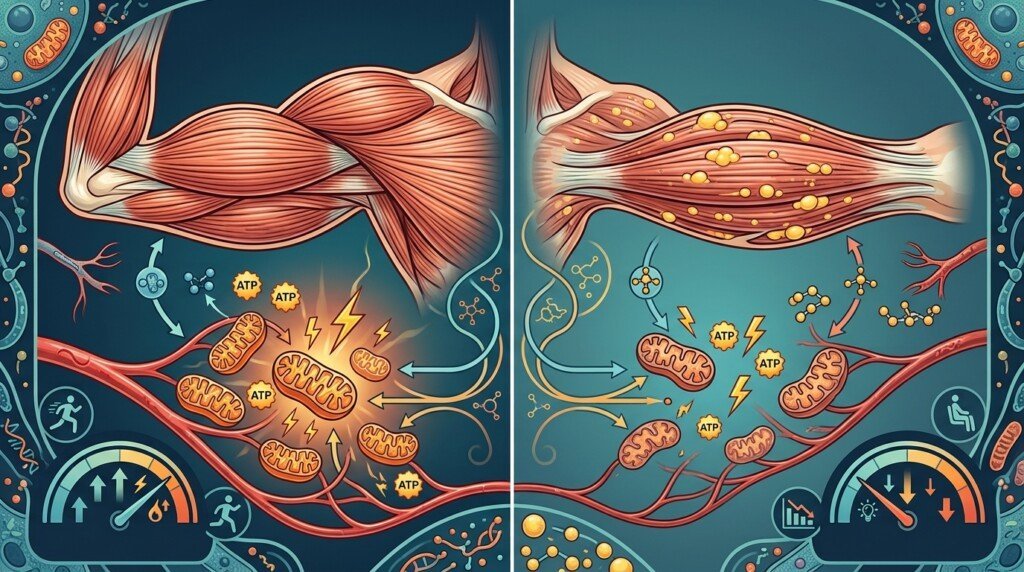
Muscle tissue plays an important role in overall energy expenditure.
Although muscle does not burn enormous numbers of calories at rest, maintaining lean muscle contributes meaningfully to total daily calorie needs.
Muscle Requires Energy
Every tissue in the body requires energy.
Muscle is metabolically active, meaning your body uses calories to maintain it even when you are resting.
People with more lean muscle generally require slightly more energy each day.
Inactivity Accelerates Muscle Loss
Periods of inactivity may gradually reduce muscle mass.
Examples include:
- Sedentary work
- Long recovery periods
- Limited physical activity
As muscle decreases, total energy requirements may also decline.
Weight Loss Can Include Muscle
Not all weight loss comes from body fat.
Without strategies that help preserve lean tissue, some weight loss may include muscle.
Maintaining muscle is one reason many health professionals encourage regular physical activity during weight management.
Muscle Supports Long-Term Metabolic Health
Healthy muscle contributes to:
- Daily movement
- Physical strength
- Energy expenditure
- Functional independence
Preserving muscle supports overall metabolic health rather than simply increasing calorie burning.
Muscle Loss Is Often Preventable
While some muscle loss naturally occurs with aging, regular activity helps reduce unnecessary declines.
Does Chronic Dieting Damage Metabolism?
This question has become extremely popular online.
Many people worry they have permanently “damaged” their metabolism after years of dieting.
Current scientific evidence suggests the situation is more nuanced.
The Body Adapts to Lower Energy Intake
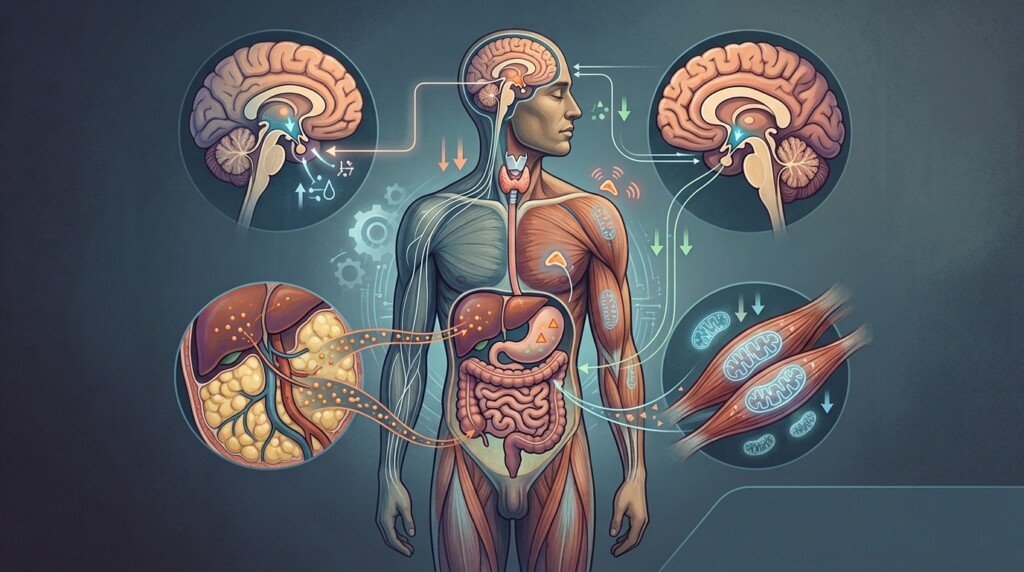
When calorie intake remains low for long periods, the body often becomes more efficient.
This adaptation helps conserve energy during periods of reduced food availability.
From an evolutionary perspective, this response helped humans survive famine.
Adaptive Changes Are Usually Temporary
Most metabolic adjustments reflect the body’s effort to match current energy availability.
They do not necessarily represent permanent damage.
Weight Loss Changes Energy Needs
As body weight decreases, calorie requirements naturally decrease as well.
Smaller bodies require less energy for everyday functions.
This normal adjustment should not automatically be confused with metabolic damage.
Repeated Restrictive Dieting Can Influence Adaptation
Frequent cycles of severe calorie restriction followed by weight regain may contribute to repeated metabolic adjustments.
The psychology behind long-term dieting behaviors is discussed further throughout Psychology of Weight Loss.
Metabolic Adaptation Deserves Separate Discussion
The biological mechanisms behind metabolic adaptation are complex.
Because this topic deserves detailed explanation, it is explored separately in Metabolic Adaptation rather than fully covered here.
Can Hormones Slow Metabolism?
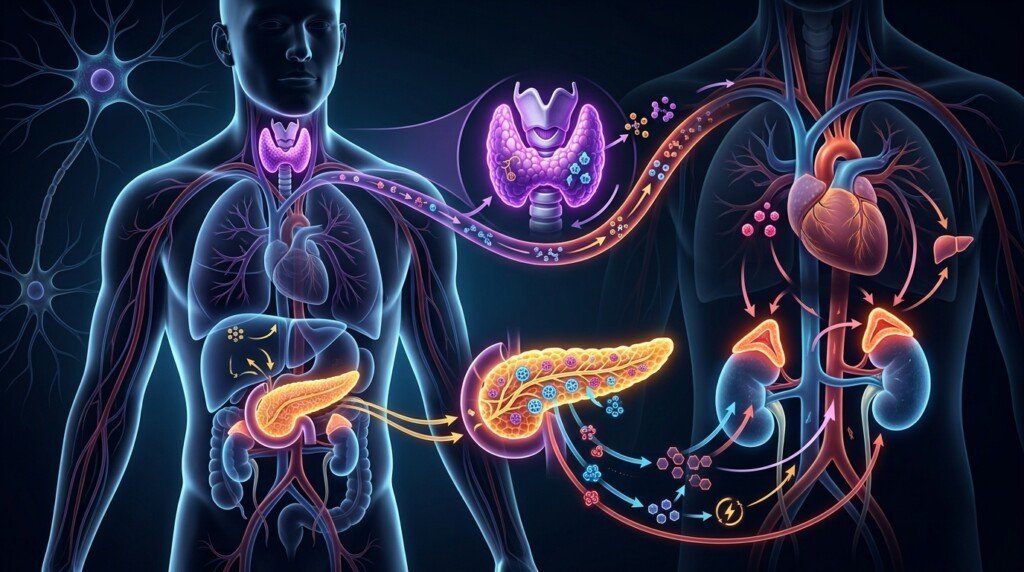
Hormones act as chemical messengers that help regulate nearly every major metabolic process.
When hormone levels change, metabolism may also change.
Thyroid Hormones
Thyroid hormones help regulate how quickly cells produce and use energy.
Changes affecting thyroid function may influence metabolic activity.
Insulin
Insulin plays an important role in how nutrients are stored and used throughout the body.
Its relationship with metabolism is discussed further in Insulin Resistance.
Cortisol
Cortisol helps the body respond to stress.
Persistent stress may influence several metabolic processes through complex hormonal pathways.
This connection is explored in greater detail throughout Cortisol Belly Fat and Stress and Weight Loss.
Reproductive Hormones
Hormonal changes occurring during different life stages may influence metabolism indirectly by affecting muscle mass, body composition, activity levels, and overall energy balance.
Hormones Are Only Part of the Picture
Although hormones influence metabolism, they rarely act alone.
Lifestyle, genetics, body composition, activity levels, and overall health all interact with hormonal regulation.
Does Poor Sleep Affect Metabolism?
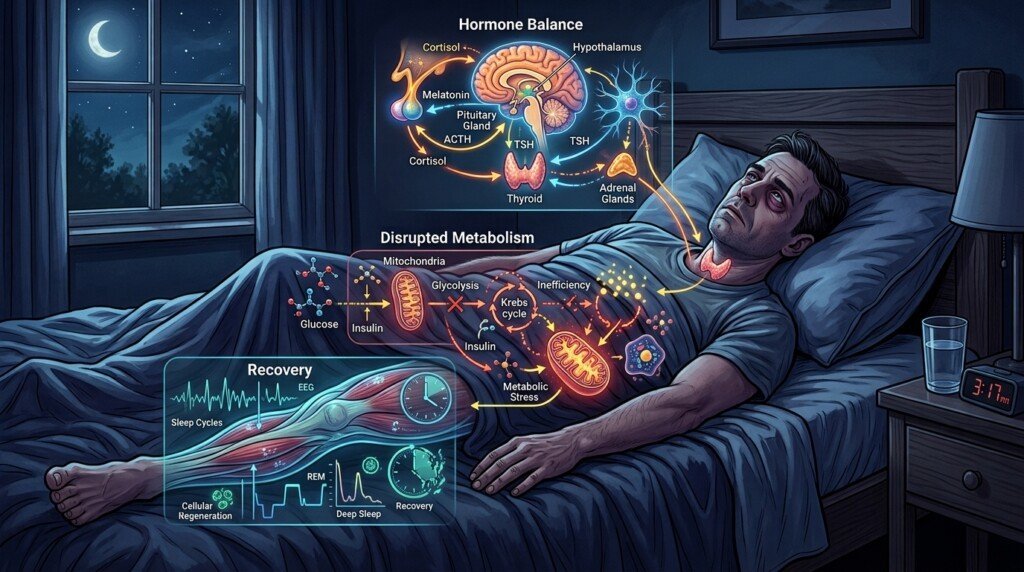
Sleep is often overlooked when people think about metabolism. Most conversations focus on exercise or nutrition, yet your body performs many important metabolic functions while you sleep.
Missing a few hours of sleep occasionally is unlikely to have a lasting effect. However, consistently poor sleep may influence the systems that regulate energy production, appetite, recovery, and hormone balance.
It is important to understand that poor sleep does not permanently slow your metabolism overnight. Instead, repeated sleep deprivation may gradually contribute to changes that affect how efficiently your body manages energy.
Sleep Supports Normal Hormone Function
During healthy sleep, your body regulates several hormones involved in energy balance.
These include hormones that influence:
- Appetite
- Blood sugar regulation
- Recovery
- Stress response
When sleep is regularly disrupted, these processes may not function as efficiently.
Sleep Influences Daily Activity
People who sleep poorly often experience:
- Lower energy
- Reduced motivation
- More fatigue
- Less physical activity
These indirect effects may reduce total daily calorie expenditure over time.
Recovery Happens During Sleep
Sleep allows the body to repair tissues, restore energy stores, and prepare for the next day.
Poor recovery may make maintaining healthy habits more challenging.
Sleep and Metabolism Work Together
Healthy sleep supports many biological systems rather than directly controlling metabolism.
Because this relationship is extensive, it is explored fully in Metabolism and Sleep, where sleep quality and metabolic health are discussed in greater detail.
One Poor Night Is Not the Problem
Occasional poor sleep is part of normal life.
The greater concern comes from consistently sleeping too little over weeks or months.
Can Stress Reduce Metabolic Rate?
Stress affects nearly every major system in the human body.
While short-term stress helps the body respond to immediate challenges, long-lasting stress may influence several factors associated with metabolism.
Stress Changes Daily Behavior
Many people experiencing chronic stress become less likely to:
- Exercise regularly
- Prepare balanced meals
- Stay physically active
- Maintain consistent routines
These behavioral changes often affect metabolism more than stress itself.
Cortisol Helps Regulate Energy
Cortisol is a hormone that helps the body respond to physical and emotional stress.
Temporary increases are completely normal.
However, ongoing stress may alter normal cortisol patterns, influencing several metabolic processes.
The relationship between cortisol and body composition is explored further throughout Cortisol Belly Fat.
Stress Can Reduce Recovery
High stress levels often interfere with:
- Sleep quality
- Exercise recovery
- Mental well-being
Since recovery supports overall metabolic health, persistent stress may indirectly affect long-term energy balance.
Stress Rarely Acts Alone
Stress is usually accompanied by changes in sleep, activity, eating habits, and overall lifestyle.
Together, these factors create a larger influence than stress by itself.
Managing Stress Supports Overall Health
Healthy stress management supports both mental and physical well-being.
The broader connection between emotional health and body weight is discussed throughout Stress and Weight Loss.
Which Medical Conditions Cause Slow Metabolism?
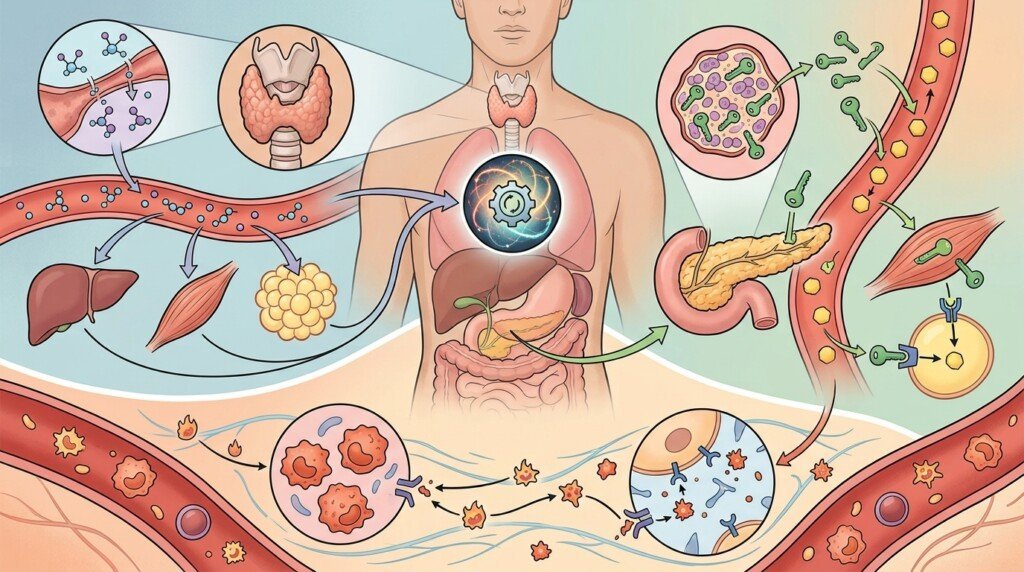
Although lifestyle factors explain many changes in metabolism, certain medical conditions may also influence how the body produces and uses energy.
These conditions should always be evaluated by qualified healthcare professionals.
Thyroid Disorders
The thyroid produces hormones that help regulate metabolic activity.
Changes affecting thyroid hormone production may influence how efficiently cells use energy.
Insulin Resistance
Insulin resistance primarily affects how the body processes glucose.
Over time, it may influence several metabolic processes associated with energy regulation.
This relationship is explored further throughout Insulin Resistance.
Chronic Inflammation
Persistent inflammation may influence multiple systems involved in metabolism.
Researchers continue studying how inflammation interacts with energy regulation and overall metabolic health.
Hormonal Conditions
Several hormonal disorders may influence metabolic activity through complex pathways involving:
- Thyroid hormones
- Cortisol
- Reproductive hormones
- Insulin
These conditions vary considerably between individuals.
Medications May Influence Metabolism
Some prescription medications may affect appetite, body composition, activity levels, or energy expenditure.
This does not mean medication directly “damages” metabolism, but it may contribute to changes in overall energy balance.
Professional Evaluation Is Important
Medical conditions should never be diagnosed based on internet articles alone.
Persistent concerns about metabolism should always be discussed with a qualified healthcare professional.
Can You Prevent Metabolism From Slowing Down?
While some metabolic changes are part of normal biology, many factors that support healthy metabolism are influenced by long-term lifestyle habits.
The goal is not to force metabolism to work faster.
Instead, it is to support normal metabolic function throughout life.
Stay Physically Active
Regular movement supports healthy energy expenditure and helps preserve lean muscle.
Activity includes far more than structured workouts.
Walking, household chores, gardening, and recreational activities all contribute.
Preserve Lean Muscle
Maintaining muscle helps support healthy metabolic function.
Resistance exercise is one strategy that supports muscle preservation throughout adulthood.
Avoid Extreme Dieting
Repeated severe calorie restriction may encourage metabolic adaptation.
Balanced, sustainable approaches are generally easier to maintain over time.
This concept is discussed further in Intermittent Fasting Guide, where long-term energy balance is emphasized.
Support Overall Health
Healthy metabolism depends on many interconnected systems.
General health habits support these systems working together efficiently.
Examples include:
- Regular physical activity
- Balanced nutrition
- Managing stress
- Maintaining healthy body composition
Focus on Long-Term Consistency
Healthy metabolism develops through years of consistent habits rather than quick fixes.
Small improvements maintained over time generally produce the greatest long-term benefits.
The 15 Most Common Causes of a Slow Metabolism at a Glance
While every individual is different, these are among the most common factors that may contribute to a lower metabolic rate:
- Reduced daily physical activity
- Lower lean muscle mass
- Long-term calorie restriction
- Metabolic adaptation
- Aging-related lifestyle changes
- Thyroid disorders
- Hormonal changes
- Insulin resistance
- Chronic stress
- Poor sleep
- Certain medications
- Chronic inflammation
- Genetic influences
- Obesity-related metabolic changes
- Multiple interacting lifestyle factors
Most people experience several of these influences together rather than just one isolated cause.

Frequently Asked Questions
1. What is the most common cause of a slow metabolism?
The most common causes include reduced physical activity, loss of muscle mass, long-term calorie restriction, hormonal changes, and metabolic adaptation rather than one single factor.
2. Does aging automatically slow metabolism?
Not entirely. While some biological changes occur with age, reduced activity levels, lower muscle mass, and lifestyle factors often explain much of the change.
3. Can chronic dieting slow metabolism?
Extended calorie restriction may lead to metabolic adaptation, where the body gradually becomes more energy efficient during periods of reduced food intake.
4. Does stress affect metabolism?
Chronic stress may influence metabolism indirectly by affecting cortisol, sleep quality, recovery, physical activity, and daily habits.
5. Can poor sleep slow metabolism?
Consistently poor sleep may affect hormone regulation, recovery, and energy balance, although occasional poor sleep is unlikely to cause lasting changes.
6. Can hormones cause a slow metabolism?
Yes. Hormones such as thyroid hormones, insulin, cortisol, and reproductive hormones all influence metabolic function.
7. Can medical conditions affect metabolism?
Certain medical conditions, including thyroid disorders and insulin resistance, may influence metabolic processes and should be evaluated by healthcare professionals.
8. Is a slow metabolism always permanent?
No. Many metabolic changes represent normal biological adaptations rather than permanent damage.
9. Can genetics determine metabolism?
Genetics influence metabolism, but lifestyle, body composition, and overall health also play major roles.
10. Can you prevent metabolism from slowing down?
While some biological changes are unavoidable, maintaining physical activity, preserving muscle, avoiding extreme dieting, and supporting overall health help promote healthy metabolic function.
Final Thoughts
A slow metabolism is rarely the result of one isolated problem. Instead, it usually develops through the combined influence of biological, hormonal, lifestyle, and environmental factors that affect how your body produces and uses energy. Reduced physical activity, loss of muscle mass, prolonged calorie restriction, hormonal changes, chronic stress, poor sleep, and certain medical conditions can all contribute to changes in metabolic rate. Understanding these causes makes it easier to separate evidence-based information from the many myths surrounding metabolism.
Equally important, a slower metabolism does not necessarily mean your body is permanently damaged or incapable of supporting healthy weight management. Metabolism is dynamic and continually adapts to changes in your body and environment. Throughout this metabolism series, you’ll explore each factor in greater depth, including Why Does Metabolism Slow Down, Signs of a Slow Metabolism, Metabolic Adaptation, and How to Reset Your Metabolism. Together, these articles provide a complete picture of metabolic health while helping you build realistic expectations based on current scientific understanding rather than popular misconceptions.
Disclaimer:
This post may contain affiliate links. If you purchase through them, we may earn a small commission at no extra cost to you. Also, this content is for informational purposes only and does not substitute professional medical advice.
Ready to Start Your Journey?
Use our free 7-in-1 Weight Loss Toolkit to calculate your numbers and build your plan in minutes.
Open Free Tools →