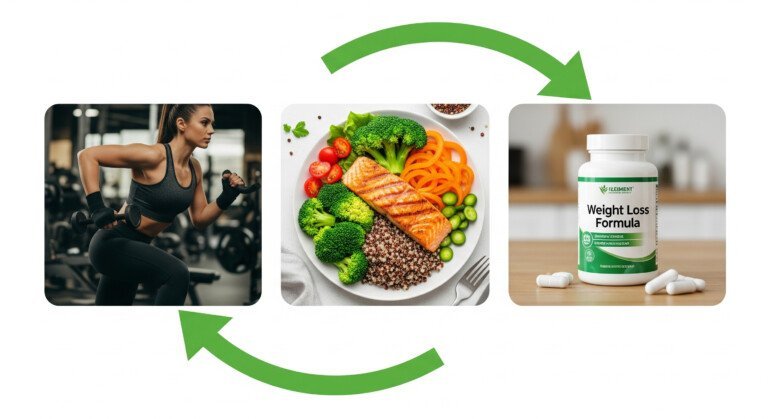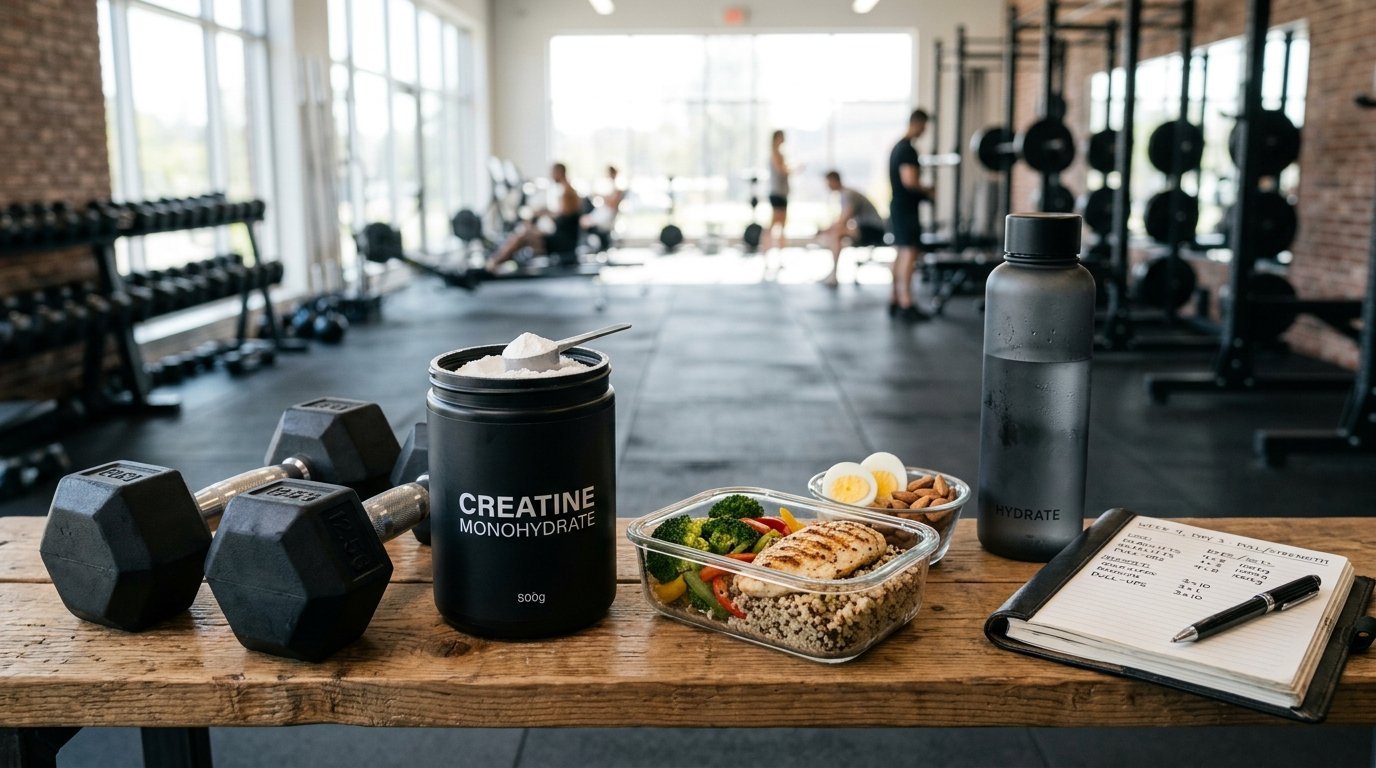
Creatine for Weight Loss: Benefits, Risks, and Does It Really Work?
If you’ve spent any time researching supplements for fat loss, you’ve probably come across Creatine for Weight Loss. It’s one of the most studied sports supplements in the world, yet it remains surrounded by confusion. Some people swear it helped them build lean muscle while losing fat. Others avoid it because they believe it causes unwanted weight gain.
So, what’s the truth?
The answer is more nuanced than a simple yes or no. Creatine is not a traditional fat-burning supplement, and it won’t magically melt away body fat. However, that doesn’t mean it has no place in a weight-loss plan. In fact, for many people following a calorie deficit and resistance training program, creatine may help preserve muscle, improve workout performance, and support healthier body composition over time.
Understanding how creatine actually works is important before deciding whether it’s worth adding to your routine. Rather than focusing on exaggerated marketing claims, it’s better to look at what current scientific evidence suggests and where creatine truly fits into a sustainable weight-loss strategy.
This guide explores the role of Creatine for Weight Loss, explains what the research currently shows, clears up common misconceptions, and introduces the key topics that every beginner should understand before considering creatine supplementation.
Quick Answer
Creatine for Weight Loss does not directly burn body fat, but it may support fat-loss efforts by helping preserve lean muscle, improving workout performance, and supporting body composition during a calorie deficit. When combined with regular resistance training and healthy nutrition, creatine can be a valuable supplement for some individuals pursuing long-term weight management.
What Is Creatine?
Creatine is a naturally occurring compound that helps your body produce energy during short, intense bursts of physical activity.
Although it is widely known as a sports supplement, creatine is not an artificial performance enhancer. Your body produces small amounts of creatine on its own, primarily in the liver, kidneys, and pancreas. It is also found naturally in foods such as red meat and fish.
Once stored in your muscles, creatine plays an important role in helping regenerate adenosine triphosphate (ATP), which serves as the body’s immediate energy source during high-intensity activities like lifting weights, sprinting, or explosive movements.
Why Has Creatine Become So Popular?
Creatine has earned its reputation because it is one of the most extensively researched dietary supplements available.
Unlike many products marketed for weight loss, creatine has been studied across a wide range of populations, including athletes, recreational exercisers, older adults, and people participating in resistance training programs.
Researchers have consistently found that creatine can improve exercise performance in situations requiring repeated bursts of high-intensity effort.
While improved performance does not automatically translate into fat loss, it creates opportunities for more productive training sessions that may contribute to long-term improvements in body composition.
Creatine Is Not Just for Bodybuilders
One of the biggest misconceptions is that creatine is only useful for competitive athletes or people trying to build massive muscles.
In reality, many everyday gym-goers, recreational exercisers, and individuals focused on improving their health also use creatine.
People interested in preserving muscle while losing body fat may find creatine especially valuable because maintaining lean tissue becomes increasingly important during a calorie deficit.
If you’re exploring different supplements for fat loss, comparing creatine with other options can help you understand where it fits among Supplements for Weight Loss, many of which work through entirely different mechanisms.
Can Creatine Help with Weight Loss?
This question often creates confusion because people expect weight-loss supplements to work by directly increasing fat burning.
Creatine works differently.
Instead of targeting body fat itself, creatine primarily supports exercise performance and muscle function.
Those indirect benefits can contribute to successful weight management when combined with healthy eating and regular exercise.

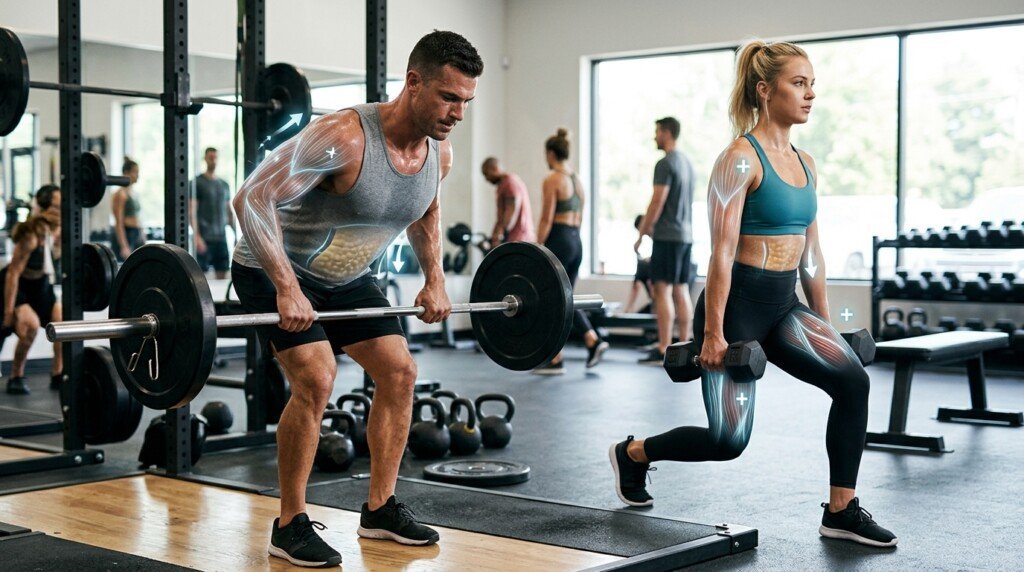
Creatine Supports the Work That Leads to Fat Loss
Imagine two people following the same calorie deficit.
One consistently performs high-quality resistance training workouts.
The other struggles to maintain workout intensity because of fatigue.
Over time, the person maintaining stronger training sessions may preserve more muscle while continuing to challenge their body effectively.
Creatine can help support this type of performance.
Rather than acting as a shortcut to fat loss, it helps create conditions that make an effective exercise program easier to maintain.
Muscle Preservation Matters During Weight Loss
One overlooked challenge of losing weight is protecting lean muscle.
When calorie intake decreases, the body can lose both fat and muscle tissue if resistance training and adequate protein intake are not prioritized.
Maintaining muscle supports:
- Strength
- Physical function
- Daily energy expenditure
- Long-term body composition
- Exercise performance
Creatine may contribute to muscle preservation, particularly when paired with resistance training.
This is one reason many fitness professionals recommend it for individuals who want to lose fat without sacrificing muscle.
Eating enough protein also plays an important role. Pairing creatine with High Protein Foods That Burn Fat can help support muscle maintenance throughout a calorie deficit.
Weight Loss Is Still Driven by Energy Balance
It’s important to keep expectations realistic.
Creatine does not replace the fundamental principles of weight loss.
Body fat decreases when your body consistently uses more energy than it receives from food.
That process still depends on maintaining an appropriate Calorie Deficit, regardless of whether creatine is part of your supplement routine.
How Does Creatine Affect Body Composition?
Many people focus exclusively on the number shown on the scale.
Body composition tells a much more complete story.
Body composition refers to the relative amounts of body fat, lean muscle, water, bone, and other tissues that make up your body.
Improving body composition means reducing body fat while maintaining or increasing lean muscle mass.
This is where creatine may offer meaningful benefits.
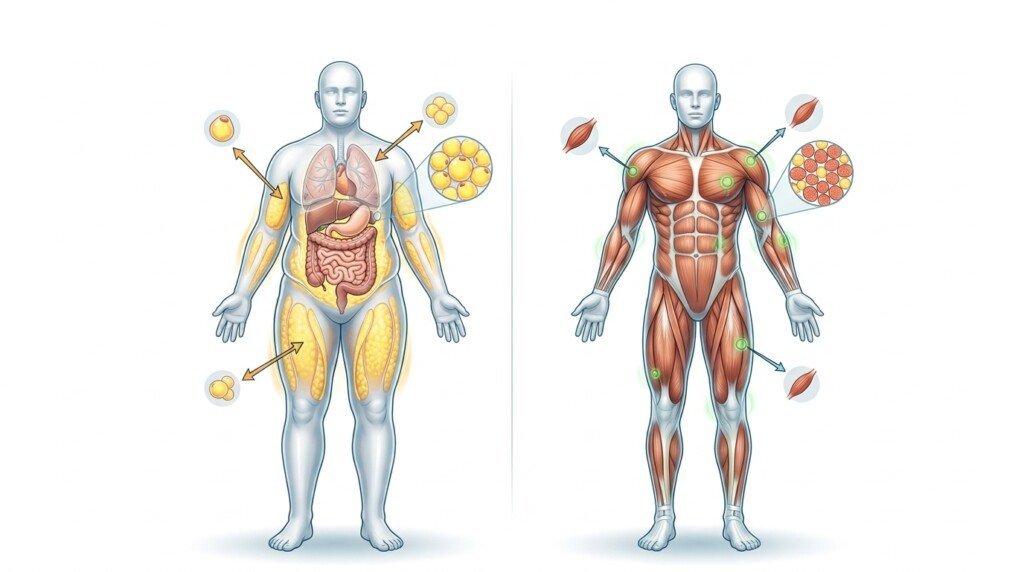
Better Performance Can Lead to Better Training
One of creatine’s most recognized benefits is improving the quality of resistance training sessions.
When muscles have access to more readily available energy, people may be able to:
- Complete additional repetitions
- Maintain higher training intensity
- Recover better between sets
- Produce greater overall training volume
These improvements may seem small during a single workout.
Over weeks and months, however, they can contribute to greater training adaptations.
Preserving Lean Muscle Creates Better Results
Losing body fat without preserving muscle often leads to disappointing outcomes.
Although body weight decreases, strength, athletic performance, and metabolic health may also decline.
Maintaining lean muscle helps people achieve a healthier appearance while supporting long-term weight management.
Instead of simply becoming lighter, many individuals aim to become leaner.
Creatine may support that goal by helping individuals maintain productive resistance training throughout their weight-loss journey.
For readers wanting to maximize these benefits, combining creatine with Strength Training for Fat Loss provides a far more effective strategy than relying on supplements alone.
Looking Beyond the Bathroom Scale
The scale cannot distinguish between:
- Fat loss
- Muscle gain
- Water changes
- Digestive contents
This is one reason people sometimes become discouraged after beginning a new exercise program.
Positive changes in body composition may occur even when scale weight changes very little.
Tracking progress through waist measurements, clothing fit, strength improvements, and body composition assessments often provides a clearer picture than body weight alone.
Does Creatine Burn Fat Directly?
This is probably the biggest misunderstanding surrounding creatine.
The simple answer is no.
Creatine does not directly increase fat burning in the same way that some stimulant-based supplements claim to influence metabolism.
Its role is much different.
Creatine Supports Performance, Not Fat Burning
Rather than targeting fat cells, creatine helps replenish energy inside muscle cells during short bursts of intense activity.
This allows many people to train harder or recover more effectively between high-intensity efforts.
The increased training quality may contribute to better long-term fat-loss outcomes, but creatine itself is not burning body fat.
This distinction is important because many supplement advertisements blur the line between supporting exercise performance and directly causing fat loss.
Improved Training Creates Indirect Benefits
Think of creatine as improving the quality of the work rather than doing the work for you.
If better performance allows you to lift heavier weights, complete more repetitions, or remain consistent with your exercise program, those improvements may eventually influence body composition.
The supplement supports the process.
It does not replace it.
Current Research Supports an Indirect Role
Modern research generally suggests that creatine’s greatest contribution during weight loss comes from its effects on lean muscle, exercise capacity, and body composition rather than direct fat oxidation.
Scientists continue to investigate exactly how these benefits influence long-term weight management across different populations.
The biological mechanisms behind these findings are explored in greater detail in How Does Creatine Help with Fat Loss, while future articles will also examine creatine side effects, water retention, dosage recommendations, and realistic expectations for results without overlapping the broader overview provided here.
Is Creatine Good During a Calorie Deficit?
Many people worry that taking creatine while eating fewer calories might be unnecessary or even counterproductive.
In reality, this is one of the situations where creatine may offer some of its greatest practical benefits.
A calorie deficit asks your body to function with less available energy. While this is necessary for fat loss, it can also make it more difficult to maintain workout intensity and preserve lean muscle mass. Creatine may help support these areas, making it easier to continue training effectively throughout a weight-loss phase.

Maintaining Strength While Eating Less
As calorie intake decreases, it’s common to notice small declines in strength or workout performance.
This doesn’t necessarily mean you’re losing progress. It simply reflects the challenge of asking your body to perform while consuming less energy.
Creatine helps replenish the quick energy used during high-intensity exercise. This can make resistance training sessions feel more productive, even when you’re in a calorie deficit.
Being able to maintain your training quality is valuable because consistent resistance training helps protect lean muscle during fat loss.
Muscle Preservation Supports Long-Term Success
Muscle is metabolically active tissue that contributes to everyday energy expenditure and physical function.
When people lose significant amounts of muscle during weight loss, they may notice:
- Reduced strength
- Lower exercise performance
- Less athletic appearance
- Greater difficulty maintaining weight loss
Although creatine cannot completely prevent muscle loss, it may help support muscle retention when combined with resistance training and adequate dietary protein.
This is one reason creatine continues to receive attention from researchers studying body composition rather than simply body weight.
Creatine Complements Healthy Habits
It’s important to understand that creatine works alongside healthy habits instead of replacing them.
For the best results, creatine should be viewed as one part of a broader strategy that includes:
- A sustainable calorie deficit
- Regular strength training
- Adequate protein intake
- Sufficient sleep
- Consistent physical activity
Each of these habits contributes to successful fat loss, while creatine helps support the training that makes those habits more effective.
Does Creatine Cause Weight Gain?
This question discourages many people from trying creatine.
After all, why would anyone trying to lose weight intentionally take a supplement that might increase body weight?
The answer depends on understanding what the scale is actually measuring.
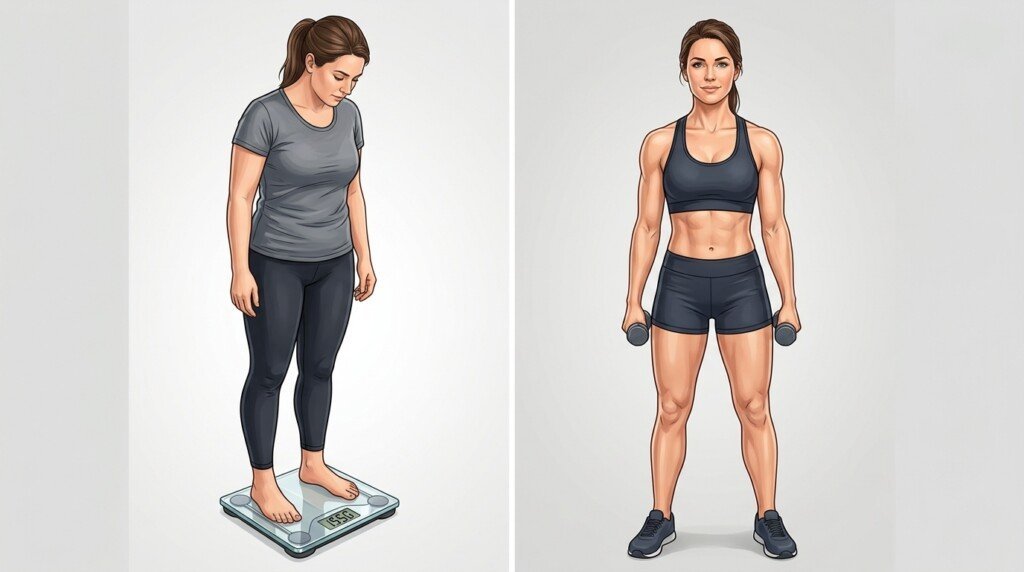
Scale Weight Doesn’t Always Equal Body Fat
Your body weight reflects far more than body fat.
It also includes:
- Muscle
- Body water
- Bone
- Food in the digestive system
- Glycogen stores
Because so many factors influence daily body weight, small increases on the scale don’t automatically indicate fat gain.
Temporary Changes Can Be Misleading
Some people notice a modest increase in body weight after beginning creatine supplementation.
This often surprises individuals who expected the number on the scale to continue decreasing.
However, these early changes should not automatically be interpreted as gaining body fat.
Instead, they often reflect normal physiological changes associated with creatine storage inside muscle tissue.
The important point is that changes in body weight are not always changes in body fat.
Since this article serves as an overview, the topic of water retention is intentionally kept brief. Readers who want a detailed explanation will find a dedicated discussion in the upcoming article on Water Retention and Creatine.
Focus on Progress, Not Daily Scale Fluctuations
When evaluating a weight-loss program, consider multiple indicators instead of relying only on body weight.
Useful measures include:
- Waist circumference
- Progress photos
- Clothing fit
- Strength improvements
- Body composition assessments
These measurements often provide a clearer picture of progress than daily fluctuations on the scale.
Who Should Consider Creatine for Weight Loss?
Creatine is not essential for everyone trying to lose weight.
Many people achieve excellent results through balanced nutrition, regular exercise, and consistency alone.
However, certain individuals may benefit more than others.
People Following a Resistance Training Program
Individuals who regularly lift weights or perform resistance exercises are among the most likely to benefit from creatine.
Their workouts place repeated demands on the body’s rapid energy systems, making creatine particularly relevant.
Supporting workout quality may help them maintain lean muscle while reducing body fat.
People Trying to Preserve Muscle During Fat Loss
Weight loss should ideally come from reducing body fat rather than sacrificing muscle.
People who prioritize body composition instead of simply lowering the number on the scale often view creatine as a useful addition to their routine.
The goal shifts from becoming lighter to becoming leaner and stronger.
Recreational Exercisers Seeking Better Performance
You don’t need to be a competitive athlete to consider creatine.
Many recreational gym-goers appreciate its ability to support challenging workouts, improve consistency, and help maintain exercise performance during demanding training periods.
Who May Not Need Creatine?
Some individuals may decide that creatine isn’t necessary.
For example:
- People who do not perform resistance training
- Individuals seeking a quick fat-burning supplement
- Those expecting dramatic weight-loss results without changing lifestyle habits
Creatine offers the greatest value when it supports an already well-designed nutrition and exercise program.
Readers comparing available options may also wish to explore Best Creatine Supplements, which explains how to evaluate different creatine products without relying on marketing claims.
What Are the Biggest Myths About Creatine and Weight Loss?
Creatine has been researched for decades, yet several myths continue to circulate online.
Separating evidence from misinformation helps people make more informed decisions.
Myth 1: Creatine Burns Body Fat
This is perhaps the most widespread misconception.
Creatine does not directly increase fat burning.
Its benefits come primarily from supporting training performance and helping preserve lean muscle.
Myth 2: Everyone Gains Fat While Taking Creatine
Body weight and body fat are not interchangeable.
A temporary increase on the scale does not necessarily indicate increased body fat.
Looking at overall body composition provides a much clearer picture.
Myth 3: Creatine Replaces Healthy Habits
No supplement can compensate for poor nutrition or inactivity.
Creatine works best when combined with:
- Regular exercise
- A calorie deficit when fat loss is the goal
- Adequate protein intake
- Consistent healthy habits
Without these foundations, creatine alone is unlikely to produce meaningful changes in body composition.
Myth 4: Only Professional Athletes Should Use Creatine
Research has examined creatine across many different populations, not just elite athletes.
Many healthy adults who participate in recreational resistance training may also benefit from its ability to support exercise performance.
Key Takeaways
| Topic | Key Point |
|---|---|
| What creatine is | A naturally occurring compound that helps produce rapid energy for high-intensity exercise. |
| Fat burning | Creatine does not directly burn body fat. |
| Weight loss | It may support weight loss indirectly by improving training quality and preserving lean muscle. |
| Body composition | Creatine is more closely associated with improving body composition than reducing scale weight. |
| Calorie deficit | It may help maintain workout performance while eating fewer calories. |
| Weight gain | Small changes on the scale are not always body fat gain. |
| Best use | Creatine works best alongside resistance training, balanced nutrition, and sustainable lifestyle habits. |

Frequently Asked Questions
1. Does creatine help lose fat?
Creatine does not directly burn fat, but it may support fat-loss efforts by helping preserve muscle and improving resistance training performance during a calorie deficit.
2. Does creatine make you gain weight?
Some people notice a small increase in body weight after starting creatine, but this should not automatically be interpreted as body fat gain. Looking at body composition provides a more meaningful measure of progress.
3. Is creatine worth taking during weight loss?
For people who regularly perform resistance training, creatine may be a worthwhile supplement because it supports workout quality and helps maintain lean muscle while losing fat.
4. Is creatine a fat burner?
No. Creatine is not classified as a fat-burning supplement. Its primary role is supporting energy production during high-intensity exercise.
5. Can beginners use creatine while trying to lose weight?
Yes. Beginners who include resistance training as part of their weight-loss plan may also benefit from creatine, provided they have realistic expectations and understand that it supports training rather than directly causing fat loss.
Conclusion
Creatine for Weight Loss is often misunderstood because many people expect it to function like a traditional fat-burning supplement. Current evidence suggests a different story. Creatine does not directly reduce body fat or replace the need for a calorie deficit, but it can support several factors that contribute to healthier body composition. By helping maintain workout performance, supporting lean muscle, and making resistance training more productive, creatine may indirectly improve long-term fat-loss outcomes for many individuals.
The most effective weight-loss strategy still depends on consistent nutrition, regular physical activity, adequate protein intake, and sustainable habits. Creatine should be viewed as a supportive tool rather than a shortcut. For individuals committed to strength training while reducing body fat, it may provide meaningful benefits that extend beyond the number displayed on the scale. Understanding both its strengths and its limitations allows you to make informed decisions and set realistic expectations for your weight-loss journey.
Disclaimer:
This post may contain affiliate links. If you purchase through them, we may earn a small commission at no extra cost to you. Also, this content is for informational purposes only and does not substitute professional medical advice.