


How Does Creatine Help with Fat Loss? What the Science Really Says
Many people start taking creatine with one question in mind: How Does Creatine Help with Fat Loss? The answer often surprises them because creatine is not a traditional fat-burning supplement. It doesn’t work like caffeine, thermogenic products, or appetite suppressants. Instead, its benefits are tied to how your body produces energy, performs during exercise, and preserves muscle while losing weight.
This difference is exactly why creatine continues to be misunderstood. Some dismiss it because it doesn’t directly burn fat. Others expect dramatic weight-loss results that science has never promised. The reality lies somewhere in between.
Current research suggests that creatine may support fat loss indirectly by helping you train harder, recover better, and maintain lean muscle during a calorie deficit. These advantages can improve body composition over time, even though creatine itself is not actively breaking down fat cells.
Understanding How Does Creatine Help with Fat Loss requires looking beyond the number on the scale. Instead of asking whether creatine burns fat overnight, it is more useful to ask whether it creates the conditions that allow fat loss to happen more efficiently.
This article explores the biological mechanisms behind creatine, explains why ATP matters, examines its role in muscle preservation, and reviews what current scientific evidence actually tells us.
Quick Answer
How Does Creatine Help with Fat Loss? Creatine supports fat loss indirectly by improving ATP production during high-intensity exercise, helping preserve lean muscle, supporting resistance training performance, and improving overall body composition. Research does not show that creatine directly burns fat, but it may help people lose fat more effectively when combined with a calorie deficit and regular strength training.
Does Creatine Burn Fat Directly?
This is probably the most common misconception surrounding creatine.
Many people assume that because creatine is associated with leaner physiques and athletic performance, it must also function as a fat-burning supplement.
Scientific evidence tells a different story.
Creatine does not directly increase fat oxidation in the way many people imagine. It does not stimulate your body to suddenly burn stored fat while you’re sitting at your desk or relaxing on the couch. Instead, its influence comes through improving the quality of the work your body performs during exercise.
Understanding this distinction is essential because it changes expectations from unrealistic promises to evidence-based benefits.
Fat Loss Happens Because of Energy Balance
Regardless of which supplement you choose, body fat decreases only when your body consistently uses more energy than it receives through food.
That energy gap is commonly called a Calorie Deficit.
Without this deficit, fat loss becomes extremely difficult regardless of how effective a supplement may appear.
Creatine cannot replace this fundamental biological principle.
Instead, it supports the activities that help maintain that calorie deficit over time.
Creatine Supports the Process Rather Than the Outcome
Think of creatine as improving the tools rather than completing the job itself.
A carpenter with better tools can often work more efficiently.
Likewise, muscles with greater creatine stores can often perform repeated high-intensity efforts more effectively.
Those better workouts may eventually contribute to improved fat loss, but the supplement itself is not targeting fat cells.
This distinction helps explain why researchers often describe creatine as a performance-enhancing supplement rather than a fat-burning supplement.
Why the Confusion Continues
Social media frequently oversimplifies supplement research.
People often see impressive before-and-after transformations and assume creatine alone caused those results.
In reality, those changes usually reflect multiple factors working together:
- Consistent resistance training
- Progressive overload
- Balanced nutrition
- Adequate protein intake
- Recovery
- Long-term adherence
Creatine simply supports several of these factors.
When all of them work together, improvements in body composition become much more likely.
How Does Creatine Improve Workout Performance?
If creatine doesn’t directly burn fat, why has it become one of the most researched supplements in sports nutrition?
The answer begins with ATP.

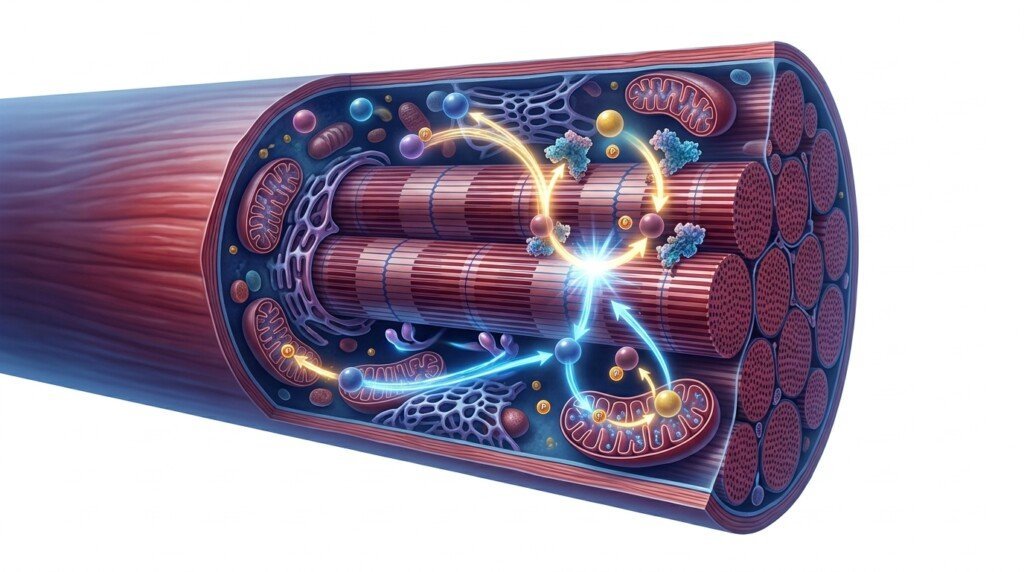
What Is ATP and Why Does It Matter?
Every movement your body performs requires energy.
That energy comes from a molecule called adenosine triphosphate, commonly abbreviated as ATP.
ATP serves as the body’s immediate energy currency.
Whether you’re lifting a heavy weight, sprinting toward a finish line, or jumping onto a platform, ATP supplies the energy needed for those explosive efforts.
The problem is that your muscles only store enough ATP to fuel a few seconds of maximal effort.
Once those stores become depleted, performance naturally begins to decline.
This is where creatine becomes important.
Creatine Helps Regenerate ATP
Inside muscle cells, creatine exists largely as phosphocreatine.
Its primary role is helping regenerate ATP during repeated high-intensity exercise.
Instead of allowing ATP levels to fall rapidly, phosphocreatine donates a phosphate group that helps rebuild ATP more quickly.
The result is simple.
Your muscles regain their immediate energy supply faster.
Although this process happens at the cellular level, its effects become noticeable during demanding workouts.
Better Energy Supports Better Training
When ATP regeneration improves, many people are able to perform slightly more work during resistance training sessions.
That improvement may include:
- Completing one or two additional repetitions
- Maintaining lifting intensity longer
- Recovering more efficiently between sets
- Producing greater total training volume
None of these changes appear dramatic during a single workout.
However, over months of consistent training, these small improvements accumulate.
Progressive overload becomes easier to maintain, allowing the body to continue adapting.
Stronger Training Can Influence Fat Loss
Higher-quality workouts generally require greater energy expenditure.
They also stimulate muscle tissue more effectively.
Although creatine is not directly increasing fat burning, it helps support the training sessions that contribute to healthier body composition over time.
This relationship becomes especially important for individuals following Strength Training for Fat Loss, where maintaining workout quality often determines long-term success.
Recovery Between Sets Matters More Than People Realize
Resistance training is not simply about lifting heavier weights.
The quality of recovery between efforts also influences overall performance.
By helping regenerate ATP more efficiently, creatine allows muscles to recover faster during repeated bouts of intense exercise.
That improved recovery often translates into more productive workouts without changing the exercise program itself.
Does Creatine Preserve Muscle During Weight Loss?
One of the biggest challenges during fat loss is preserving lean muscle.
Many people focus entirely on reducing body weight while overlooking what they might be losing along the way.
Ideally, weight loss should come primarily from stored body fat.
Unfortunately, that is not always what happens.
Without appropriate nutrition and resistance training, the body may also break down valuable muscle tissue.
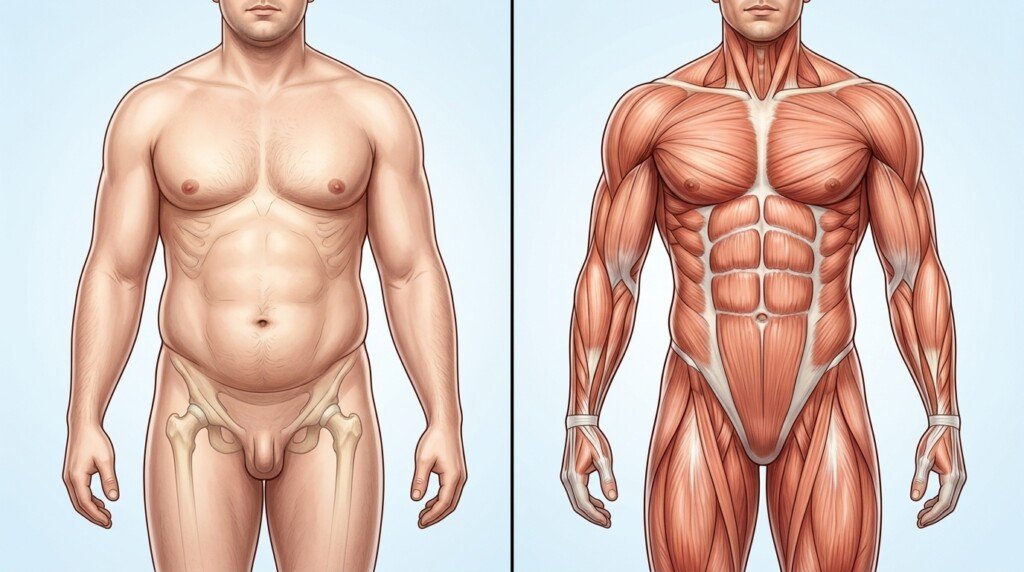
Why Muscle Loss Happens During a Calorie Deficit
When energy intake decreases, your body must adapt.
Although stored fat supplies much of the missing energy, muscle tissue can also contribute under certain conditions.
Several factors increase the likelihood of muscle loss during dieting:
- Severe calorie restriction
- Insufficient protein intake
- Lack of resistance training
- Rapid weight loss
- Long periods of inactivity
Preserving muscle becomes increasingly important because lean tissue contributes to strength, mobility, and long-term metabolic health.
Creatine Supports Muscle Retention
Research suggests creatine may help support muscle preservation primarily by allowing individuals to maintain higher-quality resistance training while dieting.
Rather than preventing muscle breakdown directly, creatine helps sustain the stimulus required for muscles to remain active and adapt.
In practical terms, this means your muscles continue receiving signals that they are needed.
The body is therefore less likely to sacrifice valuable lean tissue during weight loss.
Muscle Preservation Improves Body Composition
The goal of successful fat loss is not simply becoming lighter.
It is improving body composition.
Body composition refers to the relationship between lean muscle and Body Fat.
Two people may weigh exactly the same while having dramatically different body compositions.
One may carry considerably more muscle and less body fat than the other.
Creatine supports this distinction by helping individuals retain muscle while reducing fat through consistent training.
Why Muscle Also Supports Metabolism
Muscle does more than generate strength.
It contributes to everyday energy expenditure and supports overall metabolic health.
Although muscle alone does not dramatically increase calorie burning, maintaining lean tissue remains an important component of healthy weight management.
Readers interested in this relationship can better understand the connection by exploring Muscle and Metabolism, which explains how lean tissue influences energy use throughout the body.
Better Training Leads to Better Long-Term Results
The benefits of creatine are cumulative rather than immediate.
Every productive workout contributes a small amount toward future improvements.
When those sessions remain consistent over several months, people often notice:
- Increased strength
- Better exercise capacity
- Improved muscle retention
- Healthier body composition
- More sustainable fat-loss progress
Creatine supports these outcomes because it helps improve the quality of training rather than replacing the need for it.
Can Creatine Increase Calorie Expenditure?
One question that often comes up is whether creatine helps you burn more calories throughout the day.
The answer is more complex than many marketing claims suggest.
Creatine does not act like a stimulant that immediately raises calorie expenditure after taking it. Instead, any increase in calories burned is usually an indirect result of improved exercise performance, greater training volume, and the preservation of lean muscle.
Understanding these indirect effects helps explain why creatine continues to receive attention from researchers studying body composition rather than simply weight loss.
Better Workouts Often Mean More Energy Is Used
Resistance training requires energy.
The harder and longer you can train while maintaining good technique, the greater the total energy demand placed on your body.
Because creatine supports ATP regeneration, many individuals can complete slightly more work during each training session.
This may include:
- Performing additional repetitions
- Completing more sets
- Maintaining higher lifting intensity
- Recovering faster between exercises
Although these improvements may seem modest, they gradually increase the total amount of work performed over weeks and months.
That additional work contributes to higher overall calorie expenditure during exercise.
Creatine Does Not Replace Physical Activity
Some supplements claim they increase calorie burning without requiring changes in exercise habits.
Creatine is not one of them.
If physical activity remains unchanged, creatine alone is unlikely to produce meaningful increases in daily energy expenditure.
Its greatest value comes from helping people perform better during structured exercise.
In other words, creatine supports the effort that burns calories rather than creating calorie expenditure by itself.
The Role of Exercise Intensity
Exercise intensity influences how much energy your body uses during and after physical activity.
People who consistently perform challenging resistance workouts often expend more energy than those performing lower-intensity sessions.
By supporting repeated high-quality efforts, creatine may help maintain this higher level of exercise performance.
The relationship between exercise intensity and calorie burning is also closely connected to Thermogenesis, the process through which the body produces heat while using energy.
Although creatine is not considered a thermogenic supplement, better workouts may contribute to greater overall energy demands.
Does Creatine Increase Metabolism?
Another common misconception is that creatine “boosts metabolism.”
The reality is more balanced.
Current evidence does not suggest that creatine dramatically speeds up resting metabolism in the way people often imagine.
However, it may support several factors that influence metabolic health over time.
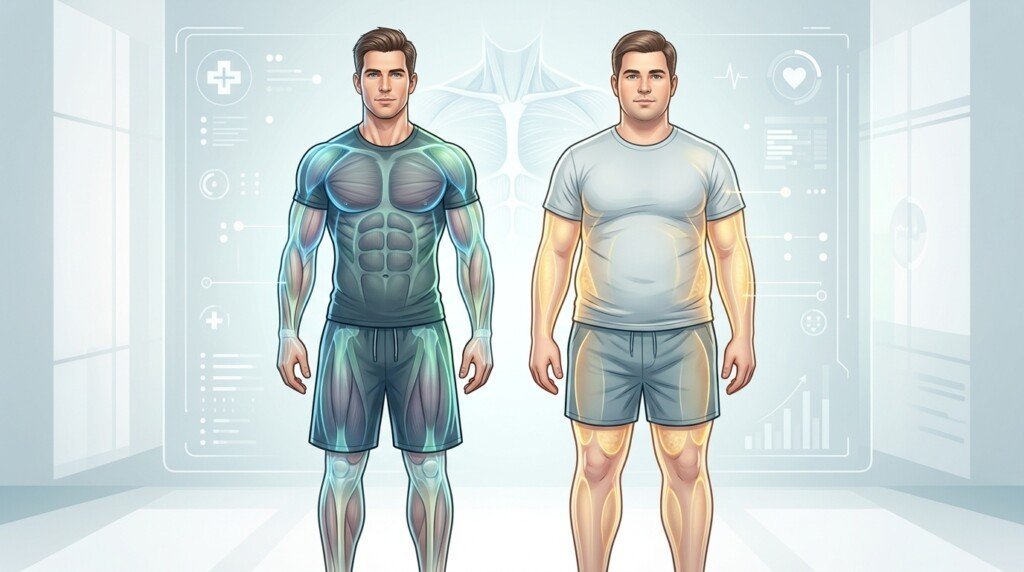
Understanding Metabolism
Metabolism refers to all the chemical processes that keep your body functioning.
These include:
- Producing energy
- Repairing tissues
- Building muscle
- Supporting hormone activity
- Maintaining organ function
Because metabolism involves far more than calorie burning, it’s inaccurate to judge metabolic health solely by how quickly someone loses weight.
Lean Muscle Supports Metabolic Function
Muscle tissue requires energy to maintain itself.
Although the calorie difference between muscle and fat at rest is often exaggerated online, preserving lean muscle remains beneficial for long-term metabolic health.
Individuals who lose significant muscle during dieting may find it more difficult to maintain strength, exercise performance, and healthy body composition.
Creatine supports resistance training, which in turn helps maintain muscle throughout weight loss.
This indirect relationship is one reason creatine is frequently discussed in conversations about metabolism.
Creatine Supports Training Adaptations
Rather than increasing metabolism directly, creatine helps create an environment where positive training adaptations become more likely.
Those adaptations include:
- Greater muscular strength
- Improved exercise capacity
- Better recovery between training sessions
- Increased consistency
Together, these improvements support healthier long-term metabolic function without acting as a metabolic stimulant.
Why Does Creatine Improve Body Composition?
When researchers study creatine, they often focus less on body weight and more on body composition.
There is an important reason for this.
Weight alone cannot tell us what has actually changed inside the body.
Body composition provides a much clearer picture.
Fat Loss and Muscle Retention Work Together
Successful weight management involves two complementary goals:
Reducing excess body fat while maintaining lean muscle.
These two processes work together to create healthier body composition.
Creatine contributes by supporting resistance training, which encourages muscles to remain active even during periods of reduced calorie intake.
Instead of focusing solely on losing pounds, many health professionals encourage improving the ratio between muscle and body fat.
Body Composition Is More Meaningful Than Scale Weight
Imagine two people who each lose ten pounds.
The first person loses mostly body fat.
The second person loses significant amounts of both fat and muscle.
Although the scale shows identical results, the outcomes are very different.
The person who preserved muscle is more likely to maintain strength, physical function, and a healthier appearance.
This is why researchers increasingly evaluate body composition instead of relying only on total body weight.
Small Improvements Add Up
Creatine does not produce dramatic overnight transformations.
Instead, its benefits accumulate through repeated training sessions.
Every productive workout contributes to gradual improvements such as:
- Better muscular endurance
- Greater training consistency
- Improved strength
- Higher quality exercise sessions
- Increased lean muscle retention
Over time, these small improvements create meaningful changes in body composition.
What Does Current Research Say?
Creatine is one of the most extensively studied dietary supplements available today.
Decades of research have examined its effects across athletes, recreational exercisers, older adults, and individuals participating in resistance training.
Although no supplement works for everyone, the consistency of evidence surrounding creatine makes it unique.

Research Supports Performance Benefits
Scientific studies consistently demonstrate that creatine improves performance during repeated high-intensity exercise.
Researchers have observed benefits such as:
- Greater strength
- Increased power output
- Improved training volume
- Better recovery between repeated efforts
These performance improvements create the foundation upon which body composition changes may occur.
Research Does Not Support Creatine as a Direct Fat Burner
One of the most important findings across scientific literature is what creatine does not do.
Current evidence does not support the idea that creatine directly burns fat or dramatically increases fat oxidation.
People expecting creatine to function like a stimulant-based fat burner are likely to be disappointed.
Instead, its value comes from helping individuals perform the work that ultimately contributes to fat loss.
Evidence Supports Better Body Composition
Several studies have reported improvements in lean muscle mass and overall body composition when creatine supplementation is combined with structured resistance training.
Researchers generally agree that these benefits are indirect.
Creatine improves the training stimulus.
The improved training stimulus supports muscle retention.
Muscle retention contributes to healthier body composition.
This sequence explains why creatine continues to receive strong scientific interest despite not being classified as a fat-burning supplement.
Why Context Matters
No supplement should be evaluated in isolation.
Creatine produces its greatest benefits when paired with:
- Progressive resistance training
- Balanced nutrition
- Adequate protein intake
- Consistent physical activity
- Sustainable lifestyle habits
Without these foundations, creatine has very little opportunity to demonstrate its potential.
Readers wanting a broader overview of creatine’s role in weight management may also find Creatine for Weight Loss: Benefits, Risks, and Does It Really Work? helpful before exploring future articles on dosage recommendations and realistic results timelines.
Key Takeaways
| Topic | Key Point |
|---|---|
| ATP | Creatine helps regenerate ATP, providing rapid energy for high-intensity exercise. |
| Fat burning | Creatine does not directly burn body fat. |
| Workout performance | Better ATP availability supports higher-quality resistance training sessions. |
| Muscle preservation | Maintaining lean muscle helps improve body composition during weight loss. |
| Calorie expenditure | Increased energy use comes from better training, not from creatine itself. |
| Metabolism | Creatine supports metabolic health indirectly through muscle preservation and exercise performance. |
| Research | Scientific evidence consistently supports performance and body composition benefits when combined with resistance training. |
Frequently Asked Questions
1. How Does Creatine Help with Fat Loss?
Creatine supports fat loss indirectly by improving ATP regeneration, enhancing workout performance, helping preserve lean muscle, and supporting healthier body composition during a calorie deficit.
2. Does creatine burn body fat on its own?
No. Current research does not show that creatine directly burns body fat. Its benefits come from improving exercise performance rather than increasing fat oxidation.
3. Why is ATP important for fat loss?
ATP provides the immediate energy needed for high-intensity exercise. By helping regenerate ATP more efficiently, creatine supports better workouts that can contribute to long-term fat-loss success.
4. Does creatine improve metabolism?
Creatine does not significantly increase resting metabolism. Instead, it supports muscle preservation and exercise performance, both of which contribute to healthy metabolic function over time.
5. Is creatine useful during a calorie deficit?
Yes. Many people use creatine while following a calorie deficit because it helps maintain training quality and supports lean muscle retention during weight loss.
Conclusion
Understanding How Does Creatine Help with Fat Loss begins with recognizing that creatine is not a traditional fat-burning supplement. Rather than directly increasing fat oxidation, it enhances the body’s ability to perform high-intensity exercise by supporting ATP regeneration. This allows many people to train harder, maintain lean muscle, and build habits that lead to healthier body composition over time.
Current scientific evidence consistently points toward indirect benefits rather than dramatic, immediate fat loss. Creatine works best when combined with a calorie deficit, regular resistance training, adequate protein intake, and long-term consistency. While it will never replace these fundamentals, it can strengthen them. For individuals focused on improving body composition instead of simply lowering the number on the scale, creatine remains one of the most well-supported supplements available through decades of scientific research.
Disclaimer:
This post may contain affiliate links. If you purchase through them, we may earn a small commission at no extra cost to you. Also, this content is for informational purposes only and does not substitute professional medical advice.