

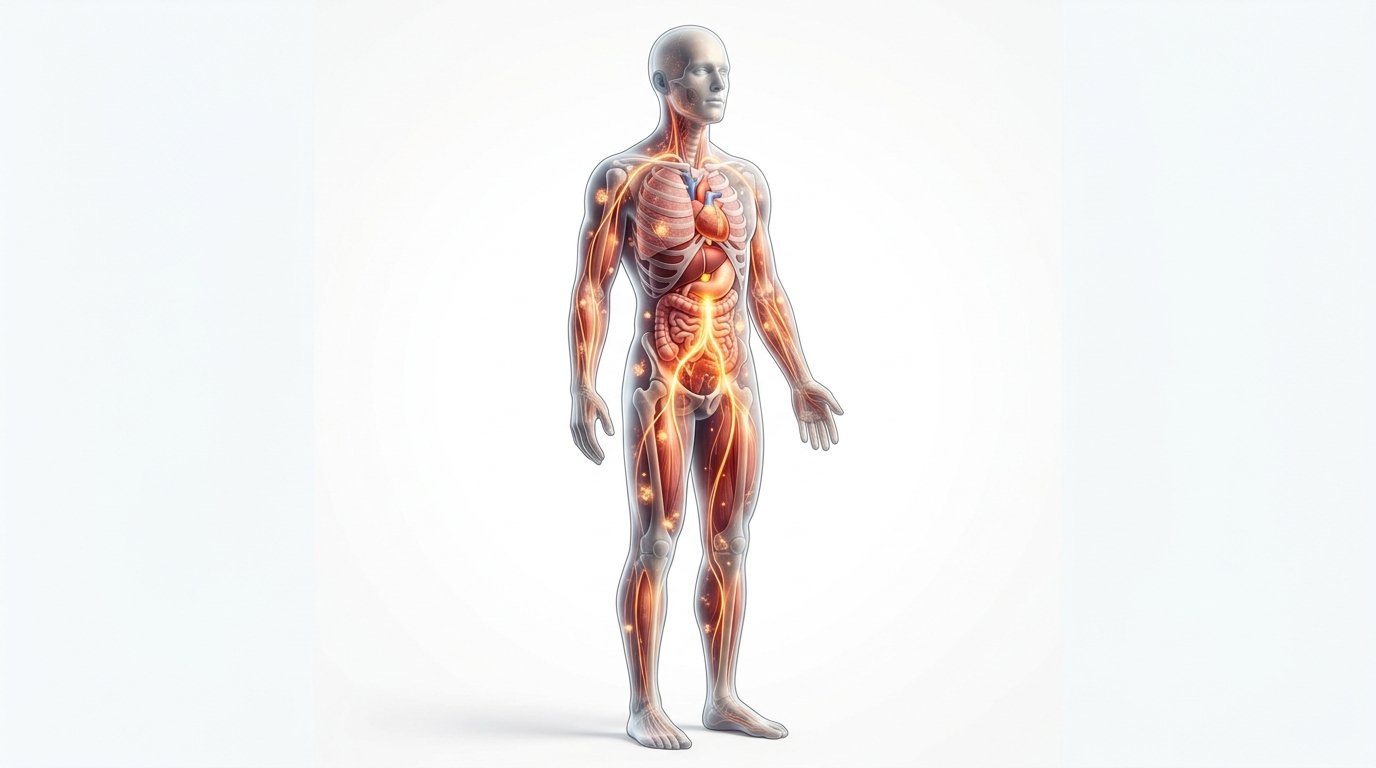
What Is Thermogenesis? How Your Body Burns Calories Naturally
Have you ever noticed that your body feels warmer after a workout or shortly after eating a large meal? That warmth is not your imagination. It is the result of a natural biological process called Thermogenesis, one of the ways your body converts energy into heat while carrying out essential functions.
Many people associate calorie burning only with exercise, but your body actually burns calories every minute of the day. Even while sitting, digesting food, or keeping yourself warm on a cold day, your body is constantly using energy. A portion of that energy is released as heat through thermogenesis.
Understanding Thermogenesis helps explain why different activities, foods, and environments influence daily energy expenditure. More importantly, it shows that calorie burning is not limited to the gym. It is an ongoing physiological process that supports body temperature, metabolism, and overall health.
In this article, you’ll learn what thermogenesis is, how it helps burn calories, the three major types of thermogenesis, and why this process plays an important role in weight management.
Quick Answer
Thermogenesis is the process by which your body produces heat while using energy. It occurs during digestion, physical activity, and exposure to cold temperatures. Although thermogenesis contributes to daily calorie expenditure, it works alongside many other metabolic processes and should be viewed as one part of overall energy balance rather than a standalone weight-loss solution.
What Is Thermogenesis and Why Does Your Body Produce Heat?
The word thermogenesis comes from two Greek words that mean “heat creation.”
That description is exactly what happens inside your body.
Whenever your cells produce or use energy, a portion of that energy is released as heat. This heat helps maintain your normal body temperature and supports countless biological processes.

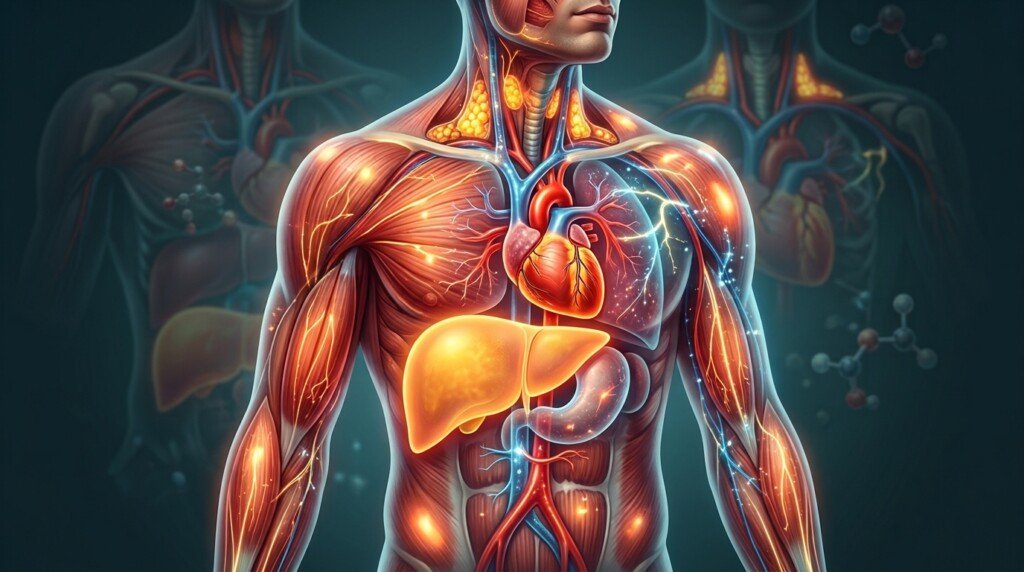
Heat Is a Natural Byproduct of Energy Use
Every cell in your body requires energy to function.
As nutrients are converted into usable energy, not all of that energy becomes movement or cellular work. Some is naturally released as heat.
This is why your body remains warm even when you are resting.
Thermogenesis Happens All Day
Many people believe calorie burning only occurs during exercise.
In reality, thermogenesis occurs continuously while your body:
- Digests food
- Pumps blood
- Breathes
- Maintains body temperature
- Repairs tissues
- Supports organ function
These processes require energy around the clock.
Thermogenesis Supports Survival
Maintaining a stable internal temperature is essential for life.
Without heat production, the body would struggle to:
- Keep organs functioning properly
- Support enzyme activity
- Protect cells
- Maintain normal physiological processes
Thermogenesis is therefore much more than calorie burning. It is a vital survival mechanism.
Readers unfamiliar with the body’s overall energy system may also benefit from the Metabolism article before exploring thermogenesis in greater detail.
How Does Thermogenesis Help Burn Calories?
Every calorie your body uses serves a purpose.
Some calories power muscle contractions.
Others support brain activity or digestion.
During these processes, some energy is inevitably converted into heat.
That conversion is thermogenesis.
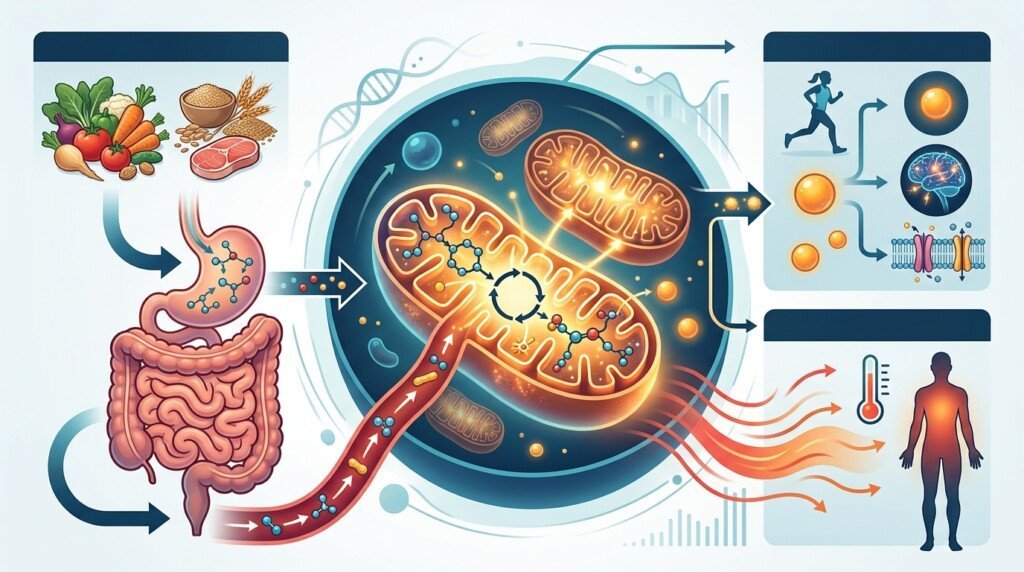
Calories Become More Than Movement
People often think calories are burned only during exercise.
However, your body uses calories even while you are:
- Sleeping
- Sitting
- Reading
- Working
- Recovering from activity
Thermogenesis contributes to calorie expenditure throughout these everyday situations.
Heat Production Requires Energy
Creating heat is an active process.
Your body cannot simply generate warmth without using energy.
As heat production increases, energy expenditure also increases.
Thermogenesis Is Only One Part of Total Energy Expenditure
Although thermogenesis burns calories, it represents only one component of your daily energy use.
Your body also expends energy through:
- Resting metabolic processes
- Physical activity
- Everyday movement
- Digestion
Together, these processes determine your total daily calorie expenditure.
Readers interested in resting calorie use can explore Resting Metabolic Rate, which explains another major contributor to daily energy needs.
What Are the Different Types of Thermogenesis?
Scientists generally divide thermogenesis into three major categories.
Each one increases heat production through a different biological pathway.
Although the mechanisms differ, all three contribute to overall energy expenditure.
Diet-Induced Thermogenesis (DIT)
Diet-Induced Thermogenesis refers to the increase in energy expenditure that occurs after eating.
Simply digesting and processing food requires work.
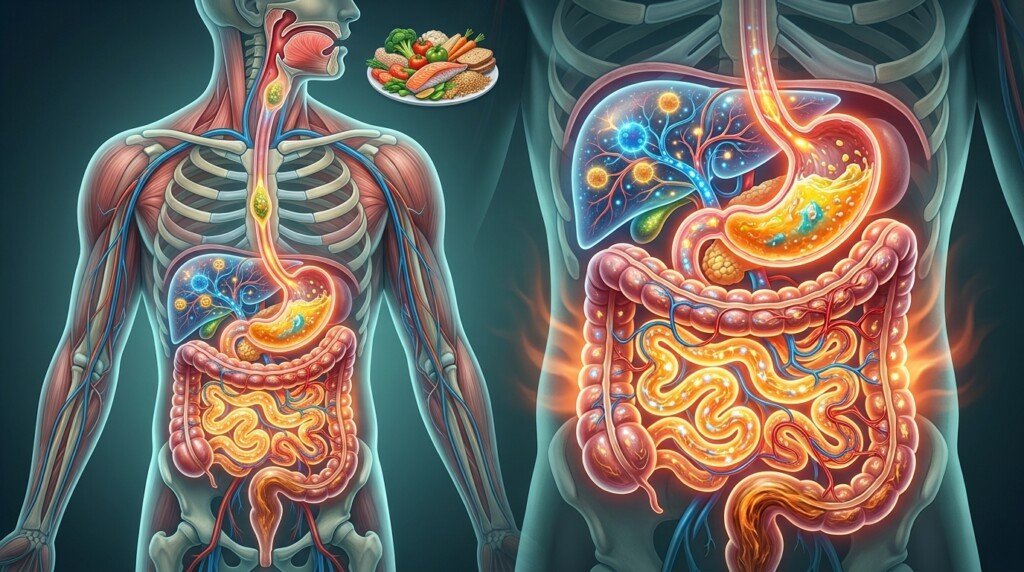
Your Digestive System Uses Energy
After a meal, your body begins:
- Breaking down food
- Absorbing nutrients
- Transporting nutrients
- Processing proteins, fats, and carbohydrates
- Storing or using energy
All of these activities require calories.
Different Foods Require Different Amounts of Energy
Not all nutrients have the same thermic effect.
Some foods require more energy to digest than others.
For example, protein generally requires more energy for digestion than fats or carbohydrates.
This is one reason protein often receives attention in discussions about calorie expenditure.
Readers interested in dietary protein can continue with High-Protein Foods That Burn Fat, where protein intake is discussed in greater detail.
Diet-Induced Thermogenesis Is Temporary
The increase in calorie burning after eating does not last all day.
Instead, it rises after meals and gradually returns to baseline as digestion finishes.
Exercise Activity Thermogenesis (EAT)
Exercise Activity Thermogenesis refers to the calories burned during planned physical activity.
This includes:
- Walking
- Running
- Cycling
- Swimming
- Resistance training
- Sports
As muscles contract repeatedly, they require increasing amounts of energy.
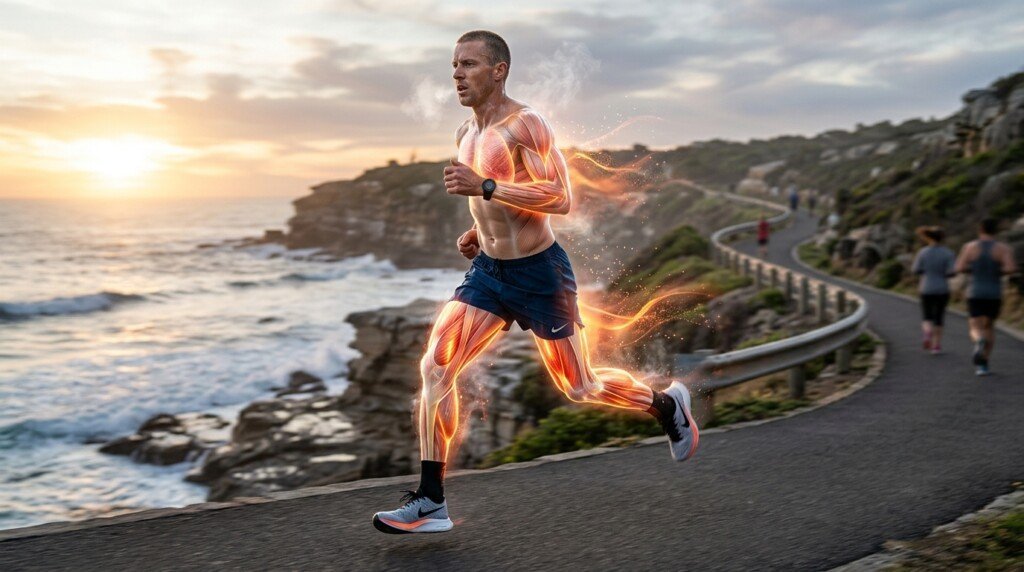
Exercise Produces Large Amounts of Heat
Anyone who has exercised intensely has experienced thermogenesis.
As muscles work harder, body temperature rises.
The body responds by:
- Increasing blood flow
- Sweating
- Releasing excess heat
These cooling responses help maintain a safe internal temperature.
More Intense Activity Generally Produces More Heat
Activities involving larger muscle groups or higher intensity usually generate more heat than lower-intensity movement.
However, every form of physical activity contributes to overall energy expenditure.
Cold-Induced Thermogenesis (CIT)
Cold-Induced Thermogenesis occurs when the body produces additional heat to maintain a stable temperature during cold conditions.
Rather than allowing body temperature to fall, the body increases heat production.
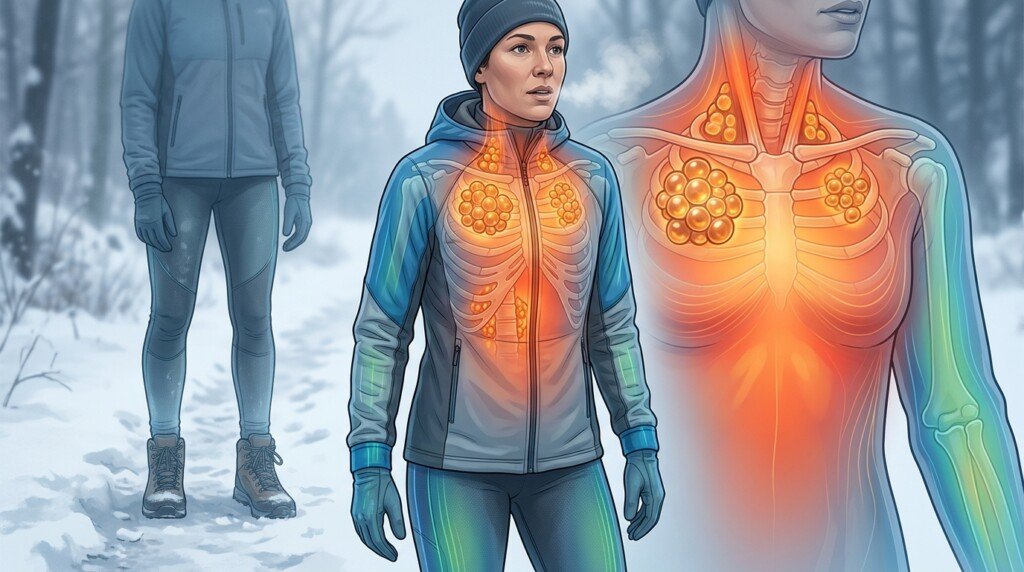
Brown Fat Plays an Important Role
Unlike regular body fat, brown adipose tissue, often called brown fat, specializes in producing heat.
Instead of storing large amounts of energy, brown fat helps convert stored fuel into warmth.
This process helps protect the body from excessive cooling.
The Body Has Multiple Ways to Stay Warm
When exposed to cold, the body may respond by:
- Increasing heat production
- Redirecting blood flow
- Activating brown fat
- Triggering muscle contractions such as shivering
All of these responses require energy.
Future discussions in Cold Exposure and Metabolism will examine this topic in greater detail without overlapping the broader explanation presented here.
Comparing the Three Types of Thermogenesis
| Type | Trigger | Primary Purpose |
|---|---|---|
| Diet-Induced Thermogenesis | Eating food | Digest and process nutrients |
| Exercise Activity Thermogenesis | Physical activity | Produce energy for muscle work |
| Cold-Induced Thermogenesis | Cold temperatures | Maintain body temperature |
Although each type begins differently, all three contribute to total daily energy expenditure by converting some of the body’s energy into heat.
Does Food Increase Thermogenesis?
Yes, food increases thermogenesis, but probably not in the way many people expect.
Every time you eat, your digestive system begins a complex process of breaking down food, absorbing nutrients, transporting those nutrients throughout the body, and converting them into usable energy. Each of these steps requires calories, which means eating naturally increases energy expenditure for a short period.
Scientists refer to this process as Diet-Induced Thermogenesis (DIT) or the Thermic Effect of Food (TEF).
Digestion Is an Active Process
Your digestive system is constantly working after a meal.
It must:
- Break food into smaller particles
- Produce digestive enzymes
- Absorb nutrients
- Transport nutrients through the bloodstream
- Store or utilize energy
Every one of these actions requires energy, which means your body burns additional calories after eating.
Different Nutrients Require Different Amounts of Energy
Not every food creates the same thermogenic response.
Among the three major macronutrients:
- Protein generally has the highest thermic effect.
- Carbohydrates have a moderate thermic effect.
- Fat usually requires the least energy to digest.
This is one reason protein-rich meals are often associated with slightly higher post-meal energy expenditure.
Rather than focusing on individual foods, it is more helpful to think about overall eating patterns. Readers interested in protein-rich dietary choices can continue with High-Protein Foods That Burn Fat, where this topic is explored in greater detail.
Thermogenesis Is Not a Shortcut
Although digestion burns calories, the increase is relatively modest.
Eating larger meals simply to create more thermogenesis is not an effective weight-loss strategy because calorie intake still exceeds the calories burned through digestion.
The body remains remarkably efficient at balancing energy use.
Can Exercise Increase Thermogenesis?
Absolutely.
Exercise Activity Thermogenesis is one of the largest contributors to heat production because active muscles require substantial amounts of energy.
As muscles contract repeatedly, they consume fuel to perform work. During this process, some of that energy becomes movement while the remainder is released as heat.
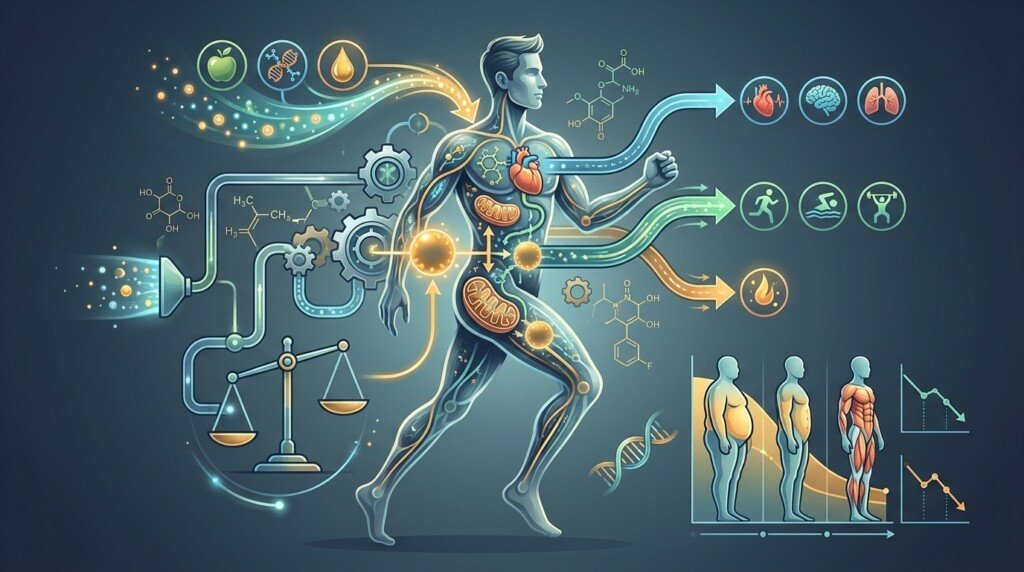
Heat Production Explains Why You Sweat
Many people associate sweating with exercise itself.
In reality, sweating is the body’s cooling response to increased thermogenesis.
As heat production rises:
- Body temperature increases.
- Blood flow toward the skin increases.
- Sweat glands become active.
- Heat escapes into the environment.
These responses help maintain a stable internal temperature.
Every Type of Exercise Produces Heat
Whether you enjoy:
- Walking
- Cycling
- Resistance training
- Swimming
- Hiking
- Recreational sports
your muscles generate heat while producing movement.
Higher-intensity activities generally create more thermogenesis because they require greater energy expenditure.
Thermogenesis Continues During Recovery
Heat production does not stop the moment exercise ends.
Your body continues using energy while:
- Restoring oxygen levels
- Repairing muscle tissue
- Replenishing energy stores
- Returning body temperature to normal
This recovery period contributes additional calorie expenditure after physical activity.
Does Cold Exposure Increase Thermogenesis?
Yes.
When your body encounters a cold environment, maintaining a stable internal temperature becomes a priority.
To prevent body temperature from dropping too far, the nervous system activates several mechanisms that increase heat production.
Brown Fat Helps Produce Heat
One fascinating feature of human physiology is brown adipose tissue, commonly called brown fat.
Unlike white fat, which primarily stores energy, brown fat specializes in producing heat.
It contains a large number of mitochondria that rapidly convert stored fuel into warmth when activated.
This process plays an important role in cold-induced thermogenesis.
Shivering Is Another Form of Thermogenesis
Most people immediately recognize shivering.
Rapid muscle contractions generate heat when the body becomes cold.
Although uncomfortable, shivering is an effective emergency response that helps preserve body temperature.
Cold Exposure Is Not a Weight-Loss Strategy
Cold environments do increase thermogenesis, but the overall increase in calorie expenditure is generally much smaller than many online claims suggest.
Cold exposure should be viewed as one interesting aspect of human physiology rather than a standalone fat-loss method.
Future discussions in Cold Exposure and Metabolism will examine this topic in greater detail.
Can Thermogenesis Help With Weight Loss?
Thermogenesis contributes to daily calorie expenditure, making it one factor involved in long-term weight management.
However, it should never be viewed in isolation.
Thermogenesis Supports Total Energy Expenditure
Every form of thermogenesis contributes calories burned through:
- Digestion
- Movement
- Temperature regulation
Together, these processes increase overall energy use.
The Effect Is Real but Limited
Many advertisements dramatically exaggerate the calorie-burning potential of thermogenesis.
Scientific evidence shows that thermogenesis contributes meaningfully to metabolism, but it does not override overall energy balance.
Healthy body weight still depends on many interacting factors, including:
- Daily movement
- Nutrition
- Lean muscle mass
- Resting energy expenditure
- Consistent lifestyle habits
Sustainable Habits Matter More
Instead of searching for one process that burns dramatically more calories, focus on maintaining habits that naturally support healthy metabolism over time.
Readers interested in realistic approaches can continue with Can You Speed Up Your Metabolism Naturally, which explains evidence-based strategies without relying on exaggerated claims.
Thermogenesis at a Glance
| Type | What Triggers It? | Main Purpose | Contribution to Daily Energy Use |
|---|---|---|---|
| Diet-Induced Thermogenesis | Eating food | Digest and process nutrients | Moderate |
| Exercise Activity Thermogenesis | Physical activity | Produce energy for muscle contraction | Moderate to High |
| Cold-Induced Thermogenesis | Cold temperatures | Maintain body temperature | Variable |
The easiest way to remember thermogenesis is this:
Your body burns calories for many reasons. Whenever energy is used, some of it naturally becomes heat. That process is thermogenesis.

Frequently Asked Questions
1. Is thermogenesis real?
Yes. Thermogenesis is a well-established physiological process in which the body produces heat while using energy.
2. What foods increase thermogenesis?
Protein-rich foods generally have the greatest thermic effect because they require more energy to digest than fats or carbohydrates.
3. Can cold showers increase thermogenesis?
Cold exposure can activate heat-producing mechanisms, but the increase in calorie expenditure is usually modest.
4. Does protein increase thermogenesis?
Yes. Protein has a higher thermic effect than the other major macronutrients because digestion and processing require more energy.
5. Is thermogenesis the same as metabolism?
No. Thermogenesis is one component of metabolism that specifically refers to heat production during energy use.
6. Does exercise increase thermogenesis?
Yes. Active muscles require more energy, producing additional heat during and after physical activity.
7. Does everyone experience thermogenesis?
Yes. Every healthy person produces heat through normal metabolic processes every day.
8. Can thermogenesis replace exercise?
No. Thermogenesis contributes to calorie expenditure, but it is only one part of overall metabolic health.
9. Does brown fat increase thermogenesis?
Yes. Brown adipose tissue specializes in producing heat during cold exposure.
10. Why is thermogenesis important?
Thermogenesis helps regulate body temperature, supports metabolism, and contributes to daily energy expenditure.
Final Thoughts
Thermogenesis is one of the body’s most remarkable energy-producing processes. Every day, your body converts part of the energy from food and stored fuel into heat while digesting meals, supporting physical activity, and maintaining a stable body temperature. Although many people associate calorie burning only with exercise, thermogenesis demonstrates that energy expenditure is happening continuously, even during ordinary daily activities. From digestion to movement and cold exposure, heat production plays an essential role in keeping the body functioning efficiently.
At the same time, it is important to keep thermogenesis in perspective. While it contributes to total daily calorie expenditure, it is only one piece of a much larger metabolic picture. Lasting weight management still depends on overall energy balance, healthy eating patterns, regular movement, and sustainable lifestyle habits rather than any single calorie-burning process. As this metabolism series continues, future articles covering Coffee and Metabolism, Green Tea and Metabolism, Capsaicin and Metabolism, Cold Exposure and Metabolism, and Adaptive Thermogenesis will explore each of these topics in greater depth while building on the foundation introduced here.
Disclaimer:
This post may contain affiliate links. If you purchase through them, we may earn a small commission at no extra cost to you. Also, this content is for informational purposes only and does not substitute professional medical advice.
Ready to Start Your Journey?
Use our free 7-in-1 Weight Loss Toolkit to calculate your numbers and build your plan in minutes.
Open Free Tools →