
Daily Tadalafil Use: Is It Safe Long-Term?
Tadalafil is often discussed as if taking it every day automatically means taking a bigger risk. That is not what the clinical evidence shows. Daily Tadalafil Use is an established treatment approach for some men with erectile dysfunction, but whether it is appropriate depends on the dose, other medicines, kidney and liver function, cardiovascular health, and the reason it is being taken.
The bigger question is not simply whether tadalafil can be used for months or years. It is whether daily treatment is appropriate for you, whether the benefits continue, and whether anything about your health or medication list makes the treatment less suitable.
Clinical studies have followed men using tadalafil regularly for 1 to 2 years, with generally favorable safety findings. A more recent two-year study of once-daily tadalafil 2.5 mg and 5 mg also found a favorable safety profile and sustained improvement in erectile function. (PubMed)
That does not mean tadalafil is risk-free. It is a prescription medication with important contraindications and precautions, particularly around nitrates, certain cardiovascular conditions, kidney impairment, liver impairment, and some blood-pressure-lowering medicines.
So, what does the evidence actually say about taking tadalafil every day?
Is daily tadalafil use safe long-term?
For appropriately selected men, Daily Tadalafil Use can be safe over the long term when prescribed and monitored appropriately. The available clinical evidence does not suggest that daily tadalafil inevitably becomes harmful simply because it is taken for an extended period.
The distinction matters because “long-term use” and “unsupervised use” are not the same thing.
Tadalafil is a phosphodiesterase type 5 inhibitor, or PDE5 inhibitor. It works by supporting the nitric oxide and cGMP pathway involved in penile blood flow. It does not create sexual desire by itself, and it does not cause an automatic erection. Sexual stimulation is still required for an erection to occur.
For erectile dysfunction, the current U.S. prescribing information lists 2.5 mg once daily as the recommended starting dose for daily use, with an increase to 5 mg depending on effectiveness and tolerability. The medication can be taken without regard to meals.
That is different from taking a higher on-demand dose whenever sexual activity is anticipated. Daily tadalafil is designed to maintain tadalafil exposure in the body so that sexual activity does not have to be timed around a tablet.


What clinical data shows
The long-term evidence is reassuring, although it should not be exaggerated.
One important study followed men with erectile dysfunction who used tadalafil 5 mg once daily for up to two years. Among the men included in the extensions, no study-drug-related serious adverse events were observed, and commonly reported adverse events included dyspepsia, headache, back pain, and influenza-like illness. The researchers also found no clinically meaningful abnormalities in electrocardiograms or laboratory measures that were attributed to tadalafil.
Another long-term study followed more than 1,100 men who used tadalafil over approximately 18 to 24 months. The most commonly reported adverse effects included headache, indigestion, nasal symptoms, and back pain. The researchers did not find evidence that tadalafil caused drug-induced liver toxicity or renal dysfunction in that study population. (PubMed)
More recent evidence is also useful because it extends the timeline. A 2024 analysis of a two-year post-marketing study followed men using once-daily tadalafil. Participants initially received 2.5 mg or 5 mg daily and many continued with 5 mg daily. The study reported a favorable safety profile and sustained improvements in erectile function through 24 months, without identifying new safety concerns.
There is another important point here. Clinical studies do not prove that every person can safely take tadalafil indefinitely. Participants are monitored, medication histories are considered, and people with certain medical conditions may require different dosing or may not be suitable candidates.
That is why the strongest conclusion is not “tadalafil is completely safe forever.”
The more accurate conclusion is this: long-term daily tadalafil has been studied and has generally shown good tolerability in appropriately selected men, but individual safety still depends on health status, dose, interactions, and medical supervision.
This distinction also explains why suddenly increasing the dose because the effect seems weaker is not a sensible response. A change in erection quality may have nothing to do with drug tolerance.
It could instead reflect changes in cardiovascular health, diabetes, stress, sleep, medications, relationship factors, or the underlying erectile dysfunction itself.
If you are already taking tadalafil and notice that erections have changed, do not automatically assume you need more medication.
Can you build a tolerance to it?
Current evidence does not show that men routinely develop significant tolerance to tadalafil’s erectile-function effect with continued use.
This is one of the most common concerns surrounding daily tadalafil. People sometimes assume that the body will become accustomed to the medication, causing it to stop working unless the dose is increased.
The evidence is more reassuring than that.
A randomized study specifically examined whether tadalafil’s therapeutic effect declined because of tolerance. Men with erectile dysfunction were followed over six months, and the improvement in successful intercourse and erectile-function scores was maintained throughout the treatment period. The researchers concluded that the therapeutic effect did not show evidence of tolerance during those six months.
Longer studies tell a similar story. In the two-year daily tadalafil study, improvements in erectile function were maintained rather than showing an obvious progressive loss of effect.
That does not mean every man will experience exactly the same response forever.
Erectile function naturally changes over time. If someone begins tadalafil at age 45 and feels that it is less effective several years later, the explanation may be a change in the underlying condition rather than pharmacological tolerance.
For example, cardiovascular disease can progress. Blood pressure can change. Diabetes can become harder to control. Weight can increase. A new medication can be introduced. Stress can become more persistent. Sleep can deteriorate.
All of these factors can affect erections.
This is why “Cialis stopped working” should not automatically translate into “I need a stronger dose.”
Sometimes the better question is, “What changed?”
There is also a psychological component. Once a man becomes accustomed to having reliable erections with medication, he may pay much more attention to small changes in firmness. One less successful sexual encounter can create concern, which can then affect arousal and confidence during the next encounter.
That is not the same as medication tolerance.
The practical takeaway is simple: a gradual change in erectile response deserves evaluation rather than automatic dose escalation.
Daily tadalafil is not intended to be used as a medication that you adjust independently based on individual sexual encounters.
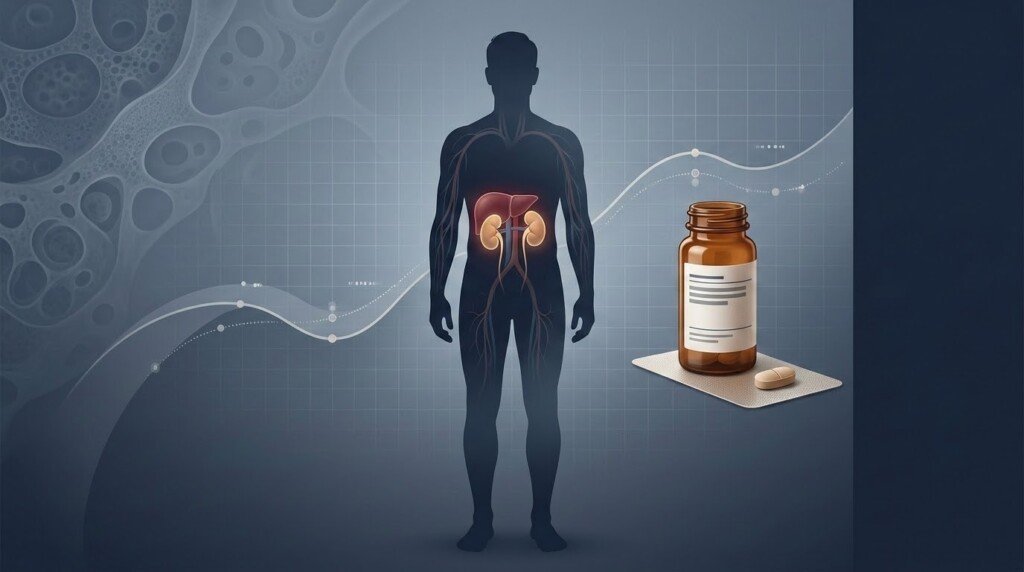
Is it bad for kidneys or liver?
For most appropriately selected patients, tadalafil is not considered inherently damaging to the kidneys or liver. However, kidney and liver function can affect how tadalafil is handled by the body, which is why these conditions matter when deciding whether daily treatment is appropriate.
The current prescribing information specifically includes different recommendations for people with impaired kidney or liver function. For men with severe renal impairment or those on hemodialysis, once-daily tadalafil for erectile dysfunction is not recommended. The prescribing information also states that once-daily tadalafil has not been extensively evaluated in patients with hepatic impairment, so caution is required, particularly with liver disease.
That is an important distinction.
A drug can be generally well tolerated without being equally appropriate for every person.
Kidneys help eliminate tadalafil and its metabolites. When kidney function is significantly reduced, tadalafil exposure can increase. That can change how long the medication remains in the body and potentially increase the likelihood of adverse effects.
The liver also plays an important role in tadalafil metabolism. Significant liver disease therefore changes the safety picture.
This is one reason a medical evaluation matters before starting long-term daily treatment, particularly if you already know that you have kidney disease, liver disease, cardiovascular disease, or take several prescription medicines.
Long-term clinical research is reassuring in populations that were studied. In one 18 to 24-month study involving more than 1,100 men, researchers reported no evidence that tadalafil was causally associated with drug-induced hepatotoxicity or renal dysfunction. (PubMed)
That finding is useful, but it should not be interpreted as permission to ignore existing kidney or liver disease.
Your individual situation still matters.
Another important point is that tadalafil can interact with other medications. The most serious example is nitrate medication. The prescribing information states that tadalafil must not be used with organic nitrates because the combination can produce a dangerous drop in blood pressure.
This includes medications used for chest pain and some recreational substances containing nitrate compounds.
Tadalafil can also interact with certain alpha-blockers and blood-pressure-lowering medications, potentially contributing to low blood pressure. Large amounts of alcohol can also increase the risk of blood-pressure-related effects.
So if someone asks, “Is tadalafil bad for my kidneys or liver?” the responsible answer is not simply yes or no.
A better answer is:
Tadalafil is not generally considered directly toxic to the kidneys or liver at appropriate therapeutic doses, but existing kidney or liver impairment can change how safely it can be used and may require different treatment decisions.
If you have known kidney or liver disease, do not use general internet dosing advice as a substitute for individualized medical guidance.
Why do bodybuilders use it off-label?
Tadalafil has developed a reputation in some bodybuilding and fitness communities because of its effects on blood flow. Some people use PDE5 inhibitors in the belief that increased blood flow may create a stronger muscle “pump,” improve vascular appearance, or potentially influence exercise performance.
That does not mean tadalafil is a bodybuilding medication.
It is important to separate why some people use it from what it is medically approved to do.
Tadalafil is approved for conditions including erectile dysfunction and benign prostatic hyperplasia. Its use specifically to build muscle, increase strength, improve physique, or enhance bodybuilding performance is not an approved indication.
There has been research into PDE5 inhibitors and exercise physiology, but the findings do not support treating tadalafil as a reliable performance-enhancing drug.
For example, a controlled study involving healthy male athletes found that a therapeutic dose of tadalafil did not substantially improve VO2max, aerobic threshold, or anaerobic threshold under normal oxygen conditions. (PubMed)
Other small experimental studies have investigated tadalafil’s effects on exercise-related hormones and muscle physiology. These findings are interesting from a research perspective, but they are not evidence that healthy bodybuilders should take tadalafil as part of their training routine.
There is also a practical safety problem with recreational use.
A medication that changes blood-vessel signaling can affect blood pressure. Someone who combines tadalafil with other substances, particularly nitrates or certain recreational drugs, can create risks that have nothing to do with muscle growth.
Research into recreational PDE5 inhibitor use has found that some healthy young men take these drugs without medical supervision, sometimes combining them with alcohol or other substances. That pattern raises concerns about inappropriate use and drug interactions. (PubMed)
The bodybuilding claim also needs to be viewed critically because a temporary feeling of increased blood flow is not the same thing as increased muscle growth.
A muscle pump during training is temporary. Hypertrophy requires an appropriate training stimulus, adequate recovery, nutrition, and progressive overload. There is no strong clinical basis for presenting tadalafil as a shortcut around those fundamentals.
There are some intriguing laboratory and small human findings around tadalafil, skeletal muscle, endothelial function, and body composition. One small study, for example, found increased abdominal lean mass after daily tadalafil in men with mild erectile dysfunction or urinary symptoms. However, the study was small, the participants were not a bodybuilding population, and the finding should not be turned into a claim that tadalafil is a muscle-building drug.
That distinction is especially important for online content because a research observation can easily become a marketing claim after being repeated enough times.
Tadalafil should not be viewed as a bodybuilding supplement. Its off-label recreational use for physique or performance purposes is not endorsed by the evidence presented here.
If the goal is better gym performance, treating an erection problem with a medically appropriate dose is one issue. Taking tadalafil solely because someone online claims it improves pumps or muscle growth is another.
Those two situations should not be confused.

What does long-term daily tadalafil use actually look like?
One reason daily tadalafil can seem confusing is that people often mix together two different dosing strategies.
With on-demand tadalafil, a man generally takes a prescribed dose before anticipated sexual activity. With daily tadalafil, the medication is taken at approximately the same time each day, without needing to coordinate the dose with sexual activity.
For erectile dysfunction, the current U.S. prescribing information lists 2.5 mg once daily as the recommended starting dose, with the possibility of increasing to 5 mg depending on effectiveness and tolerability.
That does not mean 5 mg is automatically better for every person.
A higher dose can increase the likelihood of side effects without necessarily providing the right balance of benefit and tolerability for a particular patient.
Daily tadalafil also should not be treated as something that needs to be “stacked” with additional tadalafil whenever an erection does not seem strong enough. The prescribing information establishes dosing limits and specific recommendations based on the indication and health status.
If the medication seems less effective, the safer approach is to discuss the response with the prescriber rather than experimenting with additional doses.
This is especially important because tadalafil has a relatively long duration in the body compared with some other PDE5 inhibitors. Adding extra medication without accounting for previous doses can increase drug exposure.
The same principle applies if someone misses a daily dose. Taking additional tablets to compensate is not a good strategy unless a healthcare professional specifically instructs you to do so.
What side effects should you pay attention to?
Tadalafil is generally well tolerated, but side effects can occur.
The commonly reported effects include headache, indigestion, back pain, muscle aches, flushing, nasal congestion, and dizziness. The exact frequency varies across studies and populations.
The long-term studies discussed above found that most reported adverse events were consistent with tadalafil’s established safety profile rather than revealing a new pattern of toxicity,
Some symptoms, however, deserve more attention than a typical mild headache.
A prolonged erection lasting more than four hours requires urgent medical attention because priapism can damage erectile tissue if not treated promptly.
Sudden vision changes or sudden hearing loss are also symptoms that should be treated seriously and evaluated promptly.
Severe dizziness, fainting, chest pain, or symptoms suggesting a significant cardiovascular problem should not simply be attributed to the medication and ignored.
The prescribing information also makes the nitrate interaction particularly clear. Tadalafil should not be combined with organic nitrates because of the potential for a dangerous blood-pressure drop.
This is one of the reasons it is important to tell a doctor or pharmacist about all prescription medications, over-the-counter medicines, and recreational substances being used.
The medication itself may be appropriate, while the combination of medications may not be.
Does taking tadalafil every day permanently fix erectile dysfunction?
Not necessarily.
Tadalafil treats the erectile response, but it does not automatically remove the underlying reason someone developed erectile dysfunction.
That distinction becomes easier to understand when you think about what an erection requires.
Healthy erections depend on blood-vessel function, nerve signaling, hormone balance, psychological factors, sexual stimulation, and the ability of erectile tissue to respond appropriately.
Tadalafil primarily supports one part of that system.
If the underlying problem involves vascular disease, diabetes, obesity, medication effects, anxiety, or another condition, tadalafil may improve erectile function without eliminating the underlying issue.
That is not a failure of the medication.
It is simply how symptom-targeted treatment works.
Interestingly, some research has examined what happens after stopping daily tadalafil. In one study, men who had used tadalafil 5 mg daily for a year were followed for four weeks after stopping treatment. Some continued to show improvement compared with baseline, while others did not maintain the same degree of benefit. (PubMed)
That finding should not be interpreted as tadalafil permanently curing ED.
It suggests that some men may retain improvements after treatment, but others may again experience erectile difficulties once the medication is removed.
The underlying cause matters.
This is also why someone should not assume that needing tadalafil means their body has become dependent on it. A man may simply have an ongoing condition that still affects his erectile function when the medication is no longer present.
When should you reconsider daily tadalafil?
A medication review makes sense if something changes.
That could mean the medication is no longer working as well, side effects have become bothersome, a new prescription has been added, blood pressure has changed, or you have developed a new medical condition.
It is also worth discussing treatment if you have started using tadalafil for a reason other than the condition for which it was prescribed.
For example, using it primarily for gym performance is a different situation from using it to treat diagnosed erectile dysfunction.
The same applies if you are taking it because you believe you need it every day even though you have not been medically evaluated.
Daily tadalafil is not a supplement that should be casually added to a routine.
If you are considering daily treatment, the important questions include why you need it, what dose is appropriate, what other medicines you take, whether your kidney and liver function are relevant, and whether your cardiovascular health makes sexual activity or PDE5 inhibitor therapy inappropriate.
Those questions are far more useful than simply asking whether tadalafil is “strong” or whether you can take it forever.
The bottom line on daily tadalafil
Daily Tadalafil Use has a substantial clinical evidence base, and studies lasting 1 to 2 years generally show good tolerability and sustained erectile-function benefits in appropriately selected men.
There is also evidence against the idea that men inevitably develop tolerance to tadalafil’s erectile effects. A six-month study specifically evaluating tolerance found that treatment benefits were maintained.
Kidney and liver health still matter. Severe renal impairment can make once-daily tadalafil inappropriate, while hepatic impairment requires caution because daily use has not been extensively evaluated in those populations.
And the bodybuilding angle needs to be kept in perspective. Some athletes and bodybuilders use PDE5 inhibitors because of perceived blood-flow or pump effects, but tadalafil is not an approved muscle-building or performance-enhancing medication, and the evidence does not justify treating it like a sports supplement.
Most importantly, long-term safety does not mean unlimited self-use.
If you are already taking tadalafil regularly and it works well without troublesome effects, that does not automatically mean you need to stop. If you are thinking about starting it, increasing the dose, combining it with another medication, or using it for bodybuilding purposes, that is where professional medical guidance becomes important.
For men who are specifically wondering about how tadalafil behaves after a single dose, the practical timing question is different from the long-term safety question. That is covered in How Long Does Cialis Last?.
And if your question is whether you can obtain tadalafil without a conventional in-person appointment, the access issue is separate from the safety question and is addressed in Is Cialis Available Over the Counter?.
Frequently Asked Questions
1. Is long-term use of tadalafil harmful?
Long-term tadalafil use is not automatically harmful. Clinical studies have followed men taking tadalafil regularly for up to two years and generally found good tolerability, with no new major safety pattern identified. However, suitability depends on individual health, dose, other medications, and conditions affecting the heart, kidneys, or liver.
2. Can you build a tolerance to daily tadalafil?
Current evidence does not show that significant tolerance routinely develops to tadalafil’s erectile-function effects. A study specifically examining tolerance found that treatment benefits were maintained over six months. A decline in effectiveness later on may instead reflect changes in the underlying erectile dysfunction or overall health.
3. Is tadalafil bad for kidneys and liver?
Tadalafil is not generally considered directly toxic to the kidneys or liver when appropriately prescribed, but kidney and liver impairment can affect its use. Daily tadalafil is not recommended for erectile dysfunction in people with severe renal impairment or hemodialysis, and caution is advised with hepatic impairment.
4. Why do bodybuilders use tadalafil?
Some bodybuilders and athletes use tadalafil because they believe its blood-flow effects may improve muscle pumps, vascular appearance, or exercise performance. However, tadalafil is not approved as a bodybuilding drug, and evidence does not establish it as a reliable muscle-building or performance-enhancing treatment.
5. Is daily tadalafil better than taking it only when needed?
Neither approach is universally better. Daily tadalafil is designed to provide continuous exposure and removes the need to coordinate a dose with sexual activity. On-demand treatment may be more appropriate for some men. The choice depends on sexual frequency, medical history, response, tolerability, and the prescribing clinician’s assessment.
Disclaimer:
This post may contain affiliate links. If you purchase through them, we may earn a small commission at no extra cost to you. Also, this content is for informational purposes only and does not substitute professional medical advice.
Know Your Body Better
Use our free tools to track your cycle, find your fertile window, estimate your due date, and more.
Open Free Tools →