
Do Men’s Bodies Change After 30?
Most men don’t wake up on their 30th birthday feeling different. The changes usually arrive quietly. You may notice that staying lean takes more effort, your energy isn’t quite as consistent, or your body simply doesn’t respond the way it did in your twenties. Around the same time, many men begin asking questions that are less about appearance and more about confidence, performance, and masculinity.
One of the most common questions is do men get bigger after 30.
The answer depends on what “bigger” actually means.
Some men are referring to gaining weight around the waist. Others notice broader body proportions or reduced muscle definition. Some are concerned that changes in their body might affect their sex drive, erections, or even the appearance of their penis. These concerns are understandable because the male body gradually changes throughout adulthood, but not always in the ways people expect.
Rather than focusing only on weight or fitness, it’s more helpful to understand how natural aging influences body composition, hormones, energy, confidence, and sexual wellness. These changes are connected, yet each follows its own timeline.
This article explains what really happens after 30, why many men feel different physically, and how those changes relate to overall male sexual health without confusing normal aging with medical conditions.
Do men get bigger after 30?
For many men, the answer is yes, but not because the body continues growing like it did during puberty.
Instead, the body gradually changes its composition. Muscle, fat, hormones, and recovery all evolve over time, creating the impression that a man has become “bigger” even when his weight has changed very little.
The important distinction is that becoming bigger after 30 usually reflects changes in body composition, not continued physical development.
Bigger rarely means taller or naturally larger
Adult height has already been reached long before age 30.
Likewise, bones, shoulders, and skeletal structure generally do not continue growing.
Instead, men often notice changes such as:
- A wider waistline
- Less muscle definition
- Fuller face
- Increased abdominal fat
- Reduced athletic appearance
These gradual changes create the impression of becoming larger without any true body growth.
Body changes happen at different speeds
No two men age exactly the same way.
Some notice changes in their early thirties, while others remain physically similar to their twenties until much later.
Several factors influence this process, including:
- Genetics
- Sleep quality
- Daily activity
- Stress
- Long-term lifestyle habits
- Natural hormonal changes
Rather than viewing 30 as a deadline, think of it as the decade when subtle age-related changes often become easier to notice.
Does a man’s body really start changing after 30?
Yes, but these changes are usually gradual instead of dramatic.
The male aging process begins long before most people recognize it. During the thirties, many biological systems continue working normally, yet they may become slightly less efficient than they were during early adulthood.
This doesn’t mean the body is “declining.” It means the body is adapting to adulthood and aging.
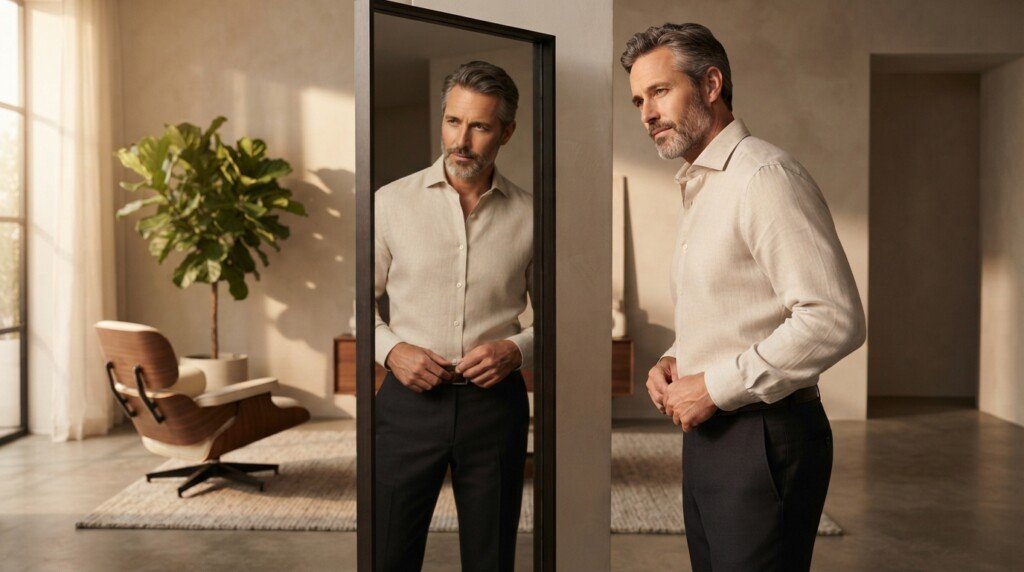
Recovery may take longer
One of the earliest differences many men notice is recovery.
After demanding physical activity, long workdays, or poor sleep, it may simply take longer to feel fully rested again.
This doesn’t necessarily indicate poor health.
Recovery is influenced by several natural processes, including hormone regulation, sleep quality, and tissue repair.
Body composition slowly shifts
Another noticeable change is how the body stores and maintains tissue.
Many men experience:
- Slightly less lean muscle
- Gradual increases in body fat
- Less visible muscle definition
- More fat stored around the abdomen
Importantly, these changes usually happen over years rather than months.
Hormones play a supporting role
Hormones influence many aspects of male health, including:
- Energy
- Mood
- Muscle maintenance
- Sexual desire
- Recovery
While testosterone naturally changes with age, it is only one part of a much larger picture.
Lifestyle, stress, sleep, and overall health often have just as much influence on how a man feels after 30.
Why do many men feel different sexually after 30?
This is one of the questions many men think about but rarely ask openly.
Feeling different sexually after 30 does not automatically mean something is wrong.
Instead, several small changes can combine to influence sexual confidence and performance.

Desire can fluctuate
Sex drive is affected by much more than age.
Daily stress, relationship satisfaction, sleep habits, work pressure, and emotional health all influence libido.
Many men continue enjoying satisfying sex lives well beyond their thirties, while others notice temporary periods of lower desire that have little to do with aging itself.
Confidence often changes before the body does
Sexual confidence is closely connected to body image.
When a man notices:
- Less muscle definition
- A growing waistline
- Lower energy
- More visible signs of aging
he may begin feeling less confident, even if his sexual function has not actually changed.
In other words, perception sometimes changes before physical performance does.
Lifestyle has a greater impact than age alone
Poor sleep, chronic stress, smoking, excessive alcohol intake, and inactivity can all influence sexual wellness.
For many men, these everyday factors become more common during their thirties because careers, family responsibilities, and stress levels increase.
Age is only one piece of the puzzle.
Why do men get thicker around the waist as they age?
Ask ten men what changed first after turning 30, and many will point to their waistline.
The interesting part is that the scale doesn’t always tell the full story. Some men gain only a few pounds, yet notice their jeans fitting tighter or their stomach becoming more prominent. This is because aging often changes where fat is stored rather than simply how much fat the body carries.
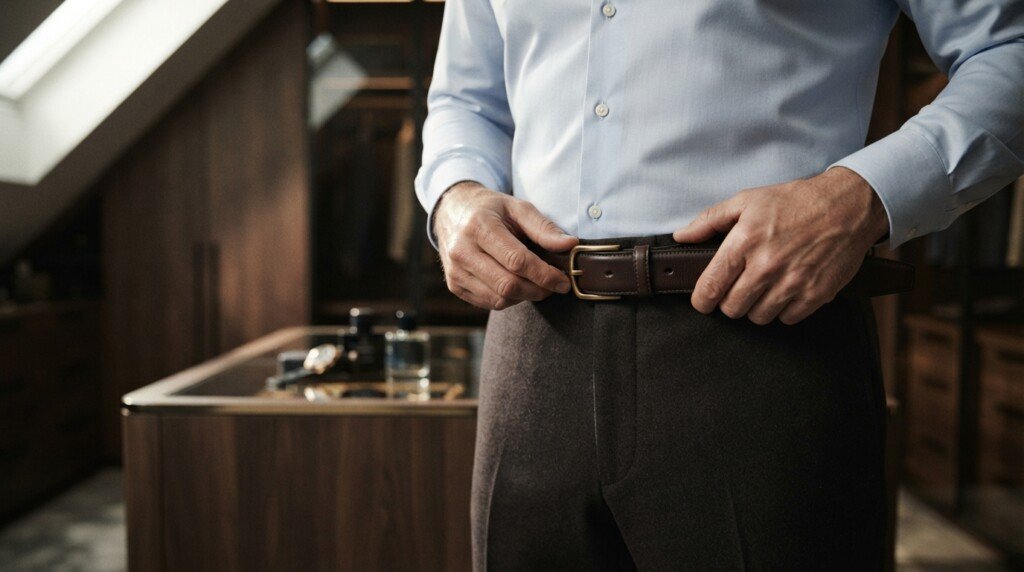
The body begins storing fat differently
During early adulthood, body fat may be distributed more evenly across the arms, legs, and torso.
As men get older, gradual hormonal shifts and lifestyle changes can encourage more fat to accumulate around the abdomen. This pattern is often referred to as central or abdominal fat distribution.
Several factors contribute to this shift, including:
- Natural aging
- Reduced daily movement
- Lower muscle mass
- Poor sleep habits
- Long-term stress
- Genetic influences
These changes happen gradually and are not unique to every man.
A larger waist can affect more than appearance
Many men initially view abdominal fat as a cosmetic issue. However, it often influences how they feel about themselves.
Changes around the waist may lead to:
- Lower body confidence
- Feeling less athletic
- Reduced motivation to stay active
- Greater self-consciousness during intimacy
These emotional effects can sometimes influence sexual confidence just as much as physical changes do.
Body fat can change how the penis appears
One concern that surprises many men is that gaining fat around the lower abdomen may make the visible portion of the penis appear shorter.
This happens because the fat pad above the pubic area can partially cover the base of the penis.
Importantly, this does not mean the penis itself has become smaller.
If you’re curious about whether aging changes actual penile size, Does Penis Size Change or Shrink With Age? explains the difference between appearance and anatomical changes in greater detail.
Does muscle loss after 30 affect sexual health?
Muscle is often associated with strength and athletic performance, but it also plays an important role in how many men perceive themselves.
As men age, maintaining lean muscle generally requires more consistent effort than it did during their twenties. This gradual change is normal and should not be mistaken for an immediate decline in health.
Muscle influences confidence
Physical confidence is closely connected to sexual confidence.
When men feel strong, energetic, and comfortable in their own bodies, that confidence often extends into relationships and intimacy.
Conversely, noticing reduced muscle definition or feeling physically weaker may affect self-esteem, even when sexual function remains completely normal.
Energy and stamina naturally evolve
Growing older does not automatically mean losing stamina.
However, responsibilities often increase during the thirties. Busy careers, parenting, interrupted sleep, and chronic stress may leave men feeling less energetic than before.
Many people mistakenly attribute these changes entirely to age, when daily lifestyle demands are frequently playing a much larger role.
Healthy aging is different from poor health
One important point is that natural aging should not be confused with illness.
Most healthy men remain capable of enjoying satisfying relationships, regular physical activity, and an active sex life throughout their thirties and well beyond.
The goal is not to prevent aging, but to support the body as it changes naturally.
What helps men age well after 30?
There is no way to stop the aging process, but there are many ways to support long-term physical and sexual wellness.
The healthiest approach focuses on consistency rather than chasing dramatic transformations.

Stay physically active
Regular movement supports multiple aspects of men’s health, including:
- Muscle maintenance
- Mobility
- Cardiovascular health
- Energy levels
- Body composition
You do not need to train like a professional athlete to benefit. Simply remaining active over the long term is one of the most valuable habits for healthy aging.
A future article, Strength Training for Men Over 30, explores this topic in more detail.
Prioritize sleep and stress management
Sleep affects far more than feeling rested.
Consistently getting enough quality sleep supports:
- Hormonal balance
- Recovery
- Mood
- Libido
- Overall well-being
Likewise, managing long-term stress can positively influence both physical and sexual health.
Maintain perspective
One of the biggest mistakes men make after 30 is comparing themselves with their younger selves instead of focusing on long-term health.
Aging naturally brings gradual changes in appearance, recovery, and body composition.
Those changes do not define masculinity, attractiveness, or sexual wellness.
For many men, confidence comes less from looking exactly as they did at 22 and more from understanding their bodies, staying healthy, and adapting to each new stage of life.
Final Thoughts
Many people search do men get bigger after 30 expecting a simple yes-or-no answer, but the reality is more nuanced. Most men do not continue growing after 30. Instead, their bodies gradually change through shifts in body composition, hormone regulation, recovery, and fat distribution.
These changes may influence how a man looks, feels, and even how he views himself. A larger waist, reduced muscle definition, or lower energy can affect confidence, which is why questions about sexual wellness often become more common during this stage of life.
Fortunately, growing older does not automatically mean losing vitality or masculinity. Many of the changes associated with the thirties are gradual and influenced by everyday habits as much as by age itself. Understanding what is normal allows men to focus on maintaining overall health rather than worrying that every physical change signals a problem.
If questions about body changes have also made you wonder about penile appearance or hormone-related concerns, Does Penis Size Change or Shrink With Age?, Average Penis Size Explained: What’s Actually Normal, and Testosterone Injections and Size: What the Science Says provide more focused explanations without overlapping the broader topic covered here.
Frequently Asked Questions
1. Do men get bigger after 30?
Yes, many men become bigger after 30, but this is usually due to gradual changes in body composition rather than continued physical growth. Increased body fat and reduced muscle definition often make the body appear larger.
2. Do men get thicker with age?
Many men do appear thicker as they age because fat tends to accumulate around the waist while lean muscle gradually declines. This change affects body shape more than overall body size.
3. At what age do men gain the most weight?
Weight gain can happen at any stage of adulthood, but many men begin noticing gradual increases during their thirties and forties as lifestyle, activity levels, and natural aging begin to influence body composition.
4. Does a man’s body change at 30?
Yes. Around the age of 30, many men begin experiencing gradual changes in recovery, body composition, hormone regulation, and fat distribution. These changes are typically subtle and develop over many years rather than appearing suddenly.
Disclaimer:
This post may contain affiliate links. If you purchase through them, we may earn a small commission at no extra cost to you. Also, this content is for informational purposes only and does not substitute professional medical advice.
Know Your Body Better
Use our free tools to track your cycle, find your fertile window, estimate your due date, and more.
Open Free Tools →