
Does Penis Size Change or Shrink With Age?
It is a question that many men hesitate to ask, even though millions search for it every year: does penis size shrink with age? Whether someone notices changes in the mirror, experiences weaker erections, or simply wonders what aging does to the body, it’s natural to question whether penis size stays the same throughout life.
The short answer is that aging can influence how the penis looks and functions, but the reasons are often misunderstood.
Contrary to popular belief, most men do not suddenly lose several inches as they get older. In many cases, what appears to be shrinkage is actually caused by changes in body composition, blood flow, or underlying health conditions rather than permanent tissue loss.
Understanding the difference between perceived size loss and actual anatomical changes is important because the two are not the same. It can also help reduce unnecessary anxiety and make it easier to recognize when a medical evaluation is appropriate.
If you’re wondering whether your current size falls within the normal range, the article Average Penis Size Explained: What’s Actually Normal explains typical adult measurements. Likewise, if you’re curious whether growth can continue into adulthood, Can Penis Size Increase Naturally After Puberty? explains why natural development follows a different timeline.
In this article, we’ll focus on what happens after adulthood, why some men notice changes over time, what medical conditions may contribute, and when it’s worth speaking with a healthcare professional.
Does penis size actually shrink with age?
The answer is yes, but usually not in the way most people imagine.
Getting older does not automatically cause the penis itself to dramatically shrink. Instead, several age-related changes can make it appear smaller or reduce its erect size over time.
Some of these changes are completely normal, while others may signal underlying health conditions that deserve medical attention.

Aging affects more than one body system
The penis depends on healthy blood vessels, nerves, connective tissue, hormones, and circulation to function normally.
As people age, these systems naturally change.
Blood vessels become less flexible, circulation may decline, hormone levels gradually shift, and chronic health conditions become more common.
Rather than one single cause, several small changes can combine to influence both appearance and erectile function.
Appearance and function are different
Many men confuse changes in erection quality with permanent shrinkage.
If erections are not as firm or as full as they were years earlier, the penis may seem shorter or thinner during sexual activity.
That does not necessarily mean the anatomical structure has permanently changed.
Healthy erectile tissue relies on good circulation. When blood flow decreases, erections may not reach their previous size even though the underlying anatomy remains largely unchanged.
Understanding this distinction helps explain why many concerns about shrinkage are actually related to overall health rather than irreversible tissue loss.
Small changes over decades are more common than dramatic changes
Normal aging tends to happen gradually.
Most men do not wake up one morning and suddenly notice a major difference.
Instead, subtle changes may occur over many years because of:
- Reduced circulation
- Weight gain
- Changes in connective tissue
- Hormonal shifts
- Chronic medical conditions
Recognizing these contributing factors makes it easier to separate natural aging from conditions that require medical evaluation.
What causes men to lose girth as they age?
One of the most common concerns is not length but thickness.
Many men ask whether aging causes the penis to become thinner or lose firmness over time.
The answer depends on what is causing the change.
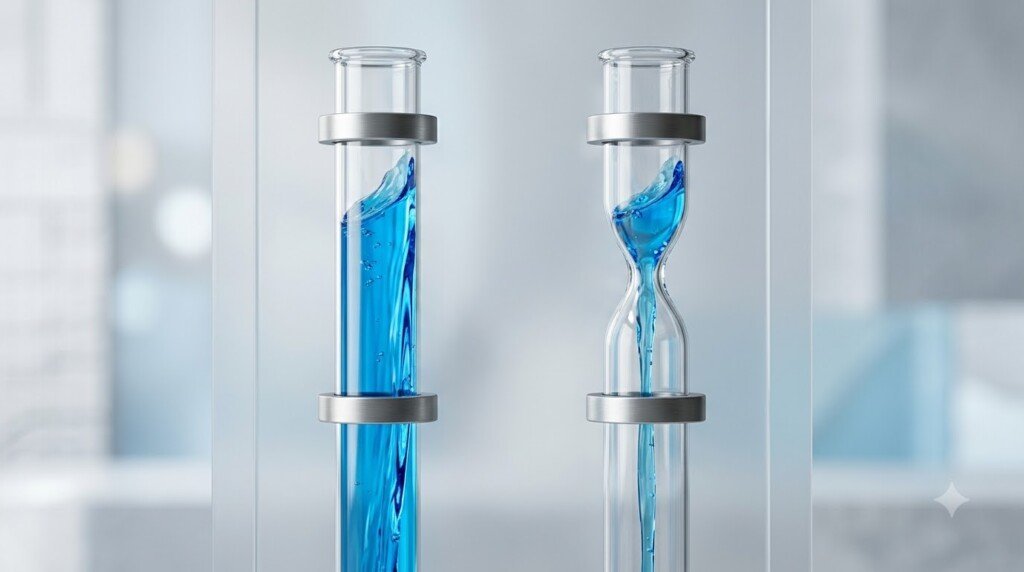
Vascular health plays a major role
Healthy erections require healthy blood vessels.
When blood flow becomes less efficient because of aging or cardiovascular disease, erectile tissue may not fill as completely during arousal.
This can make erections appear:
- Less firm
- Slightly narrower
- Shorter than before
- Less rigid overall
These changes reflect blood flow rather than immediate loss of penile tissue.
In many cases, improving cardiovascular health also improves erectile quality.
Smoking accelerates vascular damage
Smoking is one of the most important lifestyle factors affecting circulation.
Over time, smoking damages blood vessels throughout the body, including those supplying the penis.
Poor circulation may contribute to weaker erections, making the penis appear smaller than it once did.
Quitting smoking benefits not only heart health but also sexual function.
Scar tissue can change shape and size
Not every age-related change is part of normal aging.
Some men develop Peyronie’s disease, a condition in which scar tissue forms inside the penis.
This scar tissue may cause:
- Curvature
- Pain during erections
- Shortening
- Narrowing in certain areas
Unlike gradual age-related changes, Peyronie’s disease is a medical condition that should be evaluated by a healthcare professional.
A future article on Peyronie’s Disease: Signs and Treatment will discuss its symptoms, diagnosis, and available treatment options in greater detail.
Does girth increase or decrease over time?
Many people expect a simple yes-or-no answer, but reality is more nuanced.
For most healthy adults, penile girth remains relatively stable after puberty.
However, several age-related factors may influence how thick the penis appears during an erection.
Aging itself does not increase girth
There is no biological mechanism that causes the penis to naturally become thicker simply because someone gets older.
Unlike muscle mass, which can increase with resistance training, penile tissue does not continue expanding throughout adulthood.
If someone notices a temporary increase in thickness, it is more likely related to:
- Blood flow
- Swelling
- Individual variation in erections
These changes are temporary rather than permanent growth.
Reduced erectile quality may create the opposite impression
Many men actually notice reduced girth because erections are no longer as firm as they were during younger adulthood.
This often reflects:
- Reduced circulation
- Cardiovascular disease
- Diabetes
- Smoking history
- Lifestyle factors
The tissue itself may still be healthy, but inadequate blood flow prevents maximum expansion during erections.
Lifestyle choices influence long-term sexual health
Although aging cannot be stopped, many factors affecting erectile function remain under personal control.
Supporting vascular health through regular physical activity, nutritious eating patterns, adequate sleep, stress management, and avoiding tobacco products benefits the entire circulatory system.
These habits may not increase penile size, but they can help preserve erectile quality throughout adulthood.
What role does weight gain play in perceived size loss?
One of the most overlooked reasons men believe their penis is shrinking has nothing to do with the penis itself.
Instead, it involves changes around it.
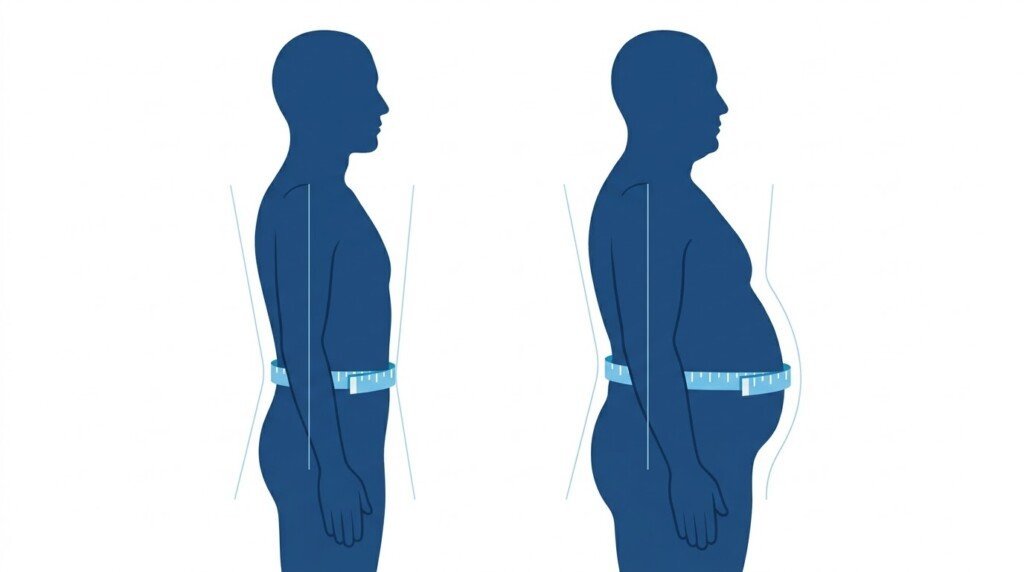
As body fat increases, particularly around the lower abdomen and pubic region, part of the penile shaft may become hidden beneath surrounding tissue.
The penis has not actually become shorter.
Less of it is simply visible.
The pubic fat pad changes appearance
The fatty tissue located above the penis is called the pubic fat pad.
When excess fat accumulates in this area, it can cover the base of the shaft.
Even a relatively small increase in abdominal fat may make the visible portion appear noticeably shorter.
This explains why some men report “losing” length after gaining weight.
In many situations, the anatomical length has remained the same.
Weight loss can restore visible length
For men carrying excess body fat, weight reduction may reveal more of the penile shaft that was previously hidden.
This is why some people feel their penis appears larger after losing weight, even though the penis itself has not grown.
The change is visual rather than structural.
A future article titled How Weight Loss Affects Perceived Size will explore this relationship in more detail, including why body composition can influence confidence as much as measurements themselves.
Perception matters
Body image influences how people evaluate themselves.
Someone who is concerned about aging may begin noticing every small physical change while overlooking the bigger picture.
That is one reason it helps to separate appearance, function, and actual anatomical change before assuming permanent shrinkage has occurred.
Is age-related shrinkage reversible?
Hearing that the penis may change with age naturally leads to another question: Can those changes be reversed?
The answer depends entirely on what caused the change in the first place.
Some age-related changes can improve when the underlying cause is addressed. Others are linked to permanent structural changes that require medical evaluation. That is why identifying the reason behind the change is much more important than assuming aging alone is responsible.
When perceived shrinkage can improve
Many men who believe they have permanently lost size are actually experiencing changes that can be influenced by overall health.
For example, reduced blood flow caused by poor cardiovascular health may affect erection quality. Likewise, carrying extra weight around the lower abdomen can hide part of the penile shaft, making it appear shorter than it really is.
Improving lifestyle habits may help restore normal erectile function or reveal more of the visible shaft.
Examples include:
- Losing excess body weight
- Becoming physically active
- Managing blood pressure
- Improving cholesterol levels
- Controlling diabetes
- Stopping smoking
These changes do not create new penile tissue, but they may improve appearance and function by addressing the underlying cause.
The role of testosterone decline
Testosterone naturally decreases with age.
This gradual decline affects many parts of the body, including:
- Muscle mass
- Bone density
- Energy levels
- Libido
- Sexual function
Lower testosterone alone does not usually cause dramatic penile shrinkage. However, it can contribute to weaker erections, lower sexual desire, and reduced erectile quality, which may create the impression that the penis has become smaller.
Questions about hormone therapy deserve their own discussion because treatment depends on laboratory testing and individual health history. For that reason, Testosterone Injections and Size: What the Science Says examines that topic separately.
Some structural changes require medical treatment
Not every cause of shrinkage can be improved through lifestyle alone.
Conditions such as Peyronie’s disease involve scar tissue forming inside the penis. This scar tissue may shorten the penis or change its shape over time.
Unlike reduced circulation or weight-related changes, scar tissue generally requires medical assessment rather than self-treatment.
If changes develop rapidly or are accompanied by pain or curvature, it is important not to ignore them.
When should shrinkage be checked by a doctor?
Most gradual changes associated with aging are not medical emergencies.
However, certain symptoms deserve prompt evaluation because they may indicate an underlying condition affecting vascular health, connective tissue, or hormone balance.

Signs that should not be ignored
Consider scheduling a medical evaluation if you notice:
- A sudden decrease in penile length
- Significant loss of girth over a short period
- Pain during erections
- Noticeable penile curvature
- Difficulty maintaining erections that develops suddenly
- Lumps or hardened areas beneath the skin
- Blood in the urine or semen
- Persistent numbness or loss of sensation
These symptoms are not considered a normal part of aging and should be assessed by a healthcare professional.
Erectile changes can reflect overall health
The penis depends on healthy blood vessels to function normally.
Because of this, erectile problems may sometimes appear before symptoms of cardiovascular disease become obvious elsewhere in the body.
Reduced blood flow affecting erections may be one of the earliest signs that vascular health needs attention.
A future article titled Vascular Health and Sexual Function will explain why heart health and erectile function are closely connected.
Do not assume every change is permanent
One mistake many men make is assuming every difference they notice is irreversible.
In reality, body weight, circulation, medications, chronic illnesses, and lifestyle habits all influence sexual health.
Receiving an accurate diagnosis is far more valuable than guessing based on internet discussions or advertisements.
Looking at aging with the right perspective
Aging changes every part of the human body.
Hair becomes thinner.
Skin loses elasticity.
Muscles gradually decline without regular activity.
Blood vessels become less flexible.
The penis is no exception.
That does not mean every change represents disease or permanent damage.
In many cases, maintaining good cardiovascular health, staying physically active, managing chronic conditions, and keeping a healthy weight help preserve sexual function well into later life.
Perhaps the most important takeaway is this:
Growing older does not automatically mean losing normal sexual health.
Many men continue enjoying satisfying sexual relationships throughout their later decades because they prioritize the same healthy habits that benefit the heart, brain, and entire circulatory system.
Understanding what is normal and recognizing what deserves medical attention allows you to respond with confidence instead of unnecessary worry.
Conclusion
The question does penis size shrink with age has a more nuanced answer than many people expect.
Yes, changes can occur over time, but aging itself is rarely the only explanation.
Reduced blood flow, weight gain around the pubic area, declining cardiovascular health, hormonal changes, and conditions such as Peyronie’s disease can all influence how the penis looks or functions. In many cases, what appears to be shrinkage is actually reduced visibility or weaker erections rather than permanent tissue loss.
That distinction matters because some causes are manageable through healthy lifestyle changes or medical treatment, while others simply reflect the normal aging process.
If you are worried about whether your current size is within the typical range, Average Penis Size Explained: What’s Actually Normal provides helpful context. If your concern is whether the penis can continue developing later in life, Can Penis Size Increase Naturally After Puberty? explains why adult growth follows a different biological pathway. And if hormone-related questions arise, Testosterone Injections and Size: What the Science Says explores what current evidence actually shows.
Rather than focusing only on size, paying attention to cardiovascular health, body weight, circulation, and overall wellness is one of the most effective ways to support long-term sexual health.
Frequently Asked Questions
1. Why is pennis shrinking?
A penis may appear smaller because of reduced blood flow, weight gain around the pubic area, weaker erections, hormonal changes, or medical conditions such as Peyronie’s disease. A healthcare professional can help determine the underlying cause.
2. Does girth increase with age?
No. There is no evidence that penile girth naturally increases as people age. Some men may notice reduced girth during erections because of changes in circulation or erectile function.
3. Can you regain size after it shrinks?
If the apparent shrinkage is related to weight gain, reduced circulation, or certain lifestyle factors, improving overall health may restore some visible size or erectile quality. Structural changes caused by scar tissue may require medical treatment.
4. What causes smaller pennis size?
Common causes include reduced vascular health, excess body fat around the pubic area, aging-related changes in erectile function, Peyronie’s disease, chronic health conditions, smoking, and some medications. A medical evaluation can identify the specific reason when changes are significant or occur suddenly.
Disclaimer:
This post may contain affiliate links. If you purchase through them, we may earn a small commission at no extra cost to you. Also, this content is for informational purposes only and does not substitute professional medical advice.
Know Your Body Better
Use our free tools to track your cycle, find your fertile window, estimate your due date, and more.
Open Free Tools →